Picture it: You're two months home from the most incredible road trip through Italy. The memories of winding Tuscan roads, seaside villages on the Amalfi Coast, and that perfect plate of cacio e pepe in Rome are still fresh. Then, an official-looking envelope arrives. And another. Inside are hefty traffic tickets, complete with grainy photos of your rental car. This unwelcome souvenir is the reality for countless travelers who unknowingly fall victim to Italy's ZTL zones. But it doesn't have to be your story. Getting hit with unexpected ZTL fines in Italy can sour an otherwise perfect trip, but with a bit of preparation and the right tech, you can navigate the country like a pro. Having instant, reliable data with a reliable Italy eSIM from the moment you land is the first and most crucial step to staying informed and avoiding these costly surprises.
- Understanding ZTLs: The Restricted Driving Zones in Italy
- Preparing for Your Italian Road Trip: ZTL Pre-Checks
- Real-Time Navigation & Your Cellesim eSIM: The Key to ZTL Avoidance
- Maximizing Your Cellesim eSIM for ZTL-Free Travel
- Navigating Italian Roads and ZTL Signage: A Practical Guide
- Beyond ZTLs: Understanding Italy's Road Network & Connectivity
- What to Do If You Receive a ZTL Fine as a Rental Car Driver
- Frequently Asked Questions About Avoiding ZTL Fines in Italy
Connect Instantly in Italy with Cellesim
Get seamless high-speed data across Italy with our dedicated eSIM plans. No hidden roaming fees, no physical SIM cards to swap.
50,000+ happy customers choose Cellesim for effortless travel.
Shop Italy eSIM Plans 🇮🇹Understanding ZTLs: The Restricted Driving Zones in Italy
ZTL stands for Zona a Traffico Limitato, which means Limited Traffic Zone. These are specific areas in many Italian cities and towns, often historic centers, where vehicles can only enter at certain times or sometimes not at all. Their main goal is to cut down on traffic jams, reduce pollution, and protect historical sites. While they're great for cities, ZTLs are a common reason tourists driving rental cars get stressed out and hit with unexpected fines.
ZTLs are monitored by cameras at every entry point. These cameras automatically snap photos of license plates as cars enter the zone. If your car's license plate isn't on an approved list (like for local residents, public transport, or delivery vehicles), you automatically get a fine. It's important to remember that each time you enter a ZTL, even if it's just minutes apart, counts as a separate violation. This can quickly lead to multiple fines that add up fast.
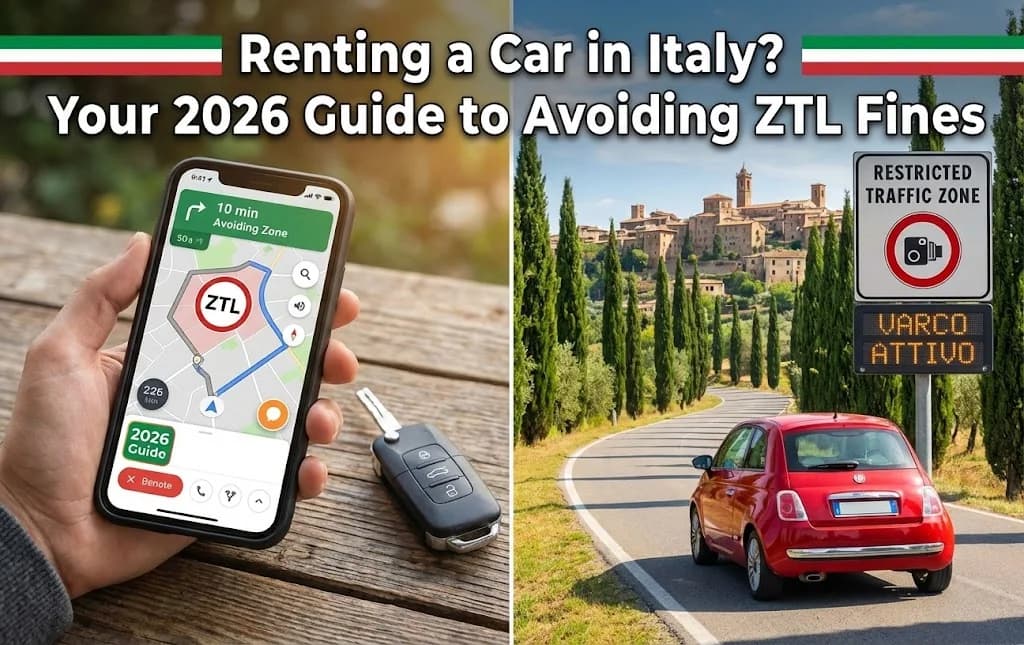
The rules for ZTLs aren't the same everywhere. They change by city and even by specific zone within a city. Some ZTLs are active 24/7, while others only operate during specific hours, certain days of the week, or different seasons. You'll usually spot ZTL signs as white rectangles with a red circle, saying "Zona a Traffico Limitato" and sometimes showing the operating hours. Keep an eye out for "Varco Attivo" (meaning the gate is active and restrictions are in effect) or "Varco Non Attivo" (meaning the gate is inactive, so you can enter without a penalty, though parking rules still apply).
Learning ZTL signs is incredibly important. If you lose focus for even a moment, you could end up with hundreds of Euros in fines.
Preparing for Your Italian Road Trip: ZTL Pre-Checks
To really avoid ZTL fines, you need to start planning well before you ever pick up your rental car. Being well-prepared and aware is your best defense against those unexpected charges. Here’s a checklist to help you get ready before your trip:
- Research Your Destinations: Before you finalize your travel plans, check if the cities and towns you're visiting have ZTLs. Big cities like Rome, Florence, Milan, Bologna, Pisa, and Verona are famous for their extensive ZTLs. Even smaller towns might have them, especially in their old historic areas. A quick online search for "[City Name] ZTL" will give you the information you need.
- Understand Rental Car Agreements: Make sure you carefully read your rental car agreement, especially the parts about ZTLs and how fines are handled. Rental companies typically add an administrative fee for every fine they process, on top of the actual fine itself. This fee can range anywhere from €30 to €70 per ticket.
- International Driving Permit (IDP): This isn't directly about ZTLs, but if you're not from the EU, you legally need an IDP to drive in Italy. Get one before your trip. It makes your foreign driving license valid and is crucial for any interactions with Italian authorities, including if you get pulled over.
- Download Offline Maps: Even though an eSIM gives you real-time data, having offline maps (like Google Maps) for Italy downloaded to your phone is a great backup. It's especially useful in areas with spotty cell service or for navigating when you first arrive before your eSIM is fully set up.
Real-Time Navigation & Your Cellesim eSIM: The Key to ZTL Avoidance
When you're driving a rental car in Italy, especially near cities with ZTLs, real-time navigation isn't just nice to have - it's essential. The old GPS units you find in many rental cars often have maps that are out of date and don't show the latest ZTL boundaries or when they're active. Relying on them is a common mistake that almost always leads to fines.
This is where a Cellesim Italy eSIM becomes incredibly useful. An eSIM gives you instant mobile data connectivity the moment you land. No more hunting for local SIM cards or paying crazy roaming fees. With a solid data connection, you can use up-to-date navigation apps like Waze or Google Maps on your smartphone.
Waze is particularly good for avoiding ZTLs. Its community-driven updates often include warnings for ZTL zones and can quickly reroute you to steer clear of them. Google Maps also provides good navigation and often points out restricted areas, but Waze's real-time community alerts are usually faster for sudden traffic changes or temporary restrictions.
Having continuous, high-speed data ensures your navigation app stays accurate and responsive. It guides you around restricted areas and gives you timely warnings. This proactive approach significantly lowers your chances of accidentally driving into a ZTL.
Explore All Cellesim eSIM Plans
Maximizing Your Cellesim eSIM for ZTL-Free Travel
Once you have your Cellesim Italy eSIM, making the most of it for driving is simple. Here are a few pointers:
- Activate Before Arrival: Buy and activate your Cellesim eSIM even before you get on your flight to Italy. This way, you'll have data connectivity the moment your plane lands, letting you use navigation right from the airport. Our complete eSIM setup guide can walk you through the entire process.
- Data Plan Selection: Think carefully about how much data you'll need. Navigation apps can use a good amount of data, especially if you're taking new routes every day. Use our Smart Data Calculator to estimate your usage. It's always better to get a bit more data than you think you'll need, just in case, so you don't run out halfway through your journey.
- Keep Your Phone Charged: Using GPS constantly and having your screen on will quickly drain your phone battery. Always carry a car charger or a portable power bank to make sure your navigation system doesn't suddenly die on you.
- Mount Your Phone: For safe driving, use a phone mount. This keeps your device visible without blocking your view or making you look down, which helps minimize distractions.
Navigating Italian Roads and ZTL Signage: A Practical Guide
Driving in Italy has its own unique quirks, even beyond ZTLs. Being ready for these will make your driving experience better overall and help you stay safe and avoid trouble:
- ZTL Signage: Always keep an eye out for ZTL signs. They are usually white circles with a red border. They might also have text below the main sign showing specific hours of operation. The most important phrases to remember are "Varco Attivo" (gate active, meaning do not enter) and "Varco Non Attivo" (gate inactive, meaning you can enter, but parking rules might still apply). These phrases often appear on electronic signs at ZTL entry points.
- Narrow Streets: Especially in historic city centers and smaller towns, streets can be incredibly narrow, sometimes just wide enough for one car. Drive carefully and be ready to yield to others.
- Roundabouts: Italians are efficient at navigating roundabouts. Yield to any traffic already in the roundabout, then proceed. Use your turn signal to indicate when you're exiting.
- Motorcycles and Scooters: Be aware of the many motorcycles and scooters, especially in cities. They often weave through traffic and can appear suddenly.
- Parking: Finding parking in Italian cities can be tricky and expensive. Blue lines mean paid parking, white lines are for residents (often requiring a permit), and yellow lines mean no parking at all. Consider parking outside ZTLs and using public transport or walking into the city.
- Speed Limits: Generally, speed limits are 50 km/h in urban areas, 90 km/h on secondary roads, 110 km/h on main roads, and 130 km/h on highways (autostrade). Fines for speeding are quite hefty.
Beyond ZTLs: Understanding Italy's Road Network & Connectivity
Italy has a vast and generally well-maintained road network, from beautiful countryside routes to high-speed autostrade. For a smooth driving experience, especially when you're relying on digital navigation, consistent mobile data coverage is vital.
Autostrade (Highways): These are toll roads marked with green signs. They're great for fast, efficient travel between major cities. Cellesim eSIMs offer excellent coverage along these routes, making sure your navigation app works without interruption. You can use a Telepass device (often available from rental companies) or pay tolls manually with cash or card. For more information on Italy's road network, check the official Autostrade per l'Italia website.
Provincial and State Roads: These roads, marked with blue or white signs, connect smaller towns and offer more scenic routes. While they're generally slower, they're a fantastic way to see Italy's diverse landscapes. Cellesim's network partners ensure strong 4G coverage across most populated areas and many rural stretches, allowing for smooth navigation even off the main highways.
Mountainous Regions: If your trip takes you through the Dolomites or other mountainous areas, be prepared for possible drops in cellular signal. Downloading offline maps beforehand is especially useful in these regions. However, Cellesim's strong partnerships aim to provide the best possible coverage, even in challenging terrains.
Reliable mobile data from your Cellesim eSIM helps with more than just navigation. It also gives you access to important information on the go, whether you're checking museum opening hours, translating a menu, or contacting your accommodation.
What to Do If You Receive a ZTL Fine as a Rental Car Driver
Even if you're super careful, sometimes ZTL fines just happen. It's important to know what to expect and what your responsibilities are:
- Rental Car Company Notification: The ZTL cameras record your rental car's license plate. The fine then goes directly to the rental company. The rental company will figure out you were the driver at the time of the violation and will send your details to the Italian authorities.
- Administrative Fees: As mentioned before, the rental company will usually charge an administrative fee for processing the fine. This fee is automatically taken from the credit card you used for the rental. You might see this charge on your statement several weeks or even months after your trip.
- Receiving the Fine: The actual ZTL fine, issued by the Italian municipality, will then be mailed to your home address. This can take anywhere from a few months to over a year to show up. Italian law allows up to 360 days for a foreign driver to be notified of a traffic violation.
- Payment Options: The fine usually comes with instructions on how to pay. Paying quickly often means you'll pay a reduced amount. If you wait to pay, the fine amount will go up significantly. It's not a good idea to ignore the fine, as outstanding fines can sometimes cause issues with future travel to the Schengen Area, though this is rare for ZTLs.
- Contesting a Fine: You can try to dispute a ZTL fine, but it can be a complicated and long process, especially if you don't speak Italian. Valid reasons for appealing are few (for example, incorrect vehicle registration or a medical emergency). If you think you have a strong case for an appeal, you should talk to a lawyer who specializes in international traffic law.
While an eSIM can't stop a fine once it's been issued, its ability to provide real-time data for navigation is your strongest tool for prevention. Compare the potential cost of ZTL fines and roaming fees using our Roaming Savings Calculator to clearly see the benefits of an eSIM.
Drive Smart, Stay Connected. Get Your Cellesim Italy eSIM.
Eliminate ZTL stress and high roaming costs. Join 50,000+ travelers connecting instantly across 200+ countries.
Start Your Connected Journey in Italy 🇮🇹Trusted by travelers worldwide. 24/7 Support: [email protected]
What Exactly is a ZTL Zone and Why Should You Care?
Before we talk about how to avoid ZTL fines, it's really important to understand what these zones are all about. A ZTL isn't some sort of scam or a trap for tourists; it's a real traffic management system that can be quite confusing if you're not prepared.
Decoding the "Zona a Traffico Limitato"
ZTL means "Zona a Traffico Limitato," or Limited Traffic Zone. These are specific areas, usually in the historic centers (centro storico) of most Italian cities and towns, set up to cut down on traffic jams and pollution. Generally, only residents and authorized vehicles can enter these zones. The whole system works with cameras that automatically photograph the license plates of every car that drives in. There's no gate or person to tell you to turn around, just a sign and a camera. If your license plate isn't on the approved list for that particular time and day, a fine is automatically generated.
The Cost of a Mistake: Understanding ZTL Fines
This is where things can get really expensive. A single ZTL violation can cost anywhere from €80 to over €300. But the final bill often ends up being much higher. When you enter a ZTL in a rental car, the fine is sent to the rental company first. They then figure out who was driving and give your information to the local police. For doing this "service," they'll charge you a separate administrative fee, usually between €30 and €60, which they'll take directly from your credit card. Months later, the actual fine from the Italian municipality will arrive at your home address. And if you happen to drive in and out of the same zone multiple times, you'll get a separate fine for each entry. It adds up incredibly fast. This is a crucial part of smart planning for any multi-country European road trip, as similar low-emission zones exist elsewhere, but Italy's are particularly common.
ZTL Fines vs. Roaming Charges: A Cost Comparison
It's important to grasp the financial impact of not planning well. While ZTL fines are a specific danger for drivers, traditional data roaming can also quietly drain your bank account. Comparing these potential costs often quickly shows why an eSIM is so valuable.
| Cost Factor | Traditional Roaming (Estimate) | ZTL Fine (Estimate per infraction) | Cellesim Italy eSIM (Estimate) |
|---|---|---|---|
| Daily Data Cost | $10-$15 per day | N/A | From $1.50 per day |
| Administrative Fees | Possible overages | €30-€60 per fine | None |
| Total Trip Cost (e.g., 7 days) | $70-$100+ | €80-€300+ (per entry) | $10-$20 (for typical plan) |
| Impact on Travel Budget | Significant, often unexpected | Potentially devastating if multiple fines | Predictable, budget-friendly |
As this table shows, getting an eSIM not only provides reliable navigation to help you avoid expensive ZTL fines but also offers a clear and affordable way to stay connected. You can use our Roaming Savings Calculator to further understand the financial benefits.
Your Pre-Trip ZTL Avoidance Checklist
The best strategy for ZTL fines is to avoid them entirely. A little bit of planning before you even leave home can make a huge difference.
Choosing the Right Rental Car & Location
Your strategy should start right when you book your rental car. If you can, rent your car from an airport or a location on the edge of a city. Picking up a car from a downtown office in Florence or Rome is just asking for trouble, as you might have to drive through a ZTL just to get out of the parking garage. Also, a smaller car is a smart choice; it's not just for ZTLs but also for navigating the incredibly narrow streets you'll encounter in many charming Italian towns.
Research Your Destinations' ZTLs in Advance
Before your trip, list all the towns and cities you plan to visit and do a quick online search for "ZTL [City Name]". The official websites of the local municipality (comune) will have maps and timetables for their ZTLs. Cities like Florence, Rome, Pisa, Milan, and Siena are well-known for their extensive and complicated ZTL zones. Knowing the general boundaries of the ZTL zones Florence, for example, will help you plan your approach and parking much more effectively. For official information on Italian traffic laws and regulations, you can check resources like the Automobile Club d'Italia (ACI) website, which offers thorough guides for drivers.
Booking Accommodation: The "ZTL Pass" Clarification
Here's a common misunderstanding. Some hotels located within a ZTL might be able to temporarily add your rental car's license plate to an access list. However, this is NOT automatic. You absolutely must contact the hotel well in advance, give them your license plate number, and confirm the exact process with them. Do not just drive to the hotel assuming they'll take care of it. Verify the procedure, get it in writing if you can, and ask for the best route to reach them without crossing other ZTLs. While you're at it, it's a great time to check if your phone is eSIM compatible, making sure your tech is as ready as your itinerary.
Essential Tech & Connectivity for Navigating Italy by Car
In the 21st century, your smartphone is the most powerful tool you have for avoiding ZTLs. But it's only useful if it has a reliable data connection.
Why Your Phone is Your Best Co-Pilot
Forget about the GPS unit that the rental car company offers. Its maps are often out of date, and critically, they don't show ZTL zones in real time. Your phone, running a modern navigation app with a live data connection, is far more dependable. It can access the latest traffic conditions, road closures, and, most importantly, updated information on restricted zones. Relying on offline maps or just hotel Wi-Fi is a recipe for disaster when you need to make a quick decision on an unfamiliar street. This is why a travel eSIM has a clear advantage over physical SIMs or roaming.
The Best Navigation Apps for Italian ZTL Zones
- Waze: This app is generally considered a traveler's best friend for driving in Italy. Its community-sourced data often includes warnings for ZTL entrances. In the settings, you can add local passes and permissions, and it's quite good at directing you around known restricted areas. It's the best answer to the question "how to use Waze to avoid ZTL in Italy." You can find more details on Waze's features on their official website.
- Google Maps: While great for general navigation and finding places of interest, Google Maps isn't as reliable for specifically identifying and avoiding ZTLs. Use it for the overall route, but switch to Waze when you're getting close to any city center. A common mistake is thinking the "Avoid Tolls" feature also avoids ZTLs, which it does not.
The Cellesim Advantage: Seamless Data from the Moment You Land
Imagine landing at Rome Fiumicino after a long flight, picking up your rental car, and immediately having high-speed data to open Waze and navigate to your hotel without a single worry. That's the freedom an eSIM offers. You can buy and install your Cellesim Italy plan before you even leave home by following a simple, interactive setup guide. The moment your plane's wheels touch down and you turn off airplane mode, you're connected. There's no searching for a TIM or Vodafone store, no fumbling with passports and paperwork to register a physical SIM, and no shocking roaming bills from your home carrier. This is a big improvement over older solutions, making eSIMs versus traditional airport SIMs a clear choice for today's travelers.
Optimizing Your Cellesim Italy eSIM for a Smooth Drive
Having an eSIM is just the beginning. To truly get the most out of this technology, it's crucial to know how to pick the right plan and manage its use, especially when you're driving on unfamiliar roads in Italy.
How Much Data Do You Need for Driving and Navigation?
The amount of data you'll require depends on your driving habits and how much you rely on online maps. Navigation apps like Waze and Google Maps mainly use data to load maps, get traffic updates, and plan routes. If you stream music or video in the background, your data usage will go up significantly. For a typical road trip, 1-2 GB of data per week is usually enough for navigation and looking things up occasionally. If you plan to use social media, stream content, or make video calls, you should consider a larger plan. You can use the Cellesim Smart Data Calculator to get a more precise estimate of your data needs based on what you plan to do.
When to Activate Your Italy eSIM?
One of the best things about an eSIM is how flexible it is. You can buy your Cellesim Italy eSIM plan weeks or even months before your trip. The best time to activate it is usually right before you leave or when you arrive at your destination. Activating it before you leave home lets you make sure everything is set up correctly in a familiar environment. Once your flight lands in Italy, simply turn on your eSIM line, and you'll automatically connect to a local network. This ensures you have immediate access to navigation and communication tools the moment you step out of the airport, removing the stress of finding connectivity in a new place. For detailed instructions, refer to our complete eSIM setup guide.
On the Road: Practical Tips for Driving in Italy for Tourists
You've done all your prep work. Now it's time to hit the road. Here’s how to stay sharp and avoid fines while driving.
How to Spot a ZTL Sign (And What to Do if You See One)
The official ZTL sign looks like a standard European traffic sign: a white circle with a solid red border. Below it, you'll see text explaining the hours and days the restriction is active. The most important phrase to look for is "Varco Attivo". This means the gate (camera) is ACTIVE, and you absolutely should NOT enter. If it says "Varco Non Attivo," the gate is inactive, and you are allowed to enter. If you see a "Varco Attivo" sign, don't panic. Find the first safe and legal place to turn around. Do not reverse or stop suddenly in traffic.
Parking Strategy: The Key to a Fine-Free Day
The very best strategy for visiting any Italian city with a ZTL is to park outside of it. Look for large, secure parking garages (parcheggio) on the outskirts of the historic center. Yes, you'll have to pay, but it's much cheaper than a ZTL fine. From there, you can easily walk or take a short bus or taxi ride to see the sights. Pay attention to the curb markings: white lines are usually for residents, blue lines mean paid parking (look for a nearby meter), and yellow lines are for disabled permit holders or loading zones.
Explore Cellesim Plans
Understanding Italian Road Networks and Connectivity
Beyond ZTLs, a successful Italian road trip means understanding the country's broader infrastructure and how your eSIM helps ensure consistent communication and navigation.
Network Coverage in Italy: 4G and 5G Availability
Italy has a strong mobile network infrastructure, with major carriers like TIM, Vodafone, and WindTre offering wide 4G LTE coverage across the peninsula. 5G networks are quickly expanding, especially in bigger cities and along major travel routes. When you use a Cellesim eSIM in Italy, you connect to one of these top local networks. This ensures you get reliable data speeds for navigation, communication, and staying in touch with family and friends. While coverage is generally excellent in cities and along motorways, signal strength can be weaker in very remote mountainous areas or small, isolated villages. Always download offline maps for any areas where you expect limited connectivity, even with the best local service. Learn more about how Cellesim works with local networks to provide seamless service.
Beyond ZTLs: Speed Cameras and Highway Tolls
ZTLs are a unique challenge, but other traffic rules also need your attention. Italy is known for its extensive network of speed cameras, often marked as Autovelox or Tutor. These systems are common on highways (autostrade) and major roads, checking speeds to make sure drivers follow the rules. Pay close attention to posted speed limits, which can change often. Also, most of Italy's motorways are toll roads. You'll find toll booths where you can pay with cash or credit card. Look for lanes marked "Carte" (cards) or "Contante" (cash). Some rental cars might have a Telepass device, which lets you use special Telepass lanes for automatic payment, saving you time. Make sure you understand your rental agreement regarding toll payments.
What Happens If You Get a ZTL Fine in a Rental Car?
Even with the best preparation, mistakes can happen. If you suspect you've entered a ZTL, here's what you can expect.
The Notification Process
You won't get pulled over on the spot. The process is completely automated. Months after your trip, sometimes up to a year, you will likely see a charge on your credit card from the rental car company. This is their administrative fee for handling the ticket. Some time after that, the official fine from the Italian municipality will be mailed to your home address. It will be in Italian but will include instructions on how to pay.
To Pay or Not to Pay?
Our strong advice is to pay the fine. Ignoring it won't make it disappear. Unpaid fines can be given to international collection agencies, which could affect your credit rating. Additionally, having an unpaid fine might cause problems if you try to rent a car in Italy or even the wider EU in the future. Most municipalities now have online portals that make payment straightforward. It's a frustrating expense, but dealing with it promptly is the best course of action, a principle that mirrors Cellesim's dedication to travelers by offering transparent and reliable services.
Frequently Asked Questions About Avoiding ZTL Fines in Italy
Can I avoid ZTL fines by using a rental car's GPS?
Most built-in GPS systems in rental cars use outdated maps and don't give you real-time information about ZTL zones. We don't recommend relying on them to avoid ZTLs. Using a smartphone with a live data connection and an app like Waze is a much more reliable solution, and a Cellesim eSIM makes that easy.
Are ZTL zones active 24/7?
No, ZTL zones usually have specific hours and days when they're active, and these are shown on the ZTL signs. Restrictions are often strictest during daytime and evening hours, especially in historic city centers. Always check the sign for "Varco Attivo" (active gate) or "Varco Non Attivo" (inactive gate).
How does an eSIM help avoid ZTL fines?
An eSIM gives you instant, dependable mobile data the moment you arrive, letting you use real-time navigation apps like Waze or Google Maps. These apps, with their community-sourced data, are often updated with ZTL warnings and can guide you around restricted areas, preventing you from accidentally entering and getting potential fines.
What should I do if I accidentally enter a ZTL?
If you see a "Varco Attivo" sign and realize you've entered a ZTL, find the first safe and legal place to turn around and leave the zone. Don't stop suddenly or reverse in traffic. While you might still get a fine, exiting quickly can sometimes limit further penalties if you accidentally entered multiple times, though this isn't guaranteed.
Is driving in Italian cities always difficult?
Driving in major Italian cities can be tricky because of ZTLs, narrow streets, and heavy traffic. Many travelers find it easier to park outside city centers and use public transport or walk. However, driving through the countryside or smaller towns is often a lovely and manageable experience, especially with good navigation.
Can I use my Cellesim eSIM for calls and texts?
Cellesim eSIMs primarily provide data connectivity. While they typically don't include a local phone number for traditional calls and SMS, you can easily make calls and send messages using VoIP apps like WhatsApp, FaceTime, or Skype, all of which rely on your strong Cellesim data connection.
See also: activate your eSIM
See also: Milan eSIM