Gross National Happiness (GNH), Not Just a Slogan
Bhutan's unique guiding principle, Gross National Happiness (GNH), isn't just some feel-good slogan. It's a serious framework that shapes government policy and how the country develops. The Fourth King, Jigme Singye Wangchuck, introduced it in the 1970s, making it clear that the well-being of the whole community matters more than just money. This means every policy is checked not only for economic impact but also for how it affects the environment, cultural preservation, good governance, and sustainable development. It's a truly holistic approach, which often surprises visitors used to countries that focus purely on GDP numbers.
To measure GNH, the Centre for Bhutan Studies created an index with nine domains. These include things like psychological well-being, health, how people spend their time, education, cultural resilience, good governance, community spirit, ecological health, and living standards. They regularly survey people to gather detailed data, showing how the nation is doing beyond just financial metrics. It's a fascinating look at how a philosophical idea can be built right into the heart of a state.
The Four Pillars of GNH
- Sustainable and Equitable Socioeconomic Development: Making sure progress benefits everyone without using up resources for the future.
- Environmental Conservation: Protecting Bhutan's amazing natural beauty and wildlife.
- Preservation and Promotion of Culture: Keeping Bhutan's distinct heritage and traditions alive.
- Good Governance: Ensuring transparency, accountability, and the rule of law.
Bhutan is the World's Only Carbon-Negative Country
Yep, you read that right. Bhutan actually soaks up more carbon dioxide than it releases. This amazing achievement comes from a few things: their constitution requires at least 60% forest cover (they're currently over 70%), they mostly use hydroelectric power, and they have a relatively small population. Those dense forests act like giant sponges for carbon, making up for the country's minimal emissions. This dedication to the environment isn't just a government rule, it's part of their daily life, deeply connected to the Buddhist respect for nature. It's a powerful example of a nation putting ecological health first.
How Bhutan Achieves Carbon Negativity
Bhutan's carbon-negative status is a direct result of smart policies and deeply held cultural beliefs. The country gets almost all its electricity from hydropower, a clean and renewable source. They even sell extra hydroelectricity to neighboring countries, further helping to reduce global carbon. Plus, their huge forest cover, protected by strict laws, constantly pulls carbon from the atmosphere. It's a real-world example of efficiency and sustainability, where every major system is designed with the environment in mind.
The 'High-Value, Low-Impact' Tourism Policy
Bhutan deliberately limits tourist numbers with its "High-Value, Low-Impact" policy. This isn't about being exclusive for the sake of it, but a careful strategy to protect Bhutan's unique culture and untouched environment. Most visitors (except those from India, Bangladesh, and Maldives) have to pay a Sustainable Development Fee (SDF). This fee goes directly into funding free education, healthcare, poverty reduction, and environmental projects. It ensures that tourism benefits the entire nation, not just a few businesses. This controlled approach helps prevent over-tourism and cultural dilution, problems many popular destinations are now struggling with.
While the SDF is a significant contributor, it also means that spontaneous, budget travel isn't usually an option. Things like accommodation, transport, and guides are typically arranged through licensed Bhutanese tour operators. This structured way of traveling, though different from backpacking, guarantees a high-quality, responsible experience. If you're looking for authentic cultural immersion and care about environmental protection, this system really works.
Traditional Dress is Mandatory in Public
When you walk around Thimphu or visit a Dzong, you'll see almost everyone - students, government workers, even construction crews - wearing traditional Bhutanese clothes. Men wear the Gho, a knee-length robe tied at the waist with a fabric belt called a kera, which creates a handy pouch in the front. Women wear the Kira, a long, ankle-length dress often made from beautiful woven fabrics, usually with a short jacket called a tego. This isn't just for special events; it's everyday wear and a strong symbol of national identity and cultural pride. Tourists are encouraged to try traditional attire for special occasions or monastery visits, and many find it quite fun, though it's not required for them daily.
The Significance of the Gho and Kira
The consistent wearing of the Gho and Kira is a conscious choice to strengthen Bhutanese identity. It sets Bhutanese people apart and helps maintain a strong sense of cultural unity. The Gho, for example, is surprisingly practical with its large pouch, often used to carry everything from books to cell phones. This commitment to traditional dress is a clear example of the GNH principle of cultural preservation in action.
The National Animal is a Mythical Creature
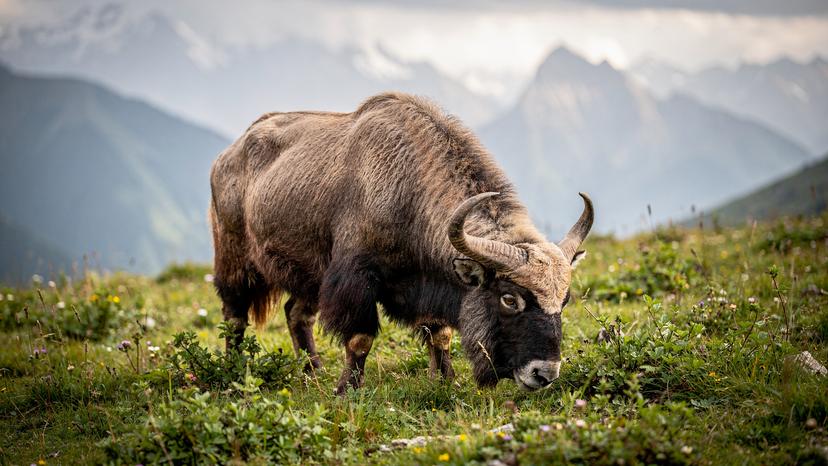
Not exactly mythical, but definitely one-of-a-kind, Bhutan's national animal is the Takin (Budorcas taxicolor). This strange goat-antelope hybrid looks like something from a fantasy novel. With a big head, thick neck, and sturdy body, it somewhat resembles a cow with a sheep's nose. Legend says the Buddhist saint Drukpa Kunley, also known as the 'Divine Madman', created the Takin by combining a goat's head and a cow's body after a feast. Takins live in herds in the high Eastern Himalayas, and spotting one in the wild is a rare treat. Their unique appearance is a testament to the diverse and often surprising wildlife of the region.
The National Sport is Archery
While many countries love football or basketball, Bhutan's national sport is archery (Dha). But this isn't the quiet, focused archery you see in the Olympics. Bhutanese archery is a lively, community event, full of singing, dancing, and plenty of playful taunting to distract opponents. Teams shoot at tiny targets over 140 meters away, and when someone hits the bullseye, their teammates do a celebratory dance. It's a display of skill, tradition, and joyful friendship, a world away from a solemn competition. This spirited form of archery is deeply woven into social life and often happens during festivals and local gatherings.
Rules and Rituals of Bhutanese Archery
Bhutanese archery competitions are more about community involvement than strict rules. Teams usually have 7-10 members. Before each shot, archers often say a quick prayer for luck. The targets are small wooden planks, about 30 cm by 10 cm, making the long-distance shot incredibly difficult. The celebratory dances and songs, called cham, are a key part of the experience, adding to the festive mood. It's a fascinating mix of sport and cultural expression.
Unique Architecture Requires No Nails
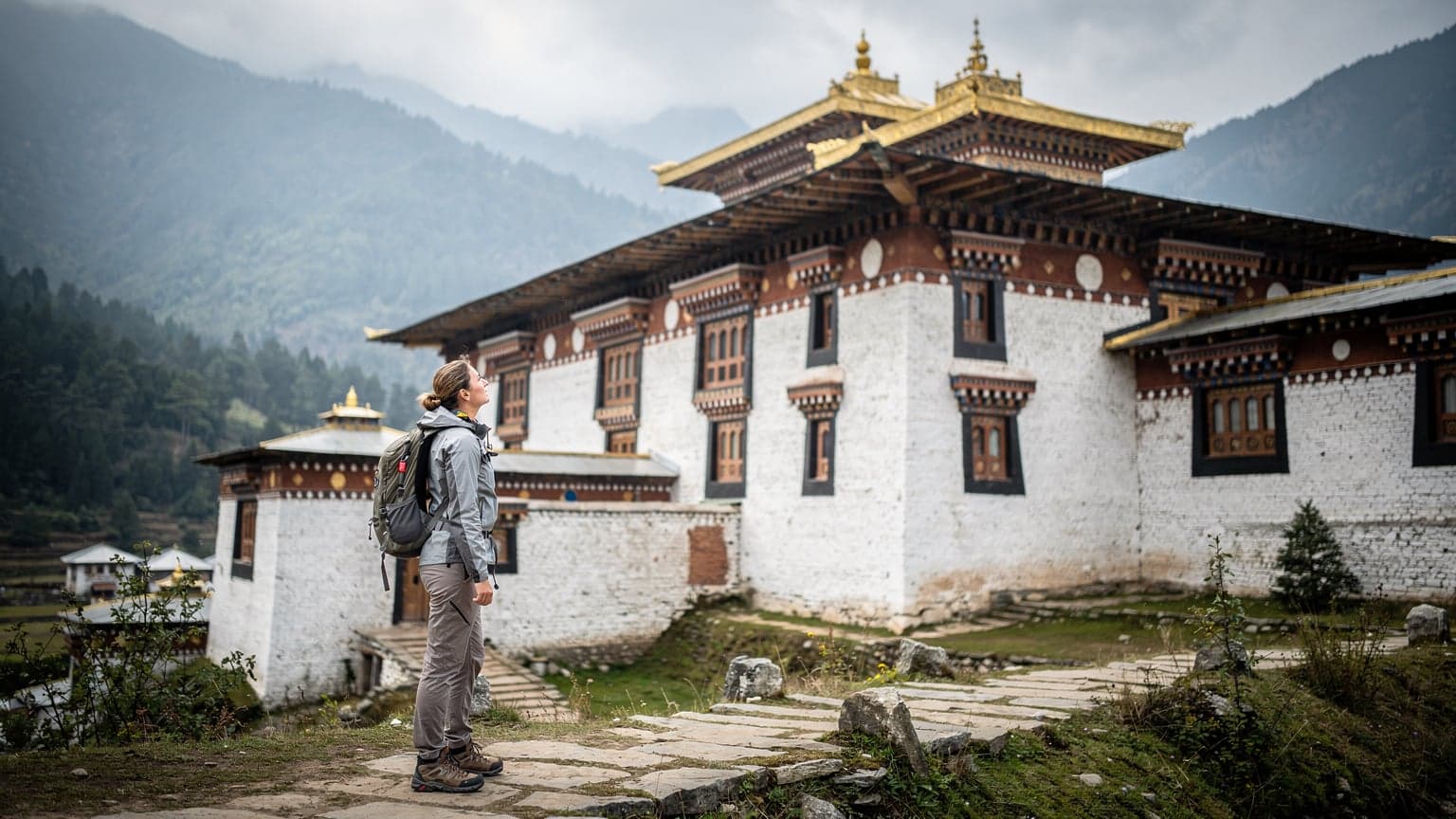
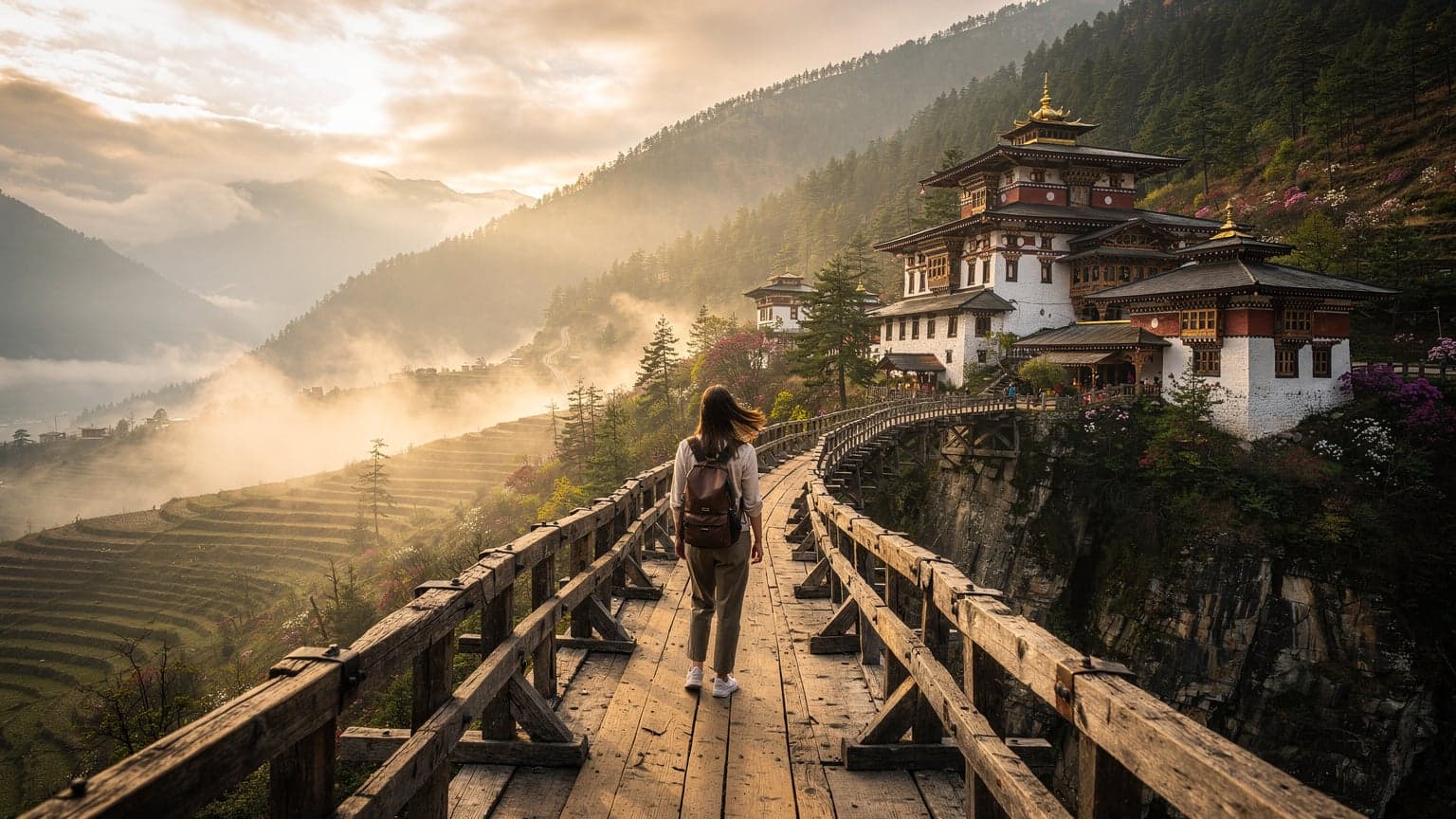
Bhutanese traditional architecture, like its famous Dzongs (fortress-monasteries), temples, and even many homes, is known for its intricate designs and vibrant colors. The truly amazing part is that these structures are often built without a single nail. Instead, skilled carpenters and masons use a complex system of interlocking wooden beams, stone, and mud to create incredibly strong and earthquake-resistant buildings. This ancient construction method, passed down for generations, shows a deep understanding of materials and engineering. It's a testament to sustainable building practices long before they became trendy.
The Engineering Behind Dzong Construction
Building a Dzong is a masterclass in traditional engineering. Huge timbers are precisely cut and fitted together using mortise and tenon joints, creating a flexible yet sturdy frame. Stones are sometimes laid without mortar, relying on careful stacking and friction. This technique allows the buildings to flex during earthquakes, making them remarkably resilient. The vibrant murals and detailed wood carvings that decorate these structures are just as impressive, adding to their visual beauty. Every part, from the foundation to the roof, reflects centuries of accumulated wisdom.
Chilli is a Vegetable, Not a Condiment
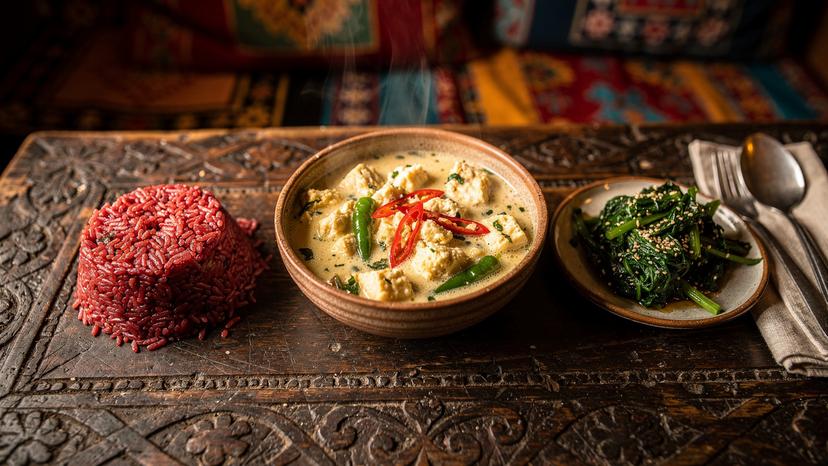
If you're used to adding chili as a little kick to your meal, get ready for a completely different culinary experience in Bhutan. Here, chili (Ema) is seen as a main vegetable and forms the base of many national dishes. The most famous dish, Ema Datshi, is a fiery stew made from chilies and local cheese. It's common to see Bhutanese meals featuring large amounts of green or red chilies, often whole or roughly chopped, rather than finely minced as a spice. For visitors, this can be quite an adjustment, as even dishes that don't explicitly list chili as a main ingredient often contain a significant amount. A sensitive palate might find it challenging, but a bold one will discover truly unique flavors.
Common Bhutanese Dishes and Their Spice Levels
| Dish | Main Ingredients | Typical Spice Level |
|---|---|---|
| Ema Datshi | Chilies, local cheese, sometimes potato or mushroom | Very High |
| Kewa Datshi | Potatoes, local cheese, often with chilies | Medium to High |
| Shamu Datshi | Mushrooms, local cheese, often with chilies | Medium to High |
| Phaksha Paa | Pork, sometimes with daikon radish or chilies | Mild to Medium |
| Jasha Maroo | Minced chicken, ginger, garlic, often with chilies | Medium |
It's Illegal to Kill Animals for Meat in Bhutan
Given Bhutan's strong Buddhist principles and deep respect for the environment, it's probably not surprising that killing animals for meat is largely banned within the country. While Bhutanese people do eat meat, most of it is imported from India. This means if you're eating meat in Bhutan, it most likely didn't come from an animal killed there. This policy reflects a deep reverence for all living beings and fits perfectly with the GNH principle of ecological diversity and resilience. It's an interesting ethical point for travelers to consider, highlighting the nation's profound spiritual roots.
Vegetarian and Vegan Options
Despite meat being on menus (though imported), Bhutan is surprisingly good for vegetarians and vegans. Thanks to the Buddhist emphasis on non-violence and an abundance of fresh, local vegetables and dairy, many traditional dishes are naturally vegetarian or can be easily made so. Datshi dishes, for example, are cheese-based, and there are plenty of vegetable curries and rice dishes available. Just make sure to clearly state your dietary needs, especially regarding local cheese (datshi) if you're strictly vegan.
Television and Internet Arrived Late
Bhutan was one of the last countries in the world to get television and the internet, only introducing them in 1999. This wasn't an accident; it was a deliberate choice to shield the nation's culture from the perceived negative effects of globalization. The then King, Jigme Singye Wangchuck, worried about cultural erosion and social fragmentation. While the internet and TV are now common, their late arrival meant Bhutanese society had more time to solidify its unique identity before being fully exposed to global media. It's a fascinating example of how a country can manage modernization and cultural preservation. It really shows that adopting new tech isn't always a race.
The Impact of Connectivity on Bhutanese Society
The arrival of the internet and television, though late, has had a big impact. While traditional values remain strong, access to global information has opened new doors for education, business, and communication. Social media, like everywhere else, has become popular, connecting Bhutanese citizens with the wider world. The ongoing challenge, as always, is finding a balance between the benefits of connectivity and keeping their cultural heritage intact - a task Bhutan continues to approach with its GNH framework in mind.
Connectivity on the Go: Understanding Bhutan's Network
For a country that only got the internet in the late 90s, Bhutan has actually come a long way with mobile connectivity. That said, coverage can vary a lot between cities and the remote mountain areas. Your main mobile network choices are Bhutan Telecom (B-Mobile) and TashiCell. Both offer 4G LTE in bigger towns like Thimphu, Paro, and Punakha. But once you head into the valleys or higher up, you'll often find yourself on 3G, or even 2G, if you get any signal at all. This is something crucial to consider if you rely on data.
From my last trip, I noticed B-Mobile's 4G LTE was mostly on band 3 (1800MHz), and TashiCell used band 8 (900MHz) and some band 1 (2100MHz) in more populated spots. Even in Thimphu, for anything data-heavy, expect 4G LTE download speeds around 15-40 Mbps and uploads around 5-15 Mbps. That's fine for most browsing, messaging, and even standard-definition streaming, but it's not the lightning-fast speeds you might get elsewhere. Outside these areas, speeds can drop to a frustrating 1-5 Mbps on 3G, making even basic navigation a struggle. It's definitely smart to manage your expectations and download maps or important documents offline before you venture out.
VoLTE and VoWiFi Support, A Crucial Check
One common snag for travelers, especially those using their home country's roaming or international SIMs, is whether VoLTE (Voice over LTE) and VoWiFi (Voice over Wi-Fi) are available. While Bhutanese operators do offer VoLTE for their local customers, international roaming agreements don't always provide this smoothly. If your phone or home carrier doesn't support VoLTE roaming with the specific Bhutanese network you're connected to, your calls might fall back to 3G or even 2G. This can be a real problem in areas where only LTE data is strong, or where 3G networks are jammed. Always check with your home carrier about their roaming partners' VoLTE capabilities in Bhutan before you go. It can seriously impact your call quality and reliability.
APN Settings: A Minor but Important Detail
For most modern smartphones, especially iPhones and Google Pixels, APN (Access Point Name) settings usually set themselves up automatically. However, I've occasionally seen some Android devices, particularly older ones or those from less common brands, fail to pick up the correct APN for data. This is rare with eSIMs from trusted providers like Cellesim, but if your data isn't working despite a good signal, a quick manual check of the APN settings can fix it. The standard APN for B-Mobile is often just 'internet', and for TashiCell, it could be 'internet' or 'tashicell'. Knowing this small detail can save you from calling support when you're stuck trying to load a map on a remote trek.
Navigating the Digital Landscape with an eSIM
Considering the quirks of Bhutan's mobile networks, an eSIM is often the easiest way to stay connected. It means no fiddling with physical SIM cards, which is super handy if you have multiple numbers or don't want to risk losing your main SIM. Cellesim offers several Bhutan eSIMs, with over 7 plans to match different data needs and trip lengths. This flexibility lets you pick a plan that fits how much you expect to use data, whether it's just basic messaging or something more robust for navigation and occasional photo uploads.
One great advantage of an eSIM, especially for travelers in places with developing infrastructure like Bhutan, is how easy it is to switch between networks if one offers better coverage in a particular spot. For instance, if you're in a valley where TashiCell has a stronger band 8 signal, but your primary eSIM roams on B-Mobile, you could potentially add a second eSIM if needed. This adaptability is a game-changer for staying reliably connected, even if it means adjusting your data plan on the fly. For more on how eSIMs simplify travel connectivity, you might find our guide on How Does an eSIM Work? A Family Traveler's Guide to Seamless Global Data 2026 helpful.
Installation and Activation Process
Activating your Cellesim eSIM for Bhutan is a straightforward, multi-step process. I've often seen people run into trouble because they try to activate without a solid Wi-Fi connection first, or they attempt it in an area with poor cell signal. Remember, an eSIM profile needs to be downloaded, so a good internet connection is crucial during setup.
- Buy Your eSIM: Pick your Cellesim Bhutan plan online. You'll get a QR code in your email.
- Get on Wi-Fi: Before you land in Bhutan, or as soon as you connect to airport Wi-Fi, make sure your phone has a strong Wi-Fi signal. This is essential for downloading the eSIM profile.
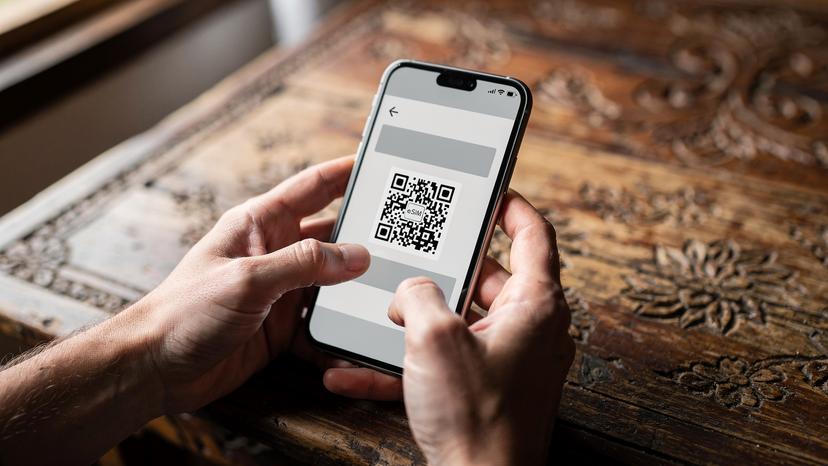
- Scan the QR Code: Go to your phone's Settings, then Cellular/Mobile Data, and select 'Add eSIM' or 'Add Data Plan'. Use your phone's camera to scan the QR code Cellesim sent you.
- Follow the Prompts: Your phone will walk you through naming the eSIM (e.g., 'Bhutan Travel Data') and setting it as your main or secondary data line.
- Enable Data Roaming (if needed): If your Cellesim eSIM is a roaming plan (which most international eSIMs are), make sure data roaming is turned on for that specific line in your phone settings. This won't cost extra with a prepaid eSIM plan; it just allows the eSIM to connect to local networks.
- Restart Your Phone: A quick restart can often help your phone properly register with the local network.
If you hit a snag during installation, especially if the QR code isn't scanning, try manually entering the SM-DP+ address and activation code. This is less common but sometimes necessary for stubborn devices or certain Android models. You can usually find these details along with your QR code from Cellesim. If you're still stuck, our FAQ section has detailed troubleshooting guides.
Managing Data Usage in Bhutan
Bhutan's data speeds, especially outside major towns, mean that using a lot of data can quickly eat up your allowance. Streaming high-definition video or downloading big files are best saved for Wi-Fi. For everyday use, think about optimizing your apps. For example, download Google Maps regions for offline use, or stick to messaging apps like WhatsApp that are data-efficient. These small changes can really make your plan last longer. Our article 256kbps eSIM Speed: Is It Truly Enough for Your Travel Data Needs in 2026? explains how even slower speeds can be effectively managed for travel.
| Activity | Typical Data Consumption (per hour) | Recommendation for Bhutan |
|---|---|---|
| Basic Web Browsing | ~20-50 MB | Feasible on 3G/4G, but be mindful of image-heavy sites. |
| Messaging (WhatsApp, WeChat) | ~1-5 MB | Excellent, very low data use. |
| Social Media (Scrolling) | ~50-150 MB | Moderate use advised, disable autoplay videos. |
| HD Video Streaming | ~1-3 GB | Avoid on mobile data, use hotel Wi-Fi. |
| Navigation (Google Maps) | ~5-10 MB | Download offline maps before you go. |
| Voice Calls (VoIP) | ~20-30 MB | Manageable, but call quality can vary with signal. |
Frequently Asked Questions
What is the Sustainable Development Fee (SDF) in Bhutan?
The SDF is a daily fee (not applicable to some regional visitors) that tourists must pay to visit Bhutan. It's a cornerstone of the 'High-Value, Low-Impact' tourism policy, directly funding free education, healthcare, infrastructure, and environmental conservation efforts across the country.
Can I use my regular SIM card in Bhutan?
Yes, you can use your regular SIM card if your home carrier has a roaming agreement with Bhutan Telecom or TashiCell. However, roaming charges can be quite high, and coverage might be spotty. An eSIM from Cellesim often offers a more affordable and convenient choice.
What kind of electrical outlets are used in Bhutan?
Bhutan primarily uses Type D, Type F, and Type G electrical outlets. It's a good idea to bring a universal travel adapter to ensure you can charge all your devices without problems. The standard voltage is 230V, and the frequency is 50Hz.
Is it easy to find Wi-Fi in Bhutan?
Wi-Fi is generally available in most hotels, guesthouses, and some cafes in major towns like Thimphu and Paro. However, speeds can be slower than what you might be used to, and connectivity can be unreliable in more remote areas. Don't rely solely on Wi-Fi for constant connection.
What are the common forms of transport within Bhutan?
Within Bhutan, common forms of transport include private taxis, hired cars with drivers (often arranged by tour operators), and local buses for longer trips between towns. Public transport is less developed for tourist routes, so pre-arranged transportation is often necessary.