
Why an eSIM is Your Family's Best Friend in the Middle East
As a parent who's wrangled two kids, two iPads, and a Nintendo Switch through more than 30 countries, I've learned that reliable internet isn't just nice to have, it's essential. Especially in a region as big and varied as the Middle East, an eSIM isn't just smart, it's practically a must-have. Imagine trying to get around the busy souks of Marrakech or the modern wonders of downtown Dubai with a paper map and grumpy, offline kids. No thanks!
An eSIM, or embedded SIM, is a digital SIM card. It lets you activate a phone plan from a carrier without needing a physical SIM card. For families, this means less worrying about losing tiny plastic chips. More importantly, it gives you the freedom to switch between local data plans as you hop from one country to another, say from the futuristic city of Riyadh to the ancient beauty of Petra, Jordan. This means that when little Timmy inevitably asks for more episodes of 'Bluey' during a long car ride through the desert, you'll be ready.
The Convenience Factor for Busy Parents
Let's be honest, family travel often feels like managing a wild orchestra of needs and wants. Adding a hunt for a physical SIM card to that mix, especially after a long flight with jet-lagged kids, sounds like a travel nightmare to me. With an eSIM, you can buy and activate your data plan before you even leave home. This means you land at Dubai International Airport (DXB) or King Fahd International Airport (DMM) with data already working on your phone, ready to call your pre-booked taxi or check the opening hours for Legoland Dubai. It's one less thing to stress about, and for parents, that's truly invaluable.
Avoiding Roaming Charges: The Silent Budget Killer
One of the quickest ways to accidentally overspend your travel budget is through international roaming charges. I've seen friends get hit with hundreds of dollars in unexpected fees just from a few Google Maps searches and Instagram scrolls. With an eSIM, you're buying a local data plan. This is often much cheaper than what your home carrier would charge for roaming. That means you save money for camel rides, delicious falafel, or maybe an extra scoop of ice cream for the kids. Trust me, the hotel's 'kids eat free' menu often has a catch, but an affordable data plan usually doesn't.
Picking the Right Data Plan for the Whole Crew
Choosing the right data plan for a family isn't like picking one for a solo backpacker who just needs WhatsApp. We're talking multiple devices, different ways people use data, and the chance of simultaneous Disney+ streams. My rule of thumb is always to get more data than you think you need, especially with kids. A few extra gigabytes are far better than running out of data during a crucial 'Minecraft' session (the horror!).
Estimating Data Needs for Kids' Devices
Think about it: two kids, each with an iPad. One is watching 'Frozen 2' on Disney+, the other is playing 'Roblox' online. Your phone is navigating, checking restaurant reviews, and uploading photos. Your partner's phone is doing pretty much the same. Suddenly, that 5GB 'unlimited' plan doesn't look so unlimited anymore. Streaming video can use up data faster than kids can eat a bag of chips. For a week-long trip with two active kid-devices, I'd recommend at least 20-30GB for the family to share. You might need more if you're heavily relying on streaming for long drives or evenings.
- Streaming Video: Disney+, Netflix, YouTube Kids can use 1-3 GB per hour per device, depending on video quality.
- Online Gaming: Roblox, Minecraft, Switch Online might use 100-500 MB per hour.
- Social Media & Browsing: Instagram, TikTok, and web browsing can use a lot of data with their videos and images.
- Offline Maps: This is key for saving data. Download Google Maps or Apple Maps areas before you go.
Always consider how many devices will be using data at the same time. If you have older kids with their own phones, they will definitely add to the data usage. A Cellesim regional eSIM plan for the Middle East often comes with plenty of data that you can share across devices using a hotspot, making it a good choice for the whole family.
Comparing Single-Country vs. Regional Plans
If your trip has you island-hopping in Greece, a single-country eSIM might be fine. But for the Middle East, you'll likely be crossing borders. Going between the UAE, Saudi Arabia, Bahrain, and maybe even a quick side trip to Oman or Qatar, means a multi-country or regional eSIM is a must. These plans cover several countries with one purchase, saving you the hassle of buying a new eSIM every time you stamp your passport. This is especially true if you plan to visit multiple Emirates in the UAE, or travel between different regions of Saudi Arabia.
| Plan Type | Best For | Pros | Cons |
|---|---|---|---|
| Single-Country eSIM | Deep dive into one nation (e.g., UAE only) | Potentially lower per-GB cost, optimized local coverage | Requires new eSIM for each border crossing, less flexible |
| Regional Middle East eSIM | Multi-country trips (e.g., UAE, Saudi, Qatar) | Seamless connectivity across borders, one setup, simplifies planning | Slightly higher per-GB cost than hyper-local plans, might not cover every single minor territory |
| Global eSIM | Extensive multi-continent travel | Ultimate flexibility, covers almost anywhere | Highest per-GB cost, may not offer the best speeds in every specific Middle Eastern country |
For a family trip across the Middle East, I almost always recommend a regional eSIM. It takes away a lot of the mental stress and makes sure you have constant internet, which is vital for navigation, talking to people, and those times when a child needs an immediate distraction.
Pre-Trip Prep: Loading Apps and Managing Devices
The secret to smooth family travel? Preparation. A big part of that means getting all your devices ready for international adventures. This is more than just packing chargers; it's about digital readiness.
Downloading Essential Apps Offline
Before you even step on that plane, make sure all the important apps are downloaded and, if possible, set up for offline use. This includes:
- Entertainment: Pre-download movies and shows on Disney+, Netflix, and YouTube Kids. Most services let you save content to watch offline.
- Maps: Download offline maps for all the cities and regions you'll be visiting on Google Maps or Apple Maps. This saves a lot of data and can be a lifesaver when the signal is weak.
- Translation: Google Translate lets you download language packs for offline use. This is crucial for talking with locals.
- Travel Guides: Many travel guide apps offer offline content, from restaurant recommendations to historical site information.
- Communication: Make sure WhatsApp is installed and set up. It's the main communication app in much of the Middle East.
Having these ready means you won't rely as much on cellular data, saving it for urgent needs or when a sudden desire for live 'Paw Patrol' hits. It also means less arguing over who gets to stream what.

Setting Up Devices for Travel Mode
Before handing over the iPads, make sure they're in 'travel mode'. This means:
- Update All Apps: Do this at home on Wi-Fi to avoid huge data downloads when you're abroad.
- Clear Storage: Make room for new photos and videos, and ensure there's space for downloaded entertainment.
- Enable Low Power Mode: On iPhones and iPads, this can make the battery last longer, which is vital for long days out.
- Disable Automatic Downloads/Updates: Stop apps from updating themselves automatically using cellular data.
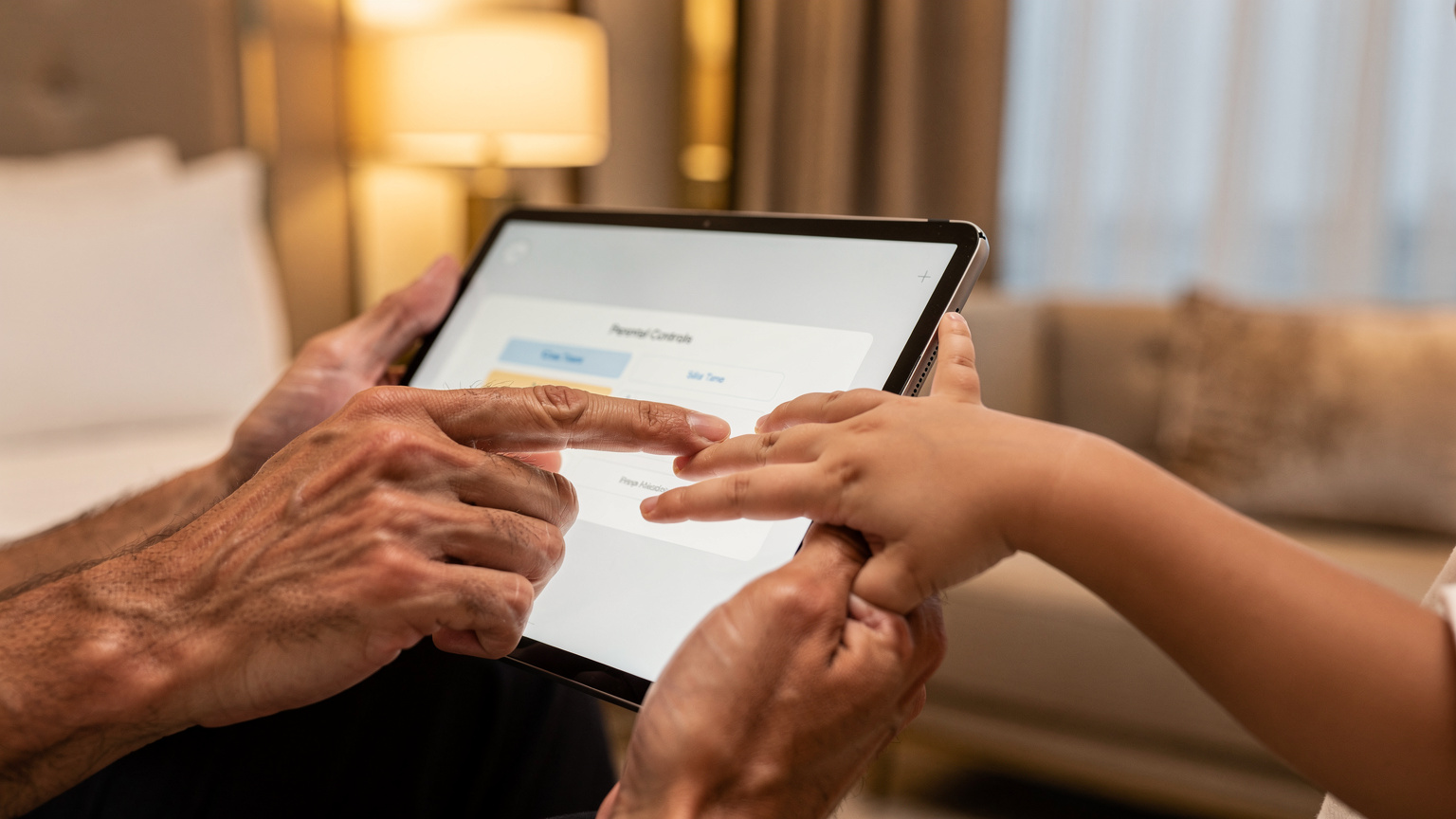
- Set Screen Time Limits: Use parental controls to set daily limits on apps or overall screen time, even when connected via eSIM.
These steps will save you data, battery life, and most importantly, prevent meltdowns when a device runs out of power or hits a data cap.
Connectivity Challenges: Theme Parks and Cruise Ships
The Middle East has some amazing theme parks, like Dubai Parks and Resorts, and a growing cruise industry, especially around the Arabian Gulf. But these places, while fun, can sometimes be tricky for getting online.
Inside the Magic: Data at Theme Parks
Theme parks are often huge concrete areas with thousands of people, all trying to upload their roller coaster selfies. This can make the network very slow. While big parks in the UAE like Motiongate Dubai or IMG Worlds of Adventure usually have good Wi-Fi, relying only on it can be risky. Having an active eSIM on your phone means you have a backup for when the park's Wi-Fi inevitably slows down or stops working. This is crucial for checking ride wait times on the park's app, finding your lost child (hopefully not!), or just letting the kids stream something calming while waiting in line (because some lines are very long).
Staying Connected on the High Seas
If your Middle East trip includes a cruise, say from Dubai to Muscat, getting online becomes even more important. While cruise ships offer satellite internet, it's very expensive and often slow. An eSIM, especially a regional one, will give you coverage when you're close to shore in various ports, like Port Rashid in Dubai or Sultan Qaboos Port in Muscat. This lets you check in with family, upload photos, or plan shore trips without paying huge ship Wi-Fi fees. Once you're out in the open sea, satellite internet is your only choice, but for port days, your eSIM is a clear winner.
Parental Controls and Screen Time Management on eSIM Lines
Ah, the classic parenting problem: screen time. It doesn't disappear just because you're on vacation; in fact, it often goes up. Luckily, parental control features work just as well whether your device uses a physical SIM or an eSIM.
Utilizing Built-in Device Controls
Both iOS and Android have excellent built-in parental control features. On an iPhone or iPad, 'Screen Time' lets you set downtime, app limits, content restrictions, and even communication limits. For Android devices, 'Digital Wellbeing' and Google's 'Family Link' offer similar functions. These controls work on the device itself, so they don't care if the data comes from your home carrier, hotel Wi-Fi, or your Cellesim eSIM.
My advice? Set these up before you leave. It's much harder to enforce new rules once the kids are already deep into a gaming marathon. You can manage their devices from your own phone, giving you peace of mind that they aren't accidentally finding inappropriate content or racking up an unexpected data bill from endless YouTube scrolling.
"Managing kids' screen time abroad is less about denying them entertainment and more about smart planning. Pre-downloaded shows and strict limits mean less data consumption and more engagement with the world around them. It's about balance, even when you're 5,000 miles from home."
Monitoring Data Usage for Each Device
While parental controls handle content and time, you'll want to keep an eye on data usage, especially if you're hot-spotting from your phone to their devices. Most smartphones let you monitor data usage per app and per device. On iOS, go to Settings > Cellular, and scroll down to see how individual apps are using data. On Android, it's usually in Settings > Network & internet > Data usage. Check these regularly to make sure no single app or device is unexpectedly using up your shared data plan.
Multi-Country eSIM Options for the Middle East
When you're traveling through the many different landscapes and cultures of the Middle East, from the futuristic shine of Doha to the ancient sands of Wadi Rum, a multi-country eSIM is your best bet for staying connected. The regional providers offer plans that make perfect sense for family travel.
Leading eSIM Providers for the Middle East
Several eSIM providers offer great coverage across the Middle East. Cellesim, for example, provides regional plans that cover key countries like the UAE, Saudi Arabia, Qatar, Bahrain, Kuwait, Oman, and often Jordan. When choosing a provider, look for:
- Coverage Map: Does it cover all the countries on your itinerary?
- Data Allowance: Is it enough for your family's needs, including streaming for the kids?
- Validity Period: Does it last for your entire trip?
- Top-Up Options: Can you easily add more data if you run out?
It's worth checking out Multi-Country eSIM for Europe: Your Weekend Getaway Guide for a good overview of how these regional plans generally work. Even if the destination is different, the main ideas of multi-country convenience are the same.
What to Look for in a Family-Friendly Plan
When you're thinking about a plan for a family, look beyond just the gigabytes. Here are my top considerations:
- Hotspot Capability: Can you share your phone's data with other devices, like the kids' iPads or a partner's phone? This is often critical.
- Voice & SMS: While most communication happens via WhatsApp (which uses data), some plans include local voice/SMS, which can be helpful for booking local tours or calling hotels.
- Reliable Customer Support: If something goes wrong, you want quick, easy-to-reach support, ideally in English.
- Clear Pricing: No hidden fees, no complicated packages. Simple data plans are best.
| Provider | Typical Coverage Area | Family Features | Average Price (Approx.) |
|---|---|---|---|
| Cellesim (Middle East Regional) | UAE, Saudi Arabia, Qatar, Bahrain, Kuwait, Oman, Jordan | High data allowances, easy top-ups, hotspot friendly | $25 - $70 for 7-30 days, 10-50GB |
| Airalo (MENA Regional) | Similar to Cellesim, often includes Turkey, Egypt | Good range of plans, app-based management | $20 - $65 for 7-30 days, 5-30GB |
| Holafly (Middle East) | Specific countries, often unlimited data | Unlimited data on some plans (check fair usage), no hotspot | $30 - $90 for 5-30 days (unlimited) |
How to Install and Activate Your Middle East eSIM
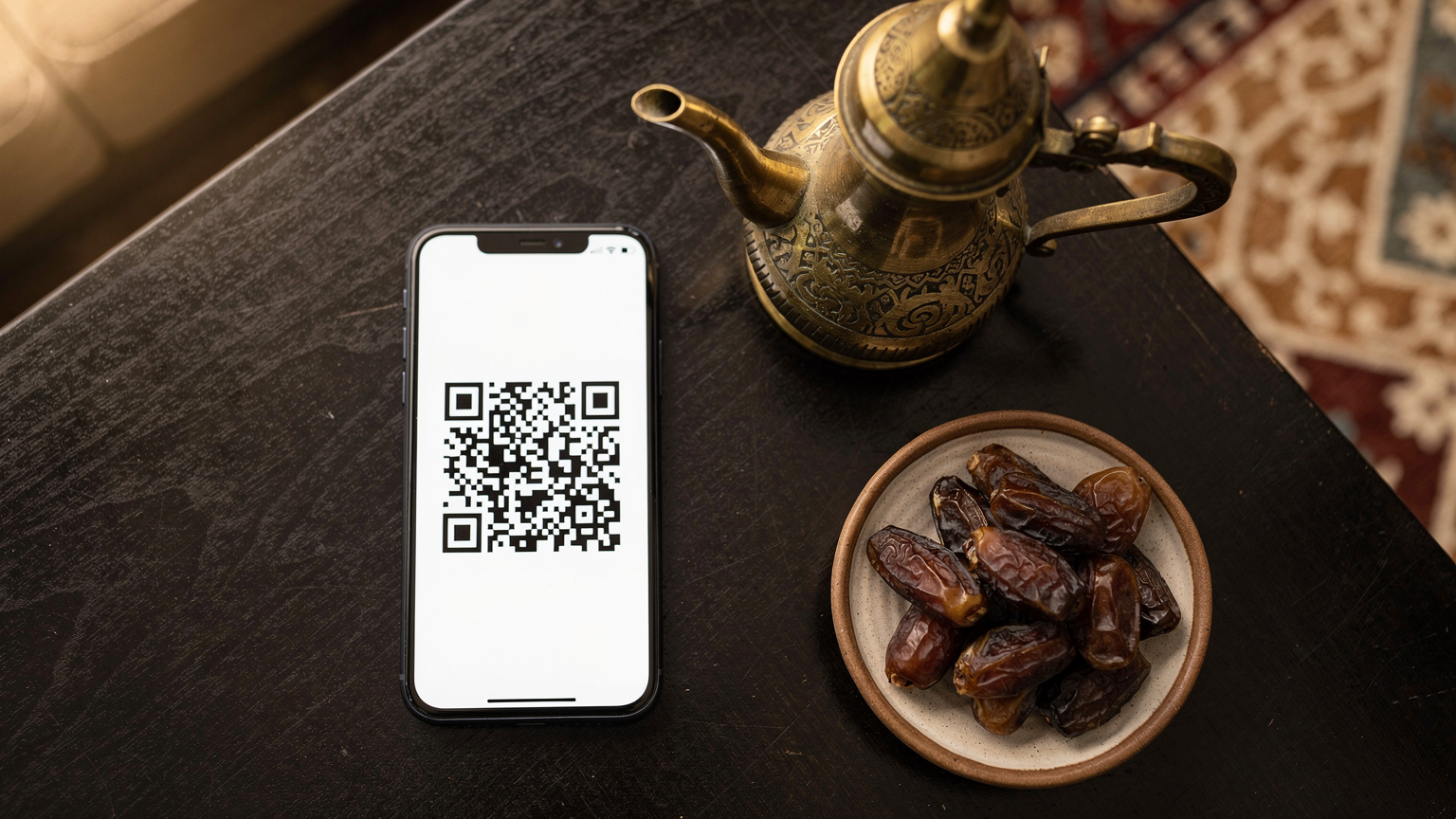
Installing an eSIM might sound technical, but it's surprisingly simple. Think of it as scanning a QR code and tapping 'activate'. It's much easier than struggling with a tiny SIM tray and a paperclip while trying to calm a toddler.
Step-by-Step Installation Guide
Before you start, make sure your phone works with an eSIM. Most newer iPhones (XS onwards) and top Android phones support eSIM. If you're not sure, a quick search for "How Does an eSIM Work? A Family Planner's Guide to Digital SIM Cards 2026" will give you all the details.
- Purchase Your eSIM: Pick your desired Middle East regional plan from Cellesim's website or app.
- Receive QR Code/Activation Details: You'll usually get an email with a QR code or manual activation instructions.
- Connect to Wi-Fi: Make sure you have a stable Wi-Fi connection (for example, at home before you leave, or at your hotel when you arrive).
- Install eSIM Profile (iOS): Go to Settings > Cellular > Add Cellular Plan. Scan the QR code or enter details manually. Follow the steps to name your new eSIM (e.g., "Middle East Travel").
- Install eSIM Profile (Android): Go to Settings > Network & internet > SIMs > Add more. Scan the QR code or enter details manually. Name your eSIM clearly.
- Activate Data Roaming: Once installed, go to Cellular/SIM settings and make sure 'Data Roaming' is turned ON for your new eSIM line. Don't worry, with an eSIM, this just means it's using the local network included in your plan, not adding extra charges.
- Set as Primary Data Line: In your phone's cellular settings, set your new eSIM as the main line for cellular data while abroad. You can keep your home SIM active for calls/texts if you want, but ensure data uses the eSIM.
I usually do this a day or two before I leave. That way, if I hit any snags, I have time to contact customer support without the stress of being at an airport.
Troubleshooting Common Activation Issues
Sometimes, things don't go perfectly. Here are a few quick fixes:
- "No Service" or "SOS Only": Double-check that 'Data Roaming' is enabled for your eSIM. Also, try restarting your phone.
- Incorrect Network Selection: Some phones might automatically pick a less ideal network. Go to your cellular settings, and manually choose a local partner carrier (e.g., Etisalat in UAE, STC in Saudi Arabia).
- QR Code Scan Issues: Make sure you have good lighting and a steady hand. If it still doesn't work, try entering the details manually.
- Plan Not Activating: Confirm the activation date of your plan. Some plans only become active on a specific date. If nothing else works, reach out to Cellesim customer support. They're usually quick to help.
Cost-Saving Strategies for Family Data Abroad
Travel is expensive enough, especially with a family. Data doesn't have to be another budget problem. Smart planning and a few simple habits can significantly cut down your data costs in the Middle East.
Maximizing Wi-Fi Usage
This is my number one rule: always jump on Wi-Fi whenever it's available and reliable. Hotels, restaurants, cafes, shopping malls, and even some public transport hubs in major Middle Eastern cities offer free Wi-Fi. Use these opportunities to:
- Bulk Downloads: Download any new shows, games, or large files.
- Cloud Backups: Upload photos and videos to Google Photos or iCloud.
- Video Calls: Use Wi-Fi for FaceTime or WhatsApp video calls with family back home.
By doing heavy data tasks on Wi-Fi, you save your eSIM data for when you truly need it on the go, like navigating the ancient city of Hegra or keeping an eye on your little ones with a GPS tracker app in a crowded market.
Setting Data Limits and Alerts
Most phones let you set data limits and alerts. On Android, you can set a warning when you reach a certain point (e.g., 80% of your data plan) and even automatically turn off cellular data once you hit a hard limit. On iOS, while there isn't a hard cutoff, you can watch usage closely in the Cellular settings. Be proactive about checking your data balance, either through your phone's settings or the Cellesim app, to avoid unexpected cutoffs.
When to Consider a Free eSIM Trial
Some providers offer Free eSIM Trials: Real Savings or Just a Hook for Backpackers in 2026? These can be a great way to test coverage and speed in a specific country before buying a larger plan, especially if you're only visiting one Middle Eastern country first. However, read the fine print, as trials often have very limited data or short time limits, making them less practical for a full family trip.
Troubleshooting Common eSIM Issues on the Go
Even the best-laid plans can have a glitch. Knowing how to quickly fix common eSIM problems can save you a lot of stress while traveling with your family through the Middle East.
No Signal or Slow Data
You're in the middle of the Souq Waqif in Doha, and suddenly, no signal. Don't panic. Here's a quick checklist:
- Restart Your Phone: The classic tech solution, but it often works.
- Check Data Roaming: Make sure it's turned on for your eSIM in your phone settings.
- Manual Network Selection: Go to Cellular/SIM settings and try manually selecting a different local network operator from the available list. Sometimes one carrier has better coverage in a specific area than another.
- Verify Plan Status: Log into your Cellesim account to make sure your plan is active and hasn't run out of data.
- Check for Local Outages: While rare, local network problems can happen. Ask a local if their phone service is also affected.
Accidental Data Usage on Home SIM
This is a common worry for many travelers. To stop your home SIM from racking up charges:
- Turn Off Data Roaming for Home SIM: Go to your phone's cellular settings and specifically disable data roaming for your home physical SIM.
- Set eSIM as Default Data Line: Make sure your Middle East eSIM is chosen as the main line for cellular data.
- Consider Removing Home SIM: For total peace of mind, you can temporarily take out your physical home SIM card, especially if you don't need to get calls or texts on that number.
This triple-check ensures all data goes through your affordable eSIM plan, not your expensive home carrier.
Cultural Considerations and Digital Etiquette
Traveling in the Middle East is a rich experience, and being aware of local customs, even when using your devices, makes your trip better. Your eSIM isn't just for navigation; it's also a way to connect respectfully.
Respecting Local Laws and Customs Online
The Middle East is a region with diverse cultures and, in some countries, strict digital rules. Be aware that certain content or apps might be restricted or blocked. Always use your internet responsibly and respectfully. Avoid sharing or looking at content that could be considered offensive or inappropriate by local standards. When posting on social media, be thoughtful about what you photograph and share, especially people, and always ask for permission before taking someone's picture.
Using Your Device Respectfully in Public
While it's tempting to have your phone out constantly, especially for photos, be aware of your surroundings. In places of worship, museums, or during traditional events, it's respectful to put your phone away or on silent. Using your phone for long, loud conversations in quiet public spaces might also be seen as impolite. Take the chance to disconnect sometimes, even with your reliable eSIM, and immerse your family in the rich experiences around you. After all, the best memories are often made when we're fully present.

The Middle East offers an incredible journey for families, mixing ancient history with modern wonders. With a well-chosen eSIM, you can ensure constant internet, keeping everyone happy, entertained, and safe, from the youngest traveler to the most experienced parent. Happy travels!
Frequently Asked Questions
Which Middle Eastern countries are usually covered by a regional eSIM?
Regional eSIM plans for the Middle East typically cover major destinations like the UAE (Dubai, Abu Dhabi), Saudi Arabia (Riyadh, Jeddah), Qatar (Doha), Bahrain, Kuwait, Oman, and often Jordan. Always check the specific provider's coverage map before purchasing to ensure all your planned destinations are included.
How much data does a family of four (with two kids) need for a two-week trip to the Middle East?
For a family of four on a two-week trip, especially with kids using devices for streaming and gaming, I'd recommend a minimum of 30-50GB of shared data. This accounts for navigation, social media, communication, and significant entertainment use. Heavy streaming could push this higher, so consider topping up if needed.
Can I use my eSIM for parental controls on my kids' iPads?
Yes, parental control features like Apple's Screen Time or Google's Family Link operate at the device level, not dependent on the SIM type. Your eSIM provides the internet connection, but the device's built-in controls manage content, app limits, and screen time, working seamlessly with your eSIM data.
Is it better to buy an eSIM for each country or a regional Middle East eSIM?
For multi-country family travel in the Middle East, a regional eSIM is generally better. It offers seamless data across borders without needing to buy and activate a new plan in each country, simplifying logistics and ensuring continuous connectivity, which is invaluable with kids in tow.
Will my existing phone number still work with an eSIM activated?
Yes, on most modern smartphones, you can keep your home physical SIM active for calls and texts while using the eSIM for data. You'll simply designate the eSIM as your primary line for cellular data in your phone's settings, ensuring your home number remains accessible for important contacts.
What should I do if my eSIM runs out of data in the Middle East?
If your eSIM runs out of data, you can typically purchase a top-up directly through the Cellesim app or website. Most providers offer various data packages that can be added to your existing plan instantly. Alternatively, seek out reliable Wi-Fi at your hotel or a café to re-evaluate your needs.