

 eSIM Destination
Bolivia eSIM
Bolivia: compare travel eSIMs for maps, messages, and mobile data.
Bolivia: mobile networks
1 carrier supported
- Tigo4G
Highest generation per operator is displayed; some plans may use a fallback band based on local conditions.
Free VPN with your eSIM
Every active Cellesim eSIM comes with a free VPN. Browse securely on public Wi-Fi and reach the apps you rely on from anywhere, at no extra cost and with no separate signup.
Bolivia: choose an eSIM for your trip
Choose how much data you need and for how long. Before you buy, check that your phone is compatible and that the plan covers where you're going. Bolivia: plans start from $9.70. 4.5/5 · Based on 41 reviews Compare the plans below, including details on activation, hotspot use, and top-ups.
- Compare price and how much data you get
- Check networks and coverage
- Contact support if you need help
Frequently Asked Questions
Yes, surprisingly! This is the most important question. The local networks (like Entel) have installed 4G/LTE towers in the middle of the salt flats. You will have a strong signal for most of the 1-day tour, allowing you to take those famous perspective videos, make WhatsApp calls, and upload photos instantly from the "world's largest mirror."
This specific plan is valid only within Bolivia. This is a critical point. If you are taking the bus from Puno (Peru) or doing the 3-day jeep tour ending in San Pedro de Atacama (Chile), your connection will stop at the border. For this, we highly recommend our Latin America Regional eSIM.
To give you the best coverage in a high-altitude, remote country, our eSIM connects to Bolivia’s premium providers, typically Entel or Tigo (Millicom). Entel is widely regarded as having the best and most extensive 4G network, especially in remote tourist areas like the Uyuni Salt Flats.
Planning the trip? See our Bolivia eSIM plans, install in one tap before you fly, and land online. Free VPN included.
Intermittently. You will have a good 4G signal at the starting point (La Cumbre) and at the end in Coroico. However, on the winding, 60km gravel road itself, which is deep in a mountainous jungle canyon, you must expect the signal to be intermittent or non-existent. Download offline maps before you start the bike ride.
No! This is a major advantage. Buying a physical local SIM card in La Paz requires you to find a kiosk, use (often limited) Spanish, and go through a mandatory passport and ID registration process. Our eSIM is 100% digital, requires no ID registration, and can be installed before you fly, so you are connected the moment you land.
Yes. Uber and Yango operate in La Paz and Santa Cruz, and using them via data is much safer than hailing street taxis in Bolivia.
Coverage is available in the town of Rurrenabaque, but expect to be offline once you enter deep jungle lodges in Madidi National Park.
Yes. You will have excellent 4G signal in Sucre (the White City) and Potosi, allowing you to share photos of the colonial architecture instantly.
Signal is generally available in the main village of Yumani on Isla del Sol, but it can be spotty on hiking trails across the island in Lake Titicaca.
Look up your phone’s exact model number with the manufacturer to see if it’s listed as compatible, and make sure your phone is not carrier-locked. Seeing an EID number or an “Add eSIM” option in your settings is a good sign, but some phones have regional restrictions. If you’re not sure, please contact our support team before you buy.
About Bolivia eSIM
Bolivia eSIM — Data plans
$9.70. Compare data allowance, validity and the total package price in the plan list. Check coverage, hotspot support and any fair-use limits before buying.
Install with Wi-Fi before departure. Check when your selected plan starts; installation and activation are not always the same. Network speed varies by location, device and plan.
eSIM Bolivia: Reliable Connectivity for La Paz, Uyuni & Santa Cruz
Welcome to the heart of South America! Whether you are taking perspective-bending photos on the Salar de Uyuni, exploring the Amazon basin, or navigating the streets of La Paz, staying connected is essential. Cellesim Bolivia eSIM plans offer reliable connectivity starting at $9.70. Choose from 5 limited plans and 0 unlimited plans designed for your Andean adventure.
🧭 Related eSIM destinations: eSIM Chile · eSIM Ecuador · eSIM Brazil · eSIM South America
Escape High Roaming Costs
Bolivia is often one of the most expensive roaming destinations in South America for international carriers. Don't risk a bill shock. With a prepaid Bolivia eSIM, you secure a flat rate for data and completely avoid expensive international roaming charges.
Why a Cellesim eSIM is Essential for Your Bolivia Trip
- Instant Connectivity: Get online the moment you land at Viru Viru International Airport (VVI) or El Alto International Airport (LPB).
- Navigation: Essential for using Google Maps while exploring cities or finding your way to remote trailheads.
- Keep Your Number: Your primary SIM stays active for urgent calls/texts, while the eSIM handles the mobile data.
- Wide Coverage: Stay connected across major cities and popular tourist routes.
Connect Across Bolivia's Top Spots
- Salar de Uyuni: Share incredible salt flat photos instantly on Instagram (coverage may vary in remote areas, best in towns).
- La Paz: Use ride-sharing apps and maps to navigate the high-altitude capital.
- Sucre: Stay connected while enjoying the colonial architecture of the "White City".
Bolivia eSIM reviews from real travelers
Based on 41 reviews
- User199475·May 22, 2026
Would buy again. Setup was great. Good! 👍
Saved me money
Olivia N.·May 6, 2026Superb experience using this eSIM abroad. The 5G speeds were incredibly fast and stable. Activation via QR code took less than two minutes
Saved me money
David K.·Apr 10, 2026Superb experience using this eSIM abroad. Excellent coverage throughout my stay. Way cheaper than my local carrier's roaming fees. Highly recommend Cellesim to anyone
Highly recommended
Noah C.·Mar 26, 2026Superb experience using this eSIM abroad. Smooth internet access with zero lag. No need to look for physical SIM cards anymore.
Very reliable
Isabella T.·Mar 25, 2026Used this for data on my recent vacation. Data network was completely flawless everywhere. Fair pricing for a generous amount of data. Will definitely choose this service again.
Fast data
John W.·Feb 1, 2026Loved my time there. Data was fast and very reliable. The QR activation was super easy. 5 stars. Thanks.
Heel goed. Perfect
Klant A.·May 19, 2026·nlHeel goed. Perfect.
- julie·May 9, 2026·fr
Rapide. Ça marche.
Hız süper.
Kullanıcı337·Apr 26, 2026·trHız süper. ...
Snel internet
Anna R.·Apr 22, 2026·nlgeweldige ervaring met deze esim. goede dekking gedurende de hele reis. eenvoudige activatie via de qr-code
Simple et efficace
Louis A.·Apr 20, 2026·frTrès pratique pour les voyages à l'étranger. Réseau fluide pour le GPS et les appels. Installation simple et rapide. Je l'utiliserai à nouveau sans hésiter.
günstig und gut
Frank B.·Apr 17, 2026·dePerfekt, um unterwegs online zu bleiben. Die 5G-Geschwindigkeit war extrem schnell. Keine physische SIM-Karte mehr nötig. 5 Sterne wert.
Bolivia eSIM guides:what travellers ask before they go
Coverage, install steps, real connection speeds, and the small stuff that ruins a trip if you skip it. Curated for Bolivia.
 Travel Tips
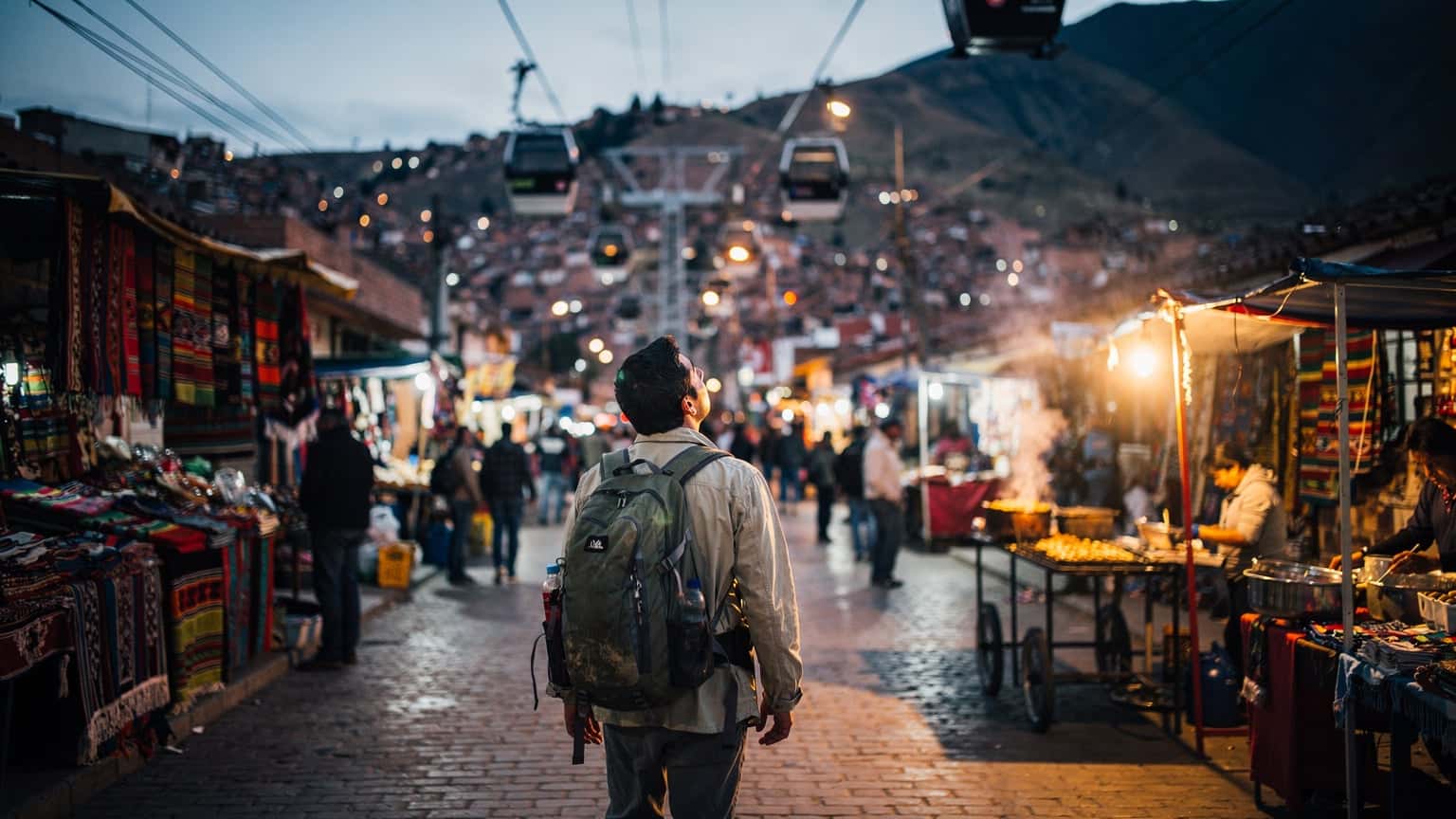
Bolivia eSIM in 2026: Your Data Strategy for Under €40/Day
Forget those horror stories about getting fleeced for data in South America. For my last run through Bolivia, I locked in a solid data plan for eight days, totaling €280 for everything, including a reliable eSIM. That's right, I kept my data costs well within my daily €40 budget. Here's how I did it, and how you can too, even if you're crossing borders or sticking to La Paz.
Read the guide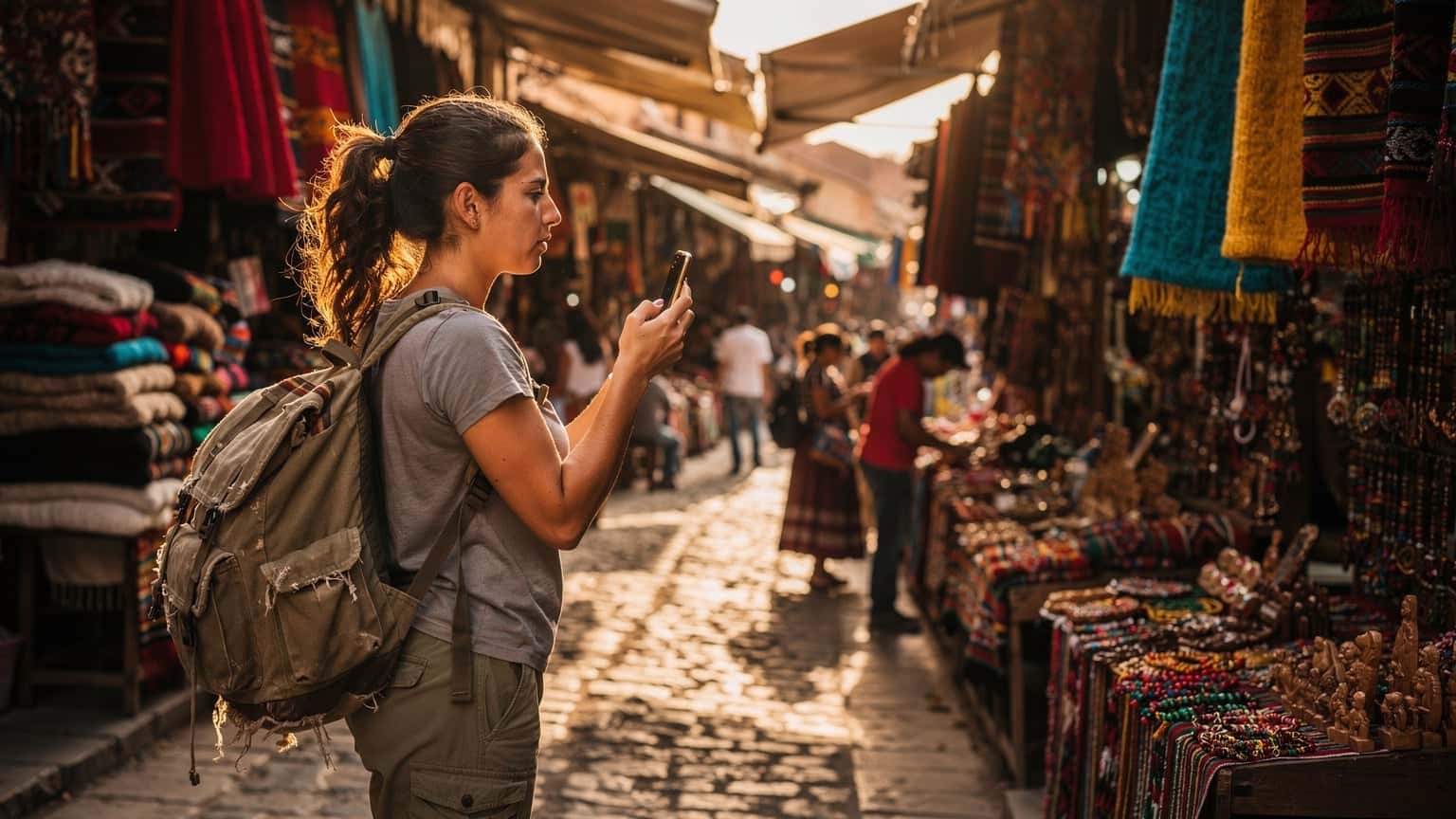 Travel Tips
Bolivia eSIM: €28 for Data that Actually Works in 2026
I once spent €280 on data for an 8-day trip because I didn't plan. In Bolivia, you won't make that mistake. Here's how to snag a reliable eSIM for under €30, even if you're bouncing between La Paz and Uyuni, and avoid the classic 'no signal' panic at the border.
Read the guide Travel Tips
Bolivia eSIM Coverage 2026: What Actually Works (and What Doesn't)
Bolivia's internet can be… challenging. After years on the road, I've learned that a good eSIM is non-negotiable, especially when you're trying to book a last-minute bus or find a decent coffee shop with Wi-Fi. This is what you need to know about getting connected in Bolivia in 2026.
Read the guide Destination Guides
Amazon eSIM Guide: Stay Connected in the World's Wildest Jungle
Explore the Amazon rainforest with seamless connectivity in 2026. This guide details the best eSIM plans, coverage, and practical tips for your jungle adventure.
Read the guide
Nearby Countries
Check coverage for every stop on your trip.


