Egypt Unpacked: 15 Surprising Facts Before You Go (2026)

Installation Guides (iOS/Android)TroubleshootingDevice Compatibility ListsAPN SettingsTech Education

Based in the academic city of Oxford, Emma Wright is the Education Lead for Cellesim. Emma specializes in demystifying technology. She writes easy-to-follow, step-by-step guides on how to install and activate eSIMs on iPhones, Samsungs, and Pixels. Her clear tutorials help travelers overcome technical anxiety, ensuring that setting up their internet connection is as easy as scanning a menu.

This article was created with AI assistance and reviewed by our editorial team for accuracy.

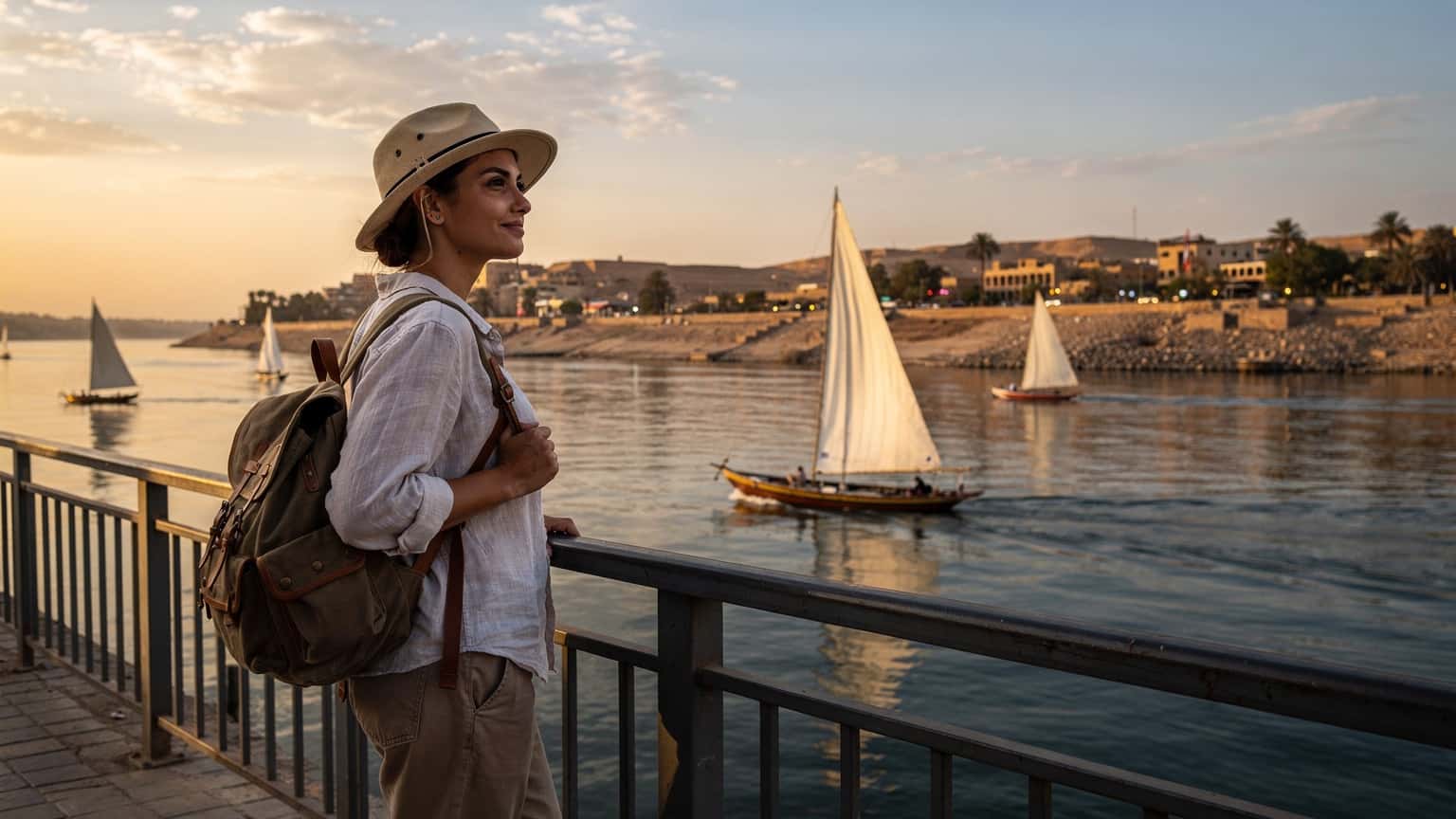
A woman wearing a wide-brimmed hat gazes across the Nile River at sunset, with traditional feluccas sailing past and the city lights of Cairo beginning to twinkle in the distance.
Egypt is a land of fascinating history and vibrant culture, offering travelers a unique blend of ancient wonders and modern life. Before you embark on your journey, understanding some key facts, from the local currency quirks to the best way to stay connected, can significantly enhance your experience and help you stick to your budget. This guide covers 15 essential things you should know.

How I Saved Money on Data: My 8-Day Trip to Egypt

Let's talk brass tacks: data costs. My 8-day whirlwind through Cairo and Luxor set me back about $12 for connectivity, which is a far cry from the €280 I once blew on roaming in Switzerland before I smartened up. Forget those bloated roaming charges from your home carrier, or even the hassle of hunting down a physical SIM card at Cairo International Airport (CAI) after a red-eye. When I crossed into Egypt, I was already connected, thanks to an eSIM.

For context, a local physical SIM from Orange Egypt or Vodafone Egypt will run you around EGP 150-250 ($5-8 USD) for a basic data package, plus the faff of registration, which can sometimes be a bureaucratic nightmare, especially if your passport isn't scanned 'correctly'. My Cellesim Egypt eSIM started at just $1.05, and I picked one of their 32+ plans that suited my 8-day trip perfectly. I used roughly 1.5 GB per day, which works out to about 12 GB total. This allowed me to navigate Cairo's sprawling Giza district with Google Maps, upload photos from the Khan el-Khalili bazaar to my Substack, and keep in touch with my travel buddy via WhatsApp, all without worrying about hitting a data cap or finding dodgy Wi-Fi.

Data Plan ExampleCost (USD)Duration (Days)GB IncludedCost per GB (USD)
Cellesim Egypt Basic$1.0571$1.05
Cellesim Egypt Mid-Tier$6.50155$1.30
Cellesim Egypt High Data$12.003010$1.20

The beauty of an eSIM is its sheer convenience. No swapping tiny plastic cards, no dealing with language barriers at a mobile shop, and critical for me, Cellesim's Egypt eSIMs support SMS for OTP/verification. This meant I could still log into my banking apps or any service that required a two-factor authentication code sent to my primary number, even while using the eSIM for data. If you're wondering how to locate your eSIM number, especially if you need it for troubleshooting, Cellesim has a great guide on that too.

Activating Your Cellesim Egypt eSIM: A Step-by-Step

Setting up your eSIM is straightforward, even if you're not tech-savvy. I've done it hundreds of times on various devices. Here's the drill for most smartphones:

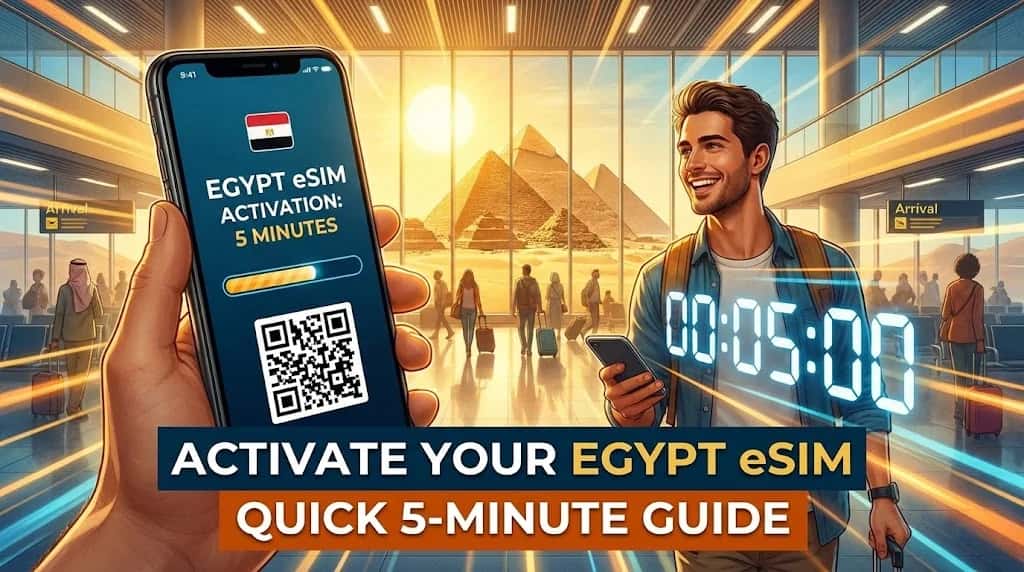
  1. Purchase Your eSIM: Head over to the Cellesim Egypt eSIM page and choose a plan that fits your trip duration and data needs. You'll receive a QR code via email almost instantly.
  2. Scan the QR Code: On an iPhone, go to Settings > Cellular (or Mobile Data) > Add eSIM. Choose 'Use QR Code' and scan the code from your email. For Android, it's typically Settings > Network & internet > SIMs > Add more.
  3. Label Your eSIM: Name it something obvious, like 'Egypt Travel' or 'Cellesim Egypt', so you know which line is which. This is especially useful if you have multiple eSIMs or keep your home SIM active.
  4. Set as Primary for Data: In your phone's settings, ensure your new Cellesim eSIM is selected for mobile data. You can usually keep your home SIM active for calls and texts (just remember to turn off data roaming for it!).
  5. Adjust APN Settings (if needed): Most Cellesim eSIMs configure automatically, but if you have trouble connecting, check the APN settings provided in your Cellesim activation email. This is a common troubleshooting step, and Cellesim's troubleshooting guides are incredibly helpful.

Egyptian Hospitality is Legendary, But Know the Baksheesh Rules

Egyptians are renowned for their incredible warmth and hospitality. You'll often be invited for tea, offered help, and generally made to feel welcome. However, it's crucial to understand the concept of 'baksheesh', which is more than just tipping, it's an ingrained cultural practice. It's a small gratuity for services rendered, or even for anticipated help. I learned quickly that a few Egyptian Pounds, say EGP 5-10 (roughly $0.15-$0.30 USD), can smooth things over or show appreciation. This applies to everything from the person who helps you with your luggage at the Ramses train station to the bathroom attendant in a café in Zamalek. It's not a scam, it's just how things work, and frankly, it makes things easier. Always have small bills on hand.

Navigating Requests for Baksheesh

Sometimes, requests for baksheesh can feel a bit persistent, especially around major tourist sites like the Pyramids of Giza or Luxor Temple. A polite but firm 'La, shukran' (No, thank you) often suffices. If someone performs a service you didn't ask for, like a 'guide' who suddenly appears and starts pointing out features, a small tip might be expected, or you can politely decline and walk away. Don't feel pressured to overpay. Remember, it's about showing appreciation for genuine help, not funding someone's entire day.

The Language Barrier: It's Not Just About Arabic

While Modern Standard Arabic is the official language, Egyptian Arabic is the dialect you'll hear and need to understand. Many people in tourist areas, especially in Cairo, Luxor, and Aswan, speak some English, particularly those working in hotels, tour companies, and larger shops. However, venturing off the beaten path, even slightly, means English rapidly diminishes. Learning a few key phrases like 'Salam Alaikum' (hello), 'Shukran' (thank you), 'Kam da?' (how much is this?), and 'Aywa/La' (yes/no) will get you a long way. I found that even a broken attempt at Arabic was always met with smiles and genuine appreciation.

Translation Apps, Your Best Friend

I swear by Google Translate's offline download feature. Before I even landed, I had the Arabic pack downloaded. This was a lifesaver for reading menus in local eateries in Downtown Cairo or understanding bus routes written only in Arabic script. It's not perfect, but it's far better than miming or guessing, and it’s a non-negotiable for my budget travel style.

The Nile is Life, Literally

Egypt is often called 'the gift of the Nile', and it's not an exaggeration. The vast majority of the population lives along its banks, and it's been the lifeblood of Egyptian civilization for millennia. From ancient irrigation to modern transport and agriculture, the Nile dictates much of daily life. Taking a felucca ride, a traditional wooden sailboat, on the Nile in Aswan or Luxor is not just a tourist activity, it's a window into how Egyptians have lived for centuries. I once spent an afternoon on a felucca, watching farmers tend their fields, and kids swim, feeling miles away from the bustle of the city. (Just make sure you negotiate the price beforehand, usually by the hour, and don't pay until the end.)

A traditional Egyptian felucca sails gently down the Nile River in Aswan at sunset, with a vibrant orange and purple sky reflecting on the water, while a local fisherman casts his net from the bank.

The Nile and Agriculture

You'll notice the stark contrast between the lush green strip along the Nile and the barren desert just beyond. This verdant ribbon is where almost all of Egypt's agriculture happens. Dates, cotton, sugar cane, and various fruits and vegetables thrive in this fertile soil. It's a powerful visual reminder of the river's importance, a fact often overlooked when you're just focused on the temples.

Ancient Egypt Wasn't All Pyramids and Tombs

Of course, you're going to see the pyramids, and they are incredible. But ancient Egyptian history is so much more diverse and goes far beyond just monumental architecture. Think about the incredible advancements in medicine, mathematics, astronomy, and art. The Egyptian Museum in Cairo, despite its somewhat chaotic layout, is a treasure trove that truly brings this to life. Don't just tick off the big sites, take time to understand the everyday lives, beliefs, and innovations of these ancient people.

Beyond the Pharaohs: The Story of the Common Egyptian

While the pharaohs get all the glory, sites like the Tombs of the Nobles in Luxor offer a fascinating glimpse into the lives of scribes, artisans, and governors. The detailed wall paintings depict daily activities, banquets, and agricultural scenes, providing a human touch to an otherwise divine-focused narrative. It's a good reminder that history is built by everyone, not just kings.

The Food Scene Goes Beyond Koshary

Koshary, a hearty mix of rice, macaroni, lentils, chickpeas, and a spicy tomato sauce, topped with crispy fried onions, is Egypt's national dish, and yes, it's cheap and delicious (a bowl can be as little as EGP 20, or around $0.65, at a local spot). But Egyptian cuisine is far more diverse. Seek out ful medames (stewed fava beans, a breakfast staple), ta'ameya (Egyptian falafel, made with fava beans instead of chickpeas), and mahshi (vegetables stuffed with spiced rice). Street food is king and generally safe if you stick to busy stalls with high turnover. I once found an incredible falafel cart in Alexandria that became my go-to for quick, cheap lunches.

Dish NameDescriptionTypical Cost (EGP, estimated)Where to Find It
KosharyRice, lentils, pasta, chickpeas, tomato sauce, crispy onions.20-40Specialized Koshary shops, street vendors
Ful MedamesStewed fava beans, usually for breakfast, served with bread.10-25Breakfast eateries, street carts
Ta'ameya (Egyptian Falafel)Deep-fried patties made from fava beans, often in pita bread.5-15 (per sandwich)Street food stalls, local bakeries
MahshiVegetables (peppers, zucchini, cabbage leaves) stuffed with spiced rice.40-80 (per plate)Home-style restaurants, larger eateries

Drinking Water: Staying Hydrated Safely

Tap water is generally not safe to drink for tourists. Always opt for bottled water. You can buy large bottles for very little money at any convenience store. I always carried a reusable water bottle and refilled it from larger purchased bottles to reduce plastic waste and save a few pounds. Dehydration in the desert heat is no joke, so keep sipping.

Transportation: Navigating the Chaos

Cairo traffic is legendary, a swirling vortex of cars, tuk-tuks, and pedestrians. Taxis are everywhere, but always negotiate the fare beforehand or insist on the meter (which drivers often 'forget' to use). Uber and Careem are widely available in major cities and are a godsend for fair pricing and avoiding haggling. For longer distances, the Egyptian National Railways operates trains between major cities like Cairo, Luxor, and Aswan. The overnight sleeper trains are basic but get the job done, and you save a night of hostel fees. I took the night train from Cairo to Aswan, and while it wasn't the Orient Express, it was an adventure.

A traveler uses their smartphone to hail a ride-sharing service while standing on a busy street corner in Downtown Cairo, surrounded by yellow taxis and the vibrant, bustling evening traffic.

The Metro: A Cairo Lifeline

The Cairo Metro is efficient, cheap, and a great way to avoid surface traffic, especially for reaching areas like Tahrir Square or Giza. There are women-only carriages, which can be a more comfortable option for solo female travelers. A ticket costs just a few EGP, making it incredibly budget-friendly. Just avoid rush hour if you value your personal space.

Border Crossing From Egypt to Neighboring Countries

If you're planning on extending your trip to a neighboring country, say Jordan or Sudan, be aware that border crossings can be complex and time-consuming. For example, crossing into Sudan at the Argeen border post can involve multiple checkpoints and requires pre-arranged visas. Always have your passport, visa, and any onward travel documents meticulously organized. Connectivity is often spotty at border areas, so having your eSIM pre-activated for the next country, or at least a plan to connect, is crucial. If you're hopping to Jordan, consider a regional eSIM that covers both countries, or at least have your next Cellesim eSIM ready to activate. This avoids the frantic search for a SIM card in a new country right after a long journey.

Visa Requirements and Entry Stamps

Ensure you have the correct visa for Egypt and any onward destinations. Many nationalities can obtain a visa on arrival at major airports, but check the latest requirements well in advance. Keep your entry stamp or visa sticker safe, as you'll need it for exit. I always carry photocopies of my passport and visa in a separate bag, just in case.

The Egyptian Weekend is Different

Unlike many Western countries, the official weekend in Egypt is typically Friday and Saturday. This means that government offices, banks, and some businesses will be closed on these days. Sunday is a regular working day. Keep this in mind when planning your itinerary, especially if you need to do any banking or bureaucratic tasks. Major tourist sites generally remain open, but transportation might be busier with locals enjoying their time off.

Mosque Visits and Prayer Times

Fridays are particularly important for congregational prayers. If you plan to visit a mosque, avoid prayer times, and dress especially modestly. Many mosques will have specific visiting hours for non-Muslims, so it's always best to check. Inside, remove your shoes and women should cover their heads. The Al-Azhar Mosque in Islamic Cairo is a stunning example and generally welcoming to visitors outside of prayer times.

Coffee and Tea Culture: A Social Ritual

Coffee and tea are deeply ingrained in Egyptian social life. You'll be offered tea (shai) everywhere, often black with a lot of sugar. Egyptian coffee, similar to Turkish coffee, is thick, strong, and served in small cups, leaving a sludgy residue at the bottom. It's not just a drink, it's an invitation to converse, to sit and watch the world go by. Don't rush it. I spent many an hour in a 'ahwa (coffee house) near Talaat Harb Square, sipping strong coffee and people-watching, which is an art form in itself in Cairo.

A close-up shot of a pair of hands holding a small, traditional glass of strong black Egyptian tea with a spoon, sitting on a weathered wooden table at an outdoor cafe in Aswan, with blurred street activity in the background.

Chai or Karkadeh?

Beyond traditional black tea, try karkadeh, a sweet hibiscus tea, served hot or cold. It's incredibly refreshing in the heat. Mint tea is also popular. Don't be shy about trying these local beverages; they're part of the experience and often come with a story from the vendor.

Dress Code: Modesty is Key

Egypt is a conservative country, and dressing modestly is a sign of respect, particularly outside of beach resorts. For women, this means covering shoulders and knees. Loose-fitting clothing made from breathable fabrics like linen or cotton is ideal for the heat. Men should also avoid overly revealing clothing. While you'll see tourists in shorts, especially in tourist hubs, you'll feel more comfortable and attract less unwanted attention if you err on the side of modesty. I always pack a light scarf to quickly cover my head when entering mosques or if I feel I need extra coverage.

Footwear Choices for Exploring

Comfortable, closed-toe shoes are essential. You'll be doing a lot of walking, often on uneven surfaces, ancient ruins, and dusty streets. Sandals are fine for casual wear, but for serious sightseeing, good walking shoes will save your feet.

Cash is Still King in Many Places

While larger hotels and restaurants in major cities accept credit cards, many smaller shops, street vendors, and local cafes operate on a cash-only basis. Always carry a supply of Egyptian Pounds (EGP) in small denominations. ATMs are readily available in cities, but it's wise to withdraw cash in a major city like Cairo or Luxor before heading to more remote areas. Inform your bank of your travel plans to avoid card freezes. I always budget a certain amount of cash per day, say EGP 200-300 ($6-10 USD), for incidentals and street food.

Negotiating Prices

In many markets, especially places like Khan el-Khalili, haggling is expected and part of the experience. It's a playful negotiation, not a confrontation. Start low, perhaps 50% of the asking price, and work your way up. If you're not getting a price you like, politely walk away; often, you'll be called back with a better offer. For me, it's less about saving a few extra pounds and more about engaging in the cultural dance.

The Call to Prayer: A Daily Soundtrack

Five times a day, the melodic call to prayer (adhan) echoes from mosques across Egypt. It's a beautiful and atmospheric sound that becomes the soundtrack to your trip. It serves as a reminder of Egypt's predominantly Muslim culture. While you don't need to participate, simply pausing to listen can be a powerful moment of cultural immersion. You'll hear it particularly clearly in areas with many mosques, like Islamic Cairo, and it really sets the scene.

Respecting Religious Customs

During the holy month of Ramadan, many Egyptians fast from sunrise to sunset. While tourist restaurants generally remain open, it's respectful to avoid eating, drinking, or smoking in public during fasting hours. After sunset, the streets come alive with Iftar (breaking fast) celebrations, offering a unique cultural experience.

Medical Care and Pharmacies: Accessible But Prepared

Pharmacies are numerous and well-stocked in Egyptian cities, often selling a wide range of medications over the counter that might require a prescription in other countries. For minor ailments, a local pharmacist can be a great first point of contact. For more serious issues, major cities have hospitals with reasonable facilities. However, travel insurance is non-negotiable. Always have a policy that covers medical emergencies and potential evacuation. I carry a small first-aid kit with essentials like diarrhea medication, plasters, and antiseptic wipes – it's a Mexico travel safety lesson I learned the hard way.

Sun Protection is Paramount

The Egyptian sun is intense. Sunscreen, a wide-brimmed hat, and sunglasses are absolute must-haves, even in winter. Staying hydrated is also crucial, as mentioned earlier. Sunburn and sunstroke can quickly ruin a trip, so be diligent about protecting yourself, especially when visiting open-air sites like the Valley of the Kings.

Photography Etiquette and Restrictions

Egypt is incredibly photogenic, but there are some rules. Always ask permission before taking photos of people, especially women. A simple gesture with your camera and a questioning look, or 'Mumkin soura?' (May I take a picture?), usually works. Many museums and archaeological sites have restrictions on photography, sometimes prohibiting flash or even cameras altogether (e.g., inside certain tombs). Always look for signage or ask a guard. Drones are also heavily restricted, requiring permits that are notoriously difficult to obtain. Don't risk it.

A tourist holds up a smartphone to take a photo of an ancient hieroglyphic carving on a stone wall inside a dimly lit temple in Luxor, while a security guard nearby subtly gestures to indicate flash photography is not allowed.

The Best Times for Photos

For stunning shots of ancient sites, aim for early morning or late afternoon. The light is softer, the crowds are usually thinner, and the heat is less intense. The golden hour casts a beautiful glow on the sandstone, bringing out the rich colors of the carvings and temples. It's worth waking up before dawn to catch the sunrise over the Nile or the temples.

Frequently Asked Questions

Is Egypt safe for solo female travelers?

Egypt is generally safe for solo female travelers, but it's important to exercise caution and be aware of cultural norms. Dressing modestly, avoiding walking alone at night in poorly lit areas, and being firm but polite when declining unwanted attention can help. Many solo female travelers have wonderful experiences, especially in tourist-heavy areas.

What is the best time of year to visit Egypt?

The best time to visit Egypt is during the cooler months, from October to April. Temperatures are more pleasant for sightseeing, especially in Upper Egypt (Luxor, Aswan) where summer heat can be extreme. During peak season (December-January), popular sites can be crowded and prices slightly higher.

Can I use my credit card everywhere in Egypt?

While major hotels, upscale restaurants, and larger stores in cities accept credit cards, many local establishments, street vendors, and smaller shops operate on a cash-only basis. It's always advisable to carry a good amount of Egyptian Pounds (EGP) in small denominations for daily expenses and purchases outside of tourist hubs.

What is the currency in Egypt and how do I get it?

The currency in Egypt is the Egyptian Pound (EGP). You can obtain EGP by exchanging foreign currency at banks or exchange offices, or by withdrawing cash from ATMs. ATMs are widely available in cities and tourist areas. Inform your bank before traveling to avoid any issues with your card.

What kind of power adapter do I need for Egypt?

Egypt uses Type C and Type F power outlets, which are the standard European two-round-pin sockets. The standard voltage is 220V at a frequency of 50Hz. If your devices use a different plug type or voltage, you will need a travel adapter and possibly a voltage converter.

Is Wi-Fi widely available in Egypt?

Wi-Fi is available in most hotels, guesthouses, and many cafes and restaurants in major cities. However, speeds can vary, and connections can sometimes be unreliable. For consistent and reliable internet access on the go, especially for navigation and communication, an eSIM or local SIM card is highly recommended.

See all eSIM FAQs →

Egypt Travel: 15 Essential Facts & Smart Data Tips 2026