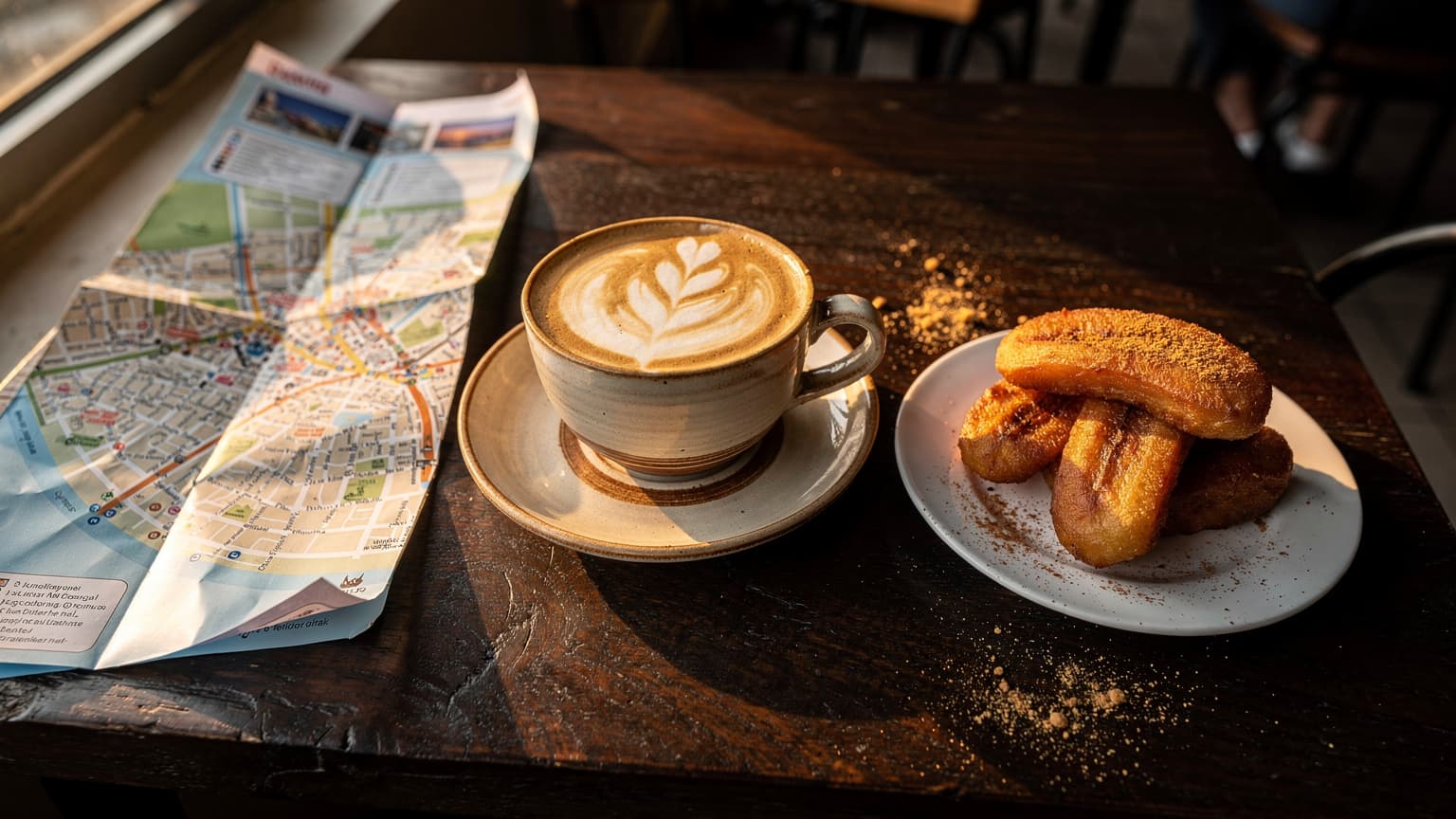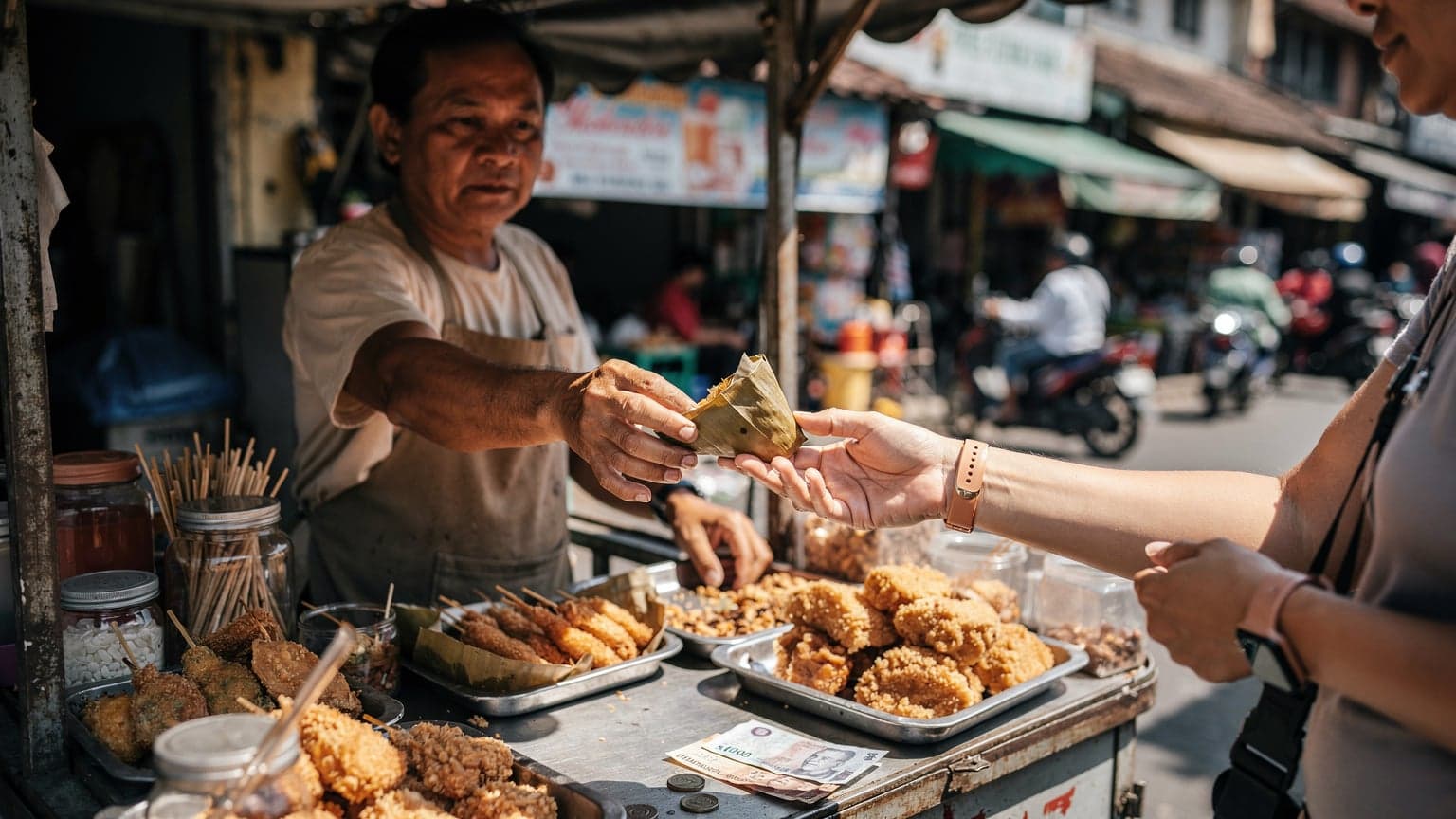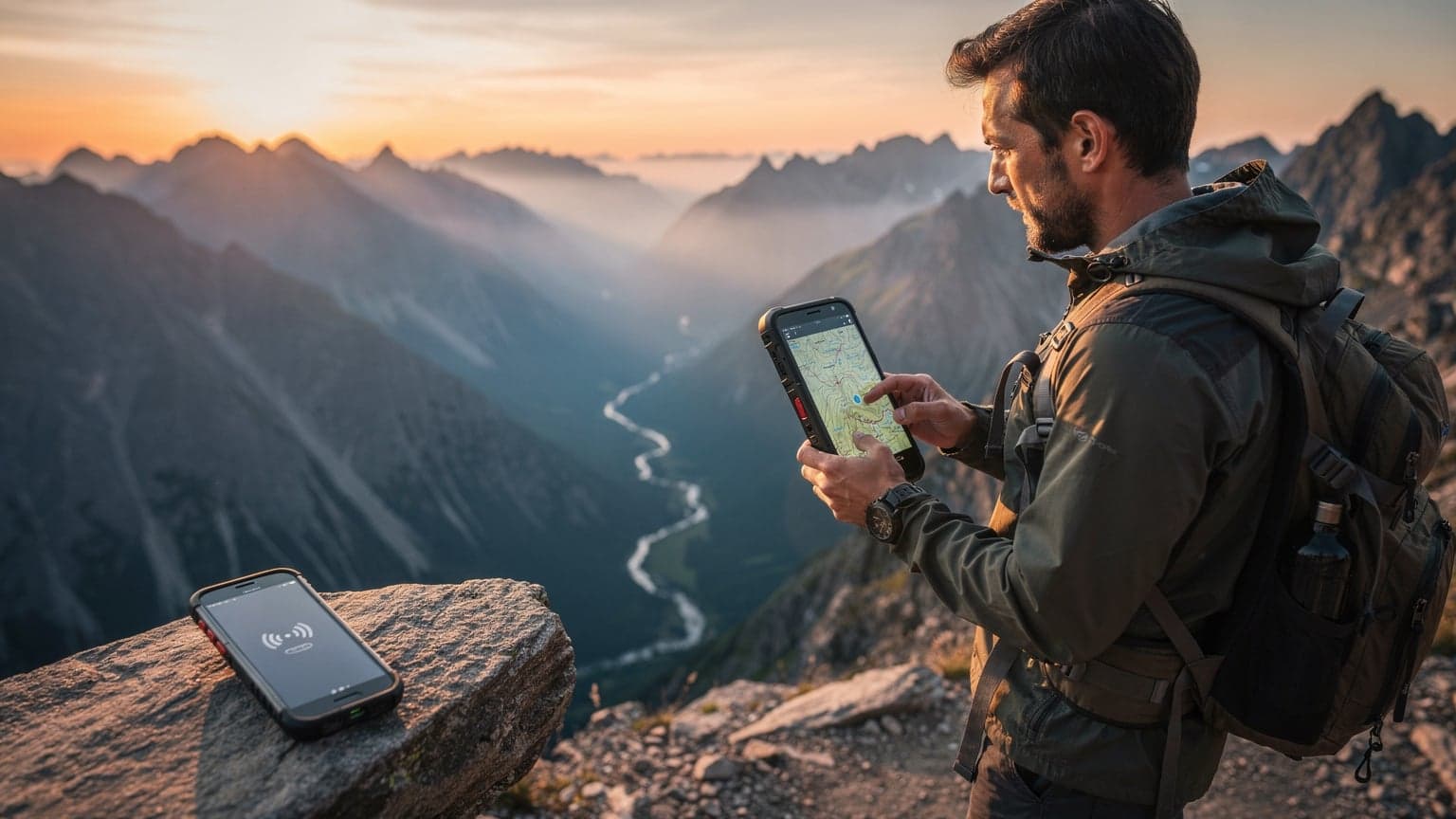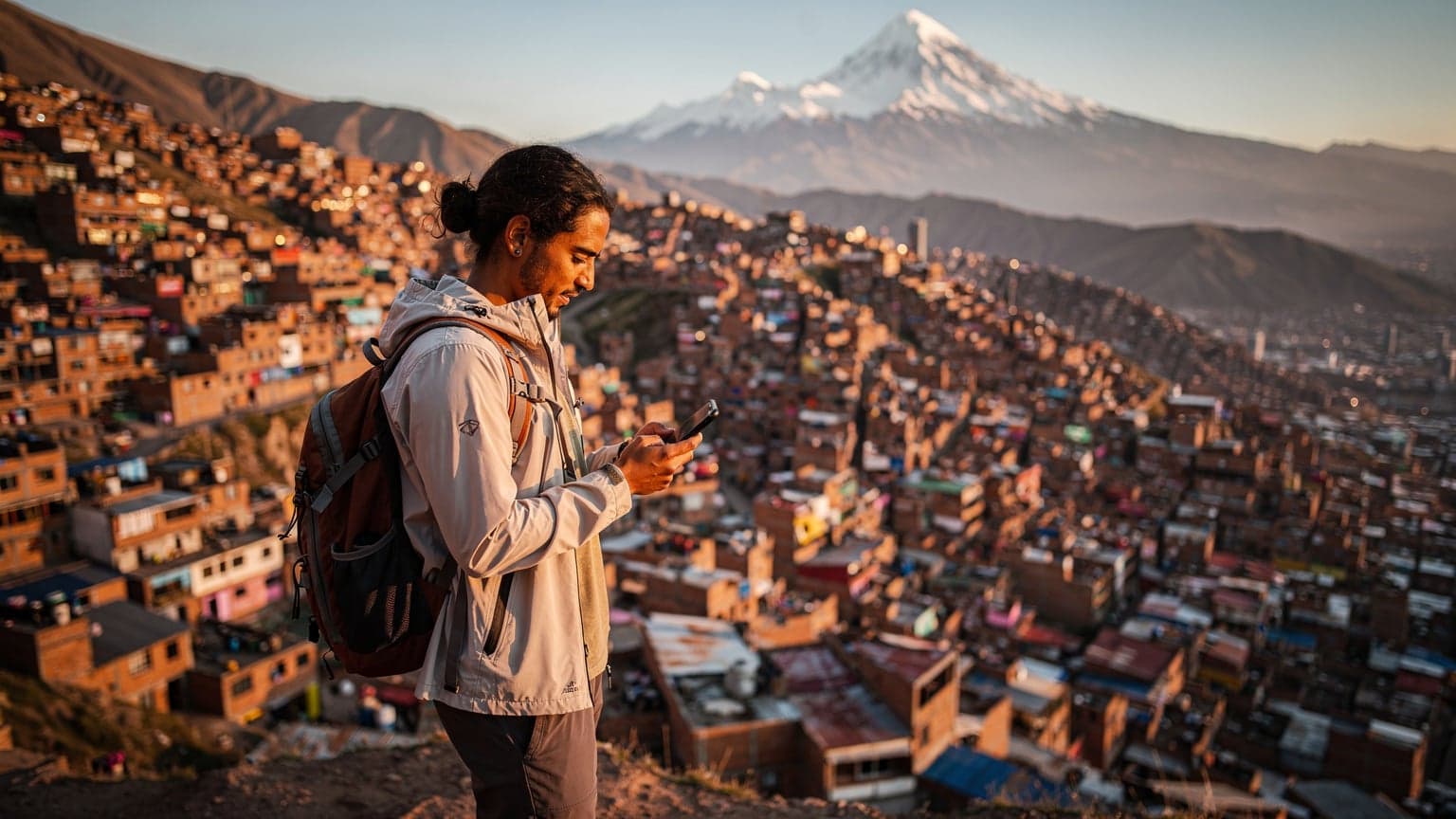
It was 3 AM, I was stumbling out of a night bus in Uyuni, and my phone was dead. Not just low battery dead, but “no signal, no data” dead. I’d crossed the border from Chile the day before, relying on some sketchy free Wi-Fi spots that had predictably failed me. That’s a mistake I haven’t made since. Bolivia, especially the high-altitude, sparse regions, is not a place to take your data connection for granted. For my 15-day trip, I spent about $40 on eSIM data, which was a fraction of what I would have paid for AT&T’s ridiculous day-pass. This trip was for Thanksgiving, so I really needed to stay connected with family back home in Austin, unlike when I was backpacking in Southeast Asia and could disconnect for a few days, as I did when I was setting up data for Indonesia from France.
Bolivya eSIM: Neden Ucuz Seçenek 2026?
Let's get straight to it: the primary reason to use an eSIM in Bolivia in 2026 is cost, pure and simple. If you're flying out of LAX, chances are your home carrier is AT&T, and their international day pass can easily run you $10-15 per day. For a 15-day trip, that's $150-225 just for data. My $40 eSIM for 15 days in Bolivia meant I saved over $100 right off the bat. That's a week's worth of hostel beds, or maybe a few decent meals at a local pensión. The math is undeniable. Even if you're only in Bolivia for a quick eSIM Bolivia trip, the savings add up fast.
Beyond the cost, the convenience is a game-changer. No more hunting for a local SIM card vendor, trying to explain in broken Spanish that you need data, and then fumbling with tiny physical cards. I’ve done it countless times, from navigating data in Indonesia to trying to find a working SIM in rural Peru. With an eSIM, you download it before you even leave home. I usually activate mine right on the tarmac at LAX, or at least during my layover in Panama City. It’s one less thing to worry about when you’re dealing with altitude sickness in La Paz or trying to find your way to the correct shared taxi.
Bolivya'da eSIM Kapsamı: Gerçekler ve Beklentiler
Bolivia is a vast country, and its cellular infrastructure reflects that. You'll find decent 4G LTE coverage in major cities like La Paz, Santa Cruz, and Cochabamba. In these areas, an eSIM will connect you to local networks like Tigo, Entel, or Viva, offering speeds perfectly adequate for WhatsApp calls, checking maps, and light browsing. I found good signal strength in the Zona Sur of La Paz, where many of the more established hostels are located, and even up in El Alto, though it could be a bit spottier.
However, once you venture into more remote areas, especially the altiplano or the Amazon basin, coverage drops off significantly. Don't expect blazing fast speeds or even consistent 3G in places like the Salar de Uyuni or remote sections of the Amazon. My experience was that for stretches of the Uyuni salt flats tour, my phone was just a very expensive camera. This is where you need to manage your expectations. An eSIM won't magically create a signal where there isn't one, but it will give you the best possible connection where it exists. It’s also important to remember that most eSIM providers leverage the existing local infrastructure, so if the local carriers don't have coverage, neither will your eSIM.
Yerel SIM Kart Alternatifleri: Bolivya'da Hala İşe Yarar mı?
For fairness, yes, you can still buy a local physical SIM card in Bolivia. The main providers are Tigo, Entel, and Viva. You'll find kiosks in airports, bus terminals, and often small shops in city centers. Expect to pay around 10-20 Bolivian Bolivianos (BOB), or roughly $1.50-3.00 USD, for the SIM card itself. Then you'll need to load credit. A typical 5GB plan for 15 days might run you 50-70 BOB ($7-10 USD). So, on paper, it's slightly cheaper than the $40 eSIM I mentioned.
But there's a catch. Or, rather, several catches. First, you'll need to register your SIM with your passport, which can be a slow, bureaucratic process. I've spent upwards of an hour in a Tigo store in La Paz doing this, watching them manually input every detail. Second, finding a vendor who speaks English can be a challenge. Third, if you have a phone that only supports one physical SIM and you still need to receive calls/texts from your home number (like for banking codes), you’re out of luck. An eSIM allows you to keep your primary SIM active while using the eSIM for data. For me, that’s a non-negotiable, especially since I need to keep up with work emails even when I’m on a “vacation” during Thanksgiving week. This is a common question, and you can find more detail on our FAQ page.
Sınır Ötesi Geçişler ve Veri Planlaması (Uyuni ve Ötesi)
Border crossings in South America can be an adventure in themselves, and Bolivia is no exception. My night bus from San Pedro de Atacama, Chile, to Uyuni, Bolivia, involved a sunrise transfer at the Hito Cajón border. There was absolutely no signal there, as expected. This is where planning ahead with an eSIM really pays off. If you’re crossing from Peru or Argentina, the situation is similar: expect dead zones around the actual border posts.
My strategy: ensure your eSIM is active and has enough data before you even approach the border. I usually download offline maps for the next leg of my journey (Maps.me is a lifesaver). When I arrived in Uyuni, after that 3 AM bus, I had just enough data left on my regional South America eSIM plan to confirm my hostel booking and find a local cafe with Wi-Fi to recharge my phone properly. A few years ago, a friend of mine got stuck at the Bolivian-Chilean border for hours because his physical SIM card from Chile stopped working the moment he stepped across the line, and he couldn't contact his tour operator. That's a headache you don't need when you're already dealing with altitude and a lack of sleep.
For those considering a similar border hop, a regional eSIM that covers multiple countries, not just Bolivia, can be a smart move. It means you don't have to swap plans every time you cross into a new country, which is especially useful if you're doing a longer South American backpacking trip. It’s similar to how many travelers weigh Holafly discount codes against cheaper alternatives for broader coverage.
Bolivya'da Veri Tüketimi: Hesaplama ve Tasarruf İpuçları
Let's talk numbers. My 15-day trip to Bolivia saw me using an average of 1.5 GB of data per day. This included a lot of WhatsApp messaging, occasional social media updates (mostly photos of the salt flats, because who wouldn't?), checking Google Maps constantly, and a few video calls home to family during Thanksgiving. So, 1.5 GB/day * 15 days = 22.5 GB total. My $40 eSIM plan offered 25 GB, which gave me a comfortable buffer. Here’s a quick breakdown of what typical usage looks like:
| Activity | Estimated Data Consumption (per hour) | Tips for Bolivia |
|---|---|---|
| WhatsApp Messaging/Calls | 5-10 MB (messaging), 100-200 MB (video call) | Prioritize text over video calls in remote areas. Use Wi-Fi for longer calls. |
| Google Maps/Navigation | 5-15 MB | Download offline maps for La Paz, Sucre, and Uyuni. |
| Social Media (browsing/uploading) | 100-300 MB | Limit video uploads. Post photos when on Wi-Fi. |
| Email/Web Browsing | 20-50 MB | Stick to essential browsing, avoid streaming. |
| Streaming (music/video) | 200 MB - 1 GB+ | Absolutely avoid streaming on mobile data. Download content beforehand. |
To maximize your data in Bolivia, especially if you're watching your budget closely, here are a few tactical tips:
- Download everything offline: Maps, music, podcasts, even some Netflix shows for those long bus rides. Your data will thank you.
- Use Wi-Fi whenever possible: Hostels, cafes, and even some restaurants in bigger cities will offer free Wi-Fi. Use it to upload photos, do video calls, and download large files. Just be aware that Wi-Fi speeds can be wildly inconsistent.
- Turn off background app refresh: Go into your phone settings (iOS or Android) and disable background data usage for non-essential apps. Those notifications and updates chew through data without you even realizing it.
- Monitor your usage: Most eSIM providers have an app or a web portal where you can track your data consumption in real time. Keep an eye on it to avoid any nasty surprises.
Ultimately, a prepaid Bolivia eSIM is the smartest move for most travelers in 2026. It saves you money, time, and the headache of dealing with local bureaucracy. While you might still hit dead zones in the middle of nowhere, at least you know you're getting the best possible connection where it counts.
Frequently Asked Questions
What is the best eSIM for Bolivia in 2026?
For 2026, the best eSIM for Bolivia depends on your data needs and trip duration. Providers like Cellesim offer competitive plans that leverage local networks like Tigo and Entel. Look for plans with at least 15-20 GB for a 2-week trip if you plan on regular messaging and navigation, costing around $30-50.
How much data do I need for 15 days in Bolivia?
For a 15-day trip to Bolivia, I recommend budgeting for at least 1.5 GB of data per day, totaling around 22.5 GB. This allows for daily navigation, messaging, social media updates, and occasional voice calls. If you plan on streaming, you'll need significantly more, or rely heavily on Wi-Fi.
Is eSIM coverage reliable in rural Bolivia, like Salar de Uyuni?
eSIM coverage in rural Bolivia, including the Salar de Uyuni, is generally limited. While major cities like La Paz have good 4G, remote areas often have patchy or no signal. Your eSIM will connect to the best available local network, but it cannot create a signal where none exists.
Can I use my US phone number with a Bolivian eSIM?
Yes, one of the biggest advantages of an eSIM is that it allows you to keep your primary US phone number active for calls and texts (like banking verification codes) while using the eSIM for data. This avoids the hassle of swapping physical SIM cards and missing important communications.
How does an eSIM compare to AT&T's international day pass for Bolivia?
An eSIM is almost always a significantly cheaper option than AT&T's international day pass for Bolivia in 2026. AT&T's pass can cost $10-15 per day, quickly adding up to over $150 for a 15-day trip. A comparable eSIM plan for the same duration might cost you only $40-50, saving you a substantial amount.