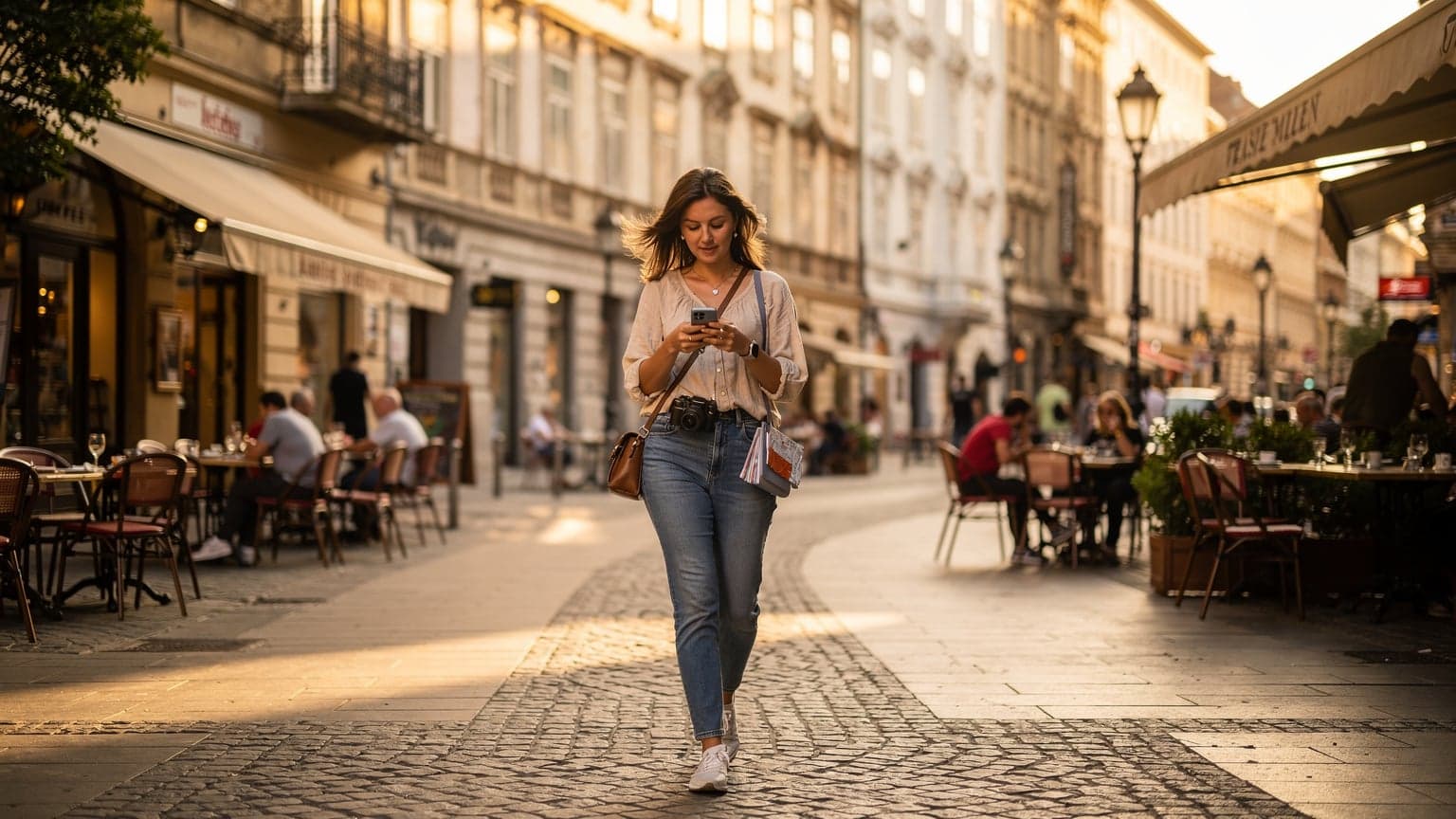
In 2026, getting a Telkomsel eSIM in Indonesia as a tourist means you'll need to register your IMEI at the airport or a Telkomsel store to avoid your data speeds being throttled after 90 days. Most short-term visitors won't hit this, but if you're planning a longer stay, say over a month in Canggu, this is absolutely crucial to understand upfront. Otherwise, your shiny new eSIM will be about as useful as a chocolate teapot for anything beyond WhatsApp messages.
Telkomsel eSIM Nedir ve Nasıl Çalışır?
Telkomsel, Indonesia's largest mobile network operator, jumped on the eSIM bandwagon a bit later than some European carriers, but they're firmly in the game now. An eSIM, or embedded SIM, is essentially a digital SIM card that's built right into your phone. No physical card to swap, no tiny trays to fumble with on a bumpy ride from Denpasar airport. For someone like me, who's constantly moving between countries and juggling multiple local numbers, it's a lifesaver.
When you get a Telkomsel eSIM, it means you're downloading a profile directly to your phone. This profile contains all the network information you need to connect to Telkomsel's towers. The big draw is convenience, especially if you're landing at JFK and want to sort your data before you even leave the tarmac. But, and this is a big 'but', Telkomsel's specific implementation for tourists has a few quirks that are worth knowing about.
eSIM Avantajları ve Dezavantajları
The primary advantage, as anyone who has ever lost a physical SIM card will tell you, is that you can't lose an eSIM. It's tied to your device. You can also store multiple eSIM profiles on one phone, which is brilliant for hopping between countries without changing physical cards. I keep my EE number active on one eSIM profile for banking verification back home, and then switch out local eSIMs for data as needed. This is where Telkomsel vs Cellesim: Which eSIM is Better for Indonesia in 2026? becomes a real consideration.
However, there are downsides. Activation, particularly with local carriers like Telkomsel, can sometimes be a bit of a dance. You're often reliant on QR codes or app downloads, and if you don't have an initial internet connection, you can be stuck. Also, if your phone gets damaged or lost, transferring an eSIM can be more complex than just popping out a physical SIM and putting it into a new device. I learned this the hard way when I dropped my phone in a cenote in Mexico (a story for another time).
Telkomsel eSIM Nasıl Alınır: Adım Adım Kayıt Süreci
Acquiring a Telkomsel eSIM isn't quite as plug-and-play as some global providers. You'll generally need to follow a specific procedure, especially if you're getting a tourist plan that requires IMEI registration. This is crucial for avoiding unexpected data cut-offs, particularly if you're staying for more than a month.
Havaalanı Kaydı veya Mağaza Ziyareti
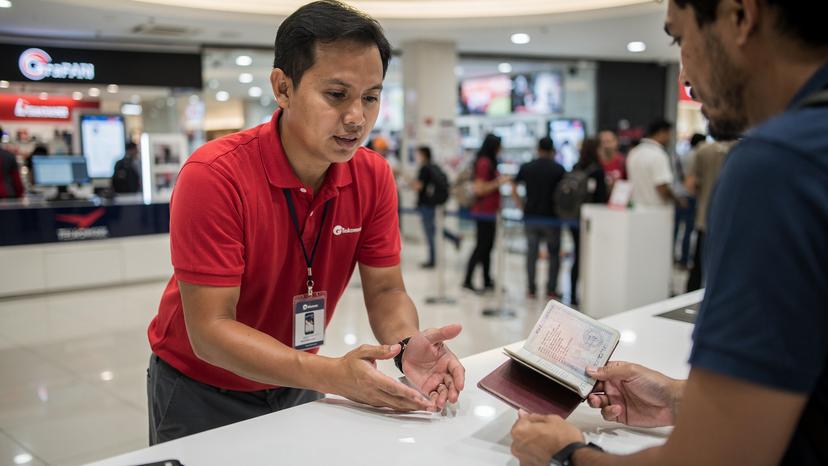
The most common way for tourists to get a Telkomsel eSIM is by visiting a Telkomsel booth at major international airports like Jakarta (CGK) or Denpasar (DPS), or by going to an official Telkomsel GraPARI store in a city. This is where you'll present your passport and your phone for IMEI registration. They'll scan your phone's IMEI number and link it to your passport and the eSIM. This step is non-negotiable for long-term use as a foreigner, thanks to Indonesian regulations aimed at curbing the grey market for phones.
Expect queues at the airport, especially during peak summer break travel. I remember spending an hour at the CGK Telkomsel counter after a red-eye from Singapore. It's not the worst, but it's time you could be spending on the beach. Make sure you have your passport readily available. They'll typically activate the eSIM on the spot by scanning a QR code onto your device.
Online Satın Alma ve Aktivasyon
While some Telkomsel tourist plans can be pre-purchased online, the IMEI registration still usually requires an in-person visit. You might get a QR code via email, but it often won't fully activate for extended periods without the physical presence for registration. This is a common point of confusion for travellers coming from places like the UK, where EE's eSIM activation is entirely digital.
For a truly pre-arrival, fully digital solution without the IMEI hassle, many opt for global eSIM providers. This avoids the airport queue entirely. You can literally be on your flight from JFK, purchase an Indonesia eSIM from Cellesim, install it, and land with data ready to go. No need to worry about Indonesian visa limitations or local registration quirks.
Telkomsel eSIM Paketleri ve Fiyatlar 2026
Telkomsel offers a range of packages, primarily aimed at local users, but they do have specific tourist bundles. These bundles usually combine data, local calls, and texts. In 2026, the data allowances can vary significantly, often with a split between 'all-network' data and specific 'app-based' data (like social media or streaming). It's a bit of a dark pattern, so always read the fine print.
| Plan Name | Data Allowance (Approx) | Validity | Estimated Cost (IDR) | Notes |
|---|---|---|---|---|
| Tourist Lite | 15 GB (5GB all, 10GB app) | 7 Days | IDR 75,000 | Basic for short trips, often needs in-person activation. |
| Tourist Medium | 30 GB (10GB all, 20GB app) | 30 Days | IDR 150,000 | Good for a month, requires IMEI registration for full duration. |
| Tourist Heavy | 50 GB (20GB all, 30GB app) | 30 Days | IDR 200,000 | Higher data, best for heavy users, IMEI registration mandatory. |
These prices are estimates from early 2026 and can fluctuate. Always double-check at the official Telkomsel website or store. For comparison, my EE carrier day-pass when I'm back in the UK can run me about £2.25 a day, which quickly adds up to over £60 for a month. These local Indonesian plans are significantly cheaper for the amount of data you get, but again, the hoops.
Keep in mind that some Indonesian banks, like BCA, require a local SIM number for OTP verification on their apps. If you plan on setting up a local bank account for longer stays (say, for paying rent in a place like Berawa, where a nice studio can go for IDR 5,000,000-8,000,000 a month), a Telkomsel eSIM with a local number is essential. For purely data needs, alternatives are often less hassle.
Yerel eSIM mi, Global eSIM mi: Hangisi Daha İyi?
This is the million-dollar question for any nomad. Do you go for the local carrier, with all its potential benefits and frustrations, or do you opt for a global eSIM provider that promises simplicity?
For a short holiday, say a two-week summer break trip to Bali, a global eSIM is usually the path of least resistance. You buy it online, install it before you leave home, and you're connected the moment your plane lands. No airport queues, no language barriers, no IMEI registration. This is especially true if you only need data for maps, WhatsApp, and social media. It's often what I recommend to friends asking me about their first time in Southeast Asia.
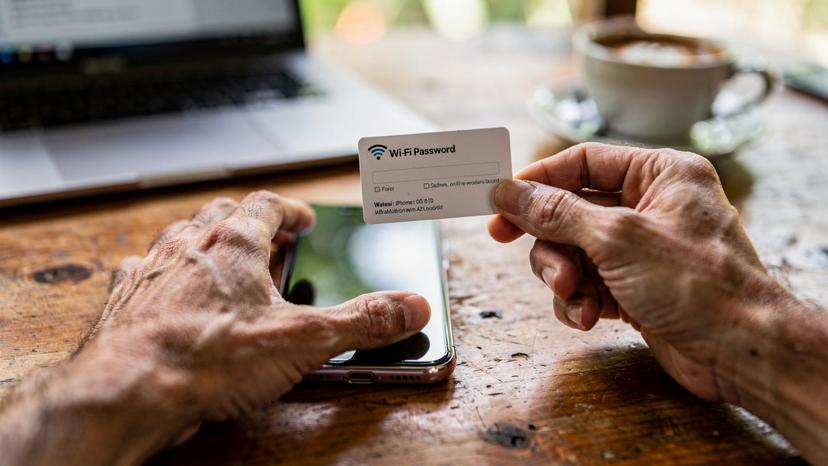
However, if you're settling down for a few months, perhaps working from a co-working space like Dojo Bali in Canggu or Hubud in Ubud (both have excellent, stable fibre internet, by the way), a local Telkomsel eSIM eventually becomes more practical. Not just for the potentially cheaper per-GB data rates, but for that local Indonesian phone number. Many local services and apps, particularly ride-hailing like Gojek or Grab, and even some online food delivery, work better with a local number. Plus, as mentioned, for banking, it's often a requirement.
"The convenience of a global eSIM before landing is unmatched, but for long-term immersion, a local number can unlock daily life in Indonesia."
Karşılaştırma: Telkomsel vs. Cellesim Endonezya İçin
Let's break down the practical differences when you're looking at Telkomsel's eSIM offerings versus a global provider like Cellesim for Indonesia in 2026. This isn't about which is 'better' in an abstract sense, but which is better for your specific travel style and needs.
| Feature | Telkomsel eSIM (Local) | Cellesim (Global) |
|---|---|---|
| Activation Ease | Requires in-person IMEI registration for long stays. | Fully digital, QR code installation before arrival. |
| Local Phone Number | Yes, included. Essential for local apps/services. | No, data only. Keep your home number for calls/texts. |
| Data Cost per GB | Generally lower for very high data allowances over 30 days. | Competitive for short to medium stays, transparent bundles. |
| Network Coverage | Excellent, as the largest local provider. | Utilizes local networks (often Telkomsel or XL Axiata), strong coverage. |
| Flexibility | Tied to specific local plans and registration. | Easy to switch plans, add data, or transition to another country. |
| Support | Local stores, Bahasa Indonesia often preferred. | 24/7 multilingual online support. |
For most short-term tourists (under 30 days), Cellesim is simply less hassle. You avoid the airport lines, you avoid the IMEI registration, and you get instant data. For example, if you're flying in for a festival or a quick surf trip, you don't want to spend your precious time dealing with paperwork.
However, if your plan involves staying in Indonesia for more than a month, renting an apartment (my last spot in Pererenan was about IDR 6,500,000 for a month, including utilities, but that's a good deal), and integrating into local life, that Telkomsel local number will be invaluable. You can read more about the detailed comparison in Telkomsel Tourist Data vs. Instant eSIM for Bali & Indonesia (2026).
Dijital Göçebeler İçin Telkomsel eSIM İncelikleri
As a long-stay digital nomad, my relationship with local SIMs is complicated. I appreciate the local rates, but I absolutely despise the bureaucracy. Telkomsel's eSIM for nomads is a mixed bag, largely due to the IMEI registration policy.
If you're planning to be in Indonesia for three months or more, you'll likely need to either: a) buy a cheap local phone to register, or b) pay the import tax on your existing phone's IMEI to get it officially registered for over 90 days of use. This is a real cost and a real pain point that many travel blogs gloss over. The cost can be significant, often 10-20% of the phone's value if it's not officially imported.
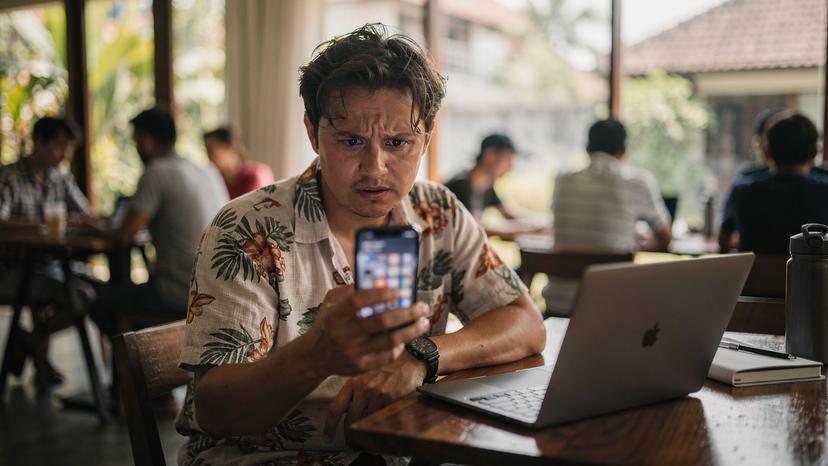
My advice for fellow nomads: for the first month or two, use a global eSIM. It buys you time. While you're settling in, you can scope out the local Telkomsel stores, understand the current IMEI registration rules, and decide if it's worth the investment for a local SIM. If your visa limitations mean you'll be exiting and re-entering the country frequently (for visa runs, for instance), a global eSIM like Cellesim is almost always the more straightforward option, as each re-entry might reset some of the local SIM registration benefits or require another round of paperwork.
For instance, I once relied purely on local data from a Telkomsel physical SIM for a month in Yogyakarta, working from the lovely Saga Coffee (great pour-overs and reliable Wi-Fi, by the way). The data was fast and cheap. But for my second month, I had to deal with the IMEI issue, which ended up being a half-day affair. It's not always seamless.
Bağlantıda Kalmanın İpuçları ve Alternatifler
Beyond Telkomsel, what are your options for staying connected in Indonesia in 2026? It's always smart to have a backup plan, or at least be aware of what's available.
Global eSIM Sağlayıcıları
This is my go-to for pretty much any trip under a month. Providers like Cellesim offer Indonesia-specific data plans that activate instantly. You don't get a local number, but for data, it's golden. You avoid the IMEI registration completely, which is a huge time-saver. Think of it as your primary internet connection, similar to how you'd use your home EE data, but at a fraction of the roaming cost.
You can purchase these plans weeks in advance, install the eSIM profile, and then simply activate it once you land. No more frantic searching for a SIM card vendor at 2 AM after a delayed flight from JFK.
WiFi ve Public Hotspotlar
Indonesia, especially in tourist hubs like Bali, Lombok, and major cities, has a decent Wi-Fi infrastructure. Cafes, restaurants, hotels, and co-working spaces almost universally offer free Wi-Fi. Many are quite good. Work from Bali, a network of co-working spaces, boasts fibre optic connections. Even some of the food courts, like the one I frequented every Tuesday near my old place in Seminyak (just off Jalan Raya Seminyak, usually had a Babi Guling stall), had surprisingly robust Wi-Fi.
However, relying solely on public Wi-Fi is risky. It's often unsecured, and speeds can vary wildly. Plus, you're stuck in one spot. For navigating, ride-hailing, or emergencies, dedicated mobile data is non-negotiable.
Roaming Seçenekleri
Your home carrier, like EE, will offer roaming packages. These are usually expensive, but they can be a lifesaver for very short trips or as an emergency backup. Always check your carrier's specific daily or weekly rates. For some, a quick check of emails might be fine, but streaming or heavy use will burn through your wallet faster than a rocket taking off.
For an in-depth look at making smart choices, especially if you're traveling from France, check out Indonesia eSIM: Fransa'dan Seyahat Öncesi Veri Kurulumu (2026).
Bottom Line
For most tourists in Indonesia, especially those on a typical 1-4 week summer break, a global eSIM from a provider like Cellesim offers unparalleled convenience and sufficient data without the local hassle of IMEI registration. You can sort it all out before you even leave home. If you're planning a longer stay, say 2-3 months, and need a local Indonesian phone number for banking, local apps, or deeper integration into daily life, then a Telkomsel eSIM with the necessary (and sometimes tedious) in-person IMEI registration will eventually be your best bet. Just be prepared for the process.
Don't forget that some apps require a local SIM for verification, not just data. This is particularly true for finance apps or government services in many countries, though less common in Indonesia for tourists. But it's worth keeping in mind for your broader travels. For general questions about eSIMs and travel, check our eSIM FAQ.
Frequently Asked Questions
Do I need to register my phone's IMEI for a Telkomsel eSIM in Indonesia?
Yes, if you're a tourist planning to use a Telkomsel eSIM for more than 90 days, you must register your phone's IMEI. This is done at the airport upon arrival or at an official Telkomsel GraPARI store, linking your phone to your passport. Failure to do so will result in data throttling or even service suspension after 90 days.
Can I buy a Telkomsel eSIM online before I arrive in Indonesia?
While you might be able to pre-purchase some Telkomsel tourist packages online, full activation and particularly the IMEI registration often still require an in-person visit to a Telkomsel counter or store in Indonesia. For a fully digital, pre-arrival setup, a global eSIM provider is usually more reliable.
Are Telkomsel eSIMs good for short trips to Bali?
For short trips (under a month) to popular areas like Bali, Telkomsel eSIMs provide excellent coverage and data speeds. However, the convenience of a global eSIM (which can be set up entirely before you land) often outweighs the slight cost difference for short-term visitors, as it bypasses the in-person registration hassle.
What's the difference between 'all-network' data and 'app-based' data on Telkomsel tourist plans?
Telkomsel tourist plans often split data allowances. 'All-network' data can be used for any internet activity. 'App-based' data is restricted to specific applications, typically social media (like Instagram, TikTok) or streaming services. Always check the specific breakdown, as the 'all-network' portion is usually much smaller.
Do I get a local Indonesian phone number with a Telkomsel eSIM?
Yes, if you purchase a Telkomsel eSIM from an official store or booth, it typically comes with a local Indonesian phone number. This number is often crucial for accessing local services, ride-hailing apps like Gojek, and some banking applications.
Can I use my Cellesim global eSIM for calls and texts in Indonesia?
Cellesim global eSIMs primarily provide data services. While you won't get a local Indonesian phone number for traditional calls and texts, you can use VoIP apps like WhatsApp, Telegram, or Facetime over the data connection. Your home number will remain active on your physical SIM for calls/texts, if your phone supports dual SIM functionality.