Understanding Hungary's Safety Profile 2026
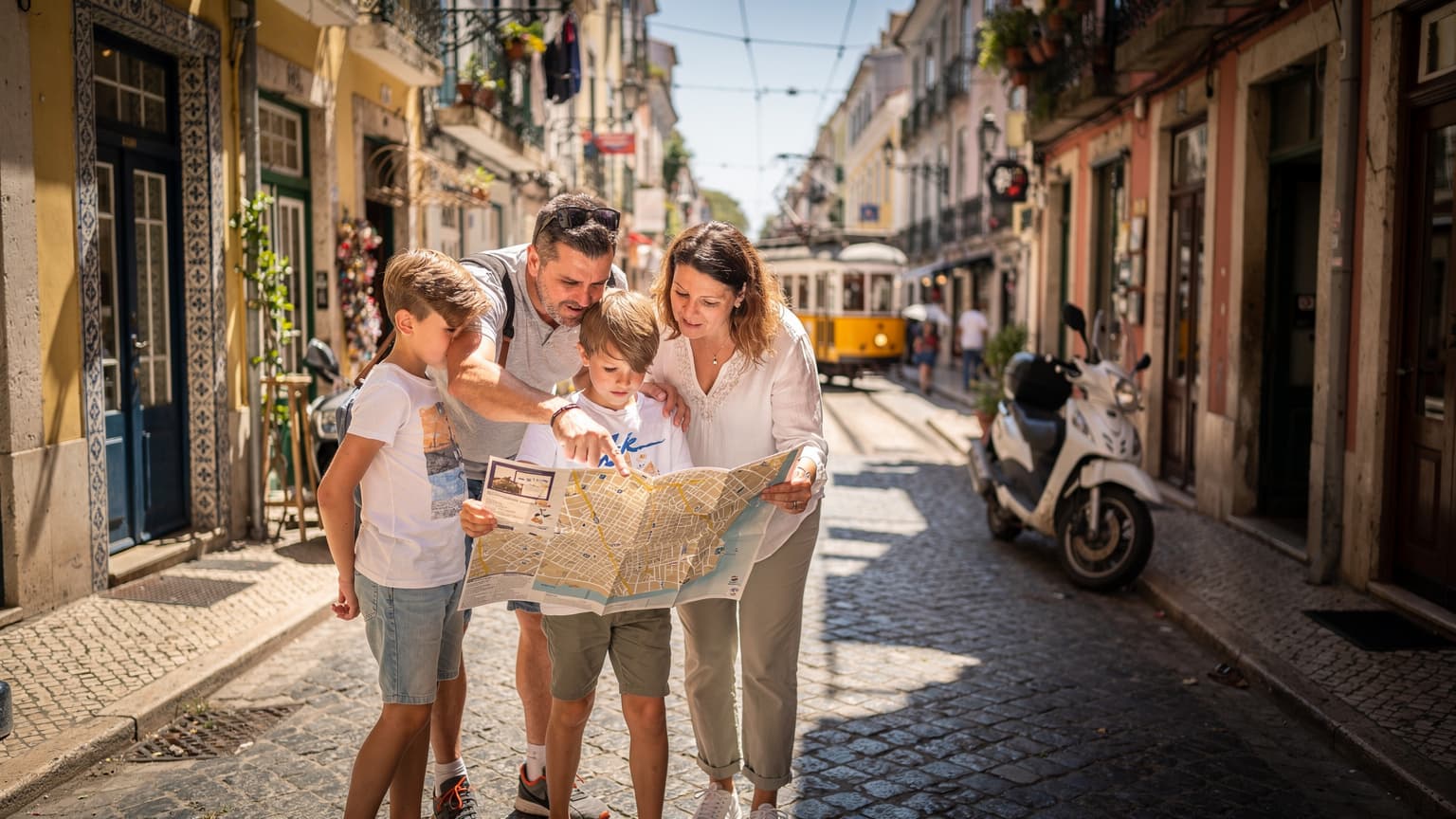
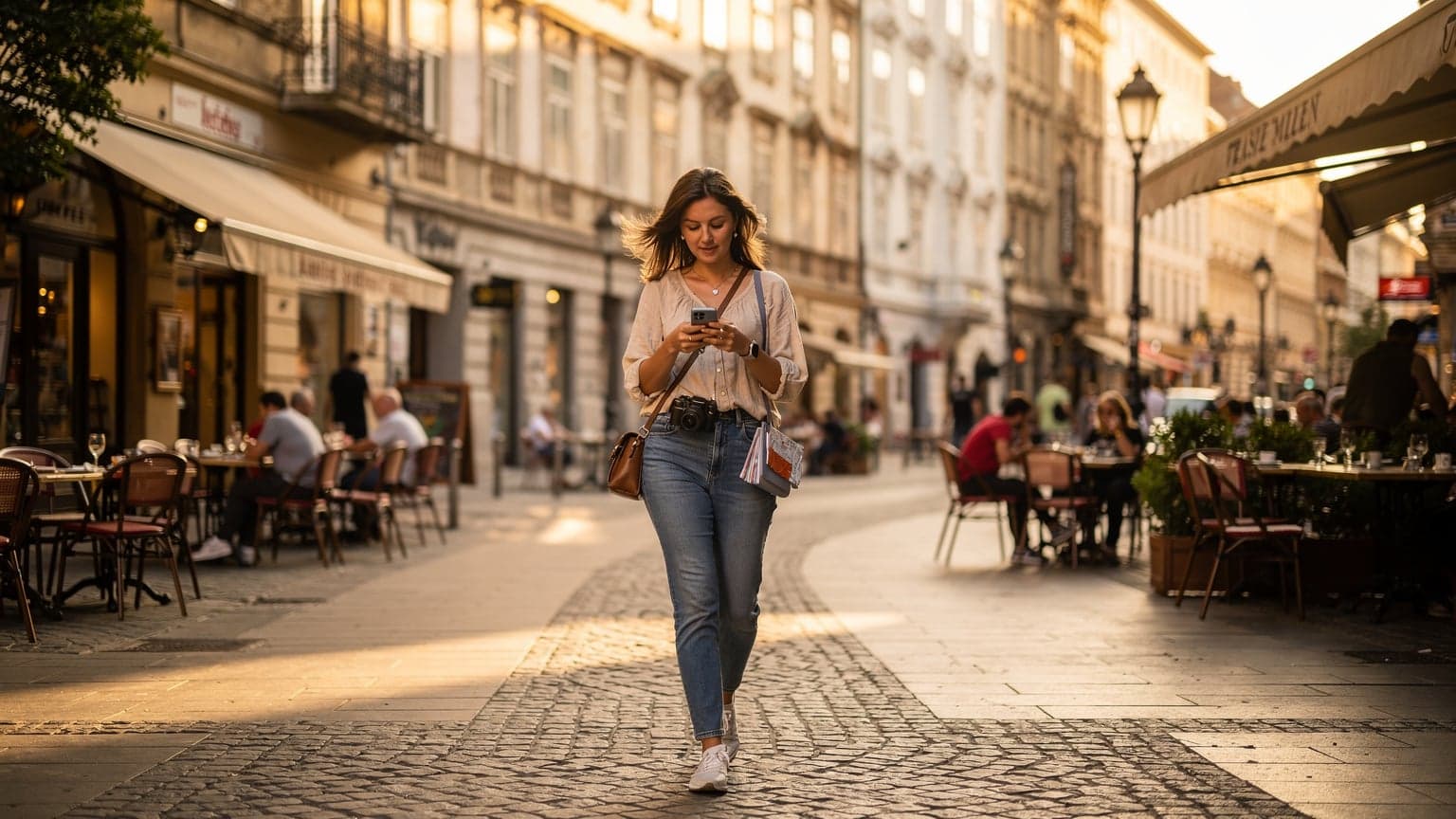
Hungary, especially Budapest, is generally a safe city for tourists. Still, like any popular travel spot, it's smart to be aware of your surroundings. Serious crimes against tourists are rare. But keep an eye out for pickpockets and bag snatchers. They often target crowded places like the Central Market Hall, public transport, or around big attractions like the Castle District and the Danube.
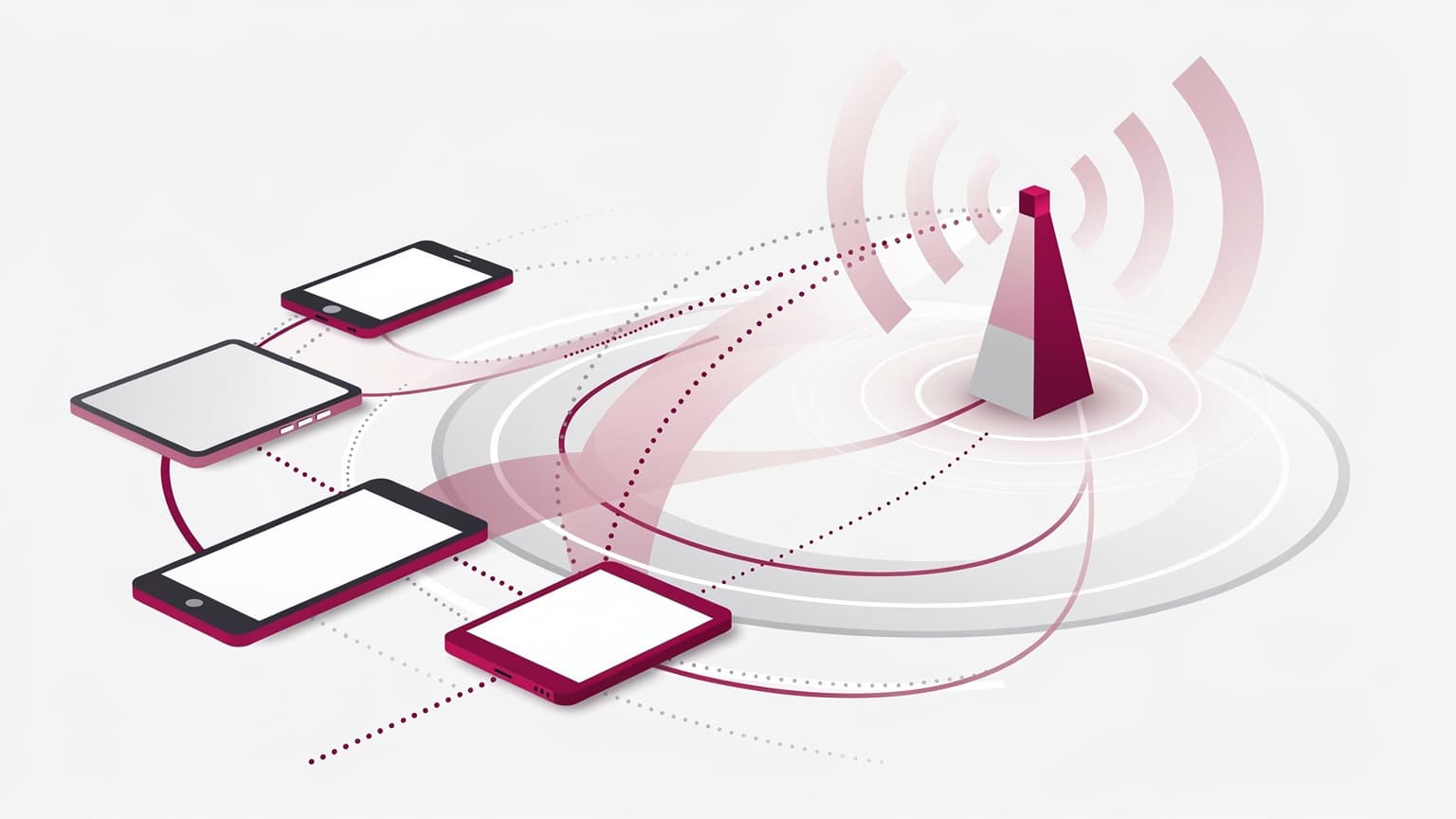
Knowing a bit about the local tech scene helps too. Hungary has 2G, 3G, 4G, and 5G mobile networks, and the main carriers offer solid coverage. In Budapest, you'll see strong 4G LTE on bands B3 (1800MHz) and B7 (2600MHz), giving you typical download speeds of 50-150 Mbps and uploads of 15-40 Mbps. 5G is also growing, often on the n78 (3500MHz) band, which can hit 300-600 Mbps download in cities, depending on how busy the network is and your phone's capabilities. Keeping your phone charged with an active Cellesim eSIM means you can quickly pull up maps or call emergency services if you need to, which is a big part of staying safe. I always recommend checking carrier coverage maps before you go. They give the most accurate (though often optimistic) idea of signal strength and speeds for specific spots.
What are the safest areas for tourists?
Most tourist areas in Budapest, like the Inner City (Belváros), Buda Castle District, and Margaret Island, are very safe, even after dark. District V (Belváros-Lipótváros), which has many hotels and restaurants, is particularly well-patrolled. But no matter how safe an area is, always be careful in crowded public places.
Are there any areas to avoid?
No areas are strictly off-limits for tourists. But some districts, especially those further from the city center, might feel less comfortable late at night. For example, parts of District VIII (Józsefváros) are being redeveloped, but some pockets still see more petty crime. You don't need to avoid them entirely, just be extra careful, especially if you're alone or don't know the area.
Entry Requirements and Visa Basics
For most international travelers, getting into Hungary is easy, following the rules for the wider Schengen Area. This means many nationalities can visit Hungary for tourism or business for up to 90 days within any 180-day period without needing a visa. This usually includes people from the United States, Canada, Australia, and many other countries. But it's super important to check the specific requirements for your nationality well before your trip, as rules can change.
Passport Validity Rules
Your passport needs to be valid for at least three months past your planned departure date from the Schengen Area. Also, it must have been issued within the last 10 years. Border officials are usually quite particular about these things, so checking your passport's expiration and issue dates is a must-do before you book your flight.
ETIAS System in 2026
Starting in 2025, the European Travel Information and Authorisation System (ETIAS) will be in effect. This means even if you don't need a Schengen visa, you'll have to get an ETIAS travel authorization before you go. This authorization is usually approved quickly online, lasts for three years (or until your passport expires), and lets you enter the Schengen Area multiple times. It's a pre-travel check, not a visa, but you'll need it to get in. Keep an eye on official EU channels for the exact launch date and how to apply.
Health Preparedness and Medical Access
Before any international trip, health prep is crucial. Hungary has a good healthcare system, but how easily tourists can access it really depends on their insurance. While you hope not to need it, knowing what to do can save you a lot of stress in an emergency.
Travel Insurance Essentials
Good travel insurance isn't just a good idea, it's pretty much essential. Make sure your policy covers medical emergencies, hospital stays, emergency evacuation, and getting you back home. Importantly, check if it covers any existing conditions and specific activities you plan, like extreme sports or hiking in remote spots. Keep a physical copy of your insurance details, including policy numbers and emergency contacts, separate from your phone.
Accessing Medical Care in Hungary
For minor issues, pharmacies (gyógyszertár) are everywhere, and pharmacists can often give advice and sell over-the-counter medicines. For more serious stuff, general practitioners (GPs) are your first stop. In Budapest, many private clinics cater to international patients and often have English-speaking staff. For emergencies, call 112. Public hospitals are competent, but language can sometimes be a barrier outside major cities or specific international departments. Always ask about payment before getting care if you don't have an EU-issued EHIC card.
Common Scams and How to Avoid Them
While Hungary is safe, tourists can sometimes fall victim to scams, especially those involving overcharging or distraction theft. Knowing about these common tricks can help you avoid them. Many of these scams rely on travelers not knowing local customs or currency.
Taxi Overcharging
This is one of the most frequent complaints. Always use official taxis that have clear company names and meters. Reputable companies like Főtaxi or Bolt (an app that links you to local taxi drivers) are good choices. Don't get into unmarked cars or take rides from drivers who approach you at the airport or train station. Make sure the driver uses the meter, or agree on a fixed price through an app before you start. A taxi from Ferenc Liszt International Airport (BUD) to central Budapest should typically cost between 9,000-11,000 HUF, depending on traffic and where you're going.
Restaurant and Bar Scams
Some places, especially those aimed at tourists in areas like District VII (the party district), have been known to overcharge. Always check menu prices before ordering. If something seems too cheap, be cautious. When the bill comes, look it over carefully before paying. If you see a problem, politely ask about it. From my experience, a quick look at the menu outside, especially for drink prices, can save you a lot of trouble later. Also, Hungary doesn't really have a culture of mandatory service charges, so question any large "service fee" you see.
Distraction Theft
In busy spots, especially on trams (like the scenic Tram 2 along the Danube) or crowded market halls, distraction theft is a risk. This might involve someone bumping into you, or a group causing a commotion while another person picks your pockets. Keep valuables, especially your passport and wallet, in secure, zipped inner pockets or a money belt. Be extra careful when taking money from ATMs, making sure no one is looking over your shoulder.
Navigating Local Laws and Customs
Understanding and respecting local laws and culture will make your trip smoother and more enjoyable. Not knowing the law isn't an excuse, even for tourists.
Alcohol Consumption Rules
The legal drinking age in Hungary is 18. While you can generally drink alcohol in public in places like outdoor terraces, public intoxication is frowned upon and can lead to fines. Drinking and driving laws are extremely strict, with a zero-tolerance policy for blood alcohol content (BAC). This means absolutely no alcohol if you plan to drive, a key point many visitors miss.
Smoking and Vaping Regulations
Smoking is banned in all enclosed public places, including restaurants, bars, and public transport. Many outdoor public areas, such as playgrounds and bus stops, also have smoking bans. Vaping follows similar rules. Look for marked smoking areas, or just watch what locals do. Fines for breaking these rules can be hefty.
Photography Etiquette
Hungary is beautiful, but be thoughtful when taking pictures. Always ask permission before photographing people, especially children or those practicing religion. In some museums or churches, photography might be restricted or require a special permit, so look for signs or ask staff. Respecting privacy is a basic courtesy.
Staying Connected with eSIM Technology
In 2026, a reliable data connection is more than just convenient, it's a safety tool. From finding your way around to translating menus or calling family, an eSIM is a flexible and secure way to stay online. Regular physical SIM cards can be a pain, needing a trip to a local store and possibly dealing with language issues, but an eSIM can be activated digitally before you even land.
Why eSIM is Your Best Bet for Hungary
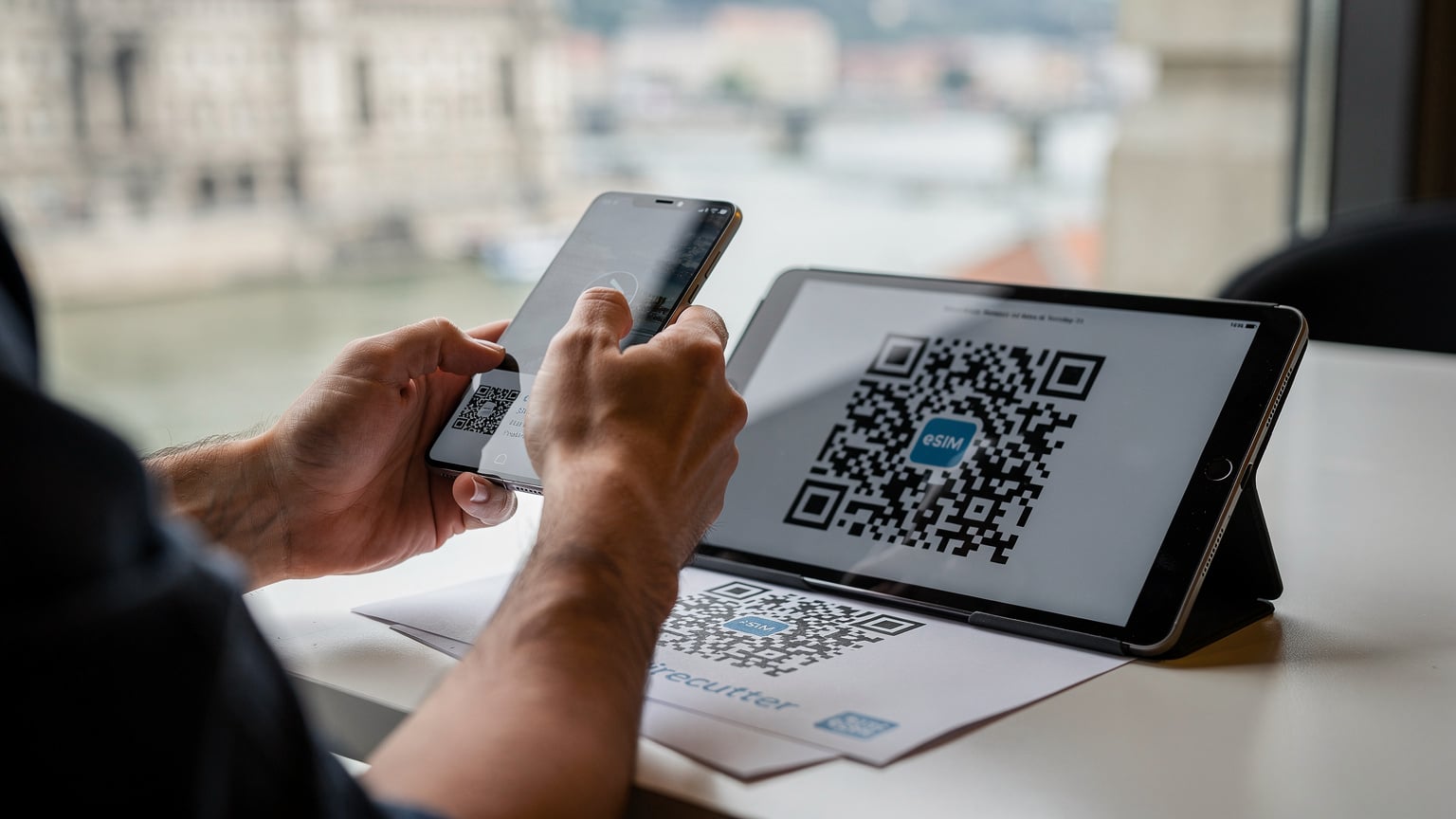
An eSIM, or embedded Subscriber Identity Module, is a digital SIM. It lets you activate a cellular plan without needing a physical nano-SIM card. For travelers, this means no more swapping tiny cards, losing your home SIM, or fumbling with SIM tray tools. Cellesim offers Hungary eSIM plans starting at just $1.12, with over 25 data packages for different trip lengths and data needs. What's more, Cellesim Hungary eSIMs also support SMS for OTP/verification. This is a feature often forgotten but it's essential for using banking apps or other online services when you're away from home. It ensures your digital security stays strong. If you're into the tech side, an eSIM uses your phone's existing modem hardware to download a profile. This profile then connects you to the new network, usually with less fuss than setting up an APN manually. (Though knowing about iPhone 18 eSIM pre-orders and eSIM activation on iPhones is still handy.)
APN Settings and VoLTE/VoWiFi
Usually, when you activate an eSIM from a good provider like Cellesim, the Access Point Name (APN) settings set themselves up automatically. But sometimes, especially with older Android phones or certain software, you might need to enter the APN manually. Your eSIM provider always gives you this info. For example, on a local Hungarian network, the APN might be something like 'internet' or 'online'.
A more common tech detail to think about is VoLTE (Voice over LTE) and VoWiFi (Voice over WiFi). While 4G data is everywhere, old-school voice calls on 2G/3G networks are slowly disappearing. If your eSIM doesn't specifically support VoLTE on the roaming partner's network, your phone might drop to 3G or even 2G for calls. This can affect call quality and battery life. This is important if you rely on clear voice calls or need to make calls in areas with only 4G/5G data coverage. Always ask your eSIM provider about VoLTE support on their partner networks in Hungary, especially if voice calls are a big part of your trip. Most new smartphones handle this smoothly, but an older device might struggle.
How to Activate Your Cellesim eSIM
- Buy Your Plan: Go to the Cellesim website and pick a Hungary eSIM plan that fits your data needs and how long you'll be traveling.
- Get QR Code: After buying, an email will arrive with a QR code and instructions for manual installation.
- Scan and Install: On a compatible smartphone (most new iPhones and top Android phones work with eSIM), go to your cellular settings and choose 'Add Cellular Plan' or 'Add eSIM'. Scan the QR code. If scanning doesn't work, use the manual entry option.
- Name Your eSIM: Once it's installed, give your new eSIM a name (e.g., 'Hungary Travel') so you can tell it apart from your main SIM.
- Turn on Data Roaming: For the eSIM to work, make sure 'Data Roaming' is ON for that eSIM line in your phone's cellular settings. This might seem odd since it sounds like it would cost money, but for an active eSIM, it just means allowing data through the partner network.
- Choose eSIM for Data: Set your new Hungary eSIM as your main line for cellular data. You can usually keep your physical SIM active for calls and texts (if your phone supports Dual SIM Dual Standby, DSDS) if you need to, or if your Cellesim plan doesn't include voice.
Public Transportation and Road Safety
Hungary has a big and generally good public transportation system, especially in Budapest. Knowing how it works and following road safety rules is key for a relaxed trip.
Navigating Budapest's BKK System
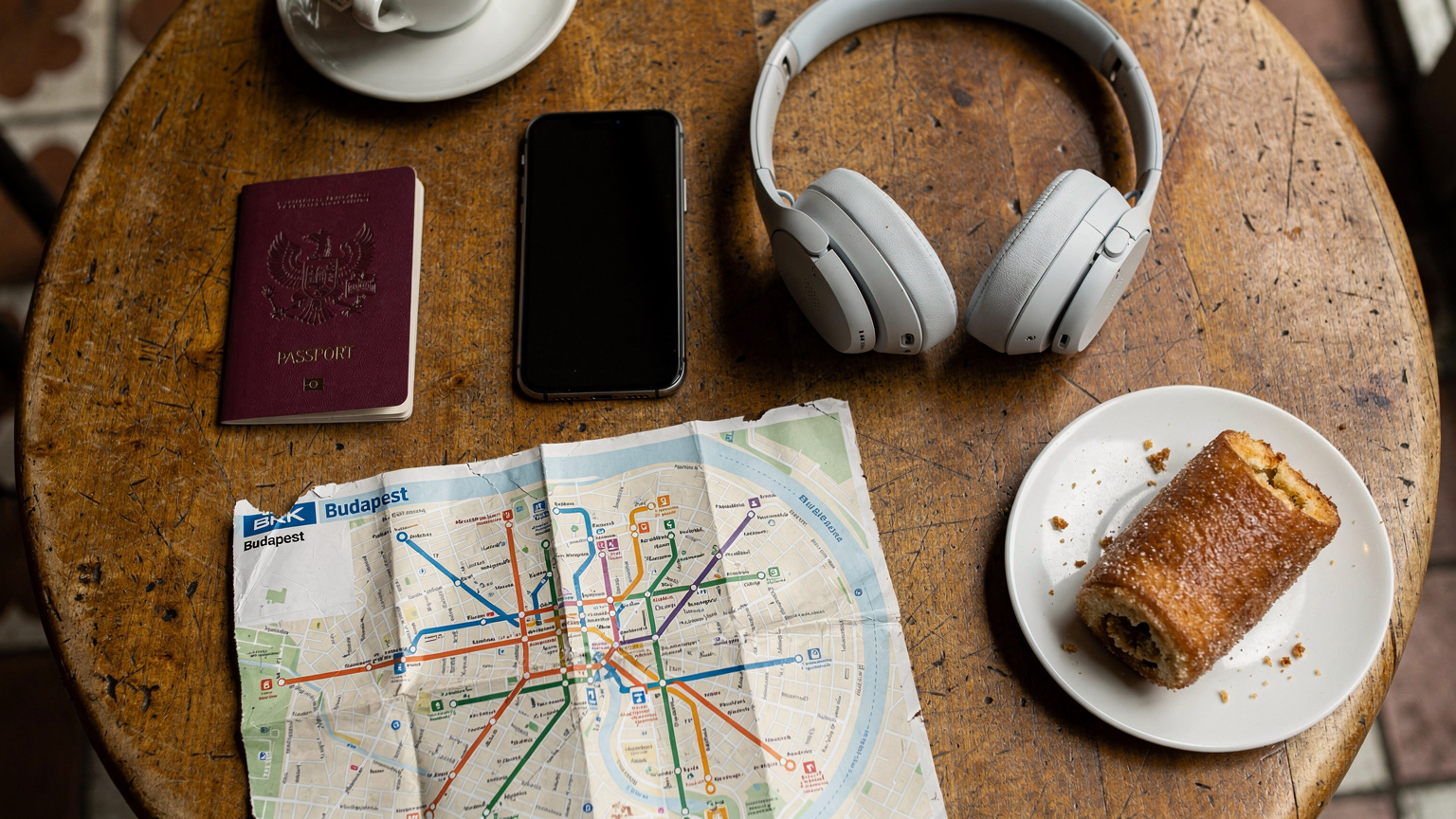
Budapest's BKK (Budapesti Közlekedési Központ) system includes metros, trams, buses, and trolleybuses. You MUST buy and validate tickets BEFORE getting on trams and buses, and before entering metro platforms. Ticket inspectors are frequent and strict, and fines are hefty. You can buy tickets at metro stations, newsstands (újságos), or ticket machines, which have English options. A 24-hour travelcard or a multi-day pass is often easiest for tourists. The hidden charms of Hungary are much better when you're not worried about getting fined.
| Transport Type | Coverage | Ticket Validation | Frequency (Peak) |
|---|---|---|---|
| Metro (M1, M2, M3, M4) | Extensive city access | Before entering platform | 2-5 minutes |
| Tram | Surface routes, scenic lines (e.g., Tram 2) | Immediately upon boarding | 5-10 minutes |
| Bus/Trolleybus | Local and suburban routes | Immediately upon boarding | 5-15 minutes |
| HÉV (Suburban Railway) | Connects Budapest to surrounding towns | Before entering platform | 10-30 minutes |
Driving in Hungary
If you rent a car, remember that Hungarians drive on the right side of the road. Speed limits are strictly enforced, often by cameras. Limits are generally 50 km/h in towns, 90 km/h outside towns, 110 km/h on expressways, and 130 km/h on motorways. You'll usually need a valid international driving permit (IDP) along with your national driving license. Headlights must be on at all times, even during the day, outside urban areas. Parking in Budapest can be tough and expensive, so think about using park-and-ride lots and public transport. Road quality outside big cities can vary, so always pay attention to changing conditions.
Financial Security and Currency Exchange
Hungary's money is the Hungarian Forint (HUF). While credit and debit cards are widely accepted, especially in cities, it's always good to have some local cash for smaller purchases or markets. Protecting your money means smart currency exchange and staying alert for card skimming.
Best Practices for Currency Exchange
Don't exchange money at the airport; their rates are usually terrible. Look for reputable exchange offices (valutaváltó) in the city center. Always check the 'buy' and 'sell' rates and be suspicious of places that advertise '0% commission' but have very bad rates. Even better, use ATMs from major banks (like OTP Bank, K&H Bank, Raiffeisen Bank) to get cash. Tell your bank before you travel to prevent your card from being flagged for unusual activity. When using an ATM, always choose to be charged in HUF, not your home currency, to avoid expensive dynamic currency conversion (DCC) markups.
Credit Card Security
When you use your credit or debit card, always keep an eye on it. Be wary of card skimmers at ATMs or payment terminals, especially if the card reader looks strange or loose. Always cover the keypad when you enter your PIN. Most places accept contactless payments, which can add a layer of security by keeping your card in your hand. Turn on transaction notifications on your banking app to see your spending right away, helping you spot any unauthorized activity immediately.
Emergency Contacts and Consular Assistance
Knowing who to call and where to go in an emergency is crucial for any traveler. Hopefully, you won't need these numbers, but having them handy can give you peace of mind.
Key Emergency Numbers
- General Emergency (Police, Ambulance, Fire): 112. This is the main European emergency number and connects you to an operator who can send the right help.
- Police (Direct): 107 (less common for tourists, 112 is better).
- Ambulance (Direct): 104 (less common for tourists, 112 is better).
- Fire Department (Direct): 105 (less common for tourists, 112 is better).
- Tourist Police: Budapest does have a tourist police unit, but 112 should always be your first call for urgent problems. For non-urgent issues or advice, local police stations can help.
Consular Services
Your country's embassy or consulate in Budapest can be a huge help in emergencies, like lost passports, arrests, or serious medical issues. Keep their contact info (phone number and address) stored separately from your phone, maybe written in your wallet or a small notebook. Many embassies also have an after-hours emergency line. Registering your trip with your embassy or consulate before you leave is also a smart idea, so they can contact you if there's a big emergency or natural disaster.
Ensuring a Smooth Return Home
Getting home should be as easy as getting there. A few checks before you leave Hungary can prevent last-minute stress and ensure you end your trip on a good note.
Airport Logistics at BUD
Ferenc Liszt International Airport (BUD) is about 16 kilometers (10 miles) southeast of central Budapest. Give yourself plenty of time to get to the airport, especially during busy hours, as traffic can be unpredictable. You can get there by public transport (Bus 100E goes directly from Deák Ferenc tér, or Bus 200E connects to the M3 metro line), or by taxi/ride-hailing services. The airport has two main terminals, 2A and 2B, connected by a walkway. Double-check your flight details to confirm your departure terminal. Security lines can be long, so arriving 2-3 hours before an international flight is generally recommended.
Customs and Duty-Free Allowances
Be aware of customs rules for both Hungary (as part of the EU) and your home country. If you bought things like Hungarian pálinka or Tokaji wine, make sure you're within your personal limits for duty-free imports. For EU citizens, there are usually no customs checks on goods moved between member states. For non-EU citizens, limits apply to alcohol, tobacco, and other goods. Always declare anything over the allowance to avoid problems when you re-enter your home country. Also, remember that some items, like cultural artifacts, might need special export permits, so always ask when buying significant items.
Final Connectivity Checklist for Departure
Just like you prepared your digital life for arrival, a quick check before you leave can prevent unexpected charges or internet problems once you're back home. This is where an eSIM's flexibility really shines, letting you easily switch between plans.
Managing Your eSIM Post-Trip
- Turn Off Data Roaming on eSIM: Once you're back home, remember to switch off data roaming for your Cellesim Hungary eSIM. Even if the data plan has expired, it's a good habit to prevent any accidental usage if you happen to have a tiny balance left or if the plan had a long validity.
- Switch Primary Data: Change your phone's main cellular data setting back to your home SIM. This makes sure you're using your regular plan for data.
- Consider Deleting eSIM Profile: If you don't plan to go back to Hungary soon, you can delete the eSIM profile from your device. This frees up the eSIM slot and cleans up your cellular settings. You can always re-download the profile later if you visit again.
- Review Usage: Check your Cellesim account for a final summary of your data usage. This helps you understand how much data you use for future trips and choose the best plan.
- Feedback and Future Plans: If you noticed any specific network performance quirks, maybe in a less common band like B20 (800MHz) or B1 (2100MHz), make a note. This kind of real-world feedback is super helpful for picking plans in the future, letting you fine-tune your connectivity strategy.
Frequently Asked Questions
Is Hungary safe for solo female travelers in 2026?
Yes, Hungary is generally safe for solo female travelers. You should take standard precautions against petty theft, especially in crowded tourist areas. Public transport is reliable and safe, even at night, but always be aware of your surroundings.
What are the common emergency numbers in Hungary?
The main emergency number for police, ambulance, and fire services in Hungary, just like across the EU, is 112. It's one number for all urgent situations, and operators can usually help in English.
Can I use my credit card everywhere in Hungary?
Credit and debit cards are widely accepted in Hungary, especially in cities like Budapest, at hotels, restaurants, and bigger shops. However, it's a good idea to carry some Hungarian Forint (HUF) cash for smaller purchases, market vendors, or in more rural areas.
What are the local driving rules to be aware of in Hungary?
Hungary has strict driving rules: drive on the right, use headlights at all times outside urban areas, and there's a zero-tolerance policy for alcohol if you're driving. Speed limits are strictly enforced, usually 50 km/h in urban areas and 130 km/h on motorways.
How can I avoid taxi scams at the airport in Budapest?
To avoid taxi scams at Budapest Airport, always use official airport taxis (Főtaxi is the authorized provider) or pre-book through a reputable ride-hailing app like Bolt. Don't get into unmarked cars or take rides from people offering them inside the terminal.
Will my eSIM work for SMS messages for verification codes in Hungary?
Yes, Cellesim Hungary eSIMs are made to support SMS messaging, which is really important for getting OTPs (One-Time Passwords) and verification codes from banking apps or other online services while you're traveling. Always check this feature with your specific eSIM provider.