Imagine arriving at Paris Charles de Gaulle Airport in 2026, eager to explore the City of Lights, only to find your phone bill has already accumulated a $50 roaming charge before you even leave baggage claim. This isn't a hypothetical horror story; it's a common reality for travelers relying on outdated connectivity methods. Why pay exorbitant fees when keeping connected in France can be simple and affordable? This guide will show you how to navigate mobile data options in France and avoid the dreaded "eSIM price complaint" by choosing smart, cost-effective solutions like a Cellesim eSIM for France.
- The Real Cost Problem: What Travelers Actually Pay for Data in France (Shocking Examples)
- Option 1 Detailed Breakdown: Carrier Roaming (Prices, Limits, Hidden Fees)
- Option 2 Detailed Breakdown: Local SIM Cards in France (Hassle, Costs, ID Requirements)
- Option 3 Detailed Breakdown: Portable WiFi / Pocket WiFi in France (Rental, Battery, Sharing)
- Option 4 Detailed Breakdown: eSIM with Cellesim (Price, Convenience, Coverage)
- Head-to-Head Comparison Table: Roaming vs. Local SIM vs. Pocket WiFi vs. eSIM in France 2026
- Real-World Savings Calculator: A 7-Day France Trip Cost Comparison
- Hidden Costs Most People Miss: Activation Fees, Daily Caps, Fair Use Policies
- Best Choice by Traveler Type for France in 2026
- How to Switch and Save Right Now: Your Action Steps for a France eSIM
- Frequently Asked Questions
The Real Cost Problem: What Travelers Actually Pay for Data in France (Shocking Examples)
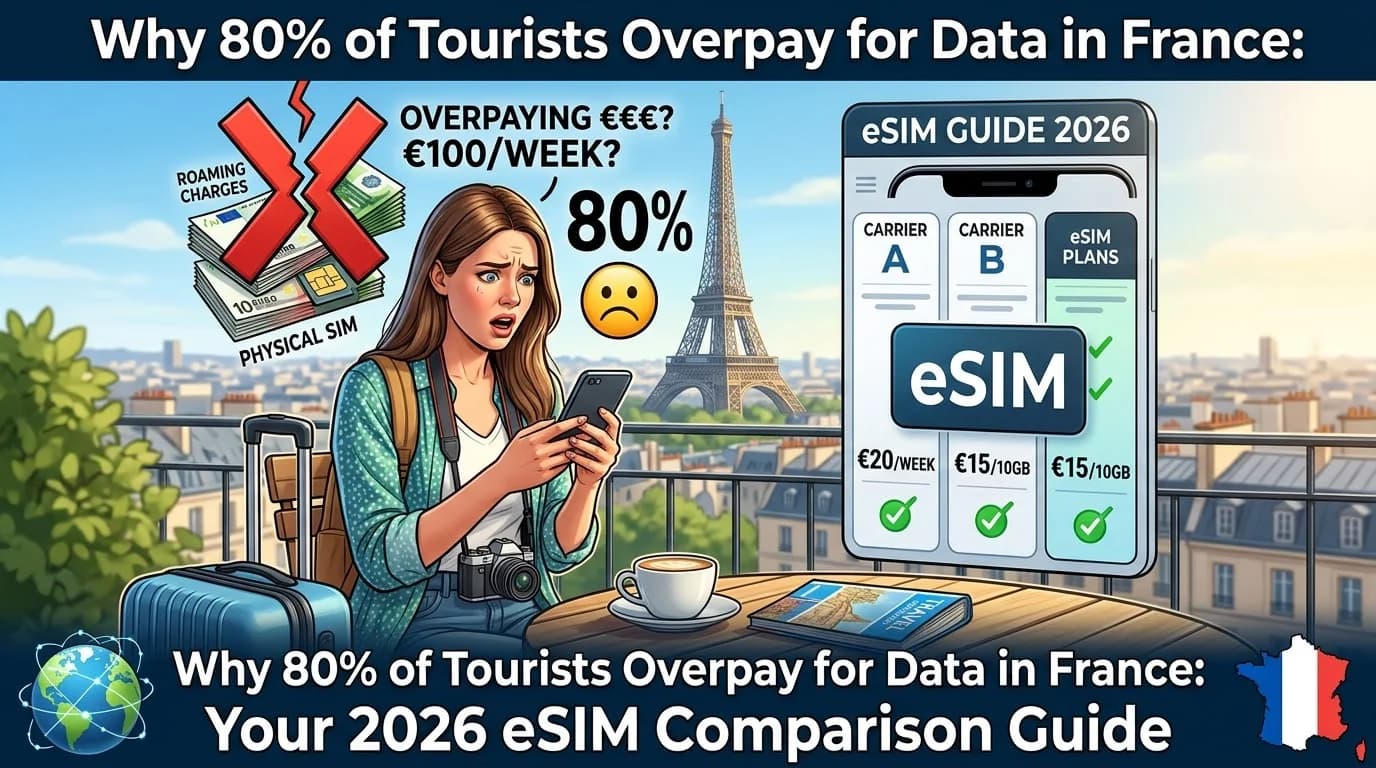
Many travelers to France in 2026 are still caught off guard by exorbitant mobile data charges, leading to what we call "sticker shock" or, worse, genuine price complaints. The average tourist can easily spend upwards of $150-$200 on roaming fees for a week-long trip, simply by using their home carrier's default international rates or activating a daily pass.
For instance, a traveler from the US might enable an "International Day Pass" from AT&T or Verizon, costing around $10-$15 per day. While this seems convenient, a 10-day trip quickly racks up $100-$150, often for throttled speeds or limited data allowances. UK travelers face similar issues with post-Brexit roaming charges from carriers like EE or Vodafone, where a simple Google Maps search or photo upload can trigger a hefty daily fee of £2-£7 or more.
These charges become particularly painful when travelers exceed their included data or unknowingly venture into unsupported zones. A common complaint stems from slow speeds after hitting a small daily data cap, yet still paying the full daily fee. This frustration highlights a critical need for transparent, affordable, and high-performance mobile data solutions in France.
Option 1 Detailed Breakdown: Carrier Roaming (Prices, Limits, Hidden Fees)
Let's delve into the specific costs and limitations imposed by major international carriers when you're roaming in France in 2026. Understanding these details is the first step to avoiding unexpected bills.
US Carriers: AT&T, T-Mobile, Verizon
- AT&T: Their International Day Pass typically costs $10 per day, allowing you to use your existing domestic plan's talk, text, and data allowances. However, this caps at 10 days per billing cycle, after which it might convert to a more expensive monthly plan or per-use rates. Data speeds can also be throttled after a certain threshold.
- T-Mobile: While T-Mobile offers free international roaming in 200+ countries, including France, it's usually at 2G speeds (128-256 kbps). This "free" data is often too slow for anything beyond basic messaging or light browsing, leading to frustration. Faster speeds require purchasing a "Speed Pass," adding to your costs. Read more about the 256kbps trap.
- Verizon: Verizon's TravelPass also costs $10 per day, providing access to your domestic plan's allowances. Like AT&T, it accumulates quickly over longer trips, and out-of-bundle rates if you don't activate the pass can be extremely high (e.g., $2.05 per MB).
UK Carriers: EE, Vodafone, Three
- EE: Post-Brexit, EE typically charges £2.47 per day for their "Roam Abroad Pass" to use data in France, or significantly higher pay-as-you-go rates. Over a week, this adds up to nearly £17.50, plus any call/text charges.
- Vodafone: Similar to EE, Vodafone often charges a daily roaming fee, usually around £2 per day or more, to access your UK plan in France. Exceeding fair use policies can lead to additional charges or throttling.
- Three: While Three previously offered "Go Roam" free in Europe, policies have changed post-Brexit. Now, a daily roaming charge (typically £2) applies to use your plan's allowances in France.
The core issue with carrier roaming, beyond the high costs, is the lack of control. You're subject to their terms, which often include data caps, speed reductions, and the constant worry of hitting unexpected charges. For a deeper dive into avoiding these charges, explore our guide on how to avoid roaming charges and stay connected abroad.
Option 2 Detailed Breakdown: Local SIM Cards in France (Hassle, Costs, ID Requirements)
For many years, buying a local physical SIM card upon arrival was the go-to alternative to costly roaming. In France, major providers like Orange, SFR, and Bouygues Telecom offer prepaid tourist SIMs. However, this option comes with its own set of inconveniences in 2026.
First, the process itself can be a hurdle. You'll need to locate a store, navigate potential language barriers, and often wait in line. At Paris CDG, for example, the queues for SIM cards can be lengthy, eating into your valuable travel time. Once you've purchased a SIM, you'll need to provide a copy of your passport for registration, a mandatory requirement in France for prepaid services.
Typical costs for a local SIM in France in 2026 can range from $15 to $30 for a basic package offering a few GB of data, plus calls and texts. While seemingly cheaper upfront than roaming, consider the activation time, the need to swap out your home SIM (risking loss), and the potential for a plan that doesn't perfectly fit your data needs or trip duration. Many tourist SIMs expire quickly or require complex top-ups that can only be done in French stores or via non-English websites.
The biggest complaint with physical SIMs remains the friction: the search, the paperwork, the wait, and the temporary loss of your primary phone number for calls and texts (unless your phone supports dual SIMs). While a viable option for longer stays or non-eSIM compatible phones, it certainly isn't the most seamless experience for a modern traveler looking for instant connectivity. Learn more about the airport convenience tax in our article: eSIM vs Physical SIM: The airport decision every traveler faces.
Option 3 Detailed Breakdown: Portable WiFi / Pocket WiFi in France (Rental, Battery, Sharing)
Portable WiFi devices, often called "pocket WiFi" or "MiFi," offer another way to stay connected in France. These devices create a personal WiFi hotspot, allowing multiple devices (phones, laptops, tablets) to connect to the internet. They can be rented online and picked up at major airports like Paris CDG or delivered to your accommodation.
The primary advantage of pocket WiFi is the ability to share a single data plan among several users, which can be cost-effective for families or groups. Daily rental fees for a portable WiFi device in France in 2026 typically range from $8 to $15 per day, depending on the data allowance and rental duration. This usually includes the device, charger, and a prepaid data plan. However, these devices come with significant drawbacks.
Firstly, it's yet another gadget to carry around, keep charged, and ensure its safety. Battery life is a constant concern, often lasting only 6-8 hours, requiring frequent recharging. If the device runs out of battery, your entire group loses internet access. Secondly, you're tethered to the device's location; if one person carrying the pocket WiFi wanders off, everyone else loses their connection. Finally, there's the risk of loss or damage, which often incurs hefty replacement fees (hundreds of dollars) not always covered by standard travel insurance. For a detailed comparison, check out our guide on eSIM vs. Pocket Wi-Fi vs. Roaming.
Option 4 Detailed Breakdown: eSIM with Cellesim (Price, Convenience, Coverage)
eSIM technology represents the modern solution to connectivity challenges in France, offering unmatched convenience, flexibility, and transparent pricing. Cellesim stands at the forefront of this technology, providing seamless mobile data access in France and over 200+ countries worldwide.
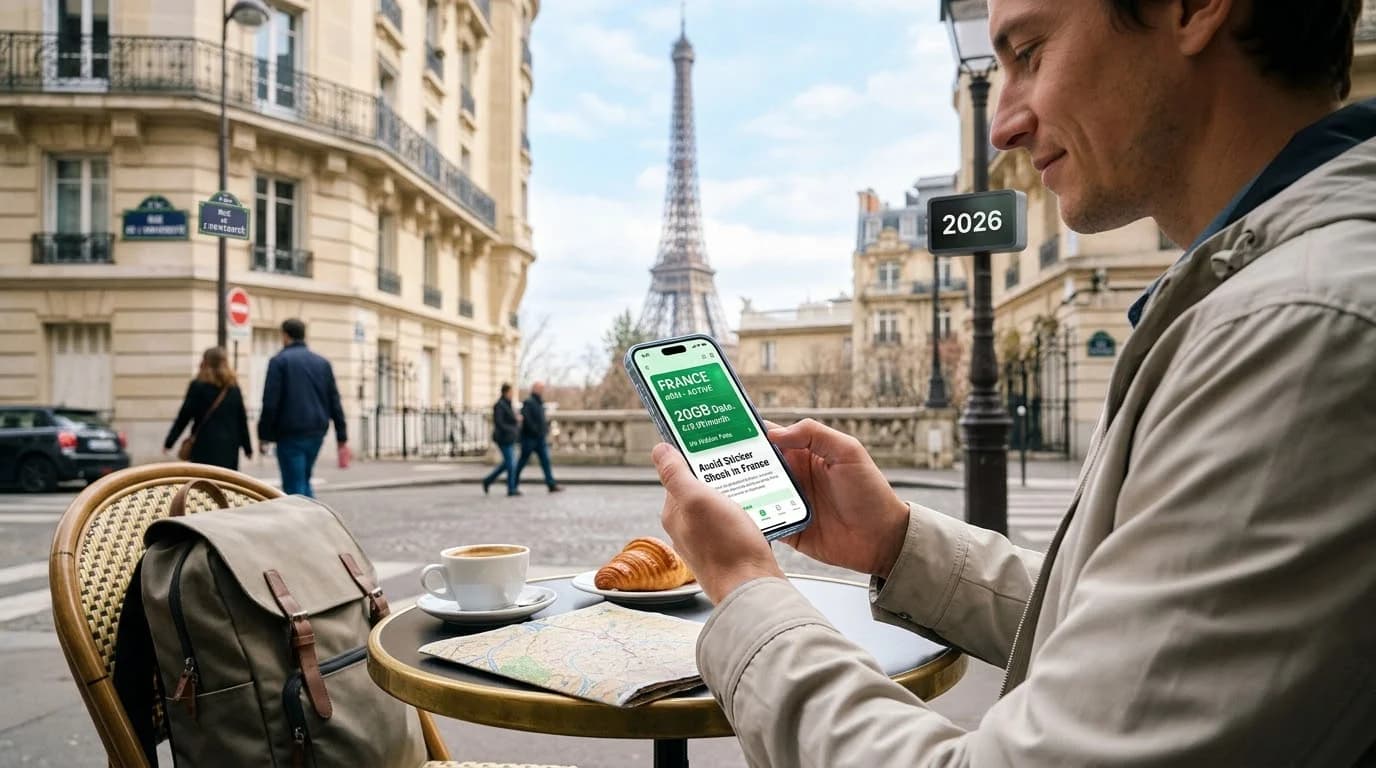
With Cellesim, there's no need for physical SIM cards, airport queues, or bulky rental devices. You simply purchase an eSIM for France online, receive a QR code via email within minutes, and activate it directly on your compatible smartphone. This means you can be connected before your plane even lands in Paris, making it ideal for business travelers or those on a tight schedule. Cellesim uses local partner networks in France, such as Orange, SFR, and Bouygues Telecom, ensuring you get reliable 4G/5G coverage across the country, from the bustling streets of Paris to the serene French Alps or the sunny Riviera.
Cellesim offers a variety of data plans tailored for different travel needs and durations in France. For example, a 10GB plan valid for 30 days might cost around $20-$25, offering significantly more data at a fraction of the price compared to traditional roaming. You can keep your existing physical SIM active for calls and texts, while using the eSIM purely for data, allowing you to maintain your home number and avoid roaming charges simultaneously. Plus, with 24/7 email support in 24 languages, any issues can be resolved quickly.
Stay Connected in France with Cellesim eSIM
Don't let roaming fees or unreliable public Wi-Fi ruin your French adventure. Get instant, affordable data. Join 50,000+ travelers worldwide.
Buy France eSIM NowHead-to-Head Comparison Table: Roaming vs. Local SIM vs. Pocket WiFi vs. eSIM in France 2026
To help you make an informed decision and avoid any "eSIM price complaint," here's a detailed comparison of your connectivity options for France in 2026. This table highlights key features, costs, and conveniences for each method.
Real-World Savings Calculator: A 7-Day France Trip Cost Comparison
Let's crunch some numbers for a hypothetical 7-day trip to France in 2026 for a typical traveler using around 10GB of data. This will highlight the significant cost differences and explain how eSIMs help avoid "eSIM price complaints."
Scenario: 7-Day Trip to France, Moderate Data Usage (10GB)
- Carrier Roaming (e.g., AT&T/Verizon Day Pass): At $10-$15 per day, a 7-day trip would cost $70-$105. This often comes with a daily high-speed data cap (e.g., 2GB per day), after which speeds are throttled, making 10GB potentially unachievable at usable speeds without additional purchases.
- Local Physical SIM (e.g., Orange Prepaid): A typical prepaid SIM might cost $20-$30 for 10-15GB of data for 30 days. Add the time spent acquiring it and the hassle, and the true cost rises.
- Portable WiFi Rental: At $10-$15 per day, a 7-day rental would cost $70-$105, plus potential deposit or insurance fees.
- Cellesim eSIM: A 10GB Cellesim eSIM for France, valid for 30 days, could cost just $20-$25. This provides ample data at high speeds for your entire trip, without daily limits or hidden fees.
The savings are undeniable. By choosing a Cellesim eSIM for France, you could save upwards of 70-80% compared to carrier roaming or portable WiFi rentals, and enjoy a much more convenient experience than a local physical SIM. You can even use Cellesim's dedicated Roaming Savings Calculator to estimate your potential savings based on your specific travel plans.
Hidden Costs Most People Miss: Activation Fees, Daily Caps, Fair Use Policies
Beyond the advertised rates, various hidden costs can quickly inflate your mobile data bill when traveling to France. Being aware of these traps is crucial to preventing an "eSIM price complaint" and ensuring your trip budget stays on track.
- Roaming "Daily Passes": While seemingly simple, many day passes have hidden triggers. Some activate automatically the moment your phone connects to a foreign network, even if you just check a single notification. Others might only give you high-speed data for a small amount (e.g., 500MB or 2GB) per day, after which your speed is drastically throttled, making the service virtually unusable, yet you've still paid for the day.
- Local Physical SIMs: Be wary of activation fees that might not be included in the advertised price, or mandatory minimum top-ups. Some plans have very short validity periods (e.g., 7 days), forcing you to purchase another plan or top-up if your trip extends, or if your initial data runs out. Incorrect registration can also lead to premature deactivation, wasting your money.
- Portable WiFi Rentals: These devices often come with hidden charges. Beyond the daily rental fee, there might be hefty deposits, mandatory insurance costs, or steep penalties for late returns, loss, or damage. Delivery and pickup fees can also add up, especially if you need airport collection outside standard hours.
- Fair Use Policies: All providers, including eSIM providers, have fair use policies. While Cellesim offers generous data allowances, extreme usage (e.g., continuous streaming for days) might lead to temporary speed reductions to ensure network quality for all users. Always read the terms and conditions for any plan you purchase. Cellesim’s transparent pricing means you know exactly what you’re paying for upfront, with no surprises.
Understanding these subtle details can be the difference between a smooth, connected trip and a frustrating, expensive one. By choosing transparent solutions like Cellesim, you minimize the risk of encountering these hidden pitfalls.
Best Choice by Traveler Type for France in 2026
The "best" connectivity option for France in 2026 largely depends on your travel style, duration, and specific needs. Here's a breakdown by traveler type:
- Business Travelers: For quick trips to Paris for meetings, reliability and instant connectivity are paramount. Losing time at the airport to buy a SIM, or dealing with throttled roaming speeds, is unacceptable. Cellesim eSIMs are ideal: activate before you land, get strong 4G/5G, and stay productive.
- Families or Groups: If your group needs to stay connected for navigation, coordinating activities, or keeping kids entertained, the Cellesim eSIM's personal hotspot feature is excellent. One person can activate a generous data plan, and share it with others, mimicking the functionality of a pocket WiFi without the extra device or rental fees.
- Budget Travelers & Backpackers: Every dollar counts. High roaming costs are a definite no-go. Local SIMs offer some savings but come with hassle. Cellesim eSIMs provide a clear advantage with affordable, transparent plans that let you manage your budget easily. Whether you're exploring the French Riviera or hiking the Pyrenees, knowing your data costs upfront is invaluable.
- Digital Nomads & Long-Term Stayers: For extended stays in France, a high-volume Cellesim eSIM plan offers excellent value and flexibility. For truly indefinite periods, a local physical SIM might eventually become cost-effective, but Cellesim provides a seamless and quick way to get started or for multi-country Europe trips (Europe eSIM).
Ultimately, for the vast majority of travelers to France in 2026, the convenience, cost-effectiveness, and reliability of a Cellesim eSIM make it the superior choice, effectively eliminating any potential "eSIM price complaint" before it even arises.
How to Switch and Save Right Now: Your Action Steps for a France eSIM
Ready to ditch the high roaming costs and inconvenient SIM card swaps? Switching to a Cellesim eSIM for your France trip in 2026 is incredibly straightforward. Here are your action steps:
- Check Device Compatibility: First, ensure your smartphone supports eSIM technology. Most newer models from Apple (iPhone 11 onwards), Samsung (Galaxy S20 onwards), Google Pixel (Pixel 3 onwards), and other manufacturers are eSIM-compatible. You can use Cellesim's handy compatibility checker on our website to confirm.
- Choose Your Cellesim France Plan: Visit cellesim.com/en/esim-france and browse the available data plans. Consider your trip duration and estimated data usage. A 5GB plan for 15 days might suffice for light users, while a 10GB or 20GB plan for 30 days is better for heavy users or longer stays.
- Purchase and Activate: Complete your purchase securely using credit/debit cards, PayPal, Alipay, or local payment methods. You'll receive an eSIM QR code via email within minutes. Follow our simple step-by-step installation guide to activate your eSIM on your device. Most users can do this in under two minutes by going to Settings → Cellular (or Mobile Data) → Add Cellular Plan and scanning the QR code. You can even buy and install your eSIM before you leave home!
By following these steps, you'll be set up for seamless, affordable connectivity in France, ensuring you avoid any potential "eSIM price complaint" and enjoy your travels without data worries. Cellesim's 24/7 email support at [email protected] is always available should you need any assistance.
Staying connected in France in 2026 doesn't have to be a source of stress or unexpected expenses. By understanding your options and choosing a modern, cost-effective solution like Cellesim eSIM, you can eliminate "eSIM price complaints" and enjoy seamless, high-speed data from the moment you land. Make the smart choice for your next French adventure and experience true connectivity freedom.
Explore eSIM Plans for 200+ Countries
Don't limit your adventures. Cellesim offers reliable and affordable eSIM data plans for global travel. Stay connected wherever you go.
Explore All eSIM PlansJoin 50,000+ satisfied customers worldwide.
Frequently Asked Questions
Is it worth getting an eSIM for France in 2026?
Absolutely. Getting an eSIM for France in 2026 is highly recommended for its cost-effectiveness, convenience, and superior performance compared to traditional roaming or physical SIM cards. It eliminates bill shock, saves time, and provides reliable high-speed data across the country.
How much does a Cellesim eSIM for France cost compared to roaming?
A Cellesim eSIM for France can cost significantly less than carrier roaming. For instance, a 10GB Cellesim plan for 30 days typically ranges from $20-$25, whereas 7 days of carrier roaming could easily cost $70-$105 for limited or throttled data. You can save up to 70-80% on your data costs with Cellesim.
What common problems might I encounter with eSIMs in France, and how does Cellesim address them?
Common eSIM problems include device incompatibility, incorrect installation, or connectivity issues. Cellesim addresses these with a dedicated compatibility checker, a clear step-by-step installation guide, and 24/7 email support at [email protected] in 24 languages to assist with any setup or network challenges, ensuring a smooth experience.
Are there any hidden charges or extra fees with Cellesim eSIM plans for France?
No, Cellesim is committed to transparent pricing. The price you see for your France eSIM plan is the final price. There are no activation fees, daily pass triggers, or hidden out-of-bundle charges. Your data allowance is clearly stated, and you simply top up if you need more, ensuring no "eSIM price complaint" surprises.
Can I use my Cellesim France eSIM for an extended stay or multi-country European trip?
Yes, Cellesim offers various France eSIM plans with different data allowances and validity periods (e.g., 7, 15, 30 days) to accommodate extended stays. For multi-country trips across Europe, Cellesim also provides convenient regional Europe eSIM plans covering 42 countries, allowing seamless connectivity without changing plans between borders.
See also: T-Mobile roaming alternative