

eSIM Nedir ve Nasıl Çalışır: Dijital Bağlantının Temelleri
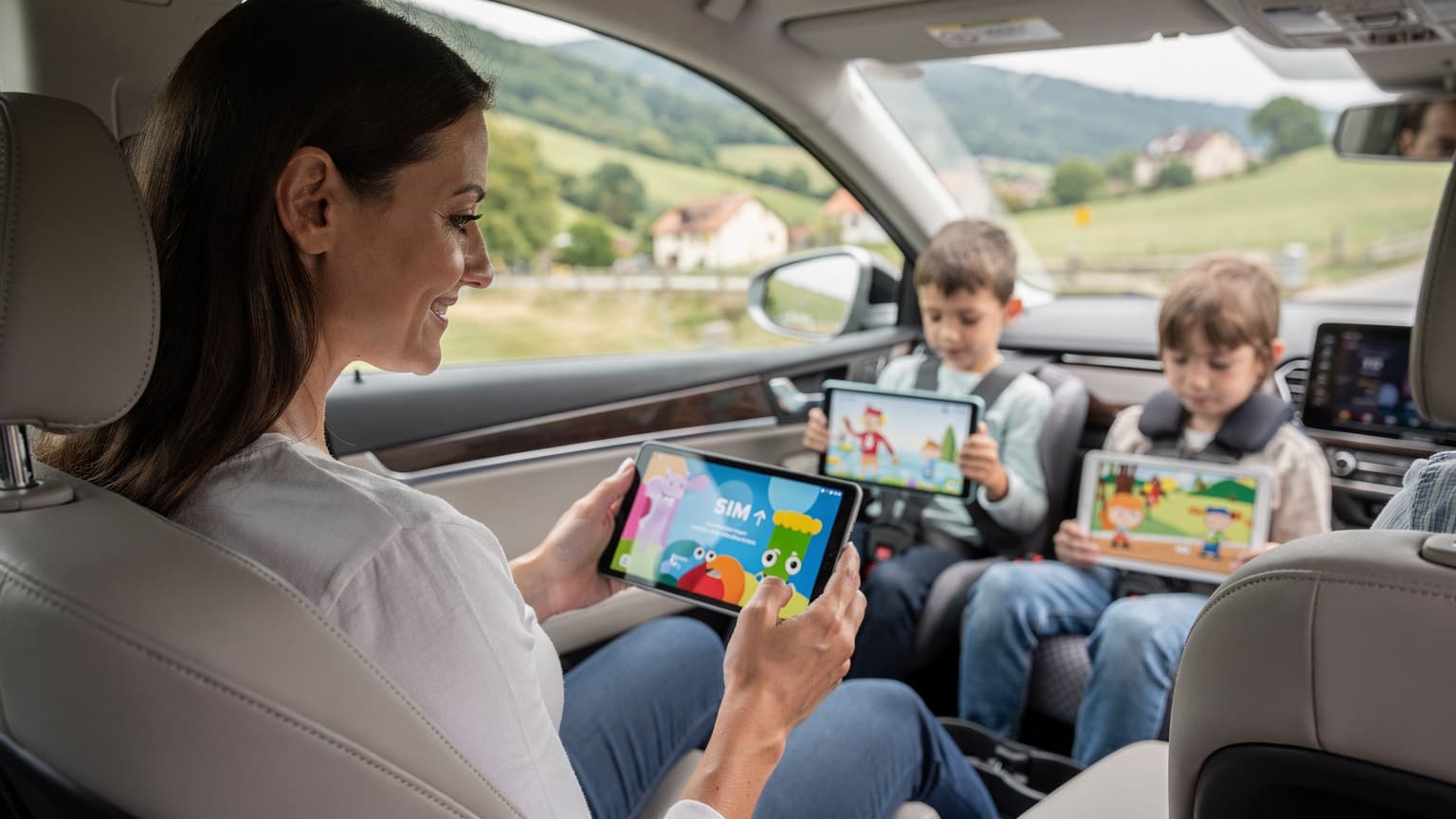
As a seasoned family travel planner (seriously, our Facebook group for parents of global adventurers is a lifesaver), I've seen my fair share of travel tech come and go. But eSIM, for me, is a game-changer, especially when you're trying to keep two kids, their iPads, and your sanity all connected across time zones. So, what exactly is this digital marvel that promises to banish tiny, easy-to-lose plastic cards?
At its core, an eSIM (embedded Subscriber Identity Module) is essentially a digital version of the traditional SIM card. Instead of a physical chip you insert into a tray, the eSIM is a small, rewritable chip built directly into your device's hardware. Think of it like a USB port that you can continually reprogram with different network profiles. When you purchase an eSIM data plan, you're not getting a physical object, but rather a digital profile that's downloaded and installed onto this embedded chip.
This digital download is usually done via a QR code or through your carrier's app, which then configures your device to connect to their network. The magic truly happens when you can store multiple eSIM profiles on a single device, switching between them with a few taps. For families, this means my phone can hold my home plan, a Cellesim plan for Italy, and maybe even a backup for Switzerland, all without ever opening the SIM tray (which, let's be honest, usually requires a paperclip I can never find). This flexibility is invaluable when you're hopping between countries, needing to manage data for yourself and a couple of hungry-for-Disney+ little ones.
eSIM ve Geleneksel SIM Kart Arasındaki Farklar
The most obvious difference, of course, is the physical aspect. No more fiddling with tiny trays, no more worrying about losing that minuscule chip when you're swapping it out in a bustling airport lounge. Beyond the physical, though, the differences truly matter for a travelling parent.
- Physical vs. Digital: Traditional SIMs are plastic chips, while eSIMs are integrated directly into your device.
- Flexibility: eSIMs allow you to store multiple profiles and switch between them digitally. Physical SIMs mean one network per slot.
- Activation: eSIMs activate via QR code or app, often within minutes. Physical SIMs require insertion and sometimes activation at a store.
- Security: Since eSIMs are embedded, they can't be physically removed if your phone is lost or stolen, offering a layer of security.
- Device Support: While most modern smartphones (iPhone 11 onwards, many Samsung Galaxy models, Google Pixel 3 and newer) support eSIM, not all older devices do. Always check your device's compatibility before you travel.
For us, the biggest win is the ability to manage multiple lines on a single phone. My husband and I can each have our own eSIMs, and if one of the kids needs data for a quick FaceTime with Grandma, we can easily hot-spot from one of our phones without any fuss. It's about streamlining, which is what every parent needs when navigating the chaos of travel.
Teknik Olarak eSIM Nasıl Bağlantı Kurar?
It sounds like magic, but the technical side of eSIM is actually quite clever. When you activate an eSIM plan, your device downloads a small data package, essentially a digital instruction set, from the carrier. This package contains all the necessary information, like your subscriber identity and network authentication keys, that a physical SIM card would traditionally hold. The embedded chip then uses this information to securely connect to the local cellular network, just as if you had inserted a physical SIM.
This process relies on a standard called Remote SIM Provisioning (RSP), which allows operators to remotely manage and provision SIM profiles on devices. It's all done securely and over-the-air, meaning you don't need a special tool or a visit to a local store. It's truly a global standard, designed to make connectivity seamless. Knowing this helps me feel more confident when I'm troubleshooting a minor hiccup with one of the kids' devices, understanding that it's all just data packets doing their job.
Neden eSIM? Fiziksel SIM Kartlara Göre Avantajları Nelerdir?
The question isn't just Ever found yourself stuck in a bustling airport, needing your eSIM's EID for support, only to realize you have no idea where to find it? It's a common travel hiccup. Knowing how to quickly retrieve this crucial identifier can save your trip, whether you're troubleshooting connectivity in Shibuya or porting your number before a flight to the Amalfi Coast. Tired of fumbling with tiny SIM cards and outrageous roaming bills? eSIMs are the future of travel connectivity. This guide breaks down exactly how they work, from setup to staying online, ensuring you're never caught without data on the road. Navigating eSIMs with a family in tow can feel like herding cats through an airport, especially when you're trying to figure out where that elusive eSIM number is hiding. As a seasoned family travel planner, I know the panic when a kid's iPad loses connection right before a critical Disney+ episode. This guide will walk you through finding that number on all your devices, making sure everyone stays online and happy.Related reading
 How-to & Guides
Finding Your eSIM Number: Essential for Smooth International Travel 2026
 Emma Wright
 How-to & Guides
How Does an eSIM Work? Your No-Nonsense Guide to Digital Connectivity in 2026
 James Sterling
 How-to & Guides
How to Find Your eSIM Number: A Parent's Guide to Keeping Family Connected Abroad 2026
 Isabella Cruz