Why Ditch Physical SIMs for the USA?
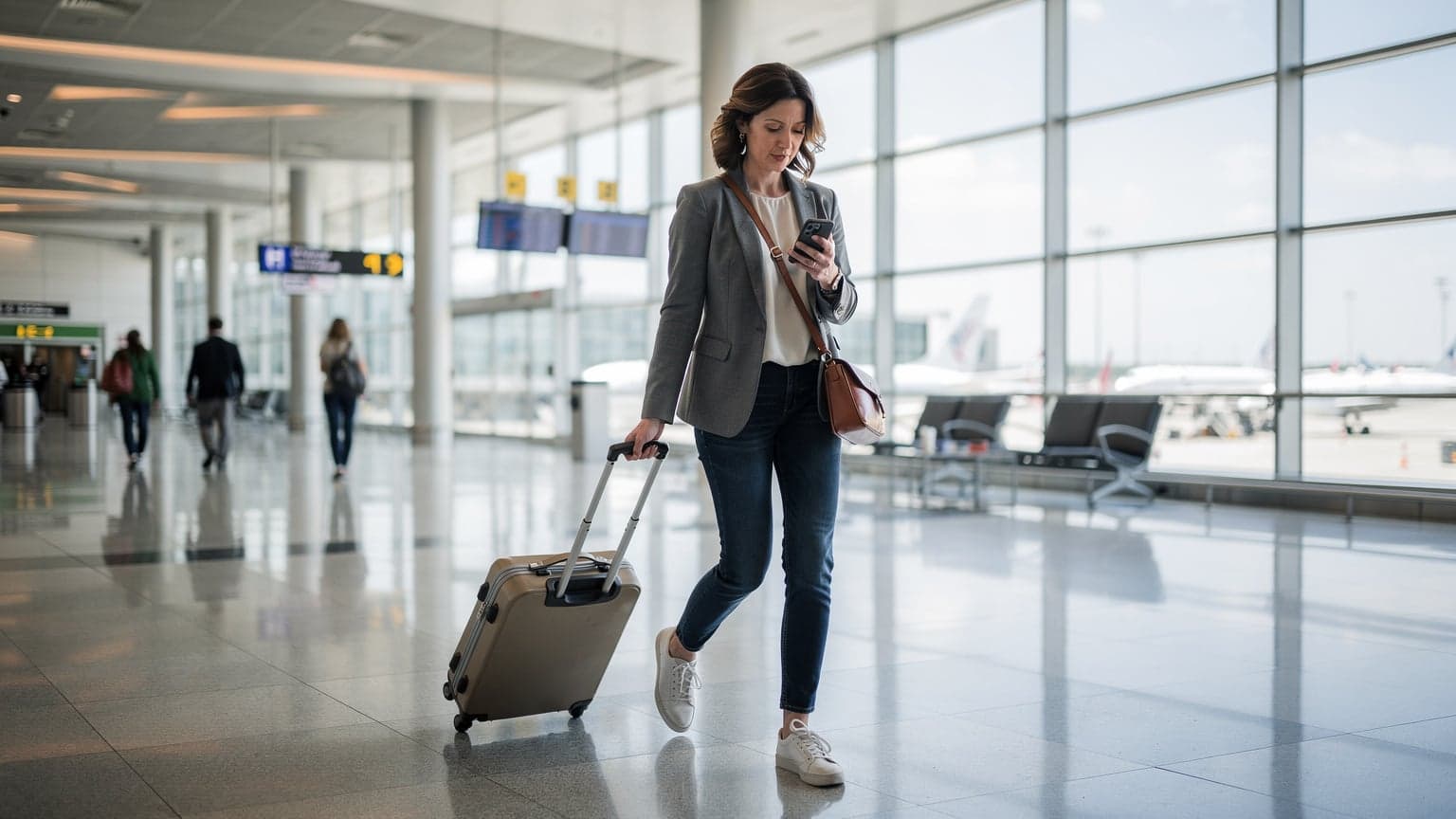
Look, if you've been on the road long enough, you know the drill: land, find a local SIM card vendor, deal with activation headaches, and probably lose your home SIM in the process. It's a rite of passage, sure, but it's also a pain. Especially in the USA, where getting a traditional prepaid SIM can sometimes feel like you're applying for a mortgage, complete with ID checks and baffling data plans.
For UK travelers in particular, the post-Brexit landscape makes traditional roaming a non-starter for anyone with a brain. Remember the good old days of EU roaming? Gone. Now, major UK carriers like EE and Vodafone hit you with daily charges that quickly add up to more than a decent eSIM package. We're talking £6-£8 a day just for the privilege of using your phone like you do at home. Over a two-week holiday, that's over a hundred quid, easily. This is why business travelers, in particular, are looking for corporate connectivity solutions that don't bleed the budget dry. An eSIM sidesteps all of that. No physical card to swap, no hunting down stores, no language barriers at a stressful airport kiosk. Just scan a QR code, and you're connected. It's truly a game-changer, especially if your phone supports it, like the latest iPhone 18 & eSIM models.
The Hassle of Traditional SIM Cards in America
I've done the rounds. From trying to explain my data needs in broken Spanish at a Telcel store in Mexico City (thankfully not an issue in the US, but still) to navigating the labyrinthine prepaid plans at a T-Mobile shop in downtown LA. It’s rarely straightforward. Many US carriers, particularly AT&T and Verizon, have traditionally been less friendly to short-term international visitors for prepaid options, often requiring a US address or a more complex setup. Even T-Mobile, which is usually the go-to for travelers, can have queues that eat into your precious travel time. Imagine landing at JFK after a long flight, jet-lagged, and then having to spend an hour trying to get a SIM working. No thanks. The beauty of an eSIM is that you can have it set up before you even board your flight, ready to go the moment you land.
Roaming Charges from UK Carriers: A Post-Brexit Nightmare
Let's be blunt: if you're traveling from the UK, relying on your home network for data in the US is financially irresponsible. Since Brexit, the free roaming agreements have largely vanished. My colleagues and I at Cellesim UK have spent countless hours comparing the daily roaming fees of major UK carriers. EE, Vodafone, O2, they all hit you hard. For a simple few gigabytes of data over a week, you'll pay more than double what a decent USA eSIM package costs. It's not just about the cost, either. Sometimes, these roaming connections are throttled, or you find yourself on a secondary network with less reliable coverage, particularly outside major metropolitan areas. An eSIM, on the other hand, often connects you directly to one of the main US networks, ensuring enterprise-grade connectivity without the exorbitant expense.
Understanding USA eSIM Coverage and Networks
The USA is massive. Really, truly massive. What works in Manhattan might not even register in rural Wyoming. Understanding which networks your eSIM provider uses is crucial. In the US, the big three are AT&T, T-Mobile, and Verizon. Each has its strengths and weaknesses, especially when you venture beyond the major cities.
Most eSIM providers partner with one or more of these major networks. For example, many Cellesim USA eSIMs will leverage T-Mobile's extensive 5G network, which has excellent coverage in urban centers and along major highways. Verizon generally boasts the best rural coverage, while AT&T sits comfortably in the middle. If your itinerary involves a lot of national parks or off-the-beaten-path travel, it's worth double-checking which underlying network your chosen eSIM connects to. For most city-hoppers and road-trippers sticking to populated areas, T-Mobile coverage is more than adequate, especially with their improved low-band 5G. I've personally had great experiences with T-Mobile's network, even when living in a slightly less central Brooklyn neighborhood like Bushwick, where the 5G was consistently strong enough for video calls from my rented flat (rent there was about $2,200/month for a decent one-bedroom in 2024, by the way).

Major US Carriers: AT&T, T-Mobile, and Verizon
Each of these carriers has its own frequency bands and infrastructure. Knowing this helps set expectations.
- T-Mobile: Known for its robust 5G network, particularly in urban and suburban areas. Their mid-band 5G (n41) offers impressive speeds, while their low-band (n71) provides broader coverage. If you're staying in cities like New York, Chicago, or Los Angeles, T-Mobile is usually excellent. I remember working from a Pret A Manger on 6th Avenue in NYC, and the T-Mobile signal was rock-solid, even during peak lunch hours.
- AT&T: Offers a solid balance of speed and coverage, with good performance in both urban and many rural areas. Their 5G network (n5, n77) is expanding. AT&T is a safe bet if your trip takes you through a mix of environments.
- Verizon: Historically the leader in overall coverage, especially in less populated regions. Their 5G Ultra Wideband (mmWave, C-band) offers incredible speeds in very specific, dense urban spots, while their low-band 5G (n5, n2) provides broader coverage. If you're heading to the mountains or more remote areas, a Verizon-backed eSIM might be your best bet, though they can sometimes be pricier.
It's also worth noting that many smaller Mobile Virtual Network Operators (MVNOs) and eSIM providers piggyback on these networks. So, while you might buy an eSIM from 'Brand X', it's actually running on T-Mobile's or AT&T's infrastructure.
Checking Coverage Maps for Your Specific Itinerary
Before you commit, spend five minutes looking at the official coverage maps for AT&T, T-Mobile, and Verizon. Most eSIM providers will state which network they use. If you're planning a road trip through, say, Utah's national parks or a remote corner of Montana, a quick check can save you a world of frustration. Don't just assume 'USA coverage' means 'everywhere'. It never does. Even in Europe, a multi-country eSIM for Europe won't guarantee perfect signal on every remote mountain peak.
Picking the Right eSIM Plan for Your Trip
This is where the 'no-bullshit' part comes in. Don't overbuy data you won't use, and definitely don't underbuy if you rely on maps and streaming. Consider your actual data habits.
- Short trips (1-7 days): 1-5 GB is usually sufficient for basic navigation, messaging, and light social media.
- Medium trips (1-2 weeks): 5-15 GB gives you more breathing room for some video streaming, heavier map usage, and video calls.
- Longer trips (3-4 weeks+): 15-30 GB or even unlimited plans might be necessary, especially if you plan to hotspot to a laptop for work.
Remember that many hotels, cafes, and co-working spaces offer free Wi-Fi, so you won't always be burning through cellular data. For instance, in San Francisco, I often worked from the WeWork in the Financial District or a local coffee shop like Blue Bottle, where the Wi-Fi was always reliable. That said, having mobile data for getting around and finding food is non-negotiable.
Data-Only vs. Data, Calls & Texts: What You Need
Most international travelers will be fine with a data-only eSIM. Why? Because nearly everyone uses WhatsApp, Telegram, or Facetime Audio/Video for calls and messages. These all work perfectly fine over data. Unless you specifically need a US phone number for local calls, or to register for certain local services that require SMS verification (some older US banking apps, for example, but these are less common for short-term visitors), a data-only plan is usually the most cost-effective. Some Brazilian banks, for instance, still require a local SIM for their banking apps, but this is rare in the US.
eSIM Providers for the USA: A Quick Comparison
There are several reputable eSIM providers offering USA plans. Here's a quick rundown of what you might expect, focusing on value and reliability:
| Provider | Typical Data Plans | Key Features | Best For |
|---|---|---|---|
| Cellesim | 1GB-50GB (7-30 days), Unlimited options | Reliable network access (T-Mobile/AT&T), competitive pricing, easy activation, 24/7 support. | Most travelers, balancing cost and reliability. |
| Airalo | 1GB-20GB (7-30 days) | Good global coverage, user-friendly app. | Budget-conscious travelers, short trips. |
| GigSky | 1GB-10GB (7-30 days) | Focus on business travelers, sometimes includes calls/texts. | Business trips, those needing a local number. |
| Holafly | Unlimited Data (5-90 days) | Truly unlimited data, but can be pricier. | Heavy data users, long stays, digital nomads. |
How to Install and Activate Your USA eSIM
This is where the magic happens, and it's surprisingly simple, even for those who aren't tech-savvy. I've walked friends through this process dozens of times, from Bali to Budapest, and it rarely takes more than a few minutes. It's much simpler than figuring out how to find your eSIM number when troubleshooting.
Step-by-Step eSIM Installation Guide
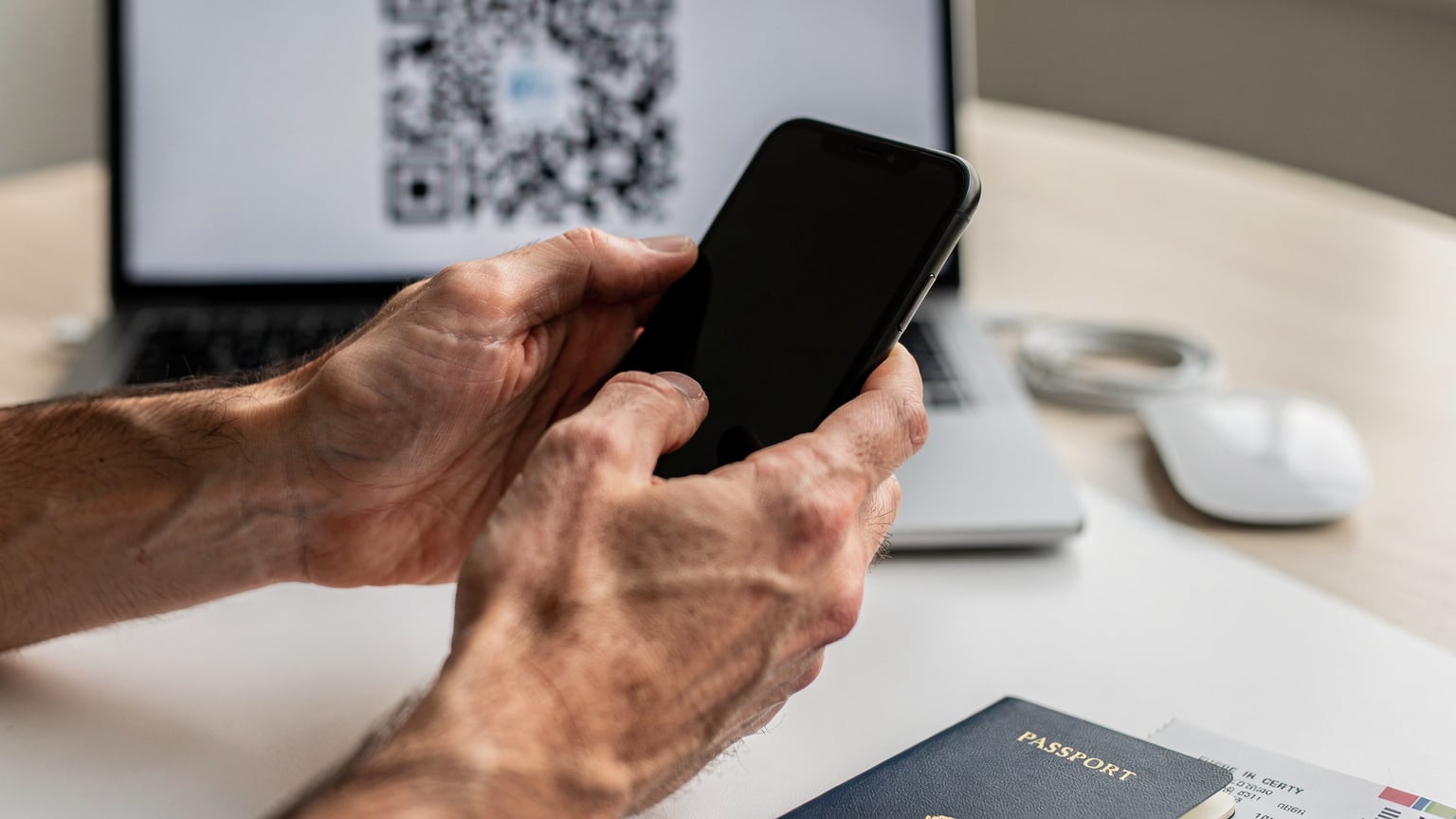
Assuming you've already purchased your USA eSIM from a provider like Cellesim, you'll receive a QR code or manual activation details. I always recommend doing this before you leave your home country, while you still have a reliable internet connection.
- Ensure your device is eSIM compatible: Most newer smartphones (iPhone XS/XR and later, Samsung Galaxy S20 and later, Google Pixel 3a and later) support eSIM. Check your phone's settings or the manufacturer's website if you're unsure.
- Connect to Wi-Fi: You'll need an internet connection to download the eSIM profile. Do this at home or at your departure airport.
- Add the eSIM: Go to your phone's settings:
- For iPhone: Settings > Cellular (or Mobile Data) > Add eSIM. Choose 'Use QR Code' or 'Enter Details Manually'.
- For Android: Settings > Network & Internet > SIMs > Add more (or +) > Download a SIM instead? > Next. Follow prompts for QR code or manual entry.
- Label your eSIM: Once installed, label it something obvious, like 'USA Travel' or 'Cellesim USA', so you don't confuse it with your home SIM.
- Set up data roaming: When you land in the USA, go back to your Cellular/Mobile Data settings and switch your primary data line to your new USA eSIM. Make sure 'Data Roaming' is enabled for the eSIM (this doesn't incur extra charges with an eSIM plan, it simply allows it to connect to the local network). Disable data roaming on your home SIM to avoid accidental charges.
It really is that straightforward. I've had to activate eSIMs in all sorts of stressful situations, like when my flight got delayed in Istanbul and I needed to quickly rebook, and having data instantly was a lifesaver. This process is similar to how you'd manage your data for Telkomsel eSIM for Indonesia or any other country.
Activating Your eSIM on Arrival
The beauty of activating before you land is that the moment you switch off airplane mode, your phone should connect. No waiting around. No hunting for Wi-Fi. It's a small thing, but after a long flight, having instant access to maps (Google Maps is essential in the US for public transport and driving directions), ride-sharing apps (Uber/Lyft are ubiquitous), and messaging means less stress and more exploring.
Cost Comparison: eSIM vs. Traditional Roaming
This is where the financial analyst in me really kicks in. The numbers don't lie. Traditional roaming, especially for UK travelers, is a rip-off. Always has been, but it's worse now. Let's compare a typical two-week trip to the USA.
| Service Type | Estimated Cost (2 weeks) | Data Allowance | Pros | Cons |
|---|---|---|---|---|
| UK Carrier Roaming (e.g., Vodafone UK) | £84 - £112 (£6-£8/day) | Often throttled, daily limits apply | Uses your existing number | Extremely expensive, throttled speeds, unpredictable charges. |
| USA Local Physical SIM (e.g., T-Mobile) | $30 - $50 | Unlimited talk/text, 10GB-30GB data | Local US number, good data plans | Hassle to buy/activate, might require ID, lose home SIM temporarily. |
| USA eSIM (e.g., Cellesim 10GB) | £15 - £25 | 10GB-20GB (data-only) | Convenient, affordable, instant activation, keep home SIM active. | No local US number (unless specified), data-only for most plans. |
As you can see, the eSIM option is consistently the most economical choice for data, often by a significant margin. Even if you factor in the cost of a few international calls via WhatsApp or similar apps, the savings are substantial. My advice? Don't even consider traditional roaming. It's a trap.
Long-Stay eSIM Options for Digital Nomads and Extended Visits
For those of us who live out of a suitcase for months at a time, data is lifeblood. Whether it's uploading blog posts, joining video calls, or simply navigating a new city, reliable and affordable connectivity is non-negotiable. The USA, with its vastness and diverse opportunities, is a popular spot for digital nomads, but it comes with its own set of challenges, particularly around visas and long-term residency. (Always, always check your visa limitations, because overstaying your welcome will complicate future travels significantly.)

Unlimited Data eSIMs for Extended Trips
If you're planning to stay in the US for more than a month, or if your work requires heavy data usage, an unlimited data eSIM might be worth the premium. Providers like Holafly offer truly unlimited plans for various durations. While these are typically more expensive than tiered data plans, the peace of mind knowing you won't run out of data at a critical moment (like trying to find your Airbnb in a new neighborhood at 11 PM) is invaluable. I've used unlimited plans when I've had extended work projects, and it means I don't have to constantly hunt for Wi-Fi or worry about my usage. In cities like Austin, Texas, where I spent a few months, I'd often work from Capital Factory (a great co-working space downtown) or a local coffee shop on South Congress. Even with good Wi-Fi available, having unlimited mobile data for backup or for working on the go was crucial. My rent for a shared house in South Austin was around $900/month, with utilities on top.
Managing Multiple eSIMs for Multi-Country Journeys
If your US trip is part of a larger multi-country adventure, managing multiple eSIMs is perfectly feasible. Your phone can store several eSIM profiles, and you can switch between them as needed. This is exactly how I handle my data when hopping between countries. I'll have an eSIM for the US, one for Europe, and maybe a specific one for a country like Greece if I'm planning an extended stay there, like I did for a month in Athens, working from The Cube co-working space near Omonia Square. It's just a matter of labelling them clearly and knowing which one to activate for data. For more on this, check out our guide on How Does an eSIM Work?
Troubleshooting Common eSIM Issues in the USA
Even with the best planning, sometimes things go sideways. No data, slow speeds, activation failures. It happens. Here's a quick checklist for when your USA eSIM isn't playing nice.
- Restart your phone: The oldest trick in the book, but surprisingly effective. A simple reboot can often resolve connectivity glitches.
- Check APN settings: Occasionally, the Access Point Name (APN) settings might not automatically configure. Your eSIM provider will have the correct settings (e.g., 'internet' or 'fast.t-mobile.com'). Go to Settings > Cellular/Mobile Data > Network Selection/APN Settings and verify.
- Ensure data roaming is enabled: For your eSIM, data roaming needs to be ON to connect to the local US network. This is different from international roaming on your home SIM.
- Network selection: Sometimes your phone might try to latch onto a weaker network. You can manually select the network in your settings (e.g., choose T-Mobile, AT&T, or Verizon directly).
- Contact support: If all else fails, reach out to your eSIM provider's customer support. Most have 24/7 chat or email support.

When to Contact Your eSIM Provider's Support
If you've gone through the basic troubleshooting steps and still have no data, it's time to hit up support. Provide them with as much detail as possible: your location, the specific issue (e.g., 'no service' vs. 'very slow speeds'), and what you've already tried. Most reputable eSIM providers, like Cellesim, have dedicated support teams that can diagnose and help remotely.
eSIM and Visa Requirements: What You Need to Know
An eSIM handles your data, but it doesn't change your immigration status. The USA has strict visa rules, and while an eSIM makes your life easier, it won't help you bypass any entry requirements.
- ESTA/Visa: Ensure you have the correct authorization to enter the US. For many European citizens, this means an approved ESTA. For longer stays or specific purposes, a visa is required.
- Length of Stay: Your eSIM plan duration should align with your permitted length of stay in the US. Overstaying your visa, even by a day, can have severe consequences for future travel to the US and other countries. Don't be that person. I've seen too many friends get caught out with visa run complications, especially in places like Southeast Asia where border hopping is more common. The US is far less forgiving.
- Local Apps & Services: Some US services, particularly government or financial apps, might require a US phone number for verification. An eSIM typically provides data only, not a local number. If you need a local US number, you might need a different solution, but for most tourist activities, a data-only eSIM is fine.
Staying Compliant with US Immigration Laws
This isn't just about avoiding trouble, it's about making sure your future travels aren't impacted. A simple tourist visa or ESTA has strict limits, usually 90 days. If you're planning to work remotely, even for a non-US company, you're technically on shaky ground unless you have a specific work visa. This is a common pitfall for digital nomads. My advice, from years on the road, is always to be crystal clear on your visa status and respect the rules. An eSIM simply facilitates your connectivity within those legal boundaries.
Tips for Maximizing Your eSIM Data and Battery Life
Data costs money, and a dead phone is useless. Here's how to make your USA eSIM data and your phone's battery last longer.
- Download offline maps: Before you head out for the day, download offline maps for your area in Google Maps. This saves data and works even if you lose signal.
- Use Wi-Fi whenever possible: Whenever you're in a hotel, café, or co-working space, connect to Wi-Fi. It's usually faster and free.
- Limit background app refresh: Go into your phone settings and turn off background app refresh for apps you don't need constantly updating. This is a huge data and battery saver.
- Disable automatic media downloads: In messaging apps like WhatsApp, turn off automatic media downloads for photos and videos. Download them manually when on Wi-Fi.
- Monitor data usage: Your phone's settings will show you which apps are consuming the most data. Keep an eye on this and adjust your habits accordingly.
- Carry a power bank: A portable power bank is non-negotiable for any traveler, especially with heavy phone usage for navigation, photos, and communication.
These small habits add up. I once navigated all of Greece on a relatively small data plan just by being smart about Wi-Fi and offline maps. It's not rocket science, just good practice.
Frequently Asked Questions
Can I use an eSIM on any phone in the USA?
No, not all phones support eSIM. Generally, iPhones XS/XR and newer, Samsung Galaxy S20 and newer, and Google Pixel 3a and newer are compatible. Always check your specific device's specifications before purchasing an eSIM.
Will my UK phone number still work with a USA eSIM?
Yes, your UK phone number will remain active for calls and texts on your physical SIM. You can set your eSIM for data only, allowing you to receive calls and messages on your UK number while using the eSIM for internet connectivity. Just be mindful of potential roaming charges if you answer calls or send texts on your UK number while abroad.
Do USA eSIMs come with a local US phone number?
Most data-only eSIM plans for the USA do not include a local US phone number. If you specifically need a US number for local calls or SMS verification, you'll need to look for an eSIM plan that explicitly states it includes voice and text, or consider purchasing a physical prepaid SIM from a US carrier upon arrival.
What is the best eSIM for a road trip across the USA?
For a USA road trip, consider an eSIM that uses Verizon or AT&T's network, as they historically offer better coverage in more rural and less populated areas than T-Mobile. Check the coverage maps of your specific route before buying. An unlimited data plan from a provider like Holafly might also be a good choice for heavy navigation and entertainment use.
Can I top up my USA eSIM if I run out of data?
Yes, most eSIM providers allow you to easily top up your data plan through their app or website. This means you can start with a smaller plan and add more data if needed, giving you flexibility without committing to a large package upfront.
Is an eSIM secure for banking and sensitive apps in the USA?
Yes, an eSIM is as secure as a physical SIM for banking and sensitive applications. Your data is encrypted, and the connection to the network is secure. Just ensure you're using official apps and secure Wi-Fi networks (or your eSIM data) for sensitive transactions, as you would at home.