Navigating the Euro 2026 Pitch with Digital Precision
The Euro 2026 Football Championship in Germany is fast approaching, and if you're anything like me, the mere thought of organizing travel for a family to multiple host cities like Munich, Berlin, and Dortmund can feel like coordinating a small army. But it's also incredibly exciting, especially with the kids, Lucas (10) and Mia (8), who are already practicing their goal celebrations in the living room. My secret weapon for keeping everything running smoothly, especially our digital lives, is a solid eSIM plan.
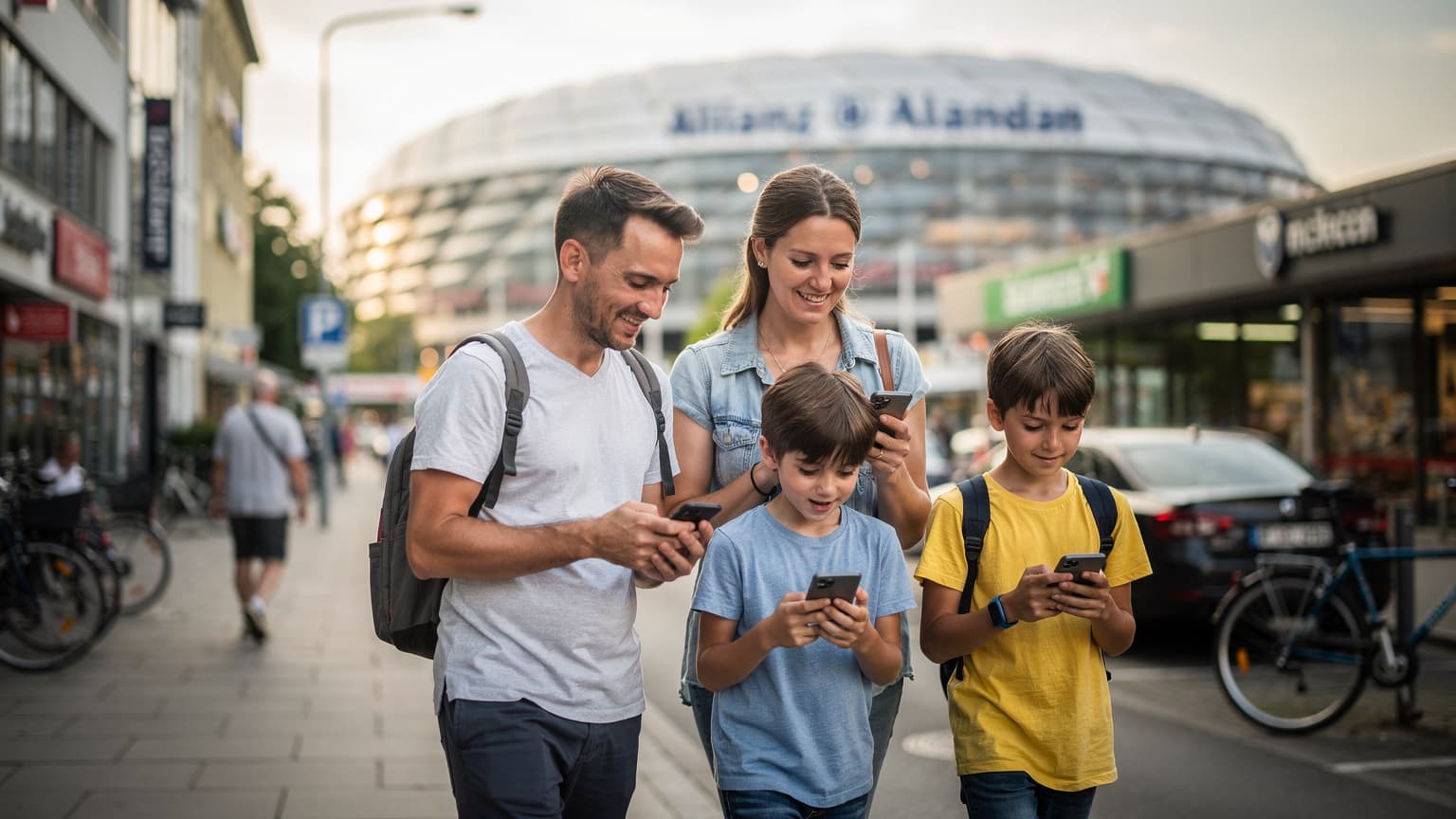
Forget the days of hunting for local SIM cards or dreading the bill shock from international roaming. With an eSIM, you're not just getting data, you're getting peace of mind, which, let's be honest, is priceless when you're trying to find your way to the stadium with two hyped-up kids and a sudden craving for a Brezel.
The Multi-City Challenge and Your E-Ticket to Connectivity
Germany is a fantastic country, and the Euro 2026 schedule means most traveling fans, particularly those with a family itinerary, will be hopping between vibrant cities. One match in Hamburg, another in Stuttgart, maybe a quick stop at Europa-Park for the kids in between, and then back to Berlin for the finals (a parent can dream, right?).
This kind of movement demands consistent connectivity. You'll need it for:
- Digital Tickets: Most Euro 2026 tickets are digital, accessible via an app. No data, no entry, no happy kids.
- Live Updates & Scores: Keeping track of other matches, team news, and injury updates is part of the fun.
- Navigation: Google Maps or Apple Maps will be your best friend for public transport (Deutsche Bahn, U-Bahn, S-Bahn) and finding those elusive fan zones.
- Emergency Contacts: Because you never know when you'll need to call home or reach a local contact.
- Kid Entertainment: This is a big one. More on this later, but believe me, a well-placed stream of Disney+ can save a train journey.
An eSIM designed for Europe means you activate it once and it works across Germany, and frankly, most of the EU, without you lifting another finger. This is a huge advantage over trying to buy a new local SIM in each city, which is a headache I wouldn't wish on my worst opponent.

Why an eSIM is Your Family's MVP for Germany
When it comes to family travel, I'm all about efficiency and minimizing stress. An eSIM ticks both boxes, especially compared to traditional roaming or hunting for physical SIMs. It's truly a game-changer for parents.
The Unbeatable Convenience: No More SIM-Swapping Scrambles
Remember that time you landed in a new country, exhausted, and the first thing you had to do was find a kiosk selling local SIMs, trying to decipher foreign packaging while your kids were already asking for snacks? Yeah, me too. Never again.
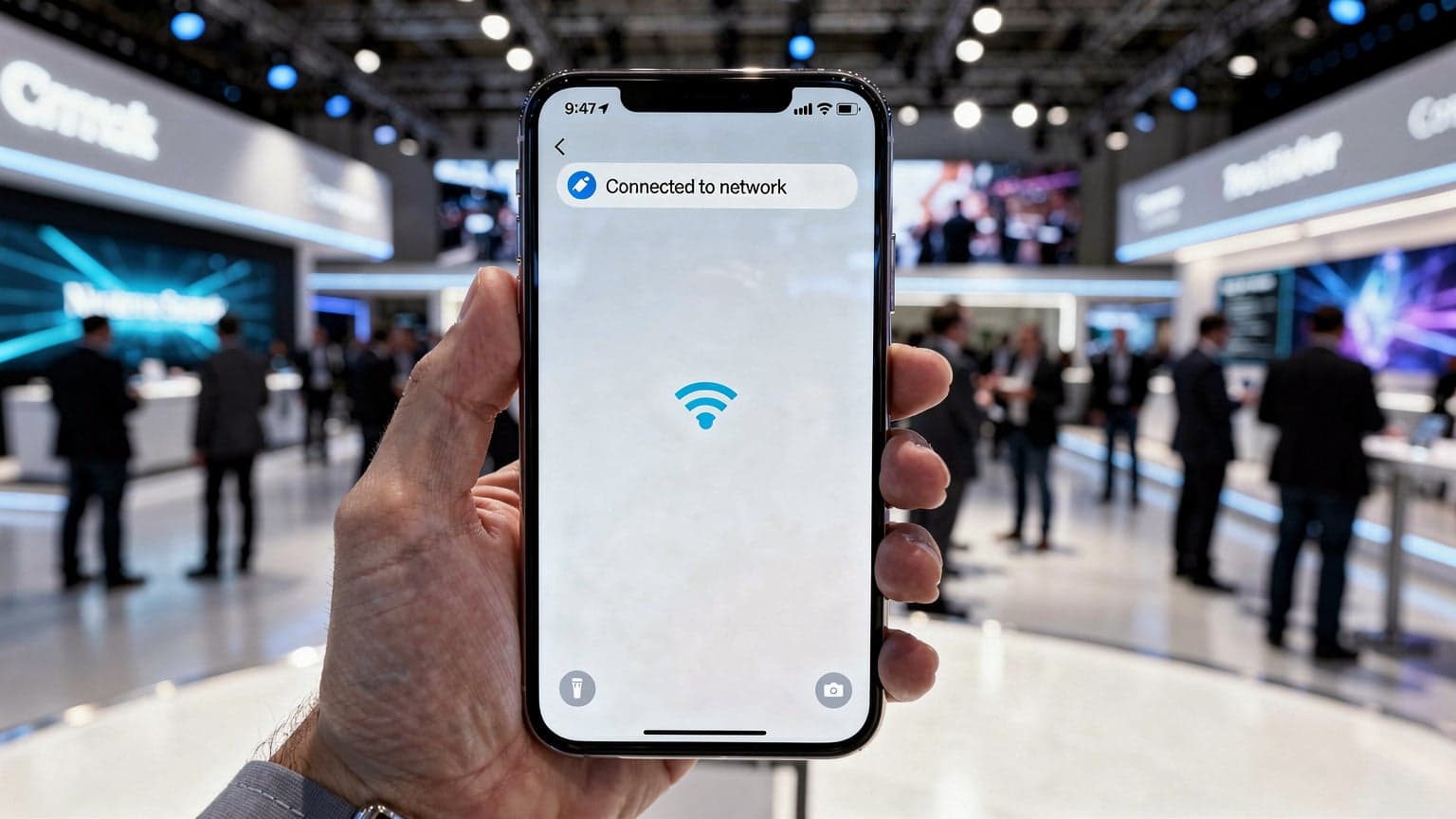
With an eSIM, you can purchase and activate your data plan before you even leave home. This means you land in Frankfurt, switch on your phone, and boom, you're connected. No fumbling with tiny trays, no worries about losing your home SIM (which, let's be real, is a parent's nightmare if it holds all those precious kid photos), and no language barriers. It's instant connectivity, allowing you to immediately order a taxi, find your hotel, or let the grandparents know you've arrived safely.
| Feature | eSIM (Cellesim) | Traditional Roaming | Local Physical SIM |
|---|---|---|---|
| Activation | Pre-purchase, activate upon arrival (digital QR) | Automatic, but often expensive | Purchase and install physically upon arrival |
| Cost | Affordable data packages, predictable rates | Very high per-MB charges, bill shock risk | Cheaper than roaming, but varies by provider |
| Multi-Country Coverage | Often covers entire regions (e.g., Europe) | Yes, but rates are exorbitant | Usually single-country, requires new SIM for each |
| Keep Home Number | Yes, use for calls/SMS, eSIM for data | Yes, but expensive for calls/SMS | No, replaces home number unless dual SIM |
| Data Sharing | Easy hotspot from primary device | Possible, but extremely costly | Can be done with a data-only SIM |
| Physical Hassle | None, fully digital | None | Requires physical swapping, easy to lose |
Cost Savings That'll Make You Cheer
Let's talk money, because every penny saved on data is a penny that can go towards another bratwurst, a souvenir for the kids, or an extra ride at Phantasialand. Traditional international roaming plans from your home carrier are notorious for their exorbitant rates. You might pay $10-15 per day for a paltry amount of data, or worse, per MB charges that quickly add up.
eSIMs, especially multi-country European plans like those from Cellesim, offer significantly better value. You buy a data package upfront, so you know exactly what you're spending. No surprises. For a family of four, especially with two kids who will inevitably want to stream or play online games, these savings are substantial. You can check out more details about how eSIMs compare to international plans in terms of cost savings here. It's a real eye-opener.
Keeping Your Home Number Active for Peace of Mind
One of the less-talked-about benefits of an eSIM is the ability to keep your primary SIM (your home number) active for calls and texts, while using the eSIM purely for data. This is brilliant for family travel. You can receive important calls or texts from school, relatives, or your bank without incurring roaming charges for data. You simply set your home line for calls and messages, and your eSIM for data. Most modern smartphones, like iPhones (iPhone XS and newer) and many Android flagships, support this dual SIM functionality flawlessly. This means your contacts back home can still reach you on the number they know, while you're enjoying fast, affordable internet in Germany.

Sizing Up Your Family's Data Needs
This is where the planning-parent in me really shines. Estimating data usage for a family, especially with kids glued to their devices, is crucial. You don't want to run out mid-trip, nor do you want to overpay for data you won't use. It's a delicate balance, like trying to pick the right snacks for a full day at a theme park.
The Big Streamers and Their Appetites
Let's be real, your kids aren't just going to quietly admire the Brandenburg Gate all day. Lucas will want to stream highlights of the latest football matches on YouTube, and Mia will definitely want to catch up on 'Bluey' episodes on Disney+. These apps are data hogs, and you need to account for them. I've found that for two kids streaming intermittently throughout the day, especially during travel time on the train or downtime at the hotel, you're looking at a significant chunk of data.
- Disney+, Netflix, YouTube Kids: Expect 0.5-1.5 GB per hour for standard definition streaming. For HD, it jumps to 2-3 GB per hour.
- Online Gaming (Roblox, Minecraft, Switch Online): While not as data-intensive as streaming, online gaming can still consume 50-150 MB per hour.
- Social Media (TikTok, Instagram): If your older kids (or you!) are scrolling, that's another 100-200 MB per hour.
- Video Calls (FaceTime, WhatsApp): A quick chat with grandparents can use 150-300 MB per hour.
My rule of thumb: If you have two kids who will each get about 2-3 hours of screen time per day, mostly streaming, you're easily looking at 5-10 GB of data just for them. Add in your own navigation, social media, email, and maybe a video call or two, and a family of four needs a robust data plan.
| Activity | Estimated Data Usage (per hour) | Family Impact (2 kids + 2 adults, 3-4 hours/day) |
|---|---|---|
| Streaming (SD/HD) | 0.5 GB / 2 GB | 10-25 GB/day (kids mostly) |
| Online Gaming | 50-150 MB | 0.5-1.5 GB/day (kids) |
| Video Calls | 150-300 MB | 0.5-1 GB/day (adults/kids) |
| Navigation (Maps) | 5-20 MB | Minimal (unless downloading offline maps) |
| Social Media/Browsing | 100-200 MB | 1-2 GB/day (adults/older kids) |
Recommended Data Packages for the Whole Squad
Based on my experience, for a 7-10 day trip to Germany with two active device-users (kids) and two adults, a data plan of at least 50 GB for the entire family is a good starting point. If your kids are heavy streamers or if you plan to hotspot extensively for their devices, consider bumping that up to 75-100 GB. Cellesim offers various European plans, so you can pick one that fits your family's specific needs. Remember, it's always better to have a little extra than to run out and have to top up in a panic (which, while possible with Cellesim, is still an interruption to your family fun).
Prepping Devices for the German Adventure
Before you even step on that long-haul flight, a bit of digital housekeeping can save you a world of trouble and data. Think of it as pre-match warm-ups for your devices.
Offline Entertainment: Your Best Friend on Long Journeys
This is huge. Before we travel, I make sure all the kids' iPads and my phone are loaded with plenty of offline content. Download episodes of their favorite shows on Disney+, Netflix, or YouTube Kids. Grab a few movies. Download audiobooks from Audible or Libby. Make sure games that don't require constant internet access are installed. This uses zero data during travel and keeps them occupied during those inevitable delays or long train rides between cities like Munich and Hamburg.
For navigation, I always download offline maps of the cities we're visiting on Google Maps. This way, even if data is spotty (or if you're trying to conserve it), you can still find your way around without getting lost. It's a lifesaver when you're underground on the U-Bahn or exploring a remote part of a city.
Pre-Loading Essential Apps
Beyond entertainment, make sure you have all your essential travel apps pre-loaded and updated. This includes:
- Euro 2026 Official App: For tickets, schedules, and fan zone info.
- Translation Apps: Google Translate (with offline language packs!) or DeepL.
- Public Transport Apps: DB Navigator for trains, local city transport apps (e.g., MVG in Munich, BVG in Berlin).
- Communication Apps: WhatsApp is ubiquitous in Germany and Europe.
- Banking Apps: For managing finances and checking transactions.
- Offline Games: For those moments when even downloaded shows aren't enough.
Doing this at home on your Wi-Fi saves you precious travel data and avoids frustrating waits for large app downloads while you're trying to enjoy your trip. It's all part of the master plan!
Connectivity in the Stadium and Beyond
One of the biggest questions I get from other parents in my Facebook group is about connectivity inside venues, especially giant stadiums or, heaven forbid, a cruise ship that might be parked in a German port for a pre-tournament event. It's a valid concern, as these places can be notorious for network congestion.
Stadium and Theme Park Connectivity
Inside the Allianz Arena, Olympiastadion, or Signal Iduna Park, expect hundreds of thousands of people trying to do the exact same thing: upload photos, check scores, send messages. While German mobile networks are generally robust, even the best networks can struggle with this kind of density. Your Cellesim eSIM will connect to the best available local network (likely Telekom.de or Vodafone), giving you the best chance of staying connected.
Here are my tips for staying online in crowded venues:
- Prioritize Essential Communication: Use messaging apps like WhatsApp for quick texts instead of trying to upload a high-res video immediately.
- Be Patient: Data speeds might fluctuate. Give it a moment.
- Consider Wi-Fi: Many stadiums and theme parks offer their own Wi-Fi. While often slow and sometimes unreliable, it can be a backup.
- Hotspot Sparingly: If you're using your phone as a hotspot for the kids' tablets, be mindful that it puts extra strain on your connection and battery.
For theme parks like Europa-Park (which is a bit of a trek from the major Euro 2026 cities, but trust me, your kids will ask), connectivity is usually better dispersed than in a single stadium. Your eSIM will provide reliable data for navigating the park with their apps and checking ride wait times.

Cruise Ship Considerations and eSIMs
If your Euro 2026 plans include any pre or post-tournament cruise segments, perhaps along the Rhine or out of a port like Kiel or Rostock, remember that once you're out at sea, your regular eSIM data plan (and any physical SIM) will likely switch to expensive satellite roaming. My advice here is simple: assume you'll be offline or relying on the ship's Wi-Fi (which can be pricey and slow). Before boarding, download everything. Once docked in a German port, your Cellesim eSIM will reconnect to the terrestrial network, giving you seamless data coverage again for your shore excursions.
Activating Your Cellesim eSIM, the Easy Way
One of the best things about Cellesim is how straightforward the activation process is. Even I, who typically deals with the most obscure technical issues like carrier lock codes and manual APN settings, appreciate a simple QR code scan. You don't need to be a tech wizard to get this working.
Step-by-Step Activation for iPhone and Android
Here’s a general rundown of how to get your Cellesim eSIM up and running. I always recommend doing this a day or two before you leave, while you still have reliable home Wi-Fi.
- Purchase Your Cellesim eSIM: Go to the Cellesim website and choose your desired European data plan. You'll receive an email with a QR code and activation instructions. For German connectivity, you'll find a range of options here.
- Ensure Device Compatibility: Double-check that your phone supports eSIM. Most newer iPhones (XR, XS, and later) and many Samsung Galaxy, Google Pixel, and other Android devices do. If you're unsure, a quick Google search for 'your phone model + eSIM compatibility' should confirm it.
- Scan the QR Code (iPhone):
a. Go to Settings > Cellular (or Mobile Data) > Add eSIM.
b. Choose 'Use QR Code' and scan the QR code from your Cellesim email.
c. Follow the prompts. When asked, label your new eSIM 'Germany Data' or 'Travel eSIM' for easy identification. Keep your primary line as 'Primary' or 'Home'.
d. Set your new eSIM as your primary line for 'Cellular Data' (or 'Mobile Data') and keep your home line for 'Voice & SMS'. - Scan the QR Code (Android):
a. Go to Settings > Network & internet > SIMs > Add more (or +) > Download a SIM instead.
b. Scan the QR code from your Cellesim email.
c. Follow the on-screen instructions. Name your eSIM and set it for mobile data. - Enable Data Roaming (for eSIM only): This might sound counter-intuitive since you're trying to avoid roaming fees, but for an eSIM, this setting allows it to connect to the local networks. Just make sure it's only enabled for your Cellesim eSIM line, not your home line.
- Connect Upon Arrival: Once you land in Germany, turn off Wi-Fi on your phone. Your phone should automatically connect to a local network (like Telekom or Vodafone) using your Cellesim eSIM. If not, a quick restart often does the trick.
What if the QR Code Doesn't Work?
Ah, the classic tech hiccup. As a troubleshooting guru myself, I can tell you this happens. The most common reasons are a blurry QR code, poor lighting, or occasionally a device setting. If the QR code won't scan, look for a manual activation code in your Cellesim email. This usually involves entering a long string of numbers and letters. For more complex issues, Cellesim's support team is always there to help, and sometimes it's just about making sure your device is unlocked from your home carrier. If you're a Straight Talk user, for example, make sure your phone is indeed unlocked before you travel.
Parental Controls and Data Management on the Go
This is where the 'family travel planner' hat comes on. Managing screen time and data usage for the kids is a constant battle at home, and it doesn't magically disappear when you're abroad. In fact, it can become even more critical.
Leveraging Device-Level Parental Controls
Good news: most modern mobile operating systems have robust parental controls that work regardless of the SIM or eSIM installed. I use these religiously for Lucas and Mia's iPads:
- Screen Time (iOS): Under Settings > Screen Time, you can set daily limits for specific apps, schedule downtime, and restrict content. This works perfectly with an eSIM, as it's a device-level setting.
- Family Link (Android): Google's Family Link offers similar controls for Android devices, allowing you to manage app usage, filter content, and track location.
- App-Specific Controls: Many streaming apps like Disney+ and YouTube Kids have their own parental control settings for content filtering and watch limits.
These controls are invaluable for managing not just what your kids see, but also how much time they spend on their devices, giving you a chance to point out a cool German castle or a traditional Biergarten (from a safe distance, of course, for the kids).

Data Management Strategies for Multiple Devices
This is where the eSIM shines for family use. My primary phone (the one with the Cellesim eSIM) acts as the central data hub. I then use its hotspot feature to connect Lucas's and Mia's iPads when they need internet. This gives me granular control.
Here's how I manage it:
- Hotspot Control: I only turn on my phone's hotspot when the kids genuinely need it (e.g., during a train ride, or a short break). This conserves data and limits their screen time naturally.
- Data Usage Monitoring: Your phone's settings will show you how much data your hotspot has used. Keep an eye on this. Cellesim also provides usage tracking within its app or website.
- Offline First: As mentioned, load up on offline content. This dramatically reduces reliance on live streaming via hotspot.
- Set Expectations: Before the trip, we have a family meeting. I explain that data isn't infinite, and there will be times when the internet isn't available for their devices. It helps them understand and reduces complaints.
By using my eSIM for all family data needs, I can monitor and manage usage from a single point, rather than trying to keep track of multiple physical SIMs or individual roaming plans, which would be a nightmare.
Troubleshooting Common eSIM Glitches
Even with the best planning, sometimes technology throws a curveball. As Cellesim's Technical Support Lead, I've seen it all. Don't panic, most eSIM issues are easily resolved.
No Network Connection? What to Check
If your eSIM isn't connecting to a network upon arrival, here's my quick checklist:
- Enable Data Roaming: Make absolutely sure 'Data Roaming' is turned ON for your Cellesim eSIM line in your phone's settings. This is crucial for it to connect to local German networks.
- Check Network Selection: Sometimes, manually selecting a network can help. Go to Settings > Cellular/Mobile Data > Network Selection (or Network Operators) and try selecting Telekom.de or Vodafone manually.
- Restart Your Phone: The oldest trick in the book, but often effective for network issues.
- Airplane Mode Toggle: Turn Airplane Mode on for 30 seconds, then off. This forces your phone to re-scan for networks.
- APN Settings: While Cellesim eSIMs usually configure APN automatically, in rare cases, you might need to manually input APN settings. These are provided in your Cellesim activation email or on their support page.
- Device Unlocked: Is your phone unlocked from your home carrier? An eSIM won't work on a locked device. If you're unsure, contact your home carrier before you travel.
If you've gone through these steps and are still facing issues, don't hesitate to contact Cellesim support. We're here to help you get connected.
Slow Data Speeds and Intermittent Connectivity
If you're connected but speeds are crawling, consider these factors:
- Network Congestion: As mentioned, stadiums and other crowded areas can slow things down.
- Fair Usage Policy: Some eSIM plans have a Fair Usage Policy. If you've used a massive amount of data very quickly, speeds might be temporarily throttled. Check your plan details.
- Signal Strength: Are you in a basement, deep inside a building, or a rural area? Signal strength naturally varies.
- Background Apps: Close any apps running in the background, especially those that might be downloading updates or syncing data.
Remember, while an eSIM gives you fantastic connectivity, it's still subject to the same physical network limitations as any other mobile connection. If you're comparing Cellesim with other providers for family travel, you can find a useful comparison here.
Final Whistle Tips for a Seamless Euro 2026 Experience
My goal as a planning-forward parent is always to minimize surprises and maximize enjoyment. With the Euro 2026 tournament being such a fantastic opportunity for family memories, getting your connectivity right is a critical part of that.
- Buy Your eSIM Early: Don't wait until the last minute. Purchase and receive your eSIM QR code a week or two before you depart. This gives you time to activate it on your home Wi-Fi and reach out to Cellesim support if you encounter any issues.
- Inform Your Home Carrier: Let your home carrier know you'll be traveling internationally. While you won't be using their data, they can advise on any potential charges for incoming calls or texts on your home line.
- Battery Packs Are Your Friend: Data usage, especially with hotspotting for the kids, can drain your phone battery quickly. Always carry a fully charged power bank (or two!). Nothing is worse than a dead phone when you're trying to navigate back to your hotel after a late match.
- Consider a Backup Plan: While unlikely with an eSIM, sometimes having a physical SIM as a backup (even a pay-as-you-go one) for emergencies can add an extra layer of peace of mind.
- Embrace Offline: Seriously, download everything. It saves data, battery, and sanity. Those long train rides from Berlin to Cologne will fly by with a pre-loaded movie.
- Teach Your Kids About Data: It might sound silly, but even young kids can understand that internet isn't unlimited. Explain why you're turning the hotspot off or encouraging them to play offline games. It's a good life lesson!
By taking these steps, you'll be able to focus on what truly matters: soaking in the incredible atmosphere of the Euro 2026 Championship, cheering on your favorite teams, and creating unforgettable memories with your family in Germany. And that, to me, is a true win.
Frequently Asked Questions
Will my Cellesim eSIM work in all Euro 2026 host cities across Germany?
Yes, Cellesim's European eSIM plans are designed to provide seamless data connectivity across all of Germany, including major host cities like Munich, Berlin, Dortmund, and Hamburg. You activate it once and it works nationwide by connecting to local partner networks like Telekom.de or Vodafone.
Can I use my eSIM to hotspot data for my kids' devices like iPads or Nintendo Switch?
Absolutely. Your Cellesim eSIM will enable your primary smartphone to connect to the internet, and you can then use your phone's personal hotspot feature to share that data with your children's iPads, Nintendo Switch, or other Wi-Fi enabled devices. Just be mindful of the significant data consumption if they are streaming or gaming extensively.
How much data should I get for a family of four attending Euro 2026?
For a family of four (two adults, two children) traveling for 7-10 days, with kids streaming and gaming intermittently, I recommend a data plan of at least 50-75 GB. This accounts for navigation, social media, general browsing, and the kids' entertainment needs. Heavy streaming users might consider 100 GB for peace of mind.
Will parental control features still work on my kids' devices if they're using data from my eSIM?
Yes, device-level parental controls like iOS Screen Time or Google Family Link operate independently of the cellular data source. As long as the kids' devices are connected to the internet (via your eSIM hotspot or Wi-Fi), these controls will function as usual, allowing you to manage screen time and content.
What happens if I run out of data on my Cellesim eSIM during the tournament?
If you run out of data, Cellesim makes it easy to top up your plan directly through their website or app. You can purchase additional data packages to keep you connected. It's a quick process, ensuring you don't miss any critical match updates or navigation needs.
Can I keep my home phone number for calls and texts while using the Cellesim eSIM for data in Germany?
Yes, this is one of the key benefits of an eSIM. You can set your phone to use your home SIM for calls and SMS, and your Cellesim eSIM for all data connectivity. This allows you to receive important calls or texts on your familiar number without incurring expensive international data roaming charges.