
Why Your eSIM Number Matters, Beyond Just Data
I remember being stuck at Fiumicino Airport (FCO) in Rome, just outside the arrivals hall. My newly bought Italian eSIM wasn't kicking in. The TIM kiosk was closed for a long lunch, set to reopen at 3:00 PM, and my data was nowhere to be found. Cellesim support chat (thankfully, they're 24/7) asked for my eSIM's ICCID. My mind went blank. I'd bought the plan online, scanned the QR, and figured I was all set. Turns out, knowing where to find that seemingly obscure string of numbers is as crucial as knowing which platform the Leonardo Express leaves from (Track 23, by the way, if you're going to Termini).
It's not just about troubleshooting, though that's often the most immediate headache. Your eSIM number, especially the ICCID, is basically the unique serial number of your digital SIM card. Think of it like your connectivity passport number, identifying your specific service within the carrier's network. Without it, customer support agents are guessing. Need to transfer your service to a new device? That ICCID is your key. Reporting a lost or stolen phone with an active eSIM? You'll absolutely need it. It's the administrative backbone of your digital data lifeline, especially when you're dealing with unfamiliar networks in places like the bustling markets of El Alto, Bolivia, where local SIM cards are sold from tiny stalls.
The ICCID: Your Digital Passport to Connectivity
Let's be clear, we're mostly talking about the ICCID here. It's a 19 or 20-digit number that uniquely identifies your eSIM profile. This is different from your phone's IMEI, which identifies the device itself, or your phone number (MSISDN), which is linked to the service. When you're talking to a carrier, especially one in another country, they often need that ICCID to pinpoint your exact digital SIM. I learned this the hard way trying to extend a data plan for a friend's phone while we were navigating the Tokyo Metro's Ginza Line, using the JR East app to check train times, only to find our existing data was about to expire.
A Quick Check: What Kind of eSIM Do You Have?
Before we get into the "how to find it," let's quickly sort out what kind of eSIM you're dealing with. There are generally two ways you might have an eSIM on your iPhone: it's either your main line from your home carrier (like AT&T, Vodafone, or Deutsche Telekom), or it's a travel-specific eSIM you bought for a trip, say for exploring the Middle East. The steps to find the number are mostly the same, but the situation matters. For example, my permanent eSIM from Vodafone UK always has its details easy to find, but the temporary Cosmote eSIM Greece I used for island hopping around the Cyclades required a bit more attention to make sure I had the right details before I left Santorini.
| eSIM Type | Typical Use Case | Number Visibility |
|---|---|---|
| Primary Carrier eSIM | Your main phone line, often provided by your home network (e.g., Verizon, O2, Orange). | Usually straightforward to find in Cellular Settings, often labelled clearly. |
| Travel eSIM | Temporary data plan for international travel (e.g., Cellesim, Airalo, Holafly). | Also in Cellular Settings, but may require identifying the specific plan name you gave it. |
| Secondary eSIM (Non-Travel) | For a second local number, business line, or data-only plan in your home country. | Similar to primary carrier eSIM, found within its designated cellular plan settings. |
Knowing which profile you're looking for helps, especially if you have several eSIMs installed. I've been there, staring at a list of 'Travel Primary', 'Business Line', and 'Greece Trip' in my settings, trying to remember which one was causing the issue with my WhatsApp calls back home.
The Straightforward Path: Finding Your eSIM ICCID on iPhone
Good news: Apple has made this process pretty easy, assuming you know where to look. It's a couple of layers deep in your settings, but once you've done it once, you'll remember. This is the exact process I used when I needed to confirm my eSIM details with a Cellesim rep while trying to get reliable data for the Lollapalooza festival in São Paulo's Autódromo de Interlagos.
For Most iPhones (iOS 12.1 and newer):
This covers almost all active iPhones using eSIM today, from the iPhone XS/XR up to the newest models.
- Open Settings: Tap the grey 'gear' icon on your Home screen.
- Navigate to Cellular/Mobile Data: Scroll down and tap on 'Cellular' or 'Mobile Data', depending on how your region's iOS labels it.
- Select Your eSIM Plan: You'll see a list of your cellular plans. Find the eSIM you need the number for. It might be called 'Primary', 'Travel', or a custom name you gave it during activation (like 'Cellesim Data' or 'Argentina Trip'). Tap on this plan.
- Find SIM Applications or SIM PIN: On the next screen, scroll down. You're looking for an option like 'SIM Applications', 'SIM PIN', or sometimes, the ICCID is just listed directly under the 'Network Selection' or 'Carrier' information. It can vary a bit by carrier and iOS version.
- Locate the ICCID: Once you tap 'SIM Applications' (if it's there), the ICCID should show up. It's a long string of numbers, usually starting with '89'. Write it down carefully, or even better, copy it if your device lets you long-press the number.
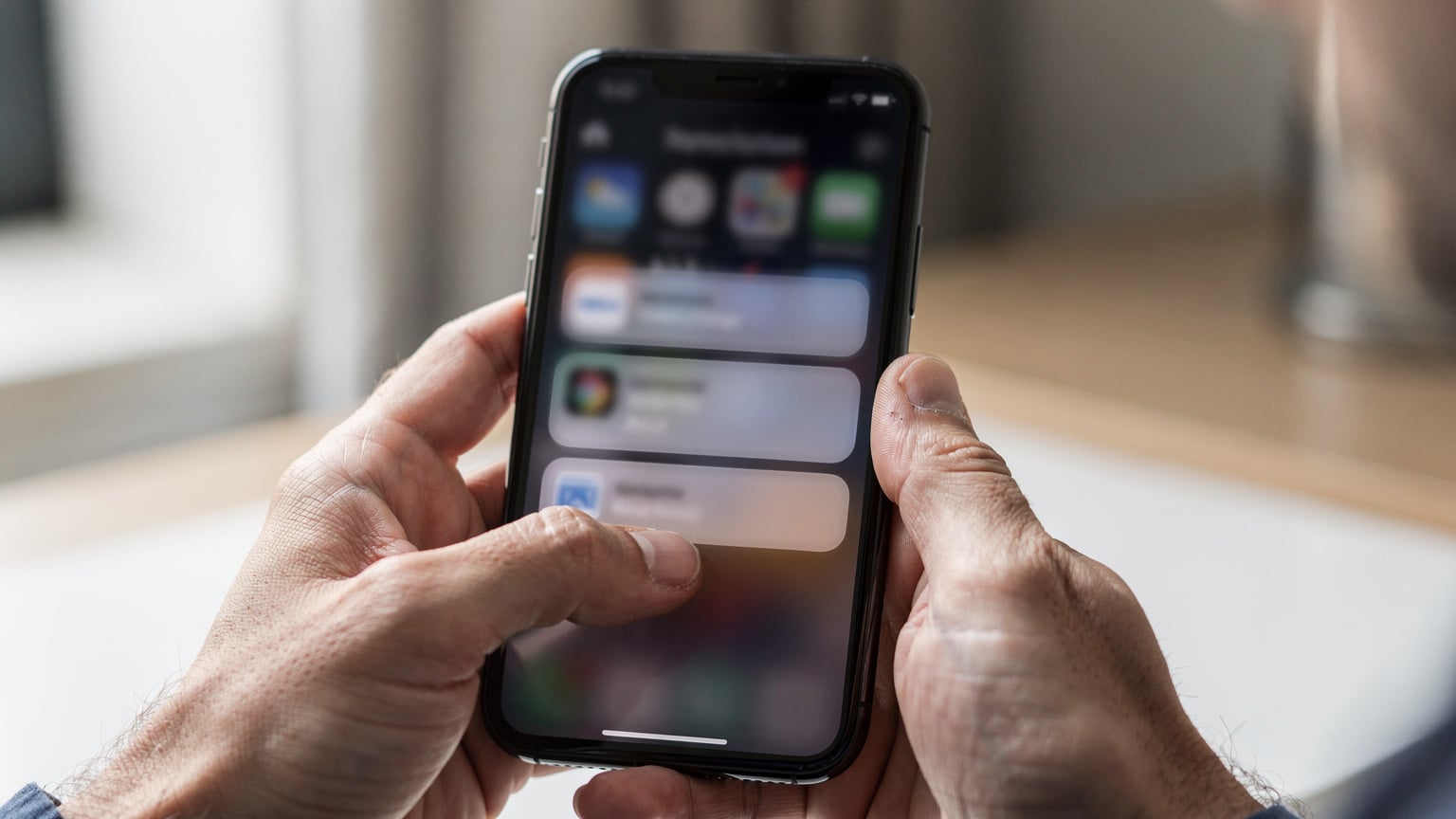
I've noticed that some carrier-specific eSIMs, especially from traditional operators like TIM in Italy, might have the ICCID less obvious than a generic data eSIM from a provider like Cellesim. For TIM eSIM Italy, I once had to hunt a bit more, almost as much as finding the best espresso bar in Trastevere that isn't overrun with tourists.
What if it's not under 'SIM Applications'?
If you don't see 'SIM Applications' or the ICCID isn't immediately there, don't worry. Sometimes, especially with newer iOS versions or specific carrier profiles, it might be found by tapping 'Carrier Services' or simply listed under the 'About' section of your phone settings, though that's less common for individual eSIMs.
Decoding the Alphabet Soup: ICCID, EID, and What They Mean
You might see a few different identifiers when you're poking around your iPhone's settings. It's easy to mix them up, but each has its own job.
- ICCID (Integrated Circuit Card Identifier): This is the unique serial number of your actual SIM card, whether it's physical or embedded (eSIM). It's what network operators use to identify your service profile. When Cellesim support asks for your eSIM number, this is almost always what they mean.
- EID (Embedded Identity Document): This is the unique identifier for the eSIM hardware chip built into your iPhone. It's like the serial number for the physical chip itself, not for the individual service profiles (eSIMs) you download onto it. You'll typically only need your EID if you're transferring your entire device's eSIM capability to another phone or if you're dealing with very deep hardware troubleshooting.
- IMEI (International Mobile Equipment Identity): This is the unique serial number for your iPhone device itself, completely unrelated to the SIM or eSIM. It's used for things like device registration, locking a lost phone, or checking warranty status.
- MSISDN (Mobile Station International Subscriber Directory Number): This is simply your actual phone number. It's linked to your service profile (eSIM), but it's not the eSIM's identifier itself.
When you have a question about your service, nine times out of ten, the ICCID is the number you'll need. Don't worry too much about the EID or IMEI unless specifically asked, especially when buying USA eSIM data.
When You Really Need That Number: Real-World Scenarios
It's rarely a good sign when you're scrambling for an obscure number on your phone. Usually, it means something isn't quite right. But knowing where to find it can turn a stressful situation into a minor inconvenience.
Troubleshooting Data Connectivity
Imagine you've just arrived in Istanbul's lively Beyoğlu district. You've installed your eSIM, but your data isn't connecting. You've tried all the usual tricks: toggling airplane mode, restarting your phone, even double-checking the APN settings. When you contact Cellesim support, their first question will often be, "What's your eSIM's ICCID?" Having it ready speeds up the diagnosis, helping them locate your profile on their network and figure out why it's not connecting to Turkcell or Vodafone TR.
Transferring Your eSIM to a New iPhone
Upgraded to the latest iPhone 15 Pro Max? Congrats! Now you need to move your existing eSIMs. While Apple has made this process much smoother with Quick Start, sometimes a manual transfer is necessary, especially if you're moving a legacy eSIM or one from a less common carrier. This is where your ICCID comes in, verifying you own that specific service profile.
Reporting a Lost or Stolen Device
This is the scenario no one wants to think about, but it happens. If your iPhone goes missing while you're exploring the markets of La Candelaria in Bogotá, having your eSIM's ICCID (along with your IMEI) can help your carrier deactivate that specific SIM profile, stopping unauthorized use of your data or phone number. It's a critical step to secure your digital life.
"I once spent a whole morning in a cafe in Athens, trying to explain to a local provider that my data wasn't working. They kept asking for a 'serial number' and I kept giving them my IMEI. It was a classic communication breakdown, solved only when I finally figured out they meant the ICCID. Two hours and three coffees later, I was connected."
When Customer Support Needs to Identify You
Whether it's for billing questions, plan changes, or simply asking if 5GB data is enough for a week abroad, the ICCID is a definitive way for your carrier or eSIM provider to access your specific service details. This is especially true when dealing with international providers who might not recognize your name or home address in their system as easily as your unique eSIM identifier.
| Situation | Why ICCID is Needed | Benefit of Knowing It |
|---|---|---|
| Data Not Working | Helps support identify your profile and diagnose network issues. | Faster troubleshooting, quicker resolution, less downtime. |
| eSIM Transfer | Verifies ownership of the service profile for migration to a new device. | Smooth transition to a new phone without service interruption. |
| Lost/Stolen Phone | Enables carrier to deactivate the specific eSIM profile. | Protects against unauthorized data usage and potential identity theft. |
| Billing or Plan Inquiry | Provides a unique identifier for your specific service agreement. | Accurate information retrieval and efficient service for your query. |
Troubleshooting Tips: If Your eSIM Number is Playing Hide-and-Seek
Sometimes, the obvious path isn't so obvious. If you're struggling to find your eSIM number, especially after an iOS update or with a less common carrier, here are a few more places to check.
Check the 'About' Section of Your iPhone
While usually for device information, some carriers or older iOS versions might list some SIM details here. It's worth a look if the main Cellular settings aren't showing results.
- Go to Settings: Tap the grey 'gear' icon.
- Tap 'General': Scroll down and select 'General'.
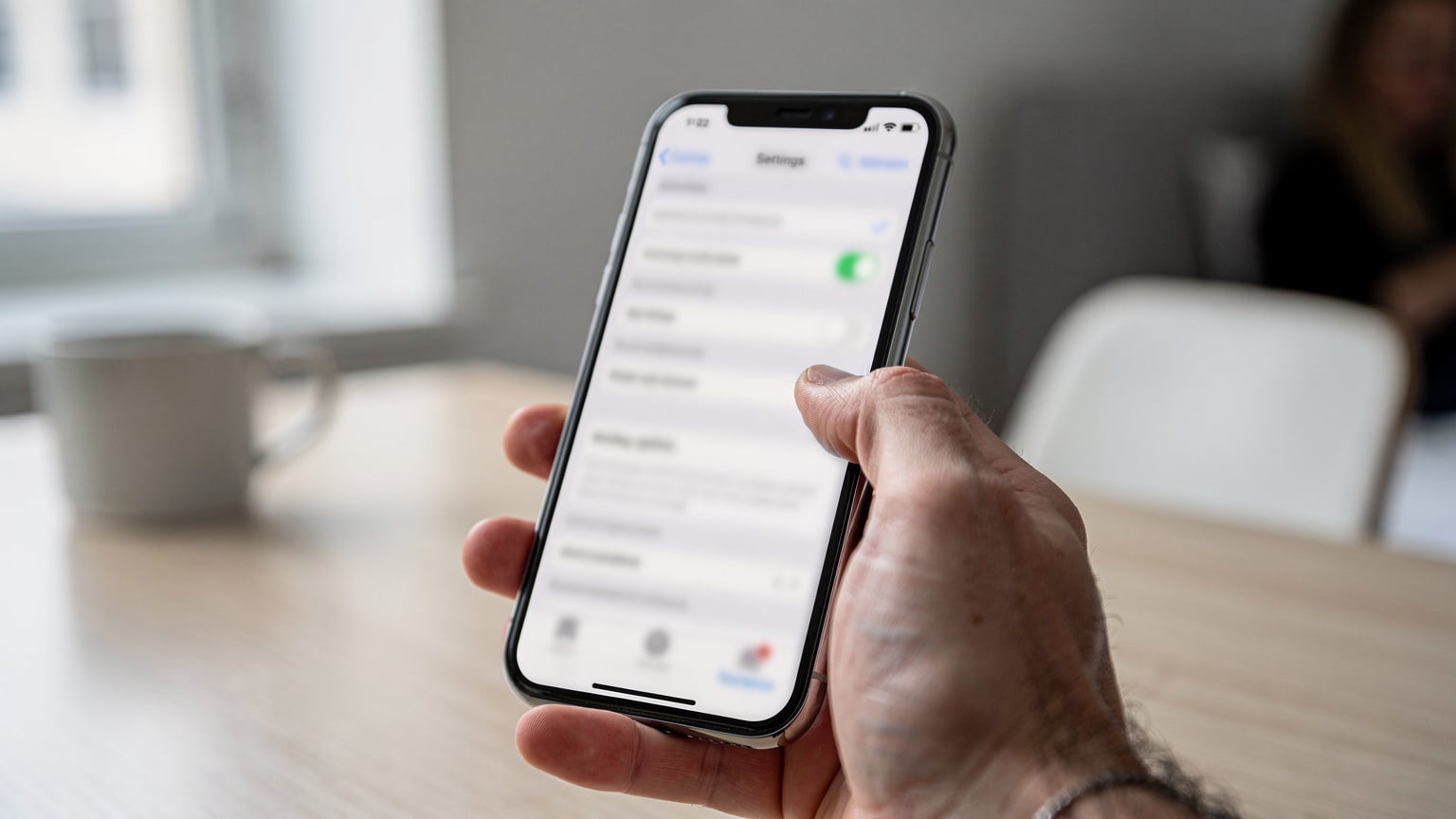
- Tap 'About': Scroll down again. Look for your specific eSIM plan listed. Sometimes, tapping on it will reveal more details, including the ICCID. This is also where you'll find your EID and IMEI, which can sometimes be confused with the ICCID.
Review Your eSIM Confirmation Email/App
When you first bought and activated your eSIM, especially from a dedicated provider like Cellesim, you probably got an email confirmation. This email, or the provider's app, often contains the ICCID or a link to it. I always keep these emails in a dedicated 'Travel SIMs' folder in my inbox. It saved me a huge headache when I was trying to reconnect to the local network in Salvador, Brazil's Cidade Baixa neighborhood, after a phone reset.
- Check Your Email: Search for emails from your eSIM provider (e.g., Cellesim, Airalo, Holafly). The ICCID is often included in the activation confirmation.
- Check the Provider's App: Many eSIM providers have their own apps. Log in and go to your active plans. The eSIM details, including the ICCID, are usually there. This is especially useful for managing multiple plans, like when juggling an eSIM for family travel.
Contact Your eSIM Provider's Support
If nothing else works, reach out to your eSIM provider's customer support. They can look up your ICCID using other identifying info, like your purchase order number or the email address linked to your account. Cellesim's chat support, for instance, is pretty good at this, and they're available 24/7, which is a lifesaver when you're in a completely different time zone.
Managing Multiple eSIMs and Avoiding Connectivity Chaos
For experienced travelers, having multiple eSIMs is practically a superpower. A Cellesim plan for data in China, a local physical SIM for calling in Brazil, and your home eSIM for banking apps. It's a symphony of connectivity, but it can quickly become a mess if not managed properly.
Naming Your eSIMs Wisely
As mentioned, giving your eSIMs clear, descriptive names is key. Instead of 'Secondary' or 'Business', try 'Cellesim China Data' or 'Vodafone UK Home'. This way, when you're in your Cellular settings, you immediately know which profile you're managing, letting you quickly switch lines or access the right details.
Understanding Default Lines for Data and Calls
With multiple eSIMs, your iPhone lets you set a default line for cellular data and another for voice calls/SMS. Use this feature. For instance, you might want your Cellesim data plan to be your default for data while traveling, but keep your home eSIM active for receiving calls and texts (even if you rarely answer them abroad, it's handy for verification codes). This prevents unexpected roaming charges on your primary line.

When to Delete and When to Deactivate
When a travel eSIM plan expires, you have two choices: deactivate or delete. Deactivating just turns off the profile, keeping it on your phone in case you want to reactivate it later (some plans allow this). Deleting removes it completely. For short-term travel eSIMs, I usually delete them after my trip to keep my settings clean. However, if I'm on a longer trip or think I might go back to a region soon, I might just deactivate. For instance, I deactivated my T-Mobile eSIM free trial after a trip to Germany, just in case I had to go back to Berlin's Mitte district soon and wanted to compare its performance against a different provider.
Monitoring Data Usage for Each eSIM
Your iPhone's Cellular settings also show a breakdown of data usage per plan. Check this regularly to make sure you're not accidentally using data on an expensive roaming plan instead of your active travel eSIM. This is a common mistake that can lead to bill shock, especially if you're exploring data-heavy apps like Google Maps or local transit apps (like the ATM app in Milan) while navigating a new city.
The Future of eSIMs and What It Means for Travelers
The eSIM landscape is always changing, with more phones supporting it and more carriers offering solid plans. The move towards eSIM-only iPhones in certain markets (like the US) clearly shows where things are headed: physical SIM cards are slowly but surely becoming a thing of the past.
Enhanced Security and Convenience
eSIMs offer better security because you can't physically remove them from a stolen phone, making it harder for thieves to use your service or get to your information. For travelers, the convenience factor is huge: no more fumbling with tiny SIM trays, looking for paper clips, or hunting down kiosks in unfamiliar airports. You can buy and activate an eSIM from your couch before you even leave home.
Greater Flexibility for International Roaming
The ability to easily switch between multiple eSIM profiles means travelers have amazing flexibility. You can compare rates from different providers, activate a local plan for a specific country, and keep your home number active for calls, all from your phone's settings. This kind of flexibility was unheard of just a few years ago. I've been to 80+ countries, and the days of hunting for a Vodacom store in Cape Town, waiting in line, and then trying to explain my needs in broken English are, thankfully, mostly behind us.

What to Expect Next
- More Global Plans: Get ready for more comprehensive global eSIM plans that cover dozens of countries with one purchase, simplifying data management for long trips.
- Seamless Activation: Activation will become even smoother, with QR codes and app-based installations becoming standard.
- Wider Device Support: While iPhones are leading, more Android devices and even smartwatches and tablets will get eSIM capabilities, making connected travel truly everywhere.
Ultimately, knowing how to find your eSIM number is a small but powerful piece of knowledge for any modern traveler. It's one of those practical skills, like knowing how to navigate the BVG in Berlin or which side of the taxi to get into in Bangkok, that just makes life on the road a little bit smoother. It gives you control over your connectivity, making sure that when you need data most, you're never left guessing.
Frequently Asked Questions
What is an ICCID and why do I need it for my eSIM?
The ICCID, or Integrated Circuit Card Identifier, is the unique serial number of your eSIM profile. You need it to identify your specific service with a carrier for troubleshooting, transferring service to a new device, or for billing inquiries. It's how your provider distinguishes your digital SIM from others on their network.
Where is the eSIM number located on my iPhone?
On your iPhone, go to Settings > Cellular (or Mobile Data) > [Your eSIM Plan]. Scroll down, and you should find the ICCID listed directly or under an option like 'SIM Applications' or 'SIM PIN'. The exact location can vary slightly depending on your iOS version and carrier.
Can I have multiple eSIMs on my iPhone?
Yes, iPhones (XR and newer) support multiple eSIM profiles. You can store several eSIMs on your device and switch between them as needed. However, only two can be actively used at any given time (one primary, one secondary), though this depends on your specific iPhone model.
Is the eSIM number the same as my phone number or IMEI?
No, the eSIM number (ICCID) is distinct from your phone number (MSISDN) and your device's unique identifier (IMEI). The ICCID identifies the digital SIM card itself, while the IMEI identifies your phone hardware, and the MSISDN is your actual telephone number associated with the service.
What should I do if I can't find my eSIM number on my iPhone?
If you can't find your eSIM number, first double-check the Cellular settings and the 'About' section in General settings. If it's still elusive, check the confirmation email or app from your eSIM provider, as they often include the ICCID. As a last resort, contact your eSIM provider's customer support for assistance.
Why would my eSIM provider ask for my eSIM number?
Your eSIM provider will typically ask for your eSIM number (ICCID) to quickly identify your specific service profile. This helps them diagnose connectivity issues, verify your account for changes or transfers, or assist with any billing-related questions you might have.