

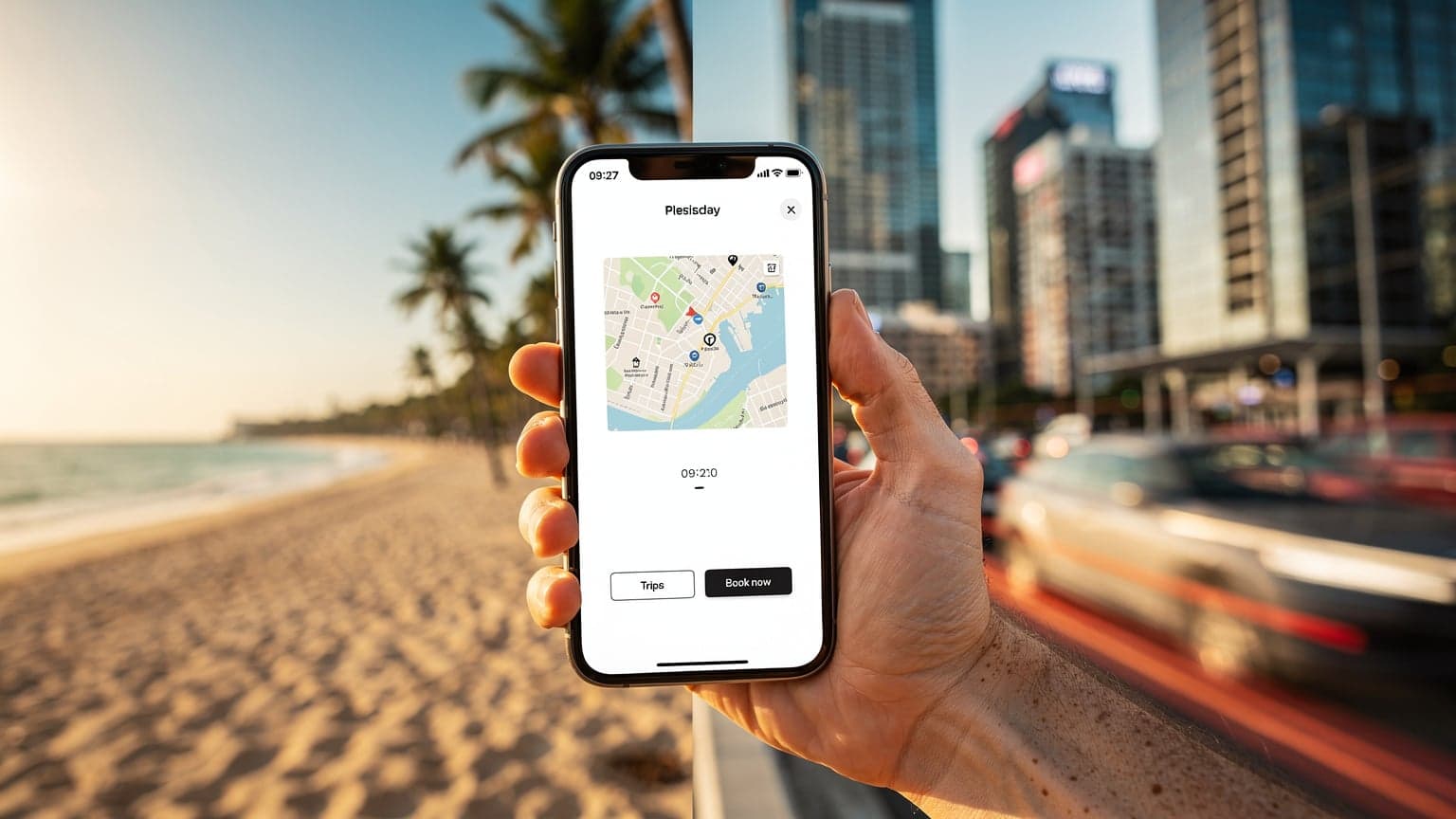
The Magic of Spontaneity: How eSIMs Make It Possible
Remember those days when a sudden decision to jet off meant a frantic scramble for a local SIM card the moment you landed? Or, worse, paying exorbitant roaming fees that made your eyes water more than a surprise onion? As a seasoned veteran of family travel, with two wonderfully energetic children (currently 9 and 11) who've seen more passport stamps than some adults, I can tell you that those days are, thankfully, largely behind us. The unsung hero of this new era of impromptu adventures is the eSIM.
An eSIM, or embedded SIM, is essentially a digital SIM card that lives inside your phone, tablet, or even some smartwatches. Instead of physically swapping out tiny plastic cards, you simply download a data plan. This means you can purchase a plan for Italy while still sipping coffee in your kitchen in Iowa, activate it on arrival, and be online before your kids can even ask, "Are we there yet?" (Well, almost.) This technology truly shines when you decide, on a Tuesday, that a long weekend in Rome or a few days soaking up the sun in the Algarve sounds absolutely divine, and you're hopping on a plane by Friday. No more pre-ordering SIMs, no more hunting for a reputable vendor at a foreign airport, and crucially, no more fumbling with tiny ejector pins at 2 AM with tired kids clinging to your legs.
What Exactly is an eSIM and Why Should You Care?
Let's get down to basics. An eSIM is a programmable chip, permanently embedded in your device during manufacturing. It holds multiple carrier profiles, allowing you to switch between them digitally. For families, this is a game-changer. Imagine landing in Barcelona, opening your Cellesim app, selecting a regional Europe plan, and being connected within minutes. No more waiting in lines, no language barriers, just instant data. It's the kind of seamless experience that keeps the "planning is the love language" parent in me utterly delighted.
The Rise of Last-Minute Travel in 2026
The travel landscape has shifted significantly. People are embracing flexibility and spontaneity more than ever. With hybrid work models and a general desire for quick escapes, a last-minute decision to explore a new city or revisit a beloved beach is increasingly common. This trend is amplified for families, where finding a window that works for school, activities, and parental leave can feel like aligning the planets. When that window appears, you need solutions that are as agile as your plans.
Why a Family Travel Planner Swears by eSIMs: No More Paperwork for Kids' Devices
If there's one thing I've learned from navigating 30 countries with my two kids, it's that their devices are not just for entertainment, they're part of the travel ecosystem. Whether it's for keeping them occupied during long transit, using educational apps, or staying in touch with grandparents via FaceTime, reliable connectivity for their tablets and phones is non-negotiable. And let me tell you, dealing with physical SIMs for multiple devices, especially for kids' iPads that often lack SIM card slots, was always a logistical nightmare.
Managing Multiple Devices: The eSIM Advantage for Families
My kids, bless their tech-savvy hearts, each have an iPad and a Nintendo Switch. My oldest, Leo, also has a hand-me-down iPhone for emergencies. Before eSIMs, ensuring they all had data access was a puzzle. Now, with a few taps, I can manage separate plans or even tether from my primary device, knowing the connection is stable enough for their Roblox sessions or streaming Disney+ (yes, a data plan sized for two kids streaming Disney+ is absolutely a core requirement for sanity). This multi-device management via a single Cellesim account is incredibly liberating. It means I can control their access, monitor usage, and avoid the dreaded "Mom, the WiFi's out!" panic mid-flight.
Cost Savings and Avoiding Roaming Charges
Ah, the dreaded roaming charges. I once spent $40 on a hotel kid's menu meal because I didn't have data to find a local alternative, and that felt like a bargain compared to some of the roaming bills I've seen. eSIMs, especially those from providers like Cellesim, offer local rates or regional plans that are significantly cheaper than what your home carrier will charge for international roaming. Plus, you can often pick a plan that precisely matches your trip duration and data needs, avoiding paying for data you won't use. It's budgeting for data, which, for a family, is just as important as budgeting for gelato.
Choosing the Right eSIM for Your Family Adventure: Data for Disney and Destinations
Picking an eSIM isn't a one-size-fits-all situation, especially when you've got a small squadron of digital natives in tow. My first question is always, "How much data will the kids burn through?" and then, "Where exactly are we going to need this data?" These considerations drive my choices, ensuring seamless travel for everyone.
Regional vs. Local Plans: What's Best for Your Itinerary?
If you're doing a whirlwind tour of Europe, hitting Paris, Rome, and Berlin in a week (a pace I've attempted, and now largely avoid, with kids), a regional European eSIM plan is typically the most economical and convenient. Cellesim offers excellent regional plans that cover multiple countries, meaning you don't have to swap plans every time you cross a border. If your spontaneous trip is to a single country, say a week on the beaches of Sardinia, then a country-specific plan for Italy eSIM might offer better rates or more generous data allowances. It’s all about matching the plan to your actual travel pattern.
Estimating Data Needs for the Whole Family
This is where the rubber meets the road. Two kids, 9 and 11, can easily consume 5-10GB of data each per week if left unchecked, especially if they're streaming. Disney+, Netflix, YouTube Kids, and online gaming like Roblox or Minecraft Dungeons are major data hogs. For my family of four, including my husband and I who use data for maps, work emails, and social media, I typically aim for a minimum of 50GB for a two-week trip. If we're going to be in an area with unreliable WiFi, I'll bump that up to 75-100GB just to be safe. It's better to have too much than to be rationing data in the middle of a theme park.
| Activity | Estimated Data Usage Per Hour | Family Impact (2 kids, 2 adults, 1 week) |
|---|---|---|
| Streaming HD Video (Disney+, Netflix) | 1-3 GB | 30-60 GB (for 10 hrs/week/child) |
| Online Gaming (Roblox, Minecraft) | 50-150 MB | 1-3 GB (for 10 hrs/week/child) |
| Video Calls (FaceTime, Zoom) | 300-800 MB | 5-10 GB (for occasional calls) |
| Social Media Browsing (Instagram, TikTok) | 100-250 MB | 2-5 GB (for moderate use) |
| Google Maps/Navigation | 5-10 MB | 0.5-1 GB (for daily navigation) |
Comparing Cellesim Plans for Popular Summer Destinations
Let's consider some popular last-minute summer destinations. For a spontaneous trip to France, a regional Europe plan works beautifully. If you're heading to a specific country like Indonesia, a local plan is often more tailored. For instance, Cellesim offers robust plans for Telkomsel eSIM Indonesia, which can be far more convenient than trying to get a local tourist SIM after a long flight into Denpasar or Jakarta.
| Destination/Region | Recommended Cellesim Plan Type | Typical Data Allowance for 2 Weeks (Family) |
|---|---|---|
| Western Europe (e.g., France, Italy, Spain) | Europe Regional | 50GB - 100GB |
| Southeast Asia (e.g., Indonesia, Thailand) | Country-Specific or Asia Regional | 30GB - 70GB |
| Caribbean Islands | North America Regional or Caribbean Specific | 40GB - 80GB |
| USA/Canada | North America Regional or Country Specific | Unlimited (if available) or 75GB+ |
Pre-Trip Prep: Loading Apps and Managing Screen Time Before Take-Off
Before any trip, especially a spontaneous one, my planning brain goes into overdrive. The key to a smooth journey with kids is anticipation. That means making sure all devices are loaded, charged, and ready for action, long before we even get to the airport.
Essential Apps to Pre-Load on Kids' Devices
Before you even think about leaving your home WiFi, get those apps loaded! We're talking:
- Offline Map Apps: Google Maps allows you to download entire regions for offline use, a lifesaver when you're navigating a new city with spotty signal or trying to conserve data. My kids love looking at where we are on the map, even without data.
- Streaming Content: Download movies and TV shows from Disney+, Netflix, and Prime Video directly to their iPads. This is crucial for flights, train rides, and quiet hotel evenings.
- Educational Games: Apps like Toca Life World, Osmo, or even simple puzzles can keep younger kids engaged without needing a constant internet connection.
- Audiobooks/Podcasts: A great way to pass time, and many library apps offer free downloads.
- Communication Apps: Ensure FaceTime or WhatsApp are ready for calls home.
Seriously, make a checklist. A fully stocked device is a happy device, and a happy device means happy kids, which, in turn, means happier parents.
Setting Up Screen Time Controls and Data Limits
Even on holiday, boundaries are important. I use Apple's Screen Time features extensively, setting daily limits for specific apps and overall usage. What's even better with eSIMs is that many allow you to set data limits per line (if you're using a multi-line plan). For my kids, I typically set a daily data cap for non-essential apps. This encourages them to enjoy their surroundings and prevents them from blowing through our family's data allowance on endless YouTube shorts. It also offers a great teaching moment about responsible tech use, even if it's met with a groan or two.
Connectivity in the Wild: Theme Parks and Cruise Ships
Some of the most cherished (and sometimes chaotic) family memories are made in places known for their tricky connectivity. Theme parks are a maze of steel and crowds, and cruise ships are, well, in the middle of the ocean. This is where a reliable eSIM really earns its keep.
Staying Connected at Theme Parks (Disneyland Paris, Universal Studios)
Theme parks, like Disneyland Paris or Universal Studios Orlando, are massive. You'll need data for everything from checking wait times on official apps to coordinating meet-up spots with family members who've wandered off to find another churro stand. The sheer number of people in one area can strain local networks, making a robust eSIM connection invaluable. A Cellesim regional plan for Europe, for example, will typically connect you to major local carriers like Orange or SFR in France, often providing better priority than a generic roaming agreement.
eSIMs on Cruise Ships and Remote Destinations
Cruise ships are notorious for their expensive satellite internet. An eSIM won't help you in the middle of the Atlantic, but it's brilliant for port days. Before disembarking in, say, Marseille or Barcelona, you can switch on your eSIM and have immediate, affordable data to navigate the city, find a local cafe, or let the kids stream a quick episode while you enjoy a quiet moment. For remote beach trips, like those hidden coves in Portugal's Algarve, having an eSIM that connects to the strongest available local network (which Cellesim automatically does) can mean the difference between being utterly disconnected and having just enough signal to call for that emergency ice cream delivery.
Parental Control Features and eSIM Lines: Keeping Kids Safe Online
As much as I love technology for easing travel, I'm also keenly aware of its potential pitfalls, especially for children. Ensuring their online safety while abroad is paramount, and thankfully, eSIMs can integrate seamlessly with existing parental control strategies.
Leveraging Built-in Device Controls
Most modern smartphones and tablets, particularly Apple and Android devices, come with sophisticated parental control features. These allow you to:
- Restrict App Downloads: Prevent unauthorized app installations.
- Filter Web Content: Block access to inappropriate websites.
- Limit Screen Time: Set daily usage caps for specific apps or the entire device.
- Control Purchases: Require passwords for in-app purchases.
These controls work independently of the network connection, meaning they'll function whether your child is on WiFi or using an eSIM data plan. I always make sure these are thoroughly configured before we leave home, creating a safe digital sandbox for my kids no matter where we are in the world.
Monitoring Data Usage for Peace of Mind
Beyond screen time, monitoring data usage is another layer of parental control. Cellesim's app, for instance, provides real-time data usage for each active eSIM plan. This means I can quickly see if Leo has decided to stream an entire season of 'Bluey' instead of exploring the local market. If a particular device is chewing through data faster than anticipated, I can either remind them to switch to downloaded content or adjust their data limits directly from my phone. It's about proactive management, not reactive panic.
"Knowing I can manage their data and screen time remotely, even when we're exploring different parts of a foreign city, gives me such peace of mind. It's one less thing to worry about when you're trying to enjoy a spontaneous trip."
Troubleshooting Common eSIM Issues: When the iPad Needs a Top-Up
Even the best-laid plans can hit a snag. And when that snag involves a suddenly disconnected iPad in the middle of a long wait, you need solutions, fast. Most eSIM issues are minor and easily resolved.
Quick Fixes for Connectivity Problems
If your eSIM isn't connecting, don't despair. Here's my go-to troubleshooting list:
- Check for Roaming Enablement: Make sure data roaming is turned on for your eSIM profile in your phone's settings. This is a common oversight.
- Restart Your Device: The classic tech fix. A simple reboot can often resolve minor network glitches.
- Verify APN Settings: While Cellesim usually auto-configures this, sometimes a manual check of the Access Point Name (APN) settings can help. Your Cellesim activation email will have the correct details.
- Confirm Plan Validity: Double-check that your eSIM plan hasn't expired or run out of data.
- Toggle Airplane Mode: Turning Airplane Mode on for 30 seconds and then off can sometimes force a reconnection to the network.
Most of the time, it's one of these simple steps that gets you back online. For more complex issues, Cellesim's customer support is usually very responsive and can guide you through the process.
Topping Up Data and Extending Validity
Ran out of data faster than expected because the kids discovered a new streaming service? It happens. One of the beauties of Cellesim is how easy it is to top up. You can usually purchase additional data packages or extend your plan's validity directly through the Cellesim app or website. It takes minutes, and you're back in business. This flexibility is crucial for spontaneous trips where your data needs might fluctuate more than a carefully planned itinerary.
Cellesim vs. The Competition: A Quick Look at Family-Friendly Options
When it comes to eSIM providers, there are quite a few players in the game. From my perspective as a family travel planner, Cellesim consistently comes out ahead for its ease of use, transparent pricing, and robust global coverage. While I've explored options like Nomad eSIM vs. Cellesim in detail before, it's worth reiterating the family-centric advantages here.
Why Cellesim Stands Out for Families
Cellesim's intuitive app makes managing multiple eSIMs a breeze. For a parent juggling their own device, two kids' iPads, and maybe even a work phone, simplicity is golden. Their network partnerships mean reliable connectivity in most popular tourist destinations, which is non-negotiable when you're relying on maps, translation apps, and, yes, keeping the peace with digital entertainment.
| Feature | Cellesim | Competitor A (e.g., Airalo) | Competitor B (e.g., Nomad) |
|---|---|---|---|
| Ease of Installation & Management | Excellent, intuitive app, easy multi-device management. | Good, straightforward app. | Good, generally user-friendly. |
| Global Coverage | Extensive, reliable partnerships in 200+ countries. | Very good, wide country selection. | Good, growing list of countries. |
| Family Plan/Multi-Device Support | Strong, easy to manage multiple eSIMs from one account. | Individual plans, less integrated for family. | Individual plans, not optimized for shared management. |
| Pricing & Data Options | Competitive, clear pricing, flexible data packages. | Competitive, but sometimes less flexible large data. | Good, but occasional premium for larger bundles. |
| Customer Support | Responsive, 24/7 support. | Generally good, but can be slower. | Decent, primarily chat-based. |
Exploring Free Trial Options
If you're still on the fence, it's worth checking if Cellesim or any other provider offers a free trial. Some carriers, for example, have promotional T-Mobile eSIM free trial options that allow you to test out the service before committing to a larger plan. This is a fantastic way to experience the convenience of an eSIM without any financial commitment, perfect for dipping your toes into the digital SIM waters.
Future-Proofing Your Family Travel: The Evolving World of eSIM Technology
The telecommunications industry is always moving forward at a blistering pace, and eSIM technology is no exception. What's convenient today will be indispensable tomorrow. Keeping an eye on these trends helps ensure your family's connectivity remains seamless for years to come.
5G and Enhanced Speeds Abroad
As 5G networks become more ubiquitous globally, eSIMs are perfectly positioned to leverage these enhanced speeds. Imagine downloading a full-length movie for the kids in mere minutes at a European airport, or having crystal-clear video calls with family back home from a bustling market in Marrakech. Cellesim partners with local carriers that are rapidly deploying 5G, meaning you'll get the fastest speeds available wherever you travel, making those data-heavy family activities smoother than ever.
More Devices, More Integration: The IoT Revolution
Beyond phones and tablets, eSIMs are increasingly finding their way into other devices. Think smartwatches that can track your child's location independently, or even connected luggage tags that give you peace of mind. As the Internet of Things (IoT) expands, the ability to provision and manage data for all these devices through a single, easy-to-use platform like Cellesim will become incredibly valuable for families. It means fewer worries about lost items or separated family members in crowded destinations.
Final Thoughts on Spontaneous Summer Escapes
Spontaneous summer trips are a special kind of magic. They're about seizing the moment, exploring the unexpected, and creating memories that aren't bound by rigid itineraries. As a parent, adding "connectivity stress" to that equation is the last thing you want. eSIMs, particularly those designed with the flexibility and coverage of Cellesim, truly liberate you to embrace these last-minute adventures without a second thought about staying connected.
Embrace the Adventure, Ditch the SIM Card Hunt
From ensuring your kids can stream their favorite shows (within reason, of course) to navigating unfamiliar streets with confidence, eSIMs remove a significant layer of travel anxiety. So go ahead, book that flight, pack those bags, and let the summer of 2026 be filled with delightful surprises. Your Cellesim eSIM will be waiting to connect you to every moment.
Your Next Summer Destination Awaits
Whether it's a bustling European city (and maybe check out some Fun Facts About France before you go) or a tranquil beach getaway, the world is quite literally at your fingertips. With eSIMs, you're not just buying data, you're buying freedom. Freedom to explore, freedom to connect, and freedom from the hassle of traditional SIM cards. Happy travels!
Frequently Asked Questions
How much data does a family of four typically need for a two-week summer trip with streaming kids?
For a family of four, including two children actively streaming and gaming (like Disney+ or Roblox) for a few hours daily, a two-week trip typically requires 50-100GB of data. This allows for navigation, social media, work emails, and kids' entertainment without constant rationing or worrying about running out mid-trip.
Can I use an eSIM to provide data for my children's iPads or Nintendo Switch while traveling?
Yes, absolutely. If your children's iPads support eSIMs (most newer models do), you can install a separate eSIM plan directly on them. For devices without eSIM support, like a Nintendo Switch, you can easily tether from your smartphone's eSIM connection, providing them with reliable internet access for games or apps.
Are parental control features still effective when using an eSIM abroad?
Parental control features, such as Apple's Screen Time or Android's Digital Wellbeing, operate at the device level, not the network level. This means they will continue to function normally whether your child's device is connected via Wi-Fi or an eSIM data plan, allowing you to manage app usage and content filtering seamlessly.
What's the best way to handle data for multiple devices for a family trip, using eSIMs?
The best approach is to purchase a robust data plan on your primary smartphone's eSIM and then use its mobile hotspot feature to share data with other family devices. Alternatively, if multiple devices are eSIM-compatible, you can install individual smaller eSIM plans on each device for more granular control over data usage per person.
What should I do if my eSIM isn't connecting at our destination?
First, ensure data roaming is enabled for your eSIM profile in your phone's settings. Then, try restarting your device or toggling airplane mode on and off. If issues persist, verify your plan's validity and check Cellesim's customer support for specific APN settings or further assistance, which is often available 24/7.
Is connectivity reliable with an eSIM inside theme parks or on cruise ship port days?
Yes, eSIMs generally offer reliable connectivity in theme parks by connecting to the strongest local network, which can be more stable than overcrowded park Wi-Fi. For cruise ships, eSIMs are excellent for port days, providing affordable data access in coastal cities, though they won't work in the middle of the ocean where satellite internet is required.