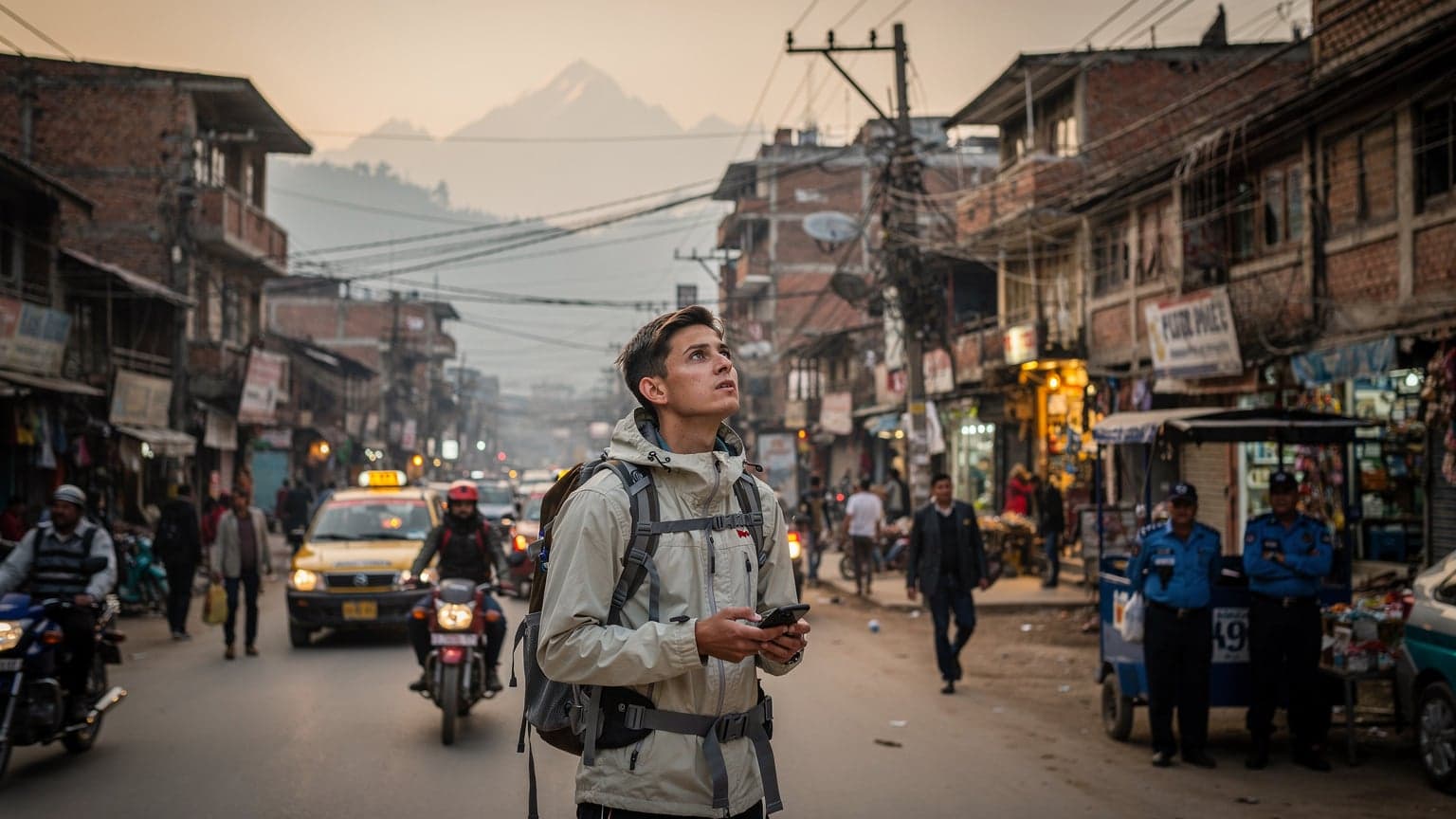
Nepal is a generally safe and incredibly welcoming place for travelers in 2026. Still, it’s smart to be prepared, especially when it comes to your health, altitude sickness, and getting around. Knowing the visa rules, trekking safely, and having reliable mobile service are all key for a smooth trip.
Understanding Nepal's General Safety Landscape
Nepal, famous for its incredible Himalayan peaks and deep spiritual roots, is generally a safe place for international visitors. But like any travel spot, it has its own quirks and things to keep in mind. Crime rates are low overall, but petty theft can happen, especially in busy tourist spots like Thamel in Kathmandu or Lakeside in Pokhara.
Political stability has really improved in recent years, so those general strikes (known as bandhs) that used to mess up daily life and transportation are much less frequent now. Still, it's always smart to keep an eye on local news or ask your hotel about any local protests. They're usually peaceful but can cause temporary delays. Outside the big cities, the infrastructure can be pretty basic. Roads are often unpaved or not well maintained, and remote areas have limited public services. This isn't to scare you off, but just to help you prepare. Often, the journey itself is part of the adventure!
Petty Crime and Personal Security
Serious crime against tourists is rare, but watch out for opportunistic theft. Pickpocketing and bag snatching are most common in crowded markets, bus stations, and during festivals. It's best to keep your valuables tucked away and out of sight. Avoid showing off a lot of cash or expensive gadgets. I always suggest using a cross-body bag worn in front of you, or a money belt, especially in busy areas.
Political Stability and Social Unrest
Nepal has come a long way in terms of political stability. While you might still see an occasional local protest or demonstration, they rarely target tourists. The main thing is to be aware. Before you hop on a long-distance bus or start a trek, a quick chat with your hotel staff or a reputable local guide is always a good idea. They usually have the most up-to-date, real-world info.
Entry and Visa Requirements for 2026
Getting into Nepal is pretty straightforward for most people, thanks to a handy visa-on-arrival system at Tribhuvan International Airport (TIA) in Kathmandu and at various land border crossings. But knowing the specifics ahead of time can save you a lot of time when you arrive.
Visa-on-Arrival Process
Many travelers can get a tourist visa right when they land at TIA. This means filling out an application, having a passport-sized photo ready, and paying the visa fee in USD. It's smart to have these things ready to speed up the process. The visa fees usually are:
- 15-day multiple-entry visa: USD 30
- 30-day multiple-entry visa: USD 50
- 90-day multiple-entry visa: USD 125
These fees can change, so always double-check the latest info on the official Nepalese immigration website or with your closest Nepalese embassy or consulate before you travel. Make sure your passport is valid for at least six more months from your entry date and has at least two blank pages for the visa stamp.
Online Visa Application and Pre-Arrival Preparation
Visa-on-arrival is convenient, but some people prefer to apply for their visa in advance through a Nepalese embassy or consulate in their home country. This can be super helpful during peak tourist season when lines at TIA can get long. You can also fill out an online pre-arrival form through the Department of Immigration. This lets you enter your details ahead of time and print a confirmation, which really helps at the airport. It's a time-saver I always recommend, especially after a long flight.
Health and Medical Considerations
Nepal's geography is incredibly diverse, from the low Terai plains to the towering Himalayas. This means a range of health considerations for travelers. Being proactive about vaccinations, understanding altitude sickness, and having the right travel insurance are absolutely essential.
Vaccinations and Preventative Measures
Talk to your doctor well before your trip (ideally 4-6 weeks out) to discuss recommended vaccinations. Common ones for Nepal include:
- Typhoid: Crucial for protecting against illnesses spread through food and water.
- Hepatitis A and B: Often suggested for travelers, especially if you're staying longer or heading to rural areas.
- Tetanus, Diphtheria, and Pertussis (Tdap): Make sure your booster is current.
- Measles, Mumps, Rubella (MMR): Confirm your vaccination status.
- Rabies: Especially if you plan to spend time in rural areas or might encounter animals.
- Japanese Encephalitis: For longer stays or if you're traveling during monsoon season in farming regions.
Beyond shots, wash your hands often, only drink bottled or purified water, and skip uncooked foods or street food unless it looks freshly made.
Altitude Sickness: Awareness and Prevention
For trekkers heading into the mountains, Acute Mountain Sickness (AMS) is a serious concern. Kathmandu is already at about 1,400 meters (4,600 feet), but many popular trekking routes quickly climb much higher.
Key prevention strategies:
- Acclimatize Gradually: This is the golden rule. Go up slowly, giving your body time to get used to less oxygen. A good guideline is to not go up more than 300-500 meters (1,000-1,600 feet) in elevation per day once you're above 2,500 meters, and take rest days every 2-3 days.
- Stay Hydrated: Drink lots of fluids, but avoid alcohol and too much caffeine, which can dehydrate you.
- Listen to Your Body: Headaches, nausea, dizziness, and tiredness are common symptoms. Don't ignore them. Go down immediately if your symptoms get worse.
- Consider Medication: Ask your doctor about preventive medications like Acetazolamide (Diamox), which can help you acclimatize.
Travel Insurance and Medical Facilities
Comprehensive travel insurance is a must-have for Nepal, especially if you plan to trek. Make sure your policy covers emergency medical treatment, medical evacuation (a helicopter rescue in the mountains is no joke), and getting you home if needed. Medical facilities in Kathmandu are decent, but outside the capital, your options are very limited. For serious emergencies in remote areas, you might need to be flown to Kathmandu or even Bangkok. Without good insurance, those costs can be astronomical.
Navigating Local Transportation and Road Safety
Getting around Nepal can be an adventure in itself, but it's really important to put safety first. Roads are often challenging, and driving practices are quite different from what you might be used to back home.
Bus Travel Considerations
Long-distance buses are the main way to travel between cities. They're affordable, but buses are often packed, and road conditions can be rough, especially during monsoon season (June to September) when landslides are common. For popular tourist routes, like Kathmandu to Pokhara or Sauraha (Chitwan), think about booking tickets for