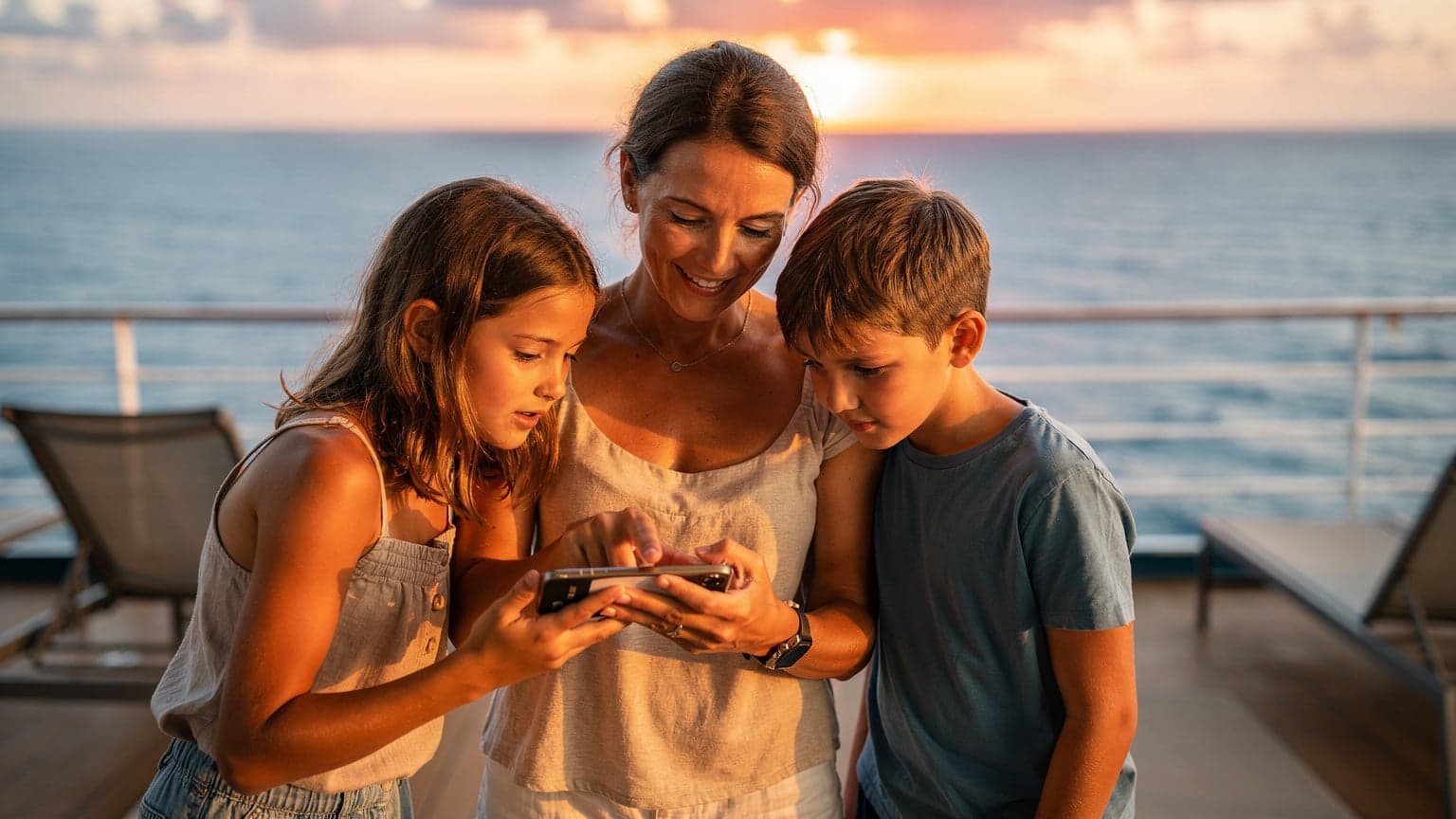
Passive income for travelers and digital nomads isn't some magic bullet; it's about setting up ways to earn money that don't constantly demand your time. It means you can keep exploring without being chained to a traditional job. Think affiliate marketing, selling your own digital stuff, or turning your content into a steady paycheck. All of this happens while you're out there seeing the world.
The Nomadic Dream: Why Passive Income is Your Travel Engine
I still remember being in a cramped Bangkok hostel in 2012, counting my last few baht, wondering how I'd even get to Chiang Mai. Back then, "digital nomad" wasn't a common term, and getting reliable data abroad wasn't as simple as grabbing an eSIM for Brazil. Every dollar felt precious. That's when the idea of passive income clicked for me, not as a shortcut to riches, but as a real way to keep traveling.
If you've spent any real time on the road, you know the drill: the thrill of new places, the inevitable budget worries, and the constant search for funds to keep the adventure alive. Passive income isn't about doing nothing. It's about putting in the effort upfront so your money keeps coming in while you're exploring the markets of Marrakech or riding a local ATM (Azienda Trasporti Milanesi) bus through Milan. It's the difference between working constantly and living your life, knowing your bank account won't vanish with every flight or street food snack.
What Exactly Counts as "Passive" Income for Travelers?
Truly passive income earns money with minimal effort after you've set it up. Think of it like planting a tree: you dig the hole, plant it, and water it for a while. Once it's grown, it gives you fruit or shade with very little ongoing work. For travelers, this means strategies that don't demand your constant attention or specific work hours. It's the opposite of, say, picking up a bartending shift at a hostel, which is definitely active income (and often fun, but not passive).
The Freedom Factor: Why It Matters for Digital Nomads
The real magic of passive income for travelers is the freedom it brings. It frees you from the daily grind and the dreaded alarm clock. You can chase a sunrise in Cappadocia or hike Patagonia's trails without stressing about a client call. It's the engine of the digital nomad lifestyle, the quiet partner paying for your coffee in a hidden Kyoto café or your daily pass on Berlin's BVG U-Bahn. Without it, the nomadic dream can quickly feel like just another job, even with a nicer view.
Affiliate Marketing: Your Digital Backpack of Opportunities
When I first tried affiliate marketing, it was mostly linking to Amazon products from my fledgling travel blog. The commissions were tiny, but the idea - that someone would buy something because I recommended it, and I'd get a cut - felt groundbreaking. Today, it's a much more sophisticated game, with solid commission rates and tracking tools, making it a truly viable way for travelers to earn.
How Affiliate Marketing Works for Content Creators
Simply put: you promote a product or service. If someone buys through your unique link, you earn a commission. For travel creators, this means recommending everything from travel insurance and flight sites to camera gear and, yes, eSIM plans that keep you connected. Authenticity is key. Your audience trusts your recommendations because you're out there living the life. Recommend something bad, and that trust disappears faster than a cheap umbrella in a downpour.
Finding the Right Programs: Beyond the Obvious
Sure, you can join big names like Amazon Associates. But for a seasoned traveler, the real gems are in niche programs. Think about what you genuinely use and love on the road. Is there a specific travel backpack you swear by? Does a certain VPN save you when booking flights from a public WiFi hotspot in a remote Indian village? These are the products and services that truly resonate. Look for programs with good commission rates, long cookie durations (30 days is standard and good), and reliable payouts via PayPal or Wise.
| Affiliate Program Type | Typical Commission Rate | Best For |
|---|---|---|
| Travel Insurance | 10-15% per sale | Travel bloggers, safety-focused content creators |
| Accommodation Booking | 3-5% per booking | Travel guides, itinerary planners |
| Flight Aggregators | Small flat fee or 1-2% | Deal hunters, budget travel sites |
| Travel Gear/Tech | 4-10% of sale value | Review sites, packing guides, tech reviewers |
| eSIMs/Travel Data | 15-25% per sale | Connectivity guides, digital nomad resources, country-specific travel blogs |
Integrating Links Naturally: The Art of the Recommendation
This isn't about cramming your content with links. It's about weaving them into your stories in a helpful, natural way. For example, if you're writing about getting around Tokyo, you might mention how important reliable data was for Google Maps, then link to an eSIM plan that worked well on the JR East lines. It's about solving your reader's problems, not just pushing products. For more on this, check out our guide on Travel Affiliate Marketing: Earn Real Cash on Your Adventures.
Content Monetization: Turning Your Stories into Sustenance
Your stories, photos, and videos aren't just memories; they're assets. I've watched countless travelers, myself included, spend years making amazing content without realizing its real financial potential. From a small blog about finding the best street food in Penang, Malaysia, to a YouTube channel documenting overland trips through South America, there are so many ways to earn from the content you already love creating.
Ad Revenue: The Old Reliable (with a Twist)
While ad revenue alone probably won't make you rich, especially for smaller blogs or channels, it's a solid base. Google AdSense for blogs and YouTube's Partner Program for video are the most common options. The key is to be consistent and grow your audience. A blog post I wrote in 2015 about navigating La Paz's chaotic traffic using local 'micros' (minibuses) still brings in a few dollars a month in ad revenue today. It's not a lot, but it's purely passive.
Optimizing for Ad Revenue:
- High-Quality Content: Attracts more visitors and keeps them on your page longer, meaning more ad views.
- SEO Best Practices: Helps people find your content when they search for relevant topics.
- Strategic Ad Placement: Don't overload your readers, but make sure ads are visible.
- Consistent Publishing: Regularly adding new content tells search engines your site is active and valuable.
Sponsored Content: When Brands Pay for Your Voice
This is where your unique voice and audience become really valuable. Brands, from travel agencies to tech companies, will often pay you to create content featuring their products or services. This isn't truly passive since you're actively creating, but building these brand relationships can lead to ongoing work. I once got a free week at a boutique hotel in Oaxaca's Reforma neighborhood in exchange for Instagram stories and a blog post. Always be transparent with your audience about sponsored content.
Membership & Subscriptions: Building a Community that Pays
Platforms like Patreon let your most dedicated fans support your work directly through monthly subscriptions. This can be a game-changer for independent creators. Whether you offer exclusive content, early access, or just a closer connection, a supportive community can provide surprisingly stable income. Think about offering a "Behind the Scenes" look at your travels or even a monthly Q&A session from wherever you are in the world.
Digital Products: Selling Expertise on Autopilot
Selling digital products is probably the purest form of passive income for creators. Once you've made them, you can sell them an infinite number of times without further effort (beyond marketing and occasional updates). This is where all your accumulated travel knowledge really shines.
E-books & Guides: Your Knowledge, Packaged
Have you mastered budget travel in Southeast Asia? Or do you know all the secret street art spots in Berlin's Kreuzberg district? Package that knowledge into an e-book or a downloadable guide. Tools like Gumroad or SendOwl make it easy to sell and deliver these products automatically. My first e-book, a guide to navigating Buenos Aires on a shoestring, including how to use the Subte (subway) and colectivo (bus) lines, still sells a few copies a month, years after I wrote it. It’s a small stream, but it pays for my morning coffee.
Steps to Create a Successful E-book/Guide:
- Identify a Niche: What specific travel problem can you solve?
- Outline Your Content: Organize your knowledge logically, chapter by chapter.
- Write & Design: Focus on clear, concise writing and a clean, easy-to-read design.
- Choose a Platform: Sell directly from your website or use platforms like Gumroad or Amazon KDP.
- Promote: Share your guide on social media, your blog, and relevant forums.
Presets & Templates: Tools for Fellow Creators
If you're a photographer, your unique Lightroom presets or Photoshop actions can be a valuable product. For video creators, custom video templates or sound packs. Even for bloggers, a well-designed blog template or social media content calendar can be a sellable asset. These are tools other creators will pay for to improve their own work, and they require zero ongoing maintenance once developed.
Online Courses: Deeper Dives, Higher Value
For those with a lot of expertise, an online course can fetch a higher price. This could be anything from "How to Start a Travel Blog from Scratch" (a topic covered in our Mastering the Travel Blog guide) to "Advanced Travel Photography Techniques." Platforms like Teachable or Thinkific handle all the hosting and payment processing, making it incredibly passive once the course is built.
Leveraging Your Skills for Remote Gigs (Active, but Flexible)
While not strictly passive, remote work is a vital part of many digital nomads' income strategy. It provides a stable, active income with the flexibility to work from anywhere. I've known friends who've done everything from remote legal work from a Montenegrin beach to coding for a Silicon Valley startup from a co-working space in Bali's Canggu district.
Freelancing: Writing, Design, Development
The gig economy has boomed, offering endless opportunities for freelancers. If you can write, design, develop websites, manage social media, or offer virtual assistance, you can find clients globally. Platforms like Upwork, Fiverr, and various niche job boards are great places to start. The trick is to build a strong portfolio and client base so you spend less time hunting for work and more time actually traveling.
Tips for Successful Remote Freelancing:
- Specialise: Become an expert in a specific niche to earn more.
- Build a Portfolio: Show off your best work on a professional website.
- Network: Connect with other digital nomads and freelancers for referrals.
- Set Clear Boundaries: Define your working hours and stick to them, especially across time zones.
Consulting & Coaching: Selling Your Time and Expertise
If you have significant expertise in a particular area, you can offer consulting or coaching. This could involve helping aspiring travel bloggers, advising small businesses on social media strategy, or even teaching language skills. Hourly rates are often higher than typical freelance work, making it an efficient way to earn income while staying flexible. For example, a network engineer friend of mine offers coaching sessions on monetizing YouTube channels, all from his temporary base in Ho Chi Minh City.
The Cellesim Affiliate Program: A Smart Choice for Travelers
Now, let's talk about something every traveler deals with: staying connected. I still remember the struggle of trying to find a local SIM card in Mumbai's CST (Chhatrapati Shivaji Maharaj Terminus) area, navigating language barriers and piles of paperwork, only to find the network outside the city was terrible. That's why eSIMs are a game-changer. And for content creators, recommending a reliable eSIM provider like Cellesim isn't just helpful, it's a solid passive income opportunity.
Why Cellesim Stands Out for Affiliates
Cellesim has an affiliate program that perfectly matches what travel content creators and digital nomads need. It's not just another program; it's designed for real-world travel, offering the kind of ease and reliability we all look for when abroad.
- Generous Commissions: You earn a strong 20% cash commission on every sale made through your unique link. That's a great cut, especially for a product nearly every international traveler needs.
- Real Payouts: No store credit, no complicated loyalty points. Cellesim pays directly via PayPal, Wise, or bank transfer, making it easy to get your earnings no matter where you are.
- Long Tracking Cookie: A 30-day tracking cookie means if your audience clicks your link today but buys a Cellesim plan two weeks later, you still get credit. This is important for products people might think about buying for a while.
- Self-Serve Dashboard: Transparency matters. You get access to a user-friendly dashboard where you can track your clicks, conversions, and earnings in real-time. No more guessing about your performance.
How to Integrate Cellesim into Your Content
Think about where your audience struggles with staying online. Are you writing a guide to exploring the Amazon rainforest from Manaus, or maybe detailing your experience with the efficient Seoul Subway (operated by Seoul Metro)? Reliable data is critical for directions, communication, and safety. This is where Cellesim fits perfectly.
For example, in a post about packing essentials, you could add a section called "Don't Forget Your Digital Lifeline: Why an eSIM is Crucial." Or, if you're reviewing a specific destination, you might discuss local connectivity options and then recommend Cellesim as a better choice than unreliable local SIMs or expensive roaming plans. The key is to genuinely help your readers solve a common travel headache.
If you're ready to add a reliable, high-commission affiliate program to your passive income portfolio, consider partnering with Cellesim. Apply to the Cellesim Affiliate Program today and start earning 20% commission on every sale. It's a simple way to help your audience stay connected while boosting your own travel fund.
Setting Up Your Passive Income Streams: A Checklist
Starting can feel overwhelming, but breaking it down makes things much clearer. I remember the confusion of setting up my first blog, not even knowing what a 'domain name' was. Today, the tools are more intuitive, but a methodical approach is still your best bet.
Choosing Your Niche & Audience
This is crucial. Who are you trying to help? What specific problems can you solve for them? Don't just say "travelers." Are they budget backpackers in their 20s, luxury family travelers, or solo female adventurers? The more specific you are, the easier it is to create content and products that truly connect. For instance, our guide Boost Your Travel Earnings: An Affiliate Guide for Globetrotting Parents targets a very specific group.
Building Your Platform: Blog, YouTube, or Social Media
Where will people find you? A personal blog (WordPress is still great for flexibility), a YouTube channel, or a strong presence on platforms like Instagram or TikTok. Each platform has its strengths and needs different content strategies. What's important is that you own your content and have a main hub.
Content Creation & Optimization
Once you have your platform, it's time to create. Whether it's blog posts, videos, or social media updates, focus on quality and providing value. Then, optimize it so people can find it. This means understanding SEO for blogs (keywords, meta descriptions, internal linking) and YouTube SEO (titles, tags, descriptions) to ensure your content reaches the right audience. Also, consider the specific ways to monetize visual platforms, as outlined in Monetize Instagram Travel 2026: Real Cash, No Fluff.
Diversifying Your Income Streams: Don't Put All Eggs in One Basket
The great thing about passive income is you can layer multiple streams. Don't rely only on affiliate marketing or ad revenue. Combine them. Sell an e-book, offer a coaching session, and use several affiliate programs. This diversification creates a more stable income flow, so if one stream slows down, others can pick up the slack. (Believe me, I learned this the hard way when Google algorithm changes crushed my ad revenue overnight in 2017.)
Consistent Promotion & Engagement
Even passive income needs a little push. Regularly promote your content and products across your chosen platforms. Engage with your audience, reply to comments, and build a loyal community. This keeps the engine running and ensures your passive income streams continue to flow.
Avoiding the Pitfalls: What Not to Do
The appeal of passive income can sometimes lead travelers astray, into paths that are anything but passive, or even useless. I've seen countless hopeful digital nomads burn out chasing every new idea. There are a few common traps to avoid.
Falling for "Get Rich Quick" Schemes
If it sounds too good to be true, it probably is. Real passive income requires significant initial effort, whether it's building an audience, creating a product, or setting up a system. There's no magic button that will deposit money into your account while you're trekking through the Himalayas. Be skeptical of courses or gurus promising instant wealth.
Neglecting Your Audience's Trust
Your audience is your most valuable asset. If you constantly push irrelevant or low-quality products just for a commission, that trust will quickly disappear. Always prioritize genuine recommendations and helpful content. Remember, a long-term relationship with your audience is far more valuable than a quick buck from a bad product.
Mike Donovan, Budget Travel Expert
"I've learned that every dollar saved on connectivity is a dollar earned for experience. That means comparing every option, from the T-Mobile roaming plan I have back in NYC to the local SIMs in Europe, against the cost-per-gigabyte of a reliable eSIM. The cheapest data isn't always the best, but value for money, especially in places like Rome's Trastevere district where data signal is surprisingly strong, is paramount. That's a lesson I learned the hard way trying to navigate with a dead phone in a foreign city."
Ignoring SEO and Analytics
Creating great content is only half the job. If no one can find it, it won't generate passive income. Spend time understanding basic SEO principles for your platform. Use analytics tools (Google Analytics for websites, YouTube Studio for videos) to see what's working, what's not, and where your audience is coming from. This data is invaluable for optimizing your efforts and maximizing your passive earnings.
Giving Up Too Soon
Passive income streams take time to build. It's common for it to take months, or even a year or two, before you see significant returns. The key is consistency and persistence. Keep creating, keep learning, and keep improving. The rewards for those who stick with it are the freedom to truly live a nomadic life, funded by the work you love.
Frequently Asked Questions
How long does it take to start earning passive income as a traveler?
It really depends on the strategy. Building a blog or YouTube channel for ad revenue or affiliate sales can take 6-18 months to see noticeable income. Selling digital products might generate revenue faster if you already have an audience, but it still requires upfront creation time. Consistency is vital, and it's rarely an instant success.
What's the best passive income stream for someone just starting out with no audience?
For beginners without an existing audience, affiliate marketing through niche content (blog posts, social media reviews) and selling small digital products (like a simple travel guide or preset pack) are good starting points. Focus on solving a specific problem for a small, targeted group first, rather than trying to appeal to everyone.
Can I really earn enough to fund my travels with passive income alone?
Yes, many digital nomads and long-term travelers fully fund their journeys through passive and semi-passive income streams. However, it often requires a combination of strategies and a significant amount of upfront work. It's more about building diverse income streams than relying on a single, massive one.
Are there any upfront costs to starting passive income for travelers?
Typical costs are minimal. A website domain and hosting might cost around $50-100 per year. Software for creating digital products (like design tools or course platforms) can have monthly fees. Affiliate marketing itself has no direct cost, but content creation tools might. You can start very lean, especially with platforms like YouTube or free blogging sites.
How do taxes work for digital nomads earning passive income internationally?
Tax obligations for digital nomads are complicated and depend on your nationality, residency, and where your income is generated. It's crucial to consult with a tax professional specializing in international taxation. Many nomads benefit from the Foreign Earned Income Exclusion (FEIE) in the US, but rules vary for different countries and income types. Always seek professional advice.
What's the difference between active and passive income for a traveler?
Active income requires your direct, ongoing effort and time, like freelancing as a writer or teaching English online. Passive income, once set up, generates revenue with minimal continued input, such as income from an e-book you wrote months ago or affiliate commissions from old blog posts. The goal for many travelers is to shift towards more passive streams for greater freedom.