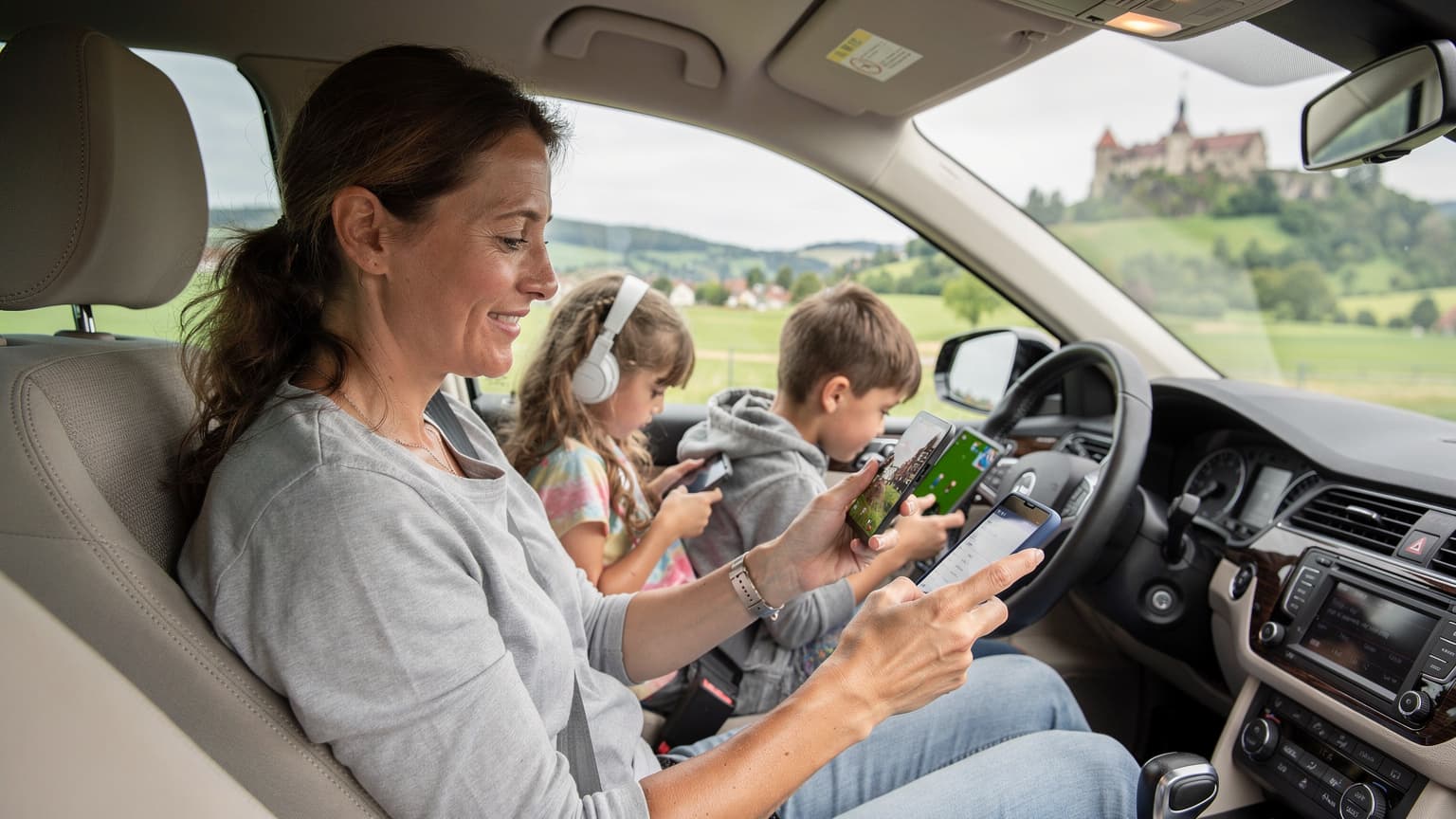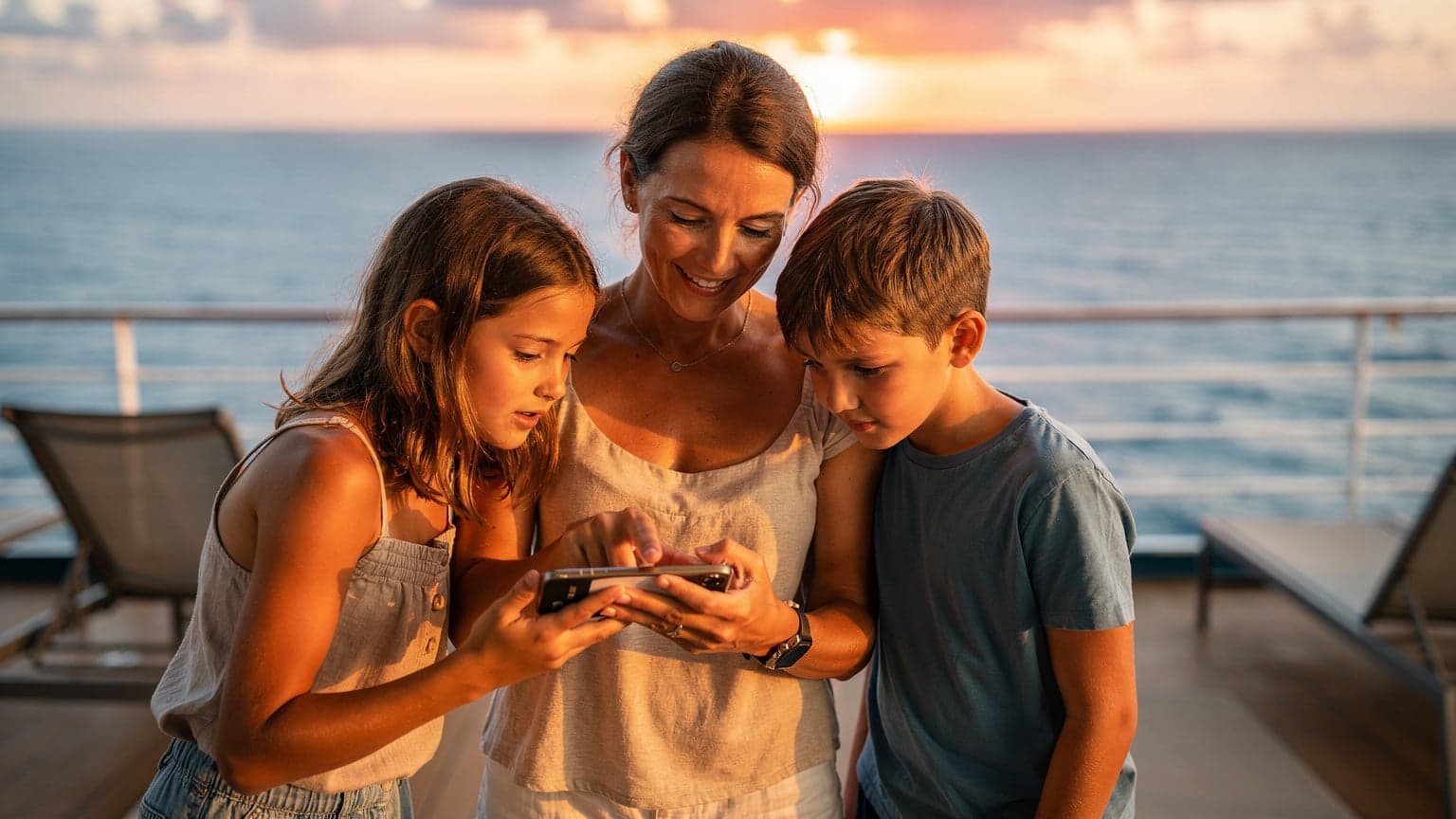
As a content creator in the travel space, you can actually make real money from affiliate programs - anywhere from a few hundred bucks to over $10,000 a month. It all depends on how big your audience is, what niche you’re in, and how smart you are with your promotions. For parents like us, this income isn't just a bonus; it can seriously help offset the costs of family trips.
Understanding the Travel Affiliate Landscape
Stepping into travel affiliate marketing as a parent traveler can feel a lot like trying to find your gate in a massive, unfamiliar airport. But once you figure out the layout, it's incredibly rewarding. Affiliate marketing basically means you earn a commission when you promote another company's products or services. If someone clicks your special link and buys something, you get a cut of that sale. For us, this means our family adventures can actually help pay for themselves.
Think about all the recommendations you already give out in your parent travel groups: the best double stroller for Disney, that perfect travel-sized sunscreen for sensitive skin. With affiliate marketing, those recommendations can actually put money in your pocket. The travel industry is huge. It covers everything from flights and hotels to tours, insurance, and even those crucial data plans that keep the kids from asking "Are we there yet?" every five minutes (because their show buffered).
The real secret here is authenticity. Your audience, especially other parents, trusts your honest experiences and genuine reviews. They know you won't recommend a hotel that claims to be "family-friendly" but only offers a sad little crib, or a data plan that leaves you scrambling for Wi-Fi when your 10-year-old needs to stream Disney+. Building that trust is everything, and it's what makes your affiliate links valuable.
Types of Travel Affiliate Programs for Families
There's an affiliate program for pretty much every part of family travel. Here are some of the big ones:
- Accommodation Booking Sites: Companies like Booking.com, Expedia, and Hotels.com pay commissions on hotel, resort, and vacation rental bookings. For families, recommending places with kids' clubs, multiple pools, or big suites is a smart move.
- Flight Aggregators: Skyscanner, Kayak, and Google Flights are good examples. While direct flight commissions are usually tiny or non-existent, some aggregators will pay if someone books other services, like car rentals, through their platform.
- Travel Gear & Essentials: Amazon Associates is a huge player here. You can link to everything from kid-friendly noise-canceling headphones to portable chargers. Many specialty retailers for travel strollers or car seats also have their own programs.
- Tour & Activity Providers: GetYourGuide, Viator, and Klook are great for recommending family-friendly excursions, skip-the-line passes for popular spots, or even private tours designed for kids. I always look for those "kid-approved" labels.
- Travel Insurance: World Nomads and SafetyWing are key for any family trip, giving parents peace of mind. Commissions are often quite good because the policies are more expensive.
- Connectivity Solutions: This is a big one for parents. Companies offering eSIMs, portable Wi-Fi devices, or international roaming packages. Keeping everyone connected, whether for navigation or managing screen time, is non-negotiable for my family.
How Much Can You Realistically Earn?
Let's get down to brass tacks. While travel affiliate programs offer real earning potential, it's not a quick rich scheme. It takes consistent effort, a genuine audience, and a smart strategy. I've seen fellow parent bloggers earn a few hundred dollars a month (enough for a nice family dinner out) to five figures, which essentially funds their next big adventure.
Your actual earnings will depend on a few things:
- Audience Size & Engagement: A smaller, super-engaged audience that truly trusts your recommendations can often bring in more money than a huge, unengaged one. If people know you for finding the best family-friendly resorts, your word carries weight.
- Niche: Super specific niches, like "eco-friendly family travel to Scandinavia" or "accessible travel with kids," often have higher conversion rates. Your audience is already looking for those exact solutions.
- Commission Rates: These vary wildly. Flights might be 1-2%, while tours, insurance, or certain tech products can be 10-20%. Higher-priced items or services with recurring subscriptions usually offer better commissions.
- Conversion Rate: This is the percentage of people who click your link and then actually buy something. Good, authentic content leads to better conversions.
- Cookie Duration: This is how long a tiny piece of data (a "cookie") stays on a user's browser after they click your link. If they buy within that time (say, 30 days), you still get credit. Longer cookie durations are generally better.
For example, if you recommend a family resort that costs $2,000 for a week, and the commission is 5%, you'd earn $100 per booking. If you recommend that to 10 families in a month, you're looking at $1,000. Add in commissions from car rentals, travel insurance, and eSIMs, and it really starts adding up. The main thing is to provide value and solve problems for your audience.
| Affiliate Program Type | Typical Commission Rate | Average Cookie Duration | Earning Potential (Monthly) |
|---|---|---|---|
| Flight Aggregators | 1-3% (often per lead, not sale) | 24-72 hours | $50 - $500 |
| Hotel Booking Sites | 3-10% of booking value | 7-30 days | $200 - $2,000+ |
| Travel Gear & Products | 4-10% of product price | 24-30 days | $100 - $1,500 |
| Tours & Activities | 5-15% of booking value | 30-90 days | $300 - $3,000+ |
| Travel Insurance | 10-20% of policy premium | 30-120 days | $150 - $1,000 |
| eSIMs & Connectivity | 10-25% of plan cost | 30-90 days | $100 - $1,500 |
Choosing the Right Affiliate Programs for Family Travelers
This is where you need to put on your detective hat. Not all programs are created equal, especially when your reputation with other parents is on the line. I always pick programs that fit my family's travel style and values, offering products I'd genuinely use and recommend to my friends. I mean, who wants to recommend a dodgy car rental company that left you stranded at Heathrow with two overtired kids?
Here's what I look at when checking out potential affiliate partners:
- Relevance to Your Niche: Does the product or service actually help your audience? For me, that means things like strong data plans for multiple devices, kid-friendly hotels, or activities that suit different age groups.
- Commission Structure: Look for good commission rates and clear payment terms. Is it a percentage of the sale or a flat fee? Are there different tiers based on how much you sell?
- Cookie Duration: As I mentioned, longer is always better. A 30-day cookie gives your audience time to decide without you losing credit.
- Payout Methods & Thresholds: How do they pay? PayPal, Wise, or direct bank transfer? What's the minimum amount you need to earn before they pay you? You don't want your hard-earned cash stuck because you haven't hit a $500 threshold.
- Brand Reputation & Customer Service: This is crucial. If your audience has a bad experience with a company you recommended, it makes you look bad. Stick to reputable brands known for good customer support.
- Reporting & Dashboard: A clear, easy-to-use dashboard that shows you clicks, conversions, and earnings is essential for figuring out what's working.
One program that consistently stands out, especially for family travelers, is the Cellesim Affiliate Program. They offer a generous 20% cash commission per sale, which is fantastic. Payouts are real cash, not store credit, via PayPal, Wise, or bank transfer, and they have a solid 30-day tracking cookie. Plus, their self-serve dashboard makes monitoring your performance super easy. It's a natural fit for me because reliable connectivity is paramount when traveling with kids, especially when you need to track them in a crowded theme park, or they're FaceTiming grandparents. I once had a meltdown situation at Disney World because the local SIM card I'd bought didn't have enough data for the park app and a quick cartoon stream. Never again.
Maximizing Your Commissions with Smart Strategies
You can't just drop a link and hope for the best. To really boost your earnings, you need a thoughtful, integrated approach. Think of yourself as a trusted friend giving advice, not just a salesperson.
Content is King for Conversions
Your content is your most powerful tool. Here's how to make it work harder for your family's travel fund:
- Authentic Reviews & Personal Stories: Share your real experiences. Did that particular Airbnb have an amazing playground for the kids? Did the eSIM from Cellesim provide flawless data for two iPads streaming Disney+ simultaneously in a remote part of Brazil? (Yes, it did, thankfully, saving my sanity on a long bus ride.) Your audience wants to hear the good, the bad, and how you solved problems.
- Comprehensive Guides: Create detailed guides like "The Ultimate Packing List for Toddlers in Europe" or "How to Keep Teens Entertained on Long-Haul Flights." Naturally weave in affiliate product recommendations where they truly fit. For example, in a guide about Brazil Travel Safety 2026, you could recommend specific travel insurance or an eSIM for reliable emergency communication.
- Comparison Posts: "X vs. Y for Family Travel" posts do incredibly well. Compare two child carriers, two hotel booking sites, or even two different eSIM providers, pointing out the pros and cons from a parent's perspective.
- Problem/Solution Content: Address common struggles. "How to Avoid Data Roaming Fees with Kids' Devices Abroad" or "Keeping Kids Connected on a Cruise Ship." These are perfect opportunities to offer affiliate solutions.
Strategic Placement and Calls to Action
Where and how you place your links matters a lot.
- Contextual Links: Put links naturally within your content, not just at the end. If you're talking about how a specific stroller saved your trip, link to it right there.
- Dedicated Resource Pages: Create a "Shop My Travel Favorites" or "Family Travel Essentials" page on your blog or social media. This is a one-stop shop for all your recommendations.
- Clear Calls to Action (CTAs): Don't just assume people will click. Use phrases like, "Grab your Cellesim eSIM here for seamless connectivity on your next trip," or "Check prices for this family-friendly hotel."
- Visual Cues: Use buttons, bold text, or even short videos to highlight your affiliate recommendations.
Leveraging Different Platforms
Don't stick to just one platform. Your audience might be everywhere:
- Blog/Website: This is your home base for long-form content, detailed reviews, and resource pages. Check out Mastering the Travel Blog: Earning Income in 2026 with Smart Strategies for more tips.
- Social Media (Instagram, TikTok, Facebook): Use stories, reels, and posts to show products in action. Link directly in bios, stories (swipe-up), or dedicated "link in bio" tools. For ideas, read Monetize Instagram Travel 2026: Real Cash, No Fluff.
- YouTube: Make video reviews, travel vlogs, and how-to guides. Put affiliate links in your video descriptions. See Monetizing Your Travel YouTube Channel in 2026: A Network Engineer's Playbook for expert advice.
- Email Newsletters: Your subscribers are often your most engaged audience. Share exclusive deals or your top recommendations with them.
Integrating Connectivity Solutions into Your Content
This is a topic I'm passionate about, as a parent who relies on stable internet for everything from mapping out a gelato shop to keeping little ones entertained during long waits. Connectivity isn't a luxury; it's a necessity, and it's a fantastic affiliate opportunity.
When I plan a trip, especially to a new country like Japan, I always think about how I'm going to manage data for my whole crew. My kids, bless their hearts, treat their iPads like extensions of their bodies. Keeping them connected means pre-loading apps like Duolingo Kids, Toca Life World, and educational YouTube videos before we even leave home. But what happens when they want to stream something new, or when I need Google Maps to find the nearest public restroom in a pinch? That's where a reliable eSIM comes in. I love that I can set parental controls like screen time limits directly on their devices, and those controls still work perfectly even when they're using the eSIM's data.
Many parents worry about huge roaming charges, limited Wi-Fi in hotels (which, let's be honest, often barely works), or the headache of finding a local SIM card in a foreign country. This is where you, as an affiliate, can be a hero by recommending an eSIM affiliate program that solves these problems. I've personally tested Cellesim's performance against traditional roaming options from providers like Verizon and AT&T, and the difference in speed and latency is noticeable, especially when you have two kids trying to stream different shows. The last thing you want is buffering during a critical scene in 'Bluey'.
Showcasing eSIM Benefits for Families
Here are some ways to naturally include eSIM recommendations:
- Pre-Trip Planning Guides: Add a section on "Staying Connected Abroad" where you explain why eSIMs are better than traditional roaming or physical SIM cards, especially for managing multiple devices.
- Destination-Specific Posts: A post like "Essential Tech for a Family Trip to Paris" could highlight how an eSIM provides flawless navigation and communication when exploring the Louvre or Eiffel Tower.
- Problem-Solving Scenarios: Share stories about how an eSIM saved the day. For example, having enough data to call an Uber when your child unexpectedly gets sick at a restaurant in Rome, or using offline maps that update with live traffic data.
- Cost Comparison: Create a table comparing the cost of a Cellesim plan for a family (say, a 100GB plan for two kids streaming and two parents browsing) versus the "International Day Pass" from a major carrier. The savings are often huge.
| Feature | Cellesim (Example 100GB Plan) | Major Carrier 'International Day Pass' (e.g., Verizon/AT&T) |
|---|---|---|
| Data Allowance | 100 GB (shared) | Typically uses domestic plan allowance, subject to daily fee |
| Cost for 14 Days (approx.) | $60-$80 (one-time purchase) | $10-$15 per day per line, per country (e.g., 4 lines x $10 x 14 days = $560) |
| Multi-Device Sharing | Yes, via hotspot (check device compatibility) | Each line requires separate day pass |
| Parental Control Integration | Works seamlessly with existing device-level controls (e.g., iOS Screen Time, Google Family Link) | Works seamlessly with existing device-level controls |
| Setup Time | 2-5 minutes via QR code | Automatic (if enabled) |
| Flexibility | Buy data as needed, switch plans easily | Tied to existing carrier plan |
Remember those times you desperately needed to look up museum hours or find a specific restaurant, and the hotel Wi-Fi was either non-existent or painfully slow? With an eSIM, those worries disappear. I've even used my phone's hotspot with a Cellesim eSIM to connect my kids' Nintendo Switch to play Animal Crossing online in a cafe in Lisbon, keeping them happy while I enjoyed a much-needed espresso. eSIM Japan is a great example of where this kind of connectivity really shines, whether you're navigating the complex transit system or finding specific shops in Shibuya.
Tracking Your Success and Optimizing for Growth
Once you've got your affiliate strategy going, the next step is to track your performance and keep optimizing. This isn't a "set it and forget it" kind of thing. Just like you'd adjust your itinerary after realizing your kids can't handle another museum, you need to adjust your affiliate approach based on what's working and what isn't.
Using Affiliate Dashboards
Most good affiliate programs, like Cellesim, give you a self-serve dashboard. This is your command center. Here are the key things to watch:
- Clicks: How many people are clicking your links? Lots of clicks but few sales might mean your content is engaging, but the product isn't quite right for your audience, or the landing page isn't converting well.
- Conversions: How many of those clicks turned into actual sales? This is the most important number. A low conversion rate could mean the product doesn't match your audience's needs, or your call to action isn't clear enough.
- Earnings: How much commission are you making? Track this over time to spot trends and peak earning periods.
- Referral Sources: Where are your clicks coming from? Your blog? Instagram? Your email newsletter? This helps you understand which platforms are most effective for different promotions.
Strategies for Optimization
Based on your tracking, here's how to improve your approach:
- A/B Test Your CTAs: Try different phrases or button designs to see which ones get more clicks and sales. For example, "Get Your eSIM Now" versus "Ensure Seamless Family Connectivity."
- Refine Your Content: If a blog post gets a lot of traffic but few sales, can you make the recommendation clearer? Add more compelling reasons why it's a good fit for families?
- Diversify Your Promotions: Don't put all your eggs in one basket. If one product isn't performing, try promoting another, or try a different angle for the same product.
- Engage with Your Audience: Ask them what travel products or services they struggle with. Their feedback is gold for finding new affiliate opportunities. My Facebook group is a goldmine for this, trust me.
- Stay Up-to-Date: Travel trends, product offerings, and affiliate program terms can change. Regularly check your recommendations to make sure they're still relevant and accurate.
Common Pitfalls to Avoid in Travel Affiliate Marketing
While the rewards are great, there are definitely some traps to avoid. Trust me, I've learned a few of these the hard way, like the time I almost recommended a hotel that was *not* walking distance to the metro with a stroller and two tired kids (a huge mistake!).
- Lack of Disclosure: Always, always say that you are using affiliate links. It's not just good practice; it's legally required in many places (like FTC guidelines in the US). Transparency builds trust.
- Over-Promotion: Don't bombard your audience with too many links. Every recommendation should feel natural and genuinely helpful. If every other sentence has an affiliate link, it just sounds like a sales pitch.
- Promoting Irrelevant Products: Only recommend products or services that truly fit your content and your audience's needs. For family travel, pushing luxury couple's resorts when your audience is looking for budget-friendly options with childcare is a recipe for disaster.
- Ignoring Analytics: If you're not tracking your performance, you won't know what's working and what's wasting your time. Use that dashboard!
- Chasing High Commissions Over Value: A program with a 50% commission rate sounds amazing, but if the product is terrible, your reputation will suffer. Prioritize quality and relevance first.
- Relying on a Single Program: Spread your affiliate income around. If one program changes its terms or closes, you don't want your entire income stream to disappear.
Case Study: A Parent's Perspective
Let me tell you about Sarah, a mom of two who runs a successful blog called 'Wanderlust & Wipes'. Sarah focuses on adventure travel with young children, highlighting outdoor activities and educational experiences. She consistently earns around $3,000-$4,000 a month from affiliate marketing, which significantly helps her family's travel budget.
Here's how she does it:
- Content Focus: Sarah creates detailed blog posts like "Hiking the Dolomites with a Toddler: Gear & Tips" and "Best RV Parks for Families in the Southwest." She even has a popular post dedicated to common travel FAQs that she answers, embedding links to relevant products.
- Key Affiliate Partners: She partners with outdoor gear retailers (like Osprey for child carriers, REI for hiking boots), RV rental companies, and, importantly, eSIM providers like Cellesim.
- Cellesim Integration: In her post "Staying Connected Off-Grid: Why Your Family Needs an eSIM," she shared her personal story of using Cellesim's strong data plan to let her older child attend a virtual tutoring session from their RV in a national park. She emphasized how it provided enough data for both kids to stream their favorite shows during downtime, preventing arguments and giving the parents some much-needed quiet time (a rare thing!). The post specifically mentioned a 50GB regional plan that easily covered a family of four's needs for two weeks, including a data plan sized for two kids streaming Disney+.
- Results: Her honest review and practical examples led to consistent sales of Cellesim eSIMs, making up a significant part of her monthly affiliate income, often around $500-$700 just from connectivity solutions. Her audience, seeing the real-world benefit of keeping kids' devices connected without huge roaming bills, trusted her recommendations. She also highlighted parental-control features that worked on the eSIM line, a huge draw for her demographic.
Sarah's success shows the power of being authentic and truly understanding what other parents need. She wasn't just selling; she was solving problems for other families, making their travel experiences smoother and more enjoyable.
Future Trends in Travel Affiliate Marketing
The travel industry, and with it, travel affiliate marketing, is always changing. Staying ahead means knowing where things are going. For us family travel planners, this means paying attention to how technology and shifting travel habits will impact our opportunities.
- Hyper-Personalization: AI is making content even more customized. As affiliates, this means focusing on even more specific niches and giving truly tailored recommendations. Think "eSIMs for families with special needs traveling to Scandinavia" instead of just "eSIMs for Europe."
- Video-First Content: Video platforms like TikTok and YouTube will continue to grow. Learning to create engaging video content that subtly includes affiliate links will be key. Short, easy-to-digest videos showing products in action, like "How I Installed My Cellesim eSIM in 2 Minutes" or "Our Kids' Favorite Travel Apps That Work Offline," will do really well.
- Sustainability & Ethical Travel: More families are looking for ways to travel responsibly. Programs that align with sustainable tourism, eco-friendly gear, or support local communities will really resonate.
- Digital Nomads & Remote Work Families: More families are traveling long-term while working remotely. This creates new affiliate opportunities for co-working spaces, long-stay accommodations, and robust global connectivity solutions. Digital Nomad Affiliate Programs 2026: Real Payouts for Savvy Travelers offers more insights.
- Augmented Reality (AR) Experiences: Imagine being able to