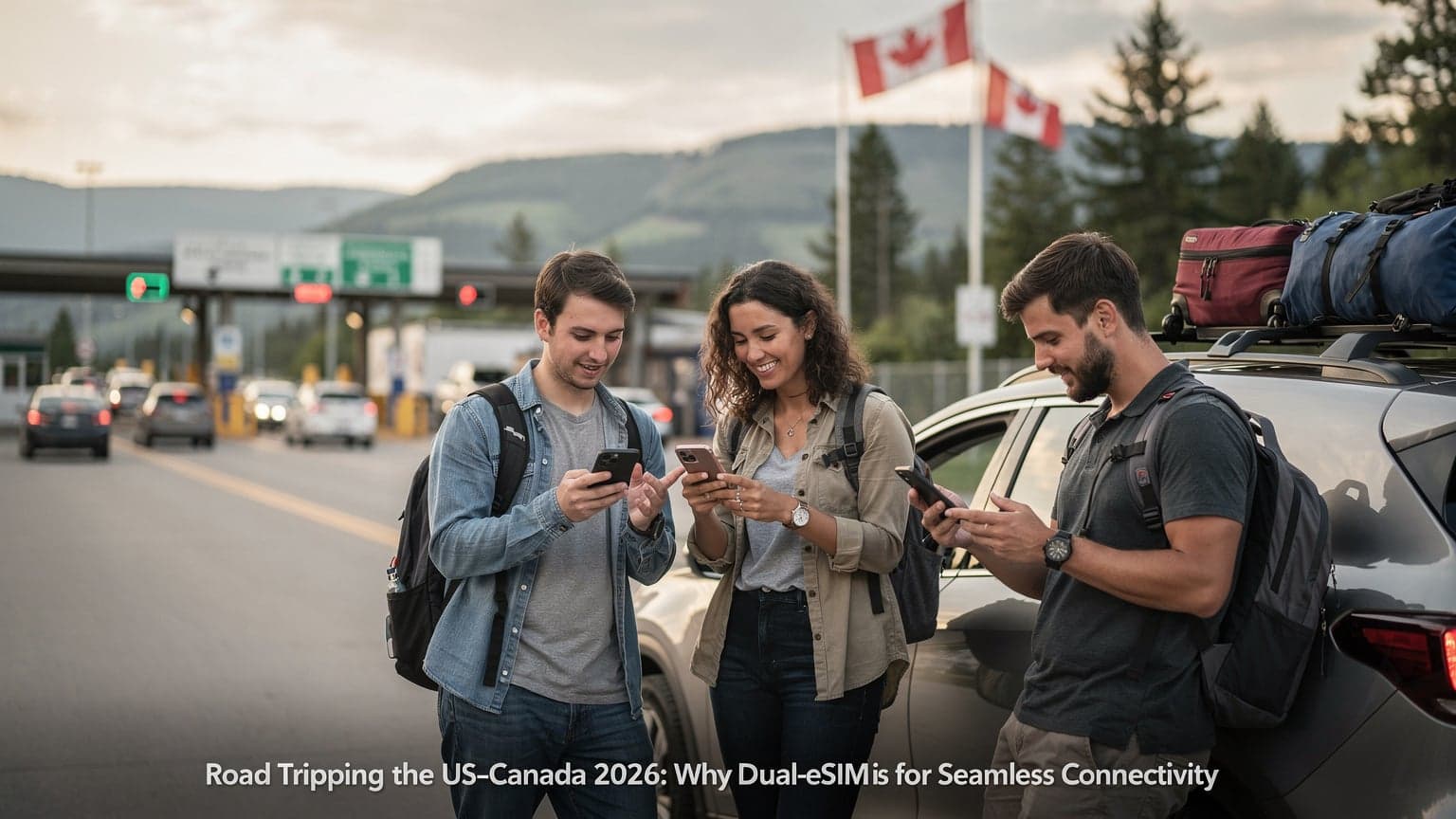
Why eSIMs Are the Student Traveler's Best Friend
If you're a student heading off on a study abroad program or a gap year in 2026, dealing with your phone connection probably isn't high on your prep list. But trust me, it's a big deal. Your home carrier's roaming plans are famously expensive; that quick video call to family can turn into a serious bill. And while local physical SIM cards are cheaper, they're a hassle to get, especially if you're only staying a short time or hopping between countries.
That's why eSIMs are perfect for students. An eSIM is basically a digital SIM. It lets you activate a cellular plan without needing to swap out a physical plastic card. Your phone's built-in hardware handles everything, making it all software-based.
Think of it this way: your phone already has the tech inside; the eSIM is just a profile you download to it. So, if you're landing in Barcelona for a semester at the Universitat de Barcelona, you can have data working before you even step off the plane at El Prat airport. No fumbling with tiny cards, no searching for a phone store, and definitely no struggling through a language barrier when all you want to do is open Google Maps.
| Feature | Traditional Roaming | Local Physical SIM | Cellesim eSIM |
|---|---|---|---|
| Activation Ease | Automatic, but expensive | Requires physical purchase & insertion | Digital download via QR code |
| Cost Control | Unpredictable, high fees | Local rates, often good value | Prepaid, fixed costs, no surprises |
| Multi-Country Use | Expensive roaming zones | New SIM for each country | Regional/Global plans available |
| Keeping Home Number | Yes, primary line | No, requires dual-SIM phone | Yes, as secondary line |
| Troubleshooting | Home carrier support | Local carrier support | Provider support, often 24/7 |
Here's another great perk: you can keep your home phone number active. If your phone uses a physical SIM for your main number, that can stay in for calls and texts (just watch out for roaming charges on those). Your eSIM then takes care of all your data needs. This dual-SIM, dual-standby (DSDS) setup is super handy for students who need to connect with family or get two-factor authentication codes from their bank without racking up huge data roaming bills. For more tips on keeping your home connection working, check out our guide on AT&T eSIM for International Travel: Navigating Data Abroad with Family (2026).
The Flexibility of Regional and Global eSIM Plans
Many gap year students will travel through several countries, maybe backpacking across Southeast Asia or interrailing through Europe. This is exactly where regional or global eSIM plans really shine. Instead of buying a new local SIM in Thailand, then another in Vietnam, and another in Cambodia, you can get one regional eSIM that covers all of them. It makes things so much simpler and keeps you connected as you cross borders. I've personally used a pan-European eSIM that worked from Portugal to Poland, giving me consistent data even on fast trains. It's a huge step up from the old days of constantly swapping out multiple local SIMs.
Understanding Network Compatibility and Bands
Before you even think about buying an eSIM, you need to understand how mobile networks work in your destination. Not all phones are built the same, and networks use different frequencies. This is where knowing about carrier frequency bands comes in. These bands, like B7 (2600 MHz FDD LTE) or n78 (3500 MHz 5G NR), are the radio frequencies mobile networks use to send data.
For example, if you're studying in Japan, major carriers like NTT Docomo, au, and SoftBank use LTE bands B1, B3, B8, B18/19, B21, B28, and B42 a lot. For 5G, expect n77, n78, n79, and n257. If your phone mainly supports US bands like B2, B4, B12, and B17, you might find yourself with poor coverage or slow speeds, even if your phone is unlocked and eSIM-ready. Always compare your phone's specs with the common bands used by the main carriers in your host country. A quick Google search for "[country name] mobile network bands" will usually give you the info you need from sites like GSMArena or Wikipedia.

What About Device Locks and eSIMs?
This is a big one for students. If your phone is carrier-locked, it means it will only work with SIM cards (or eSIM profiles) from one specific mobile operator. Many phones bought on contract in the US, for instance, are locked to AT&T or T-Mobile until you've paid off the device or specifically requested an unlock. An eSIM will not get around a carrier lock. Before you travel, make sure your device is unlocked. You can usually check this by trying a SIM card from a different carrier in your home country, or by contacting your home carrier directly. If it's locked, you'll need to ask for an unlock code or go through an unlocking process with your current carrier. For T-Mobile users, our guide on T-Mobile eSIM QR Code: Your Global Connectivity Hack for 2026 has some helpful info.
Checking eSIM Compatibility on Your Device
Most newer smartphones (iPhone XS/XR and up, Samsung Galaxy S20 and up, Google Pixel 3 and up) support eSIMs. However, some specific models, especially those sold in China, Hong Kong, and Macau, might not have eSIM functionality at all, or they might only support two physical SIMs. It's always best to check your phone's settings: for iOS, go to Settings > Cellular > Add eSIM; for Android, look for "eSIM" or "Add mobile plan" in settings. If you don't see these options, your device might not be eSIM compatible. Don't wait until you're abroad to find this out.
Speed Expectations: Real-World Performance Abroad
When you're trying to upload a research paper, stream a lecture, or just video call home, having reliable data speeds is essential. Those "up to X Gbps" speeds you see advertised are usually theoretical maximums under perfect lab conditions. In the real world, your speed depends on a few things: how busy the network is, how far you are from the cell tower, the local spectrum allocation (like how much bandwidth is on B7 versus B20), and even your phone's modem quality.
In big European cities like London or Paris, you can generally expect LTE download speeds averaging 40-80 Mbps, with uploads around 10-25 Mbps on bands like B3 (1800 MHz) or B7 (2600 MHz). In rural areas, this might drop quite a bit to 5-15 Mbps down. 5G, if available, can push downloads to 200-500 Mbps, especially on mid-band (n78, n77) frequencies, but outside of major cities, coverage can still be patchy. For instance, I've seen 5G speeds from TIM in central Rome hit 350 Mbps down (on n78), but just a few kilometers outside the city, it dropped to LTE at 30 Mbps.
The Impact of Carrier Aggregation
One key technology that affects your data speeds is Carrier Aggregation (CA). This lets your device use multiple frequency bands at the same time to increase bandwidth. For example, your phone might connect to both B3 and B7 simultaneously, essentially doubling its theoretical speed capacity. If a carrier in your study destination uses CA widely on its LTE network, you'll probably get much better speeds and a more stable connection. Not all networks (or phones) support all possible CA combinations, so a newer phone with a more advanced modem (like a Snapdragon X65 or Apple's latest A-series chip) will usually perform better.
APN Settings and Edge Cases
Most eSIMs should set up their Access Point Name (APN) settings automatically. The APN is basically the bridge between the mobile network and the wider internet. However, I've seen some phone models, especially older Androids or those with custom ROMs, sometimes fail to auto-configure. If your eSIM activates but you don't have data, checking the APN settings is always the first thing to do. You'll usually find this under Settings > Network & Internet > Mobile network > Access Point Names. Your eSIM provider should give you the correct APN to type in if you need to do it manually. APN problems often pop up with certain Huawei or Xiaomi phones when using a multi-country eSIM that uses different carrier backends.
Voice/WiFi and VoLTE: The Calling Gotchas
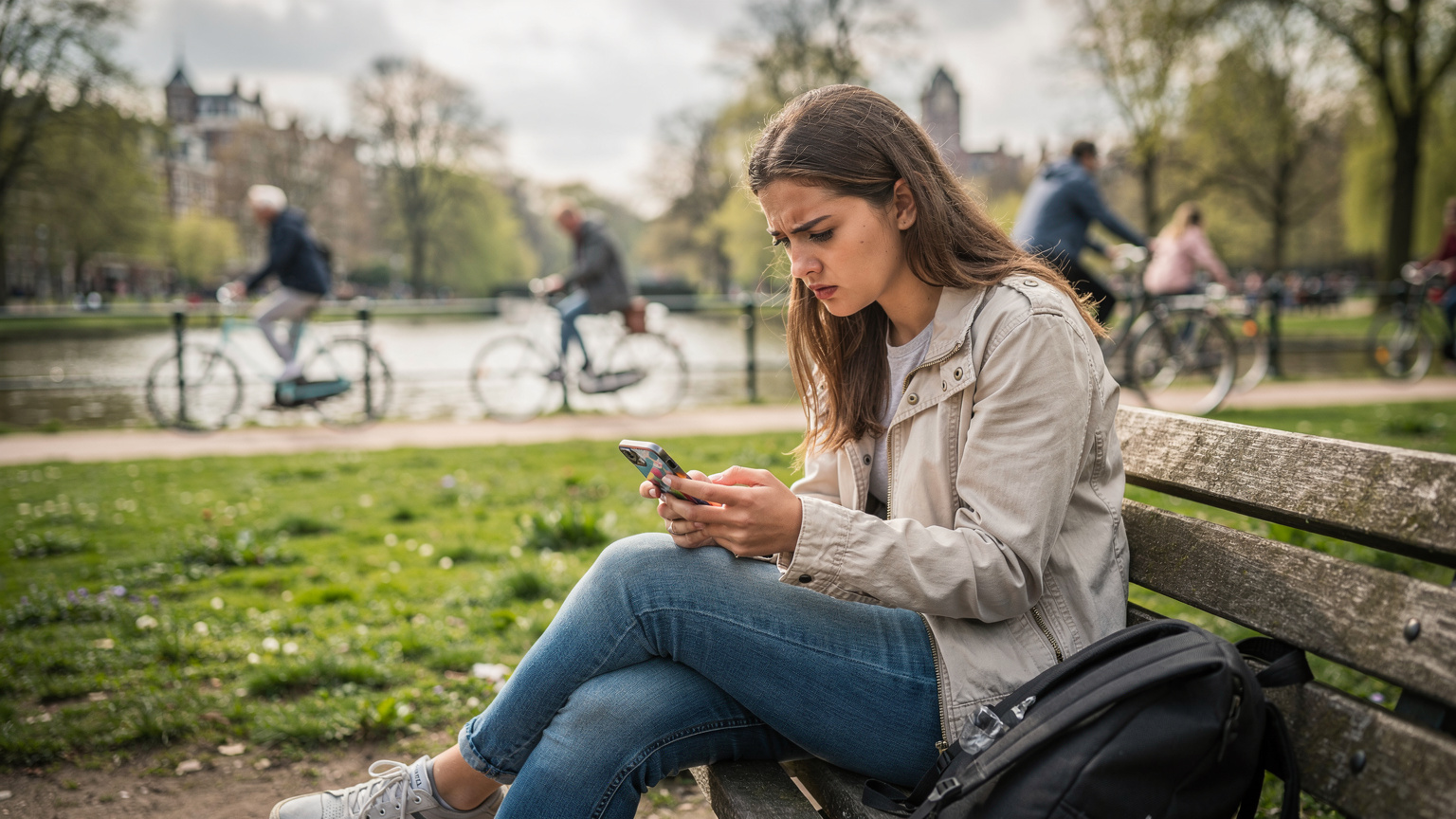
While eSIMs are fantastic for data, voice calls can be a little trickier. Many eSIMs, especially data-only plans, don't inherently support traditional phone calls (the kind that use circuit-switched networks). This means you might not be able to dial a regular phone number directly from your eSIM line.
But for most students, this isn't usually an issue. Most communication these days happens through data apps like WhatsApp, FaceTime, Messenger, or Zoom. If you absolutely need to make traditional calls, you'll either use your home number (which means roaming charges) or use internet-based calling services like Google Voice, Skype, or local VoIP apps over your eSIM data. The latter is generally cheaper.
Understanding VoLTE and VoWiFi
VoLTE (Voice over LTE) lets voice calls happen over the 4G LTE data network. This usually means clearer calls and you can use data at the same time. VoWiFi (Voice over WiFi), or WiFi Calling, means you can make and get calls using a Wi-Fi connection, which is great when your cell signal is weak or nonexistent. Both of these need to be supported by your carrier and your device.
The catch is that while your home carrier likely supports VoLTE/VoWiFi, many international eSIM providers, especially those offering cheap data-only plans, might not offer VoLTE on their eSIM profiles. This means if you're in an area with only 2G/3G coverage (which is getting rare but still exists), you might not be able to make calls from your home number if your phone is set to prioritize the eSIM's LTE data. If you really need traditional calling on your home number, make sure your home carrier's roaming is enabled for voice calls, or just stick to apps over your eSIM's data. For long trips, you might even consider getting a local physical SIM for traditional calls and using your eSIM for data, creating a dual-SIM setup.
Data Management Strategies for the Budget-Conscious Student
Students often have to stick to a budget. Managing your data efficiently is crucial to avoid unexpected costs and ensure you're always connected when you need to be. Here are some strategies:
- Check Data Usage Often: Don't wait for an alert. Look at your phone's settings (Settings > Cellular/Mobile Data for iOS, Settings > Network & internet > Mobile network for Android) to see which apps are using the most data.
- Use Wi-Fi Whenever Possible: Universities, cafes, libraries, and hostels almost always have free Wi-Fi. Make it a habit to connect. This is especially important for big downloads, software updates, or streaming high-definition content.
- Download Content Offline: Before you head out, download maps (Google Maps, HERE WeGo), music (Spotify, Apple Music), podcasts, and even Netflix/Disney+ shows over Wi-Fi. This saves a lot of data while you're commuting or exploring.
- Turn Off Background App Refresh: Many apps update content in the background, quietly using data. Turn this off for apps you don't need constantly refreshing.
- Use Data Saver Mode: Both iOS and Android have a "Data Saver" or "Low Data Mode" that limits background data and reduces streaming quality. Turn it on!
| Activity | Typical Data Usage (per hour) | Recommendation for Students |
|---|---|---|
| Video Streaming (SD) | 0.7 GB | Use Wi-Fi, download offline |
| Video Streaming (HD) | 3 GB+ | Strictly Wi-Fi only |
| Video Calls (SD) | 0.3-0.5 GB | Moderate use, prioritize Wi-Fi |
| Music Streaming | 0.05-0.15 GB | Download playlists, stream at lower quality |
| Social Media Browsing | 0.1-0.2 GB | Monitor usage, avoid autoplay videos |
| Navigation (Maps) | 0.005-0.01 GB | Very low, but download offline maps for peace of mind |
| Email/Messaging | Negligible | Always safe to use |
Knowing your data habits and adjusting them is really important. A 5GB plan might last a month for someone who just checks emails, but a heavy streamer could use it up in a single day. Choose your plan wisely and adapt your habits accordingly.
The CGNAT and IPv6-Only Nuances
Some eSIM providers, especially budget-friendly ones, might use Carrier-Grade Network Address Translation (CGNAT) or give you an IPv6-only address with NAT64/DNS64 for IPv4 access. While this generally works fine for most browsing and common apps, it can cause problems for specific things like port forwarding (which you probably won't need) or connecting to older VPN services that don't support IPv6. It's a small technical detail, but if you're planning to, say, host a game server from your laptop using your eSIM (not something I'd recommend), or connect to an older university VPN that's IPv4-only, be aware that CGNAT or IPv6-only could cause connectivity issues. Most modern apps and services are IPv6-compatible, so for the vast majority of students, this won't be a problem.
Activation and Troubleshooting: Your eSIM Setup
Activating an eSIM is usually straightforward, but knowing the exact steps and what to watch out for can save you a lot of frustration. Most Cellesim eSIMs activate using a QR code or by manual entry.
Step-by-Step eSIM Activation via QR Code
This is the most common and easiest way to do it:
- Buy Your eSIM: Pick the plan you want for your destination (like eSIM France if you're off to Paris) and buy it on the Cellesim website. You'll get an email with your QR code and activation instructions.
- Get on Wi-Fi: Before you try to activate, connect your phone to a solid Wi-Fi network. Your phone needs this to download the eSIM profile.
- Find eSIM Settings:
- iPhone: Go to Settings > Cellular > Add eSIM > Use QR Code.
- Android: Go to Settings > Network & internet > SIMs > + Add more > Download an eSIM.
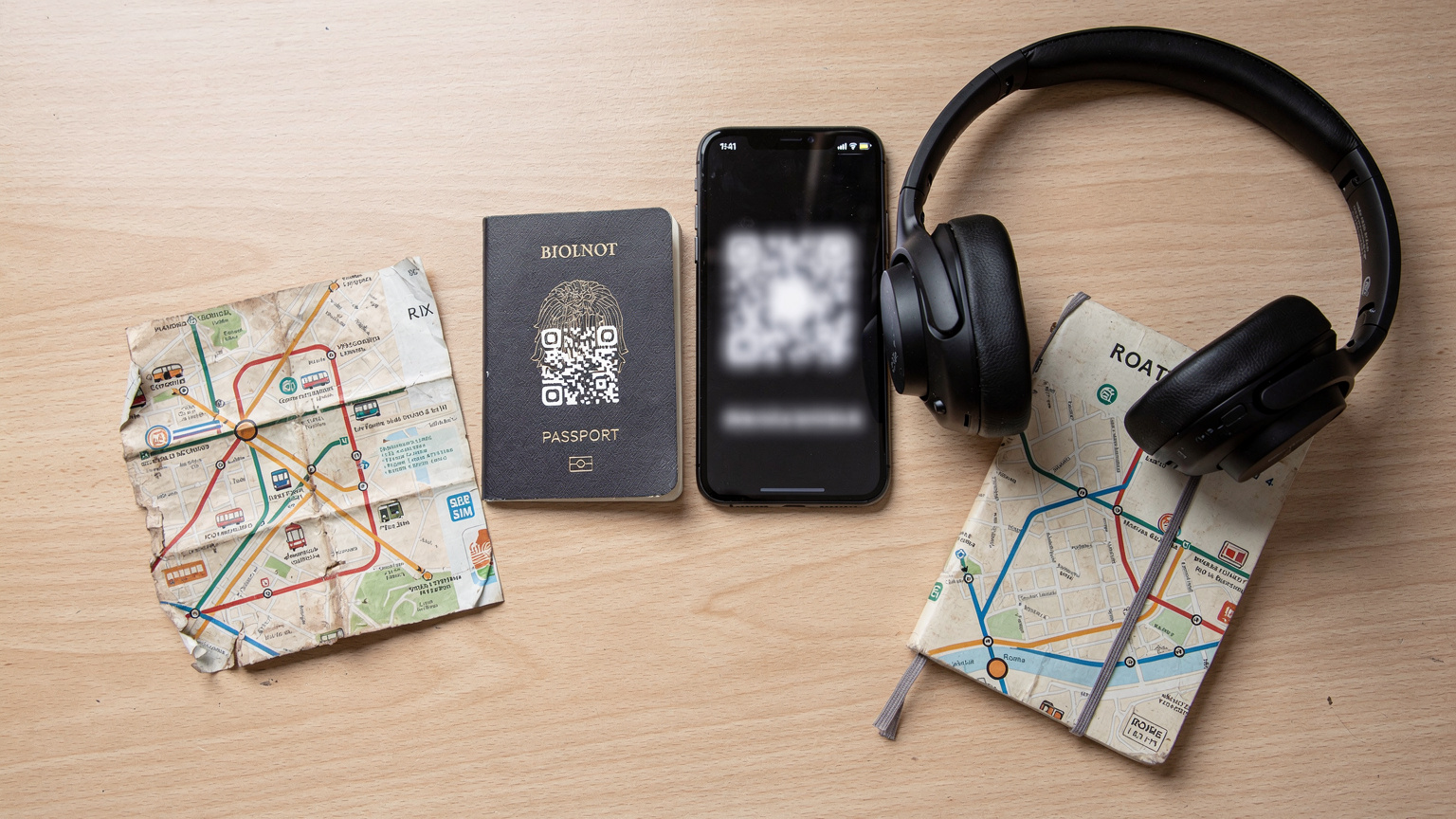
- Scan the QR Code: Use your phone's camera to scan the QR code from your purchase email. Make sure it's well-lit and in focus. If you're scanning from the same device you're activating, you'll need another device (like a laptop or another phone) to display the QR code.
- Follow the Prompts: Your phone will guide you through adding the cellular plan. You might need to name the new eSIM (like "France Data" or "Study Abroad"), choose it as your primary line for data, and decide if you want to keep your home number for calls/texts.
- Confirm Activation: Once installed, your phone should pick up the new network. Check your signal bars and try to browse a website (like Cellesim.com) to make sure your data is working.
Common Troubleshooting Tips for eSIM Issues
Even with good preparation, problems can pop up. Here's a quick checklist:
- "No Service" or "Searching":
- Restart your phone: Often, just turning it off and on again fixes temporary network registration problems.
- Check APN settings: Manually compare the APN (Access Point Name) with what your eSIM provider gives you.
- Toggle Airplane Mode: Turn Airplane Mode on for 30 seconds, then off. This forces your phone to rescan for networks.
- Manual Network Selection: Go to your cellular settings, turn off automatic network selection, and try to connect manually to the partner networks listed for your eSIM.
- "eSIM Not Supported" Error:
- Device Compatibility: Double-check that your phone actually supports eSIMs.
- Carrier Lock: Make sure your phone is unlocked. This is a very common reason for this error.
- No Data, But Signal Present:
- Data Roaming: Ensure data roaming is turned on for your eSIM profile in your phone's settings. (This is for eSIMs, it's different from roaming with your home carrier.)
- APN Settings: Check the APN again.
- Data Limit Reached: See if you've used all your data.
- Activation QR Code Problems:
- Lighting: Make sure the QR code is bright and clear, not blurry or pixelated.
- Zoom: Try zooming in or out slightly when scanning.
- Manual Entry: If the QR code doesn't work, use the manual entry details from Cellesim. You'll need the SM-DP+ Address and Activation Code, which you can find in your purchase confirmation email or Cellesim account. For detailed steps on finding your eSIM number, which is part of this process, refer to How to Find Your eSIM Number: Essential for Travel & Support in 2026.
Security Considerations for Mobile Data Abroad
When you're studying or traveling in a new country, your mobile data connection is more than just convenient, it's a lifeline. Keeping your data and privacy safe is incredibly important. Public Wi-Fi networks in cafes, airports, and hostels are handy, but they often don't have strong security, making them easy targets for snoopers. This is where your eSIM data connection gives you a big security boost.
Using your eSIM's cellular data connection is generally more secure than most public Wi-Fi. Your data is encrypted between your device and the cell tower, which makes it much harder for bad actors to intercept. For anything sensitive, like online banking, accessing university portals, or submitting personal info, always use your cellular data or a trusted VPN over public Wi-Fi. A good VPN (Virtual Private Network) adds another layer of encryption and can hide your IP address, giving you more privacy.
Protecting Your Digital Footprint
Remember that local laws can affect your digital footprint abroad. Always be mindful of what you're looking at or sharing online. Here are some quick tips:
- Strong Passwords: Use unique, complex passwords for all your online accounts.
- Two-Factor Authentication (2FA): Turn on 2FA whenever you can, especially for email, banking, and social media.
- Software Updates: Keep your phone's operating system and apps updated to fix any security weaknesses.
- Beware of Phishing: Be extra careful with suspicious emails or messages, especially those pretending to be from your bank, university, or a local authority.
eSIM for Your Laptop: A Gap Year Necessity
For many students, a laptop is just as crucial as a smartphone, especially for schoolwork, research, or just keeping up with friends and family. More and more modern laptops, particularly Windows models (think Surface Pro, Dell XPS 2-in-1, HP Spectre x360), now come with built-in eSIM support. This means your laptop can connect directly to the internet using cellular data, just like your phone. Look for features labeled "LTE Advanced" or "5G ready."
This is a game-changer for gap year students who might be working remotely, studying in different spots, or simply needing a reliable internet connection when Wi-Fi isn't around. Imagine finishing up a project on a scenic train ride through the Swiss Alps, or sending an application from a cafe in Kyoto without relying on spotty public Wi-Fi. An eSIM for your PC gives you that independent, secure, and always-on connection. It's truly your eSIM for PC: Your Laptop's Best Friend for Global Data in 2026.
Tethering vs. Dedicated Laptop eSIM
You might be thinking, "Why not just tether from my phone's eSIM?" While tethering (using your phone as a mobile hotspot) is definitely an option, a dedicated eSIM in your laptop offers several benefits:
- Battery Life: Tethering drains your phone's battery much faster. A dedicated laptop eSIM saves your phone's power for its main tasks.
- Performance: A laptop's internal modem is often designed for more consistent, higher-bandwidth data transfer than a phone's hotspot, leading to more stable speeds.
- Convenience: No need to remember to turn your phone's hotspot on or off. Your laptop is simply connected when you open it.
- Security: A direct cellular connection can be more secure than a Wi-Fi hotspot, especially if you're not careful with your hotspot's password and encryption.
Choosing the Right eSIM Plan for Your Destination
Picking the best eSIM plan means thinking carefully about your travel plans, how much data you'll need, and your budget. There's no single best option for everyone.
Country-Specific vs. Regional vs. Global Plans
- Country-Specific Plans: These are ideal if you're spending your entire study abroad program in just one country, like a semester in the UK or a year in Australia. They usually offer the best local prices and the most generous data for that specific area. For instance, if you're only studying in the UK, a UK-specific eSIM will likely save you money compared to a broader European plan.
- Regional Plans: Perfect for gap year adventurers or students who plan to travel a lot within one continent (e.g., Europe, Asia, North America). These cover multiple countries under one plan, making management easier. Think of a plan covering the Schengen Area if you're exploring Europe's lively cities.
- Global Plans: Best for truly extensive, multi-continental travel. While incredibly convenient, these plans can sometimes be a bit more expensive per gigabyte than highly localized options. They're great when you're visiting many different places, like combining a semester in London with a gap year journey through South America.
| Plan Type | Best For | Pros | Cons |
|---|---|---|---|
| Country-Specific | Single destination (e.g., semester in Spain) | Best value/GB, local optimized speeds | No coverage outside specific country |
| Regional | Multi-country travel within a continent (e.g., Europe tour) | Seamless border crossing, good value | Slightly higher cost/GB than local, limited to region |
| Global | Long-term, multi-continental gap year | Ultimate convenience, wide coverage | Highest cost/GB, may not be optimized for specific country performance |
Data Allowance and Validity Periods
Think about how much data you actually need. Are you streaming a lot, or just checking emails and maps? Cellesim has plans from 1GB for short trips to 20GB+ for longer stays. Also, pay close attention to how long the plan is valid. A 30-day plan works great for a month-long trip, but if your study abroad program is 90 days, you'll need a longer plan or be ready to buy multiple ones. For long-term stays, like a semester in Mexico City, a dedicated monthly plan might be cheaper, as we cover in our Mexico City Remote Work: Your Monthly eSIM Connectivity Guide 2026.
Long-Term eSIM Management for Extended Stays
For students on programs lasting several months to a year, managing your eSIM isn't just about setting it up. It's about keeping it optimized. You want to make sure you always have a connection without spending a fortune. Many eSIM providers let you top up your existing plan or buy new ones for longer periods. This is super helpful if your data needs change, or if you decide to take a mid-semester trip to a nearby country that wasn't covered by your first regional plan.
Renewing or Topping Up Your eSIM
Most Cellesim plans allow for easy top-ups or renewals right through your account. This process is usually as simple as picking your active eSIM and choosing to add more data or extend its validity. It saves you the hassle of installing a new profile every time. I've often seen students wait until the last minute to top up, then find themselves without data when they need it most (usually when trying to find their way home after a late-night study session). Set a calendar reminder a few days before your plan runs out or before you're low on data.
Considering a Hybrid Approach for Very Long Stays
If you're staying in one country for six months or more, a hybrid approach might be the most budget-friendly. You could use an eSIM for your arrival and the first few weeks to get settled. Once you have a local address, bank account, and a handle on the local language, you might consider getting a local physical SIM from a major carrier for a long-term contract or prepaid plan. This often gives you the best per-gigabyte value and includes local voice/SMS. Then, you can keep your eSIM as a backup or for data when you travel outside that main country. For example, a student in the UK might use a Cellesim UK eSIM initially, then switch to a local Vodafone or EE contract, keeping the eSIM ready for a weekend trip to France.
Frequently Asked Questions
Can I use my existing phone number with an international eSIM?
Yes, you can typically keep your existing phone number active on your primary physical SIM while using an international eSIM for data. This allows you to receive calls and texts to your home number, though roaming charges for those services will still apply if not using Wi-Fi Calling.
What if my phone is locked to my home carrier?
If your phone is carrier-locked, an eSIM from a different provider will not work. You must contact your home carrier and request that your phone be unlocked before you travel. This process can take a few days, so plan ahead.
How much data do students typically need for study abroad?
Data needs vary, but most students find 5-10GB per month sufficient for basic browsing, messaging, maps, and occasional streaming, especially if leveraging university Wi-Fi. Heavy streamers or those using their phone as a primary internet source might need 15-20GB or more.
Will my eSIM work for making calls and sending texts?
Most international eSIMs are primarily data-focused and may not include traditional voice call or SMS services. For calling, it's best to rely on internet-based apps like WhatsApp or FaceTime over your eSIM data, or use your home number's roaming for essential calls (with associated costs).
How do I top up my eSIM if I run out of data?
Cellesim offers easy top-up options directly through your account or purchase confirmation link. You can typically add more data or extend the validity of your existing eSIM plan online, without needing to reinstall a new profile.
Are eSIMs secure for sensitive activities like online banking?
Yes, using an eSIM's cellular data connection is generally more secure than connecting to unknown public Wi-Fi networks. Cellular data is encrypted between your device and the network. For maximum security, always use a VPN when accessing sensitive information.