Heading out of the U.S. in 2026? You'll definitely want to figure out your phone situation. T-Mobile, a big name back home, loves to talk up its international roaming. But for many travelers, what sounds good on paper can turn into a headache of slow speeds, surprising charges, and frustrating connections. This guide will break down T-Mobile's international roaming for 2026. We'll look at what works, what doesn't, and how a Cellesim eSIM might actually be a much better, cheaper, and smoother way to stay online when you're away from home.
- Understanding T-Mobile's International Roaming Policies in 2026
- T-Mobile International Data Pass Options and Costs
- Navigating T-Mobile International Roaming Charges
- T-Mobile International Coverage Map: Where to Expect Service
- The Reality of T-Mobile's 256kbps Throttled Speed Abroad
- Activating and Managing Your T-Mobile International Data Plan
- Alternative to T-Mobile Roaming: The Power of Cellesim eSIMs for Global Travel in 2026
- Comparison: T-Mobile International Pass vs. Cellesim eSIM
- Pro Tips for Avoiding High T-Mobile Roaming Costs
- Frequently Asked Questions
Understanding T-Mobile's International Roaming Policies in 2026
T-Mobile really prides itself on its international roaming benefits, and it's a big reason many U.S. customers choose them. For 2026, most Magenta, Go5G, and some older plans generally include international roaming in over 210 countries. That means you can use your phone for calls, texts, and data in these spots without paying extra per minute or per megabyte. But here's the catch: the "included" data speed is often very slow, usually capped at 256kbps (think 2G speeds) for most standard plans.
While this "free" roaming is fine for quick messages or emergencies, it's not going to cut it if you need fast, reliable internet for things like navigation, streaming, social media, or work. That 256kbps speed is a world away from the 4G LTE or 5G speeds you're used to at home. So, while T-Mobile offers a basic connection, you'll need to buy extra high-speed "T-Mobile international data pass" options for anything more demanding. It's important to think about whether "free" is truly useful when the speed is so restricted, especially if you're planning a trip to places where you'll rely on data, like exploring historical sites in Italy or navigating Tokyo's busy streets.
Before you head out on any international trip in 2026, always double-check your specific T-Mobile plan. What's included can change, and sometimes certain regions are excluded. The best move is to confirm your plan details directly with T-Mobile. That way, you'll know exactly what you're getting and what the limitations are, so there are no surprises with your connectivity overseas.
T-Mobile International Data Pass Options and Costs
If you need more speed than the standard 256kbps that comes with most plans, T-Mobile does offer "T-Mobile international data pass" options. These passes temporarily bump you up to 4G LTE or 5G speeds, depending on where you are and what your phone can handle. These "T-Mobile international pass" upgrades are good for those moments when you really need faster data, but they come at an extra cost that can pile up fast, especially for longer trips or if you're visiting several countries.
In 2026, you can expect "T-Mobile data pass international" options to look something like this:
- A daily pass: Often around $5 for 500MB of high-speed data for 24 hours.
- A multi-day pass: For instance, $35 for 10GB of high-speed data, valid for 10 days.
- A monthly pass: Possibly $50 for 15GB of high-speed data over 30 days.
Keep in mind, these prices and data amounts are just examples and could change with T-Mobile's official 2026 pricing. While these passes definitely give you a speed boost, you'll need to watch your data use carefully. If you burn through your high-speed data on a pass, you'll either go back to that slow 256kbps speed or have to buy another pass, which can make your total "T-Mobile international roaming charges" much higher.
For example, a two-week trip might require two 10GB/10-day passes, costing about $70, or even several daily passes if you only use data occasionally. It's smart to compare these costs with alternatives like Cellesim eSIMs, which often give you more data for your money over similar periods. Before buying a pass, think about how much data you'll actually need for things like video calls, social media, and maps. You can use a smart data calculator to help estimate your usage.
Navigating T-Mobile International Roaming Charges
Even with T-Mobile's "included" international roaming, travelers still need to be super careful about potential "T-Mobile international roaming charges" that can sneak up and hit your bill hard. The main culprits for unexpected costs are going over your free text and slow data limits, or making calls that aren't covered by your basic plan or any add-ons. While unlimited texting is usually part of the deal in supported countries, voice calls often aren't, or they come with a per-minute fee unless you've bought a specific calling add-on or have a premium plan.
For instance, calling non-U.S. numbers or getting calls from countries not on T-Mobile's "included" list while you're abroad can rack up charges. Even calls to U.S. numbers when roaming, though often included, might have limits depending on your plan. Plus, if you visit a country that's not on T-Mobile's extensive "T-Mobile 210 countries list," you'll almost certainly face standard pay-as-you-go international roaming rates. These can be incredibly expensive, easily hitting several dollars per minute for calls and tens of dollars per megabyte for data.
Another potential cost trap is premium rate numbers or specific local services, which are never part of roaming packages. Staying informed about your plan and actively managing your usage are your best bets to avoid unexpected "T-Mobile international roaming" costs. Keep an eye on your usage through the T-Mobile app or by calling customer service, especially if you're using a data pass, to make sure you don't accidentally overspend.
T-Mobile International Coverage Map: Where to Expect Service
T-Mobile boasts a huge "T-Mobile international coverage map," claiming service in over 210 countries and destinations globally. This big list means most popular travel spots in Europe, Asia, Latin America, and Oceania will likely have some kind of T-Mobile roaming. However, "coverage" doesn't always mean "great service." You might get network access in rural Cambodia or a busy market in Cairo, but the actual quality and speed can vary wildly.
In many places, T-Mobile uses local partner networks. Your experience will depend entirely on how good those partner networks are. In big cities, you might get decent 4G or even 5G with a data pass. But if you head into rural areas, national parks like those in Madagascar, or less developed regions, your connection can quickly drop to spotty 3G or even 2G, even if you've bought a high-speed pass. This lag really stands out when you're trying to use navigation apps or upload photos.
The "T-Mobile 210 countries list" is a good place to start for knowing where you'll have a connection. But travelers should always check this against local network conditions in their specific destinations. Tourist websites or local travel blogs often give a better idea of what phone service is actually like in different areas. For anything critical, especially in remote places, relying only on standard "roaming international T-Mobile" might not be enough. It's also smart to use the Cellesim eSIM checker to see if your phone works with eSIMs, which can be a strong alternative for reliable data.
The Reality of T-Mobile's 256kbps Throttled Speed Abroad
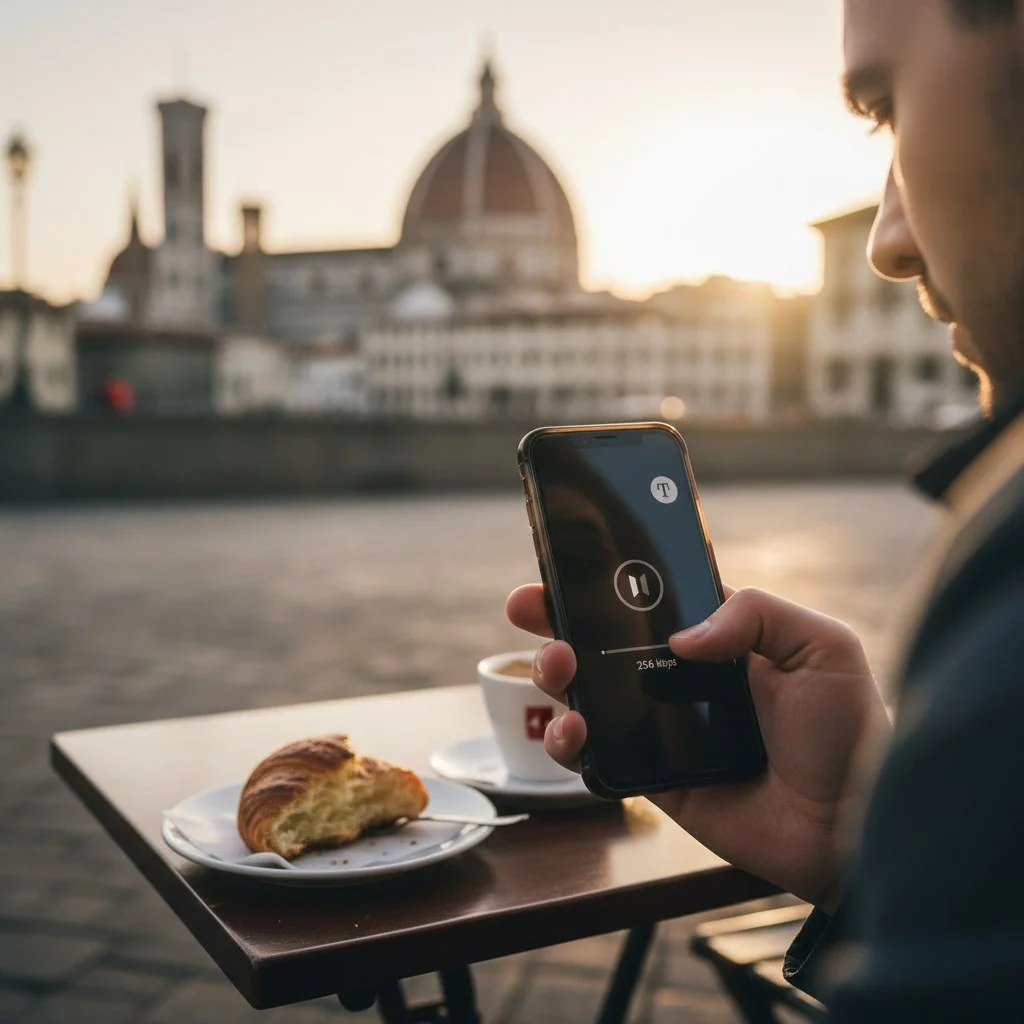
That standard 256kbps throttled data speed T-Mobile offers in over 210 countries is a hot topic among 2026 travelers. While it's technically "unlimited" data, that speed is a major bottleneck. To give you some perspective, 256kbps is usually okay for checking emails or sending text-only messages on WhatsApp, though even those might have noticeable delays for attachments or image loading. Basic web browsing works, but it will feel slow, especially on sites with lots of pictures or videos.
However, for anything more data-heavy, 256kbps is a real pain. Using Google Maps for navigation can be frustrating, with maps loading slowly and directions often lagging behind. Social media feeds will update sluggishly, and videos on Instagram or TikTok will constantly buffer or just won't load. Streaming music will likely be interrupted, and video calls, even low-resolution ones, are pretty much impossible with all the freezing and dropped connections. As our traveler's reality check on 256kbps points out, this speed barely meets modern digital needs.
If you're a business traveler needing to access cloud documents, join video conferences, or even just casually read news online, T-Mobile's default international data speed isn't going to cut it. Even for leisure travelers, relying on slow data to book rides, translate languages, or find local spots can turn simple tasks into time-consuming hassles. This limitation is exactly why many people choose to buy "T-Mobile international data plan" add-ons or look for alternative solutions like eSIMs for high-speed connectivity when they travel.
Experience Instant Connectivity Abroad
Don't let slow roaming speeds ruin your trip. Get high-speed data in 200+ countries with Cellesim eSIMs. Join 50,000+ satisfied travelers worldwide.
Explore All eSIM PlansActivating and Managing Your T-Mobile International Data Plan
Getting your "T-Mobile international data plan" or roaming features set up is usually pretty simple, but paying attention to details can prevent headaches. For most T-Mobile post-paid plans, international roaming turns on automatically. You generally don't need to do anything special to get basic calls, texts, and that 256kbps data in the 210+ included countries. However, if you want to use "T-Mobile international pass" upgrades, you'll typically buy them through the T-Mobile app, your online account, or by contacting customer service.
Once you land in another country, your phone should connect to a local partner network on its own. If it doesn't, you might need to pick a network manually from your phone's settings (on an iPhone, it's Settings > Mobile Data > Network Selection; Android has a similar path). To make sure you're using T-Mobile's roaming and not getting hit with unexpected charges, double-check that "Data Roaming" is switched ON in your phone's cellular settings. This setting lets your phone use data on those partner networks, which is crucial for T-Mobile's international roaming to work. Without it, you might only be able to call or text, but not get online.
Keeping an eye on your data usage is super important, especially if you're on a "T-Mobile international data pass." The T-Mobile app or website has tools to track how much you're using and buy more passes if you need them. Setting up data usage alerts on your phone or through T-Mobile can also help you avoid accidental overages. Remember that an active "international roaming plan T-Mobile" mainly covers data; voice calls might still have per-minute costs or require a separate add-on. For easy eSIM installation and management, check out our complete eSIM setup guide.
Alternative to T-Mobile Roaming: The Power of Cellesim eSIMs for Global Travel in 2026
While T-Mobile's international roaming offers basic internet, many 2026 travelers are looking for something better, faster, and often cheaper: Cellesim eSIMs. An eSIM is a digital SIM card built right into your phone, letting you activate a local or regional data plan without messing with physical SIM cards. This technology changes the game for staying connected, especially when "T-Mobile international roaming" just isn't cutting it.
Cellesim offers eSIM data plans for over 200 countries, giving you high-speed 4G LTE and 5G where it's available. Unlike T-Mobile's slow speeds, Cellesim plans deliver the fast internet you need for everything you do while traveling, from streaming movies on a long flight to instantly sharing photos on social media from Japan or finding your way through Italy's historic streets. With Cellesim, you buy a data package that fits your destination and trip length, then get a QR code by email in minutes for instant activation. No physical SIM means no waiting at the airport, no fiddling with tiny cards, and no risk of losing your main SIM.
Plus, Cellesim supports 24 languages and takes many payment methods, including credit/debit cards, PayPal, and Alipay, often showing prices in local currencies for clarity. This local focus makes it super convenient for all kinds of global travelers. For families or business trips, a Cellesim eSIM can often be much more affordable than buying multiple T-Mobile international data passes, giving you more data for competitive prices. Our roaming savings calculator can quickly show you how much you'll save.
Comparison: T-Mobile International Pass vs. Cellesim eSIM
When you're planning international travel for 2026, it's really important to compare what T-Mobile offers with what a dedicated eSIM provider like Cellesim can do. This comparison highlights the big differences in speed, cost, convenience, and your overall experience.
This table really shows that while T-Mobile gives you a basic connection, Cellesim shines when it comes to fast data, more flexibility, and often better value. It's a strong alternative to traditional "international roaming plan T-Mobile" choices. For instance, if you're planning a multi-country Eurotrip in 2026, Cellesim's regional Europe eSIM plan (Europe 42 Countries) would be much simpler and more effective than juggling multiple T-Mobile passes or putting up with slow speeds across different borders.
Pro Tips for Avoiding High T-Mobile Roaming Costs
To avoid getting hit with huge "T-Mobile international roaming charges," you need to be smart and plan ahead. Here are some actionable tips for your 2026 travels:
- Know Your Plan's Included Benefits: Before you leave, read through your T-Mobile plan details again or call customer service. Confirm exactly which countries are covered by your free 256kbps roaming, and what calls to local or international numbers will actually cost per minute. Knowing these details is your first defense against surprise charges.
- Use Wi-Fi Whenever You Can: When you find free and secure Wi-Fi, use it for anything that uses a lot of data, like app updates, big downloads, or video calls. This saves your included data or any data passes you've bought. Just be careful with public Wi-Fi security; for anything sensitive, a secure eSIM connection is better.
- Turn Off Data Roaming (When You Don't Need It): If you want to absolutely guarantee no data charges, just turn off cellular data roaming in your phone settings. Only switch it on when you really need to send a message or quickly check a map. This forces you to use Wi-Fi or stops accidental data use.
- Use Wi-Fi Calling: T-Mobile supports Wi-Fi calling. When you're connected to Wi-Fi, calls to U.S. numbers are usually free and act like you're still in the States. This is a great way to make "free international calls" without getting hit with roaming voice charges.
- Consider a T-Mobile International Pass for Specific Needs: If you know you'll need fast data for a short time (like navigating a new city or an important work call), a T-Mobile international data pass can be worth it. Just be aware of how long it lasts and its data limit.
- Download Offline Maps and Content: Before your trip, download offline maps (Google Maps, HERE WeGo) for all your destinations. Also, download movies, music, or podcasts to avoid streaming over cellular data. This is a key step to keeping your data use low abroad.
- Check Out eSIM Alternatives Like Cellesim: For reliable high-speed data at clear prices, an eSIM from Cellesim is often the best choice. Buy a regional eSIM for Asia or a country-specific plan for places like Mexico. This ensures you have fast, dependable internet without worrying about T-Mobile's slow speeds or climbing roaming fees. It's especially good for digital nomads who need constant connectivity.
Frequently Asked Questions
Does T-Mobile have international roaming for free?
Yes, in 2026, T-Mobile generally includes international roaming for talk, text, and throttled data (usually 256kbps, or 2G speed) in over 210 countries and destinations with most Magenta, Go5G, and some older plans. While the basic service is "free" without extra charges, the data speed is very slow and might not be enough for what you need on a modern smartphone. For high-speed data, you'll need to buy a T-Mobile International Data Pass.
Do I need to turn on roaming on T-Mobile International?
For most T-Mobile post-paid plans, international roaming for calls, texts, and basic data is automatically on. However, you'll still need to make sure "Data Roaming" is switched ON in your phone's cellular settings. This allows your device to connect to a partner network and use data services abroad. If you're using T-Mobile's international data passes, you typically buy them through your T-Mobile account, and then your device uses the faster speed as long as data roaming is enabled.
How do I avoid international roaming charges with T-Mobile?
To avoid high T-Mobile international roaming charges in 2026, try these tips: 1) Stick to the included 256kbps data for simple tasks and use Wi-Fi for everything else. 2) Only buy a T-Mobile International Data Pass when you absolutely need high-speed data. 3) Use Wi-Fi calling for calls to U.S. numbers. 4) Download offline maps and content before your trip. 5) The most effective way is to use an international eSIM from providers like Cellesim, which offers dedicated high-speed data plans at clear, often lower costs than roaming passes, completely cutting out unexpected T-Mobile international roaming charges.
Which countries does T-Mobile operate in?
T-Mobile is a U.S.-based carrier. For international roaming, T-Mobile has agreements with partner networks, letting its customers use their services in over 210 countries and destinations worldwide. While T-Mobile doesn't directly "operate" in these countries, its "T-Mobile international coverage map" shows where you can expect to connect to a local network for calls, texts, and data under their roaming policies in 2026.
Can I keep my US number active while using an eSIM abroad?
Yes, absolutely. When you use a Cellesim eSIM for data, your main T-Mobile SIM stays active in your phone (if your device supports dual SIMs). You can keep your T-Mobile line active for calls and texts, and simply set the Cellesim eSIM as your main line for mobile data. This means you can get calls and texts on your U.S. number while enjoying fast, local data rates from your eSIM, completely bypassing T-Mobile's expensive international roaming charges for data. Find out more in our guide on keeping your number with a travel eSIM.
Stay Connected Everywhere You Go in 2026
Forget T-Mobile's roaming limits. Cellesim offers high-speed eSIM data plans for 200+ countries, making sure you're always connected. Get instant activation and smooth internet on your next adventure.
Discover Global eSIM Plans Today! 🚀Trusted by 50,000+ satisfied customers worldwide for seamless global connectivity.
See also: Japan travel eSIM
See also: eSIM for Cambodia
See also: Madagascar eSIM
See also: Cairo eSIM