Indonesia Connectivity, A Familiar Dilemma
Stepping off a long flight into the humid air of Denpasar's Ngurah Rai International (DPS) or Jakarta's Soekarno-Hatta (CGK), the first thing on many minds, after finding luggage and a taxi, is getting online. Whether it's to confirm your Grab ride to Seminyak, message your guesthouse in Canggu, or just let family know you’ve landed, immediate internet isn't just convenient, it’s essential. I've been there countless times, fumbling for local currency for a taxi, trying to remember if I pre-booked a Bluebird, all while battling a dead phone or airport Wi-Fi that's slow and unreliable.
Indonesia, with its sprawling islands, makes staying connected a bit of a challenge. From Jakarta's bustling Kota Tua to Ubud's serene rice paddies, you need local providers. Telkomsel is, without a doubt, the biggest player, with great coverage even in more remote spots like Lombok and Flores. For years, the Telkomsel tourist SIM has been the standard for visitors. But as digital options catch up, an eSIM for Indonesia like Cellesim offers a strong alternative, promising a smoother, more efficient start to your trip.
The Ever-Present Quest for Seamless Data
Remember those days? You'd arrive in a new country, phone useless, and then begin the desperate hunt for a local SIM card booth. I still recall a frustrating afternoon in Bangkok, trying to explain "nano-SIM" to a vendor at Don Mueang Airport (DMK), only to find my unlocked phone somehow wasn't compatible. Hours wasted, all for a basic service that should be instant. It’s a traveler's rite of passage, sure, but one I'd happily skip. For me, a good travel plan isn't just about the cheapest data, it's about the least hassle. My last trip to Rio for Carnival, for example, relied heavily on solid data to navigate the blocos and find friends in the crowded Lapa district. Without it, I would have been truly lost.
The Telkomsel Tourist SIM Experience: Queueing for Connectivity
Telkomsel has long been the giant of Indonesian telecommunications. Their network covers huge parts of the country, from Surabaya's urban sprawl to the quiet Gili Islands. For tourists, they offer specific SIM card packages, usually found at airport kiosks, official Telkomsel stores (like those in a Central Jakarta mall, say at Grand Indonesia), and smaller phone shops in popular tourist areas.
Where to Buy and What to Expect
Your first experience with a Telkomsel tourist SIM will probably be at the airport. At Ngurah Rai in Bali, for instance, after customs, you'll see a row of kiosks. They generally open around 7 AM and close by 11 PM, though some might stay open longer for late flights. You'll need your passport to register, and sometimes even your phone's IMEI number, which can be a minor annoyance to find on the spot. Packages usually include a set amount of data, some local calls, and SMS, valid for a specific time, often 30 days. Prices vary, but a 25GB plan for 30 days might cost you around 150,000 IDR to 250,000 IDR (roughly $10-17 USD), depending on the vendor and any current deals.
The Pros and Cons of a Physical SIM
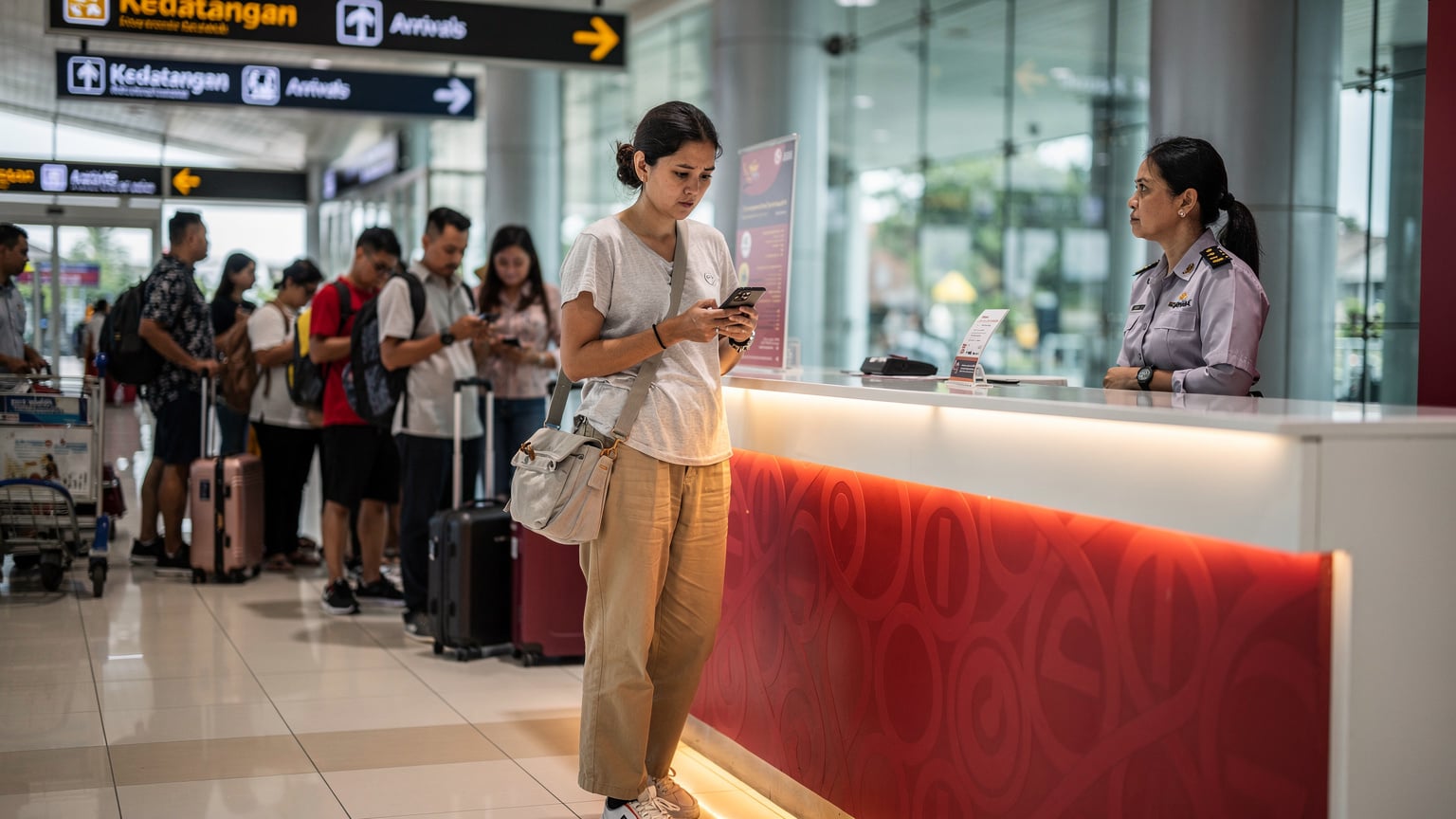
The main benefit of a physical Telkomsel SIM is its strong local presence. You're directly connected to Indonesia's biggest network, which usually means reliable speeds and coverage where smaller networks might struggle. For longer stays, or if you plan to venture far off the main tourist trails into, say, the highlands of Flores, a local SIM could offer extra peace of mind. However, for modern travelers, the downsides are big. Mandatory in-person registration can mean long queues, especially during peak travel times or after a major flight. I’ve spent over an hour waiting for a SIM card in Manila before, and believe me, that time is better spent exploring Intramuros. Then there's the hassle of swapping out your home SIM, the risk of losing it, and potential language barriers during activation. My phone, a trusty iPhone 14 Pro, doesn't even have a physical SIM slot anymore, making this a non-starter for me.
Cellesim eSIM: The Digital Alternative
Here comes the eSIM, or embedded SIM. This digital SIM card is built right into your phone, so you don't need to swap physical cards. For travelers, it’s a game-changer, especially for places like Indonesia where local SIM registration can eat up your precious travel time. Cellesim offers eSIM plans for Indonesia, letting you buy and activate your data package completely online, often before you even leave home.
What is an eSIM and How Does It Work?
An eSIM is essentially a tiny chip inside your phone that acts like a programmable SIM card. Instead of inserting a physical piece of plastic, you download a 'profile' from a carrier (like Cellesim) directly to this chip. This profile has all the network information you need. When you land, you just activate the eSIM profile in your phone's settings, and boom, you're connected. No fumbling with tiny cards, no queues, no language barriers. It's incredibly efficient. For more details on how it works, How Does an eSIM Work? Your No-Nonsense Guide to Digital Connectivity in 2026 is a good read.
The Cellesim Advantage: Convenience and Flexibility
Cellesim eSIMs for Indonesia often use the networks of big local providers, including Telkomsel, ensuring wide coverage and reliable speeds. The biggest benefit, though, is the sheer convenience. You can buy your plan weeks ahead, activate it minutes before takeoff, or even while your plane is taxiing. This means you step out of the airport with working data, ready to call that ride-share app (Gojek is huge here, by the way) or navigate Yogyakarta's streets for the best street food near Malioboro. Another plus is the flexibility: you can often keep your home SIM active for calls and texts while using the eSIM for data, a dual-SIM setup that's invaluable for staying in touch with home without huge roaming charges.
Comparing the Contenders: Cost, Convenience, Coverage
Let's get real: what truly sets a Telkomsel tourist SIM apart from a Cellesim eSIM for your Indonesian trip in 2026?
Cost Analysis: Getting the Most Bang for Your Rupiah
At first glance, a physical Telkomsel tourist SIM might seem a bit cheaper, especially if you get a good deal at the airport. However, those prices are often for a basic package, and adding more data or extending the validity can quickly increase the cost. Cellesim, on the other hand, shows you clear pricing upfront, with various data packages (e.g., 5GB, 10GB, 20GB) for different lengths of time (7 days, 15 days, 30 days). Think about not just the raw GBs, but how long your trip is. For a short week-long surf trip to Uluwatu, a 5GB eSIM might be plenty, saving you from buying a bigger, more expensive physical SIM you won't fully use. For more details, Is 5GB Data Enough for a Week Abroad? Your Travel Data Budget Explained 2026 provides a solid breakdown.
The Convenience Factor: Time is Money
This is where eSIMs really shine. No airport queues, no paperwork, no tiny SIM tray tools. Imagine landing at Lombok International Airport (LOP), hopping into a Koperasi Angkutan Udara taxi to your resort in Kuta Lombok, and already having working data to stream music or check your booking. This instant connection is priceless, especially after a long flight when all you want to do is settle in. My iPhone 15 has been eSIM-only for a while now, and the idea of having to find a physical SIM is a source of anxiety I no longer have to deal with.
Coverage and Speed: Who Wins the Signal Race?
Telkomsel's own network is incredibly widespread across Indonesia. Cellesim, as a virtual operator, uses local partner networks, often including Telkomsel's. This means that in terms of raw coverage, there's usually little to no real difference in major areas like Jakarta, Bali, or even more remote regions like parts of Flores. Speeds will depend on your location, device, and network congestion, but both options generally give you excellent 4G LTE, and increasingly 5G in cities. I've used eSIMs from various providers in countless countries, from Argentina to Turkey, and found the performance to be just as good as local physical SIMs, often indistinguishable from the service the Turkcell network would provide directly in Istanbul. Turkcell eSIM for Tourists 2026: Bypass the Kiosks, Stay Connected covers a similar comparison for Turkey.
| Feature | Telkomsel Physical Tourist SIM | Cellesim eSIM for Indonesia |
|---|---|---|
| Purchase Method | In-person at airports, official stores, street vendors | Online, pre-trip or on-the-go |
| Activation | Requires passport registration, IMEI submission, physical SIM swap. Can take 15-60 min. | Scan QR code or manual entry, activate in phone settings. Takes 2-5 min. |
| Convenience | Less convenient, queues, potential language barriers, risk of losing home SIM. | Highly convenient, instant activation, no physical components, dual-SIM functionality. |
| Coverage | Excellent, leveraging Telkomsel's extensive network. | Excellent, leveraging partner networks (often Telkomsel) for broad coverage. |
| Cost Transparency | Can be variable, potential for hidden fees or upsells at kiosks. | Clear, upfront pricing for various data packages and durations. |
| Device Compatibility | Requires physical SIM slot. | Requires eSIM-compatible device (most modern smartphones). |
Real-World Scenarios: When Each Shines
Choosing between a Telkomsel SIM and a Cellesim eSIM isn't a one-size-fits-all decision. Your travel style, how long you're staying, and even your itinerary can make a difference.
The Long-Term Explorer or Remote Adventurer
If you're planning a long stay, say a month or two, perhaps exploring the depths of Kalimantan or diving in Raja Ampat, and you need a local number for things like setting up a local bank account or long-term scooter rental, a physical Telkomsel SIM might still be a bit more practical. A local number can be handy, and topping up at small corner shops (pulsa vendors) is common. These are niche situations, though, that don't apply to most tourists.
The Short Trip or Multi-Country Hopper
For a two-week vacation hopping between Bali, Java, and maybe a quick stop in Singapore, a Cellesim eSIM is the clear winner. The ease of switching between plans or even activating an eSIM for the USA for your next destination without ever touching a physical SIM card is a huge plus. It’s perfect for someone who values every minute of their vacation and doesn't want to spend it in an airport line.
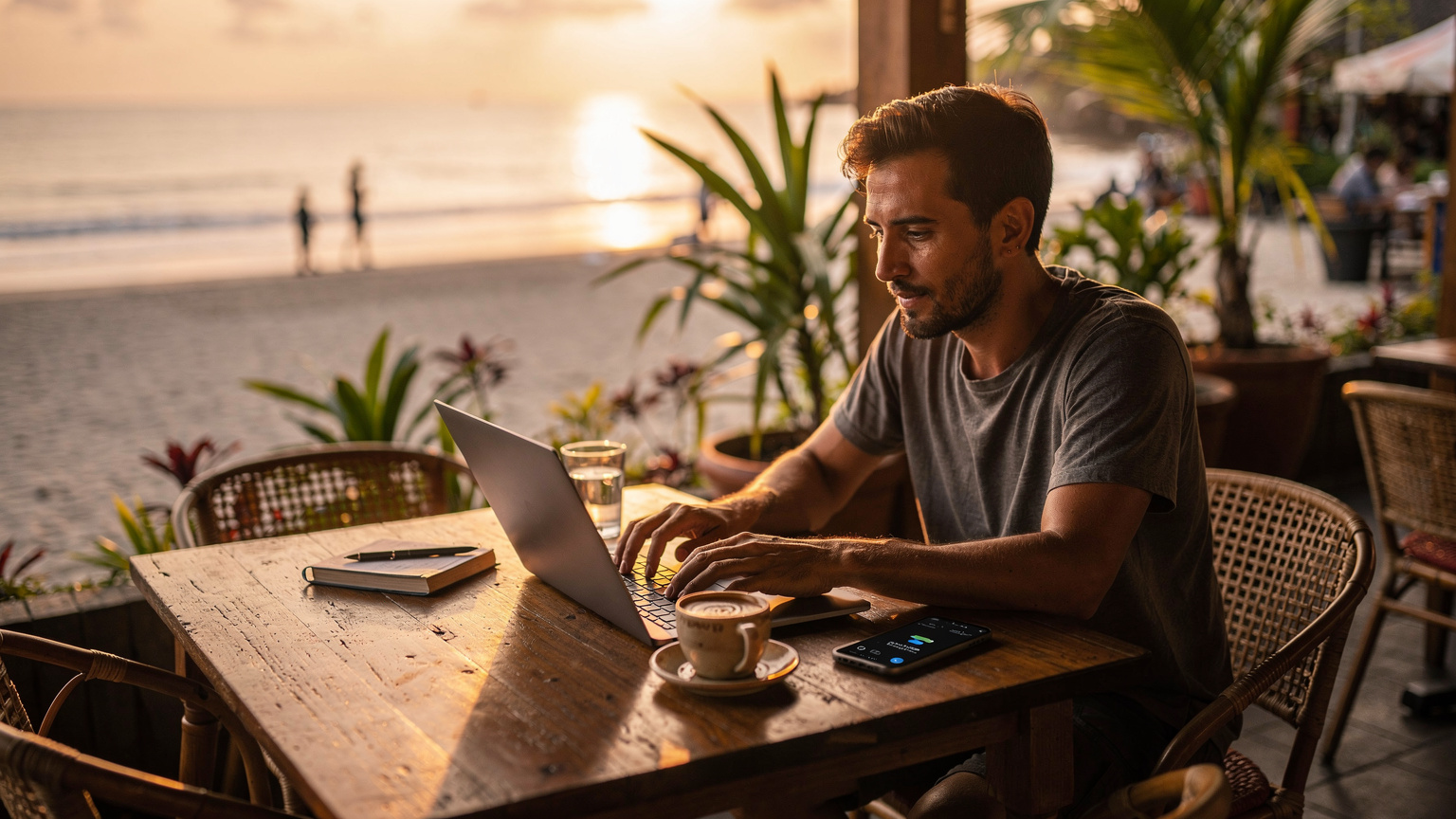
Activating Your Telkomsel SIM: The Local Way
If you opt for a physical Telkomsel SIM, here’s a basic rundown of what to expect.
- Find a Telkomsel Vendor: At the airport, look for official kiosks. In cities, search for 'Grapari Telkomsel' (their official customer service centers) or local phone shops.
- Pick Your Package: Ask for a 'Tourist SIM card' or 'SIM Card Wisata'. They'll show you different data, call, and SMS bundles.
- Show Your Documents: You'll need your passport. Some vendors might ask for your phone's IMEI number, which you can usually find by dialing *#06# or in your phone's settings (General > About on iOS, About Phone > Status on Android).
- Registration: The vendor will register your SIM. This is a government requirement to prevent fraud. Be patient, as this can sometimes take a few minutes, even up to 15-20 minutes during busy times.
- SIM Insertion and Activation: Once registered, the vendor will usually put the SIM in for you and make sure it works. Test it right away by making a quick call or browsing a website.
- Top-Up (Pulsa): If you need more data later, you can buy 'pulsa' (credit) at minimarts (like Indomaret or Alfamart), official Telkomsel stores, or through their MyTelkomsel app.
Setting Up Your Cellesim eSIM: A Pre-Arrival Ritual
This is my favorite method, especially when I'm headed to a festival like Lollapalooza in Argentina and need to be connected the moment I land at Ministro Pistarini (EZE) to meet up with my friends.
- Check Device Compatibility: First, make sure your smartphone supports eSIM. Most newer iPhones (XS and later) and Android flagships (Samsung Galaxy S20 and newer, Google Pixel 3 and newer) do.
- Browse Cellesim Plans: Visit the Cellesim website and pick an Indonesia eSIM plan that fits your data needs and trip length.
- Buy Your eSIM: Complete the purchase online. You'll typically get a QR code via email almost instantly.
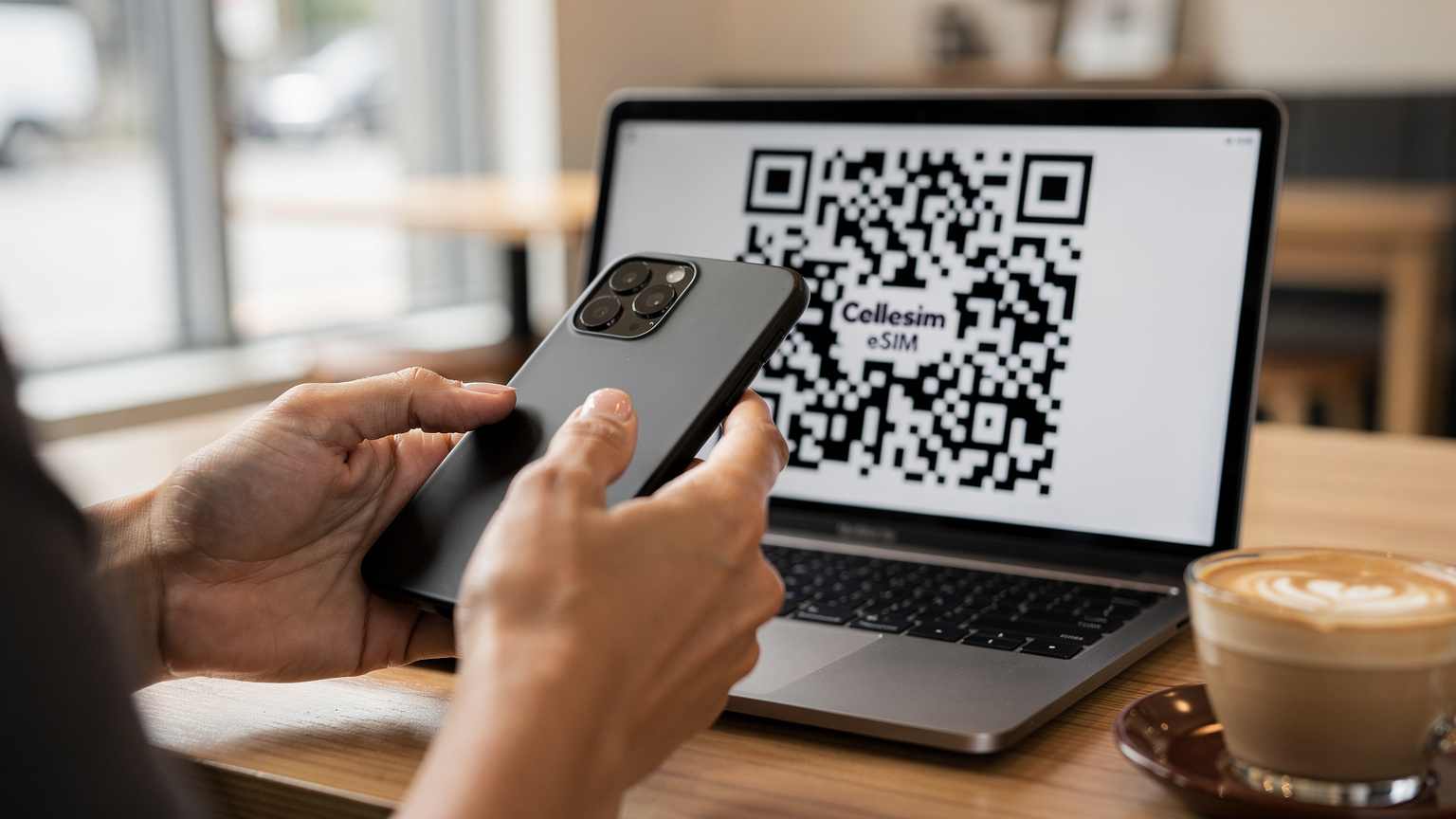
- Install the eSIM Profile: Before you leave, or even while still at your home airport, scan the QR code with your phone's camera. Your phone will ask you to 'Add Cellular Plan' or 'Install eSIM'. Just follow the instructions on the screen.
- Label Your eSIM: For clarity, name your new eSIM 'Indonesia Travel' or 'Cellesim'. This helps you tell it apart from your home SIM.
- Set as Primary for Data: In your phone's cellular settings, make sure the Cellesim eSIM is set as the primary line for 'Cellular Data' or 'Mobile Data'. You can often keep your home SIM active for calls and texts (if you have dual SIM capability).
- Activate On Arrival: Once you land in Indonesia, simply turn on your eSIM line in your phone's settings. Your phone should connect to the local partner network within moments.
Data Needs and Budgeting for Your Indonesia Trip
How much data do you actually need? It's a common question. For a typical tourist spending a week or two, using Google Maps, posting a few photos to Instagram from your morning coffee in Canggu, checking emails, and messaging on WhatsApp, 10-20GB is usually plenty. If you stream a lot, make video calls, or need to upload large work files, you'll want more. Consider a 30GB plan.
| Usage Type | Estimated Data Consumption (per hour) | Recommendations |
|---|---|---|
| Google Maps Navigation | 5-10 MB | Download offline maps for extensive exploring, especially in rural areas. |
| Social Media (Instagram, TikTok) | 100-300 MB | Limit video scrolling, upload photos/videos when on Wi-Fi. |
| WhatsApp/Messenger | 5-20 MB (text), 100-200 MB (video call) | Text is very light, video calls consume more. |
| Email & Web Browsing | 20-50 MB | Generally light, won't deplete data quickly. |
| Video Streaming (Netflix, YouTube) | 500 MB - 1.5 GB | Avoid streaming over cellular unless absolutely necessary. Download content offline. |
| Ride-Hailing (Gojek, Grab) | 5-15 MB | Minimal usage, essential for getting around in cities like Jakarta or Bandung. |
Think about your daily habits. Are you the type to sit by the pool at your Nusa Dua hotel and stream movies, or are you mostly using data for navigation and communication while exploring street art in Canggu? Your answer will guide your data package choice. And remember, you can usually top up most eSIMs if you run low, though it's often cheaper to buy a slightly larger plan upfront.
Saving Data on the Go
- Download Offline Maps: Before you leave your hotel in Sanur, download the relevant Google Maps regions. This saves a lot of data while navigating.
- Use Wi-Fi When Available: Cafes, hotels, and restaurants almost always offer free Wi-Fi. Use it for data-heavy tasks like uploading photos or downloading podcasts.
- Manage Background App Refresh: Turn off background data usage for non-essential apps in your phone settings.
- Monitor Data Usage: Regularly check your data consumption in your phone settings or via the Cellesim app to avoid surprises.
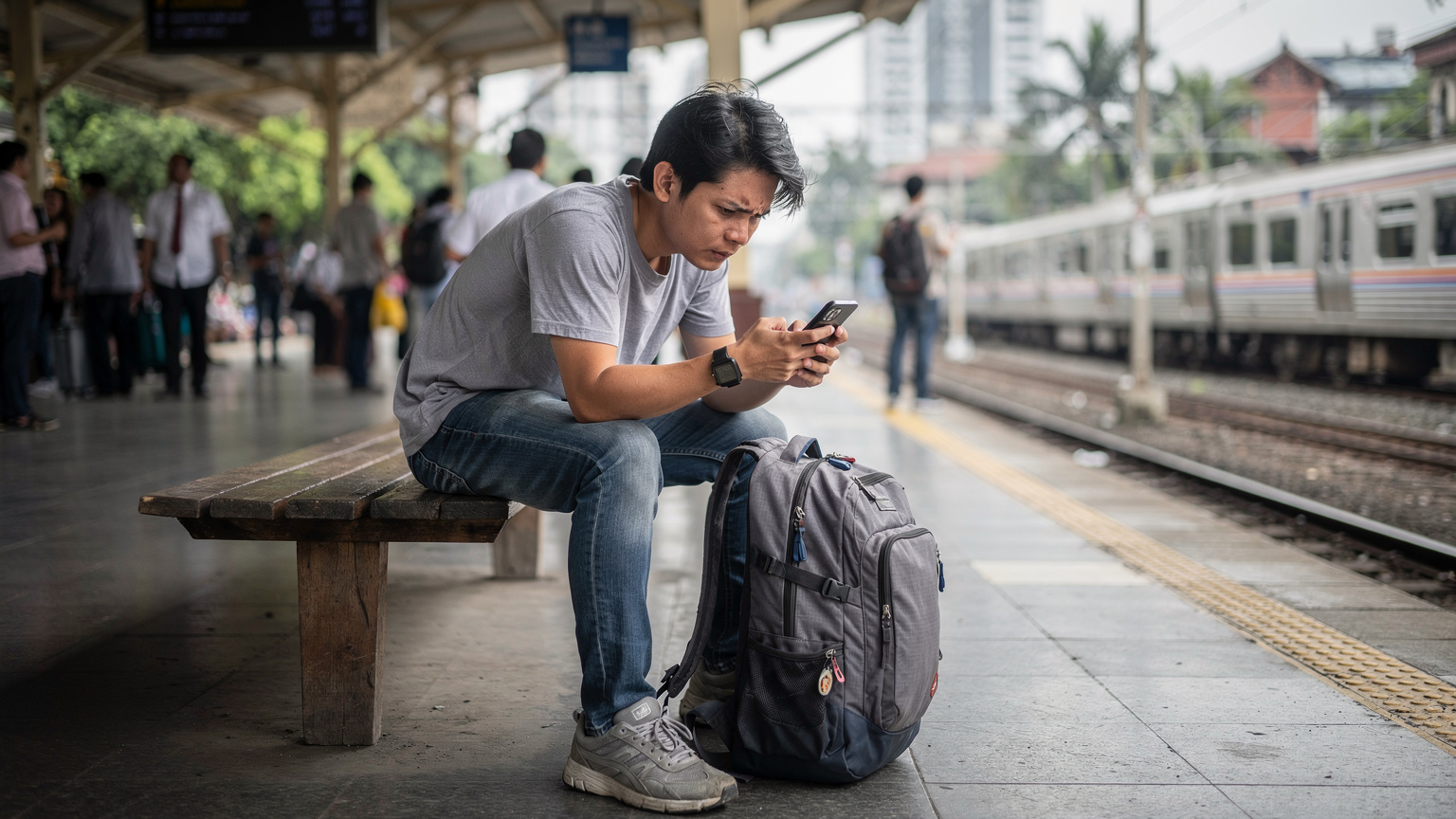
The Verdict: Making Your Choice for 2026
For most modern travelers heading to Indonesia in 2026, the Cellesim eSIM is simply the smarter, more convenient choice. It gets rid of the headaches of airport queues, SIM registration, and dealing with physical cards, letting you hit the ground running, connected and ready to explore. Being able to manage your internet from anywhere, even from your couch before you travel, is a big plus.
While Telkomsel's physical SIM is still a solid option for those with older phones, very long stays, or specific local numbering needs, the overall trend points towards the simple, digital nature of eSIMs. As someone who's spent years figuring out these exact problems, I can tell you that peace of mind and saved time are incredibly valuable when you're traveling. Embrace the digital future, and let your Indonesia adventure start smoothly.
Always double-check your phone's eSIM compatibility before you travel. A quick Google search for 'Is my [phone model] eSIM compatible?' will give you a definitive answer. It saves so much heartache at the last minute!
Frequently Asked Questions
Is Telkomsel eSIM available for tourists in Indonesia?
As of 2026, Telkomsel does offer eSIMs, but their availability and activation process for tourists can be complex, often requiring in-person registration. Third-party providers like Cellesim typically offer more streamlined, pre-arrival eSIM options for visitors.
Can I use my Cellesim eSIM with Telkomsel's network in Indonesia?
Yes, Cellesim eSIMs for Indonesia often utilise the robust network infrastructure of major local carriers, including Telkomsel, to ensure wide coverage and reliable data speeds across the archipelago.
What documentation do I need to buy a Telkomsel tourist SIM?
To purchase and activate a physical Telkomsel tourist SIM, you will need your valid passport for registration. Some vendors might also request your phone's IMEI number as part of the local regulations.
How much data is enough for a two-week trip to Indonesia?
For a typical two-week trip involving navigation, social media, messaging, and light browsing, 10GB to 20GB of data should be sufficient. Heavy streamers or those working remotely might consider 30GB or more.
Can I keep my home number active while using an eSIM for data in Indonesia?
Yes, if your phone supports dual SIM functionality (most modern eSIM-compatible devices do), you can keep your home SIM active for calls and texts while using your Cellesim eSIM for all your data needs, avoiding roaming charges.
Where can I top up my Telkomsel SIM card?
You can top up your Telkomsel SIM card (buy 'pulsa') at minimarts like Indomaret or Alfamart, official Grapari Telkomsel outlets, or through the MyTelkomsel mobile application, which requires local currency or a registered Indonesian payment method.