The Real Cost: Show Me the Money
Let's cut to the chase. When I hit Indonesia last year for 12 days, hopping from Bali to Lombok and then a quick border run to Singapore, I spent exactly €21.50 on data with Cellesim. That's for 15GB, which worked out to roughly 1.25GB per day. I was checking hostel bookings, navigating Grab rides, posting the occasional sunset photo, and keeping up with my Substack, all without a single hiccup. A fellow backpacker I met in a Kuta hostel, who’d opted for a physical Telkomsel SIM, paid around IDR 150,000 (roughly €9) for 10GB, but spent an hour at the airport counter and another 30 minutes battling registration forms. Time, as they say, is money.
The Cellesim Advantage: Upfront Pricing
With Cellesim, what you see is what you get. There are no hidden taxes, no activation fees you only find out about after queuing, and no language barriers trying to understand the small print. You pick your package, pay your Euros, and you're good to go before you even land at Denpasar (DPS) or Jakarta (CGK). For a 15-day trip, you might snag 10GB for around €18, or 20GB for €28, depending on current promotions. This transparency is a huge win for any budget-conscious traveler. (I once ended up paying double for a SIM in Vietnam because I didn't understand the 'tourist package' fine print.)
Telkomsel and the Local SIM Card Nuances
Telkomsel is Indonesia's dominant carrier, no doubt about it. Their physical SIMs, particularly the 'Tourist SIM' packages, are widely available at airports like Ngurah Rai and Soekarno-Hatta, as well as official Telkomsel GraPari stores. Prices vary, but expect to pay roughly IDR 100,000-200,000 (approx. €6-€12) for 10-20GB of data valid for 30 days. The catch? You need to register it with your passport, often involving fingerprint scans and a lengthy process. This is where Cellesim starts looking very attractive, especially if your time is precious. If you're wondering how eSIMs generally work to save you this hassle, you might want to check out this no-nonsense guide to digital connectivity.
What is an eSIM, and Why Do You Need It in Indonesia?
An eSIM is basically a digital SIM card embedded in your phone. No physical card to swap, no tiny trays to fumble with, no risk of losing your home SIM in the bottom of your backpack. For Indonesia, it’s a game-changer. Imagine landing in Bali after a 20-hour flight, tired, disoriented, and all you want is to hail a Grab to your hostel in Canggu. With a pre-activated eSIM, you're connected the moment you touch down. No hunting for SIM card kiosks, no haggling over prices, no registration forms.
The Convenience Factor: No More SIM Swapping
This is huge for anyone who travels frequently or crosses borders often. I remember a time trying to swap SIMs on a night bus through Laos, fumbling in the dark, praying I didn't drop my tiny home SIM. With an eSIM, those days are over. You activate it once, and you can switch between your home plan and your travel plan with a few taps in your phone's settings. It's truly liberating.
Security and Reliability: Staying Connected Safely
Using a local Wi-Fi network, especially in hostels or cafes, can be a security risk. A personal eSIM connection means you're not relying on potentially unsecured public networks for banking or sensitive communications. Plus, a reliable connection means you can always access emergency services, translation apps, or maps, which is crucial when you're navigating unfamiliar territory. Think of it as your digital safety net, similar to how an eSIM can be critical for safety in places like Venezuela.
Cellesim for Indonesia: The No-Nonsense Option
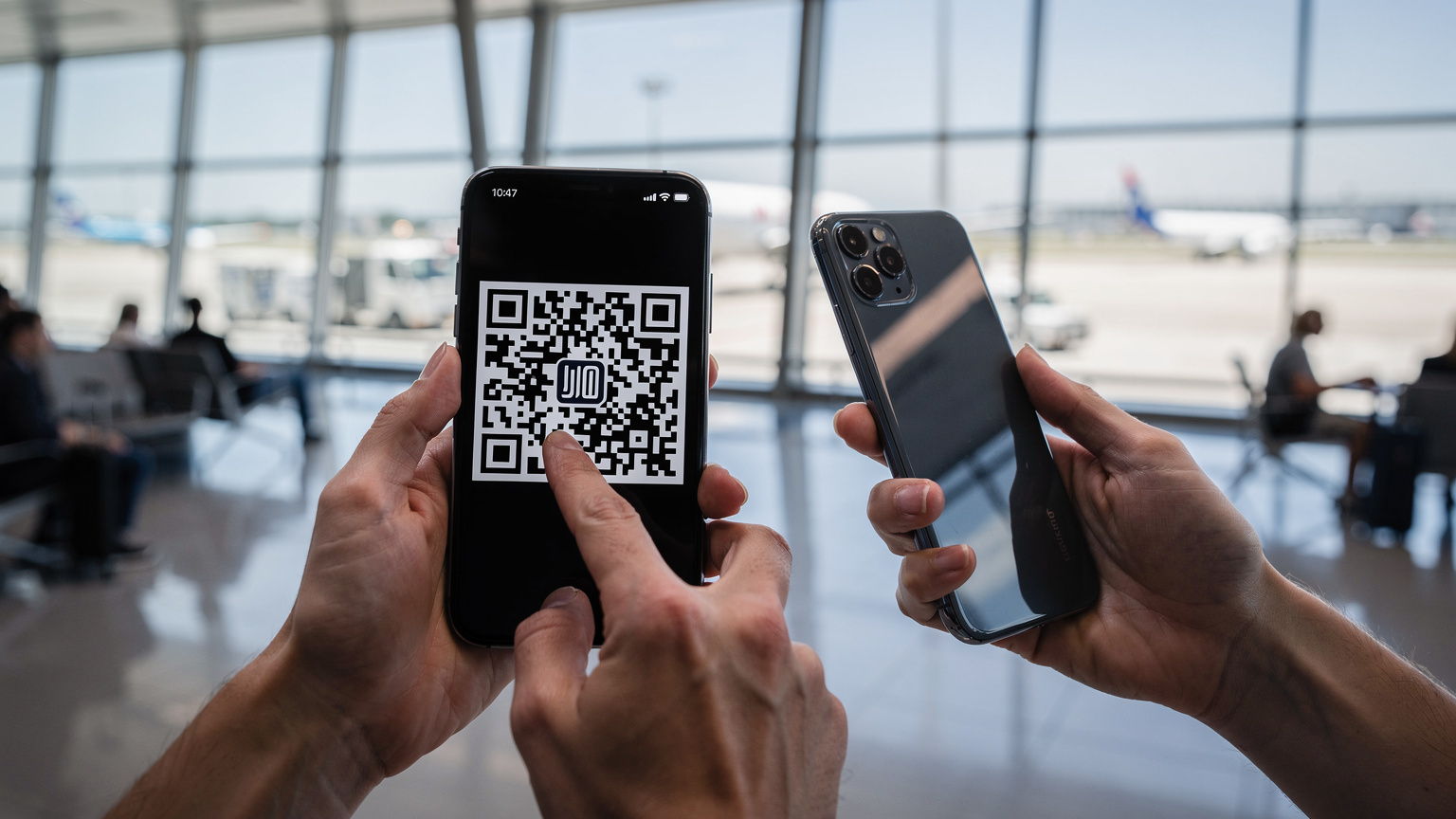
Cellesim is built for travelers who want data, fast, cheap, and without the usual headaches. You buy a data package online, get a QR code, scan it, and you're connected. Simple as that. It supports most modern eSIM-compatible phones, from the latest iPhones to Samsung Galaxies and Google Pixels.
Cellesim Plans and Pricing for Indonesia
When I’m looking at Cellesim packages, I always calculate my daily data burn. My average is around 1-1.5GB per day. For a 10-day trip, that's 10-15GB. Here's a rough idea of what you can expect:
| Data Amount | Validity | Approx. Price (EUR) | Cost per GB (EUR) |
|---|---|---|---|
| 5 GB | 7 Days | €10 | €2.00 |
| 10 GB | 15 Days | €18 | €1.80 |
| 20 GB | 30 Days | €28 | €1.40 |
| Unlimited (FUP applies) | 30 Days | €45 | N/A |
These prices are competitive, especially when you factor in the convenience. That 20GB for €28 package? That’s 20GB / 30 days = 0.67GB per day. More than enough for light to moderate usage without constantly checking your remaining data. If you’re a heavy user, posting videos or doing video calls, the unlimited option is worth considering, but always read the Fair Usage Policy (FUP) to understand any speed restrictions after a certain threshold.
How to Activate Your Cellesim eSIM
- Purchase Your Plan: Go to the Cellesim Indonesia page, choose your data amount and validity period, and complete the purchase.
- Receive QR Code: You'll get an email with a QR code and detailed instructions almost instantly.
- Scan and Install: Before you leave home, or once you have Wi-Fi at the airport, go to your phone's cellular settings. Look for an option like 'Add eSIM' or 'Add Cellular Plan' and scan the QR code.
- Enable Data Roaming: Once installed, make sure your Cellesim profile is active and 'Data Roaming' is turned on for that profile. Keep your home SIM profile active for calls/texts if you need it, but switch off data roaming for it.
- Test Connection: As soon as you land, or even before if you have a stable connection, test it out. You should connect to a local network automatically.
This entire process takes maybe 5 minutes, tops. No waiting, no forms, no stress.
Telkomsel eSIM for Tourists: The Local Giant's Play
Telkomsel, as the largest mobile network operator in Indonesia, has recently stepped into the eSIM game for tourists. This is a welcome development, as it means less reliance on physical SIMs, but it comes with its own set of considerations.
Telkomsel eSIM Availability and Purchase
Telkomsel eSIMs for tourists are primarily available through their official website or at select GraPari outlets in major cities and airports. You'll typically need to provide your passport details for registration, similar to physical SIMs. This is a legal requirement in Indonesia to combat fraud and monitor network usage. While online purchase is possible, you often still need to complete a verification step upon arrival or at a store.
Telkomsel eSIM Plans and Pricing for Tourists
Telkomsel's tourist eSIM plans are generally structured around validity periods (e.g., 30 days) and offer various data allocations. For example, a typical package might include 25GB for 30 days for around IDR 250,000 (approx. €15). However, these packages sometimes come with 'local' data, 'network-specific' data, or 'app-specific' data which can be confusing. (I learned this the hard way with a 'social media data' package that didn't cover Google Maps.)
| Data Amount | Validity | Approx. Price (IDR) | Notes |
|---|---|---|---|
| 10 GB | 30 Days | IDR 100,000 | Often split into main data + local data |
| 25 GB | 30 Days | IDR 250,000 | Good for moderate users, check FUP |
| 50 GB | 30 Days | IDR 400,000 | Heavy usage, video streaming, etc. |
The main takeaway here is to read the fine print carefully. Telkomsel's packages can be excellent value if you understand exactly what you're getting, but the complexity can be a hurdle for many tourists.
Coverage and Speed: Who Wins the Signal Strength Test?
Indonesia is a vast archipelago, and network coverage can vary wildly. This is where Telkomsel, as the incumbent, often has an edge in sheer breadth, but Cellesim still holds its own by partnering with strong local networks.
Telkomsel's Reach Across the Archipelago
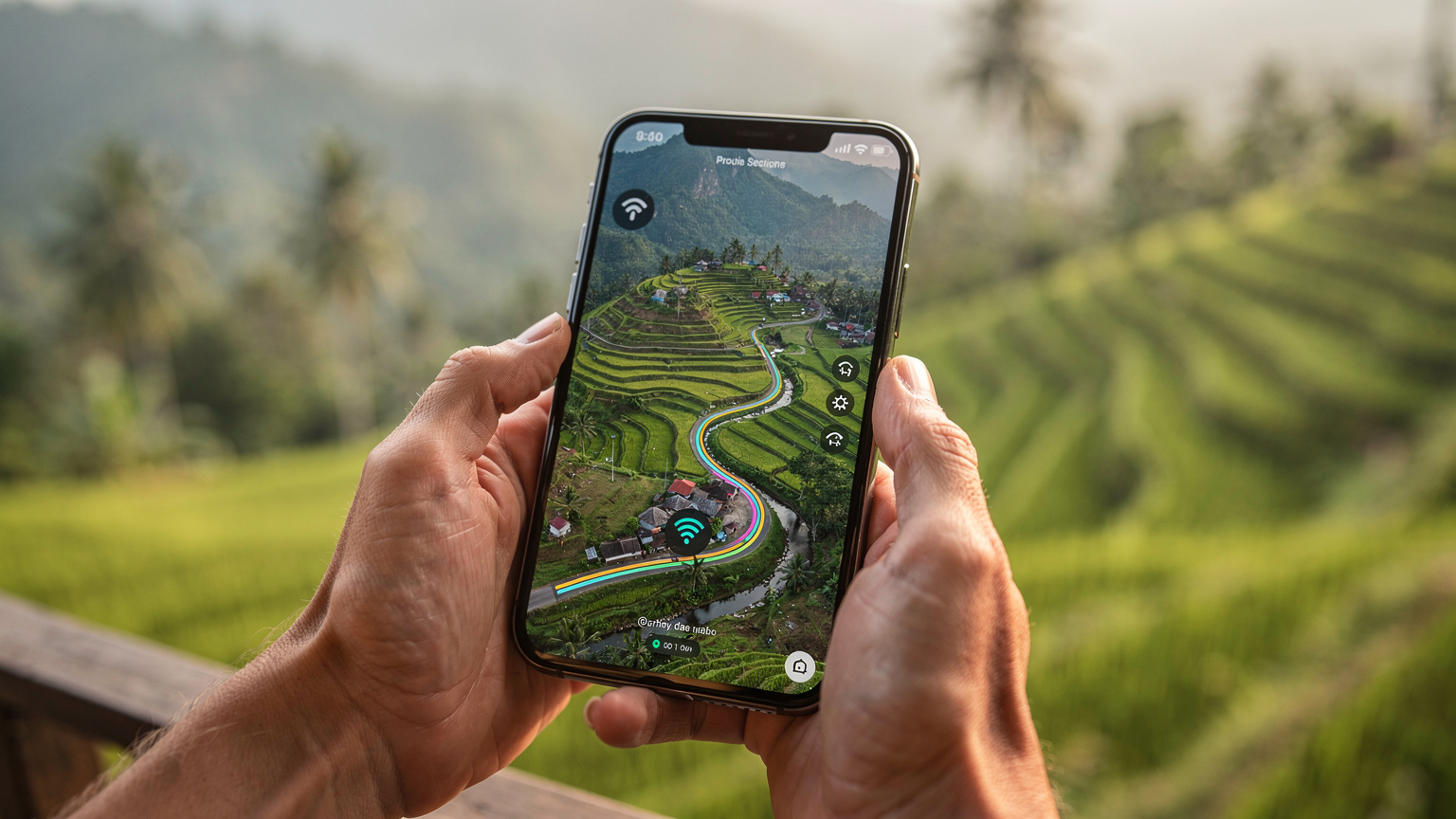
Telkomsel boasts the widest coverage in Indonesia, reaching even some remote islands and rural areas. If you're planning an off-the-beaten-path adventure to, say, Flores or some of the lesser-known spots in Sulawesi, Telkomsel is likely your best bet for consistent signal. Their 4G/LTE network is robust in major cities like Jakarta, Surabaya, and Denpasar, and increasingly extends to tourist hubs like Ubud, Gili Trawangan, and Labuan Bajo.
Cellesim's Reliable Partnerships
Cellesim typically partners with one or more of the major local networks to provide service. In Indonesia, this often means leveraging Telkomsel's network itself, or other strong players like XL Axiata or Indosat Ooredoo. This means you're not getting a second-rate connection, but rather using the infrastructure of established local providers. While Cellesim might not guarantee connectivity in the absolute most remote corners of Papua, for 99% of tourist itineraries, from Bali's beaches to Java's volcanoes, the coverage is excellent and reliable. I found my Cellesim connection to be just as strong as any local SIM in all the main tourist zones.
Ease of Activation and Management: No Airport Scams, Please
This is a critical point for any traveler, especially after a long flight. You want to be connected without a fuss, not dealing with paperwork or pushy salespeople.
Cellesim's Streamlined Process
As mentioned, Cellesim's activation is purely digital. You buy, you scan, you're connected. There's no physical interaction required, no queues, no forms, no language barriers. This is a huge win for convenience. You can even purchase and activate your eSIM before you leave home, so you land with data already working. For anyone who's ever dealt with a shady SIM card vendor at an airport, you know the value of this peace of mind. Keeping track of your data is also simple, often through the Cellesim app or a web portal.
Telkomsel eSIM Registration Hurdles
Even with an eSIM, Telkomsel adheres to Indonesian regulations requiring SIM card registration with your passport. While efforts are made to streamline this for tourists, it still involves more steps than Cellesim. You might need to visit a GraPari store with your passport, have your fingerprints scanned, or complete an online registration form that can be fiddly. If you skip this, your SIM or eSIM might be blocked after a few days. This is where the budget backpacker in me sees the hidden cost: your time and patience. For a clear explanation of how an eSIM can simplify your life abroad, check out this guide on how an eSIM works.
Data Usage Expectations: How Much Do You Really Need?
Knowing your data habits is key to picking the right plan and avoiding overspending. Don't pay for 50GB if you only use 10GB.
What Typical Tourists Consume
Most tourists, even those actively using social media and navigation, will find 1-2GB per day sufficient. Here’s a breakdown:
- Light User (0.5-1GB/day): Checking emails, WhatsApp, Google Maps, light social media browsing.
- Moderate User (1-2GB/day): All of the above, plus streaming music, occasional video calls, uploading photos.
- Heavy User (2GB+/day): Frequent video calls, streaming high-definition video, heavy social media use (especially video uploads), online gaming.
On my last trip, I used an average of 1.25GB/day, covering WhatsApp calls to family, constant Google Maps navigation on my scooter, checking hostel reviews, and uploading a few dozen photos to Instagram stories. That 15GB Cellesim plan for 12 days worked out perfectly.
Calculating Your Needs: The Math Behind the Budget
Here’s how to do the math: take your estimated daily usage (e.g., 1.5GB) and multiply it by the number of days you'll be in Indonesia. So, for a 15-day trip: 1.5GB/day × 15 days = 22.5GB total. You’d then look for a Cellesim plan that offers around 20-25GB. Don't be shy about rounding up slightly, but don't go overboard. Remember, every unused GB is money wasted.
Border Crossing and Multi-Country Trips: The Hidden Advantage
This is where Cellesim truly shines, especially for us backpackers who rarely stick to just one country.
Seamless Transitions Between Countries
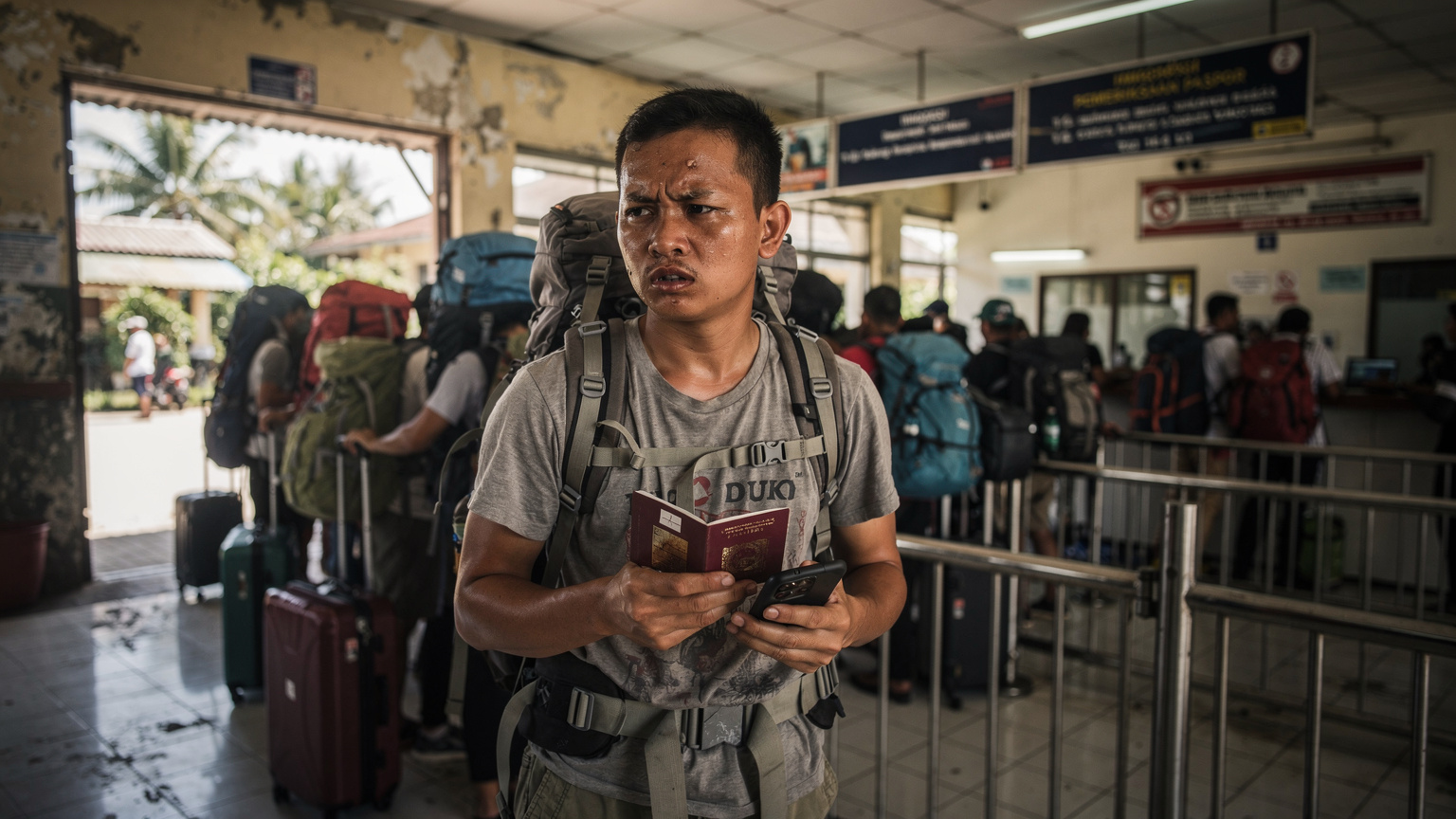
If your Indonesia trip involves a hop to Singapore, Malaysia, or even Thailand (which is common for long-term travelers), a Cellesim regional or global eSIM plan means you don't need to buy a new SIM in each country. You simply activate the appropriate regional package, and your phone seamlessly connects as you cross the border. No fumbling for SIM trays at the Johor Bahru checkpoint or after landing at Changi. This saves not only money but also precious travel time. Imagine heading from Lombok to Singapore, you can simply activate a Cellesim plan that covers both without a pause in connectivity. This kind of flexibility is a core benefit of eSIM technology for global roaming, as explored in articles like T-Mobile eSIM Abroad: Cut Data Costs, Skip Roaming Fees.
The Telkomsel Limitation
Telkomsel eSIMs, like most local carrier SIMs, are generally country-specific. If you buy a Telkomsel eSIM for Indonesia, it will only work in Indonesia. The moment you cross into another country, you'll need to buy a new local SIM or eSIM for that country, restarting the whole registration and activation process. This is a significant drawback for multi-country itineraries and a major reason why global eSIM providers like Cellesim are often superior for the true nomad.
The Cheapest Fallback: Local Physical SIMs
For fairness, let's talk about the absolute cheapest local alternative to eSIMs, assuming you're willing to put in the legwork.
Buying a Physical Telkomsel SIM
If every single rupiah counts, and you have an unlocked phone that accepts physical SIMs, buying a standard Telkomsel physical SIM card is usually the cheapest per-GB option. You can find them at any GraPari store, small mobile shops, and sometimes even minimarts. Expect to pay around IDR 20,000 for the SIM card itself, plus your chosen data package. The cheapest data packages often start from IDR 50,000 for 5GB. So, for around IDR 70,000 (€4-€5), you can get started.
The Registration Ordeal
The catch, as always, is the registration. You absolutely must register your physical SIM with your passport at an official outlet. Unregistered SIMs will be blocked within days. This process can take anywhere from 15 minutes to over an hour, depending on the queue and the efficiency of the staff. I once spent 45 minutes at a GraPari in Bandung just to get my SIM registered, missing my bus to Yogyakarta. Is saving €5 worth an hour of your travel time? For some, yes. For me, these days, not usually.
Final Verdict: Cellesim or Telkomsel eSIM for Indonesia?
For the average tourist, especially those on a budget who value their time and sanity, Cellesim is the clear winner for Indonesia. It offers simplicity, upfront pricing, instant activation, and fantastic flexibility for multi-country trips, all at a very competitive price point.
When to Choose Cellesim
Choose Cellesim if:
- You value convenience: No airport queues, no registration forms, no language barriers.
- You're doing a multi-country trip: Seamlessly switch countries without new SIMs.
- You want transparent pricing: What you see is what you pay, in your home currency.
- You need quick connectivity: Land and be connected instantly.
- Your trip is shorter than 30 days: Cellesim's shorter validity packages often make more sense.
When to Consider Telkomsel eSIM or Physical SIM
Consider Telkomsel (eSIM or physical) if:
- You are staying for 30+ days: Longer validity periods might offer slightly better per-GB rates.
- You're an extreme budget traveler: Willing to endure the registration process for marginal savings.
- You're visiting extremely remote areas: Where Telkomsel's broader (though sometimes slower) network might be the only option.
- You have a non-eSIM compatible phone: In which case, a physical SIM is your only option.
Ultimately, for my money and my precious travel time, Cellesim is the smart choice for Indonesia. I’d rather spend an extra few Euros on data and an extra hour exploring a new temple or haggling for a sarong at a market, rather than sitting in a phone shop. Happy travels, and stay connected!
Frequently Asked Questions
Is Telkomsel eSIM available for tourists in Indonesia?
Yes, Telkomsel has introduced eSIMs for tourists in Indonesia. However, these still typically require registration with your passport at an official Telkomsel GraPari store or through a verification process upon arrival, which can be time-consuming.
Can I use an eSIM if my phone is locked to a carrier?
No, your phone must be unlocked to use an eSIM from a different provider like Cellesim. If your phone is carrier-locked, you will only be able to use an eSIM from your home carrier, which often comes with high international roaming fees.
How much data do I need for a 10-day trip to Indonesia?
For a 10-day trip to Indonesia, a moderate user typically needs around 10-15GB of data. This covers navigation, social media, messaging, and occasional streaming, translating to about 1-1.5GB per day.
Is Cellesim cheaper than a physical SIM card in Indonesia?
For overall value, including convenience and time saved, Cellesim is often cheaper than a physical SIM. While a physical Telkomsel SIM might have a slightly lower upfront cost, the time spent on registration and potential language barriers adds a hidden cost that Cellesim avoids.
What happens if I run out of data on my Cellesim eSIM?
If you run out of data on your Cellesim eSIM, you can easily top up your plan directly from the Cellesim app or website. You can purchase an additional data package to extend your connectivity without needing to install a new eSIM.
Does Telkomsel eSIM offer good coverage in remote parts of Indonesia?
Telkomsel generally has the widest coverage in Indonesia, including some more remote areas. However, even with Telkomsel, connectivity can be spotty in very isolated regions. For major tourist routes, Cellesim, by partnering with strong local networks, offers comparable and reliable coverage.