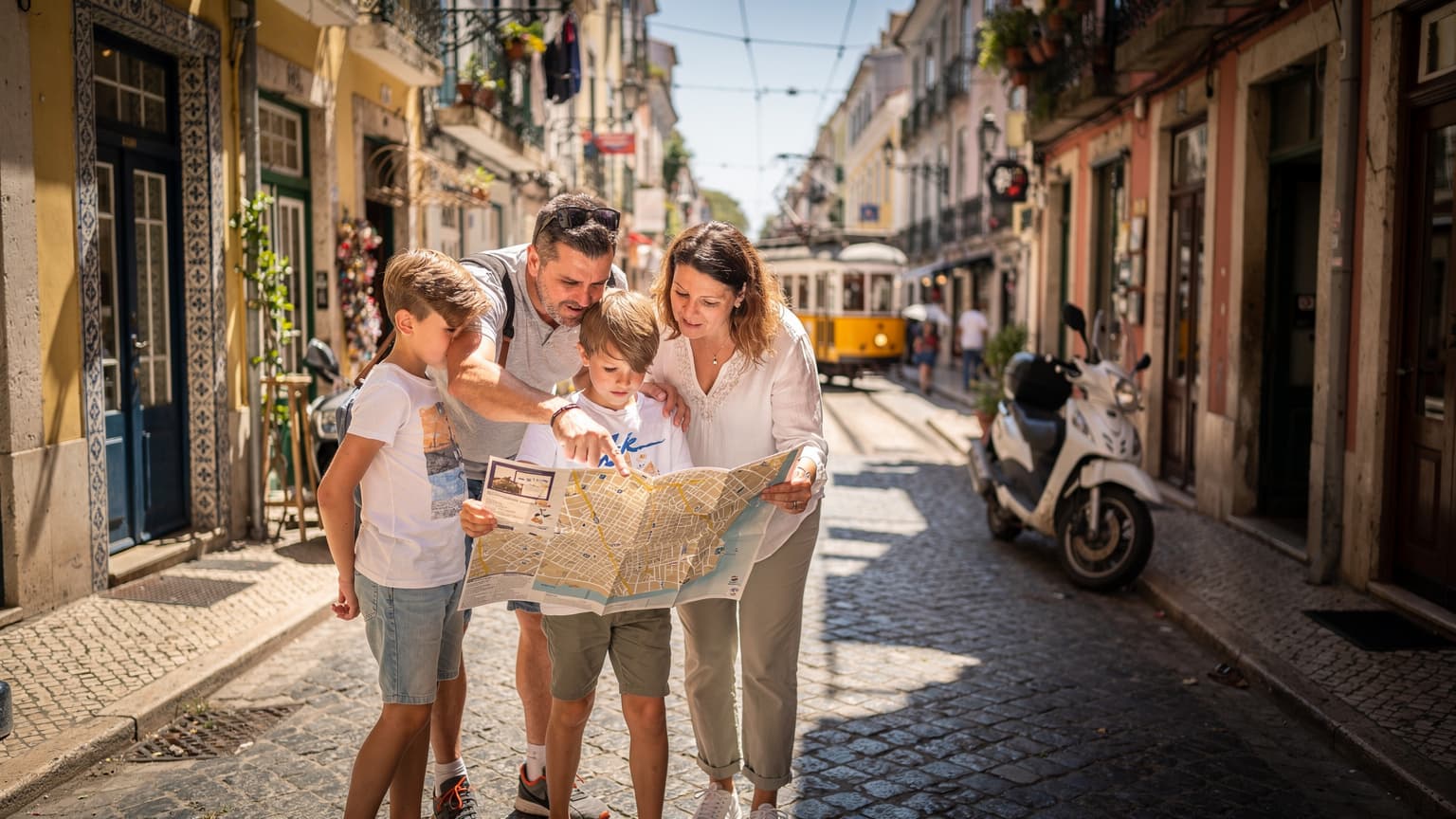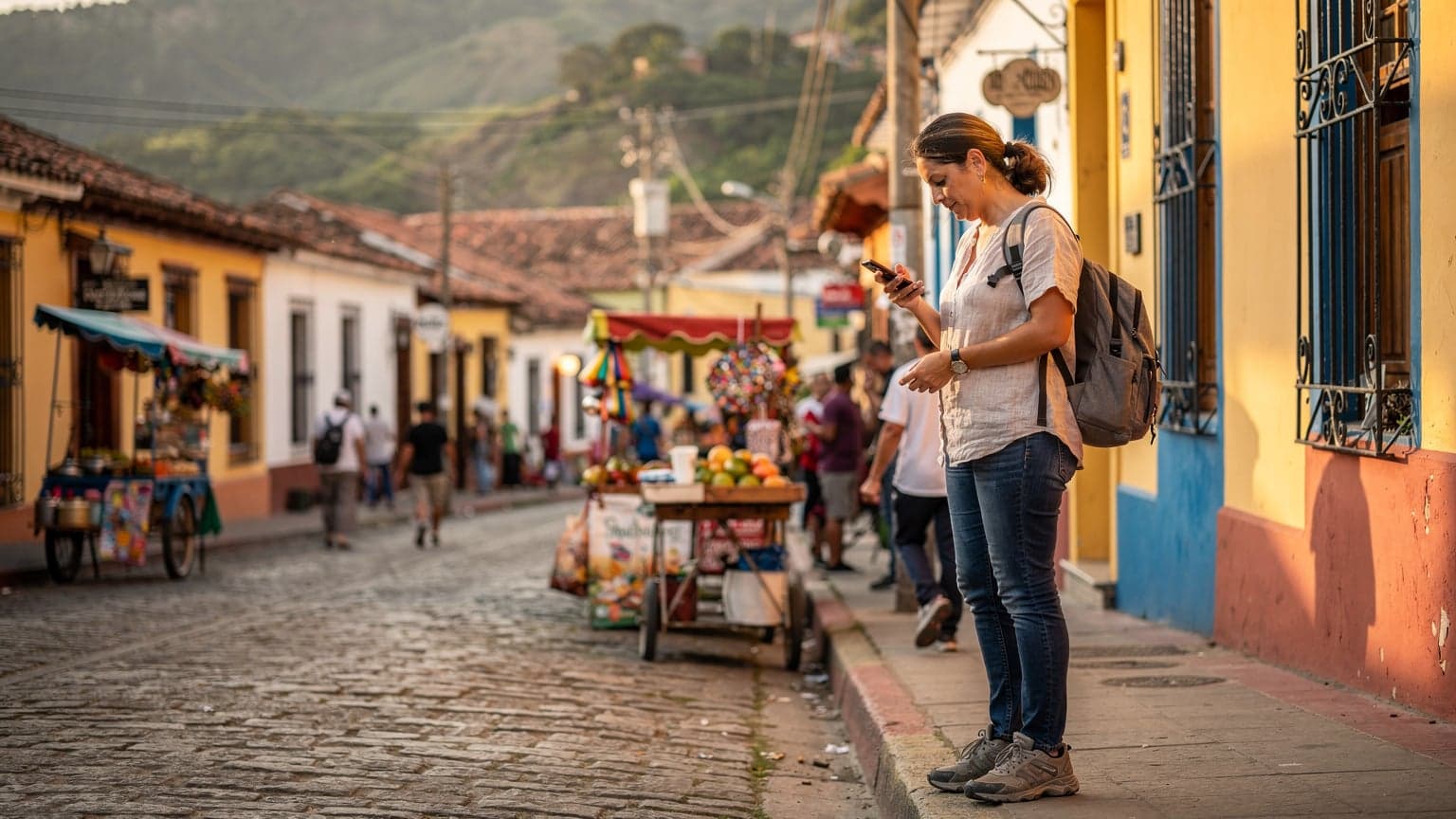
Traveling to Venezuela in 2026: What to Expect
Venezuela, with its staggering natural beauty, from the sun-drenched beaches of Los Roques to the majestic Angel Falls, calls to the adventurous spirit. My own visits, particularly exploring the vibrant art scene in Chacao, Caracas, taught me that this is a country that rewards preparation and an open mind. While some perceive it as a challenging destination, with the right information and a cautious approach, a Venezuelan adventure can be truly unforgettable. It’s about understanding the lay of the land, much like learning the rhythms of the local markets in Maracaibo, rather than just passing through.
For 2026, the key is to stay informed. Conditions can evolve, so checking official government advisories from your home country right up until your departure is crucial. My experience has been that local insights, often shared by hotel staff or trusted guides in places like Mérida, are invaluable for day-to-day safety. They know which areas to avoid after dark and where to find the best empanadas, often in the same breath.
Current Safety Overview and General Advice
Generally speaking, major tourist destinations like Canaima National Park, Los Roques Archipelago, and parts of Margarita Island tend to be safer due to their focus on tourism infrastructure. However, even in these areas, petty crime can occur. In urban centers, particularly Caracas, the risk of more serious crime is higher. Walking alone after dark, especially in less frequented areas of districts like Petare or La Candelaria, is not advisable. Always opt for reputable taxi services or ride-sharing apps recommended by your accommodation.
A simple rule I’ve learned over decades of travel is to never draw unnecessary attention to yourself. Flashy jewelry, expensive cameras, or openly counting large sums of cash can make you a target. Keep valuables out of sight, and consider leaving your most prized possessions at home. It’s about blending in, not sticking out, a lesson I learned quickly trying to navigate the crowded streets near Plaza Bolívar.
Entry Requirements and Visa Information
Sorting out visa requirements can sometimes feel like a maze, and Venezuela is no exception. Before you even think about packing, confirm what you need for entry, as requirements vary significantly based on your nationality.
Visa Application Process
Many nationalities require a visa for entry into Venezuela. The application process typically involves submitting an application form, a valid passport with at least six months' validity beyond your intended stay, recent passport-sized photos, proof of onward travel (such as a return flight ticket), proof of accommodation, and a letter of invitation if applicable. You might also need to demonstrate sufficient funds for your trip. It's crucial to apply well in advance, as processing times can be unpredictable. Consular offices usually open for applications between 9:00 AM and 1:00 PM on weekdays, but always check specific embassy websites for precise hours and required documents.
I once had a last-minute visa hiccup trying to get into a different South American country, and it taught me the importance of triple-checking every detail and starting the process early. Don't assume anything. Contact the nearest Venezuelan embassy or consulate in your home country for the most accurate and up-to-date information for your specific passport.
Passport Validity and Immigration
Make sure your passport has plenty of validity, usually at least six months beyond your planned departure date. Venezuelan immigration officials are strict on this. Upon arrival at Simón Bolívar International Airport (SVMI) in Maiquetía, you'll go through immigration. Be prepared to present your passport, visa (if required), and any other requested documents. Hold onto your stamped entry slip, as it's often needed for departure.
Health and Medical Considerations for Venezuela
Staying healthy while traveling is paramount, and a trip to Venezuela requires some specific health precautions. It’s not just about avoiding street food, though that’s always a good starting point (especially after a dodgy empanada incident I had once near the Parque Central metro station).
Recommended Vaccinations and Preventative Measures
Talk to your doctor at least 4-6 weeks before your trip to discuss recommended vaccinations. Generally, vaccinations for Yellow Fever, Hepatitis A and B, Typhoid, and Tetanus-Diphtheria are advised. Yellow Fever vaccination may be mandatory for entry if you're arriving from a country with risk of Yellow Fever transmission. Always carry your International Certificate of Vaccination (Yellow Card) with you.
Malaria is present in certain rural areas, particularly in the Amazonas and Bolívar states. Discuss antimalarial medication with your doctor if your itinerary includes these regions. Dengue fever, Chikungunya, and Zika virus are also present, so mosquito bite prevention is essential throughout the country. Use insect repellent containing DEET, wear long sleeves and trousers, especially at dawn and dusk, and sleep under mosquito nets if staying in areas without air conditioning or screened windows.
Accessing Medical Care and Insurance
Medical facilities in Venezuela, especially outside of major cities like Caracas (for instance, in the Alto Prado or Las Mercedes neighborhoods), may be limited or lack essential supplies and trained personnel. Private clinics in Caracas are generally better equipped but can be expensive. Always have comprehensive travel insurance that covers medical emergencies, evacuation, and repatriation. Confirm with your insurance provider that Venezuela is covered and understand your policy's specifics, including direct payment options or reimbursement procedures.
I've seen firsthand how quickly a minor ailment can get worse without proper care, so securing good travel insurance isn't an option, it's a necessity. Keep a small first-aid kit with basic medications, rehydration salts, and any personal prescription drugs (with a doctor's note) readily accessible.
Staying Connected: eSIMs and Local Data
Connectivity isn't a luxury anymore, it's essential, especially when you're in a new country. Trying to find reliable Wi-Fi in a small café in Puerto Ayacucho, only to discover it’s slower than dial-up, isn't my idea of a good time. This is where an eSIM becomes your best travel companion.
The Benefits of an eSIM for Venezuela
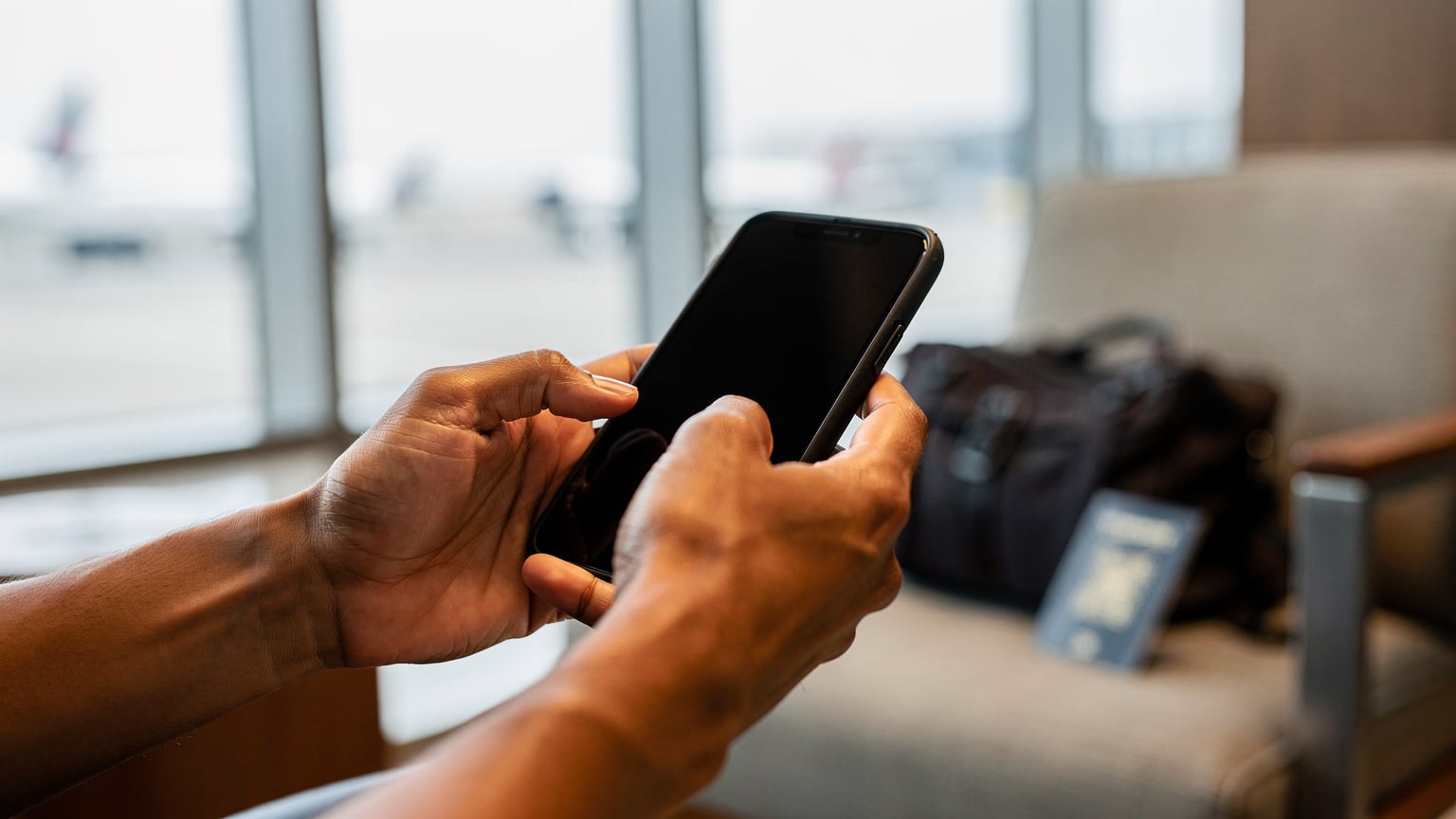
An eSIM, or embedded SIM, makes your mobile experience much easier by letting you activate a local data plan without needing a physical SIM card. For Venezuela, this means you can set up your data before you even land, so you have internet access the moment your plane touches down at SVMI. No more hunting for local SIM card vendors in unfamiliar airports or trying to explain your data needs in broken Spanish. It’s a game-changer for staying safe, finding your way around, and keeping in touch with loved ones.
With a Cellesim Venezuela eSIM, you can get started for as little as $29.75, with a choice of 4+ data plans to suit your trip duration and usage. This flexibility means you only pay for what you need, avoiding exorbitant roaming charges from your home carrier. You can also keep your primary SIM active for calls and texts, using your eSIM purely for data. If you're wondering How Does an eSIM Work? Your No-Nonsense Guide to Digital Connectivity in 2026, it's simpler than you think.
| Feature | Cellesim eSIM for Venezuela | Traditional Roaming | Local Physical SIM |
|---|---|---|---|
| Activation | Pre-arrival, via QR code or app | Automatic (often expensive) | Post-arrival, in-store purchase/registration |
| Cost Control | Fixed plan pricing, no hidden fees | Variable, high per-MB charges | Local rates, but can require cash/local ID |
| Flexibility | Multiple plans, easy top-ups | Limited options, often bundled | Tied to single carrier, less flexible |
| Ease of Use | Instant digital setup | No setup, but bill shock risk | Requires physical exchange, potential language barrier |
Purchasing and Activating Your Cellesim eSIM
The process is straightforward. Here's a quick run-through:
- Check Device Compatibility: Make sure your smartphone supports eSIM technology. Most newer models, especially iPhones (since the iPhone XS) and flagship Android devices, are compatible.
- Visit Cellesim's Website: Head over to the Venezuela eSIM page on the Cellesim website.
- Select Your Plan: Choose from the available data plans that best fit your travel duration and data needs. Remember, Cellesim offers 4+ plans for Venezuela starting at $29.75.
- Purchase and Receive QR Code: Complete your purchase. You'll then get an email with a QR code and detailed activation instructions.
- Activate Your eSIM: Scan the QR code with your phone's camera (usually found in your phone's cellular settings). Follow the prompts to install the eSIM profile. Do this before you leave, or just after landing with airport Wi-Fi, to ensure immediate connectivity.
- Enable Data Roaming (for eSIM): Once installed, make sure 'Data Roaming' is enabled for your eSIM line in your phone settings. Don't worry, with a Cellesim eSIM, this only uses your purchased plan data, not expensive roaming from your home provider.
Money and Currency Tips
Managing your money in Venezuela can be complex, given the economic situation. It's a nuanced dance, not unlike trying to haggle for fresh fish at the Mercado de Chacao without speaking much Spanish.
Local Currency and Payment Methods
The official currency is the Venezuelan Bolívar Digital (VES). However, US dollars are widely accepted and often preferred for larger transactions, especially in tourist-focused areas and some upscale establishments in Caracas's Altamira district. You'll find that many businesses list prices in USD, even if they accept bolívares. It’s always good to have a mix of both currencies.
Credit and debit cards are accepted in some larger hotels and supermarkets, but their reliability can be inconsistent. Always carry a sufficient amount of cash in smaller denominations of USD for daily expenses, smaller purchases, and emergencies. ATMs are available but often have low withdrawal limits, may run out of cash, or might not be compatible with international cards. I've had more than one frustrating experience trying to get cash out of an ATM in a country with volatile currency, so consider this a strong recommendation.
Exchange Rates and Avoiding Black Market
Exchange rates can fluctuate significantly. While informal money changers might offer seemingly better rates, using them carries a high risk of being scammed or receiving counterfeit currency. It’s safer to exchange money at official exchange houses, reputable hotels, or banks, even if the rate is slightly less favorable. Transparency and security are worth the small difference. Always count your money carefully before leaving the counter.
Transportation: Navigating Venezuela
Getting around Venezuela requires a blend of caution and local knowledge. It's not like hopping on the Berlin U-Bahn, that's for sure.
Air Travel and Domestic Flights
Domestic flights connect major cities and regions, such as Caracas to Porlamar (Margarita Island) or Canaima. Reputable airlines like Conviasa operate these routes. Book tickets in advance, especially during peak travel seasons like Venezuelan holidays. Arrive early at airports, as security procedures can be thorough and sometimes slow. Always confirm flight statuses, as delays and cancellations can occur. I've been stuck at more than one regional airport waiting for a delayed flight, so patience is key.
Intercity Buses and Private Transport
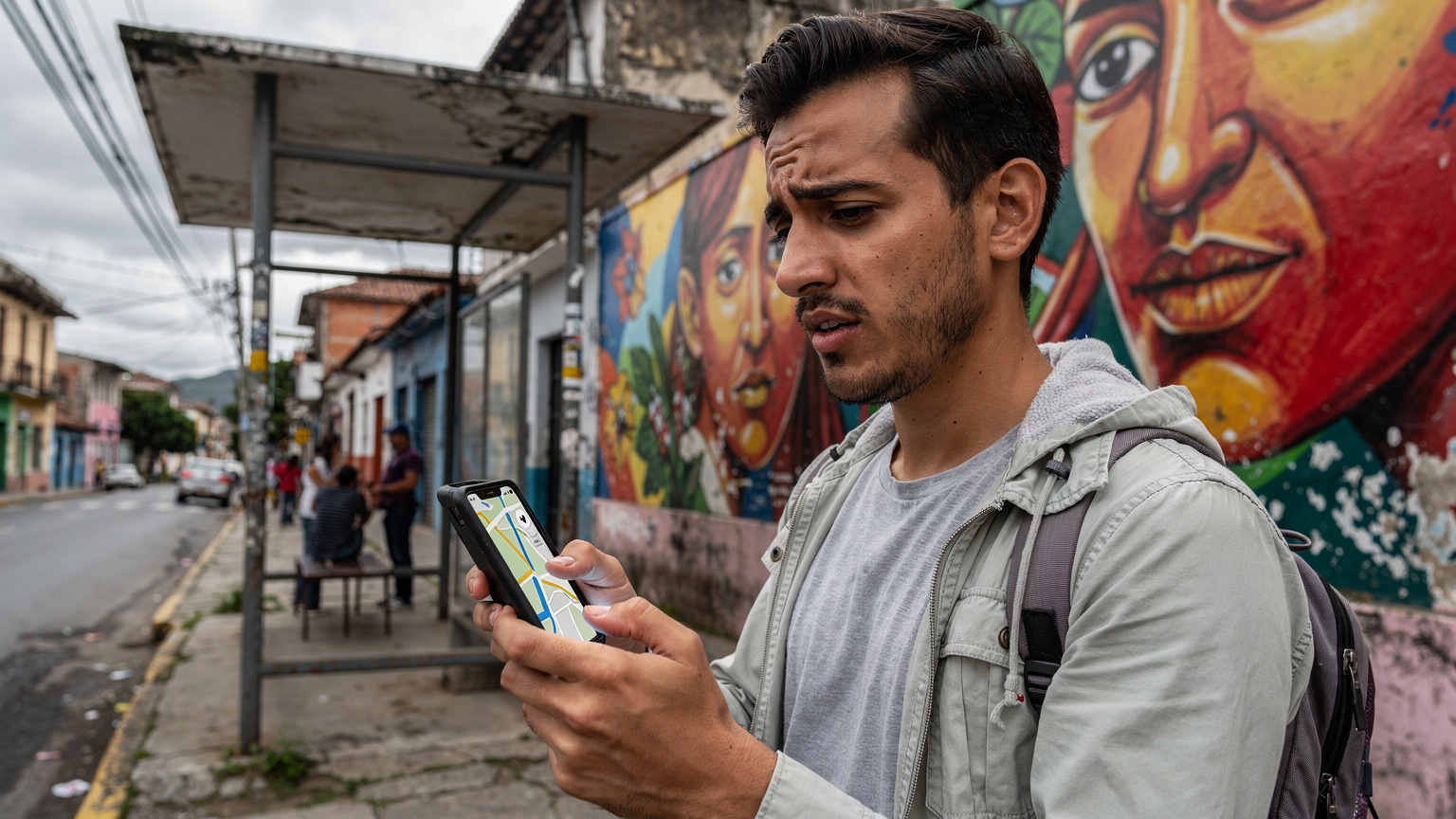
Intercity buses are a common mode of transport, but safety standards vary. For longer journeys, consider more reputable bus lines and avoid traveling at night. Alternatively, for comfort and security, private taxis or pre-arranged transfers through your hotel or a trusted tour operator are recommended, particularly in Caracas. When taking a taxi, confirm the fare before starting the journey or ensure the meter is used and visible. Avoid hailing unmarked taxis on the street; always use official taxi stands or ride-sharing apps like Yummy Domicilios (which also has a ride-hailing service in some cities).
Public Transport in Major Cities
In Caracas, the Metro de Caracas is an option, but it can be extremely crowded, especially during peak hours (roughly 6:00 AM-9:00 AM and 4:00 PM-7:00 PM). Pickpocketing is a concern, so keep valuables secure and out of sight. In other cities, public transport might be less developed, often relying on shared taxis (por puestos) or smaller buses (camionetas). Always be aware of your surroundings and avoid displaying expensive items.
Common Scams and How to Avoid Them
Scams are an unfortunate reality in many travel destinations, and Venezuela is no different. Knowing what to look out for can save you a lot of grief (and bolívares).
Petty Theft and Pickpocketing
Scenario: In crowded areas like markets in Catia, or on public transport, pickpockets operate. They might work in teams, one distracting you while the other relieves you of your wallet or phone. Another common tactic is the 'splash and grab', where something is spilled on you, and while you're distracted cleaning it, your belongings are taken.
Prevention:
- Secure Your Valuables: Use a money belt or a secure cross-body bag worn in front of you.
- Minimize Belongings: Only carry what you absolutely need for the day. Leave passports, extra cash, and credit cards in a hotel safe.
- Situational Awareness: Be wary of overly friendly strangers or sudden distractions. If something is spilled on you, immediately secure your bag and move away before addressing the mess.
Fake Police and Extortion
Scenario: You might encounter individuals posing as police officers, often in plain clothes, who demand to see your passport or search your bags, sometimes alleging a minor infraction to solicit a bribe. This is particularly prevalent near tourist areas in Caracas.
Prevention:
- Demand ID: Legitimate police officers will always identify themselves clearly. Ask for official identification.
- Do Not Hand Over Passport: Never hand over your original passport or large sums of cash. Offer a photocopy of your passport instead.
- Seek Public Place: If approached, try to move to a well-lit, public area. If they insist on a search, suggest doing it at a police station.
Taxi and Currency Scams
Scenario: Unofficial taxis might overcharge, take longer routes, or claim not to have change. At currency exchange points, you might receive counterfeit bills or be short-changed if you're not vigilant.
Prevention:
- Use Reputable Taxis: Always use official taxi services booked through your hotel or a trusted app like Yummy. Confirm the fare before you start the ride.
- Check Currency Carefully: When exchanging money, familiarize yourself with the features of genuine Venezuelan Bolívar Digital and US Dollar bills. Count your change meticulously before leaving.
- Avoid Street Exchange: Do not engage with street money changers, no matter how good the rate seems. The risk is too high.
Local Laws, Customs, and Cultural Nuances
Understanding local laws and customs isn't just about avoiding trouble; it's about respecting the culture you're immersing yourself in. My time spent learning the nuanced greetings in different parts of Venezuela taught me how much these small gestures matter.
Drug Laws and Penalties
Venezuela has strict laws regarding illegal drugs. Penalties for drug-related offenses, even for small amounts, are severe and can include lengthy prison sentences. Do not engage in any drug-related activities. This applies to all substances, including marijuana. Law enforcement takes these matters very seriously, and foreign nationals are not exempt from these laws.
Photography and Social Etiquette
Always ask for permission before taking photos of individuals, especially in rural areas or indigenous communities. Be discreet when photographing official buildings, military installations, or sensitive government sites, as this can be viewed with suspicion. Public displays of affection are generally more reserved than in some Western countries. Dress modestly, particularly when visiting religious sites or conservative areas. A simple 'Buenos días' or 'Buenas tardes' goes a long way in establishing a friendly rapport, something I've found true whether I'm in the bustling streets of El Recreo or the quiet villages of Los Andes.
Protests and Political Gatherings
Avoid all political demonstrations, rallies, and large public gatherings. These can turn violent quickly and without warning. Even seemingly peaceful demonstrations can escalate, and you could inadvertently become caught in a dangerous situation. If you encounter a protest, calmly leave the area immediately. Stay updated on local news through trusted sources (when you have reliable internet thanks to your eSIM for Laptops, for example).
Emergency Information and Contacts
Knowing who to call and what to do in an emergency is crucial. I always make sure I have these numbers saved in my phone, a habit I picked up after a minor incident in a remote area near the Orinoco Delta.
Key Emergency Numbers
While official emergency services can be strained, knowing these numbers is still important:
- Police: 171 or 911
- Fire Department: 171 or 911
- Ambulance: 171 or 911
It's worth noting that the '911' service may not be as robust or widely available as in some other countries. In many situations, contacting your embassy or your local tour operator might be a more effective first step, especially if you face language barriers.
Contacting Your Embassy
Register your trip with your country's embassy or consulate in Venezuela before you depart. This allows them to contact you in an emergency and provide assistance. Keep their contact information readily available, including their emergency after-hours number. They can assist with lost passports, provide lists of local doctors, and offer general advice if you find yourself in a difficult situation.
| Service | Primary Number | Notes |
|---|---|---|
| Police | 171 or 911 | Coverage varies, may be slow to respond in some areas. |
| Fire Department | 171 or 911 | Primarily urban areas. |
| Ambulance/Medical Emergency | 171 or 911 | Private clinics may offer faster, more reliable services. |
| Your Embassy/Consulate | Check specific contact info | Essential for lost passports, legal aid, emergency assistance. |
Responsible Travel in Venezuela
Traveling responsibly means leaving a positive impact, respecting the environment, and contributing positively to local communities. It’s about being a guest, not just a visitor, a distinction I learned the hard way after mispronouncing a common phrase in the Colonia Tovar.
Environmental Conservation
Venezuela is home to incredible biodiversity. When visiting natural parks like Canaima, follow all park rules, stay on marked trails, and do not disturb wildlife. Dispose of all waste properly, and avoid single-use plastics where possible. Support eco-tourism initiatives that genuinely contribute to conservation efforts.
Supporting Local Communities
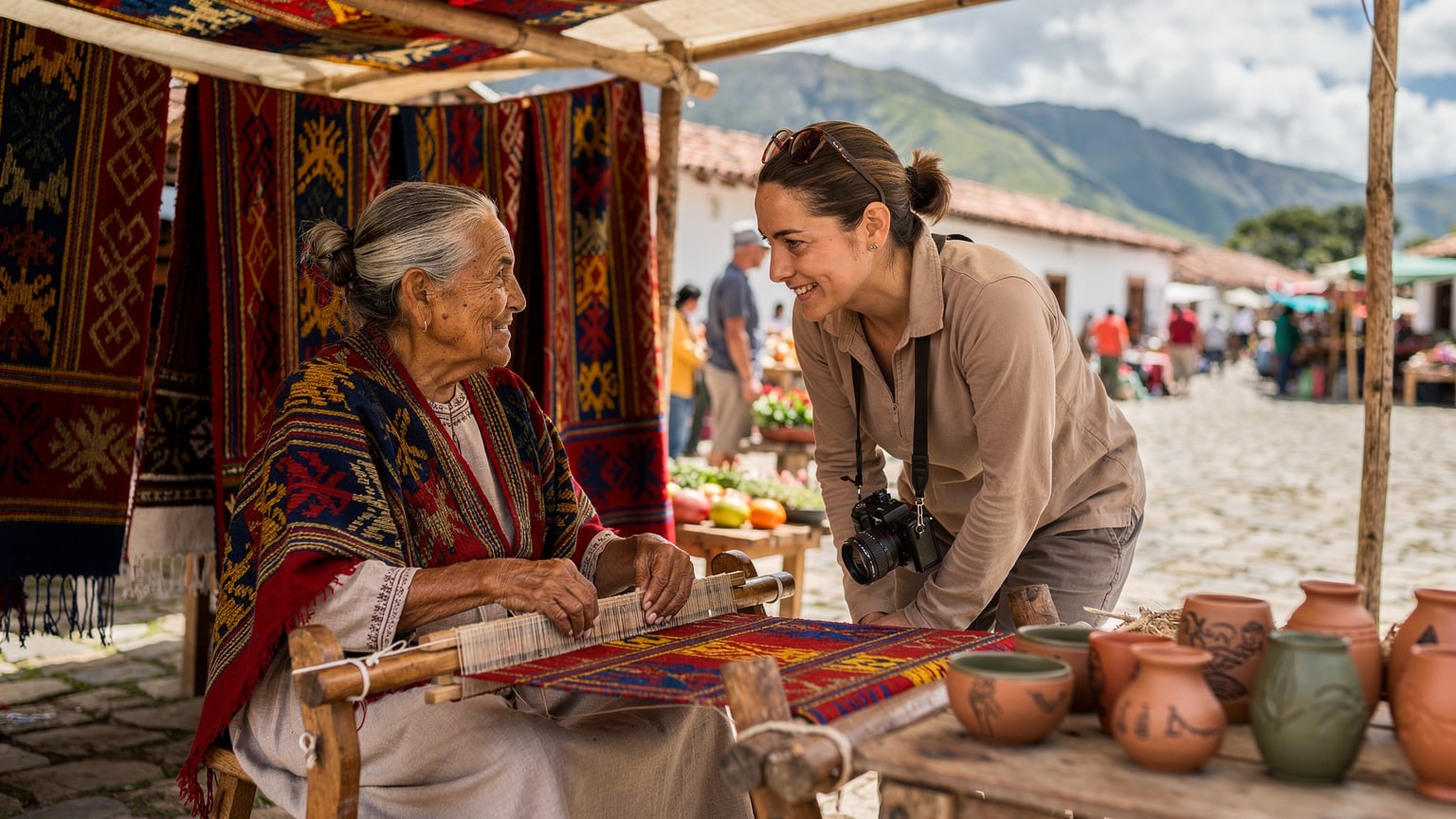
Choose locally owned accommodations, restaurants, and tour operators. Purchase handicrafts directly from artisans in markets like those in El Hatillo. Bargaining is common in markets, but do so respectfully. Your economic contributions can make a significant difference in supporting local livelihoods.
Cultural Sensitivity
Learn a few basic phrases in Spanish. Venezuelans appreciate the effort. Be mindful of local customs and traditions. Dress respectfully, especially when visiting religious sites. Engage with locals with an open mind and a willingness to learn. A little cultural homework, perhaps by reading Fun Facts About Venezuela: 15 Things to Know Before You Visit 2026, can go a long way.
Frequently Asked Questions
Is Venezuela safe for tourists in 2026?
Venezuela requires heightened awareness for tourists in 2026. While popular tourist destinations like Los Roques and Canaima National Park are generally safer, urban areas, particularly Caracas, present higher risks of crime. Thorough planning, using trusted local services, and staying informed are crucial for a safe trip.
Do I need a visa to travel to Venezuela?
Many nationalities require a visa for entry into Venezuela. The requirements vary by country, so it is essential to check with the nearest Venezuelan embassy or consulate well in advance of your trip. Ensure your passport has at least six months of validity beyond your intended departure date.
What vaccinations are recommended for Venezuela travel?
It's recommended to consult your doctor 4-6 weeks before travel for vaccinations such as Yellow Fever, Hepatitis A and B, Typhoid, and Tetanus-Diphtheria. Yellow Fever vaccination may be mandatory for entry, so carry your International Certificate of Vaccination. Malaria prevention is also advised for certain rural regions.
How can I stay connected with mobile data in Venezuela?
An eSIM is a highly recommended option for mobile data in Venezuela. Cellesim offers Venezuela eSIMs starting at $29.75 with 4+ plans, allowing you to activate data before arrival. This avoids expensive roaming and the hassle of purchasing a local physical SIM card, ensuring immediate connectivity upon landing.
What currency should I use in Venezuela?
While the official currency is the Venezuelan Bolívar Digital (VES), US dollars are widely accepted and often preferred for transactions in Venezuela. It is advisable to carry a mix of both currencies, with US dollars in smaller denominations for daily expenses. Avoid informal money changers due to high risks.
Are there specific scams to be aware of in Venezuela?
Common scams in Venezuela include petty theft and pickpocketing in crowded areas, individuals posing as police officers demanding bribes, and taxi/currency scams. To avoid these, secure your valuables, use reputable transport, and only exchange money at official establishments.