Traveling to Tajikistan in 2026 is generally safe, but like any adventure, it requires a bit of smart planning. The key is to stay aware of your surroundings, respect local customs, and pay attention to specific advisories, especially if you’re heading to border regions or the high mountains. Think about things like getting the right visa, knowing your health precautions, and sorting out reliable communication, like an eSIM, so you’re always connected.
Current Safety Overview for Tajikistan (2026)
Tajikistan, with its incredible Pamir Mountains and ancient Silk Road history, is pretty welcoming for international travelers in 2026. Generally, crime rates are low, and violent crime against tourists is rare. Still, it’s always smart to be aware of your surroundings. Like anywhere, petty theft, such as pickpocketing, can happen in busy spots like Dushanbe’s Ayni market or major transport hubs. Keep your valuables secure and try not to flash expensive items.
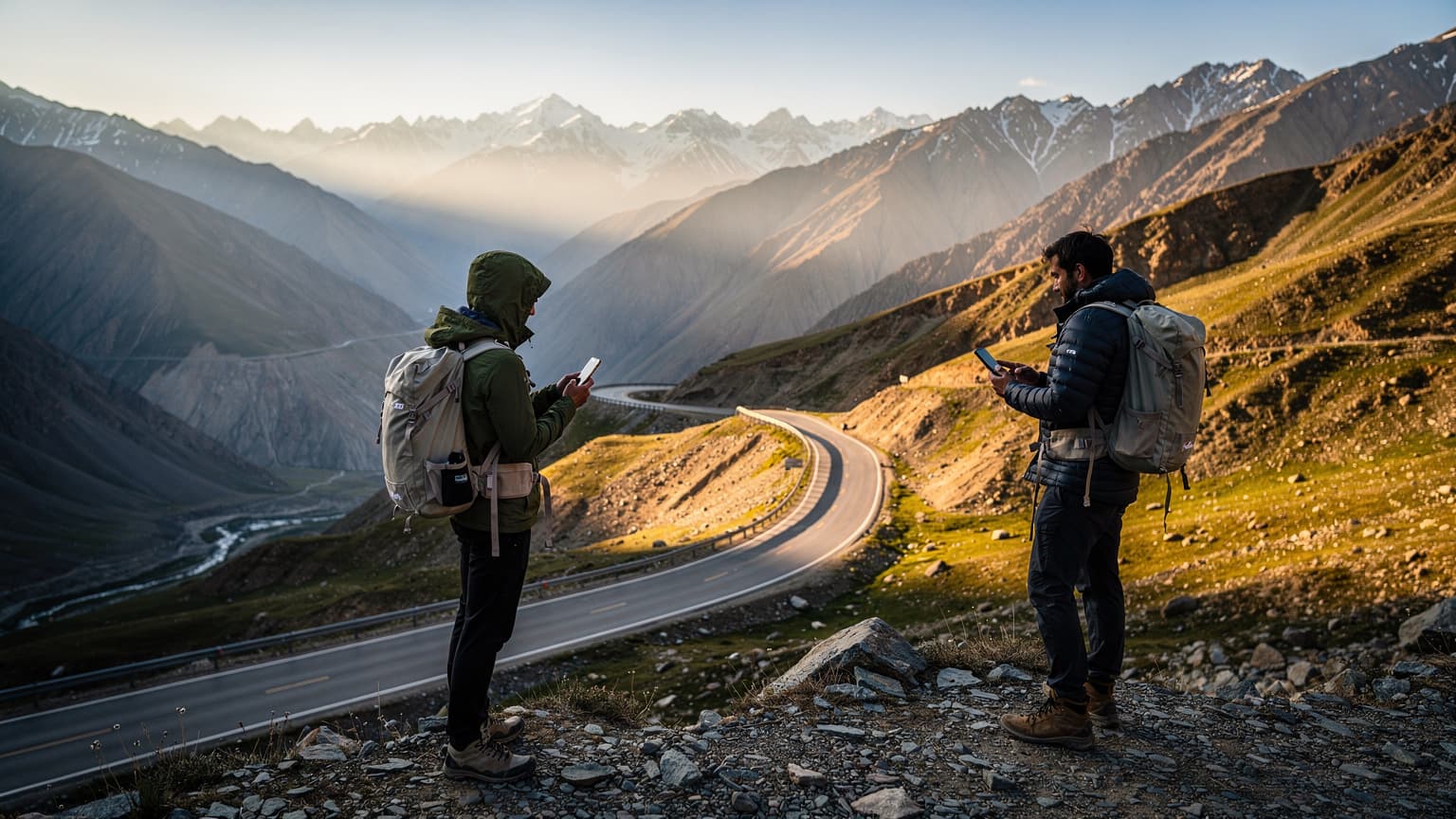
The country has seen much better political stability over the last few decades, but occasionally you might hear about a local protest or border incident. Always keep an eye on local news and official government travel advisories. Pay extra attention to border areas with Afghanistan, where things can change quickly. The Pamir Highway, a huge draw for adventurers, is usually safe, but the road conditions, especially in bad weather, are a challenge. You’ll often need a sturdy 4x4 and an experienced driver - a good driver makes all the difference on those mountain passes!
If you’re into culture and history, cities like Khujand and Istaravshan offer ancient sites with no major security worries beyond basic precautions. Always let someone back home know your travel plans, and think about registering with your embassy or consulate.
Regional Alerts and Restricted Zones
Some areas in Tajikistan are off-limits or need special permits because they’re near international borders or sensitive government spots. The Gorno-Badakhshan Autonomous Region (GBAO), where the Pamir Mountains are, needs a special GBAO permit on top of your standard visa. You can usually get this when you apply for your visa, or sometimes through local tour operators. If you don’t have it, you’ll be turned away and might even get fined. Regulations can change, so check for any specific paperwork needed for certain valleys or mountain passes, like the Bartang Valley.
Also, be extra careful near the borders with Afghanistan, Uzbekistan, and Kyrgyzstan. Official border crossings are fine, but unofficial ones or getting too close to unmarked sections can be dangerous due to old unexploded ordnance. Always stick to known roads and paths, especially when hiking in remote areas. A local guide who knows the land and current conditions is highly recommended for any treks in these sensitive zones.
Entry Requirements and Visa Protocols
Getting into Tajikistan means sorting out your documents. Most nationalities need a visa, and thankfully, the e-Visa system makes this much easier. An e-Visa usually covers a single entry for tourism for a specific period, often 45 or 60 days. Make sure your passport is valid for at least six months past your planned departure and has at least two blank pages for stamps.
The e-Visa application is usually straightforward: fill out an online form, upload a digital photo, and pay. But double-check everything for accuracy, as mistakes can cause delays or rejections. It’s smart to apply well before your trip, typically allowing 3-5 business days for processing. Print a copy of your approved e-Visa and keep it with your passport, as border officials will often ask for a physical copy. If you have a more complex itinerary or plan a longer stay, you might need to apply through a Tajik embassy or consulate in your home country.
GBAO Permit and Registration Requirements
Remember, the Gorno-Badakhshan Autonomous Region (GBAO) is a special zone. If your trip includes places like Khorog, Murghab, or the Pamir Highway, you absolutely need a GBAO permit. This is usually an option you can select when applying for your e-Visa. If you miss it, you might be able to arrange it locally in Dushanbe through an agency, but that can add extra hassle and delays.
On top of that, if you’re staying in Tajikistan for more than three business days, you’ll generally need to register with the OVIR (Department of Visas and Registration) or a similar local office. If you’re staying in hotels or registered guesthouses, they usually handle this for you. But if you’re staying in private homes or with friends or family, it’s your responsibility to make sure you register within the deadline. Not registering can lead to big fines and problems when you try to leave. Always keep proof of your registration with your passport.
Health Precautions and Medical Facilities
Before you go to Tajikistan, talk to your doctor or a travel clinic a few months ahead to discuss vaccinations like Hepatitis A, Typhoid, and Tetanus, and any other health risks for your specific trip. Waterborne illnesses can be an issue, so always drink bottled or filtered water, even in cities. Giardia is common in rural areas, especially near streams, so hikers must purify their water.
Medical facilities, particularly outside Dushanbe, are basic and might not be up to Western standards. Dushanbe has a few private clinics with better resources, but for serious medical emergencies, you’ll often need to be evacuated to a nearby country or back home. This means comprehensive travel insurance with medical evacuation coverage isn’t just a good idea, it’s essential. Pack a well-stocked first-aid kit, especially if you’re trekking in remote areas. Include things for stomach problems, pain relief, and any prescription medications (with a doctor's note).
Altitude Sickness and Prevention
Many popular spots in Tajikistan, especially along the Pamir Highway, are at high altitudes, often above 3,000 meters (around 10,000 feet). Acute Mountain Sickness (AMS) is a real risk and can hit anyone, no matter how fit you are. Symptoms range from headaches and nausea to serious conditions like High Altitude Cerebral Edema (HACE) or High Altitude Pulmonary Edema (HAPE), which can be deadly.
The best way to prevent it is to go up slowly, letting your body get used to the altitude. Plan your trip with rest days at intermediate altitudes. For example, if you’re driving the Pamir Highway, spending a night or two in Khorog (around 2,200m) before going higher can really help. Stay hydrated, avoid alcohol, and know the symptoms. A doctor can prescribe Diamox (acetazolamide) to help prevent AMS, but it’s no substitute for proper acclimatization. Always listen to your body, and if symptoms get worse, descend immediately.
Navigating Local Laws and Cultural Norms
Tajikistan is a mostly Muslim country, so dress modestly, especially when visiting religious sites. For women, this usually means covering your shoulders and knees; a headscarf might be appropriate for mosques. Public displays of affection are generally frowned upon. Respect for elders is a huge part of Tajik culture, and polite greetings are always appreciated.
Taking photos of military bases, government buildings, or border areas is strictly forbidden and can land you in serious legal trouble. When photographing people, always ask first. The local money is the Tajik Somoni (TJS). While credit cards work in big hotels and some restaurants in Dushanbe, cash is king everywhere else, especially in rural areas and local markets. US Dollars are sometimes accepted for bigger purchases or at tourist-focused places, but it’s always better to use local currency for daily spending.
Alcohol and Other Restrictions
Even though Tajikistan is a Muslim-majority country, you can drink alcohol, especially in cities like Dushanbe. However, public intoxication isn’t tolerated and can lead to fines or even being detained. Don’t drink too much in public. Drug laws are incredibly strict, and penalties for possession or trafficking are severe, including long prison sentences. This includes things like certain over-the-counter medications that might contain restricted substances; always carry prescriptions for any medicine you have.
If you interact with local authorities, stay polite and cooperative. If police stop you, calmly show your documents. It’s a good idea to carry photocopies of your passport and visa, keeping the originals safely stored at your accommodation. Bribery, though less common now, can still be an issue; don't engage in it. If you feel you’re being treated unfairly, politely ask to contact your embassy or consulate.
Common Scams and How to Avoid Them
Tajikistan is generally safe, but tourists can occasionally run into small scams, especially in busy city centers or near popular attractions. One common trick is inflated prices for taxis or goods at local markets. Taxis, particularly those flagged down on the street rather than booked through an app, might quote ridiculously high fares. Always agree on the price before you start your ride, or even better, use ride-hailing apps like Yandex Go for clear pricing. For market purchases, a friendly haggle is part of the fun, but be firm and walk away if the price seems way too high.
Another potential issue involves unsolicited