Grenada: Current Safety Overview 2026
Grenada, often dubbed the "Spice Isle," has a reputation as one of the safer Caribbean islands. For most visitors, a trip here is uneventful, full of stunning beaches and friendly locals. However, "safe" doesn't mean "risk-free." I've been in places that felt completely idyllic until I missed one bus after dark. In Grenada, the general vibe is relaxed, but you'll still want to keep your guard up, especially in certain areas.
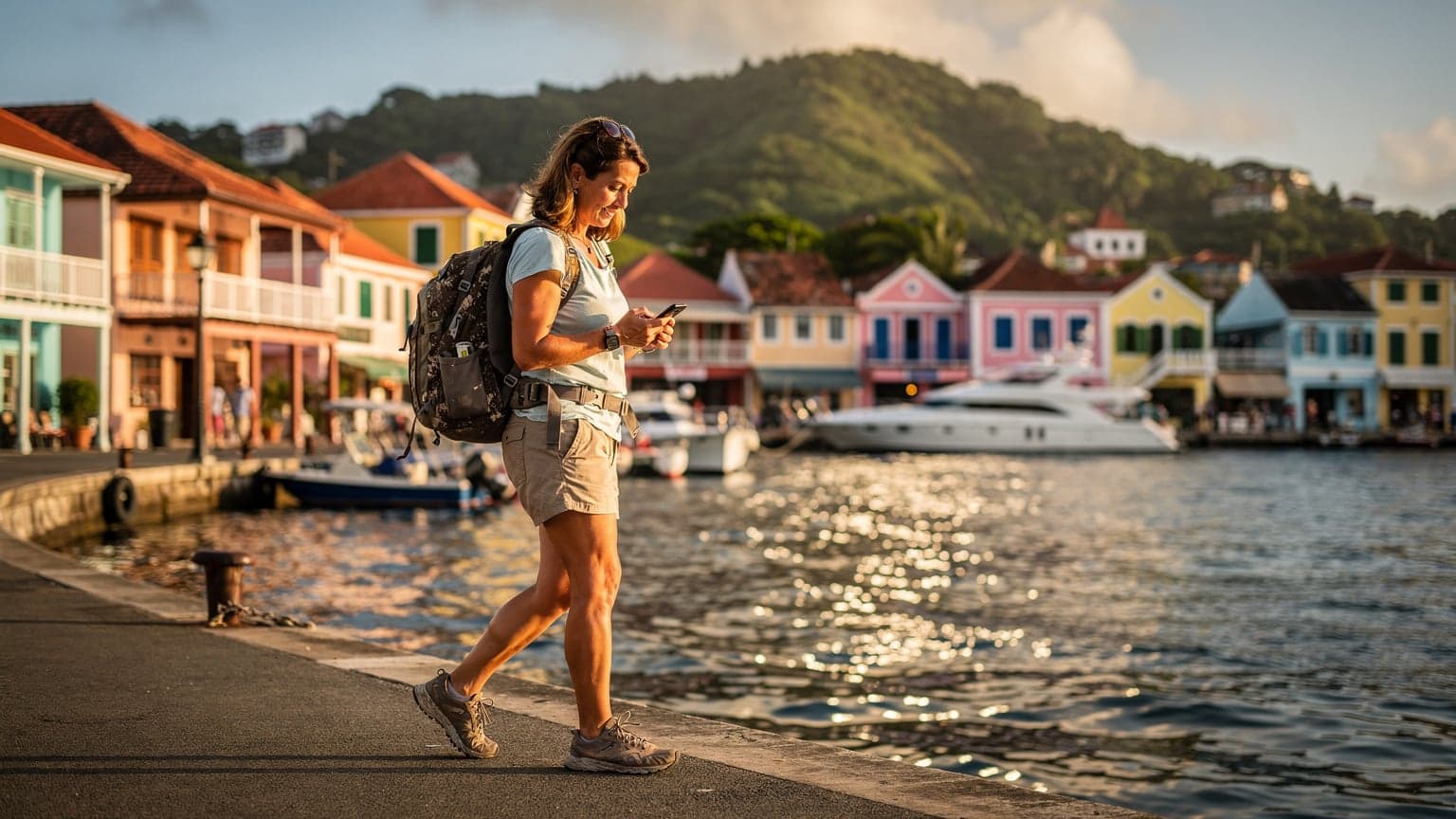
My experience, and what I hear from others in digital nomad groups, is that the main issues are opportunistic petty theft. This isn't unique to Grenada, mind you. You see it everywhere people are relaxed and carrying valuable gear. Areas like St. George's, particularly around the Carenage and Grand Anse Beach after dark, require a bit more awareness. It's not a place where you'll be constantly looking over your shoulder, but it's also not a place where you can leave your phone unattended on a cafe table and expect it to be there when you get back from the restroom.
Generally, violent crime against tourists is rare. Most incidents involve property theft. This means being smart about where you flash cash, how you carry your bag, and not wandering into unlit areas alone at night. Just like you wouldn't walk around with your wallet hanging out of your back pocket in London, don't do it in St. George's.
Common-Sense Precautions for Travelers
- Awareness is Key: Always be mindful of your surroundings, particularly in crowded markets, bus terminals, and secluded beach areas.
- Secure Valuables: Use hotel safes for passports, extra cash, and expensive jewelry. Carry only what you need for the day.
- Nighttime Navigation: Avoid walking alone at night, especially in poorly lit areas. Use reputable taxis or ride-shares.
- Trust Your Gut: If a situation feels off, it probably is. Remove yourself from it.
Entry and Visa Requirements: What You Need to Know
Before you even think about safety on the ground, you need to clear immigration. Grenada's entry requirements are pretty standard for most Western nationalities. I always recommend checking the official Grenada Immigration website closer to your travel date, as things can shift without much warning. It saved me a headache in Brazil when their visa rules changed for US citizens with about two weeks' notice.
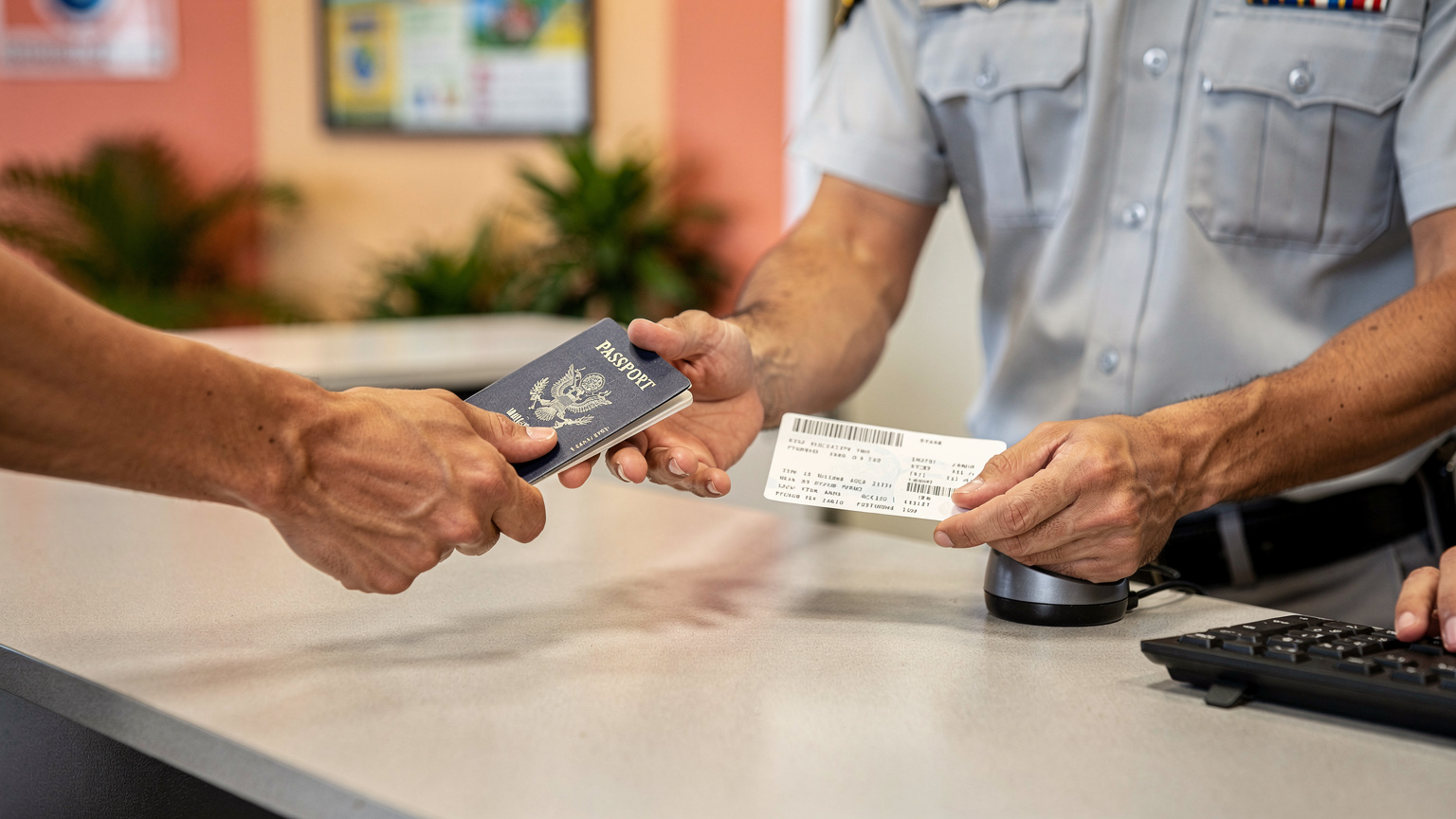
For US, Canadian, UK, and most EU citizens, a visa is generally not required for stays up to 3 months. You'll need a valid passport that's good for at least six months beyond your intended departure date, a return or onward ticket, and proof of sufficient funds for your stay. They're not going to check your bank account, but having a credit card and a rough idea of your daily budget is a good idea. Sometimes they'll ask for your accommodation details, so have that booked and printed, or easily accessible on your phone.Overstaying your welcome is a quick way to get on the wrong side of immigration. While Grenada is laid-back, their immigration officials are not. If you're looking at a longer stay, say, more than 90 days, you'll need to apply for an extension through the Immigration Department in St. George's. This is a bureaucratic process that takes time, and you don't want to be doing it at the last minute. Keep an eye on those stamps in your passport, because visa limitations are one of those things that can really mess up your long-term travel plans.
Documents to Prepare for Entry
- Passport: Valid for at least six months beyond your departure.
- Return/Onward Ticket: Proof you're leaving the country.
- Accommodation Details: Address of your hotel, guesthouse, or Airbnb.
- Proof of Funds: While rarely asked for, have access to credit cards or bank statements.
- Travel Insurance: Highly recommended, especially for medical emergencies.
Staying Connected: eSIMs and Local Apps
In 2026, reliable connectivity isn't a luxury, it's a necessity. Especially for safety. Being able to quickly look up directions, call a taxi, or reach out in an emergency is paramount. While Grenada has local carriers, their tourist SIMs can be a hassle. I’ve spent too many hours in dusty kiosks trying to get a SIM registered, only for it to stop working a week later. That’s why I’m a huge advocate for eSIMs.
Cellesim offers a Grenada eSIM solution that starts at just $12.25, with 12+ plans to choose from. The best part? It supports SMS for OTP/verification codes, which is crucial. Many local banking apps, or even just signing into a new Wi-Fi network, require a local SMS to confirm your identity. In some countries, like India with their Aadhaar system, you literally can't do anything without a local number. While Grenada isn't that extreme, having SMS capability ensures you don't hit any unexpected digital roadblocks.
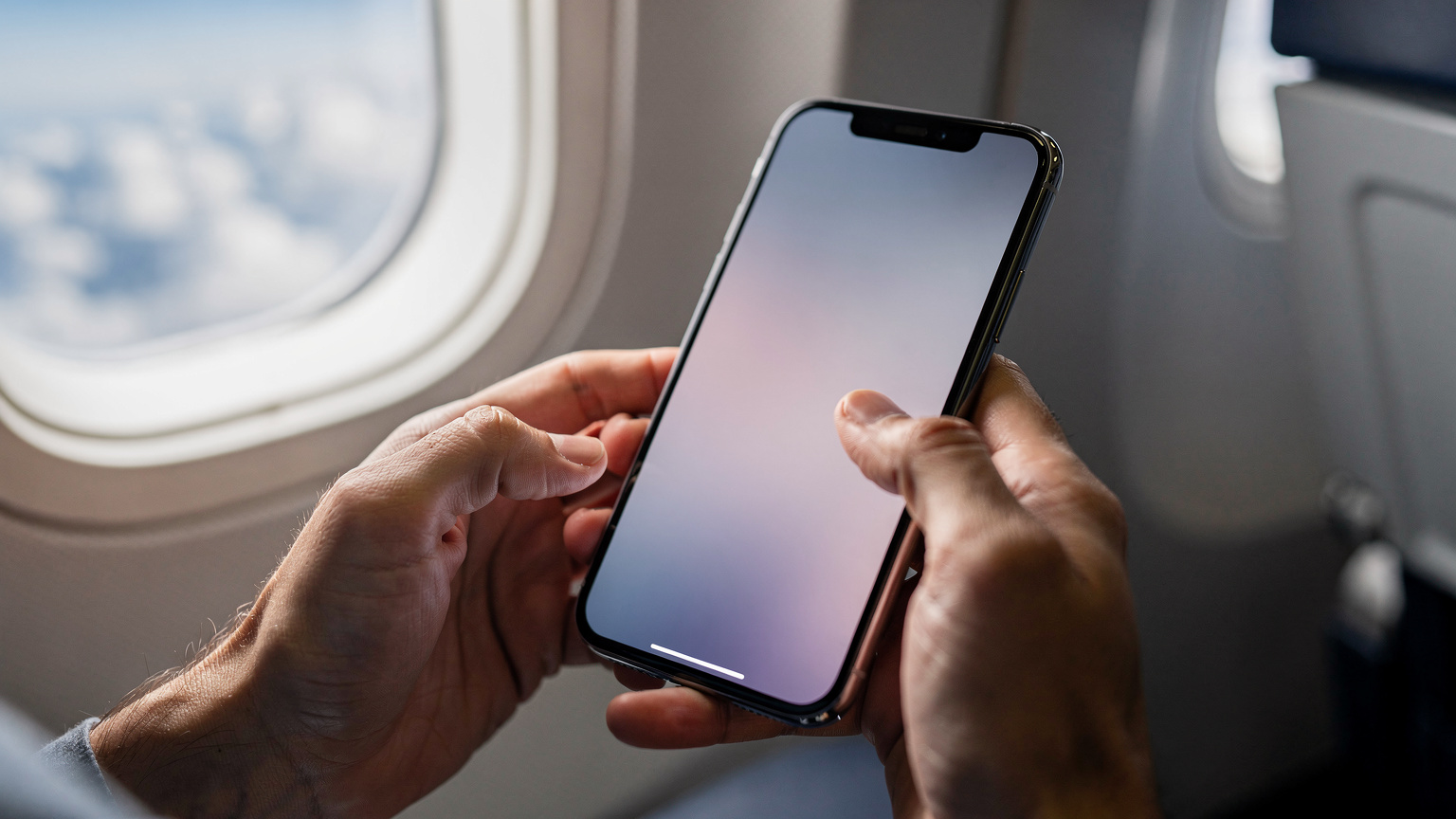
Setting up an eSIM before you land means you're connected the moment your plane touches down at Maurice Bishop International Airport (GND). No fumbling for local currency, no hunting for a kiosk. It's the kind of experience that just makes travel less stressful. For those wondering how much data they might need, I’ve put together a guide on Is 5GB Data Enough for a Week Abroad? which provides a good baseline.
| Connectivity Option | Pros | Cons | Best For |
|---|---|---|---|
| Cellesim Grenada eSIM | Instant activation, multiple plans, SMS for OTP, no physical SIM hassle. | Requires eSIM-compatible phone. | Travelers needing reliable data and SMS from arrival. |
| Local Physical SIM | Potentially cheaper for very long stays, local number. | Time-consuming purchase/registration, potential language barrier, may not support all phones. | Long-term residents willing to deal with local bureaucracy. |
| International Roaming | Convenient, uses existing number. | Extremely expensive, throttled speeds. | Emergency use only, short visits without data needs. |
Reliable Wi-Fi and Coworking Spaces
While an eSIM is your primary lifeline, sometimes you need a stable Wi-Fi connection for heavier work. In St. George's, I've found the Wi-Fi at the Grenada Co-operative Bank Limited's main branch (specifically in their small public lounge area near the Carenage) to be surprisingly consistent for quick tasks, though it's not a dedicated coworking space. For something more substantial, the Grenada National Library offers decent, free Wi-Fi, but hours can be limited. However, true coworking spaces are still emerging. For now, many digital nomads rely on cafes with strong signals. The cafe at the Spice Island Beach Resort (even if you're not staying there, they often have a public cafe area) or the popular Dodgy Dock Restaurant & Bar at True Blue Bay Resort often have strong, albeit sometimes busy, Wi-Fi. Just remember, don't leave your gear unattended.
Petty Crime and Scams: How to Avoid Them
Petty crime is the most common safety concern for tourists in Grenada. It’s not about grand schemes, but rather opportunistic grabs. I’ve seen enough friends lose phones and wallets in supposedly "safe" places to know that vigilance is your best defense. This isn't a knock on Grenada, it's just a reality of travel anywhere that sees a lot of tourists and has economic disparities.
The most frequent incidents involve bag snatching, particularly from open vehicles or unattended beach bags. Theft from rental cars is also common, especially if valuables are left in plain sight. Always lock your doors, even when driving, and keep windows up in congested areas. Don't leave anything visible in your rental car overnight, or even during a quick stop for lunch. Treat it like you would in a city you don't know well. The goal isn't to be paranoid, but practical.
Scams, while less prevalent than in some other destinations, do exist. These often involve individuals approaching tourists with sob stories, offering "guided tours" that turn into pressure sales, or overcharging for goods and services. A firm but polite "no thank you" is usually sufficient. Remember, if something feels too good to be true, it almost always is.
Protecting Your Belongings
- Beach Safety: Never leave bags unattended on the beach while swimming. Consider waterproof pouches for essentials if you're going into the water.
- Bag Security: Wear backpacks on your front in crowded areas, or use cross-body bags that are difficult to snatch.
- Rental Car Precautions: Always lock doors and windows. Never leave valuables, even hidden, in an unattended car.
- ATM Use: Use ATMs in well-lit, busy areas, preferably inside a bank during business hours. Be aware of anyone loitering nearby.
Transportation Safety: Getting Around Grenada
Getting around Grenada is part of the adventure, but it comes with its own set of considerations. The island's narrow, winding roads can be challenging, and driving habits can differ significantly from what you're used to. I’ve driven in dozens of countries, and Grenada definitely requires your full attention.
Mini-Buses: These are the primary form of public transport and can be a cheap and authentic way to get around. They follow set routes but don't have strict schedules. They're generally safe during the day, but they can be crowded and sometimes driven with a certain Caribbean flair, if you catch my drift. For safety, try to sit closer to the front, and avoid them late at night, especially if you're alone. The fares are usually fixed for certain routes, so confirm before you board if you're unsure (e.g., St. George's to Grand Anse is typically a few EC dollars).
Taxis: Taxis are widely available and generally safe, especially those from official stands or arranged by your hotel. Always agree on the fare before you start your journey, as meters are rare. Licensed taxis will have a "H" on their license plate. If you're out late, this is your safest bet.
Rental Cars: Renting a car gives you flexibility, but be prepared for left-hand driving and aggressive local drivers. The roads can be steep, potholed, and poorly lit at night. A Grenadian driving permit is required, which you can obtain from the local police station or through your rental car company upon presentation of your valid home license. Always get full insurance coverage. And remember what I said about leaving valuables in plain sight.
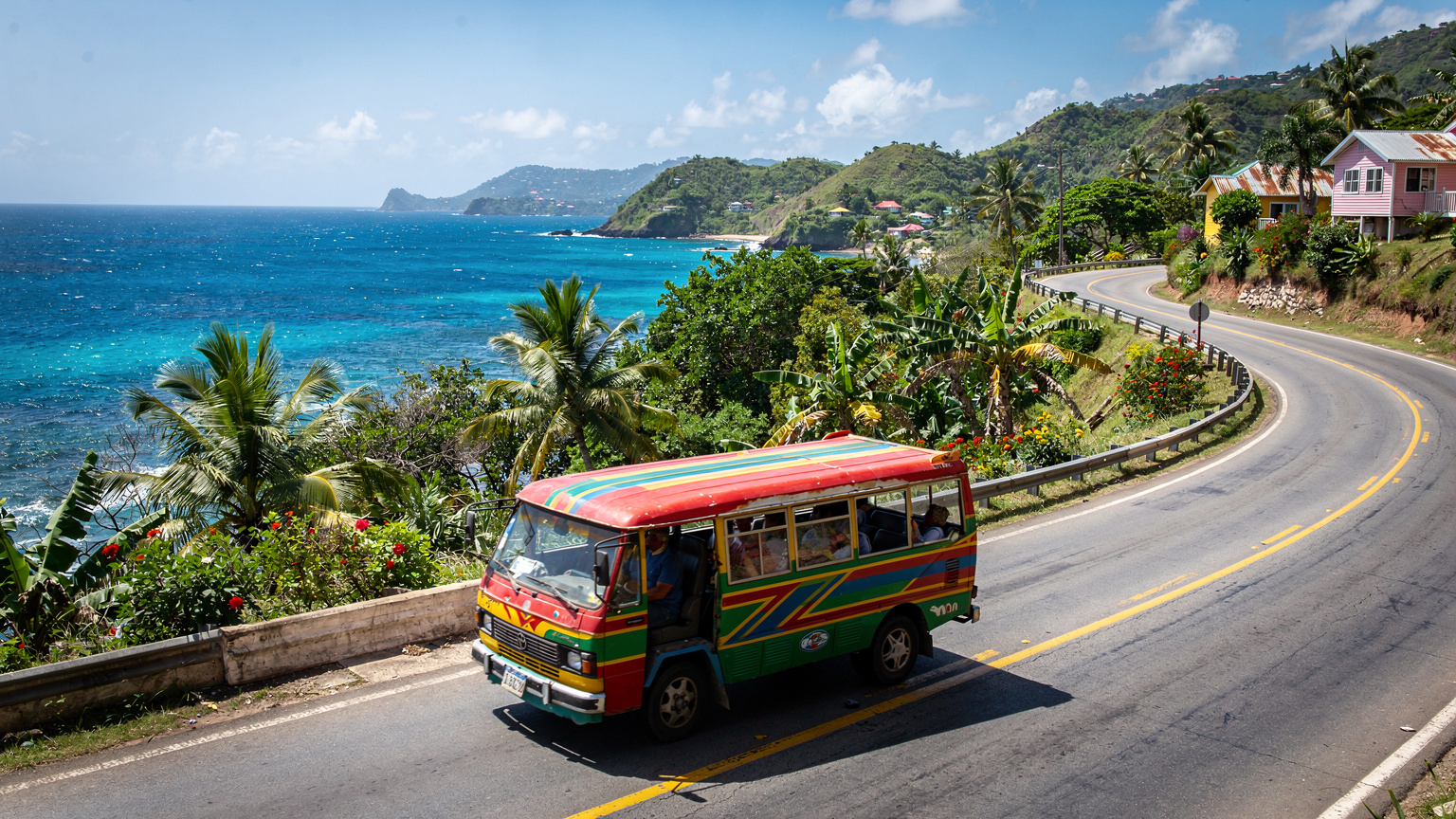
Tips for Safe Travel on Grenadian Roads
- Drive Defensively: Assume other drivers may not signal or adhere strictly to traffic laws.
- Avoid Night Driving: Poor lighting and winding roads make night driving particularly hazardous.
- Use Seatbelts: Always buckle up, even for short distances.
- Don't Drink and Drive: Enforcement is present, and it's simply unsafe.
- Inspect Rental Cars: Before taking possession, document any existing damage with photos or video.
Health and Medical Considerations
Staying healthy on the road is crucial. Grenada has decent medical facilities for minor issues, but for serious emergencies, evacuation to a larger facility (often in Barbados or the US) might be necessary. This is where comprehensive travel insurance isn't just a suggestion, it's a non-negotiable. I've seen firsthand how a simple twisted ankle can turn into a five-figure bill without it.
Drinking Water: Tap water in St. George's and most developed areas is generally considered safe to drink, but many visitors still opt for bottled water to avoid any stomach upsets. If you're sensitive, stick to bottled. I always do, just to be safe. You don't want to lose two days of your trip to a bad tummy.
Mosquito-Borne Illnesses: Dengue fever is endemic in Grenada, and there's a risk of Zika and Chikungunya. These are spread by mosquitoes. Cover up, use repellent (with DEET or picaridin), especially at dawn and dusk. Air-conditioned rooms often provide better protection.
Sun Exposure: The Caribbean sun is no joke. Sunburns can ruin a trip. Use high-SPF sunscreen, wear a hat, and seek shade during peak hours (10 AM - 4 PM). Dehydration is also a risk; drink plenty of water.
Essential Health Preparations
- Consult Your Doctor: Discuss recommended vaccinations (Hepatitis A and B, Tetanus) and any necessary preventative medications.
- Pack a First-Aid Kit: Include basics like pain relievers, band-aids, antiseptic wipes, and any personal prescription medications.
- Travel Insurance: Ensure your policy covers medical emergencies, including emergency evacuation.
Natural Disasters and Environmental Risks
Grenada is in the hurricane belt, meaning hurricane season (June 1 to November 30) is a significant consideration. While direct hits are rare, tropical storms can cause heavy rainfall, flash flooding, and landslides. It's not a reason to avoid travel during these months, but it is a reason to be prepared and aware.
Stay informed by monitoring local weather reports and international alerts from sources like the National Hurricane Center. Hotels and local authorities are usually very good at providing guidance during a storm. If you are traveling during hurricane season, it’s not a bad idea to have a plan for what you’d do if your flight was delayed or canceled, or if you needed to shelter in place.
Beyond hurricanes, other environmental risks include strong ocean currents, particularly on less-frequented beaches. Always observe local warnings and swim only where it's safe. Also, be wary of the Manchineel tree (often marked with red bands on the trunk), found on some beaches. Its fruit and sap are highly poisonous and can cause severe skin burns if touched. You learn these things after a few years on the road, trust me.
Local Laws and Cultural Sensitivities
Understanding local laws and customs isn't just about avoiding trouble, it's about showing respect. Grenada is a relatively conservative society, and while they're accustomed to tourists, being mindful goes a long way. This is particularly true in smaller towns away from the main tourist hubs.
Dress Code: While swimwear is fine on the beach, it's considered inappropriate in towns, villages, or religious sites. Dress modestly when exploring local areas. Shoulders and knees covered is a good rule of thumb. I've learned this the hard way trying to pop into a local shop in just board shorts, feeling a bit out of place.
Public Behavior: Public displays of affection are generally frowned upon. Nudity is illegal, and topless sunbathing is generally not accepted, even on secluded beaches. Recreational drugs are illegal, and penalties are severe, including lengthy prison sentences. Don't risk it.
Photography: Always ask permission before photographing individuals, especially children. Be respectful of local religious customs and private property. Don't just point your camera wherever you like.
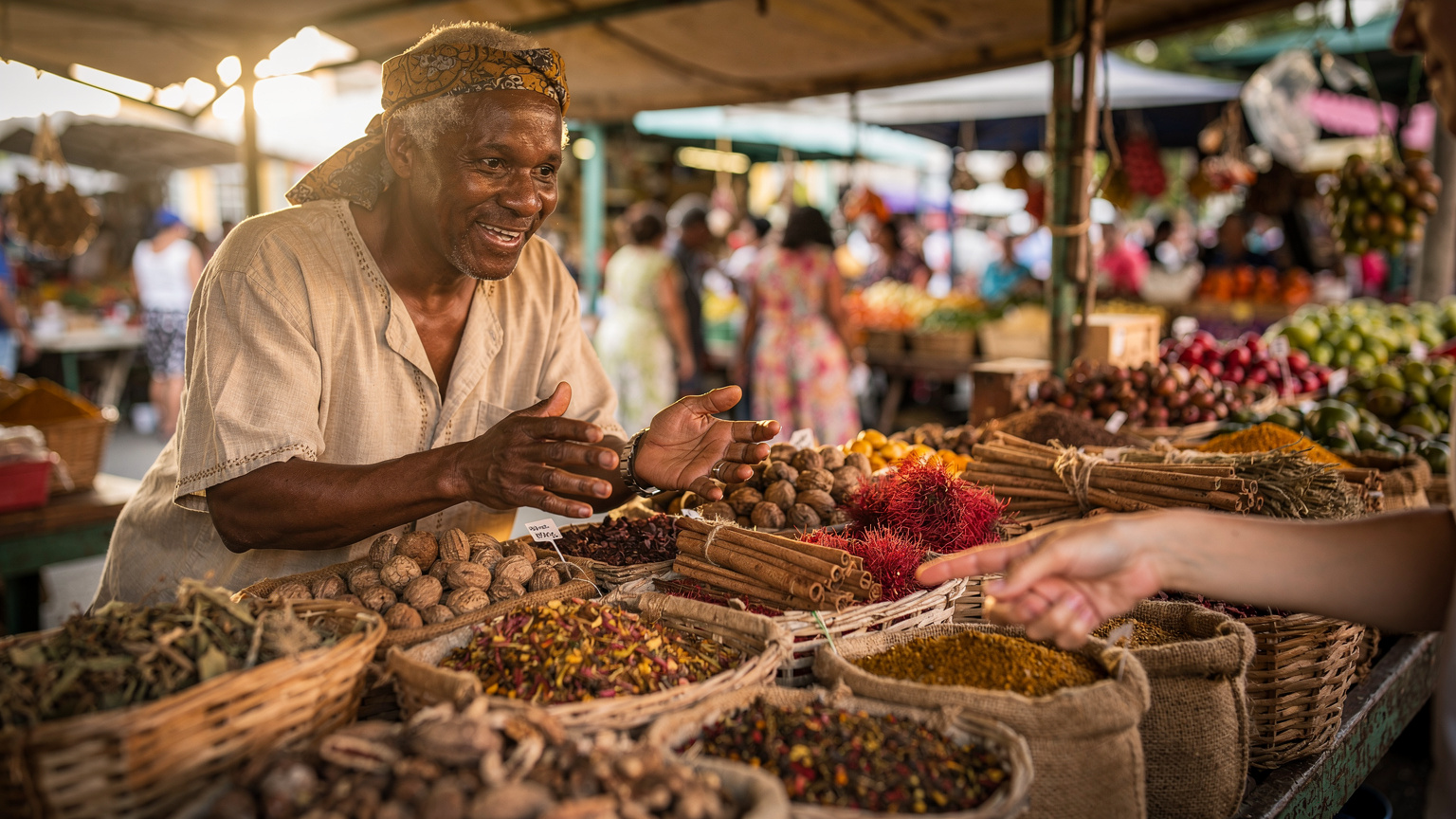
Respecting Grenadian Culture
- Greetings: A friendly "Good morning" or "Good afternoon" before asking a question is always appreciated.
- Bargaining: While polite bargaining might be acceptable in some market settings, it's not common in formal shops or restaurants.
- Local Apps: While not strictly a "law," some local Grenadian services, particularly for public utilities or specific local banking, might require a local phone number for registration. An eSIM with SMS support, like Cellesim's, can be helpful here for OTP verification.
Emergency Contacts and What to Do
Knowing who to call in an emergency is critical, even if you hope you never need to. Write these down, save them in your phone, and make sure your travel companions have them too. And yes, make sure your phone is charged and connected (see the eSIM section above).
| Service | Number | Notes |
|---|---|---|
| Police | 911 | For all police emergencies and crime reporting. |
| Fire Department | 911 | For fire emergencies. |
| Ambulance | 911 | For medical emergencies. |
| Your Embassy/Consulate | Check official website | For lost passports, legal assistance, or significant emergencies. |
If you find yourself in an emergency, the first step is to remain calm and assess the situation. Contact the appropriate emergency service. If you've been a victim of a crime, report it to the Royal Grenada Police Force immediately. They will provide you with a police report, which is essential for insurance claims.
After contacting local authorities, reach out to your embassy or consulate. They can provide assistance, such as helping you replace a lost passport, contacting family, or offering a list of local attorneys. If you have travel insurance, contact your provider as soon as possible to understand your coverage and next steps. For more general travel questions and assistance, you might also find the Cellesim FAQ page helpful.
Frequently Asked Questions
Is Grenada safe for solo female travelers?
Yes, Grenada is generally safe for solo female travelers. However, common precautions apply, such as avoiding walking alone at night in poorly lit areas, securing valuables, and using reputable taxis. Always trust your instincts.
What are the common scams to look out for in Grenada?
Common scams include individuals approaching tourists with sob stories to ask for money, unofficial 'tour guides' who pressure for sales, and overcharging for goods or services. Politely decline unsolicited offers and always confirm prices beforehand.
Can I drink the tap water in Grenada?
Tap water in St. George's and most developed areas of Grenada is generally considered safe to drink. However, if you have a sensitive stomach, it's advisable to stick to bottled water to avoid any potential minor upsets.
What should I do if my passport is lost or stolen in Grenada?
If your passport is lost or stolen, immediately report it to the Royal Grenada Police Force to obtain a police report. Then, contact your country's embassy or consulate in Barbados or Trinidad and Tobago (as Grenada often falls under their jurisdiction) for assistance in obtaining an emergency travel document.
Is it safe to use local mini-buses in Grenada?
Local mini-buses are a common and affordable way to travel in Grenada and are generally safe during the day. They can be crowded and driven enthusiastically. For safety, avoid them late at night, especially if traveling alone.
What are the driving conditions like in Grenada?
Driving in Grenada involves navigating narrow, winding, and sometimes steep roads, often with potholes. Driving is on the left. Local drivers can be aggressive. It's recommended to drive defensively, avoid night driving, and obtain a Grenadian driving permit.