Can Tourists Buy a Telkomsel eSIM?
Telkomsel offers a tourist eSIM, and an online travel data eSIM is another option for Indonesia. This guide compares the registration process, plan conditions and practical setup checks so you can choose before your trip.
The useful choice is between a local operator offer and a travel data eSIM. Compare the purchase process, included calls or SMS, data allowance and your route. A tourist eSIM is not unavailable simply because it requires registration.
Local SIM Card Registration: The Real Deal for Physical SIMs
For a local Telkomsel tourist eSIM, have your passport and IMEI information ready and ask the operator which registration steps apply to your device and length of stay. Do not assume that every visitor must pay handset import tax or follow the same process as a long-term resident.
If your trip is longer than the tourist offer permits, confirm the appropriate service and device-registration requirements with the operator before purchase.
The Best eSIM Alternatives for Indonesia 2026
A travel eSIM can be a useful alternative when you want to buy data online before departure. Check the selected plan’s Indonesian coverage, supported networks and activation rules; local operator eSIMs remain another option.
Cellesim lists travel data plans for Indonesia. Compare the supported networks and plan conditions on the product page, then install using the instructions supplied with your order. Installation and the start of paid validity are separate steps and can vary by package.
I've used these global eSIMs a lot. They're a lifesaver when you just need to get online right away to call a Grab from the airport or find directions to your hotel. Imagine landing at 2 AM, exhausted, trying to figure out a foreign language while wrestling with SIM registration. Trust me, you want to avoid that. If you're wondering how this digital SIM works, eSIM Unpacked: How This Digital SIM Saves Backpackers Cash in 2026 offers a great explanation.
Who Are the Reliable eSIM Providers for Indonesia?
Several providers offer excellent coverage in Indonesia. The key is to pick one that has direct agreements with major Indonesian carriers to guarantee good speeds and reliability. Look for providers who specifically mention working with Telkomsel (known for its wide coverage), XL Axiata (strong in many tourist areas), or Indosat Ooredoo.
When you're choosing, think about how much data you get, how long it's valid, and the price. Some providers focus on smaller data packages for longer trips, while others offer big data allowances for shorter visits. Consider what you'll actually use. Is 5GB Data Enough for a Week Abroad? Your Real-World Needs in 2026 is a helpful read if you're not sure how much data you'll burn through.
Pricing and Plans: eSIM vs. Physical SIM, What's the Damage?
Compare the total current price for the same data allowance and validity. For a local operator offer, include any SIM or activation charge and check whether the offer includes calls. For a travel eSIM, check hotspot limits, supported networks and the start of validity.
Use the current Indonesia eSIM plan list for Cellesim prices. A fixed price range in a guide can become outdated as packages change.
Here's a comparison of typical costs and features:
| Compare | Local tourist eSIM | Cellesim travel eSIM |
|---|---|---|
| Purchase | Confirm Telkomsel's participating outlets and registration process | Choose an available Indonesia package online |
| Calls and texts | Check the local offer's included services | Check whether the selected plan is data-only |
| Price and validity | Use the operator's current offer | View current Indonesia packages |
| Network | Telkomsel coverage for the offer | Supported networks listed for the selected package |
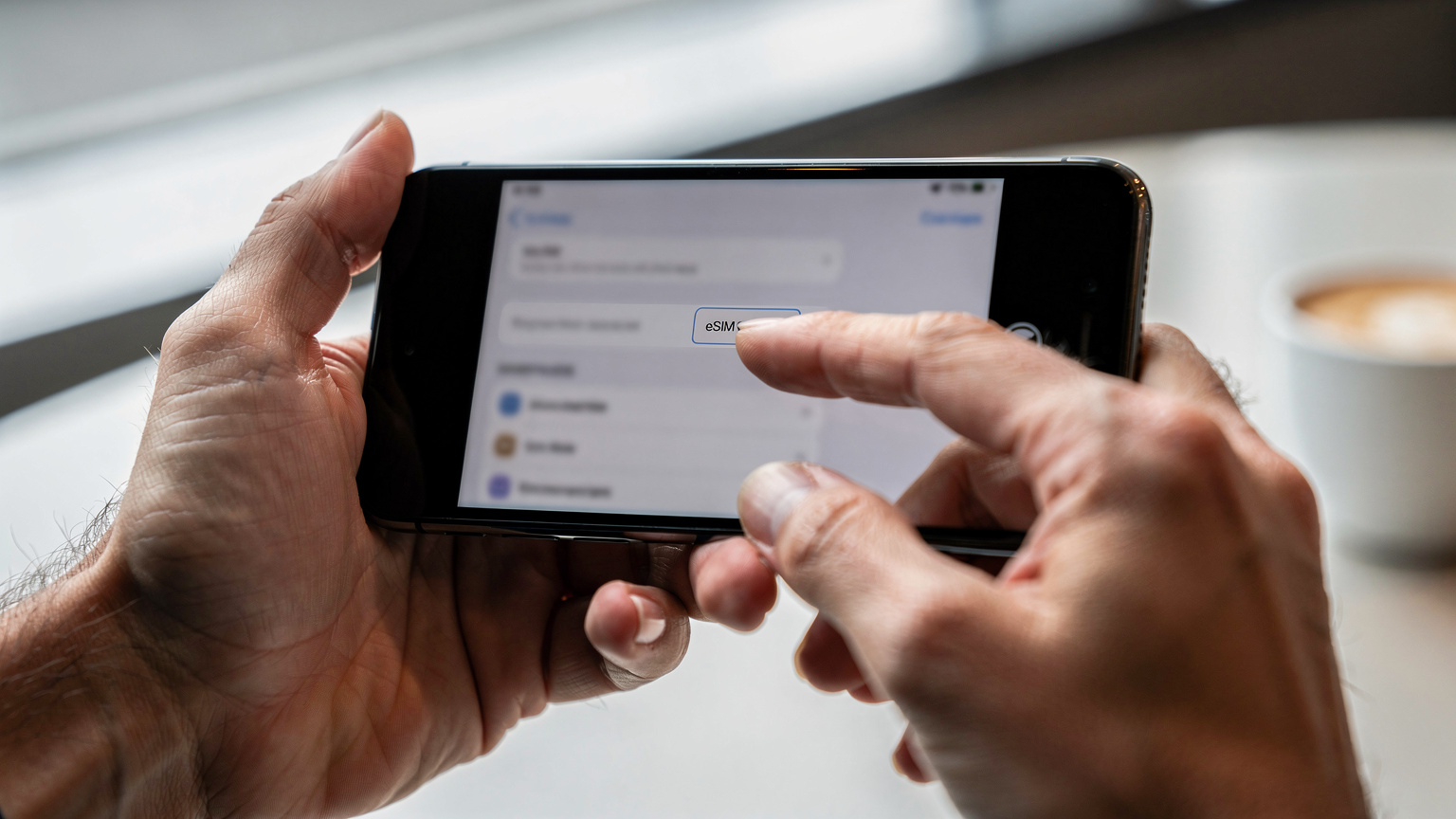
Setting Up Your eSIM: A Step-by-Step Guide
This is the easy part, assuming you've purchased a global travel eSIM from a good provider. The best thing about eSIMs is how simple they are, especially for phones like the iPhone 15/16/17 which are often eSIM-only in some markets. Here's how to do it:
- Buy Your eSIM Online: Head to a provider like Cellesim and choose an Indonesia-specific or regional plan that includes Indonesia. Finish your purchase. You'll get an email with a QR code or instructions for manual activation.
- Install Your eSIM Before You Fly: While you're still on your home Wi-Fi, go to your phone's Settings > Cellular (or Mobile Data) > Add eSIM. Pick 'Use QR Code' and scan the code from your email. Just follow the instructions. It's usually best to do this before you leave so you're not panicking at the airport. You can typically install the eSIM and keep it turned off until you land. For detailed steps, check out iPhone 15/16/17 eSIM Activation: Your 2026 Engineer's Guide to Global Connectivity.
- Arrive in Indonesia and Activate: Once your plane lands and you're off Wi-Fi, go back to Settings > Cellular and turn on your new eSIM line. Make sure 'Data Roaming' is enabled for this eSIM profile (don't worry, with a travel eSIM, this is almost always included in your plan, not an extra fee). Your phone should connect to a local network automatically.
- Set as Primary for Data: In your phone's cellular settings, make sure your new travel eSIM is chosen as the main line for 'Mobile Data'. You can keep your home SIM active for calls and texts if you want, just make sure data uses the eSIM by default.
- Test It Out: Open a browser, check WhatsApp, or try a quick Google Maps search. You should be all set.
This whole process, from scanning the QR code to getting connected, usually takes less than five minutes. It's a huge difference from potentially spending hours at an airport SIM counter, especially if there's a long line of other tired travelers.
Data Usage Expectations and Real-World Speed
Indonesia's network speeds, particularly from Telkomsel, are generally very good in big cities and popular spots like Bali, Jakarta, Surabaya, and even larger towns in Java. You can expect 4G LTE speeds that are perfectly fine for streaming, video calls, and all your regular browsing. I've successfully done Zoom meetings from Canggu's Dojo Bali Coworking Space on Telkomsel's network without any issues. Even in smaller towns or islands, 4G is becoming more common, though speeds might drop to 3G in very remote areas.
For a typical digital nomad lifestyle, where I'm balancing work with exploring, I generally plan for about 50-80GB a month if I'm not always on Wi-Fi. This covers daily navigation, WhatsApp calls, social media, a bit of streaming, and tethering my laptop for occasional work. If you're spending your days at a co-working spot like Hubud in Ubud, which has excellent fiber optic internet, your personal data use will be much lower. But for those days you're out visiting temples or relaxing by the beach (not working from it, though), having a solid data plan is essential.
| Usage Type | Estimated Data Consumption per Hour | Real-World Impact |
|---|---|---|
| Google Maps Navigation | 5-10 MB | Minimal, but crucial for getting around without getting lost. |
| WhatsApp Voice/Video Call | Voice: 0.5 MB/min; Video: 5-10 MB/min | Video calls can add up, especially if you're keeping in touch with family. |
| Social Media Browsing (Instagram, TikTok) | 50-100 MB | Image and video heavy apps are major data drains. |
| Light Web Browsing/Email | 10-20 MB | Low impact, essential for quick info. |
| Streaming Music (Spotify) | 40-60 MB | Moderate, but can be managed by downloading playlists. |
| Streaming HD Video (Netflix, YouTube) | 1-3 GB | Only do this on Wi-Fi if you have a limited data plan. |
Connectivity Beyond the Cities: Where Data Drops Off
While Telkomsel does claim the widest coverage in Indonesia, especially across all those islands, "widest" doesn't always mean "perfect." In major tourist spots like Bali, Lombok, or the Gili Islands, you'll usually get good 4G. But if you go off the usual route to more remote islands, national parks, or mountainous areas, you'll find places where data is spotty or just doesn't exist. This goes for all carriers, not just Telkomsel.
I've been on Flores island, near Komodo National Park, where even Telkomsel struggled to deliver consistent 3G, let alone 4G. My friends and I would all head to the one warung in Labuan Bajo that advertised "Free Wi-Fi" just to send a quick message home. So, if you're planning to visit truly isolated spots, make sure you prepare. Download offline maps and any important information before you go. Remember, even with a great eSIM, you're still relying on the actual physical network infrastructure.
For important communication, especially if you're dealing with things like visa requirements (some long-stay visas mean you have to check in with local immigration offices regularly), having reliable data is super important. You really don't want to miss a crucial email or appointment because your data went out in a remote village.
The Bottom Line: Getting Connected in Indonesia
Telkomsel offers a tourist eSIM through selected outlets. Choose it if its registration process and included services suit your trip. For an online travel data option, compare Cellesim’s Indonesia packages before departure. Neither option guarantees coverage in remote areas.
This approach saves you stress and lets you focus on what really matters: enjoying your trip, finding your way around new places, and staying in touch with family and friends. For anyone traveling to Indonesia, an eSIM is a small investment that offers huge benefits in terms of peace of mind and convenience.
Frequently Asked Questions
Can I get a Telkomsel eSIM as a tourist in Indonesia?
Yes. Telkomsel publishes a tourist eSIM offer for foreign visitors, with passport and IMEI requirements at selected outlets. Confirm availability with Telkomsel for your arrival location.
What is the IMEI registration rule for phones in Indonesia?
Telkomsel asks for IMEI information when registering its tourist eSIM. Ask the operator about the process for your device and stay length; do not treat an article’s general tax or registration statement as a rule for every visitor.
What are the best alternatives to Telkomsel eSIM for tourists?
An online travel data eSIM is an alternative. Check Indonesia coverage, phone compatibility, validity and the supported networks before choosing a package.
How much data do I need for a typical trip to Indonesia?
For a standard tourist trip of 1-2 weeks, 5-10GB of data is usually sufficient for navigation, social media, and communication. For digital nomads staying longer or relying heavily on data, 30-50GB per month is a safer bet, especially if not always connected to Wi-Fi.
Is Wi-Fi widely available in Indonesia?
Yes, Wi-Fi is widely available in hotels, guesthouses, cafes, and co-working spaces in major cities and popular tourist areas like Bali. However, speeds and reliability can vary. Relying solely on Wi-Fi is not recommended for consistent connectivity.
Can I use my home country's physical SIM and a travel eSIM simultaneously?
Yes, most modern smartphones with eSIM capabilities support dual SIM functionality. You can keep your home physical SIM active for calls and texts while using the travel eSIM for data, ensuring you don't incur expensive international roaming charges.