Telkomsel Tourist SIM: What It Takes to Get Connected
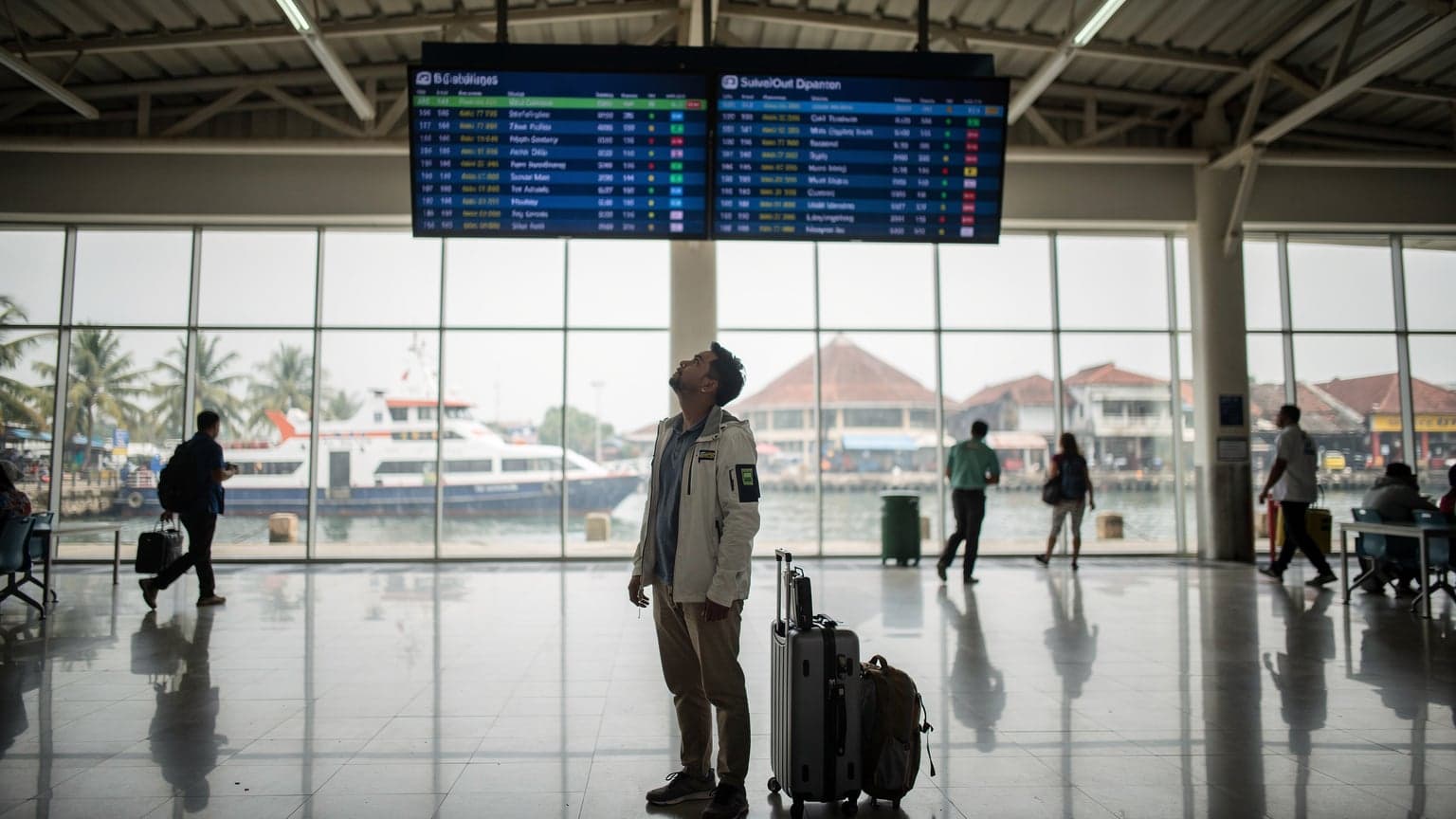
Landing at Ngurah Rai International Airport (DPS) in Bali, or Soekarno-Hatta (CGK) in Jakarta, you'll immediately spot kiosks selling local SIM cards. Telkomsel is almost always the first name you'll hear. They're the biggest player, and for good reason: their network blankets pretty much the entire archipelago, from the urban sprawl of Surabaya to the remote dive sites around Komodo. But getting a Telkomsel tourist SIM isn't as simple as just handing over cash and walking away.
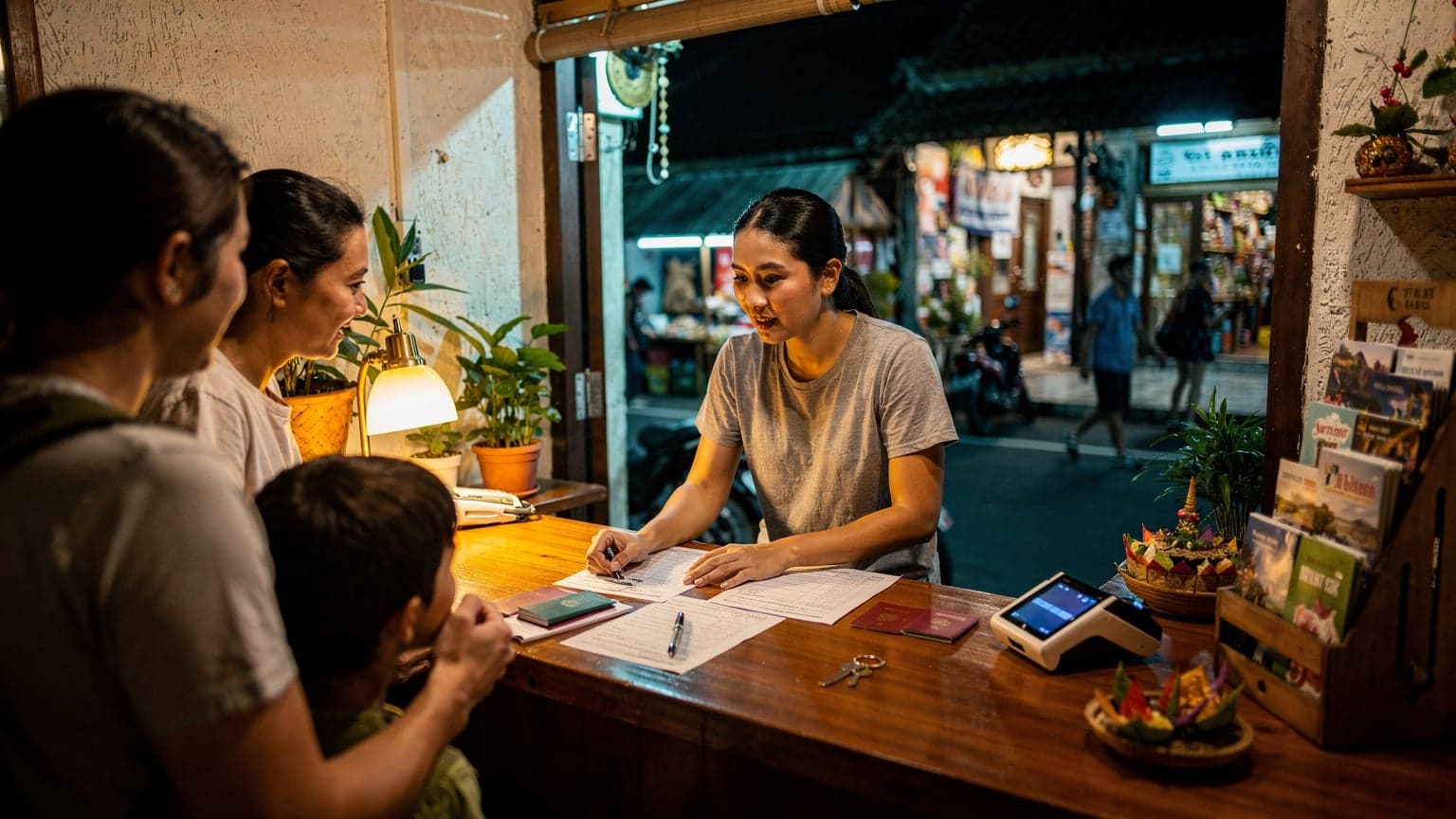
First, there's the registration. Indonesian regulations, tightened in 2023, require all SIM cards to be registered to a valid ID. For tourists, this means your passport. You'll often find operators at the airport kiosks, usually in Terminal 3 at CGK or near the arrivals exit in DPS, who will handle this for you. They'll snap a photo of your passport and sometimes even your face. It's a bit of a process, and after a 20-hour flight from JFK, standing in line and dealing with paperwork is the last thing I want to do. I’ve had more than one taxi driver in Seminyak, Bali, pull out an unregistered phone and just hand it to me for a local SIM card, which felt very shady, and sure enough, it stopped working after a day. (Always use the official kiosks).
Then there's the price. While local SIMs generally offer a lower cost per gigabyte, especially for heavier data users, the tourist packages often come with a bit of a premium. You might see bundles like 25GB for 150,000 IDR (around $9.50 USD), valid for 30 days. This sounds great, but remember, these are often data-only packages, or they come with very limited local call minutes. If you're planning on using ride-hailing apps like Gojek or Grab extensively, or need to make local calls to your hotel or tour operator, you'll need to factor in additional credit. I've been burned by this before, trying to coordinate a pick-up from the Tanah Abang market in Central Jakarta only to find I couldn't call the driver. It's a small detail, but one that can quickly turn into a headache.
The Travel eSIM Alternative: Convenience at a Glance
This is where travel eSIMs like Cellesim really shine. The biggest advantage? Activation. You buy your plan online before you even leave your living room in Queens, or while waiting for your connection at LAX. You get a QR code, scan it, and your data plan is active the moment you land. No kiosks, no passport registration, no fumbling with tiny SIM trays and losing your AT&T physical SIM card (a mistake I made once in Lisbon, much to my chagrin, having to track down a phone repair shop in the Alfama district just to get my tray back). For more on managing your digital identity abroad, you might find eSIM OTP: Why Travel eSIMs Struggle with Two-Factor Codes in 2026 a useful read.
The convenience factor is especially critical if you're traveling during peak times, like Thanksgiving week, when airports are chaotic. Imagine landing in Bali, sleep-deprived, and instead of navigating a crowded arrivals hall to find a SIM card vendor, your phone just connects. That's a huge stress reliever. For many, that alone justifies a slightly higher per-gigabyte cost.
However, it’s not a perfect solution for everyone. While a travel eSIM provides data, it typically doesn't come with a local Indonesian phone number. This can be a minor inconvenience for things like setting up new local apps that require a local number for verification, or if you need to receive calls from local contacts. For example, if you're trying to book a local grab driver from your Airbnb in Canggu, sometimes the app wants to verify a local number. Still, most ride-hailing and delivery apps these days work perfectly fine with your existing international number or via in-app messaging, so it's rarely a deal-breaker.
| Feature | Telkomsel Tourist SIM | Cellesim Travel eSIM |
|---|---|---|
| Activation | Physical purchase at airport/store, passport registration required. | Online purchase, instant QR code activation before travel. |
| Local Number | Yes, included. | No, typically data-only. |
| Convenience | Requires airport stop, potential language barrier, wait times. | Seamless, immediate connection upon landing. |
| Flexibility | Fixed packages, often tied to one carrier. | Range of data plans, often multi-country options. |
| Recharge | Top-up at mini-marts (e.g., Indomaret, Alfamart) or Telkomsel stores. | Online via app/website, no physical interaction needed. |
Cost Comparison: Local SIM vs. Travel eSIM 2026
Let's talk money, because for budget-conscious travelers, every dollar counts. My job, after all, is to help you find the lowest cost per gigabyte. When you compare Telkomsel's tourist packages to a Cellesim travel eSIM, you'll generally find that local SIMs offer a lower per-gigabyte rate. For instance, a 30-day Telkomsel package with 50GB might run you around 200,000 IDR (about $12.50 USD), which is incredibly cheap if you're a heavy data user. Think endless Instagram stories from the Gili Islands or streaming Netflix in your hotel in Yogyakarta.
Travel eSIMs, on the other hand, tend to have a slightly higher per-gigabyte cost. A typical 10GB plan for Indonesia, valid for 30 days, might be around $15-20 USD. This difference is the premium you pay for convenience and instant connectivity. For someone like me, who often travels for shorter stints, say a week around Bandung and then a quick hop to Flores, I don't always need 50GB. A smaller, targeted eSIM plan often ends up being more economical than paying for a huge local package I'll barely use.
It's also worth comparing this to what your home carrier, AT&T, might offer. Their international day-pass options can easily hit $10-15 per day. For a two-week trip, that’s $140-210 just for data. That's a huge chunk of your budget that could be better spent on street food in Seminyak or a batik workshop in Solo. The Indonesia eSIM from Cellesim can easily shave hundreds off that bill.
I once had a nasty surprise with T-Mobile's roaming, thinking I was on a free trial, only to get slammed with a massive bill. If you're juggling family data needs, you might relate to the dilemmas discussed in T-Mobile eSIM Free Trial: A Parent's Data Dilemma Abroad 2026.
| Criterion | Telkomsel Tourist SIM | Cellesim Travel eSIM |
|---|---|---|
| Cost per GB | Generally lower for large bundles. | Slightly higher, but more flexible smaller packages. |
| Typical Price (10-15GB, 30 days) | Approx. $9-15 USD (for a larger bundle, might not match exact size). | Approx. $15-20 USD. |
| Hidden Costs | Potential for activation fees, needing extra credit for calls/SMS. | None, as long as you understand it's data-only. |
| Value for Money | Excellent for heavy, long-term data users. | Good for moderate users, short trips, or those prioritizing convenience. |
Coverage and Speed: Where Each Shines
Telkomsel has the undisputed home-field advantage. They operate an extensive network across Indonesia, reaching even some of the more remote islands. In major cities like Jakarta, Bandung, or Medan, you can expect excellent 4G LTE speeds, and increasingly, 5G in central business districts like Sudirman. On a recent trip through Java, their network held up even as I was bouncing between smaller towns on the way to Mount Bromo. In terms of sheer coverage, especially outside of tourist hotspots, Telkomsel is tough to beat.
Travel eSIMs, like those from Cellesim, typically roam on one of the local networks. For Indonesia, this often means they partner with Telkomsel or sometimes XL Axiata. So, while you're technically using a Cellesim plan, the actual radio signals are coming from Telkomsel's towers. This means you generally get comparable coverage and speed to a local Telkomsel SIM, especially in urban and popular tourist areas. However, there can sometimes be minor differences in priority on the network, where local SIMs might get a fractional edge during peak congestion.
I've personally found that for general tourist use, like navigating with Google Maps in Jakarta's Thamrin district, checking emails, or video calls back home, the performance of a good travel eSIM is virtually indistinguishable from a local SIM. If you're planning on venturing truly off the beaten path, into very remote villages in Kalimantan, for example, then a local Telkomsel SIM might offer a tiny bit more peace of mind. But for 99% of travelers, a travel eSIM provides more than adequate connectivity.
| Aspect | Telkomsel Tourist SIM | Cellesim Travel eSIM |
|---|---|---|
| Primary Network Provider | Telkomsel (direct) | Often Telkomsel or XL Axiata (via roaming agreement) |
| Coverage Footprint | Extensive across the archipelago, including remote areas. | Excellent in urban and tourist areas, comparable to local networks. |
| Speed (4G/5G) | Fast, reliable 4G LTE, growing 5G in key cities. | Generally fast and reliable, dependent on local network partner. |
| Network Priority | Highest priority on Telkomsel network. | Generally high, but can be slightly lower than direct local SIMs during peak times. |
Who Should Pick What: My Recommendation
Having navigated the connectivity maze in Indonesia more times than I can count, here’s my straightforward take for your 2026 trip:
Choose a Telkomsel Tourist SIM if:
- You're staying for an extended period, say more than a month, and plan to consume a lot of data (50GB+).
- You need a local Indonesian phone number for frequent local calls or specific app verifications.
- You're on an extreme budget and willing to sacrifice a bit of airport convenience for the absolute lowest cost per gigabyte.
- You're venturing into very remote, non-touristy regions where every bit of native network priority might matter.
The downside, of course, is the time and effort involved. I've had to explain my passport number multiple times, sometimes in broken Bahasa Indonesia, which isn't ideal after a long haul from JFK.
Choose a Cellesim Travel eSIM if:
- Convenience is paramount. You want to land and be instantly connected, no fuss, no airport kiosks. This is especially true if you're arriving late at night or during a busy holiday like Thanksgiving.
- You're on a shorter trip (under a month) and don't need a massive data allowance. You'll likely use 10-20GB for typical tourist activities.
- You value flexibility and ease of management. You can top up or switch plans entirely online, without needing to find a local minimart or Telkomsel Grapari store.
- You're accustomed to managing your travel connectivity digitally, perhaps having already used eSIMs in Europe or South America. (If you're looking for other regional options, I'm Canadian, What's the Best eSIM for Travel Outside Canada? might be relevant.)
My personal preference, especially when arriving somewhere like Jakarta's Halim Perdanakusuma Airport and wanting to immediately hail a Gojek to my hotel in Menteng, is the travel eSIM. The slight cost premium is a small price to pay for the peace of mind and time saved.
Common Questions About eSIMs in Indonesia
I hear these questions all the time, especially from first-time visitors to Indonesia. Here are some of the most frequent ones I get about using eSIMs there.
| Question | Answer |
|---|---|
| Can I use my existing WhatsApp number with an eSIM in Indonesia? | Absolutely. WhatsApp is tied to your phone number, not the SIM card providing data. Once your eSIM is active, your WhatsApp will function as usual, using your original number. |
| Do I need to unlock my phone to use an eSIM in Indonesia? | Yes, your phone must be unlocked by your home carrier (e.g., AT&T) to use any third-party eSIM. Most phones purchased outright or after a contract period are unlocked, but it's always best to confirm before you travel. |
| What about emergency calls with an eSIM? | Travel eSIMs are primarily for data. For emergency calls (like 112 in Indonesia), you'd typically need to use your primary SIM if it's still active for calls, or rely on Wi-Fi calling through your primary number if available. Many people keep their home SIM active for this reason, disabling data roaming on it. |
| Can I top up my Cellesim eSIM in Indonesia? | Yes, topping up your Cellesim eSIM is straightforward. You can purchase additional data packages directly through the Cellesim website or app, usually within minutes, without needing to find a physical store. |
| Will an eSIM work for two-factor authentication (2FA)? | This is a common pain point. If your 2FA relies on SMS to your home number, you'll need your original SIM to be active and able to receive SMS, even if it's not for data. Some apps offer alternatives like authenticator apps, which are far more reliable abroad. More details can be found on our FAQ page. |
Frequently Asked Questions
Can I use my existing WhatsApp number with an eSIM in Indonesia?
Absolutely. WhatsApp is tied to your phone number, not the SIM card providing data. Once your eSIM is active, your WhatsApp will function as usual, using your original number.
Do I need to unlock my phone to use an eSIM in Indonesia?
Yes, your phone must be unlocked by your home carrier (e.g., AT&T) to use any third-party eSIM. Most phones purchased outright or after a contract period are unlocked, but it's always best to confirm before you travel.
What about emergency calls with an eSIM?
Travel eSIMs are primarily for data. For emergency calls (like 112 in Indonesia), you'd typically need to use your primary SIM if it's still active for calls, or rely on Wi-Fi calling through your primary number if available. Many people keep their home SIM active for this reason, disabling data roaming on it.
Can I top up my Cellesim eSIM in Indonesia?
Yes, topping up your Cellesim eSIM is straightforward. You can purchase additional data packages directly through the Cellesim website or app, usually within minutes, without needing to find a physical store.
Will an eSIM work for two-factor authentication (2FA)?
This is a common pain point. If your 2FA relies on SMS to your home number, you'll need your original SIM to be active and able to receive SMS, even if it's not for data. Some apps offer alternatives like authenticator apps, which are far more reliable abroad.