Telkomsel eSIM vs. Cellesim: The Budget Backpacker's Data Showdown in Indonesia 2026
Alright, let's talk real numbers for Indonesia. My last trip, 14 days hopping from Bali to Flores, cost me €35 in data using a Cellesim eSIM. That's about €2.50 a day for 20GB total, which kept my Substack updated, Google Maps humming, and enough WhatsApp calls home to keep my mom from worrying. You might be eyeing Telkomsel's eSIM offerings, thinking a local carrier is always cheaper. Spoiler: not always. In this showdown, we're cutting through the marketing to see if Telkomsel or Cellesim truly gives you the most rupiah for your euro.
Understanding Telkomsel eSIM for Tourists
Telkomsel is Indonesia's biggest mobile network. Think of them as the AT&T of Indonesia, with coverage stretching to pretty remote islands. For years, if you wanted reliable data, they were the go-to for physical SIM cards. Now, they offer eSIMs. Sounds great, right? The catch is usually in the tourist pricing and activation hassle.
Their main tourist eSIM plan, often called the 'Tourist Starter Pack', typically offers a set amount of data for 30 days. On my last reconnaissance trip to Surabaya, I saw a 25GB Telkomsel eSIM for IDR 150,000 (roughly €9.50) at a shop near the Juanda International Airport exit. This looks like a steal initially. However, these plans sometimes come with split data allowances, meaning you get 10GB for 'all networks' and 15GB for 'local apps' or 'night usage'. Always read the fine print, because that 'local apps' data is often useless for travelers who just want to stream YouTube or use Google Maps.
Another thing to watch out for: activation. You still often need to register your passport at a Telkomsel official store, or at a kiosk in the airport, even for an eSIM. This means queuing up after a long flight, which eats into your precious travel time. I've spent an hour in line at Ngurah Rai International Airport in Denpasar trying to get a friend's SIM activated, just to watch them struggle with the fingerprint scanner.
Cellesim: The eSIM Alternative
Cellesim, and other travel eSIM providers, approach this differently. You buy a data package for Indonesia before you even land. No passport registration, no airport queues, no confusing data splits. You get a QR code, scan it, and you're online. It's truly a seamless experience, especially if you're arriving late or just want to hit the ground running.
For my 14-day trip, I opted for a 20GB Cellesim package for €35. That's a flat rate, all-access data, no night time restrictions, no app-specific usage. It covers my needs for social media, navigation, and even some light Netflix streaming during long bus rides on the Trans-Java Highway. The beauty of it is that the plan activates the moment it connects to a supported network in Indonesia, meaning you're covered from the minute your plane touches down.
Cost Per Gigabyte: A True Comparison
This is where the rubber meets the road. Let's break down the actual cost per gigabyte, not just the headline price. I'll use the Telkomsel Tourist Starter Pack example I found and a comparable Cellesim plan.
| Provider | Plan Details | Total Cost | Effective GB (usable) | Cost Per GB |
|---|---|---|---|---|
| Telkomsel (Tourist eSIM) | 25GB (10GB 'all network', 15GB 'local apps'), 30 days | IDR 150,000 (~€9.50) | 10GB | €0.95 |
| Cellesim | 20GB, 30 days | €35 | 20GB | €1.75 |
At first glance, Telkomsel looks significantly cheaper at €0.95 per usable GB versus Cellesim's €1.75. However, this is where the backpacker math comes in. The Telkomsel plan is for 30 days, and you're stuck with that 10GB usable data for the whole month. If you're only staying for 7-10 days, you might not even use all 10GB, but you've paid for the full month. Cellesim offers more flexible durations and data amounts, allowing you to buy exactly what you need. For example, if you only need 5GB for a week, Cellesim might offer a €15 plan, making your cost per GB higher, but your overall spend lower.
Also, factor in the initial hassle of activation. What's an hour of your travel time worth? For me, that's an hour I could be haggling for a sarong at a Ubud market or finding the cheapest nasi goreng. That time has value, especially on a tight itinerary. Plus, if you need more data with Telkomsel, topping up can sometimes be a convoluted process through their app, which might not always be intuitive for non-Indonesian speakers.
Coverage and Speed: Where it Matters
Telkomsel has the widest coverage in Indonesia, hands down. They reach places other carriers simply don't. If you're planning a multi-week trek through remote parts of Kalimantan or deep into the Raja Ampat islands, Telkomsel is probably your best bet for a physical SIM (more on that below). However, for 90% of backpackers sticking to the main tourist routes, like Bali, Java, Lombok, and even popular spots in Flores, Cellesim partners with major local networks (often Telkomsel itself, or XL Axiata) to provide excellent coverage.
I've personally used Cellesim from Canggu to the Gili Islands and never had an issue with connectivity in populated areas. Speeds were consistently good enough for video calls and streaming. Where Telkomsel might pull ahead is in truly isolated spots, but ask yourself, are you really going to be updating your Instagram from the middle of a jungle, or will you be enjoying the moment? For general travel, the difference is negligible.
| Feature | Telkomsel (Tourist eSIM) | Cellesim |
|---|---|---|
| Coverage | Excellent in tourist areas, major cities, and islands | |
| Speed | Generally very good, depends on local partner network | |
| Reliability | High |
For most travelers, the real-world difference in day-to-day use is minimal. Both provide 4G LTE in urban areas, and even 5G in some major cities like Jakarta and Bali. The critical question isn't theoretical maximum speed, but consistent access where you need it.
Activation and Convenience: The Border-Crossing Factor
This is where Cellesim truly shines, especially for budget backpackers who value every minute and want to avoid stress. Activating a Telkomsel eSIM as a tourist, despite being an eSIM, still requires you to link it to your passport and sometimes even get your IMEI registered. This is a government regulation to combat illegal phone imports. While you can sometimes do this online, it's often clunky and can fail, forcing you to find a physical Telkomsel store or a certified reseller. Imagine landing in Jakarta after a 20-hour flight, tired, and then having to navigate a local store just to get online. Not ideal.
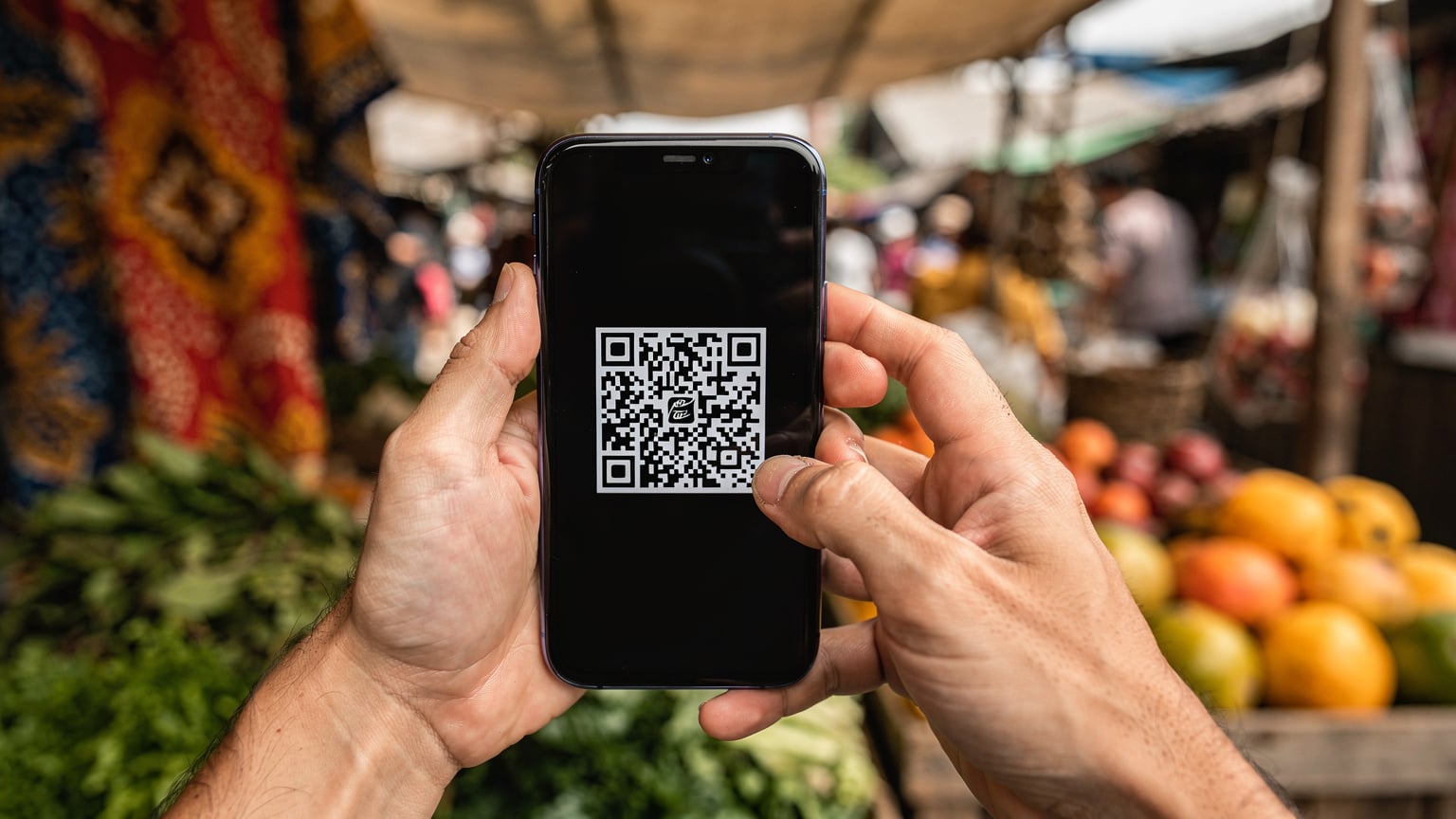
With Cellesim, the process is usually three steps: buy online, receive QR code via email, scan and activate. You can do this from your hostel in Kuala Lumpur before you even fly to Indonesia, ensuring you have data the moment your plane lands. This is a game-changer for anyone on a tight schedule or who simply hates dealing with administrative tasks in a foreign language. It's the difference between being able to immediately call your Gojek from the airport and searching for Wi-Fi in a crowded arrivals hall.
For border crossings, this is even more critical. If you're doing a land crossing from Timor-Leste into Indonesian West Timor, or coming in via ferry from Singapore, having your data sorted before you hit the immigration desk is invaluable. There are no Telkomsel kiosks at these smaller, more remote border points, and local SIM cards can be notoriously tricky to activate without local ID. For complex travel plans, an eSIM like Cellesim is simply less friction, and less friction means more time exploring.
The Cheapest Physical SIM Fallback
Now, for fairness, there's always the absolute cheapest option for those who don't mind the hassle: a physical SIM card from a local vendor. While Telkomsel is ubiquitous, Indosat Ooredoo Hutchison (IM3 Ooredoo) often offers slightly cheaper plans, especially for smaller data packages, though their coverage is slightly less extensive than Telkomsel's outside of major cities.
You can find physical SIM cards at most minimarkets like Indomaret or Alfamart for around IDR 25,000 (€1.60), but this is just for the SIM itself. You then need to buy a data package, which might cost another IDR 50,000-100,000 (€3-€6). The real trick here is activation: you still need your passport, and often the store clerk will handle the registration process for you. This can take anywhere from 10 minutes to half an hour, depending on the clerk's proficiency and the system's speed. I've bought an Indosat SIM in a tiny minimarket in Yogyakarta for IDR 75,000 for 10GB, but it took a solid 20 minutes to get it activated with my passport.
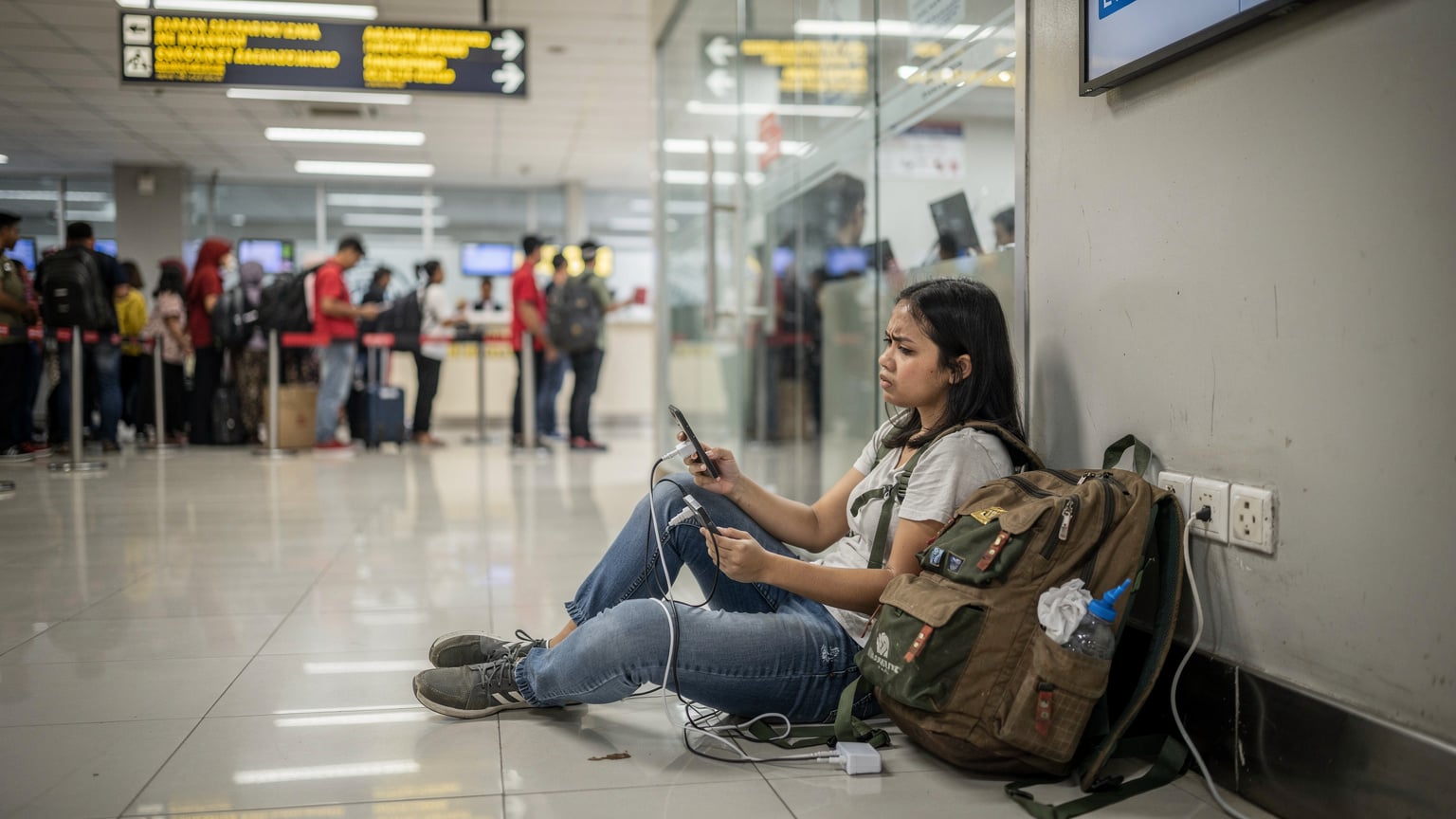
The downside? You need an unlocked phone with a physical SIM slot, and you'll lose your primary SIM if you only have one slot. Plus, if you run into activation issues, good luck troubleshooting in Bahasa Indonesia. This fallback is for the truly dedicated penny-pincher who has ample time and patience, and usually a backup plan (like a working hostel Wi-Fi upon arrival).
For those interested in exploring various regional eSIM options, similar to how I've dissected the Cosmote eSIM in Greece, the principles of cost-per-GB and activation ease remain paramount. It's about finding the balance between price and convenience that suits your travel style.
My Verdict: Who Should Pick Which?
After all the number crunching and real-world testing, my recommendation is clear, but it depends on your travel style.
- Choose Telkomsel (physical SIM or tourist eSIM) if:
- You are traveling for an extended period (more than 3 weeks) and need the absolute maximum coverage, venturing into truly remote areas of Indonesia.
- You are comfortable with a potentially lengthy in-person registration process and don't mind dealing with local customer service.
- You are staying long enough to maximize the value of their 30-day plans, even with data restrictions.
- Choose Cellesim (or another reputable travel eSIM) if:
- You are on a typical backpacking trip of 1-3 weeks, hitting popular spots like Bali, Java, and Lombok.
- You value convenience and want to be connected the moment you land, without any airport hassle or passport registration.
- You need simple, unrestricted data for all your apps, without worrying about 'local app' data splits.
- You want flexibility to buy exactly the amount of data and duration you need, avoiding paying for unused GB.
For most backpackers, the extra cost of Cellesim is easily justified by the sheer convenience and peace of mind. That €5-€10 difference over a two-week trip is a small price to pay to avoid the stress of activation or dealing with confusing data bundles. My personal experience, logging 1.5GB of data usage per day on average, means a 20GB plan like the Cellesim option is perfect for a 13-day trip (1.5GB/day x 13 days = 19.5GB). It leaves me with enough buffer for unexpected map emergencies or late-night hostel research.
One downside of Cellesim: you won't get a local Indonesian phone number, which can be a minor inconvenience for some local services or ride-hailing apps that require a local number for verification. However, I've found that most apps, like Gojek or Grab, now support international numbers for registration, or you can use your hostel's Wi-Fi to register and then use data for rides once you're on the move. For most communication, WhatsApp is king in Indonesia, and it works perfectly over data.
Ultimately, your choice boils down to how much you value your time and mental energy versus saving a few euros. For me, avoiding airport queues and activation headaches is worth every cent. I'd rather spend that time getting my first kopi luwak.
Frequently Asked Questions
Can I use Telkomsel eSIM as a tourist in Indonesia?
Yes, Telkomsel offers eSIMs for tourists, but you typically still need to register your passport at a Telkomsel store or authorized kiosk upon arrival in Indonesia to activate it. This is a government regulation for all local SIM cards.
How much data do I need for a two-week trip to Indonesia?
For a typical two-week backpacking trip, I'd budget around 15-20GB of data. This covers navigation, social media, messaging, and occasional streaming without constant worry. My average usage is about 1.5GB per day.
Is Telkomsel or Cellesim cheaper for data in Indonesia?
Telkomsel's headline tourist eSIM plans can appear cheaper per GB, especially if you consider only the 'all network' data. However, Cellesim often provides better value for flexible data amounts and durations, without hidden usage restrictions or in-person activation hassles.
Do I need a local phone number in Indonesia?
While a local number can be useful for some specific local services, it's not strictly necessary for most backpackers. Ride-hailing apps like Gojek and Grab often work with international numbers, and WhatsApp is the primary communication tool for travelers and locals alike.
What is the cheapest alternative to an eSIM for Indonesia?
The cheapest alternative is usually a physical SIM card from a local carrier like Indosat Ooredoo Hutchison (IM3 Ooredoo), purchased at a minimarket. However, this requires an unlocked phone with a physical SIM slot and still necessitates passport registration, which can be time-consuming.
Can I activate my Cellesim eSIM before I arrive in Indonesia?
Yes, you can purchase and receive your Cellesim eSIM QR code via email before you travel. You can even install it on your phone before you land. The plan will only activate when it connects to a network in Indonesia, ensuring you have data immediately upon arrival.