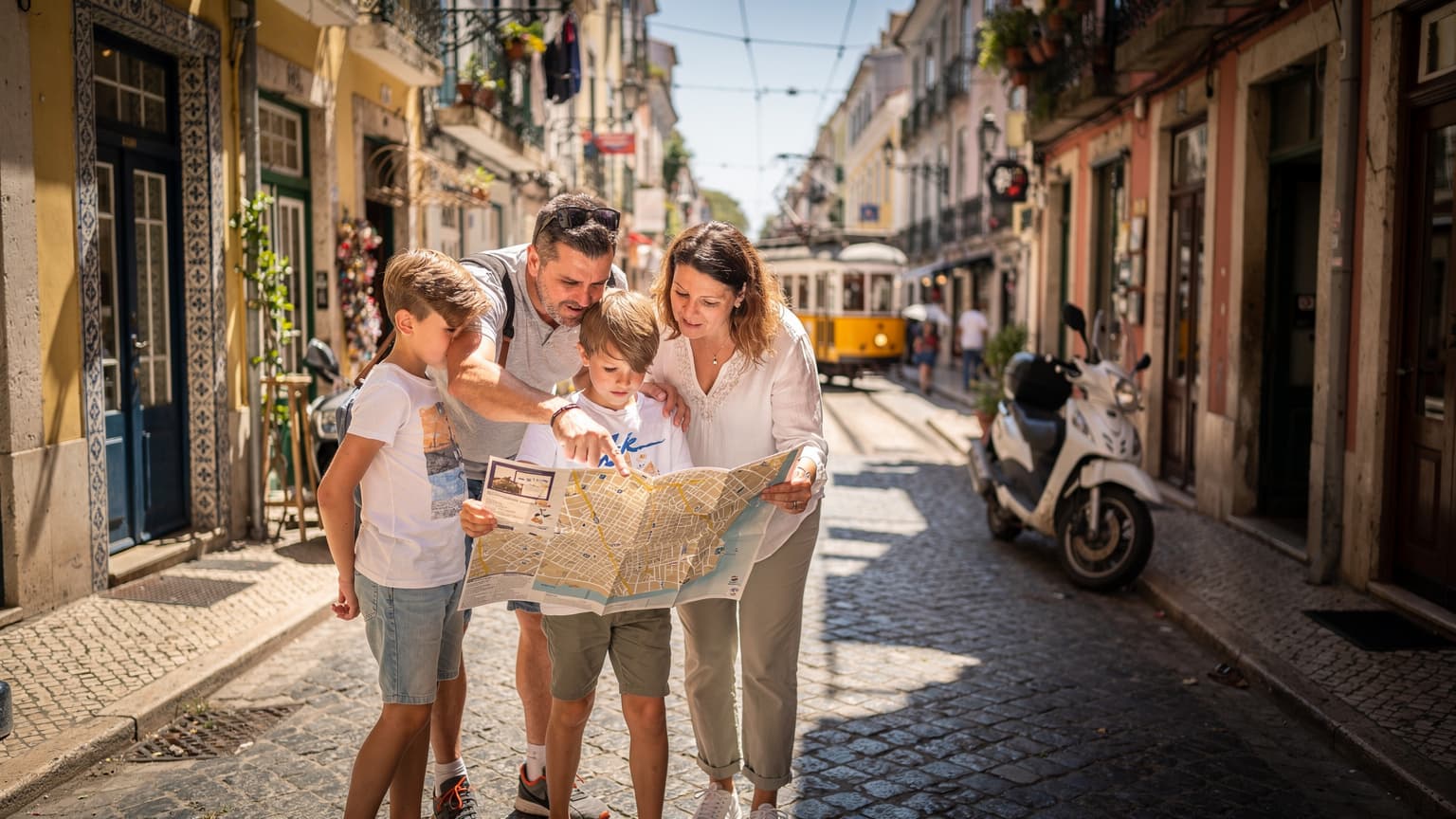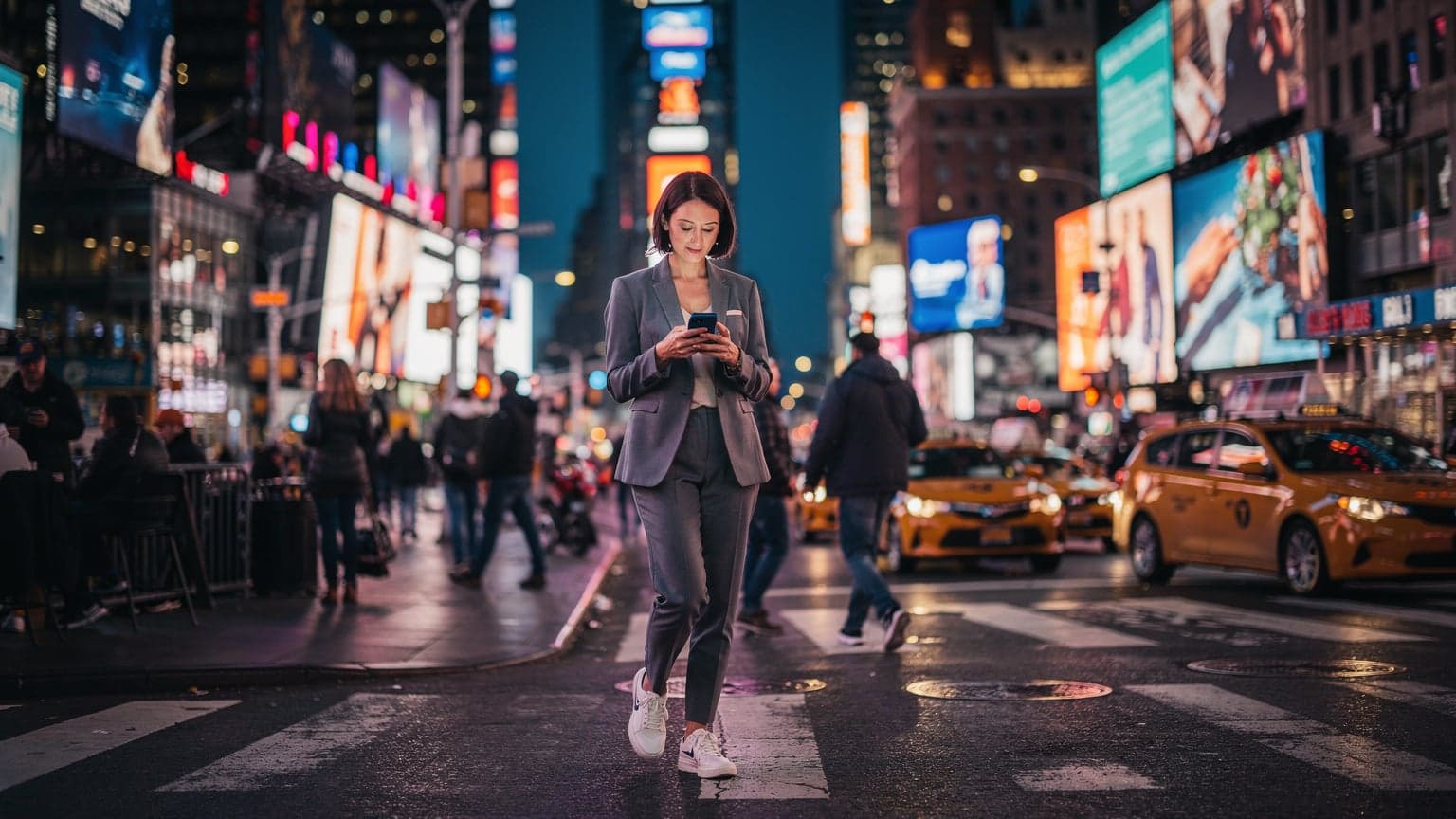
For travel to the United States in 2026, visitors should expect a robust, yet varied, mobile network infrastructure, generally good safety standards in major tourist areas, and specific entry requirements that depend on nationality. Navigating health services and local laws is also crucial for a trouble-free visit, with common sense and preparedness being your best allies.
Understanding US Entry Requirements and Visa Protocols
Entering the United States as a foreign national involves a structured process, primarily managed by the Department of Homeland Security. Your specific requirements will hinge on your nationality and the purpose of your visit. Most short-term tourists and business travelers fall under either the Visa Waiver Program (VWP) or require a B-1/B-2 visa.
The Visa Waiver Program and ESTA
For citizens of participating countries, the VWP allows stays of up to 90 days for tourism or business without needing a traditional visa. Instead, travelers must obtain an approved Electronic System for Travel Authorization (ESTA) prior to departure. It's crucial to apply for ESTA at least 72 hours before your flight, though applying further in advance is always recommended, as processing times can vary. An approved ESTA is typically valid for two years or until your passport expires, whichever comes first, allowing for multiple entries.
Applying for a B-1/B-2 Visa
If your nationality is not part of the VWP, or if your travel purpose or duration exceeds the VWP limits, a B-1 (business) or B-2 (tourism) visa will be necessary. This process is more involved, requiring an interview at a US embassy or consulate in your home country, along with submitting various supporting documents. Expect to provide evidence of your intent to return to your home country, sufficient funds for your trip, and details of your itinerary. The wait times for interview appointments can be extensive, sometimes several months, so plan accordingly.
Customs and Border Protection Procedures
Upon arrival at a US port of entry, all travelers, including those with ESTA or visas, will undergo inspection by Customs and Border Protection (CBP) officers. Be prepared to present your passport, explain the purpose of your visit, and state your intended length of stay. While most inspections are routine, CBP officers have the authority to deny entry if they deem a traveler inadmissible. Ensure all your documentation is readily accessible and accurate.
Navigating Health and Safety in the United States
The United States generally maintains high standards of public safety and health infrastructure, particularly in urban centers and tourist destinations. However, it's a vast country with regional variations, and being informed is key to a smooth journey.
Healthcare Access and Travel Insurance
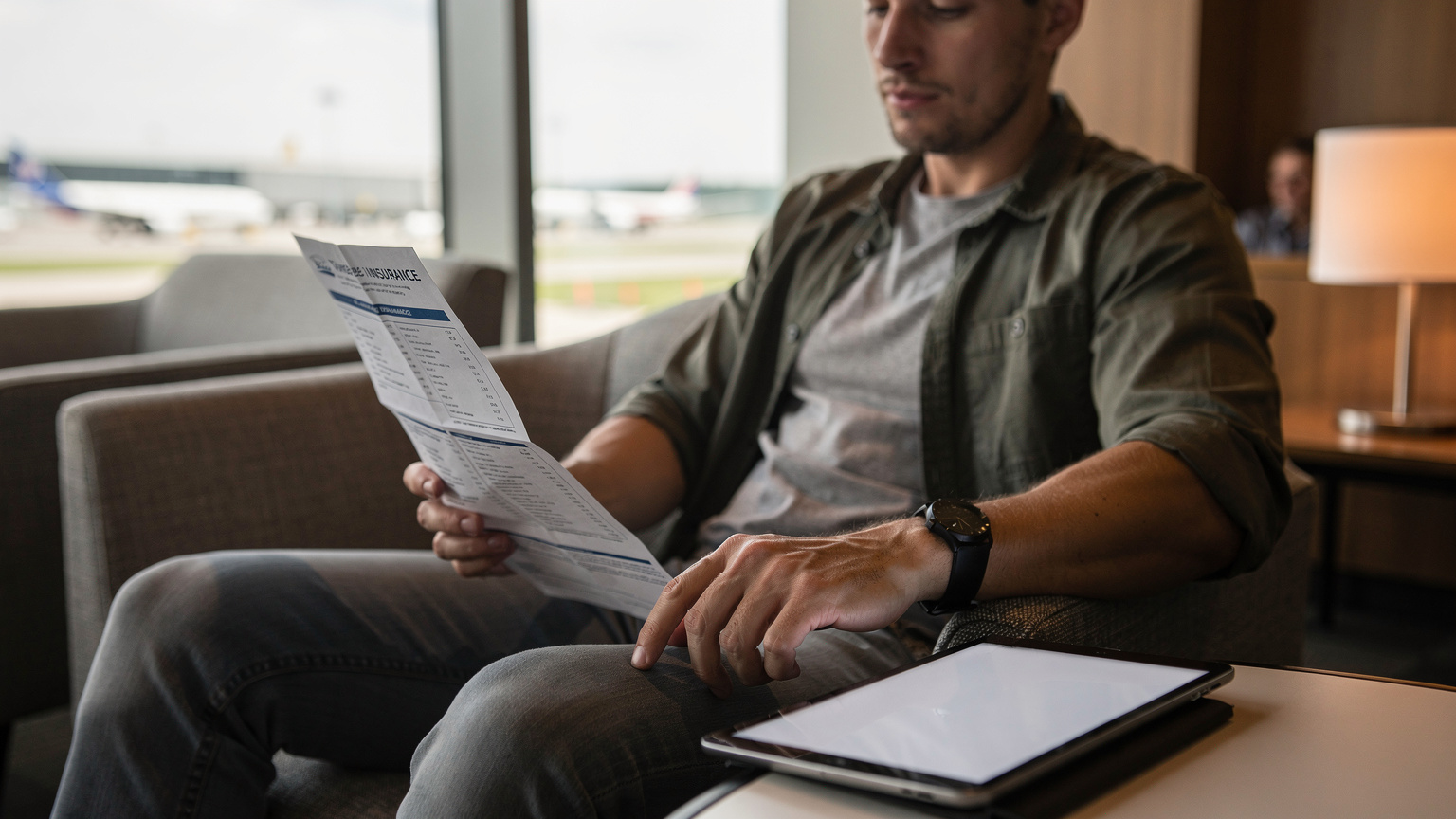
Healthcare in the United States is private and can be exceptionally expensive for non-residents without insurance. A simple emergency room visit could cost thousands of dollars. Therefore, comprehensive travel insurance that includes medical coverage is not merely recommended, but absolutely essential. Confirm that your policy covers medical emergencies, hospitalization, and potential medical evacuation. Carry your insurance details, including policy number and emergency contact, at all times.
General Safety Precautions
While major tourist areas are generally safe, exercising basic caution is always wise. Keep valuables out of sight, especially in crowded areas like subway stations or popular attractions in cities like Los Angeles or Miami. Avoid walking alone in unfamiliar or poorly lit areas late at night. Utilize reputable transportation services, such as licensed taxis or established ride-sharing apps. Petty crime, like pickpocketing, can occur, particularly in busy hubs.
Regional and Environmental Considerations
The United States experiences diverse climates and geographical conditions. Be aware of local weather patterns, especially if traveling to areas prone to extreme heat (Southwest deserts), hurricanes (Southeast coast), or blizzards (Northeast/Midwest in winter). Check local forecasts and advisories. For outdoor activities, such as hiking in national parks, inform someone of your itinerary and carry appropriate gear, water, and first-aid supplies. Wildlife encounters can be a risk in natural areas, so adhere to park guidelines.
Staying Connected: US Mobile Networks and eSIMs
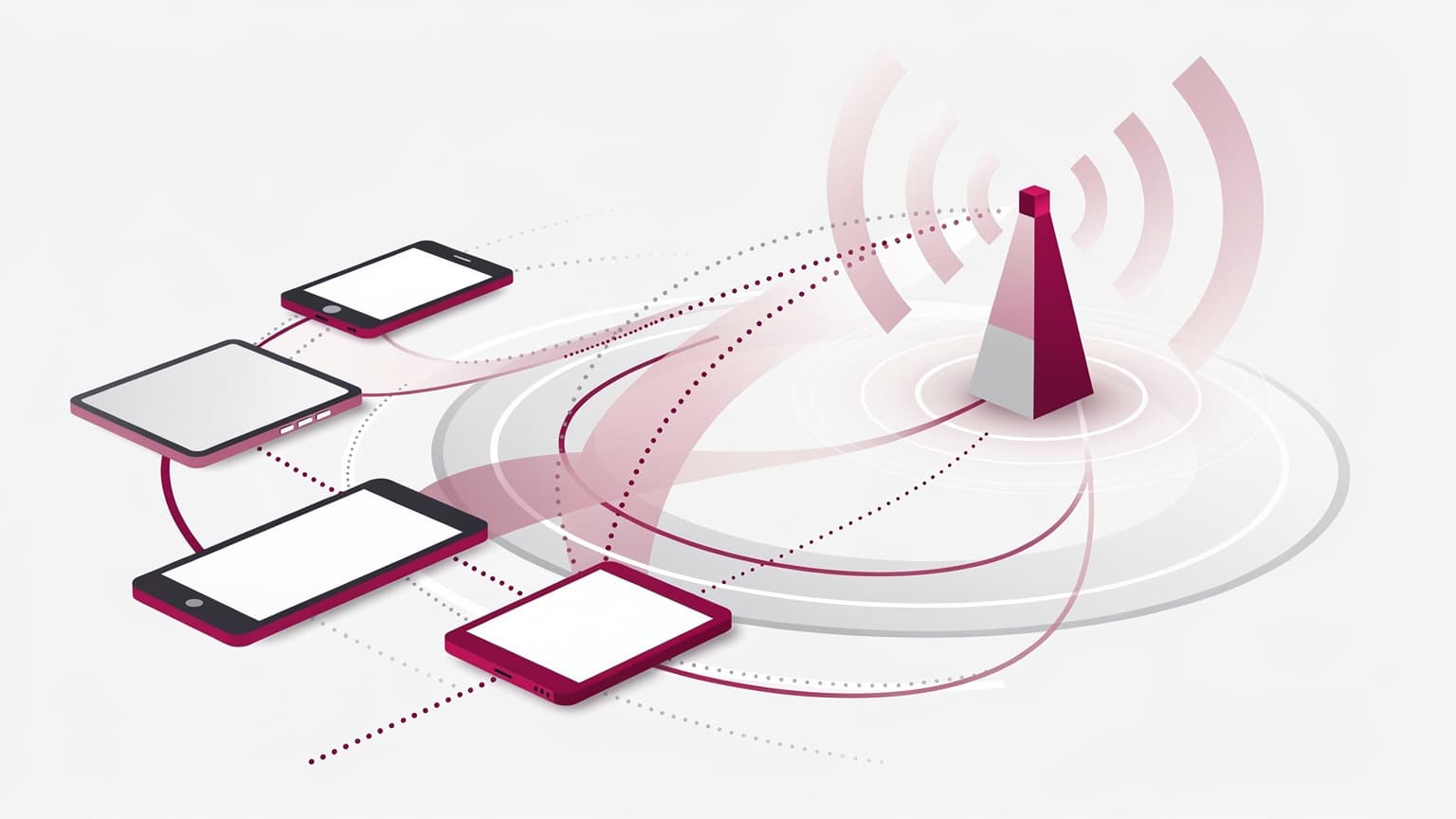
Connectivity is a critical component of modern travel, and the United States boasts a sophisticated, albeit fragmented, mobile network landscape. Understanding its nuances is vital for seamless communication and navigation. The country's primary carriers, offer extensive 4G LTE and rapidly expanding 5G coverage.
Understanding US Network Infrastructure
The major US carriers operate on different frequency bands. T-Mobile, for instance, extensively uses Band 71 (600 MHz) for wide-area 5G coverage, alongside Band 2 (1900 MHz) and Band 66 (1700/2100 MHz) for LTE, with mid-band 5G (n41, 2.5 GHz) providing impressive speeds in urban centers. Verizon relies heavily on Band 13 (700 MHz) for LTE foundational coverage and utilizes C-Band (n77, 3.7 GHz) for its high-capacity 5G Ultra Wideband, while AT&T leverages Band 12 (700 MHz) and Band 17 (700 MHz) for LTE and C-Band (n77) for 5G. These distinct band allocations mean device compatibility is paramount; your phone must support the specific bands used by the network you intend to connect to, especially for optimal 5G performance. Generally, devices released in the last few years are well-equipped, but older international models might have gaps in band support, particularly for newer 5G sub-6 GHz and millimeter wave (mmWave) frequencies.
| Network Technology | Typical Download Speed Range (Mbps) | Typical Upload Speed Range (Mbps) | Key Frequency Bands (Examples) |
|---|---|---|---|
| 4G LTE (Suburban) | 30-100 | 5-20 | B2, B4, B12, B13, B66, B71 |
| 5G Sub-6 GHz (Urban) | 100-400 | 10-50 | n2, n5, n41, n66, n71, n77 |
| 5G mmWave (Dense Urban/Venues) | 500-2000+ | 50-200+ | n260, n261 |
It's worth noting that these speeds are theoretical and vary significantly based on congestion, signal strength, and your device's capabilities. For instance, in dense metropolitan areas like downtown San Francisco, a device supporting 5G n41 or n77 could experience downloads upwards of 500 Mbps, while in a rural area of Montana, you might only see 4G LTE at 20-40 Mbps on Band 71 or Band 13.
The Advantage of eSIM for US Travel
For international travelers, eSIM technology offers unparalleled flexibility and convenience. Instead of swapping physical SIM cards, you can activate a data plan digitally. Cellesim provides a United States eSIM solution that starts at $1.05 with over 33 diverse plans, catering to various data needs and trip durations. These plans also support SMS for one-time password (OTP) and verification messages, a crucial feature given the prevalence of two-factor authentication for many online services in the US.
When utilizing an eSIM, ensure your device supports VoLTE (Voice over LTE) for calls. Older phones or those not provisioned correctly may struggle with voice services on US networks, which have largely decommissioned 2G and 3G networks. This means your phone must be able to make calls over LTE or WiFi (VoWiFi) to function reliably. Devices like the latest iPhones and Android flagships generally handle this seamlessly, but it's a point to verify, especially if you have a niche or older handset.
APN Settings and Network Configuration
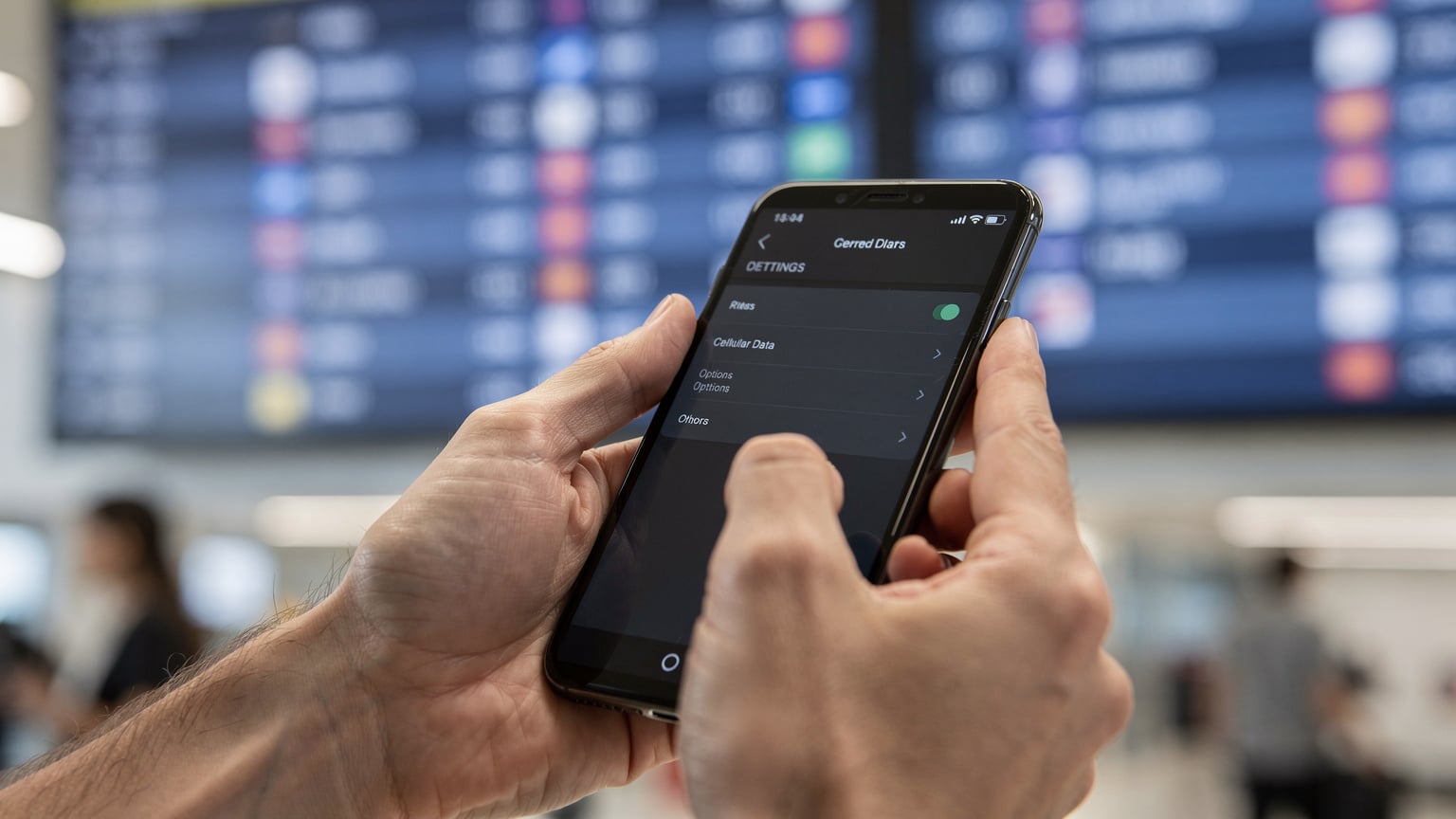
Most eSIMs from reputable providers automatically configure the correct Access Point Name (APN) settings. However, in rare instances, particularly with certain unlocked Android models or if you're experiencing connectivity issues, you might need to manually input APN details. This is an edge case, but something a telecom engineer always keeps in their back pocket. The required APN is typically straightforward, often just 'internet' or a carrier-specific variant, but knowing where to check (Settings > Mobile Network > Access Point Names on Android, or Settings > Cellular > Cellular Data Network on iOS) can save you troubleshooting time. IPv6-only networks are becoming more common in the US, so ensure your device and eSIM profile are capable of handling this, though most modern setups default to dual-stack or IPv6-preferred.
Local Laws, Customs, and Unexpected Nuances
Understanding local laws and customs in the United States is vital, as deviations can range from minor social faux pas to serious legal complications. The US legal system has federal, state, and local ordinances, meaning laws can vary significantly from one state or even city to another.
Alcohol and Cannabis Regulations
The legal drinking age across the entire United States is 21. Carrying an ID is mandatory if you plan to purchase or consume alcohol, as establishments rigorously enforce this. Regulations around cannabis are more complex: while legal for recreational use in some states (e.g., California, Colorado, New York), it remains illegal under federal law. Interstate transport of cannabis is prohibited, even between states where it's legal. Always check local laws meticulously.
Smoking and Vaping Laws
Smoking and vaping are increasingly restricted in public places, including restaurants, bars, and public transportation. Many cities and states have specific ordinances, with some prohibiting smoking within a certain distance of building entrances or public parks. Always look for designated smoking areas or observe local signage to avoid fines.
Driving Laws and Traffic Enforcement
Driving laws vary by state, but fundamental rules like driving on the right-hand side of the road, wearing seatbelts, and obeying speed limits are universal. Distracted driving laws, particularly concerning mobile phone use, are strict and widely enforced. In many states, hands-free operation is mandatory. Always carry your valid driver's license (and an International Driving Permit if applicable) and vehicle registration. The Summer Road Trip 2026 post has more details on this.
Tipping Etiquette
Tipping is deeply ingrained in American service culture and is expected for most service industries, including restaurants, bars, taxi drivers, and hotel staff. A standard tip for good service in a restaurant is 15-20% of the bill before tax. Unlike some other countries, service charges are rarely automatically included, so it's your responsibility to add the tip. Failing to tip adequately can be seen as rude.
Public Transportation and Driving Considerations
The United States' approach to transportation is diverse, heavily favoring personal vehicles in many regions, but with robust public transit in major cities. Your strategy will depend entirely on your destination.
Urban Public Transit Systems
In large metropolitan areas like New York City, Chicago, Boston, and Washington D.C., public transportation networks are extensive and efficient. Systems typically include subways (often called 'the Metro' or 'the T'), buses, and sometimes commuter rail. Payment methods vary: New York's MTA uses the OMNY tap-to-pay system with credit cards or digital wallets, while other cities might use reloadable transit cards (e.g., Chicago's Ventra Card). Fares are generally affordable and offer an excellent way to avoid traffic and parking hassles. Outside these major hubs, public transit can be limited or non-existent, making car rental a necessity.
Renting a Car and Road Conditions
Renting a car in the United States is straightforward for those over 21 (though surcharges often apply for drivers under 25). You will need a valid driver's license from your home country, and often an International Driving Permit (IDP) is recommended or required, depending on your license's language. Road conditions are generally excellent, but be prepared for vast distances between cities and, in some rural areas, a lack of consistent cellular coverage. Downloading offline maps to your smartphone (Google Maps, Apple Maps) is a smart backup strategy, especially if you plan to explore national parks or remote regions where Band 71 (600 MHz) might be the only available signal.
Toll Roads and Express Lanes
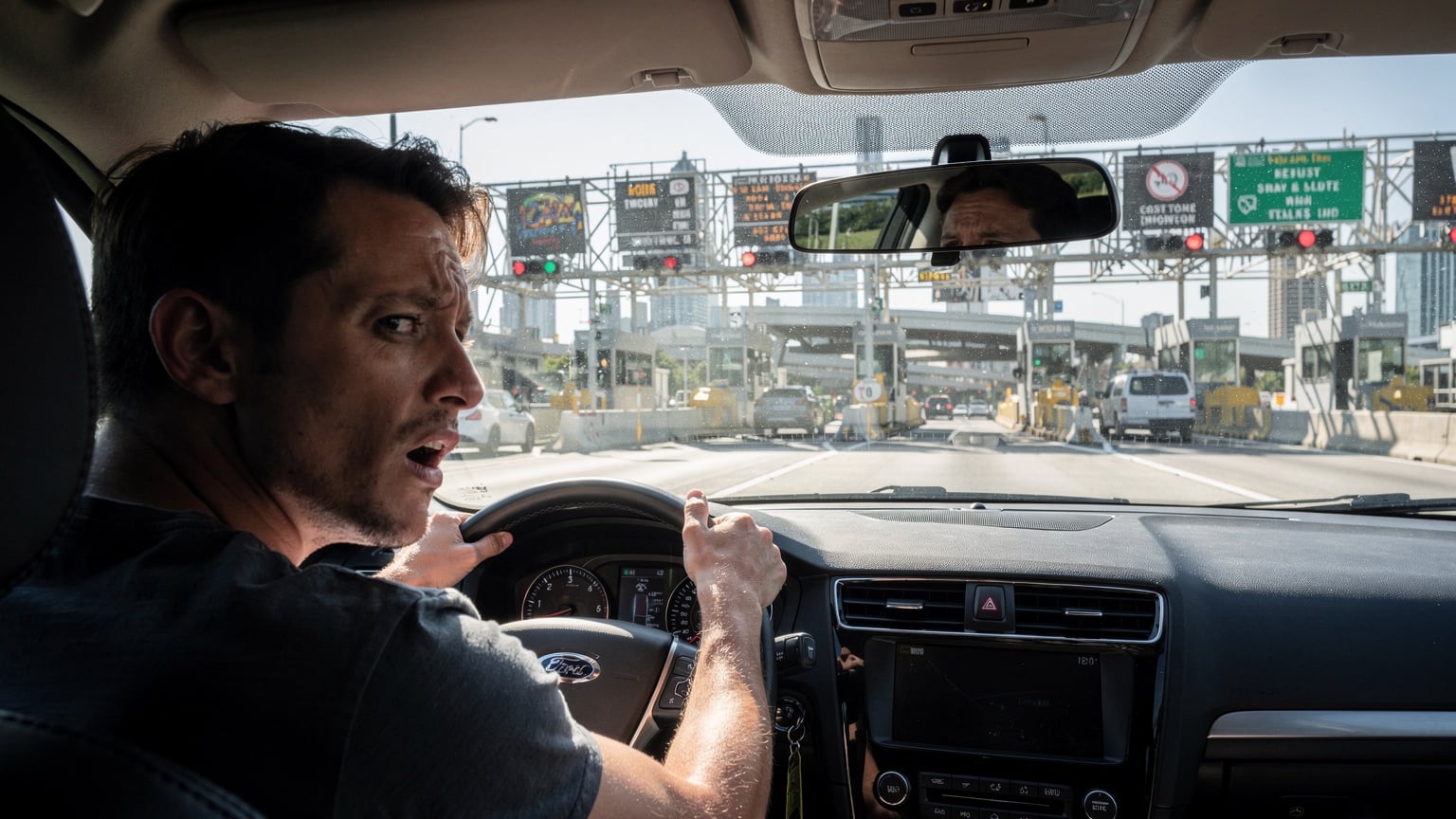
Many US highways, particularly around major cities, feature toll roads or express lanes. Payment systems range from electronic transponders (like E-ZPass in the Northeast or FasTrak in California) to pay-by-plate options where a bill is mailed to the registered owner. Rental cars often come with a transponder or an agreement that bills tolls to your credit card, usually with an administrative fee. Clarify these details with your rental car company to avoid unexpected charges. Some express lanes use dynamic pricing, meaning the toll cost changes based on traffic congestion, which is displayed on electronic signs.
Common Scams and How to Avoid Them
While the United States is generally safe, like any popular travel destination, it has its share of common scams. Awareness is your primary defense.
Tourist Traps and Overpriced Services
Be wary of individuals offering unsolicited
See also: Washington D.C. eSIM
Heading there? Compare data plans on our United States eSIM page and install before you fly.