Why a Regional eSIM for Africa is Non-Negotiable
Look, I've spent years dealing with physical SIM cards in different countries. It's a real headache, especially in a continent as huge and varied as Africa. You land, you're tired, and suddenly you're hunting for a local SIM vendor, often trying to communicate through a language barrier and paying inflated airport prices. Then you cross a border, and the whole annoying process starts all over again. For trips that cover multiple countries, like a safari that might take you through Kenya, Tanzania, and South Africa, a regional eSIM isn't just nice to have, it's absolutely essential.
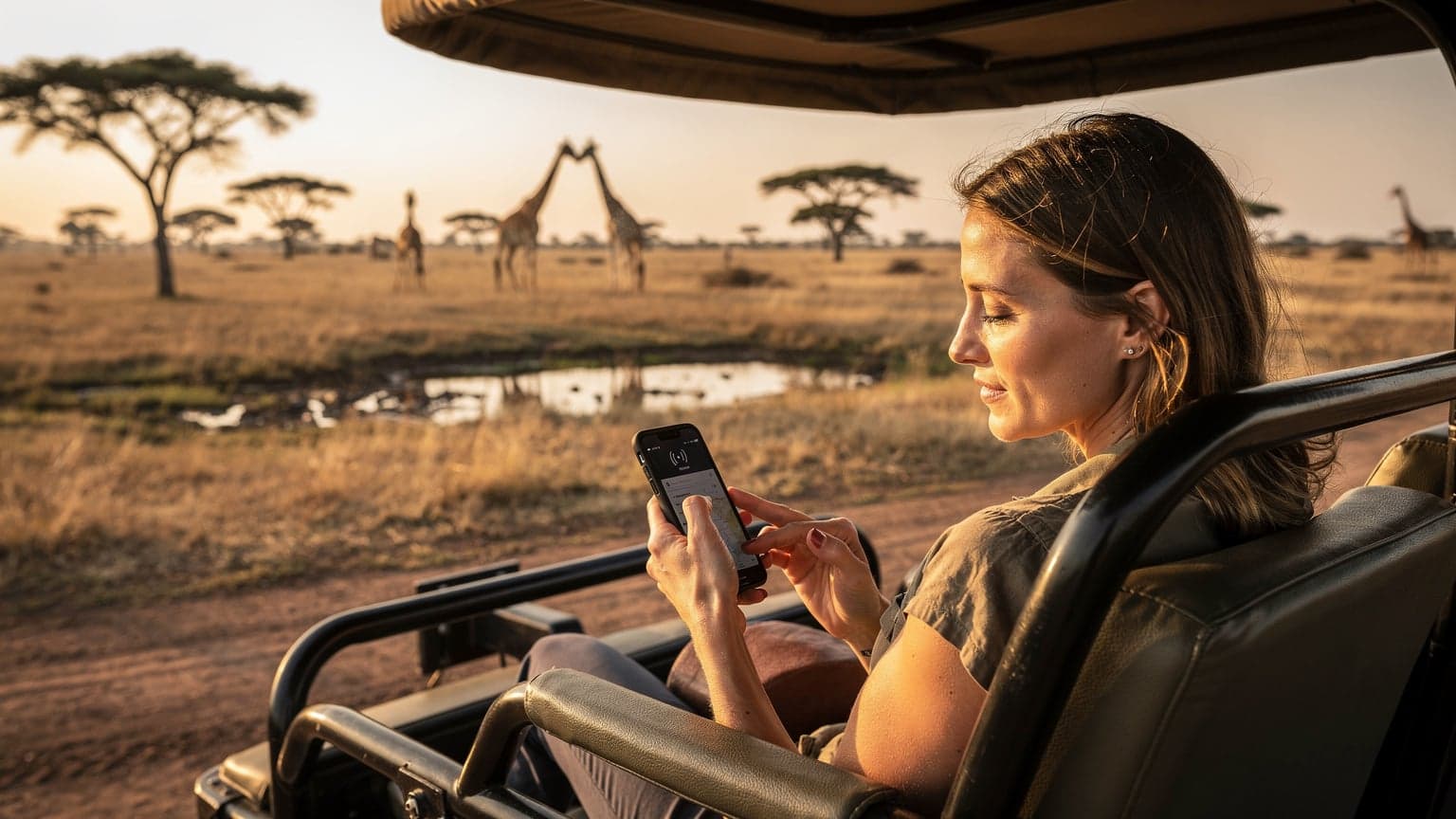
Picture this: you're traveling from Arusha to the Serengeti, then flying to Nairobi. You need data for everything: WhatsApp messages, booking a last-minute bush plane, finding your way around. Trying to grab a new local SIM at every airport or small town is a surefire way to waste a day, or worse, get ripped off. A single multi-country eSIM simplifies your entire connectivity plan, letting you actually enjoy your adventure instead of getting bogged down in internet logistics. I've seen too many friends miss important updates because they were stuck without data in a remote lodge, just waiting for a chance to buy a physical SIM.
Seamless Transitions Between Borders
The best part about a regional eSIM is that it automatically switches networks when you cross a border. No more fumbling with tiny plastic cards or stressing about unexpected roaming fees. You simply arrive, and your phone connects. This is super important for overland trips or safaris that often take you into neighboring countries like Botswana, Zambia, or Namibia. When you're trying to spot wildlife, a dead phone because your SIM only works in one country is the last thing you want.
Cost Efficiency for Longer Stays
Sure, local SIMs can sometimes offer a slightly cheaper per-GB rate if you're staying in one country for a long time. But for a multi-country trip, the total cost and hassle of buying multiple local SIMs quickly make regional eSIMs the better deal. They're built for this exact situation, giving you a predictable and often cheaper data solution across several nations. For someone like me, who might spend a month or two in a country, the upfront cost of a regional plan really pays off, especially when you factor in all the time you save not searching for local options.
Understanding Africa eSIM Coverage: The Real Deal
Africa has wildly different levels of connectivity. Big cities like Cape Town, Nairobi, and Accra have excellent 4G and even some 5G, often as good as what you'd find in Europe or North America. But if you head into national parks, rural areas, or even some smaller towns, the signal can vanish. It's crucial to have realistic expectations.
When I was in Zanzibar, working from a cafe in Stone Town called "The Meeting Point," the Wi-Fi was good enough for video calls. But as soon as I went inland to a spice farm, my local SIM struggled. An eSIM for Tanzania, for example, would likely use Vodacom or Airtel, which are generally the strongest networks. Knowing which local carriers an eSIM provider partners with is key to knowing what kind of coverage you'll actually get.
Major Hubs vs. Remote Locations
In places like the Two Oceans Aquarium in Cape Town or the bustling markets of Marrakech, you'll generally have strong signals. My monthly rent for a decent apartment in Gardens, Cape Town, was around 12,000 ZAR (about $650 USD) back in 2023, and high-speed fiber internet was standard. However, once you're on a game drive in the Kruger National Park, don't expect to be streaming Netflix. Even the best eSIMs rely on the local cell infrastructure, which can be pretty sparse in truly remote areas.
Here's a quick look at typical network availability in key African regions:
- East Africa (Kenya, Tanzania, Uganda): Strong 4G in major cities like Nairobi, Dar es Salaam, Kampala. Vodacom, Safaricom, and Airtel usually offer the best coverage. Outside cities, expect 3G or even 2G in very remote areas, especially within national parks.
- Southern Africa (South Africa, Botswana, Namibia): Excellent 4G/5G in South Africa's urban centers (Cape Town, Johannesburg). MTN and Vodacom are dominant. Botswana and Namibia have decent coverage along main roads and in towns, but huge wilderness areas will have little to no signal.
- North Africa (Morocco, Egypt): Good 4G in tourist areas and cities like Marrakech, Casablanca, Cairo, Luxor. Maroc Telecom, Orange, and Etisalat are strong. Remote desert areas will be a challenge for any provider.
- West Africa (Ghana, Nigeria): Coverage varies a lot. Accra and Lagos have improving 4G, but network congestion can be an issue. MTN, Vodafone, Glo, and Airtel are the main players. Rural connectivity is still a problem.
Checking Network Partnerships
Before you buy an eSIM, always check which local networks the provider partners with in each country you plan to visit. A good regional eSIM will connect to the strongest available network wherever you are. For example, if you're in Kenya, you want to be on Safaricom or Airtel. If you're in South Africa, it's MTN or Vodacom. This information is usually on the eSIM provider's website. Don't be shy about digging into the details, it can seriously impact your trip.
Cost-Per-Gigabyte Analysis: Africa eSIM vs. Local SIMs
This is where my budget expert hat really comes on. When I'm in a new country, I'm always looking for the lowest cost per gigabyte, without giving up reliability. For stays in a single country, a local SIM often wins on pure per-GB cost, especially if you're getting a big data package. In Ghana, for instance, I could get 10GB for about 50 GHS (around $4 USD) from MTN, which is incredibly cheap. But that's only for Ghana.
The moment you start visiting multiple countries, the situation changes. That cheap local SIM becomes useless, and you're forced to buy another one, often at tourist prices. Just the effort of dealing with it, plus the risk of activation problems, adds a hidden cost. For multi-country travel, regional eSIMs almost always offer better overall value.
| Scenario | Local Physical SIM (Per Country) | Regional Africa eSIM (Cellesim Example) | T-Mobile Roaming (US Carrier) |
|---|---|---|---|
| Cost for 3 Countries (e.g., Kenya, Tanzania, South Africa) | ~ $15-25 USD per country for 5-10GB. Total: $45-75. | ~ $30-60 USD for 10-20GB across all countries. | Often included "free" but throttled 2G speeds, or $5-10/day for high-speed. Total: $150-300+ for 30 days. |
| Convenience | Requires finding vendor, activation, potential language barrier, physical swap. Repeat per country. | Pre-purchase and activate before arrival, seamless switching. Single setup. | Automatic, but often slow or expensive for useful speeds. |
| Data Speeds | Full local speeds (4G/5G where available). | Full local speeds via partner networks. | Often throttled (256kbps) or requires expensive daily passes for faster speeds. |
| Activation Time | 15-60 minutes per country (purchase, registration, activation). | 5-10 minutes online, prior to departure. Instant connection on arrival. | Instant (if plan allows). |
| Reliability | Good for single country. Can be unreliable if not from official store. | Reliable, as it leverages established local networks. | Reliable for basic connectivity, but often frustratingly slow. |
The Hidden Costs of Local SIMs
Beyond the price tag, local SIMs come with hidden costs. Time is money, and spending an hour at an airport kiosk or a local shop trying to get a SIM activated, especially if you need to register it with your passport (which is common in many African countries), eats into your valuable travel time. Then there's the risk of getting an expired SIM or one with bad terms. I once bought a "tourist SIM" in a bustling market in Egypt that turned out to be almost empty. With an eSIM, you avoid all these frustrations.
The T-Mobile Roaming Trap
Many US travelers think their T-Mobile plan will save them money. And yes, it offers "free" international roaming in over 215 countries. But here's the catch: it's almost always throttled to 2G speeds. That's fine for basic WhatsApp messages, but try to use Google Maps, upload a photo, or do anything that uses a lot of data, and you'll be pulling your hair out. For anything beyond basic communication, T-Mobile's free roaming just doesn't cut it. You'll quickly find yourself paying for their expensive daily high-speed passes, which add up to far more than an eSIM.
Top Africa eSIM Providers for 2026
When it comes to Africa, not all eSIM providers are created equal. You need one with solid regional plans and strong partnerships with local carriers. Cellesim, of course, is my top choice for its straightforward pricing and wide coverage, but it's always good to know your other options.
The main thing is to find regional plans that cover a good number of African countries, especially the ones you plan to visit. A good plan will typically include countries like Kenya, Tanzania, South Africa, Egypt, Morocco, Ghana, Nigeria, Uganda, Rwanda, Zambia, and Botswana.
Cellesim Africa Regional Plans
Cellesim offers several regional plans specifically for Africa, which is why I recommend them. Their "Africa Explorer" packages, for example, usually cover 30-40 countries with data options from 5GB to 20GB, valid for 15-30 days. The cost per GB is competitive, depending on the package size. I've personally used their plans across East Africa, and the connection was strong, even in smaller towns like Moshi in Tanzania, where I could upload blog posts from a small cafe called "Union Cafe" without any issues.
They're especially great for last-minute purchases because activation is almost instant. This means if your flight gets delayed and you suddenly have extra time in a transit city, you can be online right away.
Other Notable Providers
While Cellesim is my top pick, it's worth checking out other providers like Airalo and Holafly for comparison. Airalo has decent regional packages, but I've found their per-GB rates can sometimes be higher, and their coverage in some specific African countries isn't always as comprehensive. Holafly often focuses on unlimited data, but this can come with speed throttling after you use a certain amount, which isn't always ideal for heavy users.
| Provider | Regional Africa Plan (Typical) | Coverage (Countries) | Pros | Cons |
|---|---|---|---|---|
| Cellesim | Africa Explorer (5GB-20GB, 15-30 days) | 30-40+ | Competitive per-GB cost, broad coverage, transparent pricing, easy activation. | No "unlimited" options (though high data packages are available). |
| Airalo | Africa (1GB-10GB, 7-30 days) | 20-30+ | Good selection of smaller packages, user-friendly app. | Higher per-GB cost for larger plans, slightly less comprehensive country list. |
| Holafly | Africa (Unlimited data, 5-90 days) | 30-40+ | Unlimited data for peace of mind. | Often comes with FUP (Fair Usage Policy) throttling after certain usage, can be more expensive. |
| GigSky | Africa (1GB-5GB, 7-30 days) | 20-30+ | Reliable network, good for shorter trips. | More expensive per-GB, smaller data packages. |
Activating Your Africa eSIM: A Step-by-Step Guide
Activating an eSIM is usually simple, but it helps to know what to expect, especially if you're doing it in a new time zone with limited Wi-Fi. I always suggest activating your eSIM before you even leave home, or at least before you land in Africa. That way, you're connected the second you step off the plane.
Pre-Departure Checklist
- Check Device Compatibility: Make sure your phone supports eSIM. Most newer iPhones (XS and later), Google Pixels (3 and later), and Samsung Galaxy S20 series and newer are compatible. Check your specific model's settings.
- Purchase Your eSIM: Go to a reputable provider like Cellesim and buy your chosen Africa regional plan. You'll get a QR code or manual activation details via email.
- Download eSIM App (Optional): Some providers have dedicated apps that make management easier. Download it if it's available.
- Ensure Stable Wi-Fi: You'll need an internet connection to download the eSIM profile to your phone. Do this at home or at the airport before you depart.
Installation and Activation Process
This is generally what it looks like on an iPhone (Android is pretty similar):
- Go to Settings: Navigate to "Cellular" or "Mobile Data" in your phone's settings.
- Add eSIM: Select "Add eSIM" or "Add Data Plan."
- Scan QR Code: Choose "Use QR Code" and scan the QR code your eSIM provider sent you. If you don't have a second screen, you can usually type in the details manually.
- Label Your eSIM: Give your new eSIM a clear name, like "Africa Data" or "Cellesim Africa." This helps you tell it apart from your main SIM.
- Set as Primary for Data: Once it's installed, set your new eSIM as your primary line for cellular data. Keep your home SIM active for calls/texts if you need it, but turn off its data roaming to avoid charges.
- Arrive and Connect: When you arrive in Africa, your phone should automatically connect to a partner network. If it doesn't, try restarting your phone or checking your network selection settings to make sure it's set to automatic.
Data Usage Tips for African Adventures
Even with a generous eSIM plan, data can disappear fast if you're not careful, especially when uploading high-res safari photos or streaming videos. Here are my go-to tips for making your data last:
- Download Offline Maps: Before you head out, download Google Maps or other mapping apps for the areas you'll be visiting. This is a lifesaver when you're in an area with no signal or trying to save data.
- Use Wi-Fi When Available: Many hotels, lodges, and even some safari camps offer Wi-Fi, though speeds can vary wildly. Use it to upload photos, download content, and make video calls. Always ask for the Wi-Fi password when you check in.
- Disable Background App Refresh: Most apps constantly refresh in the background, using up data. Go into your phone settings and turn off background refresh for apps you don't need constantly updating.
- Limit Streaming: Don't stream Netflix or YouTube on cellular data. Download movies/shows to your device before you leave or save them for when you have Wi-Fi.
- Optimize Photo/Video Uploads: If you're sharing safari photos, consider compressing them or only uploading them when you're on Wi-Fi. Instagram stories use less data than full-resolution photos.
- Turn off Auto-Play Videos: Social media apps often auto-play videos, which just eats data. Adjust your settings to stop this.
Apps That Need Local Connectivity
While an eSIM handles most data needs, some specific apps or services might require a local physical SIM, often for country-specific verification. This is rare for most travelers, but it's worth mentioning.
- Banking Apps: In some countries, like Brazil (where I once got stuck because my bank's app needed a local number for a one-time password), or certain Indian government apps (Aadhaar), you might need a local phone number for two-factor authentication. Always check with your bank before traveling.
- Local Ride-Sharing/Delivery Apps: While Uber and Bolt often work with international numbers, some local services might prefer a local number for registration or communication.
- Government Services: Occasionally, a local number might be needed for certain government-issued IDs or services, though this is unlikely to affect short-term tourists.
The Pitfalls of Local SIMs and Roaming in Africa
I've seen the look of pure frustration on travelers' faces when their carefully bought local SIM suddenly stops working, or they get hit with a massive roaming bill. It's not a pretty sight. Africa, in particular, can be a minefield of connectivity problems if you're not ready.
Registration Hassles and Visa Limitations
Many African countries, including Kenya, Tanzania, and South Africa, require you to register your passport for all SIM card purchases. This process can be slow, involve multiple forms, and sometimes require a local address. Some countries even limit how long a tourist SIM can be active, or link SIM activation to your visa duration. For example, some East African visas are valid for 90 days, and your SIM might be deactivated after that, even if you still have data. This can be a huge headache for long-stay digital nomads.
Roaming Nightmares
Your home carrier's roaming rates in Africa are usually outrageous. I'm talking dollars per megabyte. A quick check of emails or a few Instagram uploads could easily cost you hundreds of dollars. Even "international roaming packages" from your home carrier are often overpriced and offer limited data or painfully slow speeds. I once had a friend get a $500 bill after a week in Morocco because he forgot to turn off data roaming on his primary line. Don't make that mistake.
Staying Connected Beyond the Safari
Africa isn't just about safaris; it's a lively continent with bustling cities, rich cultures, and growing digital nomad communities. Staying connected here means more than just sharing photos of lions; it means navigating daily life.
Urban Connectivity and Coworking Spaces
In cities like Cape Town, Nairobi, and Accra, you'll find excellent coworking spaces with reliable internet. In Cape Town, my favorite was Workshop17 at the V&A Waterfront, which had consistent fiber internet. In Nairobi, "Nailab" in the Kilimani area was a hub for techies and offered fantastic speeds. These places are crucial for serious work, even if your eSIM is your main connection when you're out and about. An average desk rental there would be about $100-150 USD a month.
Even in smaller but popular spots like Taghazout, Morocco, you'll find cafes like "Cafe Mouja" offering decent Wi-Fi for basic tasks. The cost of living in Taghazout is quite affordable, with a good Airbnb apartment going for 400-600 EUR ($430-650 USD) a month, and the food courts offering tagines for 30-50 MAD ($3-5 USD) a meal.
Communication Apps and Local Contacts
WhatsApp is king in most of Africa. Everyone uses it for texting, calls, and even business. Make sure your eSIM is activated and working so you can use WhatsApp seamlessly. Other apps like Bolt (ride-sharing) are widely used in cities and rely heavily on data for real-time tracking and communication. Having consistent data means you can always reach your driver, even if you're stuck in traffic on the way to the airport.
The Future of Connectivity in Africa
The digital landscape in Africa is changing fast. More countries are adopting eSIM technology, and network infrastructure is getting better every year. While there are still challenges, especially in rural areas, the trend is towards more connectivity and more affordable data.
5G Expansion and Infrastructure Improvements
5G is already live in major cities in South Africa, Nigeria, and Kenya, and it's rolling out even faster. This means even quicker speeds for those with compatible devices. Governments and private companies are pouring money into fiber optic networks and cell towers, which will continue to improve coverage and reliability across the continent. This is great news for anyone planning to visit Africa in the coming years, as it means even better eSIM performance.
eSIM Adoption Rates
As more phone manufacturers build in eSIM technology, more people will start using it. This, in turn, will drive down prices and increase competition among providers, leading to even better deals for travelers. The days of needing a physical SIM tray are numbered, making international travel connectivity simpler than ever. I expect within the next 2-3 years, finding a phone without eSIM capabilities will be rare, especially in the mid-range market.
See also: Ghana eSIM
See also: Namibia eSIM
See also: eSIM for Niger