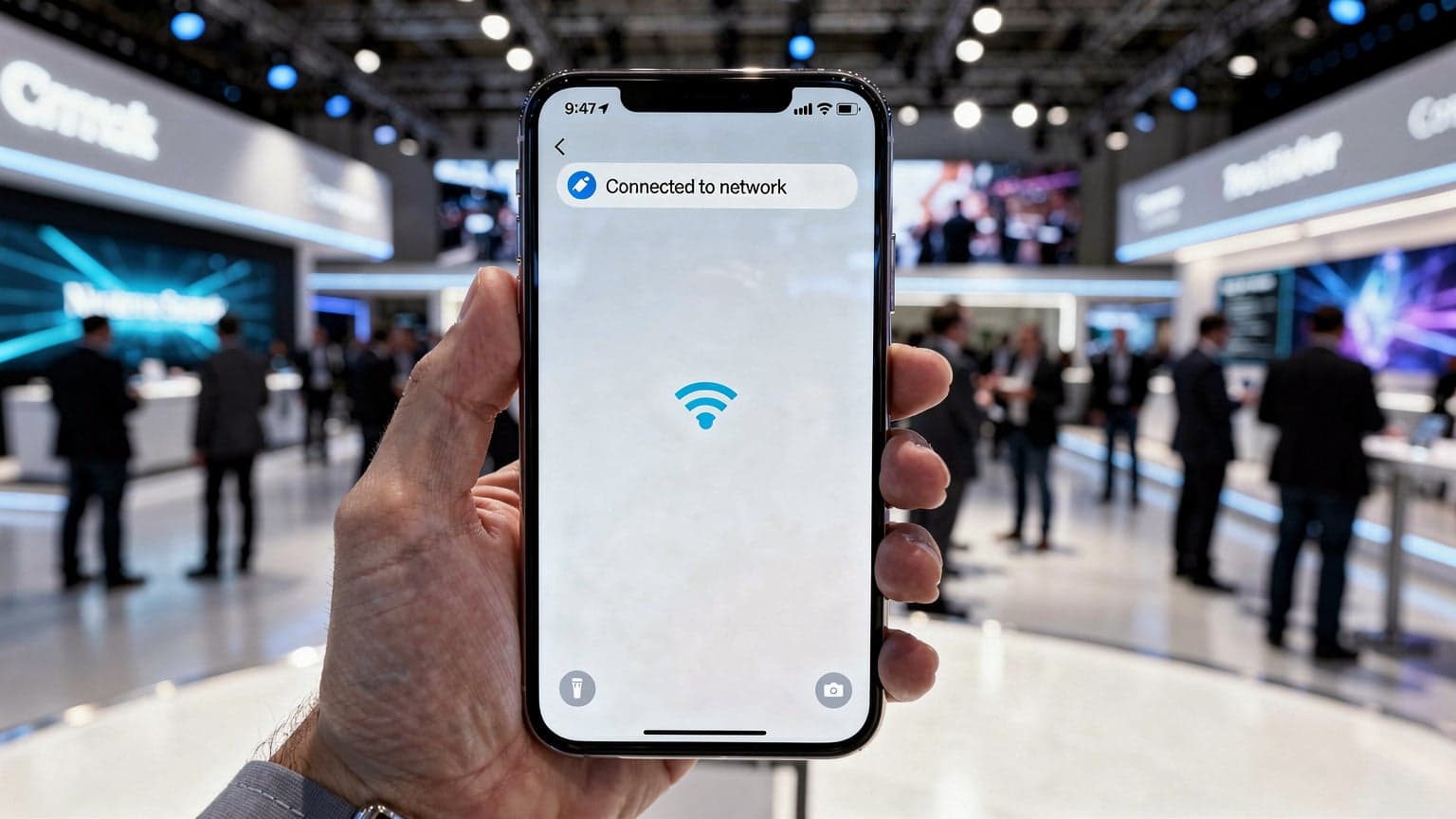
Fall Travel with Families in 2026, Why Connectivity Matters More Than Ever
Autumn. It's that magical time when the world feels like it's taking a deep, colorful breath before winter. For families, it means fewer crowds, cooler temperatures, and often, more budget-friendly travel. Whether you're chasing the vibrant fall foliage through New England's scenic routes, exploring the historic streets of Edinburgh during its quieter season, or taking the kids to a pumpkin festival in rural Bavaria, these trips are about creating lasting memories. But let's be honest, modern family travel, especially with kids aged 4-12, isn't just about the picturesque moments. It's about managing devices, screen time, and making sure everyone stays connected.
The thought of a child's iPad running out of data mid-flight, or not being able to look up directions to that amazing crêperie in Paris, is enough to make any parent planner break into a cold sweat. This is where the simple, yet powerful, eSIM steps in to save the day, and perhaps your sanity.
My own experience, having traveled through 30 countries with my two children, has taught me that reliable data is as important as passports and snacks. It's not just for posting those perfect Instagram shots, though that's certainly part of it. It's for everything from urgent map checks to keeping little ones entertained during long train rides or unexpected airport delays. Imagine trying to find the nearest emergency pharmacy in a foreign city without Google Maps, or calming a tired 6-year-old without their favorite show on Disney+. Trust me, you don't want to. Good connectivity is the invisible thread that keeps our carefully planned itineraries from unraveling.
The Changing Landscape of Family Travel Technology
Gone are the days when a family trip meant completely unplugging. Today, our children's lives, and by extension, our travel plans, are tied to their devices. From educational games on a tablet to video calls with family back home via FaceTime, these gadgets are now part of how we travel. The challenge isn't to get rid of them, but to manage their use effectively and affordably. This means figuring out how to keep them online without spending a fortune. The move to eSIM-only devices, especially with Apple's recent decisions, further solidifies this shift, making traditional physical SIM cards a thing of the past for many international travelers. If you're an iPhone user, you'll definitely want to check out our definitive guide to eSIM for iPhones.
Common Fall Destinations and Their Connectivity Needs
Autumn sees a big jump in popularity for several types of destinations. European city breaks, like Rome or Barcelona, offer rich cultural experiences with comfortable walking weather. North America's national parks, such as those along the Blue Ridge Parkway, explode with color, demanding reliable GPS for scenic drives. Canadian cities celebrate Thanksgiving with unique charm. Each of these places brings its own connectivity challenges, whether you're trying to find your way through winding cobblestone streets or locate a strong signal amidst rolling hills. A solid data plan is crucial for everything from booking last-minute museum tickets to finding kid-friendly restaurants that won't charge you a small fortune for a plate of pasta (we've all been there, paying $40 for hotel chicken nuggets).
eSIM Explained for the Family Planner, No More SIM Card Scramble
An eSIM, or embedded Subscriber Identity Module, is basically a digital SIM card. Instead of swapping out a tiny, easily lost piece of plastic when you land in a new country, your phone's internal chip can download and activate a new cellular plan. For a family, this is truly a game-changer. Imagine: no more fumbling with ejector tools at the airport, no more trying to explain data packages in a foreign language to a sales assistant who can't grasp your need for 50GB for two kids streaming Disney+.
I remember a frantic search for a SIM card in Athens just before our ferry to Paros, trying to explain in broken Greek why my son absolutely needed data for his Roblox game. An eSIM would have saved me an hour and a good deal of dignity.
The beauty of the eSIM is its simplicity and flexibility. You can buy a plan before you even leave home, activate it when you arrive, and manage multiple plans right from your device's settings. This means you can keep your main home number active for calls and texts, while using the eSIM for all your data needs abroad. No more missing important calls because you've taken out your main SIM.
How eSIMs Work, a Quick Primer
Your smartphone, tablet, or even some smartwatches, if they're eSIM-compatible (most modern devices are, especially post-iPhone XS), have a small, reprogrammable chip inside. When you buy an eSIM plan from a provider like Cellesim, you get a QR code or manual activation details. Scanning this code downloads the network profile directly onto your device. It's like adding a new contact, but for your mobile network. This means you can keep your physical SIM for your home number and use the eSIM for local data, essentially running two lines on one device. This dual-SIM, dual-standby (DSDS) feature is a lifesaver for family coordination.
The Multi-Device Advantage for Families
When you're traveling with multiple family members, each with their own device, the eSIM advantage really shines. While each device (phone, tablet) will need its own eSIM, the easy activation and management from a single Cellesim account makes the whole process smoother. You're not buying three physical SIMs, registering them, and then trying to keep track of who has which. Instead, you're managing digital profiles. This is especially useful if you have older children with their own phones or iPads, as they can manage their data usage under your supervision, without the risk of losing a tiny physical card.
Data Demands from Kids' Devices, How Much Do You Really Need?
Let's talk real numbers. The biggest worry for any parent traveling with devices is running out of data. A 4-year-old watching Peppa Pig on repeat, or a 10-year-old engaged in a Fortnite battle with friends back home, can burn through data faster than you can say 'data cap'. My rule of thumb is always to overestimate, especially with kids involved. A 5GB plan for a week might sound generous for one person, but for a family of four, it's barely a snack.

Think about what your family uses data for. Are the kids just using it for occasional messaging and light browsing, or are they deep into streaming video on YouTube Kids and Disney+, or online gaming? These activities use vastly different amounts of data. For families, I usually recommend a minimum of 10-15GB per device for a week-long trip if streaming is involved, or a shared family plan that pools a larger amount of data, say 50GB, across multiple devices by hotspotting from a parent's phone (more on that later). If you're heading to Greece, you might find our insights on Cosmote eSIM options for families in Greece particularly useful.
Streaming, Gaming, and Hotspotting, Data Eaters
Here's a breakdown of typical data consumption for common kid activities:
- Streaming Video (e.g., Disney+, Netflix, YouTube Kids): Standard definition uses about 1GB per hour. High definition can be 3GB per hour or more. So, two kids streaming for just two hours a day on a 7-day trip could easily use 28-42GB.
- Online Gaming (e.g., Roblox, Minecraft, Fortnite): While the game itself might not use huge amounts, updates and long play sessions can add up. Expect 100-200MB per hour, plus large downloads for game updates.
- Video Calls (e.g., FaceTime, WhatsApp): Around 100-300MB per hour, depending on quality. Essential for grandparents checking in!
- Hotspotting: If you plan to share your phone's eSIM data with other devices (like a child's iPad or a laptop), remember that all that data comes from your primary eSIM. This is a common strategy for families, but it means your plan needs to be strong enough to handle everyone's combined usage.
Estimations for a Typical Family Trip
To put it into perspective, a family of four (two adults, two kids aged 7 and 10) on a 7-day trip to, say, Rome, might look like this:
| User/Device | Activity | Estimated Daily Data | Total for 7 Days |
|---|---|---|---|
| Adult 1 (Parent) | Maps, social media, email, light browsing, occasional video call | 1.5 GB | 10.5 GB |
| Adult 2 (Parent) | Maps, bookings, photos, messaging, hotspotting for kids | 2.5 GB | 17.5 GB |
| Child 1 (10yo, iPad) | Streaming Disney+ (2 hrs), Roblox (1 hr), messaging | 3 GB | 21 GB |
| Child 2 (7yo, phone) | Streaming YouTube Kids (1.5 hrs), educational apps | 2 GB | 14 GB |
| Family Total | Combined Usage | 9 GB | 63 GB |
This shows why a small 10GB plan simply won't work for a family of streamers and gamers. Look for plans with lots of data, or consider regional eSIMs that offer better value for trips to multiple countries, especially across Europe.
Pre-Trip Prep, Apps, Offline Maps, and eSIM Activation
The key to a smooth family trip is careful planning. This goes beyond packing lists and booking accommodations; it's about being digitally ready. I always tell my Facebook group members that a little effort before you leave can save a lot of headaches on the road. This includes pre-loading essential apps, downloading offline maps, and, most importantly, activating your eSIM at the right time.
Essential Apps for Family Travel
Before you even step on that plane, make sure these apps are downloaded and updated on all relevant devices:
- Offline Maps: Google Maps and Apple Maps let you download entire regions. This is a lifesaver when you're navigating without a signal (say, deep in a national park) or trying to save data. Plus, it's great for helping kids understand where you're going.
- Entertainment Apps: Make sure Disney+, Netflix, Amazon Prime Video, and any gaming apps like Roblox or Minecraft have their content downloaded for offline access. This is crucial for flights, long car rides, or any situation where data might be scarce.
- Translation Apps: Google Translate or iTranslate can be invaluable, especially with the camera translation feature for menus or signs.
- Currency Converters: XE Currency is my go-to. It even helps kids understand money.
- Airline/Accommodation Apps: For easy check-ins, boarding passes, and booking confirmations.
- Communication Apps: WhatsApp, FaceTime, Messenger, etc., for staying in touch with family back home.
The Art of eSIM Activation, Timing is Everything
Activating your eSIM is straightforward, but timing is crucial. I generally recommend buying your eSIM a few days before you leave. This gives you time to fix any problems while you still have your home internet. Most eSIMs activate when they connect to a foreign network, but some can be activated before you even leave. Here's how it usually works:
- Purchase Your eSIM: Go to the Cellesim website for your destination country (e.g., Cellesim USA for an American fall foliage trip) and pick a data plan that fits your family's needs (lots of data is key!). You'll get a QR code via email.
- Scan the QR Code: On your eSIM-compatible device, go to Settings > Cellular/Mobile Data > Add Data Plan. Scan the QR code. Follow the steps on the screen. Do this before you leave your home country, but do NOT activate the plan itself until you're about to land.
- Label Your Plans: Your phone will probably ask you to name your new eSIM. Call it something clear, like "France Travel" or "US Fall 2026." This helps avoid confusion with your home line.
- Arrive at Destination & Activate: Once you land, turn off your primary physical SIM's data roaming (to avoid accidental charges) and then switch on your new eSIM for data. You'll usually find this under Cellular/Mobile Data settings.
- Enable Data Roaming (for eSIM only): For the eSIM to connect to local networks, you'll need to enable data roaming specifically for that eSIM line in your phone's settings. This is standard for travel eSIMs and doesn't cost extra from your eSIM provider, unlike traditional roaming from your home carrier.
Parental Control Features on the Go, Managing Screen Time with eSIM
One of the quiet worries of family travel is controlling kids' screen time, especially when they suddenly have endless access to new content. While an eSIM provides the data, it also quietly supports your existing parental control strategies. The good news is, parental control apps and device settings work just as well whether your child is connected via your home network, Wi-Fi, or an eSIM.

The key here is consistency. Don't let travel be an excuse to completely drop the rules you have at home. In fact, travel often offers more chances for screen use, so having those controls firmly in place is even more important. Whether it's limiting access to certain apps or setting daily time limits, your eSIM connection simply delivers the data, letting your chosen parental controls work as they should.
Leveraging Device-Native Controls
Both Apple (Screen Time) and Android (Digital Wellbeing, Family Link) offer strong built-in parental control features. These let you set:
- App Limits: Restrict time spent on specific apps or categories (e.g., 1 hour on games).
- Content & Privacy Restrictions: Block inappropriate websites, filter explicit content, and prevent in-app purchases.
- Downtime: Schedule periods when only essential apps (like phone calls) are available. This is brilliant for making sure you have device-free meals or bedtimes, even in a hotel room in Florence.
These settings are tied to the device, not the network. So, as long as the device has an internet connection (whether from your eSIM, hotel Wi-Fi, or a cruise ship's satellite Wi-Fi), these controls will stay active. It’s a good idea to review these settings before you leave, maybe even increase some limits for travel-specific entertainment, but keep the main boundaries in place.
Third-Party Apps and eSIM Compatibility
Many families also use third-party parental control apps like Bark, Qustodio, or OurPact. These apps provide more advanced features, such as checking messages for concerning content or tracking location. They work by installing software on the child's device and communicating with a parent's device over the internet. Again, the eSIM simply provides the internet connection, so these apps will work perfectly. You can even use the eSIM's reliable data to ensure location tracking features are always active, adding an extra layer of safety when exploring busy new places, like a bustling market in Marrakech or the sprawling grounds of a European castle.
Connectivity in Unusual Locales, Theme Parks and Cruise Ships
Family travel often takes us to places with unique connectivity challenges. Theme parks are huge, crowded, and sometimes have spotty Wi-Fi. Cruise ships, by their very nature, are in the middle of the ocean. Relying only on public Wi-Fi in these situations can lead to frustration, lost children (not literally, but in terms of communication), and missed opportunities.
Theme Park Connectivity, Navigating the Magic
Imagine being at Disneyland Paris, trying to coordinate meeting points, check ride wait times on the official app, or find your children after they've run off to see a character. All while battling thousands of other guests for a tiny bit of public Wi-Fi. It's a nightmare. This is where a personal, reliable eSIM connection becomes incredibly valuable. Your Cellesim eSIM ensures you have dedicated data, often connecting to the strongest local network available, giving you priority over struggling public Wi-Fi.

Many theme park apps, from Disney's My Disney Experience to Universal's Official App, use a lot of data. They give you real-time wait times, interactive maps, mobile ordering for food (a true sanity saver!), and even show character locations. Without reliable data, these apps are practically useless, turning a magical day into a logistical headache. Plus, if your child gets separated, a working phone is your fastest way to reconnect. I always make sure my kids' Apple Watches have cellular plans (or are tethered to my phone) for this exact reason, even if it's just for calling me.
Cruise Ship Connectivity, Staying Connected at Sea
Cruise ships are known for their expensive and often slow satellite internet. While your eSIM won't work in the middle of the ocean (that needs the ship's satellite Wi-Fi), it's incredibly useful when you're in port. Before your ship docks in, say, Marseille, you can switch on your eSIM data. This lets you look up walking tours, find local restaurants that aren't tourist traps, and communicate with family members who might be exploring different parts of the city. All this without paying the cruise line's crazy 'port data' fees. Just remember to turn off your eSIM data when you're back at sea to avoid any accidental roaming charges if your ship happens to pick up a distant land signal.
Choosing the Right eSIM Plan for Your Family Adventure
Picking the perfect eSIM plan for a family isn't a one-size-fits-all situation. It depends on your destination, how long you're staying, and most importantly, how much data your family uses. While I might get by with 10GB for a week if I'm alone, with two kids and their iPads, I'm easily looking at 50GB. When you're considering your options, think about these factors:
Regional vs. Country-Specific eSIMs
If your autumn trip involves hopping across several European countries, a regional eSIM plan is often the most affordable and convenient choice. For example, a Cellesim Europe plan can cover dozens of countries, letting you smoothly go from an Oktoberfest celebration in Munich to a cozy canal boat ride in Amsterdam without changing plans. This is a huge benefit for families doing multi-city tours, like a classic Paris-London-Rome itinerary. However, if you're only visiting one country, a country-specific plan might offer more data for a similar price, or better local network coverage. For instance, if you're exploring the Middle East, our post on eSIMs for Middle East family travel could be very useful.
Data Allowance and Validity Periods
Always go for more data, especially with kids. Running out of data mid-trip and having to top up can be more expensive than just buying a larger plan upfront. Pay close attention to how long the plan is valid. A 30-day plan is great for longer trips, but a 7-day plan might be more cost-effective for a quick weekend city break. Cellesim offers a range of options, allowing you to tailor the plan to your exact travel schedule.
| Plan Type | Best For | Pros | Cons |
|---|---|---|---|
| Country-Specific eSIM | Single-country, longer stays (7+ days) | Often best pricing per GB, strong local network focus | Requires new eSIM for each country visited |
| Regional eSIM (e.g., Europe) | Multi-country trips (e.g., European city hopping) | Seamless transitions, single plan for multiple countries | May offer slightly less data per GB than country-specific for long single-country stays |
| Global eSIM | Frequent, unpredictable multi-country travel | Ultimate flexibility, covers vast number of countries | Higher cost per GB, less localized support |
Checking for Hotspot Compatibility
If you plan to use one parent's phone as a mobile hotspot for the kids' devices (iPad, Nintendo Switch online), make sure the eSIM plan clearly allows for tethering. Most Cellesim plans do, but it's always good to double-check. This is a fantastic way to manage multiple devices without needing a separate eSIM for every gadget, saving both money and hassle. Just remember that the host phone's battery will drain faster, so a portable power bank is absolutely essential.
Cost Savings Compared to Roaming, Why eSIM Wins
Let's be blunt: traditional roaming charges are a rip-off. Many network providers in the US, UK, and Australia still charge incredibly high rates for data usage abroad, sometimes £5-£10 per MB. That's not a typo, per MEGABYTE. For a family of four, even light usage can quickly lead to a bill in the hundreds, if not thousands, of dollars. I've heard horror stories in my parents' travel group about unexpected bills that were more expensive than the trip itself. An eSIM is your best defense against this financial nightmare.

The Hidden Costs of Traditional Roaming
Beyond the per-MB charges, many home network providers offer