
Why Cosmote eSIM for Greece?
After four years of living out of a backpack and constantly swapping SIM cards, I've learned that convenience isn't just nice, it's essential. Greece, with its winding streets and island hopping, really drives that point home. Cosmote, the biggest carrier here, is usually my first choice for a local connection, and their eSIM for 2026 makes things a lot easier. No more struggling with tiny plastic cards at Athens Airport after a long flight, especially when all you want is a strong Greek coffee and some reliable Wi-Fi.
For those of us who move between countries often, keeping our primary SIM slot open for banking apps (some Brazilian banks, for instance, are very picky about needing a local number for one-time passwords) or personal contacts is vital. A Cosmote eSIM gives you that secondary, data-focused line without the physical hassle. It seems like a small thing, but when you're trying to book a ferry to Naxos at 6 AM, it makes all the difference.
Cosmote's Market Dominance
Cosmote isn't just big, they're everywhere. They've put a lot of money into their network, especially 5G, which means fewer dead zones and more consistent speeds, whether you're in Athens' bustling Exarchia neighborhood or a quiet village on Crete. This isn't just marketing talk; I've seen it myself. Last spring in Chania, when I was trying to upload a huge video file from my co-working spot at Impact Hub Crete, Cosmote always delivered where smaller carriers struggled. Their wide reach is a huge plus for any long-term traveler.
Ease of Acquisition for Tourists
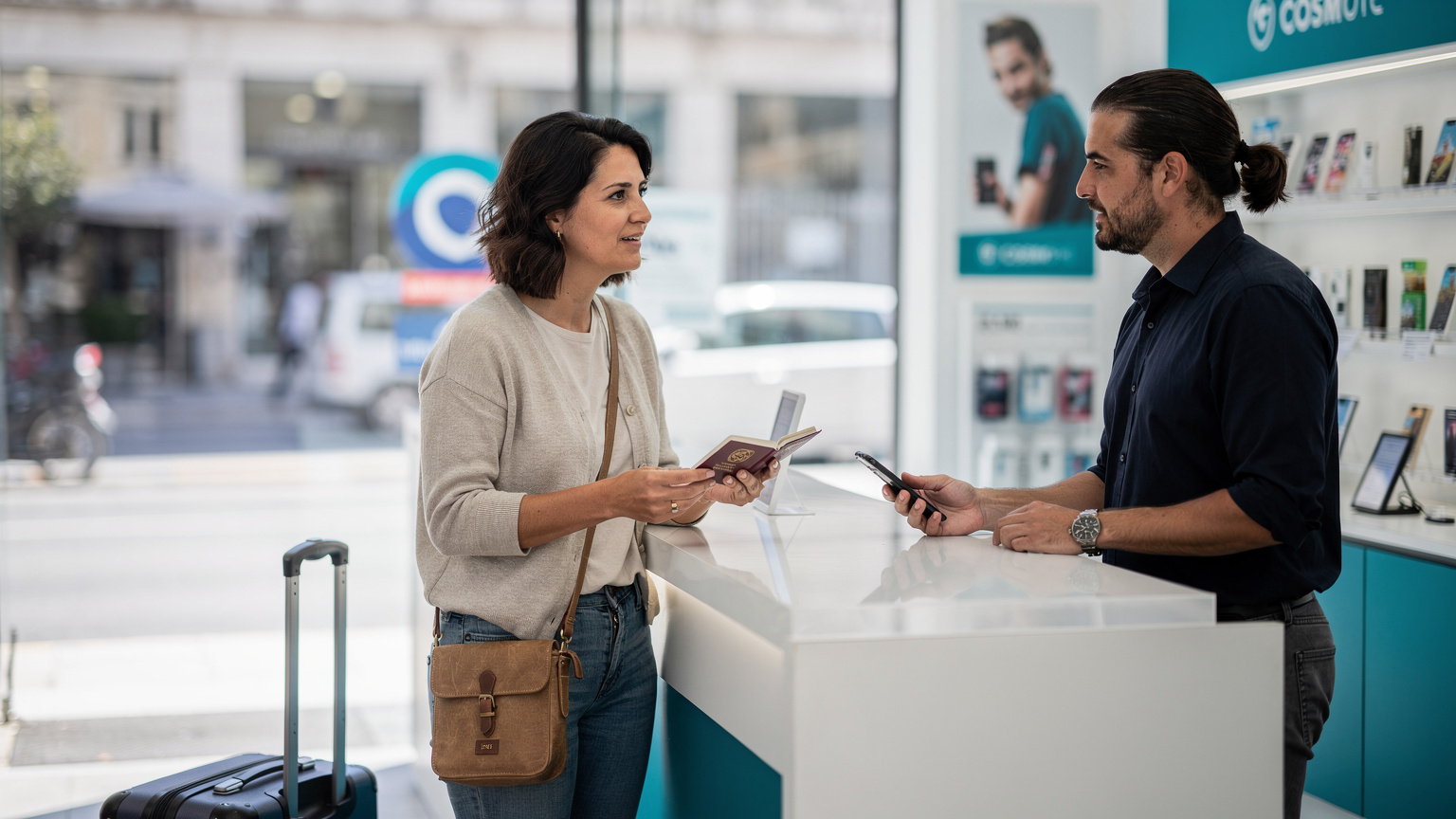
One of the biggest headaches for new arrivals is getting online fast. Cosmote has made it simpler for tourists, offering eSIMs that you can often buy online and get by email. This means you can be set up before you even land, skipping lines at the airport or local shops. While some carriers require an in-person passport check for a physical SIM, the eSIM process can sometimes avoid this, but you should still be ready to show ID if asked during online registration.
Understanding Greece's Mobile Landscape
Greece has a pretty competitive mobile market, but Cosmote has a big lead. The other main players are Vodafone Greece and Nova (which used to be Wind). Each has its good points, but for overall coverage and 5G availability, Cosmote usually wins. This is especially true if you plan to explore beyond the main cities to some of the more remote islands or mainland areas.
When I first got to Athens a few years ago, I made the mistake of choosing a smaller carrier, thinking I'd save a few euros. I quickly learned that the €5 I saved wasn't worth constantly losing signal outside the city center. Imagine trying to meet a local contact for an apartment viewing in Koukaki, only for your WhatsApp messages to fail. I've been there, done that, and I won't make that mistake again. Always pick reliability over tiny cost savings.
Major Carriers at a Glance
Here's a quick look at the main Greek mobile operators for 2026. This isn't every single one, but it covers the top three you'll likely see.
| Carrier | Primary Strength | Typical 5G Coverage | eSIM Availability |
|---|---|---|---|
| Cosmote | Best overall coverage, fastest 5G | Excellent, widespread | Yes, for tourists & residents |
| Vodafone Greece | Strong urban coverage, competitive plans | Good, primarily urban | Yes, generally for residents |
| Nova (Wind) | Budget-friendly options | Developing, urban focus | Limited, mostly for residents |
Navigating Local SIM Requirements
Greece, like many EU countries, has specific rules for SIM card registration. For physical SIMs, you'll almost always need a valid ID, usually a passport, and sometimes proof of address. While eSIMs can simplify things, don't assume you can skip showing ID entirely. Always have your passport ready, whether you're buying online or in a store. I've heard stories from other nomads in our WhatsApp groups about getting stuck because they thought an online purchase meant no ID check, only to find their eSIM wouldn't activate until they uploaded documents.
Cosmote eSIM Plans for Tourists 2026
Cosmote offers various plans, but for tourists, they usually focus on prepaid data packages. These are typically simpler, with set amounts of data and validity periods. Don't expect the same flexibility or long-term perks as a post-paid plan meant for residents, especially for international calls or texts, which most digital nomads handle with VoIP apps anyway.
When I'm setting up in a new country, I usually start with a smaller, short-term plan to see how it goes, especially if I'm not totally sure about my long-term data needs. Then, if the connection holds up, I'll upgrade to a bigger package. The good thing is that Cosmote's prepaid options are usually very clear, so you know exactly what you're getting.
Popular Prepaid Data Packages
Cosmote's prepaid options for tourists often include bundles with different data amounts and validity. Here are some typical examples you might see in 2026. Keep in mind these are just examples and could change.
- Tourist Starter Pack: Usually comes with 10-15GB of data, unlimited local calls/SMS, valid for 15-30 days. Expect to pay around €20-€25. This is a solid choice for most short trips.
- Data Boosters: If you run out of data, you can buy smaller top-up packages, like 5GB for €10, valid for 7-10 days. These are crucial for avoiding unexpected disconnections during a video call.
- Unlimited Data Promotions: Sometimes, Cosmote offers limited-time deals for unlimited data for a few days (e.g., 3 days for €7). These are great if you have a specific period of heavy usage, like during a big conference or when you're on a deadline.
Where to Buy and Top Up
You can buy Cosmote eSIMs online directly from their website or in person at any Cosmote store. For topping up, their website and the 'What's Up' app are the easiest ways. You can also buy top-up vouchers at kiosks and mini-markets all over Greece. I always keep the app installed because it's the fastest way to check data usage and avoid surprises, especially when my work depends on my connection.
How to Activate Your Cosmote eSIM
Activating an eSIM is usually straightforward, but missing a step can cause frustration. I've been there, staring at a blank signal bar, wondering why my data isn't working. It's usually something simple, but when you're jet-lagged, 'simple' feels impossible. The trick is to follow the instructions exactly. Make sure you have a stable Wi-Fi connection during activation, even if it's the free airport Wi-Fi, which is usually good enough for this initial setup.
Step-by-Step Activation Process
This is the standard way to activate a Cosmote eSIM once you have your QR code.
- Ensure Wi-Fi Connection: Before you start, connect your device to a stable Wi-Fi network. This is essential for downloading the eSIM profile.
- Access eSIM Settings:
For iPhone: Go to Settings > Cellular > Add eSIM.
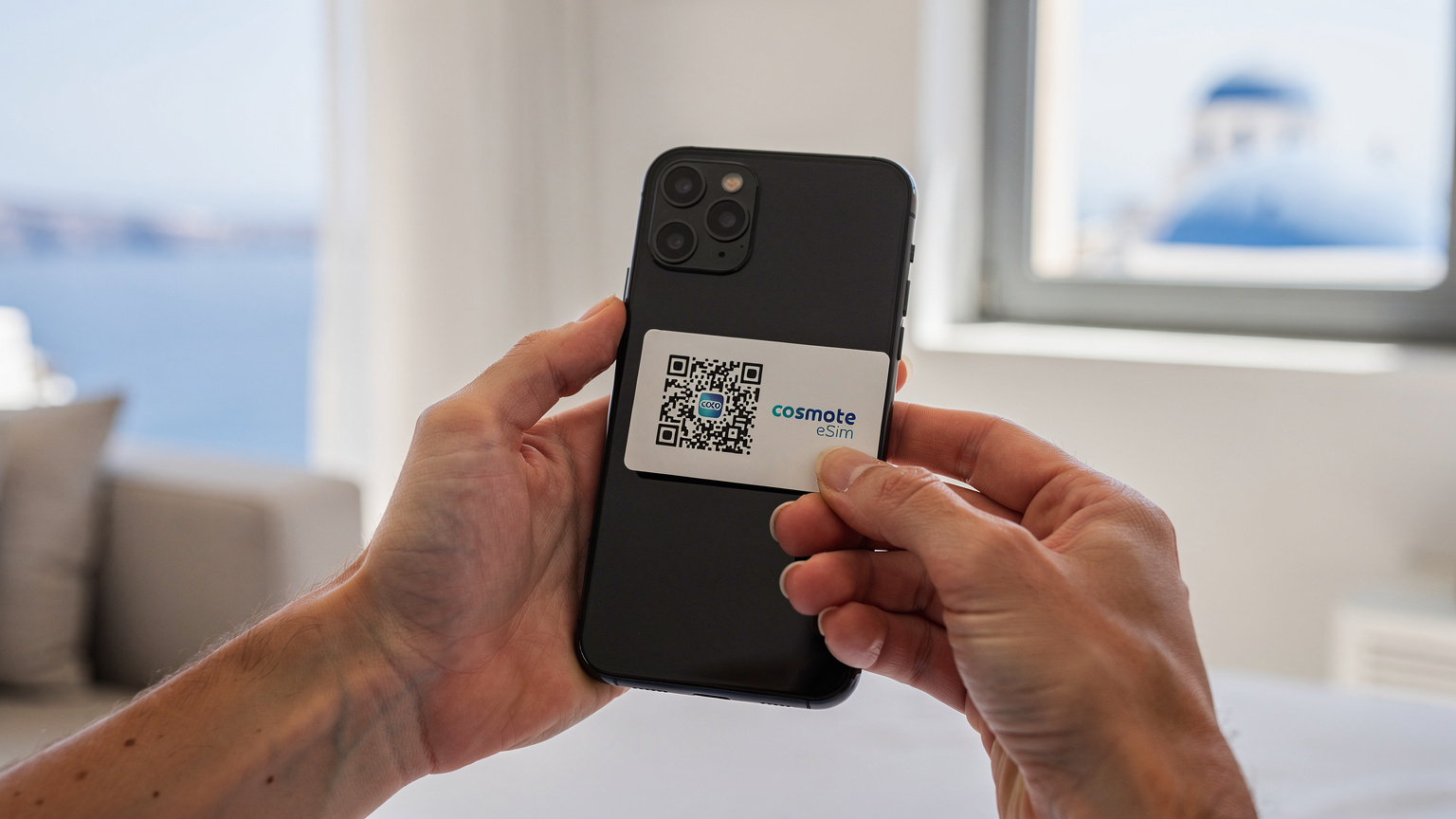
For Android: Go to Settings > Network & internet > SIMs > Add eSIM (or a similar path, it can vary by phone model). - Scan QR Code: Your device's camera will open. Scan the QR code from Cosmote. If you got an activation code instead, you'll have an option to type it in manually.
- Confirm and Activate: Follow the prompts on your screen to confirm the installation. Your phone will usually ask you to name the new eSIM (e.g., "Greece Data" or "Cosmote").
- Set as Primary for Data: In your phone's cellular settings, make sure the new Cosmote eSIM is chosen for mobile data. You can keep your primary SIM active for calls and texts if your phone supports dual SIMs.
- Restart Device (Optional, but Recommended): Sometimes a quick restart helps the phone register the new network settings properly. Think of it as a digital reset.
Important Tips for a Smooth Setup
- Double-Check Device Compatibility: Not all phones support eSIM. Check if your model is eSIM compatible before buying one. This prevents a lot of headaches later.
- Keep QR Code Safe: Your QR code is for initial installation. Keep it secure, but do not delete your eSIM profile if you encounter issues. Instead, check your settings and contact support.
- Disable Data Roaming on Primary SIM: If you're using a dual-SIM phone, absolutely make sure data roaming is turned OFF for your home SIM to avoid huge charges. This is a common, expensive mistake.
- Understand Your eSIM Number: If you need to know your eSIM number for any reason, like for customer support or signing up for a local app, you can usually find it in your phone's cellular settings under the eSIM details. For more detailed instructions, check out our guide on Finding Your eSIM Number.
eSIM vs. Physical SIM: The Real-World Differences
I've used both physical SIMs and eSIMs a lot over the years, and for long-term travelers or digital nomads, eSIMs are almost always the better choice. The practical benefits alone make it a no-brainer, especially when you're moving between countries every few weeks or months. I remember one frantic evening in a Madrid airport, trying to find a paperclip to open my SIM tray, only to drop the tiny physical SIM on the floor in a moment of sheer panic. With an eSIM, those nightmares are gone.
Convenience and Flexibility
The main benefit of an eSIM is how convenient it is. You can switch between networks or plans digitally, without needing a physical card. This is super helpful when you're comparing options or if one network isn't working as well as you'd hoped. For example, if Cosmote's speed isn't good enough for your video calls in a specific neighborhood, you can easily activate a Cellesim eSIM for Greece from another provider without missing a beat, while keeping your existing Greek number for local contacts.
Plus, many modern phones let you store multiple eSIM profiles. This means you can have your home country's eSIM, a Greek eSIM, and maybe even a backup for Turkey (always good to have options, especially with the Turkey Travel Advisory 2026 in mind). You just switch between them as needed, which is much more efficient than carrying a pouch full of tiny plastic cards.
Dual-SIM Functionality
Many digital nomads rely on dual-SIM capabilities. This lets you keep your main number active for important calls or two-factor authentication from your home bank, while using a local eSIM for data. This setup is a lifesaver. I learned this the hard way when I couldn't access my Indian bank account because my Aadhaar app needed a local Indian number that I'd taken out. Never again. An eSIM makes sure you stay connected for both local data and critical home services at the same time.
Network Coverage and Speed in Greece
As a performance editor, network coverage and speed are non-negotiable for me. I need to know my connection won't drop during a crucial upload or a client call. Greece generally has good mobile infrastructure, but there are big differences between providers and regions. Cosmote leads the way, especially with 5G. This is important if you plan to stay for a while, like I did in Thessaloniki, where I rented a modest apartment in the city center for about €550 a month, plus €150 for utilities. Reliable internet is the base for that kind of setup.
Cosmote's 5G Footprint
Cosmote has the most extensive 5G network in Greece, covering major cities like Athens, Thessaloniki, and Patras, as well as popular tourist islands. Their investment in infrastructure means faster download and upload speeds, lower latency, and more reliable connections. This is crucial for things like video conferencing, large file transfers, and even just smooth streaming after a long day of work. In Athens, I found the 5G speeds at my usual café, The Rooster in Monastiraki, to be consistently over 100 Mbps, which is more than enough for anything I needed.
Comparing Network Performance
Here's a simplified look at how the major Greek networks generally compare in terms of performance in 2026, based on my observations and various independent reports. These are averages, of course, and can change depending on the specific location.
| Carrier | Average 5G Speed (Mbps) | Coverage Reliability | Latency (ms) |
|---|---|---|---|
| Cosmote | 100-200+ | Excellent | 20-35 |
| Vodafone Greece | 80-150 | Good | 25-40 |
| Nova (Wind) | 50-100 | Fair to Good | 30-50 |
When you compare Verizon or AT&T's 'International Day Pass' speeds, which can sometimes throttle or prioritize local traffic, a dedicated Cosmote eSIM often gives you better, more consistent performance. My field tests across Europe consistently show that local eSIMs beat traditional roaming options for speed and reliability, especially for tasks that use a lot of bandwidth.
Troubleshooting Common eSIM Issues
Even with the best planning, things can go wrong. I've had my share of eSIM activation headaches, usually when I'm tired and just want to get online. Most issues are minor and easy to fix, but knowing what to do can save you hours of frustration. The most common problem is simply user error, often related to not having a Wi-Fi connection or incorrect settings.
No Service or No Data
If your eSIM isn't showing service or you have no data, here are the first things to check:
- Check Wi-Fi: Did you activate the eSIM on a stable Wi-Fi network? If not, try connecting to Wi-Fi and then re-scan the QR code or re-enter the activation details.
- Restart Your Device: This classic tip works for a reason. Often, a simple reboot is enough to get the eSIM to register correctly with the network.
- Verify Cellular Settings: Go to your phone's cellular settings. Make sure the Cosmote eSIM is turned on and selected as the preferred line for mobile data. Make sure data roaming is OFF for your home SIM.
- Check APN Settings: You rarely need to do this for eSIMs, but if nothing else works, check if the Access Point Name (APN) settings are correct. Cosmote's APN is usually 'internet' or 'gprs.cosmote.gr'. You can find this in your cellular settings, usually under 'Mobile Data Network' or 'Access Point Names'.
- Contact Support: If none of these steps work, it's time to contact Cosmote customer support. Have your eSIM QR code or activation code ready, along with your device model.
eSIM Profile Deleted Accidentally
This happens more often than you'd think. If you accidentally deleted your eSIM profile, don't panic. Contact Cosmote customer service to inquire about options for a replacement QR code or profile. Reusing the original QR code for reinstallation is not guaranteed and may not work.
Alternative eSIM Options for Greece
While Cosmote is a strong choice, it's always smart to know your other options. This is especially true for travelers who might want a more global eSIM that covers several countries, or maybe a cheaper option for light data users. I always tell friends to have a backup plan, even if it's just knowing which cafes have reliable Wi-Fi, like the well-known Impact Hub Athens near Syntagma Square, which has excellent speeds and a great community feel. Remember, the cost of living in Athens, including a decent co-working space membership, might be €700-€1000 a month for rent and another €500-€700 for food and other expenses, so every euro saved on data adds up.
Global eSIM Providers
Companies like Cellesim offer global or regional eSIMs that can be a great alternative, especially if Greece is just one stop on a multi-country trip. These often provide data across several European countries, saving you the trouble of buying a new eSIM in each place. While they might not always offer the absolute lowest price per GB compared to a local carrier like Cosmote, the convenience of continuous connectivity across borders can be invaluable.
| Provider | Type | Key Benefit | Typical Pricing (per GB) |
|---|---|---|---|
| Cellesim (Europe Plan) | Regional eSIM | Seamless multi-country coverage | €3-€7 |
| Airalo | Global/Regional eSIM | Wide selection of local plans | €4-€8 |
| Holafly | Global/Regional eSIM | Often offers unlimited data plans | Daily flat rate |
Other Local Greek eSIM Options
While Cosmote is dominant, Vodafone Greece and Nova are also expanding their eSIM options. As of 2026, Vodafone has solid coverage, especially in cities, and their eSIMs are becoming easier for tourists to get. Nova is catching up, often with more aggressive pricing. It's always worth checking their websites for the latest tourist packages, but be ready for a potentially less smooth activation process than with Cosmote.
Staying Connected Beyond Data
Data is crucial, but there's more to staying connected than just having a fast internet connection. For digital nomads, this means understanding the local communication apps, Wi-Fi hotspots, and even potential visa rules that could affect your long-term stay. After all, what good is unlimited data if you can't use it for essential local services?
Wi-Fi Hotspots and Co-working Spaces
Greece has a fair number of free Wi-Fi hotspots in cafes, restaurants, and public areas, especially in cities. However, these are often less secure and less reliable than your personal eSIM connection. For serious work, I always recommend a co-working space. In Athens, besides The Cube, Impact Hub Athens is another excellent choice, offering dedicated desks, meeting rooms, and, most importantly, rock-solid fiber optic internet. They also have a great community, which is invaluable when you're far from home.
For quick bursts of work or a reliable backup, even a simple coffee shop with Wi-Fi can work. My go-to in Thessaloniki was the food court at One Salonica Outlet Mall, surprisingly good Wi-Fi and plenty of power outlets, perfect for a Tuesday afternoon work session after grabbing a quick bite.
Important Apps and Local Requirements
Beyond WhatsApp, which everyone uses, consider any Greece-specific apps you might need. Public transport apps, local food delivery services, and even some event ticketing platforms might require a local phone number to register. This is where your Cosmote eSIM number comes in handy. Also, keep visa limitations in mind. Most tourist visas for Greece (Schengen Area) are limited to 90 days within any 180-day period. Staying longer means you'll need a different visa category, which might also affect your ability to get certain long-term services, including some mobile plans or bank accounts.
Final Thoughts on Your Greece Connectivity
Choosing the right eSIM for your trip to Greece in 2026 doesn't have to be a guessing game. Cosmote offers a strong and reliable solution, especially for those who need wide coverage and speed. For digital nomads and long-stay tourists, the convenience of an eSIM, combined with Cosmote's robust network, makes it a top choice. Always have a backup plan, check your device's compatibility, and keep your QR code safe. With a little preparation, you can enjoy constant connectivity and focus on making the most of your time in Greece.
Frequently Asked Questions
Can I get a Cosmote eSIM as a tourist in Greece?
Yes, Cosmote offers eSIM options specifically for tourists. You can typically purchase these online through their website or at official Cosmote stores. You'll generally need a valid passport for registration, similar to physical SIM cards.
What kind of data plans does Cosmote offer for eSIM tourists?
Cosmote usually provides prepaid data packages for tourists, ranging from 10GB to 30GB or more, with validity periods of 15 to 30 days. They also offer smaller data boosters for top-ups if you run out. Pricing typically ranges from €20-€35 depending on the data allowance.
Is Cosmote's 5G network good for digital nomads in Greece?
Cosmote has the most extensive 5G coverage in Greece, particularly in major cities like Athens and Thessaloniki, and popular islands. For digital nomads requiring reliable, high-speed internet for video calls and large file transfers, Cosmote's 5G network generally delivers excellent performance and low latency.
How do I activate a Cosmote eSIM?
After purchasing, you'll receive a QR code via email or on a voucher. Connect your phone to Wi-Fi, go to your device's cellular settings, select 'Add eSIM' or 'Add Cellular Plan', and scan the QR code. Follow the on-screen prompts to complete activation and set the eSIM for mobile data.
Are there any apps that require a local Greek SIM number?
While most global apps work fine, some local Greek services, such as certain public transport apps, food delivery platforms, or specific banking services, might require a local Greek phone number for full registration or verification. Your Cosmote eSIM will provide this local number.
What if my Cosmote eSIM isn't working after activation?
First, ensure you have a stable Wi-Fi connection and restart your device. Then, verify in your phone's cellular settings that the Cosmote eSIM is enabled and selected for mobile data. If issues persist, double-check APN settings (usually 'internet') or contact Cosmote customer support with your activation details.