Why Your Old Roaming Plan is a Rip-Off
I've been traveling for four years, and if there's one constant, it's this: your home carrier's international roaming plan is almost always a bad joke. You know the one I mean: 1GB for $10 a day, or some similarly ridiculous charge you only discover after you've already streamed a quick show. It's not just expensive; it's often throttled, unpredictable, and frankly, a bit of a scam.
These traditional roaming agreements are based on old infrastructure and complicated partnerships. They benefit the carriers, not you. They bank on the fact that you're tired and just want your phone to "work." But that convenience comes at a price that can easily add hundreds to your travel budget, especially if you're like me and rely on your phone for everything from directions to banking and remote work. I still remember a painful T-Mobile bill after a short trip to Grenada before I learned my lesson. That bill easily cost more than a good local SIM or eSIM would have. If you want to avoid these traps, check out our guide on T-Mobile eSIM QR Code: Your Global Connectivity Gateway 2026.
The Hidden Costs of 'Convenience'
- Exorbitant Daily Rates: Many carriers charge a flat daily fee for international roaming, even if you only use a tiny bit of data. This adds up fast.
- Data Caps and Throttling: Your "unlimited" plan at home shrinks to a tiny 1-2GB abroad before speeds crawl to a halt.
- Unforeseen Charges: Ever received a bill with charges for calls you didn't realize were premium rates? It happens more often than you'd think.
- Security Risks: Relying on sketchy public Wi-Fi because roaming is too expensive is just asking for security problems.
Forget the stress of watching your data meter climb like a taxi fare. The goal is clear, affordable connectivity. That's exactly what eSIMs offer: transparent pricing and control over your usage without any nasty surprises.
eSIM vs. Physical SIM: The Real-World Showdown
For years, my travel bag included a small plastic case packed with a dozen physical SIM cards, each labeled for a different country. It was a whole routine: land, find a local kiosk, haggle, show my passport, then wait for activation. Sometimes it worked, sometimes it didn't (I'm looking at you, obscure Indonesian carrier in 2019). eSIMs have pretty much put an end to that whole ordeal, and for good reason.
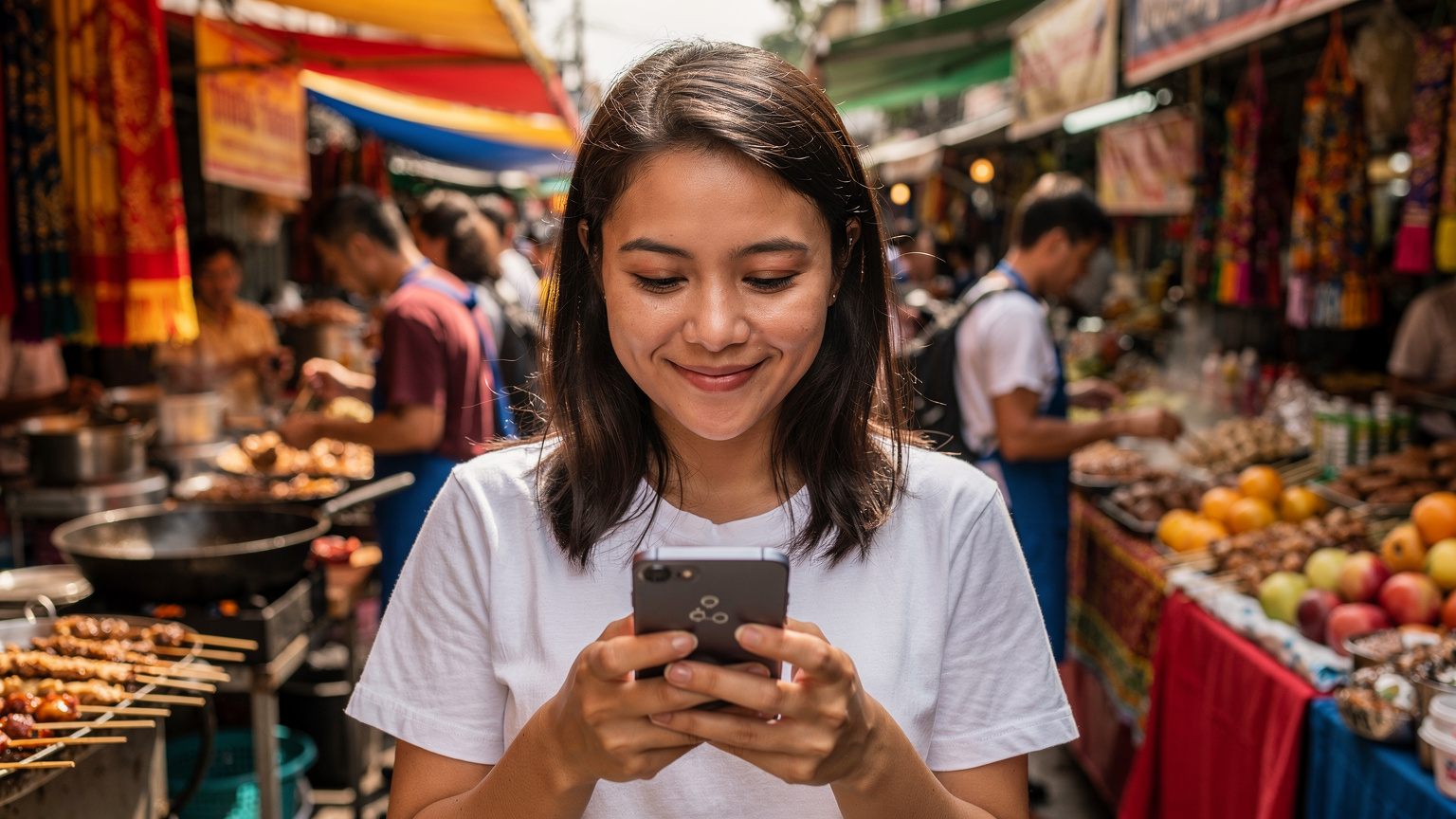
The ease of an eSIM is a huge win. You buy it online, activate it with a QR code, and you're connected before you even get through customs. No more fiddling with tiny SIM trays on the plane, no more wondering if the airport vendor is trying to scam you. It really changes the game, especially when you land at 2 AM in a new city and just need to hail a Grab or find your Airbnb.
Why eSIMs Win for the Modern Traveler
- Instant Activation: Buy online, scan a QR code, and you're good to go. No physical SIM needed.
- Multiple Profiles: You can keep several eSIM profiles on your phone, switching easily as you cross borders.
- Flexibility: Choose plans based on how much data you need, how long you're staying, and which countries you're visiting.
- Cost-Effective: Usually cheaper than roaming, and often as good as, or better than, local physical SIMs, especially for shorter trips.
- Dual SIM Functionality: Keep your home number active for calls and texts while using the eSIM for data. This is essential for banking apps or two-factor authentication that need your primary number.
When a Physical SIM Still Makes Sense
Even though I love eSIMs, there are still a few situations where a physical SIM might be necessary. This is mostly if you're staying in one country for a long time and need a local phone number for specific reasons. For example, some local services, like certain Brazilian banks or India's Aadhaar biometric ID system, might require a registered local physical SIM to confirm your identity. Also, if you're in a country with very limited eSIM support or planning an off-grid adventure where basic calls are more important than reliable data, a physical SIM might be your only choice.
However, for 95% of tropical winter sun trips, especially those under a month, an eSIM is the smarter move. If you're still weighing your options, you might find our comparison of Nomad eSIM vs. Cellesim: A Deep Dive for Global Connectivity 2026 helpful.
Picking Your Tropical eSIM Provider: What Matters
Not all eSIM providers are the same. You're not just buying data; you're buying peace of mind. After years of trying out different services, I've figured out what really matters when you're trying to stay connected in places like Playa del Carmen or Chiang Mai.
Coverage: Where Do You Actually Get Signal?
This is the most important thing. What's the point of an eSIM if it doesn't work where you need it? Always check which local networks the provider partners with. For example, in Mexico, Telcel is king for coverage, especially outside of big cities. In Thailand, AIS and TrueMove H offer solid performance. A good eSIM provider will partner with the best local networks, not some cheap option that drops out every five minutes.
Data Allowance and Validity: Don't Get Caught Short
Think about how much data you actually use. Are you just checking emails and WhatsApp, or do you need to upload big files for work and stream videos? For a typical two-week trip where you're not working heavily, 5-10GB is usually enough. For a month-long stint as a digital nomad, I'd recommend at least 20-30GB, or even an unlimited plan if you can get one. Also, pay attention to how long the plan is valid. A 30-day plan isn't helpful if you're staying for 45 days.
Pricing: Transparent and Fair
Compare the cost per GB. Look for providers that offer clear pricing without hidden fees. Sometimes paying a little more upfront for more data or a longer validity period actually works out cheaper in the long run than having to top up repeatedly. And always, always read the fine print about fair usage policies on "unlimited" plans.
| eSIM Provider | Key Benefit | Typical Coverage | Average 10GB/30 Days Price |
|---|---|---|---|
| Cellesim | Extensive regional plans, reliable support | Top local carriers (e.g., Telcel, AIS, Digicel) | $25 - $35 |
| Airalo | Broad global reach, decent regional options | Good, but can vary by country | $28 - $40 |
| Holafly | Often unlimited data, but sometimes throttled | Major networks | $35 - $50 (for unlimited) |
When choosing your eSIM, consider if a regional plan (like 'Asia Pacific' or 'Caribbean') makes more sense than individual country plans if you're visiting several islands or nations. This usually gives you better value and less hassle. For instance, Cellesim's regional eSIMs often cover multiple Caribbean islands under one plan, which is a lifesaver when you're island-hopping from St. Lucia to Barbados.
Connectivity in Mexico: Beyond the Resorts
Mexico is always a popular choice for winter sun, and for good reason. From the Mayan ruins of Yucatán to the bustling streets of Mexico City, it offers incredible experiences. But reliable data is essential, especially if you're going beyond Cancun's resort areas. I spent three months in Mexico last year, and trust me, trying to get around Mérida's colonial streets without Google Maps is an experience you only want to have once.
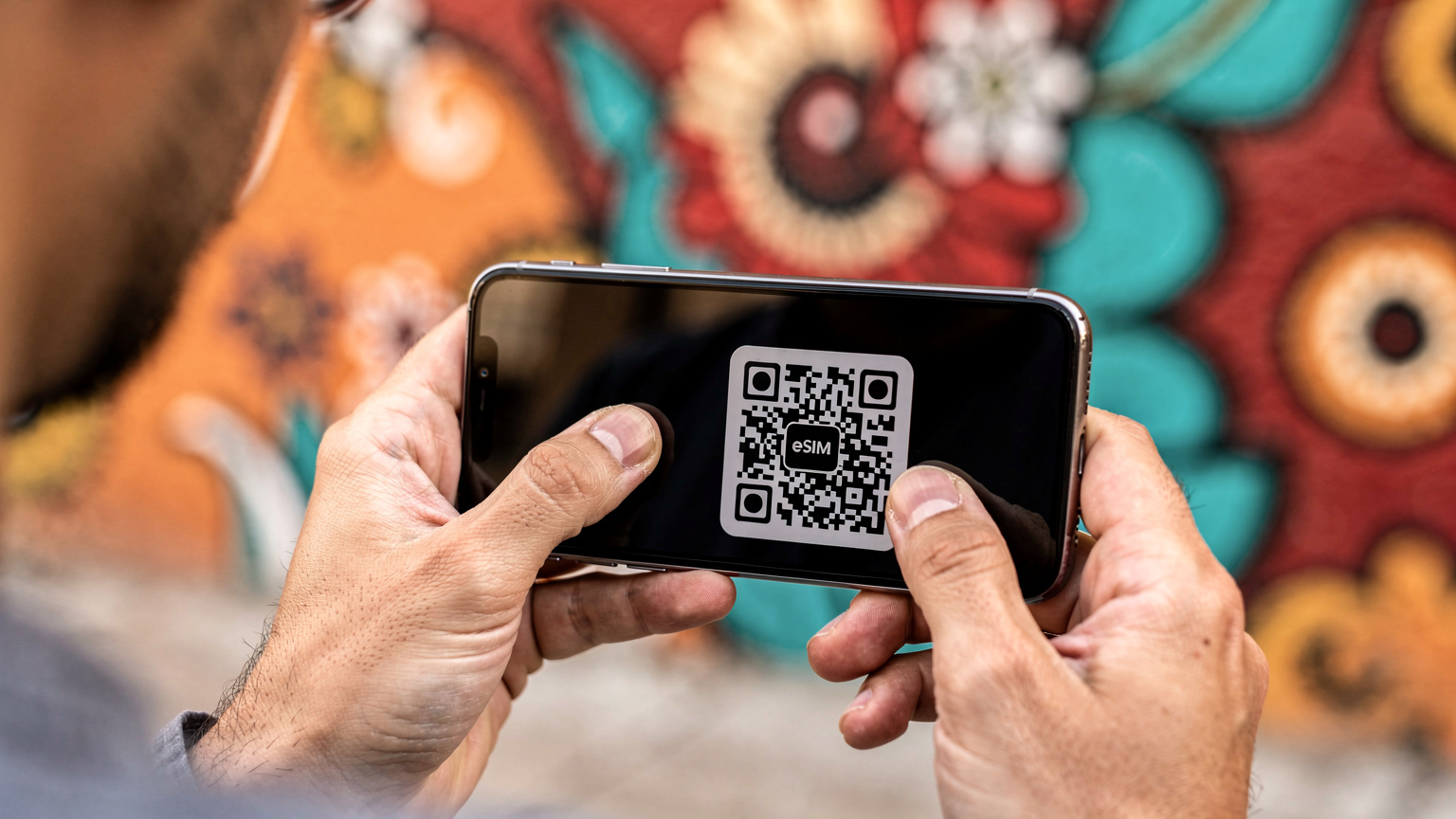
Telcel is the main carrier in Mexico, offering the widest and most consistent coverage. Most good eSIMs for Mexico will use Telcel's network. I've found that even in smaller towns in Oaxaca, Telcel generally works well. You'll definitely need good data for ride-sharing apps like Didi or Uber, ordering food via Rappi, and, of course, staying in touch with family or work.
Mexico City and Yucatán eSIM Tips
- Mexico City: In neighborhoods like Roma Norte or Condesa, you'll find excellent 5G coverage. Co-working spaces like Selina Co-work or Punto Co-working offer lightning-fast fiber, but having your own data for commutes on the Metro or simply finding a taco stand is essential. Average rent for a decent apartment in Roma Norte runs about $800-$1200 USD/month, with total cost-of-living around $1500-$2500 USD/month if you're eating out a lot.
- Yucatán Peninsula (Tulum, Playa del Carmen, Mérida): Coverage is generally strong in tourist areas. In Tulum, I often worked from Mayab Coworking, which had reliable Wi-Fi, but beachfront cafes often had spotty connections. An eSIM using Telcel's network kept me online without issues. Just know that some older, less developed areas might still only have 4G or even 3G.
Activating Your eSIM in Mexico
The process is simple:
- Purchase your Mexico eSIM: Do this before you leave home, or at least before you land.
- Scan the QR code: Go to your phone's settings, find 'Cellular' or 'Mobile Data,' and select 'Add eSIM.' Scan the QR code provided by Cellesim.
- Choose your line: Label it 'Mexico eSIM' or something similar. Keep your primary line for calls if you need it.
- Enable data roaming (for eSIM): Make sure data roaming is turned ON for your eSIM profile. This sounds strange, but it's how eSIMs connect to local partner networks without your home carrier charging you roaming fees.
If you run into any problems, you might want to look at AT&T eSIM Activation: Seamless Setup for Family Travel Abroad 2026, which covers general eSIM setup principles that apply to any provider.
Caribbean Connectivity: Navigating Island Networks
The Caribbean is stunning, but its cellular networks can be a bit more scattered than those on larger landmasses. Each island often has its own set of carriers, and roaming between them can become complicated and expensive if you're not careful. This is where regional eSIMs really shine.
Digicel and Flow are the two biggest players across the region, providing coverage on many islands. However, smaller islands might have local providers. For example, in Grenada, where I spent a few weeks, Digicel and Flow are the main options. I found Digicel to be slightly more consistent, especially outside of St. George's. For more local insights, check out Grenada Travel Advisory 2026: Staying Safe, Connected, and Sane.
| Island/Region | Primary Local Carriers | Recommended eSIM Strategy |
|---|---|---|
| Jamaica | Digicel, Flow | Country-specific or Caribbean regional eSIM |
| Dominican Republic | Claro, Altice, Viva | Country-specific eSIM (Claro is best) |
| Barbados | Digicel, Flow | Country-specific or Caribbean regional eSIM |
| St. Lucia | Digicel, Flow | Country-specific or Caribbean regional eSIM |
| Aruba | Digicel, Setar | Country-specific eSIM (Setar for best local coverage) |
Island Hopping with an eSIM
If your winter plans involve hopping between islands, a regional Caribbean eSIM plan is your best option. It saves you the trouble of buying a new eSIM or physical SIM for each place. Just make sure the regional plan clearly covers all the islands on your itinerary. I learned this the hard way trying to use a "Caribbean" plan that didn't include tiny Saba. (It was a beautiful island, but my phone was useless.)
Visa and Local SIM Card Limitations
One important thing to note for longer stays or specific nationalities: some countries, especially for long-stay visas, require you to register a local physical SIM with your passport within a certain timeframe. This isn't really about data, but more about local rules. For general tourism, eSIMs usually bypass this, but if you're planning to stay for months, always check the local telecommunications regulations. For example, Turkey requires physical SIM registration within 90 days for non-residents. While a Turkcell Tourist eSIM 2026 might work at first, a longer stay could mean you need a local physical SIM.
Southeast Asia eSIMs for the Digital Nomad Trail
Southeast Asia is practically famous for digital nomads. The low cost of living, vibrant culture, and great infrastructure in many popular spots make it a winter sun paradise for remote workers. Think Chiang Mai, Bali, or Ho Chi Minh City. Connectivity here is generally excellent, but an eSIM makes it even smoother.
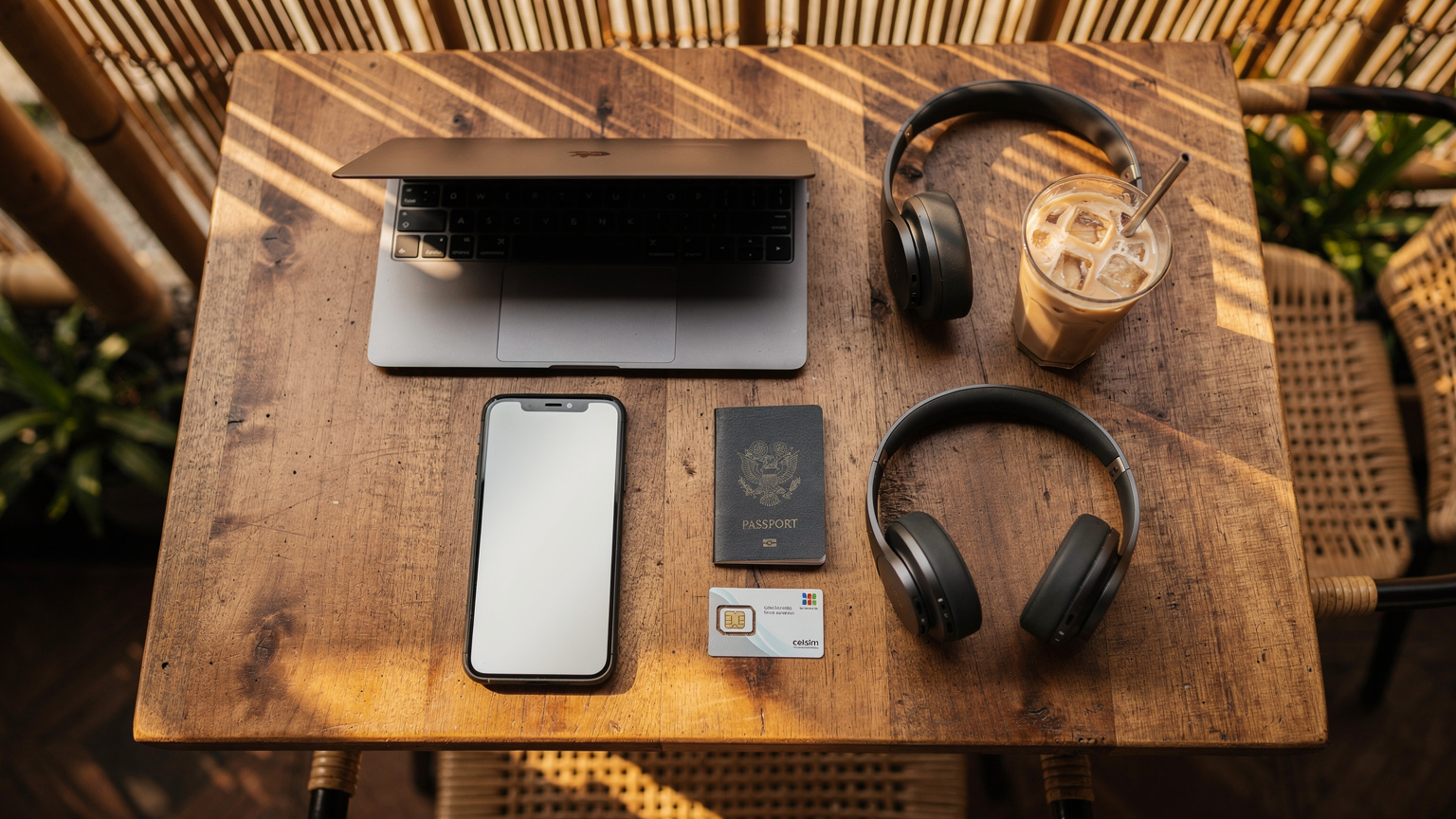
In Thailand, AIS, TrueMove H, and Dtac are the major players, all offering strong 4G/5G in cities. I've spent a lot of time in Chiang Mai, working from places like Punspace Coworking or CAMP at Maya Mall. Both have reliable Wi-Fi, but for getting around on a scooter, ordering food via Grab, or just staying connected, a solid eSIM is essential. A decent apartment in Chiang Mai can go for 8,000-15,000 THB ($220-$420 USD) per month, with a comfortable cost-of-living around $1000-$1500 USD/month.
Thailand, Indonesia, and Vietnam: Data Hubs
- Thailand: eSIMs here are very good. AIS generally offers the best speeds. For short trips, 10-20GB is fine. For longer stays, look for 30GB+ or unlimited plans.
- Indonesia (Bali): Telkomsel is the strongest network, especially outside of major tourist areas. An eSIM that uses Telkomsel is essential. Expect to pay around $400-$800 USD/month for a villa in Canggu, with a total cost-of-living around $1200-$2000 USD/month.
- Vietnam: Viettel, Mobifone, and Vinaphone are the main carriers. Viettel has the widest coverage in rural areas. An eSIM will connect you easily in Ho Chi Minh City or Hanoi.
Keep in mind that some apps, like certain local banking apps or government services, might require a local physical SIM or a Vietnamese phone number to register. This is less common for tourists but worth noting for long-term residents. Always confirm these requirements if you plan an extended stay.
Activating and Managing Your Southeast Asia eSIM
Here's a quick rundown on getting your eSIM working and keeping it that way:
- Purchase and install: Buy your eSIM from Cellesim for your chosen country or region. Install it using a QR code before you land.
- Monitor data usage: Use your phone's built-in data usage tracker or the Cellesim app to keep an eye on how much data you're using. This helps avoid unexpected top-ups.
- Top-up proactively: If you're running low, add more data to your eSIM a day or two before it expires or runs out, especially if you're traveling to a remote area.
- Switching between eSIMs: If you have multiple eSIMs installed (for example, a regional one and a specific country one), remember to activate the correct profile in your settings when you cross borders.
If you're ever struggling to find your eSIM number or manage multiple profiles, our guide on Finding Your eSIM Number: The Budget Traveller's Guide 2026 offers some helpful tips.
Troubleshooting Common eSIM Issues on the Road
Even with the best planning, sometimes things go wrong. I've definitely had my share of "no service" moments in a new country. Here's a quick guide to fixing common eSIM problems when you're far from home.
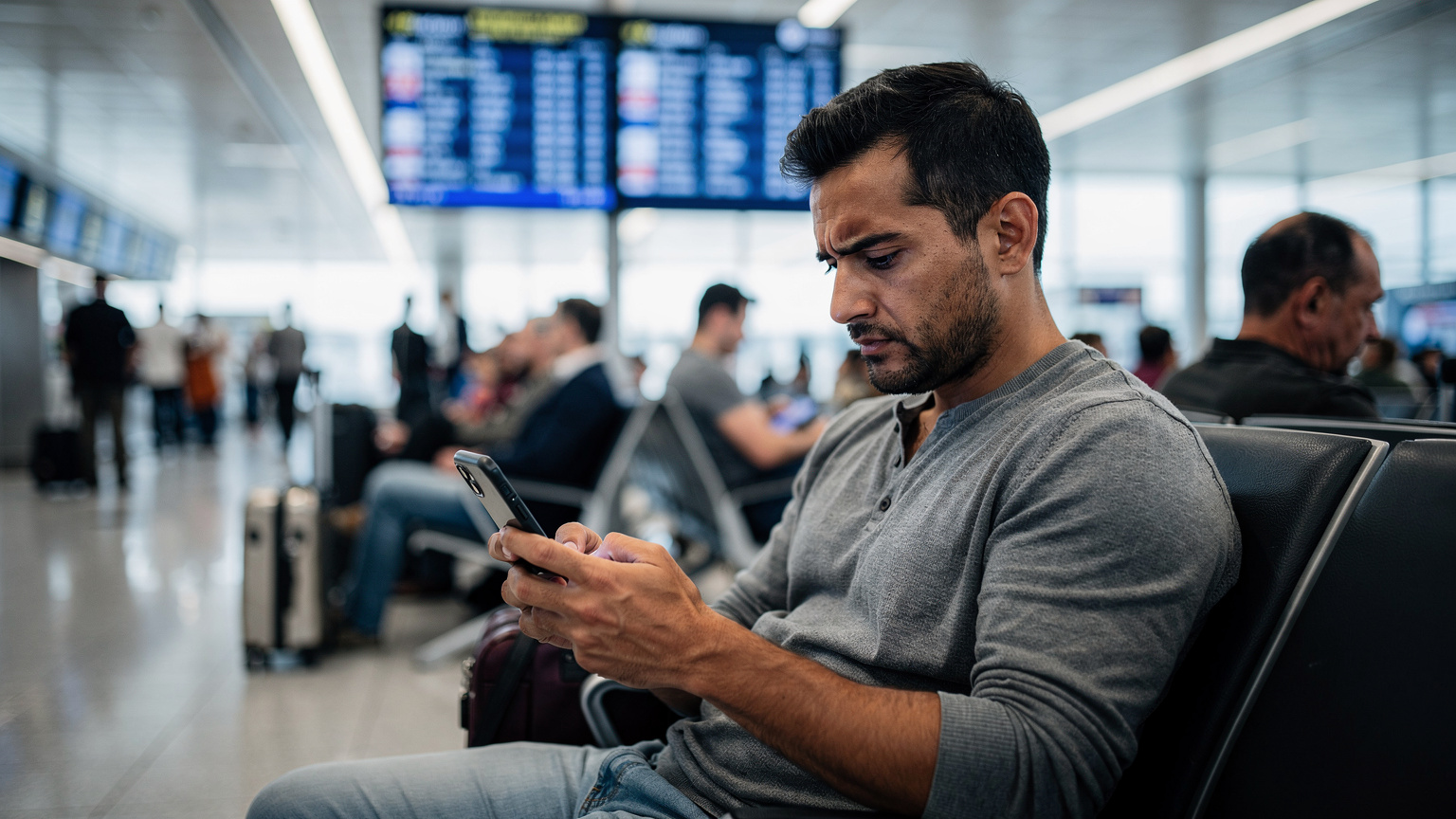
No Service After Activation?
- Check Data Roaming: For eSIMs, data roaming must be ON for that specific eSIM profile to connect to the local partner network. This is different from your home carrier's roaming.
- Restart Your Phone: The oldest trick in the book, but it often works. It forces your phone to re-scan for networks.
- Manual Network Selection: Go into your phone's cellular settings, turn off automatic network selection, and manually choose one of the listed partner networks for your eSIM.
- APN Settings: This is rarely needed with modern eSIMs, but sometimes a specific Access Point Name (APN) is required. Cellesim will provide this if necessary, but usually, it's automatic.
Slow Speeds or Intermittent Connection?
- Signal Strength: Are you in a basement cafe or a very rural area? Sometimes it's just a weak signal.
- Network Congestion: In very crowded areas (think major festivals or busy markets), networks can get saturated.
- Fair Usage Policy: If you're on an "unlimited" plan, you might have hit a soft cap, leading to slower speeds. Check your provider's terms.
- Try a Different Network: If your eSIM supports multiple local networks, try switching to another manually in your settings.
Contacting Support
If all else fails, contact your eSIM provider's support. Cellesim offers 24/7 support, which is crucial when you're in a different time zone. Always have your order number and phone model ready. Also, consider the language barrier if you're trying to troubleshoot with a local carrier directly. It's often easier to stick with your eSIM provider's support.
Final Thoughts on Your 2026 Winter Escape
Winter sun trips are about escaping the cold and enjoying new experiences, not worrying about your phone bill. An eSIM is more than just a data plan; it's a tool that helps you truly explore, stay connected to loved ones, and handle emergencies without the constant worry of huge costs or unreliable service. After years of fumbling with physical SIMs and dealing with insane roaming charges, I can tell you without a doubt that eSIMs are the best way to travel connected.
So, as you finalize your plans for that 2026 trip to the beaches of Mexico, the lively markets of Thailand, or the calm shores of the Caribbean, make sure a reliable eSIM is at the top of your packing list. It's one less thing to worry about, giving you more time to actually enjoy the warmth. And who knows, maybe I'll see you in a co-working space in Bali, complaining about the cost of dragon fruit. (It's definitely gone up, I swear.)
Frequently Asked Questions
Which tropical destinations have the best eSIM coverage for winter 2026?
Mexico, Thailand, and Indonesia (especially Bali) offer excellent eSIM coverage, primarily through strong partnerships with leading local carriers like Telcel, AIS, and Telkomsel. Caribbean islands generally have good coverage in populated areas via Digicel and Flow.
How much data do I need for a two-week tropical vacation using an eSIM?
For a typical two-week vacation where you're using data for navigation, social media, messaging, and light browsing, 5-10GB should be sufficient. If you plan to stream a lot of video or work remotely, consider 20GB or more.
Can I keep my home phone number active while using a tropical eSIM?
Yes, absolutely. Most modern smartphones support Dual SIM functionality, allowing you to keep your home SIM (physical or eSIM) active for calls and texts, while using your travel eSIM for all your data needs. This is crucial for two-factor authentication or important calls.
Are eSIMs more expensive than local physical SIM cards in tropical countries?
Generally, eSIMs are competitively priced and often more convenient than local physical SIMs, especially for shorter trips. For long-term stays (over a month), a local physical SIM might offer slightly better value or specific local benefits, but the difference is often negligible compared to the hassle saved.
What should I do if my eSIM isn't connecting in a new country?
First, ensure data roaming is enabled for your eSIM profile in your phone's settings. Then, try restarting your device. If that doesn't work, manually select a network from the available options in your cellular settings. If issues persist, contact your eSIM provider's customer support.