Decoding the Dream: Finding Your Perfect Maldives Moment in 2026
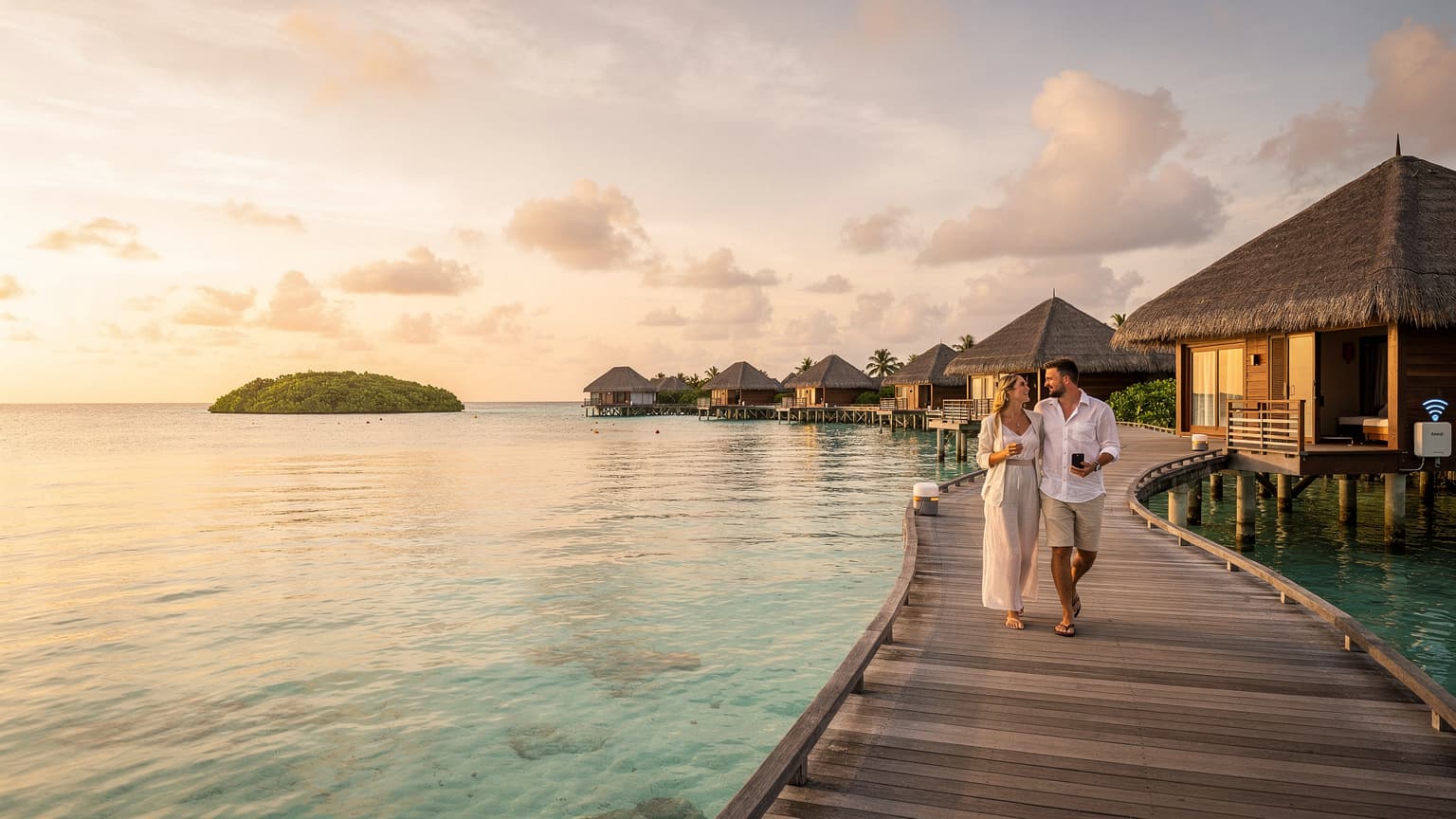
You’ve seen the pictures: impossible turquoise water, overwater bungalows with private slides, and sand so white it almost hurts your eyes. The Maldives isn't just a destination; it's the gold standard for paradise. But planning that dream trip involves more than just picking a resort. The single biggest question is timing. Answering “what is the best time to visit Maldives 2026?” can be the difference between flawless sunshine and unexpected tropical downpours, or between a secluded escape and a bustling peak-season rush. This isn't just another travel guide; it's your strategic planner. We'll break down the Maldives weather by month, explore the peak season vs off season trade-offs, and most importantly, show you how to stay connected from the moment you land. Because nothing ruins a perfect sunset like a failed video call to share it. For many travelers heading to this part of the world, a key part of travel planning is deciding on the right data plan, and understanding the nuances of choosing between a regional Asia eSIM or a single-country plan can save both money and hassle.
First Steps in Paradise: Getting to and Navigating the Atolls
Your journey to this island nation will almost certainly begin at Velana International Airport (MLE), located on Hulhulé Island, just a short boat ride from the capital city, Malé. This is your gateway to the atolls. Once you clear immigration, you’ll find yourself in a bustling arrivals hall where resort representatives await. Forget hailing a taxi; your onward journey is part of the adventure.
Depending on your resort's location, you'll be whisked away by one of two methods:
- Speedboat: For resorts closer to Malé, a thrilling speedboat ride is the standard. It’s efficient, scenic, and gives you your first taste of the warm, salty air.
- Seaplane: For more remote atolls, you'll be escorted to the seaplane terminal. The flight itself is a breathtaking experience, offering an aerial perspective of the coral reefs and islands that you simply can't get any other way. It's an excursion in its own right.
Before you even think about hopping on that boat or plane, it’s wise to check if your device is eSIM compatible. Having your connectivity sorted before you leave the airport terminal is a modern travel superpower, allowing you to pull up confirmations, message your family, or just browse while you wait for your transfer, all without relying on spotty airport Wi-Fi.
The Connectivity Conundrum: Staying Online in the Middle of the Ocean
Let's be honest: even in paradise, we need to be connected. Whether it's for uploading that perfect drone shot, checking in with work, or using Google Maps to explore a local island, reliable internet is non-negotiable. Here’s the reality of getting internet in the Maldives.
The Myth of Perfect Resort Wi-Fi
Virtually every resort offers Wi-Fi, but the quality can be a lottery. It might be fantastic in the lobby but frustratingly slow in your overwater villa. Some high-end resorts offer excellent connectivity, while others provide a basic service that struggles with anything more than sending an email. Furthermore, free Wi-Fi is often limited to public areas, with in-room access coming at a steep premium. Relying solely on it can be a gamble, especially for digital nomads or those who need consistent access.
The Old Way: Local Physical SIM Cards
Upon arrival at Velana International Airport, you'll see kiosks for the two main local providers: Dhiraagu and Ooredoo. Buying a local SIM card is a viable option. You’ll get a local number and access to their 4G/LTE networks, which are surprisingly robust across many of the main atolls. However, there are downsides. You'll likely face a queue after a long flight, need to present your passport for registration, and physically swap out your home SIM card, a hassle that risks losing that tiny, essential piece of plastic. It’s a workable solution, but it’s far from ideal.
The Smart Solution: A Maldives eSIM
This is where modern travel tech changes the game. An eSIM (embedded SIM) is a digital SIM card that allows you to activate a cellular plan without a physical card. For a destination like the Maldives, it's the ultimate travel hack.
- Instant Connectivity: You can purchase and install your Maldives eSIM before you even leave home. Activate it upon landing, and you’re online the second your plane's wheels touch the tarmac. No queues, no paperwork. For a visual walkthrough, our interactive setup guide makes the process incredibly simple.
- Keep Your Home Number: Because your physical SIM slot remains free, you can keep your primary number active for calls and texts (just be mindful of your home carrier's roaming rates) while using the eSIM for affordable, high-speed data.
- Flexible Data Plans: Not sure how much data you'll need for a week of Instagram stories and video calls? You can use a smart data calculator to estimate your usage and choose a plan that fits perfectly, from a few gigabytes to an unlimited package. This is the best way to get mobile data in the Maldives without overpaying.
Beyond the Bungalow: Must-Do Maldivian Experiences
While relaxation is paramount, the Maldives offers incredible adventures beneath the surface and beyond your resort.
- World-Class Diving and Snorkeling: The coral atolls are teeming with vibrant marine life. You can swim with sea turtles, reef sharks, and countless species of tropical fish right off your resort's house reef. For more serious divers, liveaboards and dedicated dive excursions offer access to famous sites like Maaya Thila.
- Explore a Local Island: To see the real Maldives, take a day trip to a nearby inhabited island like Maafushi or Dhiffushi. It's a fantastic cultural experience where you can see local life, shop for souvenirs, and eat at authentic Maldivian cafes. Remember to dress modestly when visiting local islands.
- Sunset Dolphin Cruise: A truly magical experience. Watch pods of spinner dolphins leap and play in the wake of your boat as the sun sets over the Indian Ocean.
- Visit the Capital, Malé: Often overlooked, Malé is a densely populated and vibrant city. Visit the 17th-century Hukuru Miskiy (Old Friday Mosque), the bustling fish market, and the National Museum.
The Maldives for Digital Nomads: Working from Paradise
The idea of swapping a home office for an overwater bungalow is the ultimate dream for many remote workers. The Maldives is slowly becoming a destination for digital nomads, but it requires careful planning. While some resorts are catering to this trend with co-working spaces and enhanced Wi-Fi, consistent, high-speed internet is the biggest hurdle. This is where an eSIM becomes not just a convenience but an essential tool for a Maldives travel guide for remote workers. It provides a reliable data backup, ensuring you can meet deadlines and stay connected with clients, even if the resort Wi-Fi falters. Having a robust data plan transforms a potential connectivity headache into a smooth work-cation, much like our detailed connectivity guide for digital nomads helps remote workers navigate other global hotspots.
Maldives Weather by Month: Your 2026 Breakdown
The Maldives has a tropical monsoon climate, which means it’s warm year-round. However, the year is distinctly split into two seasons, governed by the monsoons: the dry season (Iruvai) and the wet season (Hulhangu). This is the core of your Maldives travel planning.
The Dry Season (Iruvai): December, April
This is the classic postcard Maldives experience. Characterized by endless sunshine, low humidity, and calm, crystal-clear seas, this is universally considered the best time to visit for weather. It is, without a doubt, the Maldives peak season.
- December to February: The absolute peak. Expect minimal rain, brilliant sunshine, and exceptional water visibility. This is the prime time for diving and snorkeling. The downside? Prices for flights and accommodation are at their highest, and resorts are at their busiest, especially around Christmas, New Year's, and Valentine's Day.
- March & April: The dry season continues with fantastic weather, though temperatures and humidity start to creep up towards the end of April. It's still a wonderful time to visit, with slightly fewer crowds than the Dec-Feb peak. This is often the last window for guaranteed perfect weather before the monsoon transition. The clear waters offer experiences similar to the best connectivity for island hopping in Palawan, where visibility is key.
The Wet Season (Hulhangu): May, November
Don’t let the name “wet season” scare you off entirely. This period offers a completely different value proposition. It doesn’t rain all day, every day. Instead, you can expect short, heavy tropical downpours, often in the afternoon, followed by sunshine. The trade-off for less predictable weather is significant savings and unique wildlife encounters.
- May to July: The transition months. May sees the official start of the southwest monsoon, bringing more cloud cover and a higher chance of rain. However, you can still get many days of sunshine. This is when you’ll find the cheapest month to go to the Maldives, as resorts slash prices. For travelers on a budget, this is a golden opportunity. Knowing how to manage your data can be as important as managing your budget, especially if you want to avoiding high cruise ship Wi-Fi costs or resort internet fees.
- August to October: This is the heart of the wet season and typically sees the most rainfall. Winds can be stronger, making the seas choppier. However, this is the absolute best time for seeing manta rays and whale sharks, as they congregate in plankton-rich bays, particularly in places like Hanifaru Bay. For wildlife enthusiasts, the potential for rain is a small price to pay for these incredible encounters. When packing, be sure to include items for the Maldives rainy season, like a light rain jacket and waterproof bags for electronics.
- November: Another shoulder month. The rains begin to subside, and the weather becomes more stable as the dry season approaches. It’s a fantastic sweet spot offering lower prices than the peak season but with a much lower risk of prolonged bad weather than the preceding months.
Practical Tips for a Flawless Maldives Trip
- Currency: The official currency is the Maldivian Rufiyaa (MVR). However, at resorts, everything is priced and paid for in US Dollars. You'll only need MVR if you plan to visit local islands for shopping or dining.
- Customs and Culture: The Maldives is a Muslim country. While resorts are very liberal, if you visit a local island, it's respectful for women to cover their shoulders and knees. Importantly, alcohol is strictly prohibited outside of the resorts. Do not attempt to bring it into the country.
- Power Plugs: The Maldives generally uses the Type D and Type G (UK-style) plugs. A universal adapter is always a good idea. Having the right adapter is a simple but crucial part of travel prep, just like navigating connectivity in Italy or any other international destination requires a bit of forethought.
- What to Pack: Beyond swimwear and resort wear, pack high-SPF reef-safe sunscreen, a hat, sunglasses, and any necessary medications. For the wet season, a light rain jacket is a must.
The Verdict: Your Best Time to Visit in 2026
So, what's the final answer? It truly depends on you.
- For Sun-Seekers & Divers: If your priority is guaranteed sunshine and perfect underwater visibility, aim for January to April. You'll pay a premium, but the weather will be as close to perfect as it gets.
- For Budget-Conscious Travelers: If you want the Maldives experience without the peak-season price tag, look at the shoulder months of May and November. You get a great balance of decent weather and lower costs.
- For Manta Ray & Whale Shark Enthusiasts: If your dream is to swim with gentle giants, the wet season, specifically August to October, is your best bet, despite the risk of rain.
No matter which month you choose for your 2026 trip, planning your connectivity ahead of time will make your experience even better. Arriving with a Cellesim eSIM for the Maldives means you can bypass the SIM card queues, instantly share your arrival with loved ones, and navigate your paradise adventure without a single worry about finding a signal. It reflects our commitment to transparent travel connectivity, ensuring your focus remains on the breathtaking beauty around you, not on your phone's signal bars.