Morocco eSIM 2026: The Budget Backpacker's Breakdown
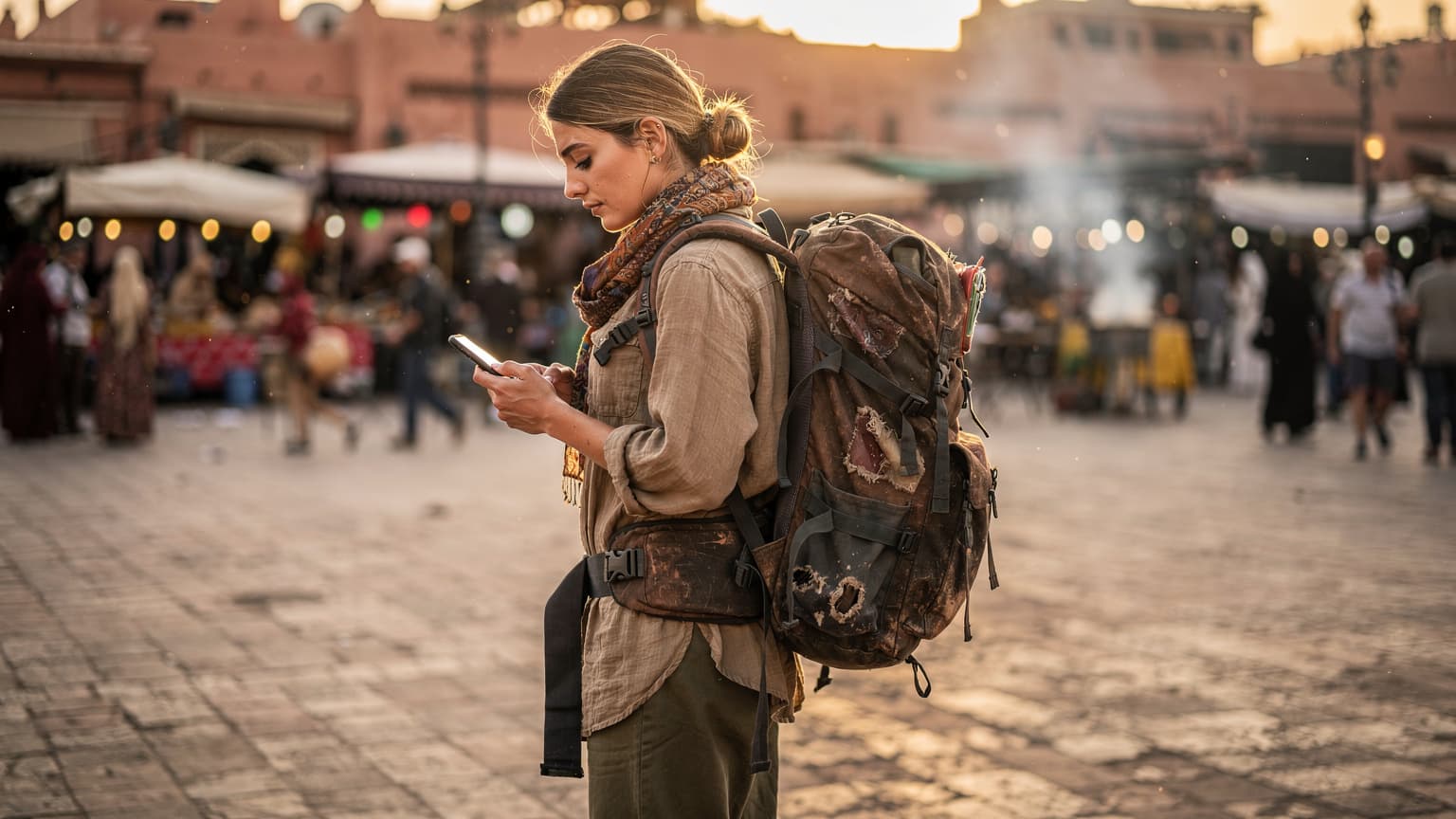
Let's get straight to it. My last 8 days traipsing through Morocco, from the alleys of Fes to the markets of Marrakech, cost me €280 total, and a measly €18 of that went to data. That's for 10GB, mind you, which was more than enough for my usual Google Maps navigation, hostel bookings on Hostelworld, and keeping up with my Substack readers.
Forget the days of landing, stumbling out of Casablanca's Mohammed V International Airport, and immediately being swarmed by SIM card vendors. Or worse, trying to navigate the crowded alleys of the medina without a map, desperately searching for a Maroc Telecom shop that isn't already closed for lunch. The eSIM has changed the game, cutting out that initial travel stress and saving you precious dirhams.
For me, the biggest win with an eSIM is the sheer convenience. No more fumbling with tiny SIM trays on an overnight bus from Tangier to Chefchaouen, trying not to drop the microscopic card in the dark. It means you're connected the second your plane touches down, which is invaluable for calling that pre-booked taxi or just letting your mom know you've landed safely (because she worries, even if you've done this 200 times).
But convenience isn't free, right? That's where the budget part comes in. We'll compare the exact costs, activation hassles, and coverage differences between an eSIM and a local physical SIM so you can make an informed decision for your 2026 Moroccan adventure. Trust me, every dirham saved is another delicious tagine or a night in a slightly nicer hostel.
What is an eSIM and Why It Matters for Morocco Travel
An eSIM, or embedded SIM, is essentially a digital SIM card built directly into your phone. Instead of swapping out a physical chip, you download a profile. Think of it like this: instead of buying a physical key, you're getting a digital code to unlock your data. For more on the basics, How Does an eSIM Work? A Family Traveler's Simple Guide to Connectivity in 2026 covers the technical side in plain language.
Why does this matter for Morocco? Simple. It means you can buy your data plan online before you even leave home. Activate it with a QR code, and BAM, you're connected. No language barriers, no shady exchange rates at a tiny kiosk, no losing your home SIM card in your wallet. It's a foolproof system, especially if you're hitting the ground running in a busy city like Casablanca or Marrakech.
Who Should Consider an eSIM for Morocco?
If you're like me, constantly on the move, tracking your budget, and need reliable data for navigation, hostel bookings, and the occasional WhatsApp call, an eSIM is for you. It's perfect for:
- Solo backpackers: Staying connected for safety and navigation is paramount.
- Short-term travelers (1-3 weeks): The value proposition is strongest here, avoiding the overhead of local SIM acquisition.
- Travelers with dual SIM phones: Keep your home number active for calls/texts while using the eSIM for data.
- Anyone who values time and convenience: Seriously, skipping the airport SIM queue is a blessing.
If you're planning a longer stay, say a month or more, or if you plan to make extensive local calls, a local physical SIM might still edge out an eSIM on pure cost per GB, but the hassle factor is significant. We'll get into that.
Local SIMs vs. eSIMs: The Real Cost Comparison
Alright, let's talk dirhams. When I'm traveling, every cent counts, and data is no exception. For Morocco, you've got three main players for physical SIMs: Maroc Telecom, Inwi, and Orange Maroc. All offer decent coverage, especially in urban areas. Their prices for a physical SIM can be incredibly low, sometimes as little as 20-30 MAD (about €2-€3) for the SIM itself, then you top up data.
For example, in 2026, Maroc Telecom offers a 10GB data pack for around 100 MAD (€10) valid for 30 days. Inwi has similar deals, often with more generous data for a slightly higher price, say 15GB for 120 MAD (€12). These are solid deals, no doubt.
However, getting them requires effort. You'll need your passport, sometimes a photocopy, and you'll often buy from a small shop or kiosk where English might be limited. Activation can take a few minutes to an hour, and sometimes requires a bit of haggling or explaining your needs. I once spent an hour trying to explain "data only, no calls" to a vendor in Chefchaouen who was convinced I needed 1000 minutes.
The Cost of Convenience: eSIM Pricing for Morocco
With Cellesim, for instance, you can snag a 10GB plan for 15 days for around €18-€25, depending on current promotions. Is that more expensive than a local physical SIM? On paper, yes, by about €8-€10 for the same data. But consider the hidden costs of a physical SIM:
- Time: An hour at the airport or a shop is an hour you could be exploring.
- Hassle: Navigating language barriers, paperwork, and activation issues.
- Peace of mind: Knowing you're connected the moment you land is priceless.
For me, that €8-€10 difference is a small price to pay for seamless connectivity. It means I can use ride-sharing apps like Careem immediately, confirm my hostel directions, or even book a last-minute train ticket from Marrakech to Tangier via ONCF's app without scrambling for Wi-Fi.
| Provider Type | Cost (Approx. for 10GB/15 days) | Activation Effort | Key Benefit |
|---|---|---|---|
| Cellesim eSIM | €18 - €25 | Minimal (QR code scan) | Instant connectivity, no physical SIM |
| Maroc Telecom (Physical SIM) | €10 - €15 | Moderate (in-store purchase, passport reg.) | Slightly lower base cost per GB |
| Orange Maroc (Physical SIM) | €10 - €16 | Moderate (in-store purchase, passport reg.) | Good coverage, competitive data packs |
| Inwi (Physical SIM) | €10 - €15 | Moderate (in-store purchase, passport reg.) | Often generous data bundles |
| Traditional Roaming | €100+ (variable, often per MB) | None (but opt-in usually needed) | Pure convenience for emergencies, but wallet-buster |
The Cheapest Local SIM Alternative for Fairness
If you're truly pinching every dirham and have time to spare, the absolute cheapest option is usually an Inwi physical SIM. Head to a dedicated Inwi shop in a major city, not an airport kiosk. You'll need your passport. Expect to pay around 20 MAD for the SIM card itself, then you can top up. For 100 MAD (€10), you can often get 10-12GB of data valid for 30 days. It's a solid deal, but be prepared for the process.
Always verify the data package and validity period before paying. Sometimes, vendors will try to upsell you or give you a package with more call minutes than data, which is useless for most backpackers. Double-check the SMS confirmation you receive after activation, it should specify your remaining data balance and validity.
Where to Buy and Activate Your Morocco eSIM
Buying an eSIM for Morocco is straightforward, thankfully. You don't need to be a tech wizard. Reputable providers like Cellesim (and others you can research) offer plans specifically for Morocco.
Pre-Purchase Online: The Smart Move
This is my go-to strategy. Before I even pack my bags, I've got my data sorted. I'll buy a Cellesim Morocco eSIM plan online. Prices are usually listed in EUR or USD, making it easy to track against my budget. The process is usually:
- Choose your plan: Decide how much data you need (more on this below) and for how long.
- Purchase: Pay securely online.
- Receive QR code: You'll get an email with a QR code and instructions.
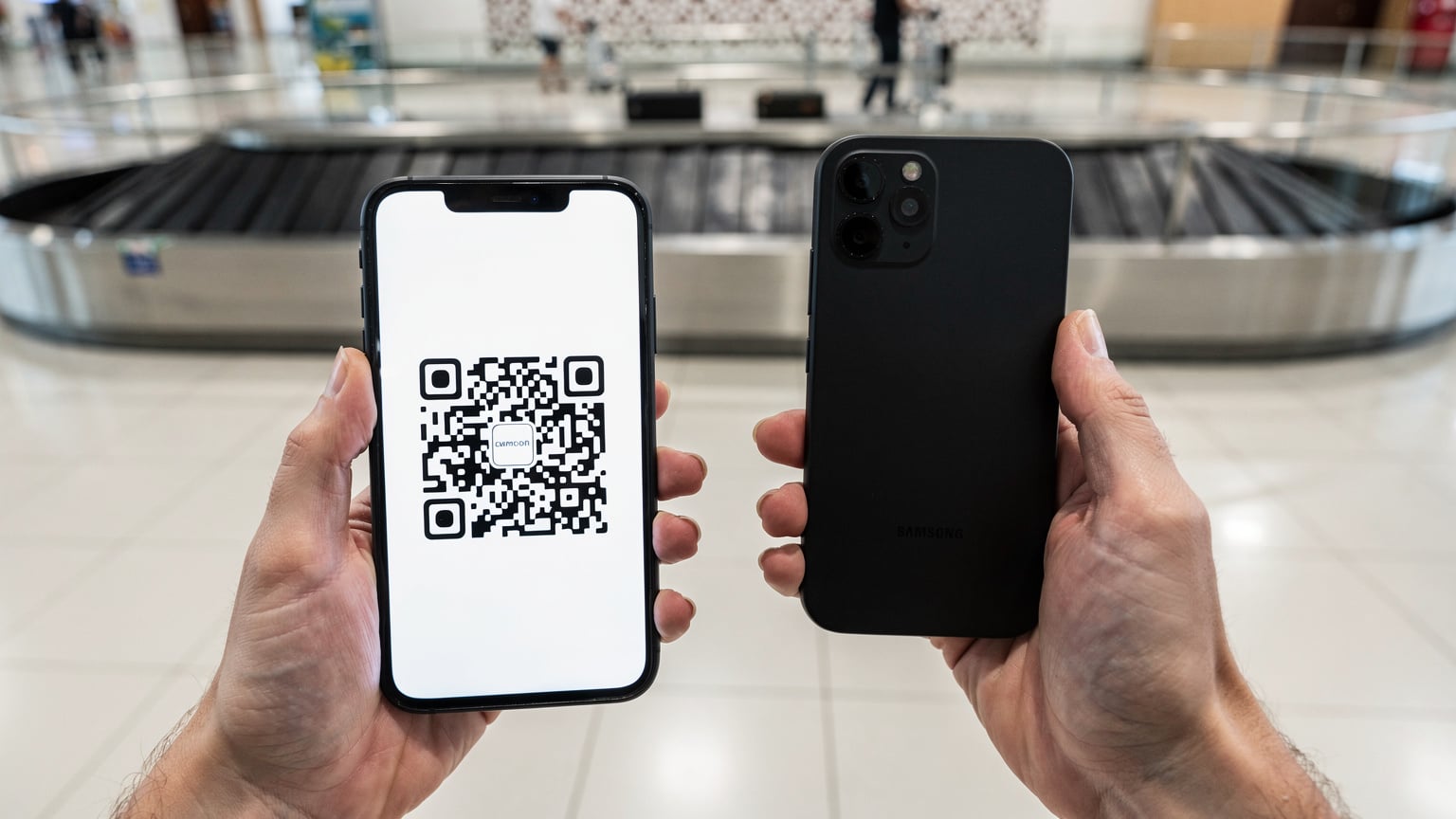
- Activate (upon arrival): Scan the QR code with your phone's camera (usually in Settings > Cellular/Mobile Data > Add eSIM) once you land in Morocco and have a Wi-Fi connection (most airports have free Wi-Fi for at least 30 minutes).
It's genuinely that simple. I've activated eSIMs while waiting for my luggage at the baggage claim. A similar process, outlined in Telkomsel eSIM: Activating & Maximizing Your Data in Indonesia 2026, shows how easy it is to get connected anywhere.
Step-by-Step eSIM Activation
Here’s a generic activation process that works for most eSIMs. Always refer to the specific instructions from your provider, though!
- Ensure compatibility: Check your phone supports eSIMs. Most newer iPhones (XS and later), Google Pixels (3 and later), and many Samsung Galaxies (S20 and later) do.
- Connect to Wi-Fi: Before attempting to activate, make sure you have a stable Wi-Fi connection (airport, hostel, café).
- Access eSIM settings:
For iPhone: Go to Settings > Cellular or Mobile Data > Add eSIM. Choose 'Use QR Code'.
For Android: Go to Settings > Network & internet > SIMs > Add SIM. Choose 'Download a SIM instead?'. - Scan the QR Code: Use your phone's camera to scan the QR code provided by your eSIM vendor. If scanning fails, you can usually enter the details manually.
- Follow prompts: Your phone will guide you through the remaining steps, which often include labeling your new eSIM (e.g., "Morocco Data") and setting it as your primary line for mobile data.
- Enable data roaming: Crucially, once activated, ensure data roaming is turned ON for your eSIM profile. This sounds counter-intuitive, but for an eSIM, it's often how it connects to local networks. Don't worry, you won't incur roaming charges from your home provider if you've set your home SIM to NOT roam.
- Test connectivity: Open a browser or a social media app to confirm you have data.
Data Consumption: Show Me the Math
This is where the budget backpacker in me really comes out. How much data do you actually need? My rule of thumb is 500MB to 1GB per day for general travel use. Let's break it down:
My 8-day Morocco trip:
- Google Maps/Navigation: ~150MB/day (heavy use for walking, driving directions in cities like Fes, navigating bus routes).
- WhatsApp/Messaging: ~50MB/day (sending photos, voice notes, keeping in touch with home).
- Social Media (Instagram/Facebook/Substack checks): ~200MB/day (light browsing, occasional photo uploads).
- Hostel bookings/Research: ~100MB/day (Hostelworld, Booking.com, local blog research).
- Emergency data buffer: ~50-100MB/day (just in case).
Total daily average: 550MB - 600MB. Over 8 days, that's roughly 4.4GB - 4.8GB. I bought a 10GB plan for €18, which gave me plenty of wiggle room, and I ended up using about 7GB. That's 7GB / 8 days = 0.875 GB per day. So, 10GB for a 15-day trip (10GB / 15 days = 0.66 GB/day) is a perfectly reasonable allocation if you're mindful.
The math for your trip:
(Your estimated GB consumed / day) x (Number of days) = Total GB needed
If you're a heavy streamer or video caller, adjust upwards. But for most backpackers, 10-15GB for a 2-week trip is a safe bet. Don't waste money on 50GB if you're just checking maps and WhatsApp.
Apps That Guzzle Data and How to Tame Them
Watch out for these data hogs:
- Video Streaming: Netflix, YouTube, TikTok. Download content over Wi-Fi.
- Video Calls: FaceTime, Zoom, WhatsApp video calls. Use sparingly or on Wi-Fi.
- Automatic Updates: App updates, cloud backups. Turn these off on mobile data.
- Background App Refresh: Limit which apps refresh in the background.
My trick: I download offline maps on Google Maps for the entire region I'm visiting. This saves a ton of data for navigation. Also, setting social media apps to load lower-resolution images/videos when on mobile data helps.
Network Coverage and Speed: What to Expect
Morocco's mobile network infrastructure is surprisingly robust, especially in the major cities and along main tourist routes. You'll find 4G LTE coverage in places like Casablanca, Marrakech, Fes, Rabat, and Tangier. Even smaller towns like Chefchaouen and Essaouira have decent 4G.
However, once you venture into the Sahara Desert or deep into the Atlas Mountains, coverage will drop to 3G or even GPRS, or vanish entirely. This is true for both local SIMs and eSIMs, as eSIMs simply leverage the existing local networks.
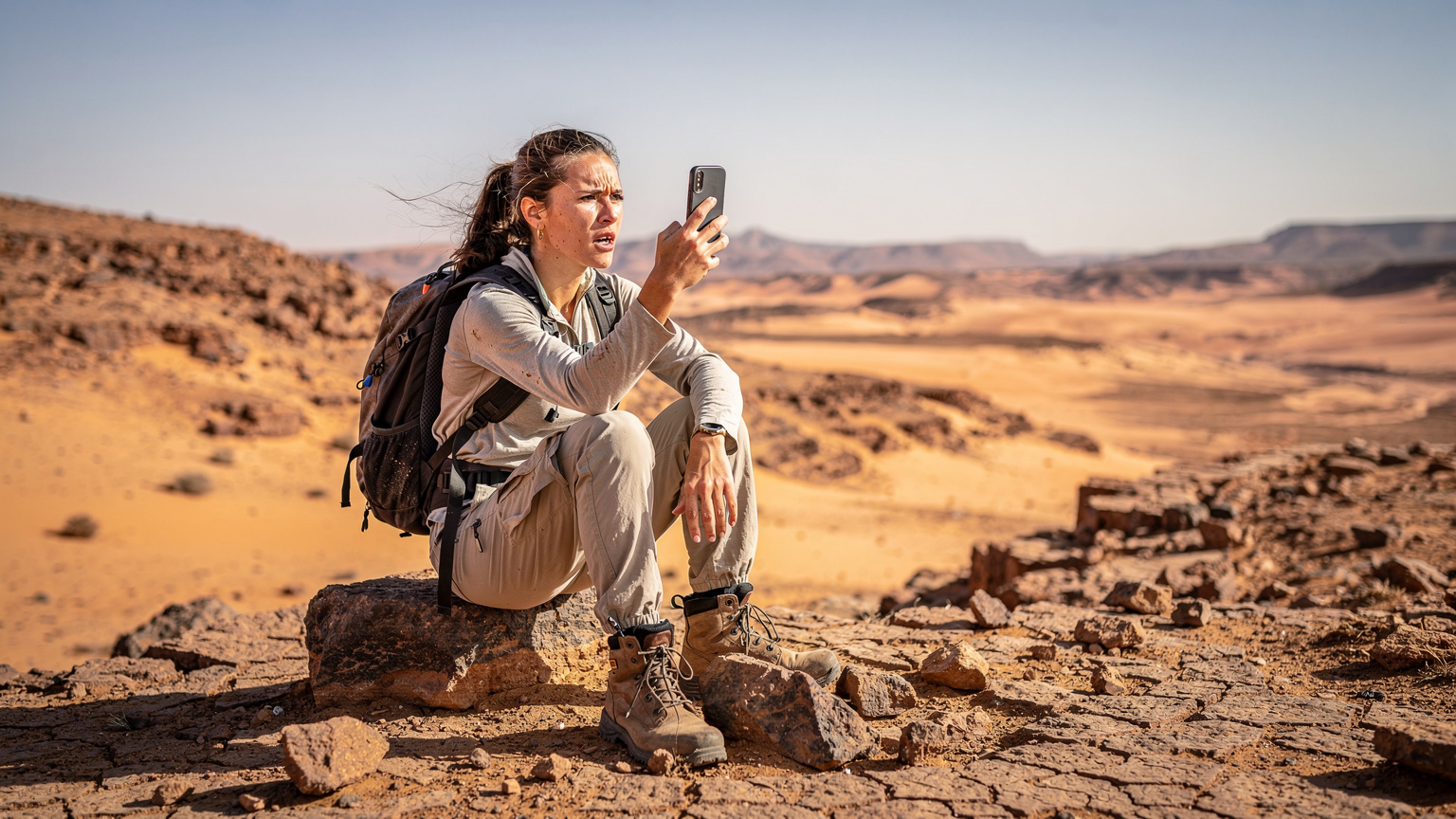
I learned this the hard way on a desert trek near Merzouga, where my Cellesim plan, which relies on Maroc Telecom's network, finally gave up the ghost. It's not a flaw of the eSIM, it's just the reality of remote areas. Always manage your expectations when heading off the beaten path.
| Network Provider | Coverage (Urban Areas) | Coverage (Rural/Desert) | Typical 4G Speed |
|---|---|---|---|
| Maroc Telecom (primary eSIM partner) | Excellent | Good on major routes, limited in deep desert | 30-60 Mbps |
| Orange Maroc | Very Good | Fair, improving | 25-50 Mbps |
| Inwi | Good | Variable, less extensive than Maroc Telecom | 20-40 Mbps |
Expected Speeds and What They Mean for You
In cities, you can expect 4G speeds that are perfectly adequate for streaming, video calls, and fast browsing. I've consistently pulled 30-50 Mbps download speeds in Marrakech, which is more than enough for anything I need. Upload speeds are a bit slower, but fine for sending photos or short videos.
For context:
- 1-5 Mbps: Basic browsing, messaging, email.
- 5-25 Mbps: HD video streaming, social media, general web use.
- 25+ Mbps: 4K streaming, large file downloads, smooth video conferencing.
So, even at the lower end of Morocco's 4G, you'll be fine. Just remember, these are averages. Peak times in crowded areas (like Jemaa el-Fna at sunset) might see slight dips due to network congestion.
Border Crossing Edge Cases and Connectivity
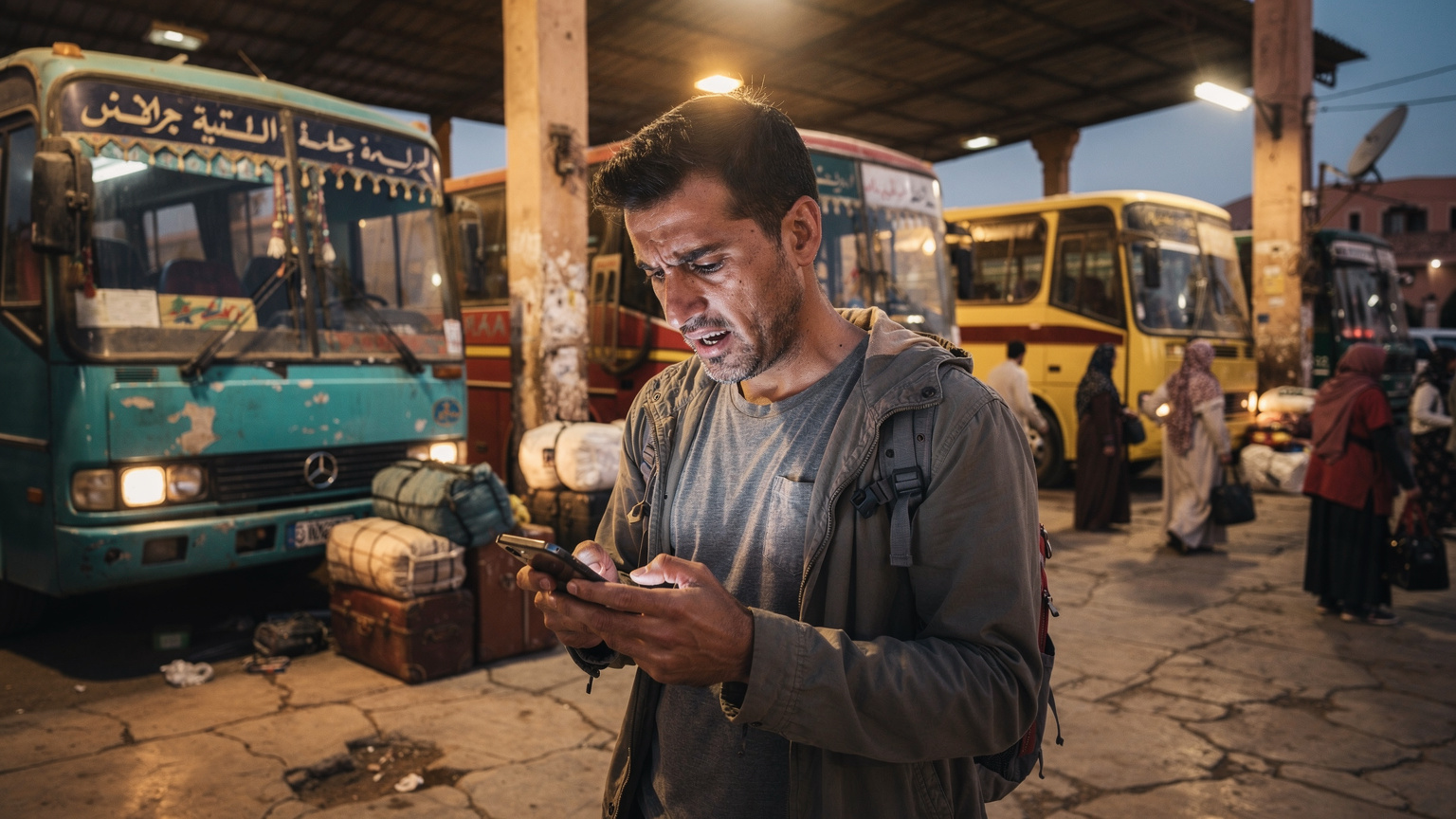
Ah, border crossings. My favorite kind of chaos. This is where an eSIM truly shines, especially if you're doing a multi-country North African trip. I've been stuck at the Algeria-Morocco border (though that one is currently closed, historically it was a mess) and the Mauritania-Morocco border, where getting a local SIM was a multi-hour ordeal.
With an eSIM, you don't care about the border guards' mood or the lack of official telecom shops. Your data plan is already loaded. You cross, and as soon as your phone picks up a signal from the local network, you're online.
Consider this: if you're flying into Morocco and then immediately taking a Grand Taxi or bus towards a smaller town, you won't have time to sort out a physical SIM. Having your eSIM ready means you can confirm your ride, let your hostel know your ETA, and even check reviews of the bus operator (because some are sketchier than others, trust me).
eSIMs for Multi-Country Trips: North Africa and Beyond
If your adventure takes you beyond Morocco, say to Tunisia or even a layover in Spain, a regional or global eSIM from Cellesim can cover multiple countries. This means one purchase, one activation, and no worries about changing SIMs as you cross borders.
For example, if you're planning a journey that might take you from Morocco to Algeria eSIM 2026: Ditch Roaming, Stay Connected with Local Data, a regional eSIM makes even more sense. You avoid the headache of navigating two different local SIM markets, which can be vastly different in terms of regulation and ease of purchase. It's a lifesaver if you're trying to stick to a tight schedule and budget.
Common eSIM Headaches and How to Fix Them
While eSIMs are largely hassle-free, you might hit a snag or two. Don't panic, most issues are easily solvable.
- "No Service" or "Searching":
- Check Data Roaming: Make sure data roaming is enabled for your eSIM profile in your phone's settings.
- Restart Phone: The classic fix, often works wonders.
- Manual Network Selection: Go to network settings and try manually selecting one of the Moroccan carriers (Maroc Telecom, Orange Maroc, Inwi).
- APN Settings: Rarely needed for eSIMs, but if all else fails, check your provider's instructions for specific APN settings and enter them manually.
- "eSIM Not Added" or "Invalid QR Code":
- Stable Wi-Fi: Ensure you have a strong, stable Wi-Fi connection during activation.
- Clear Camera Lens: A smudged camera lens can prevent QR code scanning.
- Manual Entry: Most providers offer a manual entry code if the QR scan fails.
- Contact Support: If all else fails, reach out to your eSIM provider's customer support. They can usually re-send the QR code or provide direct assistance.
- Data Depletes Too Fast:
- Monitor Usage: Regularly check your data usage in your phone settings and through your eSIM provider's app/portal.
- Limit Background Refresh: Turn off background app refresh for non-essential apps.
- Download Offline: Download maps, music, and videos over Wi-Fi before you head out.
Security and Privacy with Your eSIM
Security is a big deal, especially when you're traveling solo. One of the less-talked-about benefits of an eSIM is the added security. With a physical SIM, if your phone is lost or stolen, someone could easily remove your SIM, effectively cutting off your ability to track the phone or use 'Find My' services.
An eSIM is embedded. It's much harder to remove or deactivate without access to your phone's settings and passcode. This gives you a better chance of locating your device or, at the very least, wiping it remotely.
Keeping Your Personal Data Safe Abroad
While an eSIM itself is secure, your data usage patterns and what you access are still up to you. Always use a VPN, especially when connecting to public Wi-Fi networks in hostels or cafes. A VPN encrypts your traffic, protecting your browsing history and personal information from prying eyes.
Also, be mindful of what apps you're using. If an app requests excessive permissions, deny them. Remember, even in Morocco, data privacy is a concern, so stay vigilant. And always check your bank statements for suspicious activity, just like you would at home.
My Top eSIM Recommendations for Morocco 2026
Based on my own travels and what I've seen others use, Cellesim is a solid choice for Morocco. Their plans are straightforward, activation is easy, and their coverage relies on Maroc Telecom, which is generally the best in the country.
| eSIM Provider | Typical Plan (Data/Days) | Approx. Price | Network Partner | Why I Recommend It |
|---|---|---|---|---|
| Cellesim | 10GB / 15 Days | €18 - €25 | Maroc Telecom | Reliable coverage, easy activation, good value for typical travel duration. |
| Airalo | 10GB / 30 Days | €20 - €30 | Maroc Telecom / Orange | Longer validity options, good for longer stays, but slightly pricier per GB. |
| Holafly | Unlimited Data / 15 Days | €35 - €45 | Maroc Telecom | True unlimited data (though often throttled after a certain threshold), premium price. |
Why I Lean Towards Cellesim for Morocco
For the budget-conscious traveler, Cellesim offers a sweet spot between cost and convenience. Their plans are usually transparent, and I haven't had any issues with activation or unexpected charges. When you're trying to keep your daily spend around €40, every euro counts, and Cellesim helps you manage that data budget effectively.
Plus, their customer support is generally responsive, which is a huge relief if you encounter any issues mid-trip. I've had to reach out to other providers in the past (looking at you, a certain Asian eSIM provider), and it was like pulling teeth. Not ideal when you're stressed and trying to find your next hostel.
Making the Final Call: eSIM or Local SIM?
So, after all that, what's the verdict? For most travelers heading to Morocco in 2026, an eSIM is the smarter, less stressful, and ultimately more budget-friendly option when you factor in your time and peace of mind. The slightly higher upfront cost is easily offset by avoiding the activation hassle and potential pitfalls of buying a physical SIM.
If you're an extreme budget traveler planning a stay of a month or more, or if you absolutely need a local Moroccan phone number for extensive local calls (e.g., if you're doing a work exchange or volunteering), then a local physical SIM from Inwi or Maroc Telecom might be worth the effort. But for 90% of backpackers and tourists, the eSIM wins, hands down.
Don't be that person stressing about connectivity as you step off the plane in Marrakech. Get your eSIM sorted before you go, and enjoy Morocco from the moment you land, with money saved and zero hassle. It's one less thing to worry about, leaving you more time to haggle for spices in the souks or sip mint tea on a rooftop terrace.
Frequently Asked Questions
Can I use my existing phone number with a Morocco eSIM?
Yes, absolutely. With most modern smartphones, you can use your home physical SIM for calls and texts while routing all your data through the Morocco eSIM. This allows you to keep your primary number active without incurring expensive roaming charges for data.
Do I need a passport to activate an eSIM in Morocco?
No, one of the major advantages of a travel eSIM like Cellesim is that the registration process is handled by the eSIM provider, not by you in Morocco. You won't need to present your passport or fill out any local paperwork, unlike when buying a physical SIM card from a local carrier.
What if my phone isn't eSIM compatible?
If your phone doesn't support eSIM technology (typically older models), then you will need to rely on a physical local SIM card from a Moroccan provider like Maroc Telecom, Inwi, or Orange Maroc. Alternatively, you could use Wi-Fi hotspots, but this severely limits your connectivity on the go.
Can I top up my Morocco eSIM if I run out of data?
Most travel eSIM providers, including Cellesim, offer options to top up your data plan or purchase a new one directly through their website or app. This can usually be done quickly and easily, ensuring you stay connected throughout your trip without interruption.
Is data speed throttled with an eSIM in Morocco?
Data speed with an eSIM in Morocco will depend on the local network partner (e.g., Maroc Telecom) and your location. While some 'unlimited' plans might have fair usage policies that can throttle speeds after a certain amount of data, standard fixed-data eSIM plans generally offer the same speeds as a local physical SIM until your data allowance is consumed.
What's the best way to save data while using an eSIM in Morocco?
To save data, download offline maps (Google Maps), stream music/videos over Wi-Fi, disable background app refresh, and set app updates to Wi-Fi only. These tactics significantly reduce your daily data consumption, making your eSIM plan last longer and saving you money.
What happens to my home SIM card when I use an eSIM?
When you activate an eSIM, your physical home SIM card remains in your phone. You can usually configure your phone to use the eSIM for data while keeping your home SIM active for calls and texts. Just make sure to disable data roaming for your home SIM to avoid unexpected charges.
See also: eSIM for Mauritania
See also: eSIM for Algeria