
The Hard Numbers: Cellesim vs. Nomad Pricing Showdown
Let's get straight to what matters most: your money. I once spent 8 days in Thailand and blew €280 on data alone. Never again. Now, my spreadsheet tracks every euro, every gigabyte. When I compare eSIMs, the advertised price is rarely the full story. You really need to dig into the per-GB cost, especially if you're crossing borders every few days.
Nomad eSIM often shows attractive initial prices. But I've found their regional packages can be less competitive than Cellesim's, especially for longer trips or specific parts of the world. Take a 10GB, 30-day plan for Southeast Asia, for example. It might look similar on the surface, but a closer look at the fine print and, critically, the actual network partners, reveals key differences. Cellesim tends to partner with primary carriers. This usually means better speeds and reliability, which often makes a slightly higher, but more stable, cost totally worth it.
| Feature | Cellesim (Example) | Nomad eSIM (Example) |
|---|---|---|
| 5GB, 15-day Plan (EU) | €12.50 (€2.50/GB) | €14.00 (€2.80/GB) |
| 10GB, 30-day Plan (Asia) | €25.00 (€2.50/GB) | €28.00 (€2.80/GB) |
| Regional Coverage | Extensive, often 30+ countries | Good, but sometimes fewer countries in a bundle |
| Data Top-up Cost | Consistent with initial per-GB rate | Can be higher per-GB than initial purchase |
| Validity Extension | Available, clear pricing | Sometimes requires new plan purchase |
Calculating Your Real Data Needs: The Backpackers' Math
Before you even glance at a price tag, you need to figure out how much data you actually use. I usually budget about 1GB per day. Sometimes less if I'm sticking to hostel Wi-Fi, sometimes more if I'm tethering my laptop to get work done. So, a 15-day trip means I'll need roughly 15GB. If a 10GB plan for 30 days costs €25, that's €2.50/GB. If a 5GB plan for 15 days costs €14, that's €2.80/GB. Those small differences really add up over several trips.
My advice? Always round up your data estimate. Running out of data mid-trip, especially when you're relying on Google Maps or trying to book your next hostel, is a headache you don't need. It's almost always cheaper to buy a slightly larger plan upfront than to top up later at inflated rates.
Coverage Counts: Who Delivers Where It Matters?
What good is a cheap eSIM if it doesn't work when you need it? My worst travel nightmare is being stranded in a small village in Laos, unable to check bus schedules because my data has decided to take a holiday. I've heard stories of Nomad users having patchy coverage in less-traveled areas, often because they rely on secondary network partners in certain regions. That's not just annoying, it's a safety concern.
Cellesim, on the other hand, really focuses on robust network partnerships. This means you're often connected to the strongest local carriers. The result? Fewer dead zones, more reliable speeds, and a generally smoother experience. This holds true whether you're navigating the busy streets of Medellín or trying to find a remote guesthouse in rural Greece. (Speaking of Greece, if you're island hopping, reliable data is a game-changer. You might want to check out this guide: Greece Travel: Unlocking Connectivity with the Right eSIM for Your Aegean Adventure 2026.)

Regional Plans: The Backpackers' Best Friend
One of Cellesim's biggest advantages is its comprehensive regional plans. Instead of buying individual country eSIMs, which can quickly become a patchwork mess (and expensive), you can get a single plan that covers an entire continent, like Europe or Asia. This is essential for backpackers who are constantly on the move, crossing borders every few days.
For instance, Cellesim's Europe plan covers over 30 countries. Imagine traveling from Spain to France, then to Italy, all without switching plans or worrying about roaming charges. Nomad also offers regional plans, but I've found Cellesim's country inclusions and pricing often provide better value for multi-country itineraries.
The Dreaded Fine Print: Data Throttling, Validity, and Hidden Fees
This is where many eSIM providers try to trick you. I've learned the hard way that a "cheap" plan can quickly become expensive with unexpected limitations. Data throttling, for example, is a major concern. Some providers will slow down your speeds after you've used a certain amount of data, even if you haven't hit your plan's cap. This information is usually buried deep in the terms and conditions.
Cellesim has a transparent policy on data speeds: what you buy is what you get, no hidden throttling. Their validity periods are also clearly stated, and extending them is usually straightforward and affordable. Nomad's policies can sometimes be a bit more ambiguous, leading to surprises for unsuspecting travelers. Always, always read the fine print before you commit.
Fair Usage Policies: A Wolf in Sheep's Clothing
Another thing to watch out for is "Fair Usage Policies." While these are legitimate for preventing abuse, some providers use them to cap your high-speed data usage well before you've used all your purchased GBs. If you're relying on your eSIM for video calls home or uploading photos, this can be a real problem.
Cellesim's approach is generally more traveler-friendly. They focus on providing the data you paid for at consistent speeds. They understand that backpackers need reliable internet for everything from booking accommodation to navigating public transport, and nobody wants to be surprised by sudden slowdowns.
Installation and Activation: Getting Connected Without a Headache
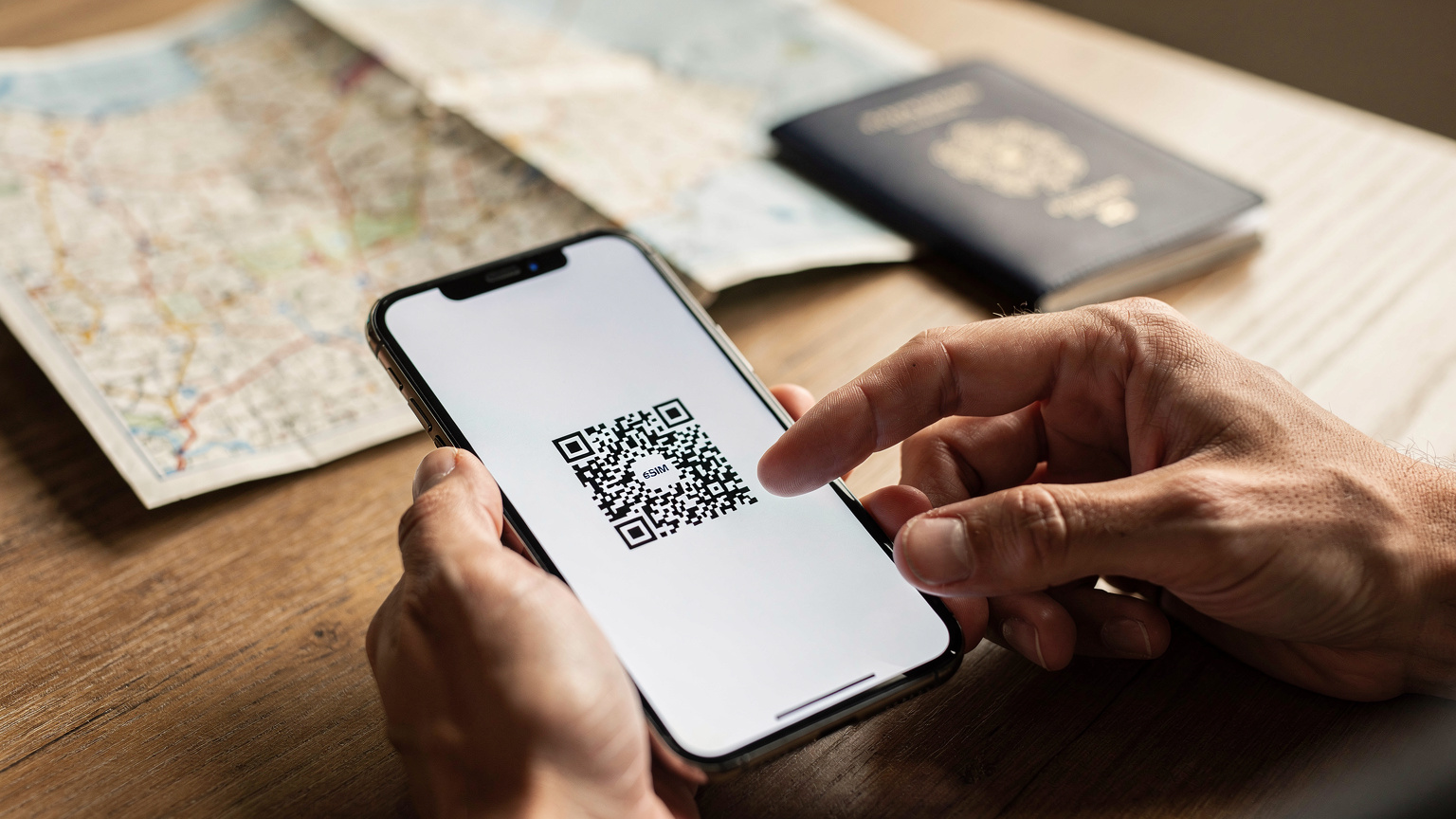
Getting your eSIM up and running shouldn't feel like a coding challenge. I've guided friends through countless eSIM setups, and the smoother the process, the better. Both Cellesim and Nomad offer straightforward QR code activation, which is the industry standard. However, Cellesim really shines with its comprehensive, easy-to-follow eSIM installation guides for iPhones, Samsungs, and Pixels.
Emma Wright, our eSIM Setup Specialist and Education Lead, has literally written the book on making this process painless. Her tutorials break down every step, often with screenshots of the exact user interface. This ensures that even the most tech-averse traveler can get connected without a hitch. This level of support can save you a lot of frustration, especially when you're jet-lagged and trying to get online in a new country.
Troubleshooting and Support: When Things Go Wrong
Let's be real, sometimes things just don't go as planned. Maybe your QR code isn't scanning, or your phone isn't connecting to the network. This is when good customer support becomes absolutely essential. I've spent too many hours on hold with providers who just offer generic troubleshooting steps.
Cellesim's support is known for being responsive and knowledgeable. They often provide specific APN settings or device compatibility advice. Nomad's support is decent, but I've found Cellesim's education resources, like their extensive FAQ section, often anticipate common issues. This lets you quickly solve problems yourself.
Local SIM Card: The Cheapest Alternative (Sometimes)
Before eSIMs became common, buying a local physical SIM card was always the go-to for budget backpackers. And to be fair, it still can be the absolute cheapest option in some countries, especially if you're staying for an extended period. For instance, in Indonesia, a Telkomsel physical SIM for 30 days with 15GB might only cost you 100,000 IDR (about €6). That's hard to beat. (If you're heading that way, you might want to read our Telkomsel eSIM 2026: Navigating Indonesia's Data Landscape Without Getting Gouged guide.)
However, the convenience factor often outweighs those minimal savings. Think about it: finding a reliable vendor at the airport, dealing with potential language barriers, providing passport details, and then physically installing the SIM card. If you arrive late at night or have a tight connection, an eSIM means you're connected the moment you land, without any of that hassle. Plus, if your phone only has one physical SIM slot, an eSIM lets you keep your home number active for calls and texts.
When a Local SIM Wins: Specific Use Cases
- Long-term stays (3+ months): If you're settling in a single country for an extended period, a local SIM will almost always offer better long-term value, potentially with unlimited data options and local call/text bundles.
- Heavy data users: For digital nomads who need truly unlimited data for work (we're talking 100GB+ a month), a local plan is often the only viable option.
- Specific niche areas: Some remote areas might only have coverage from one or two specific local carriers, and an eSIM might not always connect to them.
For most backpackers, however, the flexibility and instant connectivity of an eSIM, particularly Cellesim's regional plans, usually win out.
Border Crossing Blues: eSIMs for Seamless Transitions
My biggest travel pet peeve used to be the scramble at border crossings. You get off the night bus, cross into a new country, and suddenly your phone has no signal. No maps, no way to contact your hostel, no way to check local transport. I've literally seen people get ripped off by taxi drivers because they couldn't confirm prices online.
This is where an eSIM, especially a multi-country or regional plan from Cellesim, truly shines. You can be connected before you even step off the bus. Imagine crossing from Thailand into Malaysia, or from Poland into Slovakia, and your data just seamlessly switches over. No fumbling for a new SIM card, no searching for Wi-Fi at some sketchy border cafe. It's about peace of mind and not losing precious travel time.

The Schengen Zone Advantage
For travelers exploring Europe, the Schengen Zone is a prime example of where a regional eSIM is a game-changer. One Cellesim plan can cover you across dozens of countries, from Portugal to Estonia. This means you can hop on a Renfe train from Madrid to Barcelona, then a TGV from Paris to Brussels, all while staying connected on the same data plan. It means you don't have to constantly monitor which country you're in and if your data plan covers it.
Nomad also offers regional Europe plans, but again, Cellesim's network stability and clear pricing for extensions or top-ups give it an edge for budget-conscious, multi-country adventurers.
Why Cellesim Is My Go-To for Regional Roaming
After years on the road, trying every connectivity trick in the book, Cellesim has become my default choice for a few key reasons. It's not just about the price, although that's obviously a huge factor. It's about the entire package: reliability, ease of use, and knowing exactly what you're getting.
- Transparent Pricing: No surprise fees, no hidden throttling. The per-GB rate you see is the per-GB rate you get, even for top-ups.
- Strong Network Partnerships: Cellesim generally connects to tier-one carriers. This means better speeds and more consistent coverage in more places. That's invaluable when you're off the beaten path.
- User-Friendly Experience: From installation to troubleshooting, Cellesim's platform and support are designed with the traveler in mind. Their detailed guides are a lifesaver.
- Flexible Regional Plans: For anyone doing a multi-country trip, Cellesim's regional bundles genuinely simplify connectivity and often offer better value than buying individual country plans.
When I'm planning a trip, the last thing I want to worry about is my phone data. Cellesim takes that worry away, letting me focus on finding the cheapest hostel bed and the best street food.
Personal Experience: A Cellesim Win in Southeast Asia
My last trip through Southeast Asia, covering Vietnam, Cambodia, and Thailand, was a perfect example. I chose a Cellesim 20GB, 30-day regional plan for €48. That's €2.40/GB. I used roughly 0.7GB per day, totaling about 21GB over 30 days. This meant I needed a small top-up, which was seamlessly added at the same per-GB rate. My total data spend for the month was about €50, a far cry from my €280 Thai debacle years ago.
The connectivity was solid, whether I was in a café in Hanoi's Old Quarter or on a slow boat down the Mekong. I never once had to scramble for Wi-Fi or worry about losing signal. That peace of mind is worth its weight in gold when you're navigating unfamiliar territory.
Making the Switch: How to Get Started with Cellesim
Ready to try Cellesim and ditch the data drama? The process is incredibly simple, designed to get you connected in minutes, not hours. Whether you're an iPhone user (check out our definitive guide) or on Android, the steps are intuitive.
Your Step-by-Step Guide to Cellesim Activation
Here's how to get your Cellesim eSIM up and running:
- Choose Your Plan: Visit the Cellesim website and select the country or regional plan that best suits your travel itinerary and data needs. Pay close attention to the data allowance and validity period.
- Purchase and Receive QR Code: Complete your purchase. You'll immediately receive an email with your eSIM QR code and detailed installation instructions.
- Scan the QR Code: On your smartphone, go to your 'Settings', then 'Mobile Data' (iOS) or 'Network & Internet' (Android), and look for an option to 'Add eSIM' or 'Add Mobile Plan'. Use your phone's camera to scan the QR code from the email.
- Follow On-Screen Prompts: Your phone will guide you through adding the eSIM profile. You might be asked to label your new eSIM (e.g., "Travel Data") and choose whether to use it for data, calls, or both.
- Activate and Connect: Once installed, make sure your new eSIM is selected for mobile data. You might need to turn on 'Data Roaming' for the eSIM line (don't worry, with an eSIM, this only applies to the eSIM's network, not your home provider's roaming charges). You're now connected!
Pre-Trip Checklist: Avoid Surprises
A few quick checks before you fly can save you a lot of hassle:
- Unlock Your Phone: Make sure your phone is unlocked by your home carrier. This is essential for any eSIM or foreign SIM card to work.
- Wi-Fi Connection: You'll need a stable Wi-Fi connection to download and activate your eSIM profile. Do this before you leave your home or while you have airport Wi-Fi.
- Backup Your Data: This is always a good idea before any major tech change, though eSIM installation is generally harmless.
- Understand Your Home Plan: Know if your home provider has any international roaming features you might accidentally trigger. Consider turning off data roaming for your physical SIM.
With Cellesim, you're not just buying data, you're buying peace of mind. For a budget backpacker, that's priceless.
Frequently Asked Questions
Is Cellesim cheaper than Nomad eSIM for long trips?
For longer trips, Cellesim often provides better per-GB rates and more comprehensive regional plans, especially when considering top-up costs. Nomad's initial pricing can be attractive, but hidden fees or higher top-up rates can make it more expensive in the long run. Always compare the total cost for your expected data usage and trip duration.
Does Cellesim offer better network coverage than Nomad eSIM?
Cellesim generally partners with primary, tier-one local carriers, which often translates to more reliable network coverage and faster speeds in more locations. Nomad eSIM may sometimes use secondary partners, potentially leading to patchier service in less urban or remote areas. This is a critical factor for consistent connectivity.
Can I use Cellesim for multiple countries in one trip?
Yes, Cellesim excels in multi-country travel with its robust regional eSIM plans. These plans cover numerous countries under a single package, eliminating the need to purchase separate eSIMs for each border crossing. This offers significant convenience and cost savings compared to managing multiple single-country plans.
What happens if I run out of data with Cellesim?
If you exhaust your data allowance with Cellesim, you can easily purchase a top-up directly through their app or website. Cellesim's top-up rates are typically consistent with the initial per-GB price of your plan, avoiding unexpected price hikes often seen with other providers. This ensures continuous connectivity without breaking your budget.
Is a local physical SIM card always cheaper than a Cellesim eSIM?
While a local physical SIM can sometimes offer slightly lower per-GB costs for very long stays in a single country, a Cellesim eSIM often provides superior value when factoring in convenience, multi-country travel, and avoiding the hassle of finding and activating a local SIM. For most backpackers, the time and effort saved with an eSIM outweigh marginal cost differences.
How easy is it to install a Cellesim eSIM on my phone?
Installing a Cellesim eSIM is straightforward, typically involving scanning a QR code provided via email. Cellesim offers clear, step-by-step guides for iPhones and Android devices, ensuring a smooth activation process. Their dedicated tech education resources are designed to help travelers get connected quickly and without technical anxiety.