The Telkomsel eSIM Dilemma: Local vs. International
Indonesia. It's a place where connectivity can make or break your trip, whether you're haggling for a scooter in Canggu or trying to find that obscure coffee shop in Jakarta. Telkomsel is the 800-pound gorilla in the room, the dominant carrier with the widest reach. For years, the default was a physical SIM card, a ritual of airport queues and passport registration. Now, with eSIMs, the game has changed, but not necessarily simplified for every traveler.
I've been on the road long enough to know that the easiest option isn't always the cheapest, and the cheapest isn't always the most reliable. When I first landed in Denpasar years ago, the SIM card hassle was immediate. Now, the promise of Telkomsel eSIM sounds great, but the reality for a short-term tourist or even a longer-stay nomad can be a bit more complicated than just scanning a QR code. It's not like getting an eSIM for the USA where it's largely frictionless. We're talking about a system designed for locals, which means foreign passports get a few extra hoops.
Why Telkomsel Dominates the Indonesian Market
Telkomsel isn't just big, it's ubiquitous. From the bustling streets of Surabaya to the remote islands off Flores, if there's a signal, it's probably Telkomsel. They've invested heavily in infrastructure, which means better coverage in places where other carriers drop off entirely. This is a huge factor when you're relying on data for navigation, ride-hailing apps like Gojek or Grab, or even just checking the opening hours for that tempeh factory everyone raves about. For a digital nomad, consistent internet is like oxygen, especially when your work depends on video calls from a cafe in Ubud (I spent a month at Hubud, remember that place? Their internet was always rock-solid, but you still need data to get there).
The Rise of eSIM in Indonesia: What it Means for You
eSIM technology is a godsend for travelers, allowing you to switch carriers without swapping physical cards. For your iPhone eSIM setup, it's usually a breeze. In Indonesia, Telkomsel has rolled out eSIMs, but they come with a catch. The same device registration rules that apply to physical SIMs for tourists also apply to eSIMs. This means you still need to register your device's IMEI with the government to avoid it being blocked after 90 days, a common limitation for longer stays. This isn't a Telkomsel specific thing, it's an Indonesian government regulation to curb illegal phone imports, but it impacts how you use any local SIM, physical or eSIM.
Understanding Telkomsel eSIM for Tourists 2026
So, you've decided to consider Telkomsel for your data. Good choice for coverage, but let's manage expectations. Their eSIM isn't quite the instant gratification you might be used to with international eSIM providers. There's a process, and it involves a bit of paperwork, even if it's digital paperwork.
Who Can Get a Telkomsel eSIM?
Any tourist with a valid passport can get a Telkomsel eSIM. The key is the registration. You'll need to present your passport at an official Telkomsel store or authorized reseller. They'll scan your passport, record your details, and link it to your eSIM profile. This is standard procedure, so don't be alarmed, but do factor in the time this will take. It's not a grab-and-go from a vending machine.
IMEI Registration: The 90-Day Elephant in the Room
Here's the kicker for anyone planning an extended stay: Indonesia requires all foreign-bought devices (phones) to be registered with the Directorate General of Customs and Excise. If you don't, your device's IMEI will be blocked from accessing local networks after 90 days. This means your Telkomsel eSIM will stop working. For short trips, it's not an issue. For digital nomads like me, who might spend two months in Sanur (my go-to spot for decent, affordable monthly rentals, usually around 4-5 million IDR for a studio), this is a critical detail. You can register your IMEI at the airport upon arrival or at a customs office. Be prepared for potential import duties if your phone is worth more than USD 500. This is a big reason why many long-term expats just stick with international eSIMs or buy a cheap local phone.
Activating Your Telkomsel eSIM: The Nitty-Gritty
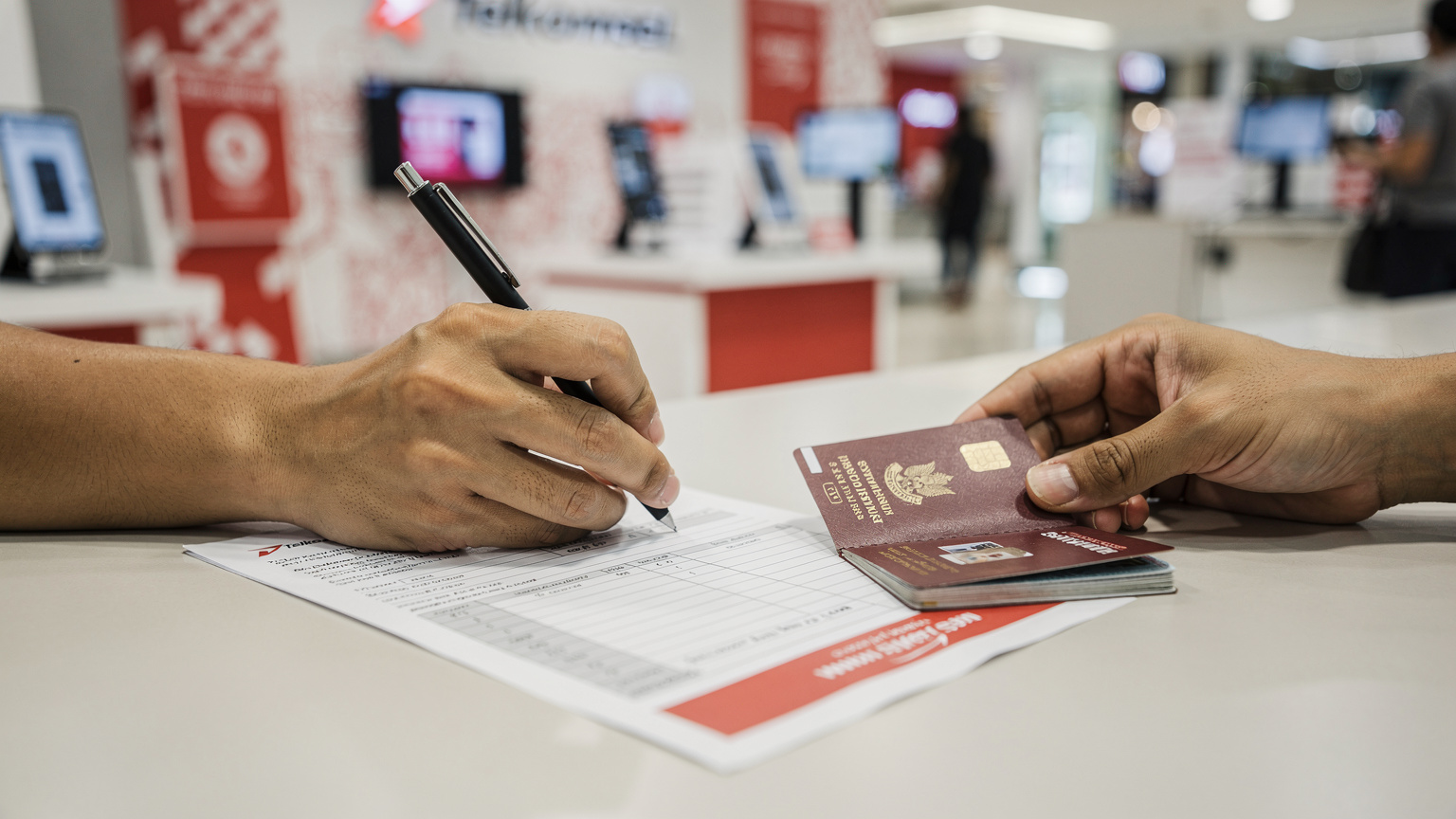
Getting your Telkomsel eSIM up and running involves a few more steps than just scanning a QR code you bought online. You need to be physically present at a Telkomsel outlet. This isn't something you can do from your couch back home. (I tried, trust me, it doesn't work.)
Step-by-Step Activation at a Telkomsel Store
Here's how the process typically unfolds:
- Locate an Official Telkomsel GraPARI: These are the main customer service centers. You'll find them in major cities and tourist hubs like Denpasar, Jakarta, and Yogyakarta. Avoid smaller kiosks, as they might not handle eSIM activations or IMEI registrations correctly.
- Prepare Your Documents: You'll need your physical passport. Ensure it has at least six months' validity remaining, as is standard for entry into Indonesia.
- Device Ready: Have your eSIM-compatible phone with you. The staff will need to scan a QR code onto your device. For eSIM for iPhones, make sure your software is updated.
- Complete Registration Forms: You'll fill out a form with your personal details, including your passport number and possibly your Indonesian address (a hotel address is usually fine for tourists). This is where the IMEI registration might also come into play if you're planning a longer stay.
- Choose Your Plan: Select a data package that suits your needs. The staff will guide you through the options.
- Scan and Activate: A QR code will be generated and scanned onto your phone. Follow the on-screen prompts to install the eSIM profile. This usually takes just a minute or two once the paperwork is done.
- Test Connectivity: Immediately check your data connection. Open a browser, send a WhatsApp message. Don't leave the store until you've confirmed it's working.
Potential Roadblocks and How to Avoid Them
The biggest roadblock is often the language barrier, though staff at GraPARI in tourist areas are usually proficient in English. Another common issue is bringing an older phone that isn't eSIM compatible, so double-check your device specifications before you go. Finally, always ask for a receipt and keep any activation codes provided. I once had an eSIM activation fail after leaving a store, and that receipt was my golden ticket to getting it fixed without starting from scratch.
Telkomsel Data Packages: What You Actually Get
Telkomsel offers a variety of packages, often bundled with local calls and SMS. For most travelers, data is king. They frequently have "Tourist SIM" packages that simplify things a bit, but these still require the in-person registration.
Popular Telkomsel Tourist eSIM Plans and Pricing
Pricing and package details can change, but generally, you'll see options like this at Telkomsel stores:
| Package Name | Data Allowance | Validity | Approx. Price (IDR) | Notes |
|---|---|---|---|---|
| Tourist Starter | 10 GB | 30 days | 100,000 - 150,000 | Good for light users, includes local calls/SMS |
| Tourist Premium | 25 GB | 30 days | 200,000 - 300,000 | Best for moderate data use, includes local calls/SMS |
| Tourist Max | 50 GB | 30 days | 350,000 - 500,000 | Heavy data users, streaming, video calls, includes local calls/SMS |
Note: These are approximate prices and data allowances based on typical offerings. Always confirm the exact details at the Telkomsel store. The pricing often includes the eSIM itself, so you're not paying a separate activation fee.
Understanding Data Quotas and Fair Usage Policies
Like most carriers, Telkomsel has fair usage policies. While unlikely to affect the average tourist, if you're constantly tethering multiple devices or downloading huge files, you might experience throttled speeds. Always check if the data is "all network" or split into specific usage buckets (e.g., social media data vs. general internet data). Sometimes they'll offer separate data for "malam" (night) use, which is usually cheaper but only usable after midnight.
Comparing Telkomsel eSIM to International Alternatives
This is where the choice gets interesting. While Telkomsel offers excellent local coverage, international eSIMs often win on convenience and sometimes even on price for shorter trips.
International eSIM Providers for Indonesia
Providers like Airalo, Nomad, and Holafly offer eSIMs for Indonesia. Their main advantage is the ability to buy and activate your data plan before you even land, often from your living room. No airport queues, no paperwork, no language barriers. You simply scan a QR code they email you, and you're connected.
Here's a quick comparison of what you might expect:
| Feature | Telkomsel Local eSIM | International eSIM (e.g., Airalo) |
|---|---|---|
| Activation | In-person at Telkomsel store, passport required | Online purchase, QR code scan, activate before arrival |
| IMEI Registration | Required for stays > 90 days | Not required (uses roaming agreements) |
| Coverage | Excellent, widest in Indonesia | Good, often uses Telkomsel or XL Axiata network |
| Pricing (e.g., 10GB) | Approx. 100,000 - 150,000 IDR (approx. $6.50 - $10 USD) | Approx. $20 - $30 USD |
| Local Number | Yes | No (data only) |
| Local Calls/SMS | Often included | Not included (use WhatsApp/VoIP) |
When to Choose an International eSIM
For most tourists on trips up to a month or two, an international eSIM is probably the better choice. The convenience of landing and already having data is hard to beat. You avoid the entire registration process, don't worry about IMEI issues, and can manage your data plans from an app. While the per-GB cost might be slightly higher than a local Telkomsel eSIM, the time and hassle saved are often worth it. Plus, you keep your home number active for calls and texts.
When Telkomsel eSIM is the Better Option
If you're planning a longer stay (over 90 days) and are willing to deal with IMEI registration, or if you absolutely need a local Indonesian phone number for things like opening a local bank account or signing up for services that require one, then Telkomsel is still your best bet. It also makes sense if you plan to travel to very remote areas where only Telkomsel has a signal. For a true long-term digital nomad, a registered local SIM (physical or eSIM) combined with a local phone is often the most cost-effective solution, but it requires commitment.
The Pitfalls and Perks of Local eSIMs in Indonesia
Let's break down the real-world experience of using a local eSIM in Indonesia.
Advantages of a Telkomsel eSIM
- Unmatched Coverage: This is Telkomsel's undisputed strength. If you're venturing beyond Bali's tourist hotspots, you'll appreciate having their network.
- Cost-Effective for Long Stays: Once you've navigated the setup, the per-GB cost can be lower than international eSIMs, especially for larger data packages.
- Local Number: Useful for local services, deliveries, or connecting with new friends.
- Local Customer Support: You can walk into a GraPARI store for assistance.
Disadvantages and Challenges
- Complex Activation: Requires in-person registration with your passport.
- IMEI Registration: A significant hurdle for stays over 90 days, potentially leading to a blocked phone.
- Language Barrier: While staff in tourist areas often speak English, it's not guaranteed everywhere.
- No Pre-Arrival Setup: You can't get connected until you're physically in Indonesia and at a Telkomsel store.
- Data Package Confusion: Sometimes local plans have specific usage buckets (e.g., social media vs. general internet), which can be confusing.
Real-World Connectivity in Indonesia: What to Expect
I've relied on Telkomsel data across Indonesia, from the Gili Islands to the heart of Java. Here's what you should know about actual performance.
Speed and Reliability in Urban vs. Rural Areas
In major cities like Jakarta, Surabaya, or Denpasar, you'll generally find fast 4G LTE speeds, sometimes even 5G in select areas. Streaming, video calls, and large downloads are usually fine. However, venture into more rural areas, and speeds will drop, often to 3G or even 2G in very remote spots. Telkomsel does a better job than most, but even they have limits in truly off-the-beaten-path locations. For instance, on a recent trip to Raja Ampat, Telkomsel was the only network that even showed a bar, albeit a weak one.
Wi-Fi is widely available in hotels, cafes, and guesthouses, but its quality varies wildly. Don't rely solely on public Wi-Fi for critical tasks.
The Impact of Network Congestion
During peak tourist seasons or major holidays (like Eid al-Fitr), networks can get congested, especially in popular areas. This can lead to slower speeds and occasional dropped connections. It's usually a temporary issue, but something to be aware of if you're visiting during these times.
Cost of Living and Data Budgets in Indonesia
Indonesia is generally affordable, but like anywhere, prices can vary wildly depending on your choices.
Typical Daily Expenses for Travelers
A mid-range traveler might spend anywhere from USD 50-100 per day, covering accommodation, food, transport, and a few activities. Budget travelers can certainly get by on less, especially outside of Bali. Here's a rough breakdown:
- Accommodation: Guesthouses starting at USD 15-25, mid-range hotels USD 40-80, luxury resorts USD 100+.
- Food: Local warungs (small restaurants) USD 2-5 per meal, mid-range restaurants USD 10-20.
- Transport: Scooter rental USD 5-10/day, Gojek/Grab rides (ride-hailing) are very affordable, inter-island flights can be USD 50-150.
- Activities: Entrance fees to temples or parks USD 2-10, diving/snorkeling trips USD 30-100+.
Fitting eSIM Costs into Your Budget
Compared to overall travel costs, eSIM data is a relatively small expense. Even the most expensive international eSIM for a month (around USD 30) is a tiny fraction of your budget. A Telkomsel eSIM, being even cheaper, barely registers. My advice is to prioritize reliable connectivity. Don't skimp on data if it means you'll be stressed trying to find directions or communicate. The peace of mind is worth a few extra dollars.
Whether you choose Telkomsel or an international eSIM, regularly check your data usage through your phone settings or the carrier's app. This helps you avoid running out of data unexpectedly and keeps your budget in check.
Final Thoughts on Telkomsel eSIM for Your Indonesian Trip
For most short to medium-term travelers to Indonesia in 2026, an international eSIM provider like Airalo or Nomad will offer the best balance of convenience, immediate connectivity, and reasonable pricing. You won't have to deal with the local registration process or the 90-day IMEI rule, which means less stress upon arrival.
However, if your trip is going to be longer than 90 days, if you plan to travel extensively to very remote parts of the country, or if you specifically need an Indonesian phone number, then a Telkomsel eSIM (with the necessary in-person registration and IMEI declaration) becomes a more compelling option. Just be prepared for the extra steps involved.
Ultimately, the best eSIM for your Indonesian adventure depends on your specific travel style and duration. Do your homework, choose wisely, and enjoy the incredible beauty and culture of Indonesia without worrying about your connection.