Nomad eSIM vs. Cellesim: The 2026 Showdown
Four years on the road, hopping between continents, teaches you a thing or two about the internet. A stable connection isn't just about Instagramming your smoothie. It's about paying rent on time, getting your visa extension processed, and finding that one obscure pharmacy in Medellín when you're down with traveler's tummy. For years, the word 'eSIM' conjured images of struggling to get a signal in a new city, but now, it's a staple.
Nomad eSIM has been a player in this space for a while, a familiar name in the WhatsApp groups dedicated to 'Connectivity Hacks'. But the landscape of travel data is shifting. With contenders like Cellesim offering more robust, long-term solutions, it's time to ask: is Nomad eSIM still the go-to in 2026, or is it getting left behind? My take? It depends entirely on your travel style, but for the serious nomad, the picture is clear.
The Evolution of eSIM: What's Changed Since 2023?
Back in 2023, eSIMs were still a bit of a novelty for many. I remember the relief of not having to physically swap out a tiny chip in a humid Bangkok alley. Fast forward to 2026, and eSIMs are standard, especially if you've got an iPhone eSIM Abroad: Configuring Your Data for Global Travel (2026). The market has matured, and with it, consumer expectations. We're no longer just looking for 'an eSIM'; we're looking for reliability, speed, and transparent pricing. The days of accepting flaky connections are over.
Why a Direct Comparison Matters for Your Budget and Sanity
I've seen too many friends blow their monthly data budget in a week because they didn't read the fine print. When you're budgeting for a month in Lisbon, where rent in a decent T1 in Campo de Ourique might run you €900 and a daily espresso is €0.80, every penny counts. Connectivity isn't a minor line item, it's a significant operational cost, especially if you're reliant on it for work. This isn't just about saving money, it's about avoiding the stress of constantly checking your data usage, which, trust me, gets old fast.

What Nomad eSIM Gets Right, and Where It Stumbles
Nomad eSIM has always been popular for its straightforward approach. You pick a country, you pick a data package, you're usually good to go. For a two-week vacationer to Spain, downloading a 5GB plan for €15 is simple enough. It generally works, which is more than you can say for some other budget options I've tried.
The Pros: Convenience and Wide Country Availability
Ease of Use: The app is pretty intuitive. You can browse plans, purchase, and install an eSIM with minimal fuss. For someone new to eSIMs, that's a big plus.
Global Reach: They cover a vast number of countries, which is great for multi-stop trips or those venturing off the beaten path (though for places like Central Asia eSIM 2026: Your Silk Road Connectivity Reality Check, you'll still need to manage expectations).
The Cons: Plan Durations and Top-Up Frustrations
Here's where it starts to chafe for anyone beyond a short holiday. Nomad eSIM plans often come with restrictive durations, typically 7, 15, or 30 days. If you're like me, living in a place for 1-3 months, these short durations mean constantly buying new plans or topping up, which often carries a higher per-GB cost. I spent two months in Buenos Aires, and the constant re-upping with Nomad was a headache. It felt like I was always on the clock, watching my data tick down.
"I've been in co-working spaces from Bali to Bogotá, and the biggest complaint I hear about Nomad isn't the initial setup, it's the 'data anxiety' from short expiry windows."
The Real Cost of Connectivity: Comparing Per-GB Rates
This is where the rubber meets the road for me. I track my spending meticulously, and data costs can vary wildly. What looks cheap upfront can become exorbitant over time. Let's look at some real numbers for a common destination, like Thailand, a digital nomad hotspot.
Thailand Example: Nomad eSIM vs. Cellesim
| Provider | Plan Details | Approximate Cost (USD) | Per GB Cost (USD) | Duration |
|---|---|---|---|---|
| Nomad eSIM | 10 GB | $25 | $2.50 | 30 Days |
| Nomad eSIM | 20 GB | $45 | $2.25 | 30 Days |
| Cellesim | Unlimited Data (fair usage policy applies after 30GB at high speed, then throttled) | $39 | Effectively lower for high users | 30 Days (renewable) |
As you can see, for a similar price point, Cellesim offers an unlimited plan. Even with a fair usage policy, this means you won't suddenly run out of data mid-video call with a client. I've been in Chiang Mai, working from Punspace Nimman, where a good connection is non-negotiable. Running out of data there just isn't an option. With Nomad, that 20GB will disappear faster than you think, especially if you're uploading large files or streaming.
The Hidden Costs of Short-Term Plans
When you're constantly topping up or buying new short-term plans, the per-GB cost inflates. This is where Nomad's model, while seemingly flexible, can hit your wallet hard. For a three-month stay, you'd be buying three separate 30-day plans, or even worse, multiple smaller plans if you misjudge your usage. Cellesim's longer-duration options and unlimited plans typically offer better value, especially if your data needs are unpredictable.
Speed Matters: 256kbps Throttling and Your Sanity
There's a reason Is 256kbps Fast Enough for Travel? Understanding eSIM Data Speeds in 2026 is a top concern. Slow data isn't just an inconvenience, it's a productivity killer. I once tried to upload a project brief from a café in Rome with a 256kbps connection, and it felt like I was back in the dial-up era. Not pretty.
The Reality of Throttled Speeds
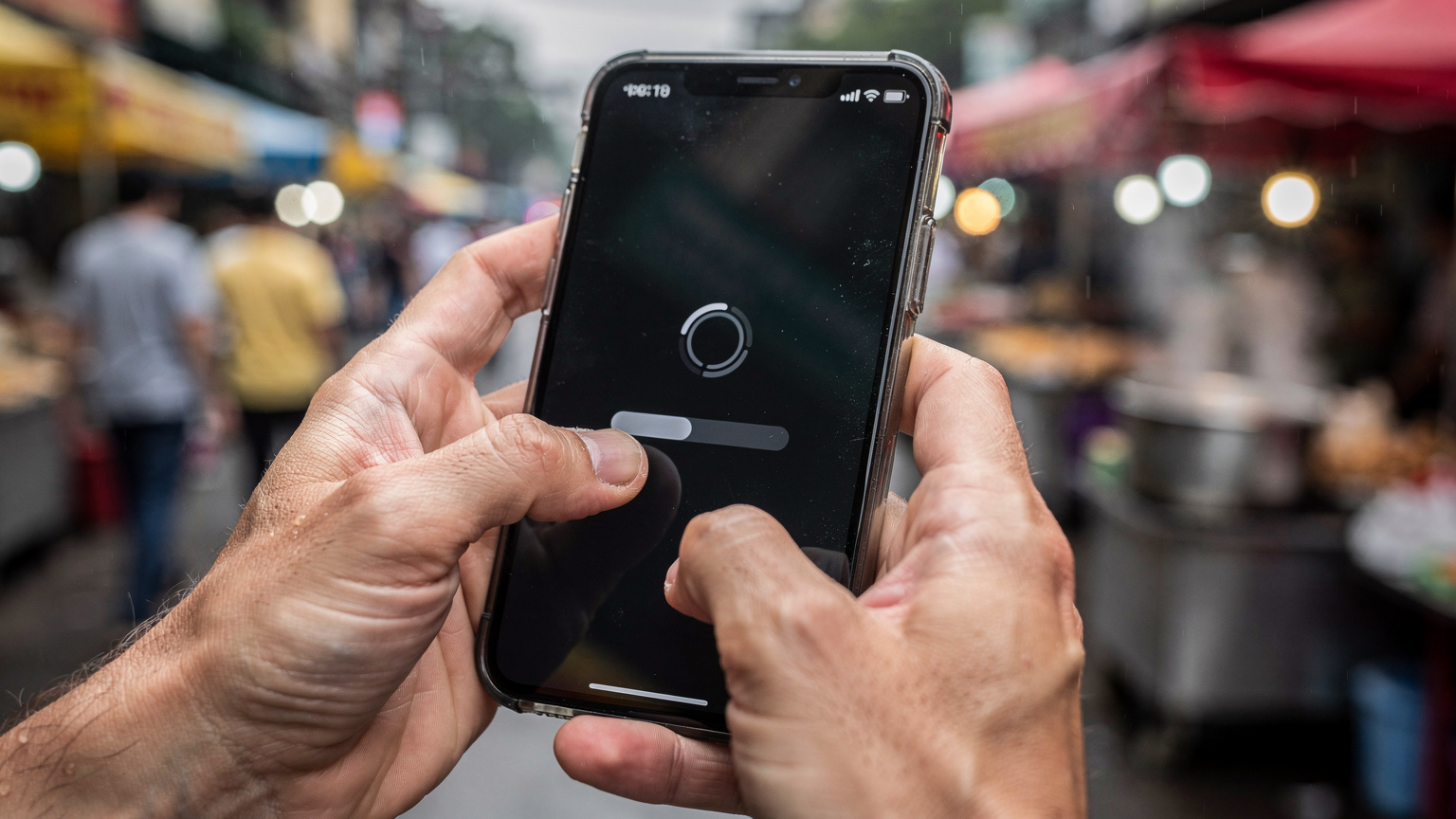
Many eSIM providers, including Nomad on some plans or after a certain data threshold, throttle speeds significantly. While 256kbps might be okay for basic WhatsApp messages, it's absolutely unusable for video calls, large file transfers, or even reliably loading complex webpages. Imagine trying to check in for a flight or manage your banking app (some Brazilian banks, for instance, are notoriously data-heavy and require a robust connection) on such speeds. It's a recipe for frustration.
What Cellesim Offers in Terms of Speed
Cellesim, with its focus on stable, high-speed connections, aims to minimize throttling. Their unlimited plans, while subject to fair usage, are designed to keep you connected at speeds that allow for actual work and communication. This means less time waiting for pages to load and more time doing what you need to do, whether it's navigating the streets of Tokyo using Google Maps or joining a crucial Zoom meeting from a quiet corner of WeWork Reforma in Mexico City.
Global Coverage: Multi-Country Plans That Actually Work
One of the biggest selling points of an eSIM for nomads is the promise of multi-country coverage. The idea of seamlessly crossing borders without changing SIMs or constantly buying new plans is the dream. But not all multi-country plans are created equal.
Nomad eSIM's Regional Packs: A Closer Look
Nomad offers regional packs, which are convenient for specific areas like Europe or Asia. However, I've found that the coverage within these packs can be inconsistent. For example, a European pack might work brilliantly in Germany (where I paid roughly €600 for a shared apartment in Friedrichshain last month), but become spotty in smaller towns in Eastern Europe. This inconsistency is a problem when you rely on your data for navigation, local transport apps, or even emergency services.
Cellesim's Multi-Country Advantage
Cellesim often partners with Tier 1 carriers in each country, aiming for more consistent and robust coverage. Their multi-country plans are designed with the long-term traveler in mind, meaning less hassle as you hop from one country to the next. This is crucial for events like Lollapalooza, where I've been in both Brazil and Argentina, needing reliable data across borders for coordination. The last thing you want is your data dropping out right when you're trying to meet friends at the main stage.
Long-Term Travel: Why Nomad eSIM Falls Short for Digital Nomads
For me, a digital nomad who typically spends 1-3 months in a country, Nomad eSIM consistently fails to hit the mark. It's built for tourists, not residents-in-waiting.
The Problem with Finite Data for Extended Stays
When you're settling into a new city, you're not just browsing. You're researching apartments (I pay about 4000 PLN a month for a decent place in Warsaw's Mokotów district, so I need to be online to find it), setting up local services, and engaging with local communities. This requires sustained, heavy data usage. Nomad's finite data packages, often maxing out at 30 days, force you into a cycle of constant re-evaluation and repurchase, which is a major time sink and stressor.
The Need for Unlimited or High-GB Plans
This is where Cellesim truly shines for the nomad. Their unlimited data eSIM for {country} plans (within fair usage policies, of course) mean you can integrate into a new place without fear of hitting a data cap. I need to be able to download movies for long bus rides, attend virtual meetups, and constantly research local quirks. An average month for me can easily hit 50-80GB, which Nomad's standard plans can't sustain cost-effectively.
The Local SIM Card Dilemma: When You Still Need One
Even with advanced eSIMs, there are still situations where a physical local SIM card is indispensable. It's a reality that no global eSIM provider can entirely circumvent, especially in certain regions.
Country-Specific App Requirements
Some countries, for example, India with its Aadhaar biometric ID system, or certain banks in Brazil like Nubank, require a local phone number for registration or two-factor authentication. You simply can't get around it with a data-only eSIM. I learned this the hard way trying to get a local taxi app in India to work without a local number. Nightmare.
Visa Applications and Local Verification
Another big one: visa applications. While not always mandatory, providing a local number can sometimes smooth the process. More importantly, if you're trying to open a local bank account or register for certain government services, a local number is almost always a prerequisite. For long-term stays (3+ months), you'll likely hit this wall, regardless of how good your eSIM is. I always keep my home country's physical SIM on a secondary phone for essential banking and two-factor authentication, just in case.

Setting Up Your eSIM: A Seamless Start or an Airport Headache?
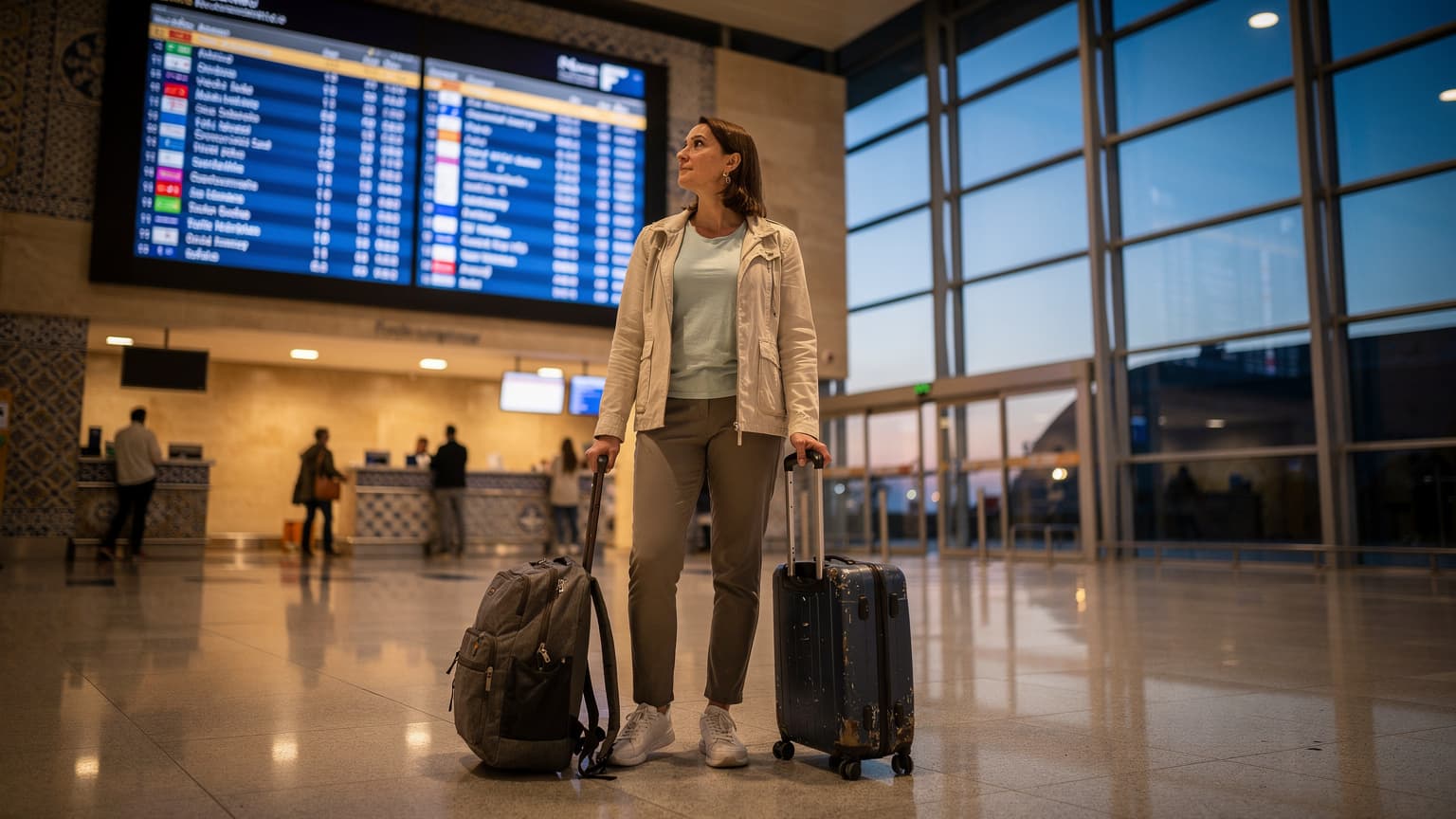
The promise of eSIMs is instant connectivity. The reality can sometimes be a bit more fraught, especially if you're trying to get it working while juggling luggage and navigating a new airport.
Nomad eSIM Installation Process
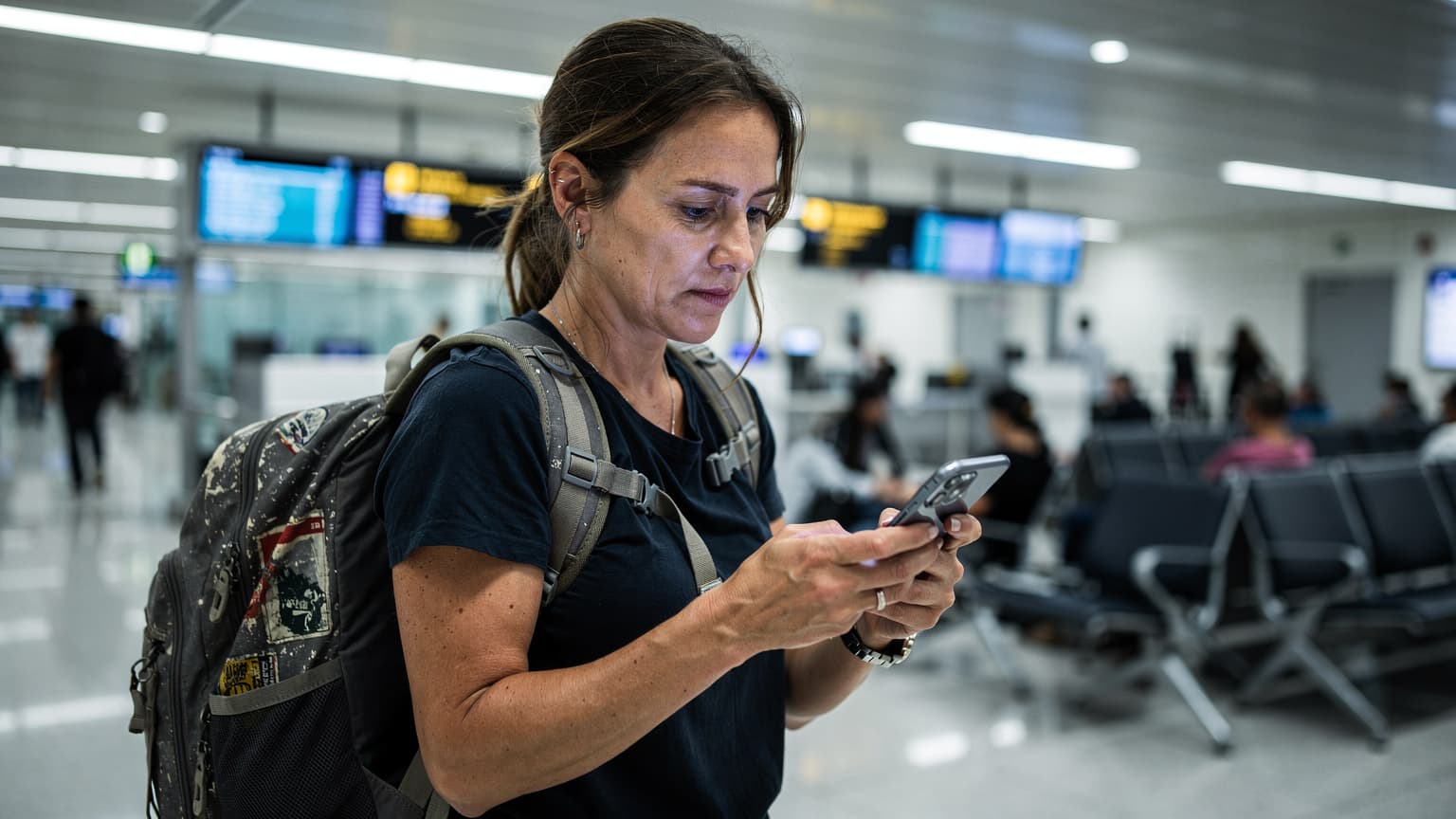
Nomad's installation is generally straightforward, usually involving scanning a QR code or entering details manually. It's a familiar process for those who've used eSIMs before. However, I've had a few instances where the activation was delayed, leaving me without data right after landing, which is never fun. Having to rely on dodgy airport Wi-Fi to troubleshoot is the worst. (Pro tip: always activate your eSIM before you leave your previous location, or at least before you land).
Cellesim's User-Friendly Activation
Cellesim prioritizes a smooth activation process. Their FAQ section is comprehensive, addressing common setup issues, and their in-app instructions are clear. I've found their QR code activation to be particularly reliable, even on older iPhone models. The less time I spend fiddling with settings at Lisbon Airport after a 10-hour flight, the better.
Here's a general guide for activating most eSIMs, applicable to both Nomad and Cellesim:
- Purchase Your eSIM Plan: Select your desired plan from the provider's app or website. Ensure you choose the correct country or region and data amount.
- Receive Activation Details: You'll typically receive an email or in-app notification with a QR code or manual installation details.
- Access eSIM Settings: On your iPhone, go to Settings > Cellular (or Mobile Data) > Add eSIM. For Android, it's usually Settings > Network & internet > SIMs > Add eSIM.
- Scan QR Code or Enter Manually: Use your phone's camera to scan the provided QR code. If scanning isn't possible, choose "Enter Details Manually" and input the SM-DP+ Address and Activation Code.
- Label Your eSIM: Give your new eSIM a clear label, like "Cellesim Travel" or "Nomad Spain," to easily identify it later.
- Set as Primary for Data: In your Cellular/Mobile Data settings, make sure your new eSIM is selected for Cellular Data. You can still use your primary physical SIM for calls and texts if needed.
- Enable Data Roaming: For the eSIM, ensure Data Roaming is turned ON. Don't worry, this only applies to the eSIM's data plan, not your home SIM.
- Test Connection: Once activated, try browsing the internet or using an app to confirm your connection is working.
Cellesim's Edge: Unlimited Data and a Built-in VPN
This is where Cellesim really differentiates itself from the competition, particularly for long-term travelers and those conscious about online security.
Truly Unlimited Data: What It Means for You
While most "unlimited" plans have fair usage policies, Cellesim's approach is designed to provide robust data without the constant fear of hitting a hard cap. This means I can confidently use my phone for navigation, streaming music while working at a cafe (I frequented the Co Hoc Cafe in Da Nang for weeks, relying heavily on my data), and keeping up with friends and family without stressing over every byte. This peace of mind is invaluable. No more hunting for free Wi-Fi in obscure food courts just to save a few GBs.
The Security of a Built-in VPN
A built-in VPN is a game-changer. I've been on public Wi-Fi in countless countries, from airport lounges to bus stations, and the security risk is real. Having a VPN seamlessly integrated into my data plan means my sensitive information is protected without me needing to manage a separate subscription or app. This is crucial for banking, accessing certain work platforms, and simply maintaining privacy while abroad. It's a level of security that Nomad eSIM doesn't offer, making Cellesim a more comprehensive solution for the security-conscious nomad.
Final Verdict: Who Should Use Nomad eSIM, and Who Shouldn't?
After years of relying on various connectivity solutions, my advice is always practical and unvarnished. Your choice of eSIM provider should align perfectly with your travel habits.
Nomad eSIM's Niche: Short-Term Tourists
If you're heading off for a 7-14 day vacation, primarily using data for maps, social media, and a few quick searches, Nomad eSIM is perfectly adequate. It's easy to use, covers most popular destinations, and the cost for a small data package won't break the bank. Think of it as a reliable, no-frills option for a holidaymaker. You're not trying to run a business or live off it, just get from point A to B.
Here's a quick rundown for the typical tourist scenario:
- Short Trips: Ideal for vacations lasting a week or two.
- Light Data Usage: Good for basic navigation, messaging, and occasional browsing.
- Simplicity: Easy to purchase and install for first-time eSIM users.
- Specific Country Needs: If you only need data for one country and have a clear end date.
Why Cellesim Is the Better Choice for Long-Stay Travelers and Nomads
For anyone who considers themselves a digital nomad, a long-term traveler, or even someone planning an extended trip of a month or more, Cellesim offers a far superior value proposition. The unlimited data plans (within reasonable fair usage), the focus on consistent high speeds, and the added security of a built-in VPN address the core pain points of living and working on the road.
When I was based in Berlin, needing reliable internet for my work and personal life (monthly cost of living for me was around €1,200 including rent for a shared flat in Kreuzberg, food, and public transport), a stable connection was non-negotiable. Cellesim provides that stability without the constant worry of data caps or throttling. For those of us who live out of a suitcase and a laptop, it's not just a convenience, it's a critical tool for survival and success.
If you're planning a trip where connectivity is more than just an afterthought, where you need to rely on your internet for work, communication, or simply peace of mind over an extended period, then Cellesim is the pragmatic choice. It's the one I'd recommend to any friend in my nomad network, without hesitation.
Frequently Asked Questions
Is Nomad eSIM good for long-term travel, like several months in one country?
No, Nomad eSIM is generally not ideal for long-term travel. Its plans are typically limited to 7, 15, or 30 days, forcing frequent repurchases or top-ups. This can be more expensive and less convenient than Cellesim's longer-duration or unlimited data plans, which are better suited for extended stays.
How does Nomad eSIM's data speed compare to Cellesim, especially after hitting a data cap?
Nomad eSIM can have inconsistent data speeds, and many plans, or usage beyond a certain threshold, can be throttled down to 256kbps. This speed is insufficient for many tasks like video calls or large downloads. Cellesim aims for more consistent high speeds and offers unlimited plans designed to maintain usable speeds for most activities, even with fair usage policies.
Do I still need a local SIM card if I use Nomad eSIM or Cellesim?
In many cases, yes. While eSIMs provide data, some countries or local services (like specific banking apps, ride-sharing apps, or government verification for visas) still require a local phone number for registration or two-factor authentication. Always research the specific requirements for your destination.
Is Nomad eSIM cheaper than Cellesim for basic data needs?
For very short trips (7-14 days) with minimal data usage, Nomad eSIM might appear slightly cheaper upfront. However, for anything beyond basic browsing or for longer durations, Cellesim's per-GB costs, especially with their unlimited or high-GB plans, often offer better overall value and avoid the hidden costs of frequent top-ups.
What is the main advantage of Cellesim over Nomad eSIM for a digital nomad?
Cellesim's main advantages for digital nomads are its robust unlimited data plans (subject to fair usage), consistent high-speed connections through Tier 1 carriers, and the added security of a built-in VPN. These features provide the stability, reliability, and peace of mind crucial for working and living on the road for extended periods, unlike Nomad's more tourist-focused, finite data offerings.
Can I use Nomad eSIM or Cellesim for calls and texts?
Both Nomad eSIM and Cellesim primarily offer data-only plans. This means they are great for internet-based communication apps like WhatsApp, Telegram, or Facetime. If you need traditional voice calls and SMS, you would typically rely on your home physical SIM's roaming features or purchase a separate local physical SIM with calling capabilities.