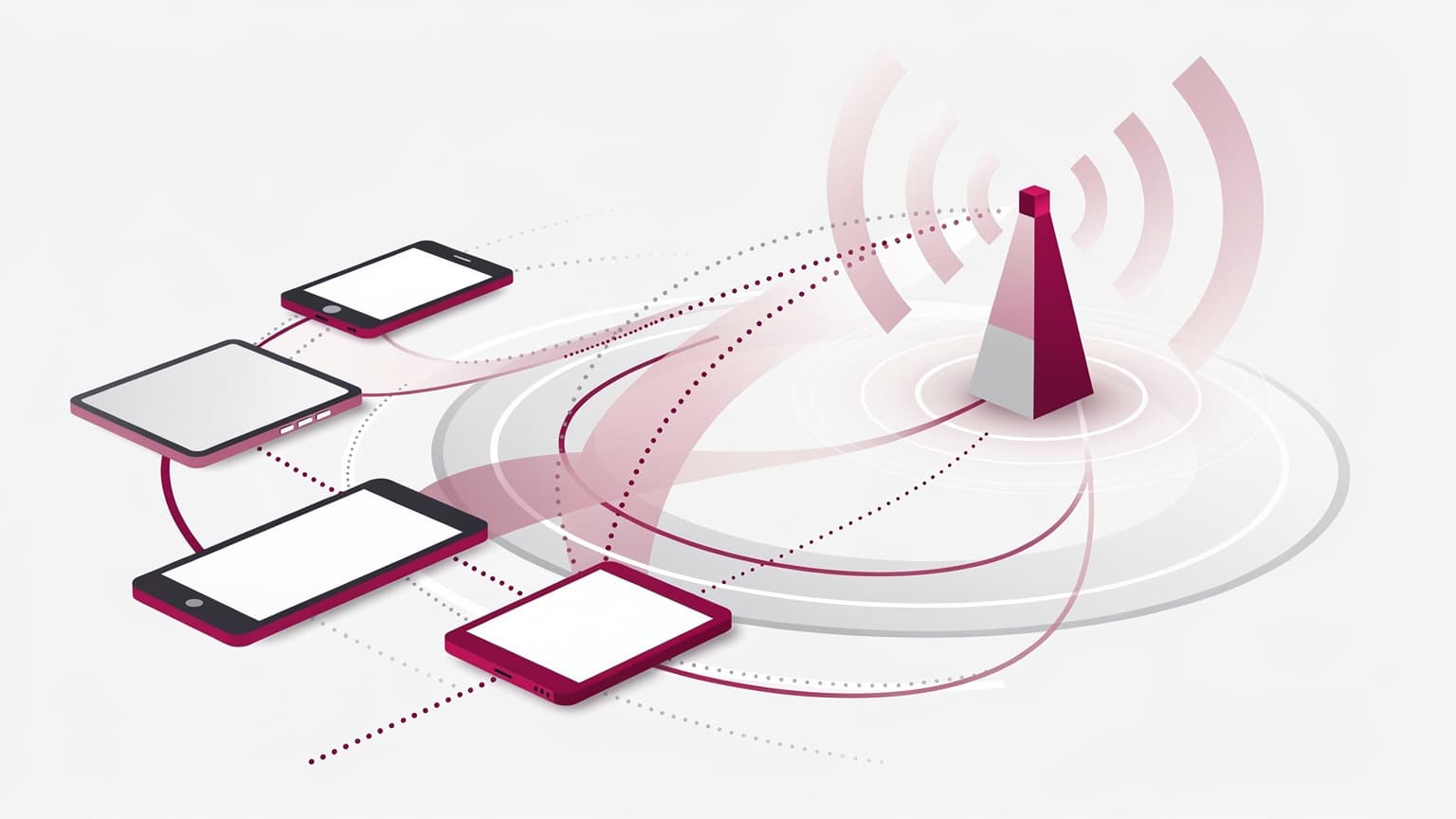
For Semana Santa 2026, the best way to ensure continuous, affordable data for your family's travel needs, including all those essential kid devices, is by opting for an eSIM. It offers a straightforward, secure connection that outperforms traditional international roaming plans, allowing you to manage multiple lines and data usage efficiently.
Why an eSIM for Semana Santa 2026?
Semana Santa, or Holy Week, can be a magical time for family travel, but it also means navigating crowds and keeping everyone connected. Traditional international roaming plans, like those from AT&T, often come with hefty daily fees or confusing usage limits, quickly adding up when you have multiple devices beyond just your own phone. (Who wants to pay for an 'International Day Pass' for a tablet that just needs a quick map download?)
An eSIM, in contrast, offers a prepaid data solution installed digitally onto your compatible device. This means no physical SIM cards to swap, no worrying about losing your home SIM, and instant activation upon arrival. For families, this translates to significant savings and far less hassle, allowing you to focus on the processions and local culture instead of your phone bill.
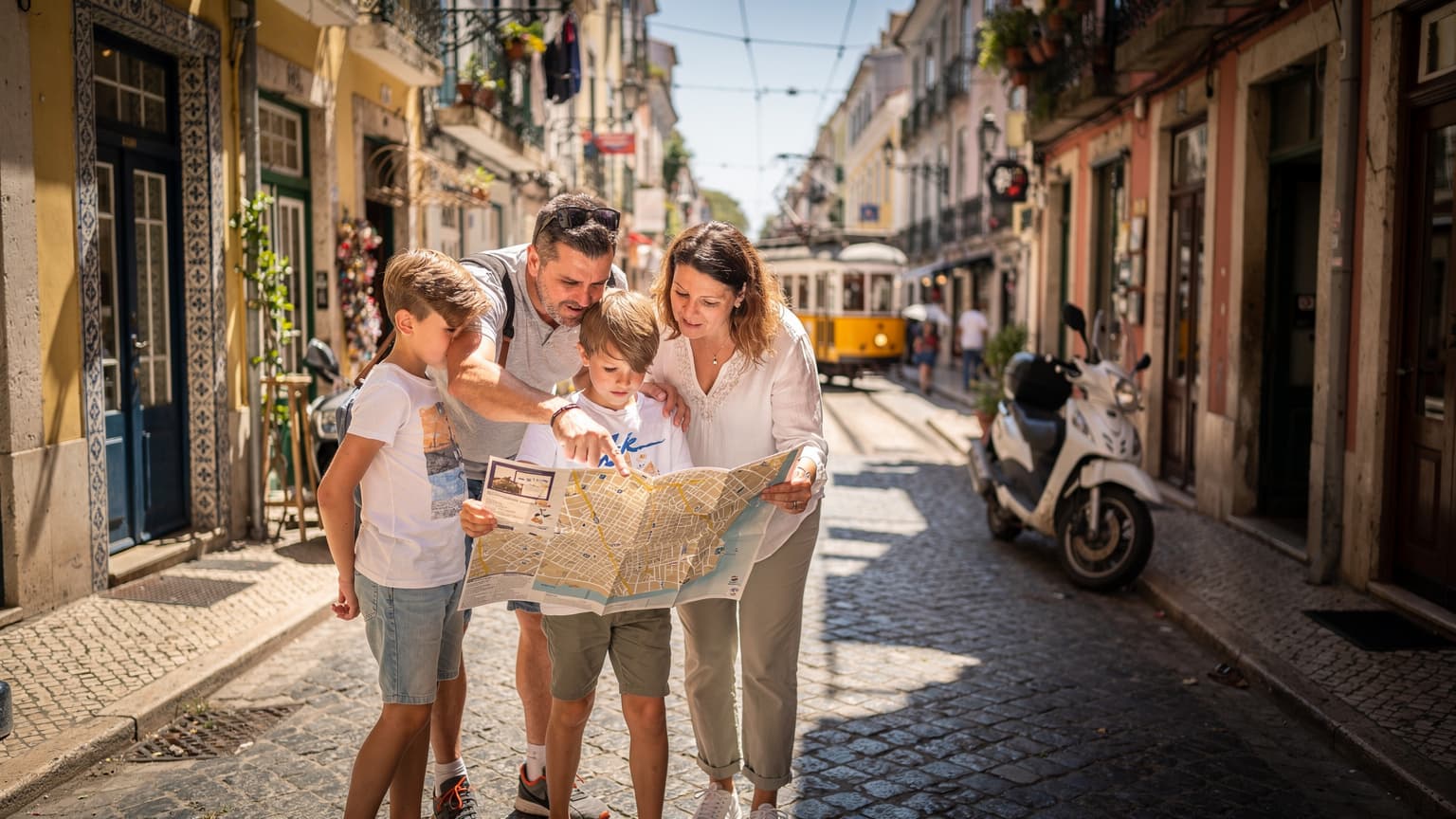
You can purchase a specific eSIM for Spain or a regional plan covering multiple countries if your Semana Santa itinerary spans across borders, like perhaps a quick hop to Portugal. This flexibility is a game-changer for parents who need to juggle navigation, translation apps, and keep the children entertained.
Choosing the Right eSIM Plan for Families
Selecting an eSIM plan for family travel requires a bit more thought than just picking the cheapest option. You need enough data for everyone, particularly if your kids rely on their devices for games, educational apps, or even some Disney+ streaming during downtime. Consider how many devices will use data and what their typical usage patterns are.
A common mistake is underestimating data needs. One child streaming a movie on an iPad for an hour can use significant data, especially if you have two kids doing it. Look for plans with shared data pools or consider individual, smaller plans for secondary devices if you want more granular control over usage. Our guide, "256kbps eSIM Speed: Is It Enough For Your Next Trip in 2026?", can help you understand what speeds are truly necessary for different activities.
| Usage Type | Estimated Data per Hour | Family Recommendation |
|---|---|---|
| Basic navigation (offline maps) | Minimal (pre-downloaded) | Essential for parents. |
| Web browsing / social media | 50-150 MB | Moderate, for everyone. |
| Standard definition streaming (Disney+, YouTube Kids) | 700 MB - 1 GB | Significant, for kid devices. |
| Online gaming (Nintendo Switch, Roblox) | 50-200 MB | Varies, check specific game needs. |
| Video calls (WhatsApp, FaceTime) | 200-500 MB | Moderate, for family check-ins. |
When comparing plans, pay attention to the validity period. Some plans are for 7 days, others for 15 or 30. Match this to your trip duration so you don't run out of data mid-trip or pay for days you won't use. Remember, the goal is peace of mind, not just a cheap rate.
Managing Kids' Devices and Screen Time Abroad
This is where the real planning comes in. Traveling with children often means their devices come along for the ride. From iPads loaded with Toca Life World to Nintendo Switches needing an online connection, managing these can be a full-time job. With an eSIM, you can designate one phone as a hotspot for the kids' devices, giving you central control over their access.
Before you leave, pre-download as much content as possible. Movies, games, and audiobooks can be stored directly on devices, reducing the reliance on constant streaming. Apps like Google Maps allow you to download entire regions for offline use, invaluable for navigating busy Semana Santa streets without burning through data. (It's a lifesaver when you're trying to find that specific churrería.)
For parental controls, remember that most features are device-based, not network-based. Screen Time on iOS or Family Link on Android work independently of your eSIM. However, by funneling all kid-device data through a single hotspot-enabled phone, you can monitor overall usage and even temporarily disable the hotspot if it's time for a digital detox. This method gives you a clear picture of what data is being used by whom, which is much harder to track with multiple individual roaming lines.

Troubleshooting Common eSIM Issues on the Go
Even with the best planning, sometimes technology throws a curveball. The most common issue travelers encounter is an eSIM showing "No Service" or failing to connect. Before you panic and contact support (which you absolutely should do if problems persist), there are a few things to check.
First, verify that your data roaming is enabled for your eSIM profile in your phone's settings. This is a common oversight. Next, check your APN settings, though Cellesim eSIMs usually configure this automatically. If you're still stuck, try manually selecting a network operator from your phone's cellular settings. Sometimes, the automatic selection needs a nudge. Our post, "Why Your eSIM Shows No Service Abroad: Troubleshooting & Quick Fixes 2026", provides a more in-depth guide.
If you're using a specific carrier like AT&T back home, their international roaming can sometimes interfere if not properly disabled, even if you're trying to use an eSIM. Make sure your primary line is set to not roam or is in airplane mode if you're solely relying on the eSIM. (Nobody wants a surprise bill from an accidentally active roaming plan.) Should you have persistent issues, remember to keep your eSIM profile installed and contact Cellesim support, as removing it might make troubleshooting harder.
Top Destinations for Semana Santa 2026 and Their Connectivity
Semana Santa is celebrated across many Spanish-speaking countries, each with its unique traditions. Spain, particularly Andalusia with cities like Seville and Málaga, is incredibly popular. Other notable destinations include Mexico City, Guatemala (Antigua), and various locations in Peru. The good news is that most major cities and popular tourist areas in these countries have excellent cellular infrastructure, making eSIM connectivity reliable.
In Spain, for instance, you'll find strong 4G and increasingly 5G coverage in urban centers and along major travel routes, supported by major operators like Movistar, Vodafone, and Orange. This means your eSIM will connect to robust networks, providing the speeds needed for navigation, communication, and those inevitable kid-device demands. Even smaller towns that host traditional processions typically have decent coverage, though rural areas might see speeds dip. It's always a good idea to check specific coverage maps for your planned destinations if you're venturing off the beaten path.
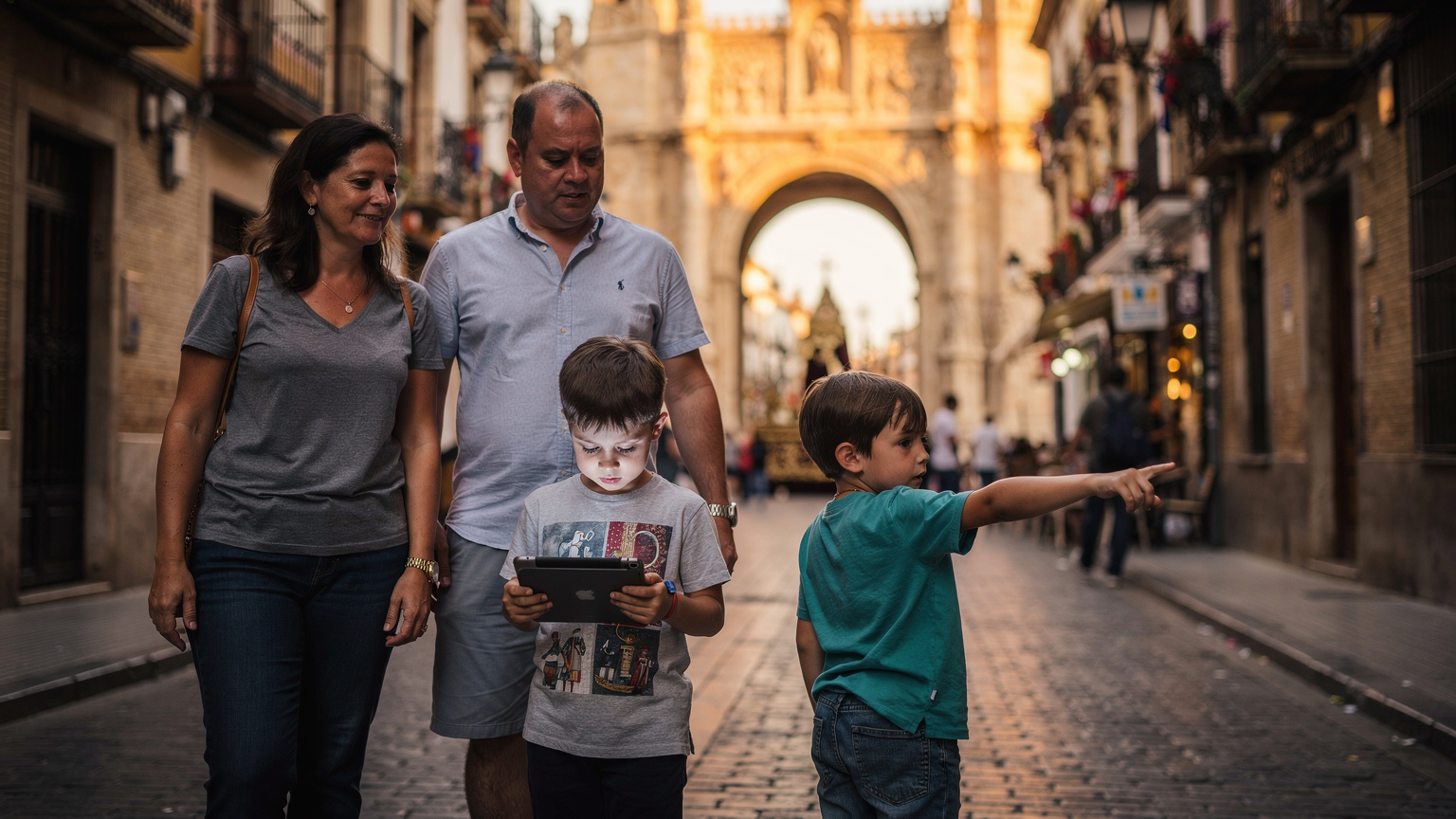
For families planning a Semana Santa trip to these vibrant locations, an eSIM is not just about data, it's about preparedness. Knowing you have a stable, affordable connection allows you to use ride-sharing apps, look up local restaurant hours, or simply share those precious family moments instantly. No more hunting for unreliable public Wi-Fi or worrying about unexpected roaming charges from your home carrier like AT&T. It's smart planning for a beautiful, memorable trip.
Frequently Asked Questions
What is Semana Santa 2026?
Semana Santa 2026, or Holy Week, is the annual commemoration of the Passion of Christ, observed during the week before Easter. It's a major religious and cultural event, particularly in Spain and Latin American countries, featuring elaborate processions, religious ceremonies, and traditional celebrations. In 2026, Easter Sunday falls on April 5th, so Semana Santa will run from March 29th to April 5th.
Can I use an eSIM with my kids' iPads or Nintendo Switch?
While iPads with cellular capabilities and Nintendo Switch consoles don't directly support eSIMs, you can easily provide them with data by tethering them to your eSIM-enabled smartphone. Your phone acts as a mobile hotspot, sharing its data connection with all connected devices. This method centralizes data usage and makes it easier to manage screen time.
How much data do I need for a family of four during Semana Santa?
A family of four, especially with children using devices, should consider at least 20-30 GB for a week-long trip, and potentially more if heavy streaming or online gaming is anticipated. This allows for navigation, social media, communication, and a reasonable amount of entertainment for the kids. Always err on the side of slightly more data; running out mid-trip is a hassle.
Will an eSIM work inside crowded Semana Santa processions?
Yes, an eSIM connects to the local cellular networks, meaning it will generally work wherever those networks have coverage. In crowded areas like Semana Santa processions, network congestion can sometimes slow speeds, but your eSIM will still be active. Major carriers prioritize their subscribers, and eSIM users benefit from direct access to these local networks, often performing better than traditional roaming.
How do I activate an eSIM for Semana Santa 2026?
Activating an eSIM is straightforward. After purchasing your plan, you'll receive a QR code via email. Simply scan this code using your phone's camera or enter the details manually in your device's cellular settings. Make sure you install it before you depart, but activate the plan only when you arrive at your destination to maximize its validity period. Always ensure your device is eSIM compatible.
What if my kids' devices are not connected to my eSIM hotspot?
If your kids' devices aren't connecting to your hotspot, first ensure the hotspot is active on your phone and that the Wi-Fi password is correct. Check if your phone's data connection is working and if you have sufficient data remaining on your eSIM plan. Sometimes, simply restarting both your phone and the kids' devices can resolve minor connectivity glitches. If issues persist, check your phone's hotspot settings for any restrictions.