General Safety Overview for Families
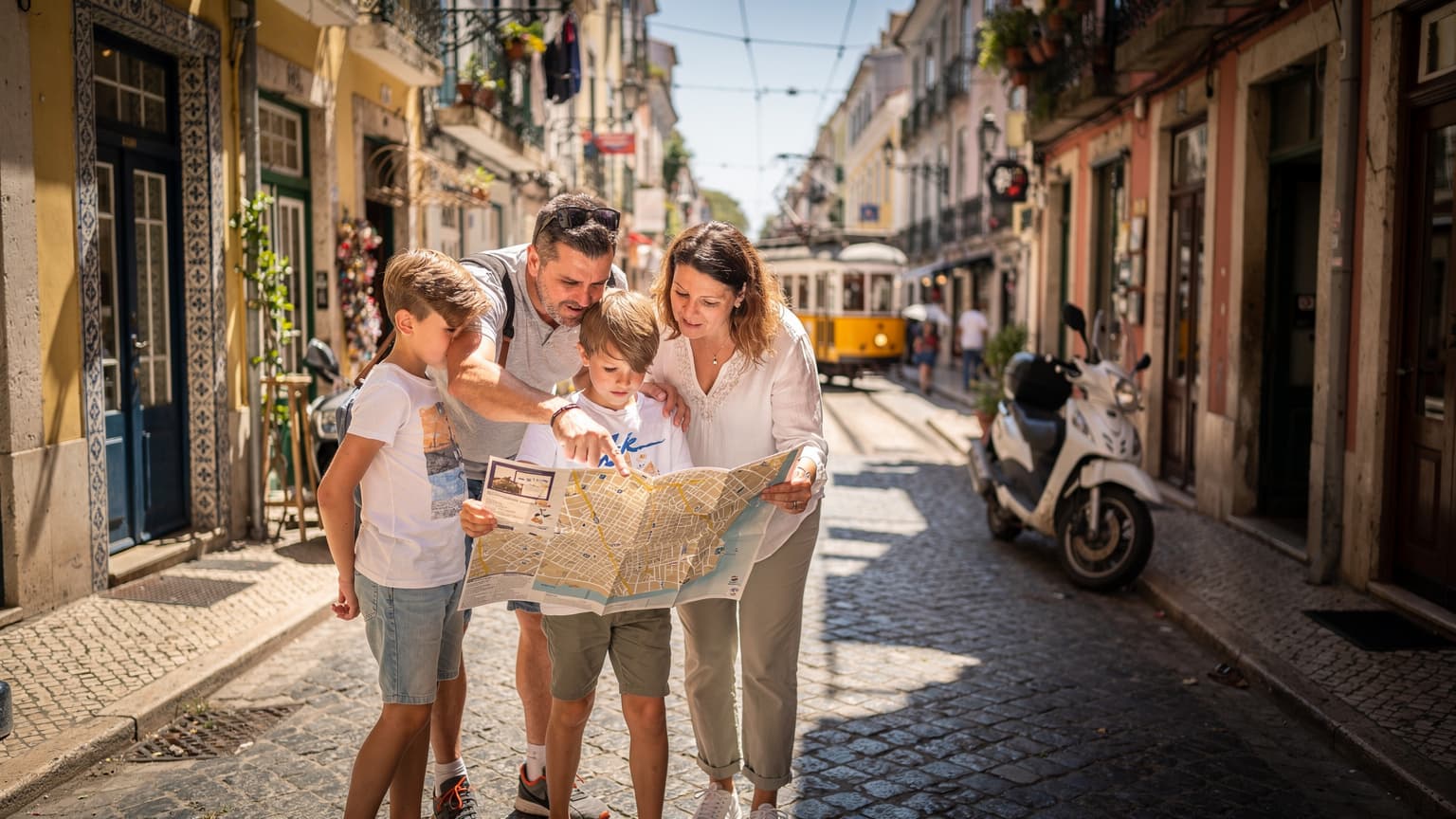
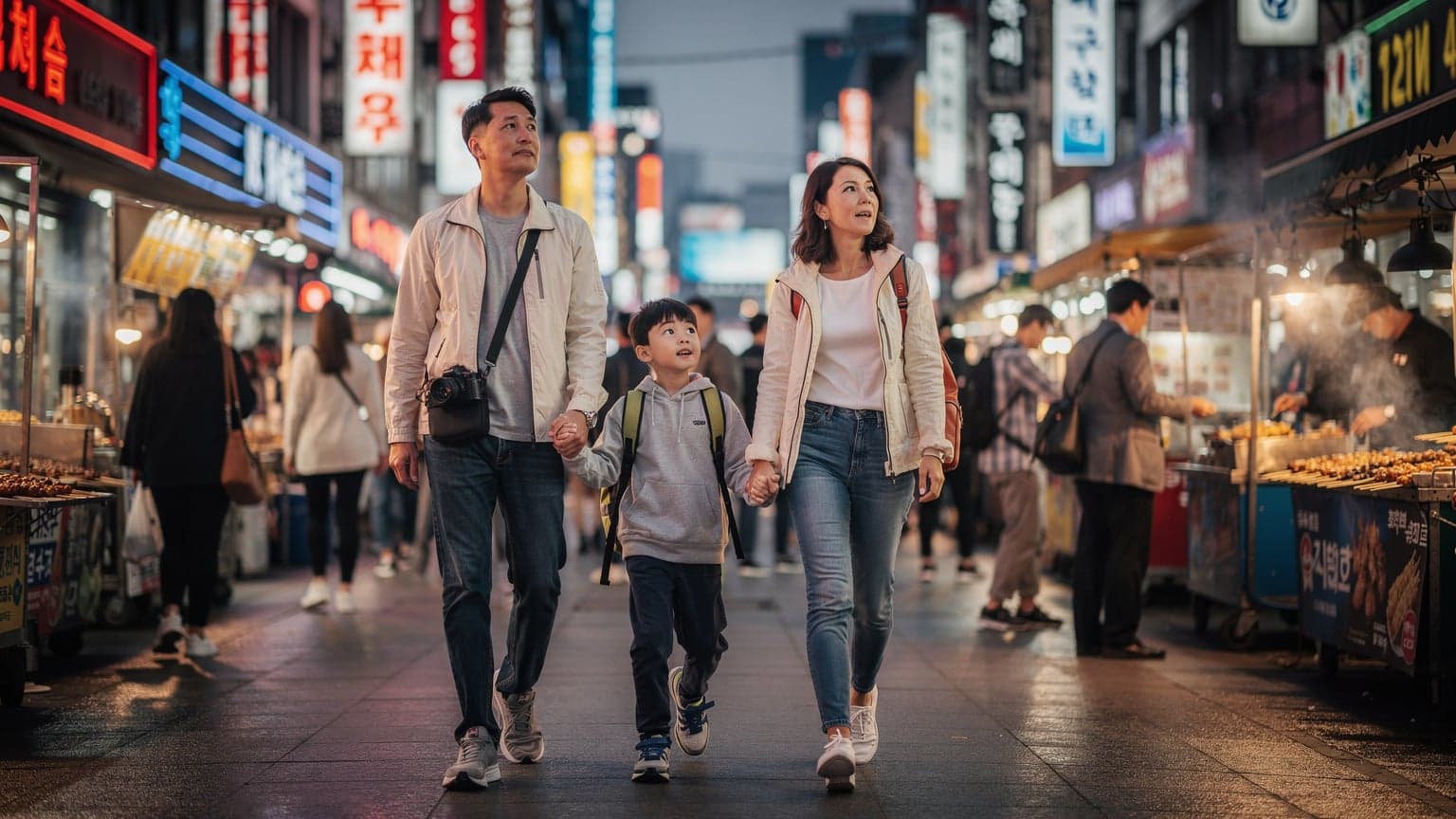
As a parent who’s navigated thirty countries with my two children, aged between four and twelve, I can confidently say that South Korea consistently ranks high on my “worry-less” list. The country is remarkably safe, with violent crime being exceptionally rare. This peace of mind is invaluable when you’re trying to keep track of a spirited eight-year-old and a pre-teen glued to their Nintendo Switch. While you won't encounter the same kind of petty theft concerns you might in some other major global cities, it’s always wise to exercise standard precautions, especially in crowded tourist areas like Hongdae or at large events.
My primary concern when traveling with my kids is always about their well-being, and South Korea's infrastructure, from its clean public spaces to its efficient public services, alleviates many of those parental anxieties. The country’s commitment to safety extends to its meticulous public health standards, which is a huge plus when you’re traveling with little ones who seem to touch everything. You’ll find that people are generally helpful and polite, making interactions pleasant, even if there’s a language barrier. (A good translation app on a robust data plan is your best friend here, trust me.)
Petty Crime and Personal Belongings
While extremely uncommon, opportunistic petty theft can occur, particularly in very crowded areas. Think pickpocketing in a bustling market or someone accidentally walking off with your phone if you leave it unattended at a cafe. It’s not a pervasive issue, but awareness is key.
- Keep valuables secure: Use cross-body bags or money belts.
- Never leave items unattended: Even for a moment, especially in cafes or on public transport.
- Be mindful in crowds: Markets, festivals, and popular tourist spots are where you should be most vigilant.
Respecting Local Culture and Etiquette
South Koreans value politeness and respect, which contributes significantly to the overall safe atmosphere. Understanding and adhering to basic etiquette can prevent misunderstandings and foster positive interactions.
- Bow slightly when greeting: A small nod or bow is a sign of respect.
- Use two hands when giving or receiving: Especially business cards or money.
- Speak softly in public: Particularly on public transport, where quiet is appreciated.
- Remove shoes indoors: Before entering homes, some restaurants, and temples.
Entry and Visa Requirements, Simplified
Before you even start dreaming about bibimbap and K-Pop concerts, the practicalities of entry are paramount. For most international travelers, including those from the United States, a visa may not be required for short tourist stays, typically up to 90 days. However, you will need a valid passport with at least six months of validity remaining from your planned entry date. Always double-check the latest requirements well in advance, as these can change. I always keep digital copies of our passports, visas (if applicable), and flight information on my phone and in a cloud service, just in case.
For families, ensuring everyone's documentation is in order is crucial. This includes children's passports, even infants. If one parent is traveling alone with the children, it's advisable to carry a notarized letter of consent from the other parent to avoid any issues at immigration. It's an extra step, but it saves a world of potential headaches at the border, especially after a long flight with tired kids.
K-ETA Application Process
Many visa-exempt nationalities are required to obtain a K-ETA (Korea Electronic Travel Authorization) prior to boarding their flight. This is an online application that generally takes a few days to process, so don't leave it until the last minute. It's relatively straightforward, but ensure all information, especially passport details, is accurate.
- Visit the official K-ETA website: Ensure you are using the legitimate government site to avoid scams.
- Fill out the application for each family member: This includes children, even if they are listed on a parent's passport (which is rare these days, but still worth checking).
- Upload a clear passport-style photo: Adhere to the specific size and background requirements.
- Pay the application fee: This is typically processed online.
- Await approval: You'll usually receive an email notification. Print a copy or save it digitally for your records.
Customs Declarations
South Korea has clear rules on what can and cannot be brought into the country. Common items to declare include large amounts of cash (exceeding a certain limit), certain types of food, and prescription medications. If you're traveling with children who require specific medications, always carry a doctor's note and ensure the medication is in its original packaging. This isn't just a suggestion, it's a necessity to prevent any issues at customs.
Health and Medical Considerations with Kids
When you're traveling with kids, health is always at the forefront of your mind. South Korea boasts an excellent healthcare system, with modern hospitals and well-trained medical professionals, especially in major cities like Seoul and Busan. However, understanding how to access it and what precautions to take can save you a lot of stress. Before we leave, I always make sure our travel insurance is squared away, and I have a physical card and digital copy of our policy details.
For minor ailments, pharmacies are widely available, and many pharmacists can offer basic advice for common issues like colds, upset stomachs, or minor cuts. For anything more serious, particularly with children, seeking professional medical attention is crucial. Having a general idea of where the nearest English-speaking hospital is, or at least how to communicate your needs, can be a lifesaver.
Vaccinations and Travel Insurance
Routine vaccinations should be up to date for all family members. Consult your doctor several months before your trip to discuss any recommended or required vaccinations for South Korea. Travel insurance is non-negotiable for family trips. It covers unexpected medical emergencies, trip cancellations, and lost luggage, providing an essential safety net.
| Insurance Coverage Item | Why It Matters for Families | Recommended Action |
|---|---|---|
| Medical Emergencies | Covers hospital stays, doctor visits, and emergency transportation for unexpected illnesses or injuries (think scraped knees, sudden fevers). | Ensure high medical coverage limits, including emergency evacuation. |
| Trip Cancellation/Interruption | Protects your financial investment if you have to cancel or cut short your trip due to unforeseen circumstances like illness or a family emergency. | Look for policies with 'cancel for any reason' if budget allows, otherwise ensure robust standard coverage. |
| Lost/Delayed Baggage | Provides funds to replace essentials if your luggage is delayed or lost, especially crucial with children's specific needs. | Check per-item limits and overall coverage; consider packing a change of clothes in carry-ons. |
| Emergency Assistance | Access to a 24/7 helpline for medical referrals, language assistance, and other critical support. | Save the emergency assistance number in your phone and share it with your travel companions. |
Pharmacies and Prescription Medication
Pharmacies (약국, yakguk) are common, especially near hospitals and clinics. Many over-the-counter medications are available, but they might have different brand names or formulations than what you're used to. For prescription medications, always carry them in their original packaging with the prescription label clearly visible. It's also wise to have a doctor's letter explaining the medication, especially for controlled substances, to avoid any issues at customs or if you need a refill.
Navigating Connectivity for the Entire Family
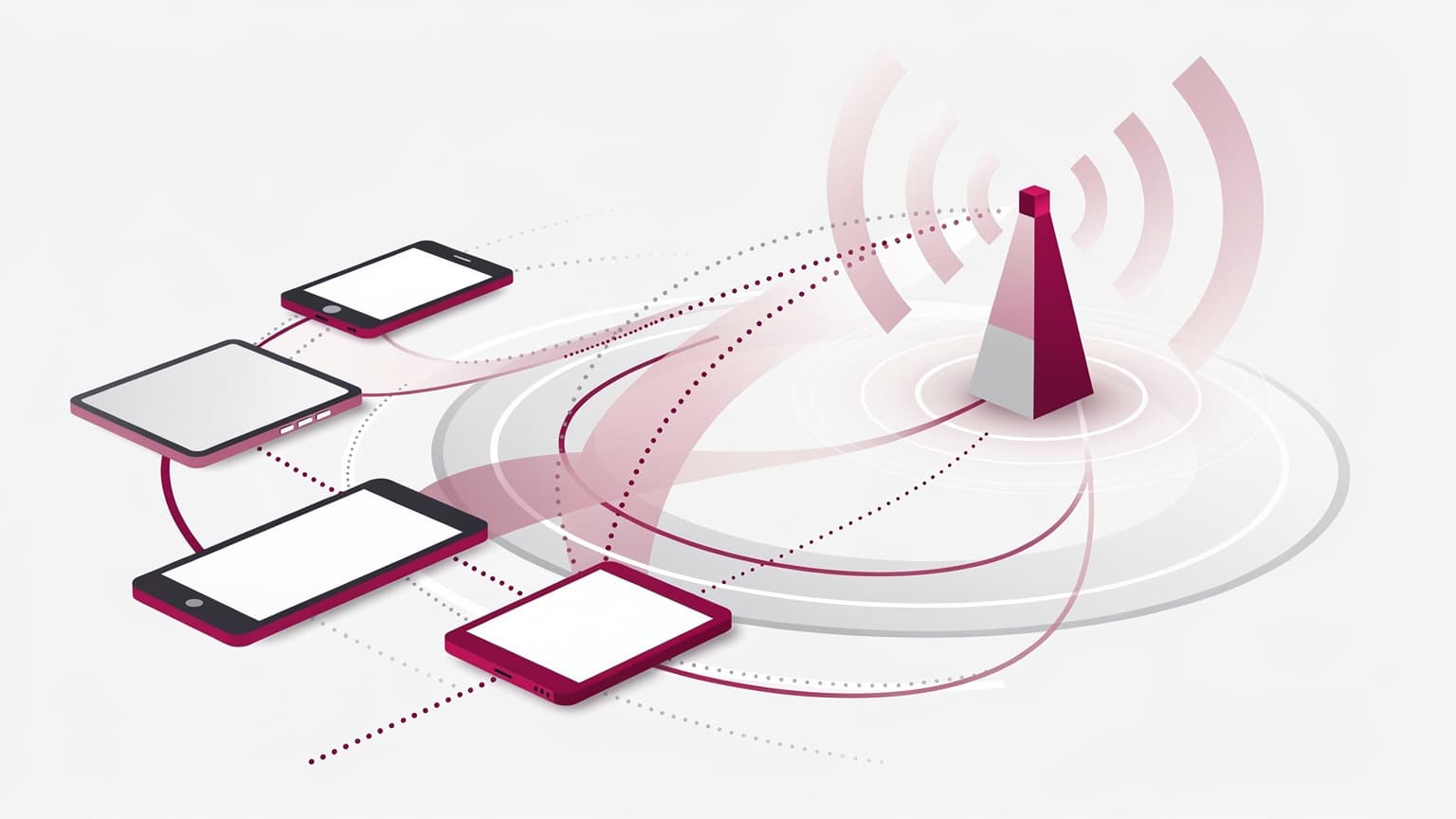
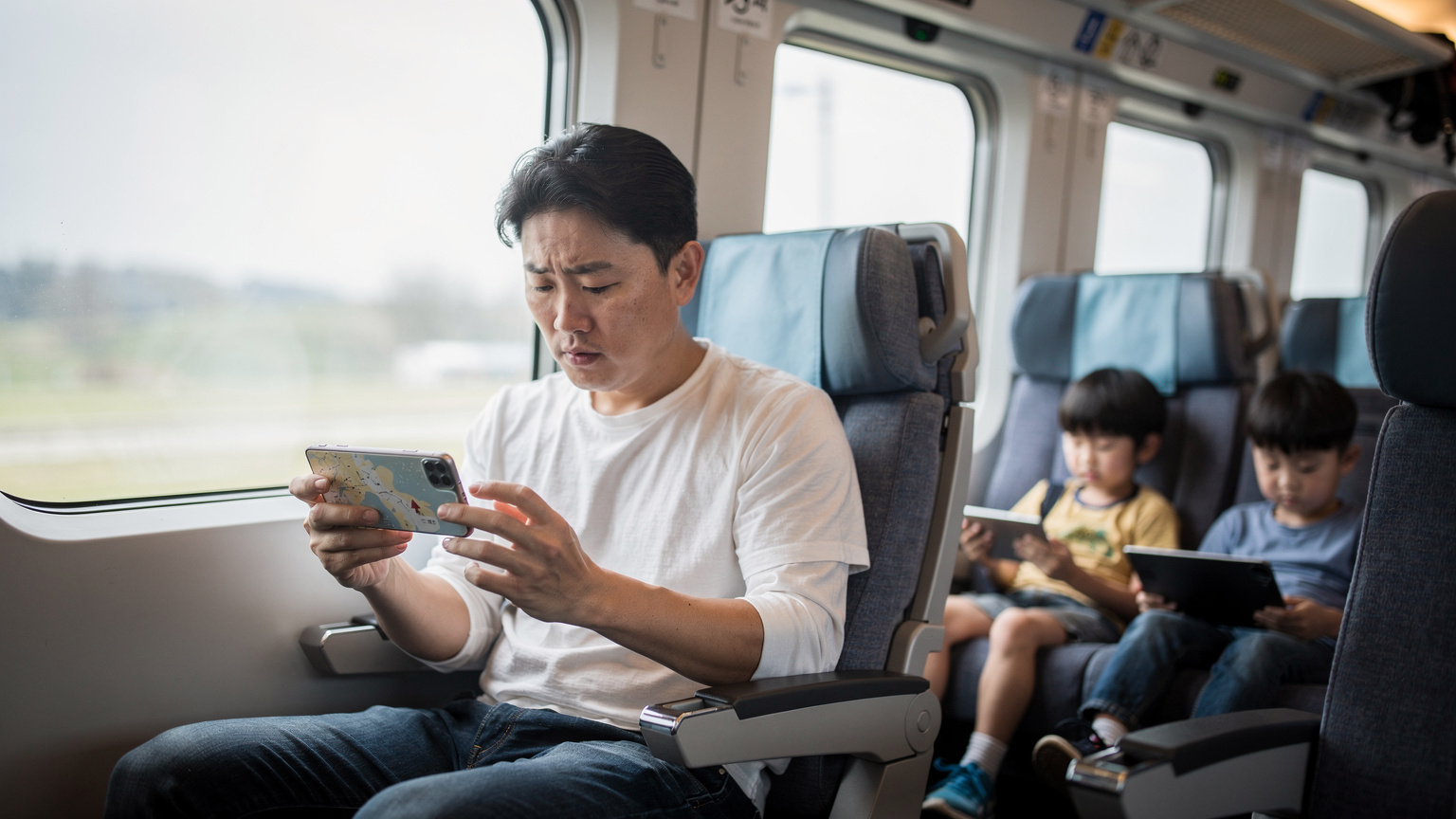
This is where the rubber meets the road for me. Keeping two kids, ages 8 and 12, entertained and connected (within reason, of course, because parental controls are my superpower) is paramount. Whether it's streaming Disney+ on the iPad during a long train ride or letting them play Roblox together on their respective devices, a reliable data plan is not a luxury, it's a necessity. And for me, as the designated planner and navigator, having seamless access to maps, translation apps, and emergency contacts is non-negotiable.
When we travel, my kids each have an iPad Mini and a Nintendo Switch. That means I need enough data to cover not just my phone for navigation and emergencies, but also those devices for downtime. Think about pre-loading movies and games before the flight, but also having enough data for those unexpected streaming moments. A Cellesim South Korea eSIM starts at $1.05 with 37+ plans, which gives me a lot of flexibility to pick a plan that accommodates our heavy family usage without breaking the bank. Choosing the right eSIM plan can truly be a travel game-changer, especially for families looking to manage multiple devices and maintain optimised connectivity.
eSIM vs. Physical SIM Cards for Families
For families, eSIMs offer significant advantages over physical SIM cards. The ability to manage multiple lines from a single account, activate plans remotely, and avoid the hassle of swapping tiny cards is a huge win. Plus, it means you can keep your home number active for important calls or texts, which is a lifesaver for parental controls and two-factor authentication.
| Feature | eSIM Advantage | Physical SIM Card Disadvantage |
|---|---|---|
| Activation | Instant digital activation, often before arrival. | Requires finding a physical store, potentially long queues, and manual installation. |
| Multi-Device Management | Easily manage data plans for multiple devices (phones, tablets) from one account. | Each device needs its own physical SIM, making management cumbersome. |
| Home Number Retention | Your home number remains active for calls/SMS, especially useful for banking and family contacts. eSIM SMS Abroad 2026: Why Your Old Number Still Matters. | Swapping SIMs means losing access to your home number for calls and texts. |
| Cost-Effectiveness | Competitive rates, often cheaper than roaming, with flexible plans. You can often find complimentary eSIM trials. | Roaming can be exorbitant; local physical SIMs might require specific local IDs for purchase. |
Frequently Asked Questions
Is South Korea safe for solo female travelers?
Yes, South Korea is considered very safe for solo female travelers, with low crime rates and a respectful society. Exercise standard precautions as you would in any major city, particularly at night, but overall, it's a highly secure destination.
What should I do if I lose my passport in South Korea?
If you lose your passport, first report it to the local police (dial 112). Obtain a police report, then contact your country's embassy or consulate in Seoul to apply for an emergency travel document or a new passport. Keep digital copies of your passport separate from the physical one.
Are taxis safe to use in South Korea?
Yes, taxis are generally very safe and regulated in South Korea. Use official taxis, which are typically orange, grey, or black. Always ensure the meter is running, and if possible, have your destination written in Korean to avoid miscommunication. Ride-sharing apps are also popular and secure.
What are the common emergency numbers in South Korea?
The main emergency numbers in South Korea are 112 for police assistance and 119 for fire and medical emergencies (ambulance). These services are efficient and generally have English-speaking operators available, especially in larger cities.
How can I avoid cultural misunderstandings in South Korea?
To avoid cultural misunderstandings, practice polite etiquette: bow slightly when greeting, use two hands for transactions, speak softly in public, and remove shoes when entering homes or certain establishments. Researching basic Korean phrases and customs will also be greatly appreciated by locals.
Is it safe to drink tap water in South Korea?
Yes, tap water in South Korea is generally safe to drink, especially in major cities. However, many locals and visitors prefer to drink bottled water, which is widely available at convenience stores and supermarkets throughout the country.
Data Needs for Streaming and Parental Controls
This is where my inner budget analyst kicks in. For two kids streaming Disney+ on an hour-long train ride, you're looking at a significant data draw. I always factor in around 1-2 GB per hour per device for standard definition streaming, more for HD. So, if my kids get an hour of screen time each day, that's already 2-4 GB just for them, plus my own usage for maps, social media, and communication. Look for an eSIM plan that offers generous data allowances, or consider a larger package than you initially think you'll need.
Parental control features, like those on Apple's Screen Time or Google's Family Link, work seamlessly with eSIMs. The connectivity provided by the eSIM line allows these controls to function as they would on your home network, letting you manage screen time, app access, and content filters. This is a huge relief when you want to ensure your kids aren't accidentally stumbling upon inappropriate content or blowing through data on endless YouTube videos. I always set strict daily limits and specific app restrictions before we even board the plane.
Connectivity in Theme Parks and Cruise Ships
South Korea's theme parks, like Lotte World or Everland, generally have excellent Wi-Fi, but it can be spotty or overloaded during peak times. Having a dedicated eSIM data connection ensures you can still use navigation apps, communicate with family members if you split up, or quickly look up ride wait times. Cruise ships are a different beast entirely, often relying on satellite internet, which is expensive and slow. For port days in South Korea, your Cellesim eSIM will provide robust, reliable connectivity as soon as you disembark, allowing you to coordinate excursions or simply let the kids reconnect with their friends back home.
Common Scams and How to Avoid Them
South Korea has a very low incidence of scams targeting tourists, especially compared to some other popular travel destinations. This isn't to say they don't exist, but they are generally rare and often involve subtle, rather than aggressive, tactics. My usual