Understanding Sudan's Current Safety Overview
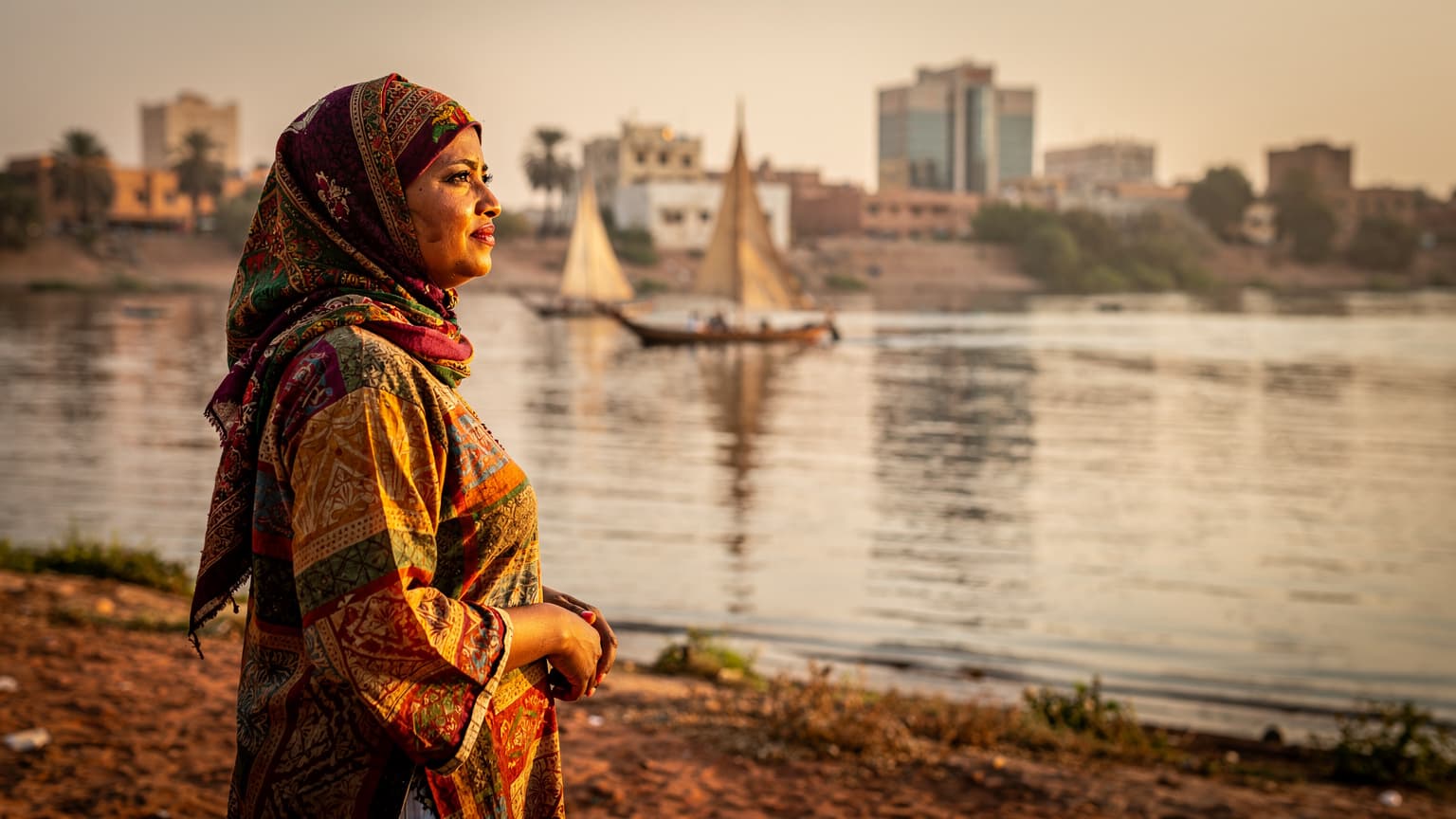
Sudan has certainly faced its share of challenges, and staying informed is your absolute best defense. As of 2026, things are still changing, but with good planning, you can definitely experience the country's amazing history and lively culture. The capital, Khartoum, especially neighborhoods like Al-Amarat and Riyadh, tend to be more stable. Still, it's always smart to steer clear of big crowds and political protests.
Regional Safety Differences
While Khartoum feels more structured, traveling outside the city means you need to be extra aware. Darfur and the border areas with South Sudan, Chad, and Eritrea are places where official travel advisories usually say to avoid all but essential travel. Even truly significant historical spots like the pyramids of Meroë, which are usually accessible, demand up-to-the-minute local information and often require a reputable guide.
Monitoring Local News and Government Advisories
Before and during your trip, make it a daily habit to check news from trusted international sources and your home country's specific travel advisories for Sudan. If you can, local sources can also give you really specific details about conditions in certain neighborhoods or towns. I once got into a tricky spot in another country because I used an old advisory and missed a critical update that completely changed how safe an area was overnight. Don't let that happen to you here.
Entry Requirements and Visa Process for Sudan
Getting into Sudan isn't like popping over to some other destinations; it really pays to be precise with your documents. Visa requirements change a lot depending on your nationality, so start this process way ahead of time, at least three months before you plan to leave.
Sudanese Visa Application Steps
The visa application usually happens in a few steps. Here's a general rundown:
- Get an Invitation Letter: Many travelers find it absolutely necessary to get an invitation letter from a reputable tour operator or a confirmed contact in Sudan. This isn't always mandatory, but it can make the whole process much smoother.
- Fill Out the Application Form: Complete the visa application form accurately. Double check every single detail; even a tiny mistake can lead to delays or rejection.
- Gather Supporting Documents: This typically includes a passport that's valid for at least six months beyond your planned stay, with several blank pages, recent passport-sized photos, a copy of your flight itinerary, and proof of where you'll be staying. Some embassies might ask for bank statements or proof of onward travel.
- Submit to the Embassy/Consulate: Send your application to the Sudanese embassy or consulate in your home country. Processing times can be long, so build this into your schedule.
- Upon Arrival Registration: Once you land in Sudan, you have to register with the Aliens Registration Office within three days. If you don't, you could face big fines and problems when you try to leave. This isn't a suggestion; it's a strict rule, and they definitely check at Khartoum International Airport (KRT) when you depart.
Passport and Exit Visas
Make sure your passport has plenty of blank pages, because Sudanese immigration loves to stamp. Also, be aware that some nationalities might need an exit visa to leave Sudan, which you have to get before your departure. Confirm this requirement with the embassy when you apply for your entry visa to save yourself some last-minute stress. I've personally seen travelers stuck for days at airports because they missed this crucial detail.
Health and Medical Considerations Before You Go
Health preparations for Sudan are incredibly important. Medical facilities, especially outside of Khartoum, can be limited. Being proactive here can make all the difference.
Recommended Vaccinations and Preventative Measures
You absolutely must see a travel doctor at least 6-8 weeks before your trip. They'll tell you which vaccinations are specific to Sudan. These commonly include:
- Yellow Fever: You often need proof of vaccination, especially if you're coming from or passing through a country where yellow fever is a risk.
- Typhoid: Recommended for most travelers, as it spreads through contaminated food and water.
- Hepatitis A and B: Also highly recommended.
- Tetanus, Diphtheria, Pertussis (TDAP): Check that your booster is current.
- Rabies: Think about this one if you're planning a long stay, outdoor activities, or if you expect to be around animals.
Malaria is common in many parts of Sudan, including Khartoum. Your doctor will probably prescribe antimalarial medication. On top of that, bring a good insect repellent with DEET, wear long sleeves and pants, especially around sunrise and sunset, and sleep under mosquito nets if they're available.
Accessing Medical Care in Sudan
In Khartoum, you'll find private clinics and hospitals that offer better care than public ones, but even these might not meet what you'd expect from Western standards. For anything serious, a medical evacuation is often the best course of action. Make sure your travel insurance includes really comprehensive medical coverage and emergency evacuation. Carry a basic first-aid kit with essentials like pain relievers, anti-diarrhea medication, rehydration salts, and any personal prescription drugs in their original packaging, along with a doctor's note.
Navigating Local Transport and Getting Around
Getting around Sudan, especially in and around Khartoum, can be quite an adventure. Public transport options exist, but they might not always be intuitive for first-timers.
Khartoum's Transport Network
In Khartoum, shared taxis and local buses are common. While the city doesn't have a subway system like New York's MTA or Berlin's BVG, these local options work well for moving between districts like Omdurman, Bahri, and central Khartoum. For a more comfortable and predictable ride, ride-hailing apps are becoming more popular. I always suggest using a service where your route is tracked and you pay digitally, which helps avoid any arguments over fares. If you're using traditional cabs, negotiating the fare beforehand is an absolute must.
Intercity Travel and Road Conditions
Road conditions outside major cities can be tough, ranging from paved highways to unpaved dirt tracks. Long-distance buses connect bigger towns, but their schedules can be unpredictable, and safety standards might vary. For trips to historical sites like the pyramids of Nuri or Gebel Barkal, many travelers choose organized tours with reliable transportation, often using 4x4 vehicles. Definitely avoid road travel after dark because of poor lighting and potential security issues.
Connectivity in Sudan: Staying in Touch
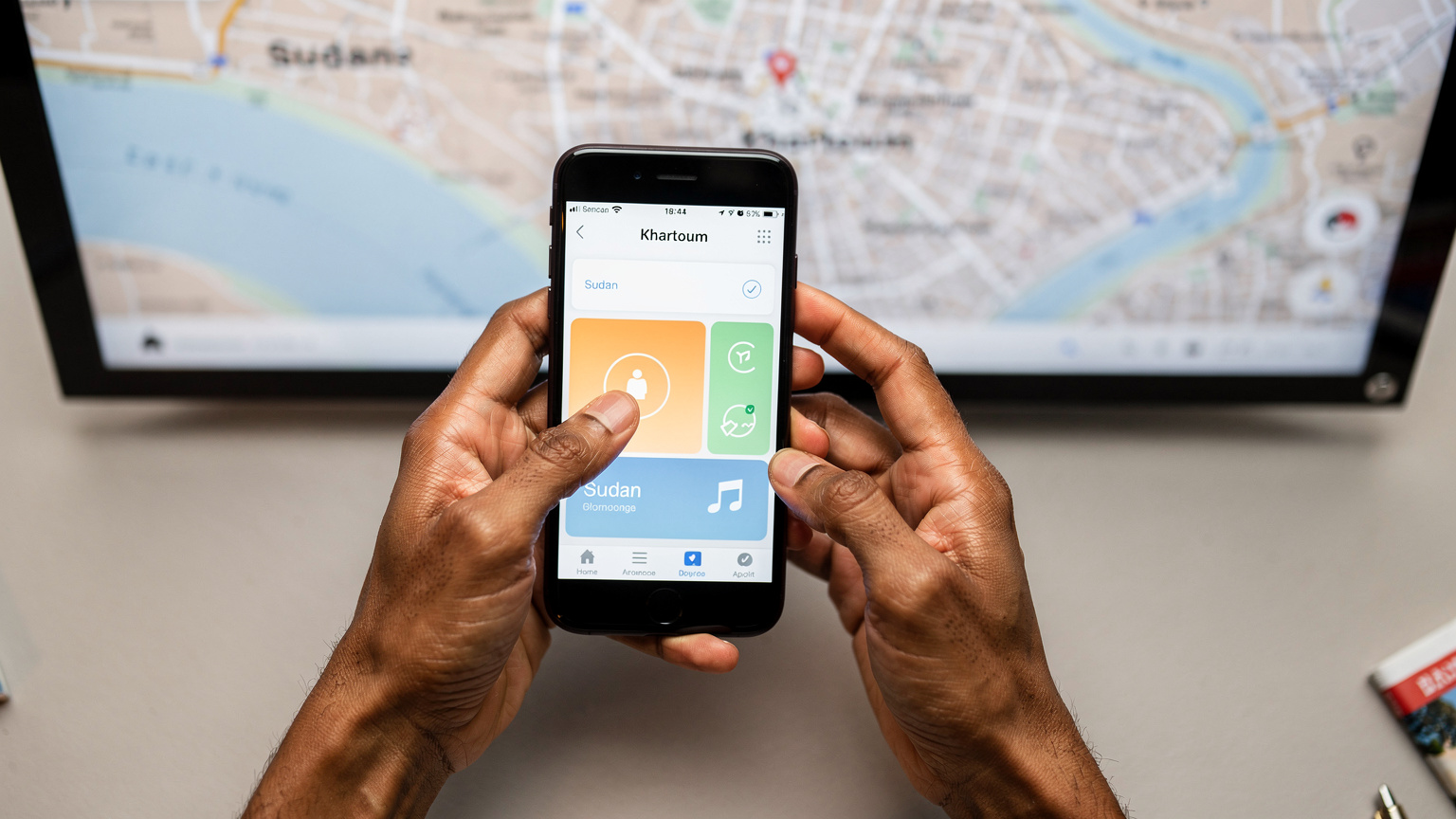
Staying connected in Sudan is crucial for your safety, for getting around, and for keeping your loved ones updated. While local SIM cards are an option, an eSIM offers a much smoother and more secure experience.
Why an eSIM is Your Best Bet
Trying to buy a local SIM card in Sudan can mean dealing with language barriers, confusing registration processes, and hunting for a vendor, all while you're likely tired from travel. I've had times where I spent half a day trying to get a local SIM activated in a busy market, only to find it didn't work reliably outside the main city. That's valuable travel time wasted. An eSIM, like those from Cellesim, completely sidesteps this headache. You can activate it before you even land, so you have data the moment your plane touches down at Khartoum International.
Cellesim offers Sudan eSIM plans starting at just $16.80, with various data packages available. A really important feature for many travelers is that Cellesim's Sudan eSIM supports SMS for OTP (One-Time Password) verification, which you'll need for banking apps or other online services while you're away. Having that peace of mind, knowing your phone is ready to go, is priceless. If you want to understand more about how this tech works, check out What Is an eSIM? The Complete 2026 Guide to How It Works, Pros, & Cons.
Internet Access and Wi-Fi
Wi-Fi is available in most nicer hotels and some cafes in Khartoum, but it can be slow and often unreliable. For consistent connectivity, especially when you're exploring beyond central Khartoum districts like Al-Amarat, an eSIM is a must-have. It means you can use maps, reach emergency contacts, and stay updated without constantly searching for a Wi-Fi signal.
Common Scams and How to Avoid Them
While people are generally friendly, like any popular travel spot, Sudan has its share of petty crime and scams. Being aware is your best defense, particularly in busy places like the Omdurman Souk.
Taxi Fare Scams
This is a common trick worldwide, and Sudan is no different. Unmetered taxis might quote much higher prices, especially if they think you're a tourist who doesn't know local rates. Always agree on the fare before you start your trip, or even better, use a ride-hailing app if one's available, which gives you clear pricing. If you're heading to the airport, say from Al-Amarat to Khartoum International, check the price with a local first.
Overpriced Souvenir Traps
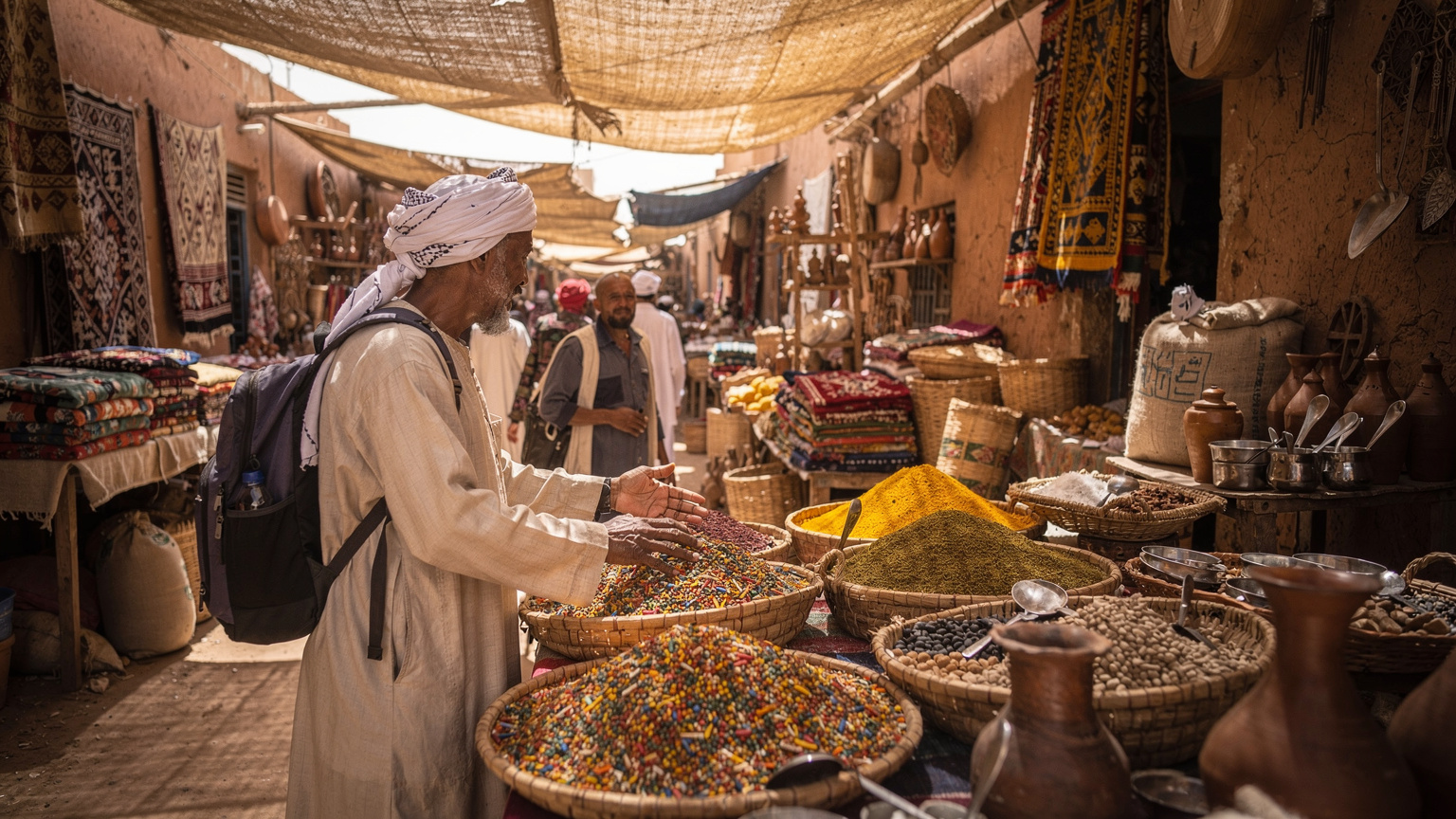
In bustling markets, especially the famous Omdurman Camel Market, vendors might try to overcharge tourists. While bargaining is expected and a part of the cultural experience, be firm and have an idea of what a fair price is. It helps to watch how locals negotiate before you make your own purchases. And remember, if a deal seems too good to be true, it probably is.
Tips for Staying Safe from Scams
- Be Vigilant in Crowds: Keep a close eye on your belongings in busy areas. Pickpocketing can happen.
- Don't Flash Valuables: Keep expensive electronics, jewelry, and large amounts of cash out of sight.
- Trust Your Gut: If something feels off, politely excuse yourself and leave.
- Seek Official Guidance: If someone approaches you claiming to be an official, ask for identification and verify their claims.
Local Laws, Customs, and Cultural Sensitivities
Sudan is a conservative country with deep Islamic traditions. Respecting local laws and customs isn't just good manners, it's absolutely vital for a smooth and safe trip.
Dress Code and Public Behavior
Modest dress is expected for everyone, men and women, especially outside of private homes or international hotels. For women, this means covering shoulders, knees, and often wearing a headscarf in public, especially when visiting religious sites. Men should also avoid shorts in most public places. Public displays of affection are considered inappropriate. During the holy month of Ramadan, eating, drinking, and smoking in public during fasting hours are prohibited and seen as highly disrespectful.
Photography and Social Interactions
Always ask for permission before taking photos of people, particularly women. Some individuals might not be comfortable with it. Be ready for friendly curiosity; Sudanese people are known for their hospitality, but also for their discretion. When you interact, a simple 'Salaam Alaikum' (peace be upon you) is a polite and well-received greeting.
| Cultural Aspect | Guidance for Travelers | Reason/Context |
|---|---|---|
| Dress Code | Modest clothing, covering shoulders and knees for all, headscarf for women in public. | Islamic customs and local tradition emphasize modesty. |
| Photography | Always ask permission before taking photos of people. | Respect for privacy and cultural norms; some may object for religious reasons. |
| Public Conduct | Avoid public displays of affection; respect Ramadan fasting hours. | Conservative society values decorum and religious observance. |
| Greetings | Use 'Salaam Alaikum' and respond with 'Wa Alaikum Salaam'. | Standard and polite Arabic greeting; shows respect. |
Money and Banking in Sudan
Dealing with money in Sudan can be tricky, as finding ATMs and places that accept credit cards isn't as common as in many other countries. Cash is definitely king.
Local Currency and Exchange
The local money is the Sudanese Pound (SDG). It's a good idea to bring U.S. Dollars (USD) or Euros (EUR) in cash, as these are the easiest foreign currencies to exchange. You can find exchange services at banks in Khartoum, like the Bank of Khartoum, and at official exchange bureaus. Stay away from unofficial money changers on the street; they might give you bad rates or be involved in illegal activities.
ATMs and Credit Cards
ATMs are mainly found in big cities like Khartoum and Port Sudan, but they can be unreliable and might not always take international cards. Even when they do, withdrawal limits can be quite low. Credit cards are accepted in very few places, mostly high-end hotels and some international businesses in Khartoum's diplomatic area. Always assume you'll need cash for your daily expenses, especially once you're outside the capital.
I found out the hard way in a small town near Atbara that relying on cards was a pointless exercise. I had just enough cash for a taxi to the pyramids, but not for lunch afterward. That led to an awkward, but ultimately friendly, chat with a stall owner. Carry enough small bills for everyday purchases.
Packing Essentials for Sudan
Packing smartly for Sudan means focusing on practical items, comfort, and clothing that respects local customs. Think light, breathable fabrics and essentials that prepare you for the climate and local conditions.
Clothing and Footwear
- Lightweight, Modest Clothing: Long-sleeved shirts, long trousers or skirts made of cotton or linen are perfect. For women, bring a few lightweight headscarves.
- Comfortable Walking Shoes: You'll likely be doing a lot of walking, often on uneven ground. Sturdy sandals or closed-toe shoes are a good choice.
- Swimwear: Only if your accommodation has private swimming facilities. Public swimwear isn't appropriate.
Health and Safety Items
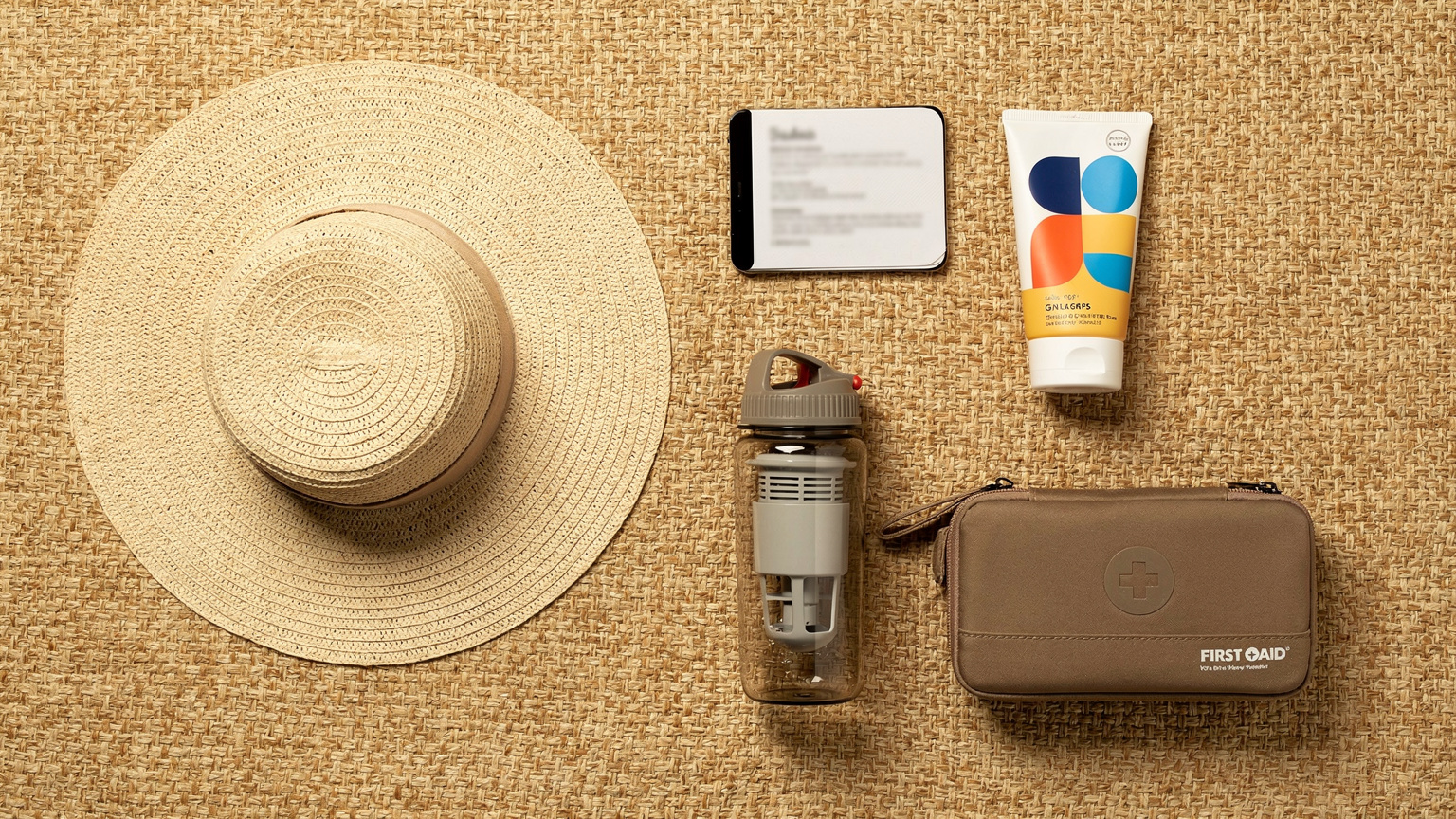
Beyond your personal medications and first-aid kit, think about:
- Sun Protection: A wide-brimmed hat, sunglasses, and high-SPF sunscreen. The Sudanese sun is no joke.
- Water Purification: A water filter bottle or purification tablets, because bottled water isn't always available or consistently safe outside major cities.
- Hand Sanitizer: Crucial for hygiene, especially before you eat.
- Power Bank: To keep your phone charged, as power outages can happen.
Emergency Contacts and What to Do
Knowing who to call and what to do in an emergency can literally save your life. Get all this information ready before you even leave.
Key Emergency Numbers in Sudan
While specific numbers can sometimes change or be unreliable, these are generally the standard ones:
- Police: 999
- Ambulance: 333
- Fire Department: 999
It's also super important to have the contact information for your country's embassy or consulate in Khartoum. Keep these numbers written down, not just on your phone, in case your device gets lost or broken. I always carry a small, laminated card in my wallet with key contacts and my blood type, just in case.
Steps to Take in an Emergency
- Assess the Situation: Figure out if you're in immediate danger. If so, your top priority is to get to a safe spot.
- Contact Local Authorities: Use the emergency numbers I listed above. Be ready to explain what's happening clearly, even if there's a language barrier.
- Notify Your Embassy: Let your country's embassy or consulate know. They can offer consular help, assist with lost passports, or connect you with local resources.
- Inform Family/Friends: Once you're safe, let your emergency contacts know you're okay. An eSIM with SMS capability like Cellesim can be incredibly valuable here, letting you send quick text updates even if data is spotty.
- Document Everything: If you can, write down what happened, including dates, times, and any official contacts. This will be really helpful for insurance claims or future reference.
Frequently Asked Questions
Is it safe to travel to Sudan right now in 2026?
Traveling to Sudan in 2026 requires careful thought and sticking to official advisories. While certain regions, especially Darfur and border areas, are still considered high-risk, central Khartoum and frequently visited historical sites can be explored with good planning and local guides. Always check the very latest government travel warnings before your trip.
What are the visa requirements for Sudan?
Visa requirements for Sudan differ by nationality, so it's crucial to check with the Sudanese embassy in your country well in advance. Most travelers need to get a visa before they arrive and must register with the Aliens Registration Office within three days of entering Sudan. An invitation letter can often help make the process smoother.
What health precautions should I take for Sudan travel?
See a travel doctor 6-8 weeks before your trip for recommended vaccinations, including Yellow Fever (often a requirement), Typhoid, and Hepatitis A/B. Antimalarial medication is typically suggested for Sudan. Make sure you have comprehensive travel insurance that includes medical evacuation coverage, as healthcare facilities outside Khartoum are limited.
How can I stay connected with mobile data in Sudan?
An eSIM is the easiest way to stay connected in Sudan. Cellesim offers Sudan eSIMs starting at $16.80 with several data plans, and they support SMS for OTP verification. This lets you activate your plan before you even arrive, avoiding the hassle of buying a local physical SIM card.
What are the local customs and dress codes in Sudan?
Sudan is a conservative country. Modest dress is expected for both men and women; women generally need to cover shoulders, knees, and wear a headscarf in public. Public displays of affection are inappropriate, and respecting Islamic traditions, like fasting during Ramadan, is very important.
Is it safe to drink tap water in Sudan?
It's generally not safe to drink tap water in Sudan. Stick to bottled water, or use a reliable water filter bottle/purification tablets. Be careful with ice and uncooked foods that might have been washed with tap water to avoid waterborne illnesses.