General Safety Overview for Families
Switzerland is consistently one of the safest countries in the world. As a parent, that's a huge weight off your shoulders when planning a trip with kids. Crime rates are low in big cities like Zurich and Geneva, and even in those charming alpine villages. This means you can generally feel more relaxed about walking around with your children, even after dark.
But 'safe' doesn't mean you can completely let your guard down. My personal rule, after traveling to thirty countries with my own kids, is to always stay aware of your surroundings. This is especially important in busy tourist spots, train stations, or during big public events, where pickpockets can still be an issue. It's about being prepared, not paranoid, right?
Kid-Specific Safety: What Parents Need to Know
- Lost Child Protocol: Before you even pack, talk to your kids about what to do if you get separated. In Switzerland, teach them to find uniformed staff (police, train workers) or other families with children. Pick a clear meeting point for each location you visit, whether it's the main fountain in Lucerne's Old Town or a specific bench at a theme park.
- Outdoor Activities with Children: Switzerland is amazing for family adventures outdoors, from hiking in the Bernese Oberland to exploring playgrounds. Always check the local weather forecast, as mountain weather can change super fast. Make sure everyone has the right gear, like sturdy shoes and layers of clothing. Stick to marked trails and keep an eye on your children's energy levels.
- Water Safety: Many Swiss cities are built around beautiful lakes and rivers. They offer stunning views and activities, but always watch your children closely near water. Public swimming areas are usually well-maintained, but supervision is key.
Entry Requirements and Visas: The Basics
Switzerland isn't in the EU, but it's part of the Schengen Area, so its entry rules are similar to other European countries. Most visitors from the UK, USA, Canada, Australia, and New Zealand can enter Switzerland for up to 90 days within a 180-day period without needing a visa for tourism. It's usually straightforward, but it's always smart to double-check the latest requirements well before your trip, just in case rules have changed.
Passport Validity and Other Documents
Make sure everyone's passport, even your infant's, is valid for at least three months beyond your planned departure date from the Schengen Area. This isn't something you can skip. I've heard horror stories from my Facebook group about people getting turned away at the airport because of an expiring passport. If a child is traveling with just one parent, or with adults who aren't their legal guardians, you absolutely need a consent letter from the absent parent(s) or legal guardianship papers. This prevents awkward situations at border control.
The ETIAS System (Expected 2026)
For UK, US, and other non-EU travelers who currently don't need a visa, the European Travel Information and Authorisation System (ETIAS) is expected to launch in 2026. This isn't a visa, but more like a pre-travel authorization, similar to the ESTA for the USA. Every family member, including kids, will need an approved ETIAS. It's an online application and usually quick, but it's another item to add to your pre-trip checklist. Keep an eye on official Swiss government websites for the most current details.
Health Preparedness for Swiss Adventures
Switzerland has an excellent healthcare system, but for tourists, it can be expensive if you don't have the right insurance. Before you even start packing, getting comprehensive travel insurance for everyone in your family is essential. This should cover medical emergencies, getting you home if needed, and any adventure activities you plan to do like skiing or hiking.
Common Health Concerns and Local Pharmacies
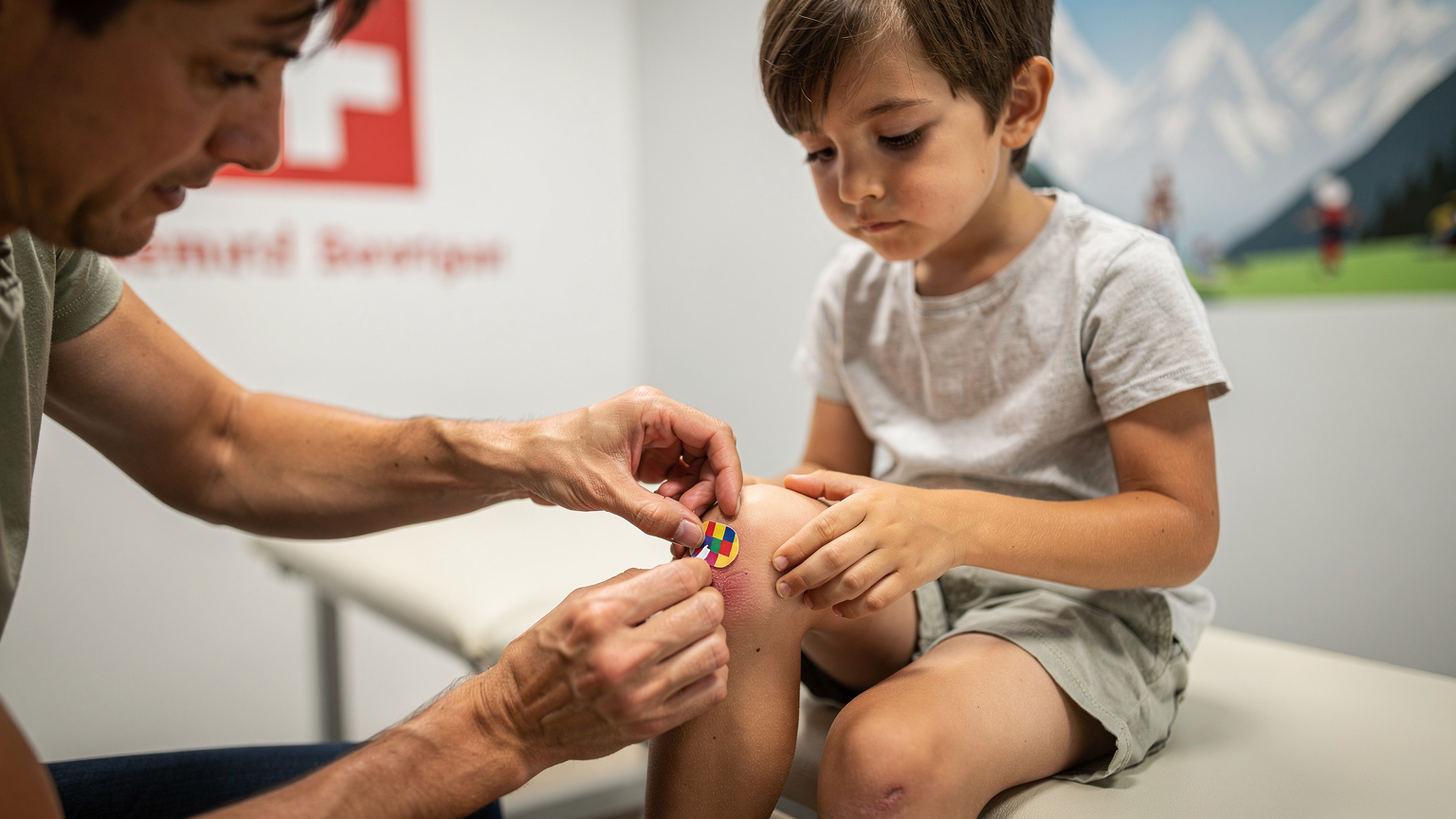
For minor issues, Swiss pharmacies (look for the green cross sign) are everywhere and have knowledgeable pharmacists. They can give advice and over-the-counter medicines for common problems like colds, small cuts, or upset stomachs. If you take prescription medications, bring enough for your whole trip, along with a doctor's note, especially for controlled substances. I always pack a small first-aid kit with kid-friendly plasters, antiseptic wipes, and pain relievers. It's amazing how a brightly colored plaster can make a scrape seem half as bad!
Medical Facilities and Emergency Services
If there's a serious medical emergency, dial 144 for an ambulance. For general medical advice or to find an after-hours doctor, you can often call the local emergency number or ask your hotel reception. Hospitals are well-equipped, but as I mentioned, costs can add up fast without insurance. Make sure you have your insurance details easily accessible, maybe a digital copy on your phone and a printout in your travel wallet.
Navigating Common Scams and Petty Crime
Switzerland's low crime rate often makes tourists feel too relaxed, but petty crime, though rare, does happen. The most common issues families might face are pickpocketing, especially in busy tourist spots, and occasional scams targeting visitors.
Pickpockets and Crowded Areas
Train stations (like Zürich Hauptbahnhof or Geneva Cornavin), major tourist attractions (think Jungfraujoch or Lucerne's Chapel Bridge during peak season), and public transport can be where pickpockets operate. My advice: use bags that are hard to open, like cross-body bags or backpacks with zippers that sit against your back. Don't keep wallets or phones in back pockets. When I'm out with the kids, my attention is usually on them, so I try to make my valuables as hard to get to as possible. A good travel hack for Switzerland is to use a secure fanny pack worn under your jacket.
Avoiding Common Scams
Compared to other places, Switzerland has very few reported tourist scams. However, be cautious of people who approach you with sad stories, ask for money, or try to distract you while someone else attempts to pickpocket. Always politely say no and keep moving. Be wary of unsolicited "help" with luggage at airports or train stations unless it's official staff. When using ATMs, make sure no one is looking over your shoulder and check for any devices attached to the machine.
| Location Type | Common Risk | Family Precaution |
|---|---|---|
| Major Train Stations | Pickpocketing, unattended luggage theft | Keep valuables secure, never leave bags unattended, watch for distractions. |
| Crowded Tourist Sights | Pickpocketing, photo opportunity scams | Use anti-theft bags, be wary of overly friendly strangers offering services. |
| Public Transport | Pickpocketing during boarding/disembarking | Keep bags close, secure phones/wallets in front pockets. |
| ATMs | Skimming devices, shoulder surfing | Check the card slot for tampering, cover keypad when entering PIN. |
Emergency Contacts and What to Do
Knowing who to call and what to do in an emergency is super important for any family trip. Store these numbers in your phone, and maybe even write them down on a card in your wallet, especially if your phone battery decides to die at the worst possible moment.
Key Emergency Numbers in Switzerland
- 112: European Emergency Number, for all emergencies (police, ambulance, fire). This works from any phone, mobile or landline, and connects you to the right service.
- 117: Police, for direct police assistance.
- 118: Fire Department.
- 144: Ambulance, for medical emergencies.
- 1414: Rega (Swiss Air-Rescue), really important if you're doing alpine activities and might need mountain rescue.
Reporting a Crime or Lost Items
If you or a family member become a victim of crime, report it to the local police right away. They'll give you a police report, which is vital for insurance claims. For lost items, check with the local lost and found office (Fundbüro) at train stations or city halls. Having a Cellesim Switzerland eSIM means you can easily make these calls without worrying about huge roaming charges, which is a massive relief when you're already stressed.
Local Laws, Customs, and Social Etiquette
Switzerland is a country that really values order, being on time, and respecting privacy. Understanding these little things can make your family's trip much smoother and more enjoyable. It's about fitting in, even if your kids are having a loud debate about who gets the last chocolate croissant.
Everyday Etiquette: What to Expect and How to Behave
- Punctuality: Swiss public transport is famous for being on time. Arrive a few minutes early for trains and buses, as they often leave exactly when scheduled.
- Quiet Hours: Many residential areas have 'quiet hours,' especially midday (noon to 1 PM) and after 10 PM. Be mindful of noise, particularly if your children are playing loudly in apartments or hotels.
- Greetings: A simple 'Grüezi' (Swiss German), 'Bonjour' (French), or 'Buon Giorno' (Italian) will go a long way, depending on the region. English is widely spoken in tourist areas, but trying the local language is always appreciated.
- Recycling: Switzerland has strict recycling rules. Look for clearly marked bins for different types of waste.
- Jaywalking: While not strictly a 'law,' jaywalking is frowned upon and can result in fines. Always use designated crossings and wait for the pedestrian signal.
Specific Laws to Be Aware Of
Most laws are similar to international norms, but a few specifics are worth noting:
- Smoking: Smoking is generally not allowed in enclosed public spaces, including restaurants, bars, and public transport. Many hotels are smoke-free.
- Alcohol Consumption: The legal drinking age for beer and wine is 16, and for spirits, it's 18. Drinking in public is generally allowed, but unruly behavior is not tolerated.
- Noise Pollution: As with quiet hours, excessive noise, especially late at night, can lead to complaints or even fines. Keep this in mind if your teenagers are having a late-night chat on the hotel balcony.
Keeping Connected with eSIMs for the Whole Family
This is where my family travel planning expertise really comes in handy. Staying connected in Switzerland isn't just for sharing pretty pictures; it's about safety, finding your way, and keeping the kids happy. Roaming charges from traditional carriers, especially for UK travelers post-Brexit, can be crazy expensive. An eSIM is a game-changer for families.
Why eSIMs are a Family Travel Essential
Picture this: you're at the Matterhorn Glacier Paradise, the views are breathtaking, and suddenly your 10-year-old needs to look up a fun fact about marmots on Wikipedia for a school project (or, let's be real, stream another episode of Disney+). With an eSIM, every device can have its own data plan, or you can manage a shared pool. This means constant connection without having to swap physical SIM cards or hunt for unreliable public Wi-Fi.
When I travel with my two data-hungry kids (ages 8 and 12), I usually get a larger data plan for my phone, which lets me tether. Then, I get smaller, dedicated plans for their iPads or my husband's phone if they need their own access. This way, I'm in control, but everyone has what they need. A Cellesim Switzerland eSIM starts at just $1.05 and offers over 29 plans, so you can perfectly match it to your family's needs. Plus, being able to receive SMS for one-time passwords or verification codes is super valuable for banking or app logins while abroad.
Connectivity Inside Theme Parks and Cruise Ships
This is a big deal. You're at Europa-Park (just over the border, but a popular family day trip from Switzerland) or on a beautiful cruise on Lake Lucerne. You need data for park maps, checking ride wait times, or just letting the kids watch their favorite show during a long wait. Traditional roaming can be patchy or incredibly expensive in these specific places. eSIMs generally use local networks, giving you reliable coverage even in these potentially tricky spots. Just make sure the Cellesim plan you pick covers the exact areas you'll be visiting.
Data Plan Sized for 2 Kids Streaming Disney+
Ah, the age-old question. Two kids streaming Disney+ in HD will use data faster than a Swiss cow eats grass. One hour of HD streaming can gobble up to 3GB per device. If you have two kids, that's 6GB an hour. Even if it's just for an hour or two a day during downtime, you're looking at a lot of data. That's why I always recommend a robust eSIM plan. For two kids and two adults doing moderate browsing and occasional streaming, I budget at least 50GB for a week-long trip. It sounds like a lot, but it's much better to have too much than to be rationing data when you're trying to navigate a new city. Cellesim has plans with generous data allowances specifically for these situations.
Managing Kid Devices and Screen Time Abroad
This is a battle fought in every household, and travel doesn't make it any easier. But with some planning, you can use technology to your advantage while still setting sensible limits. After all, the goal is to experience Switzerland, not just the inside of an iPad.
Pre-loaded Apps Before the Flight
Before you even leave home, make sure all essential apps are downloaded onto your children's devices. This includes:
- Offline Maps: Download Google Maps or Maps.me for Switzerland. This is a lifesaver when you're exploring a small village with no signal, or if you want to save data.
- Entertainment: Fully download movies, TV shows (Disney+, Netflix), audiobooks, and games. Apps like Toca Life World or Minecraft can keep them busy offline for hours.
- Educational Apps: Pack some learning apps about Switzerland, like a basic German or French phrasebook app, or a Swiss history app.
Seriously, there's nothing worse than a child complaining they can't play their favorite game because you forgot to download the latest update, and you're stuck in an airport with terrible Wi-Fi.
Parental Control Features That Work on the eSIM Line
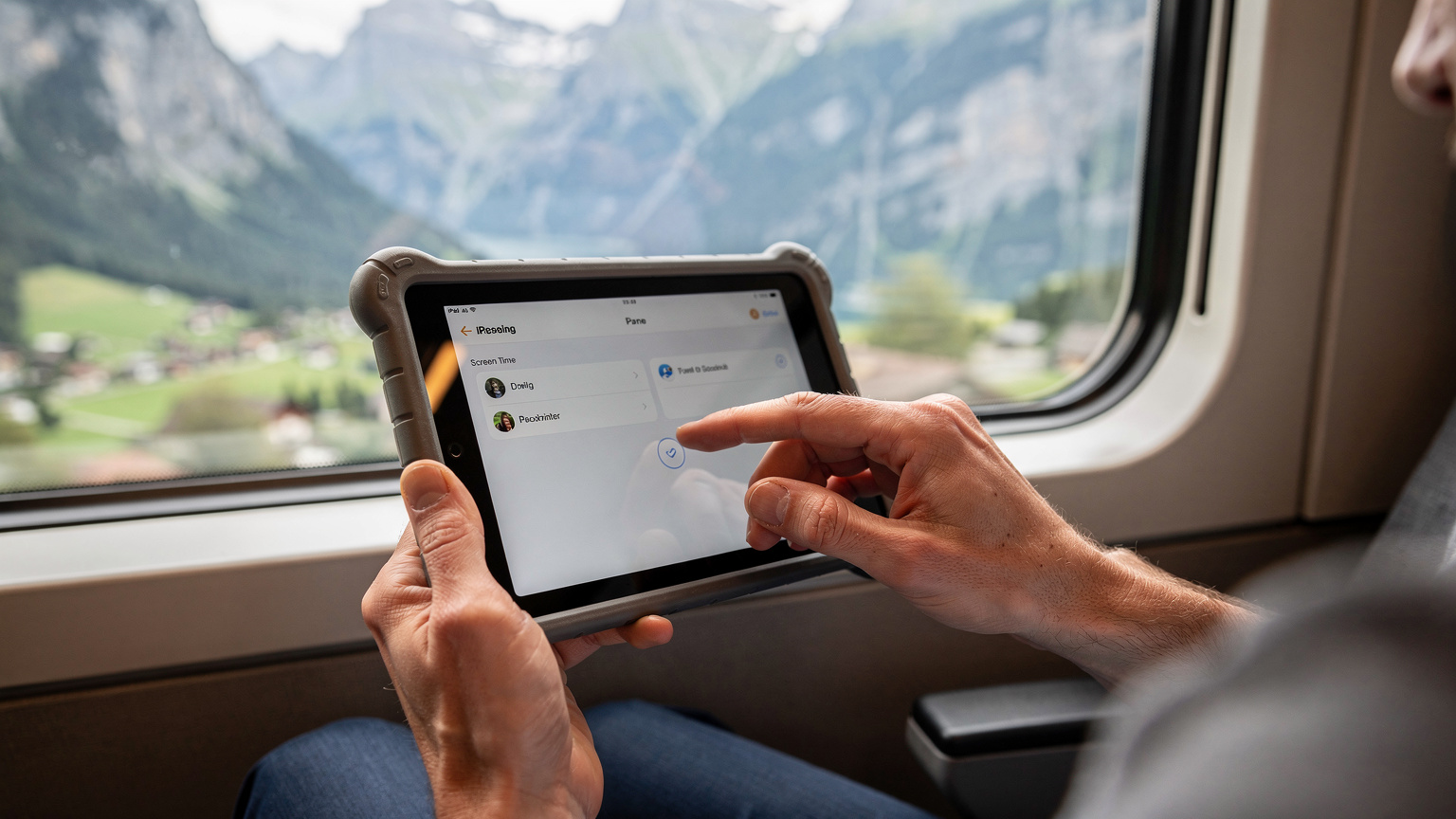
Many modern smartphones and tablets have excellent parental control features, and they work just as well when using an eSIM. For iOS devices, 'Screen Time' lets you set downtime, app limits, and content restrictions. On Android, 'Family Link' offers similar controls. The great thing about these systems is they work at the device level, so it doesn't matter if your child's device is connecting via Wi-Fi or a Cellesim eSIM. This means you can still enforce those 2-hour daily limits on Roblox, even if they have their own data plan for emergencies or crucial navigation. It's about setting the rules before you go and sticking to them.
You can even set up shared photo albums for the kids to contribute to, giving them a purpose for their devices beyond just watching videos. For more on managing devices, check out our guide on eSIMs for PCs and Laptops in family travel.
Public Transport and Getting Around Safely
Switzerland's public transport system is famous: it's efficient, clean, and covers almost everywhere. It's often the best way to travel with a family, even with strollers or car seats.
Trains, Trams, and Buses: A Family's Best Friend
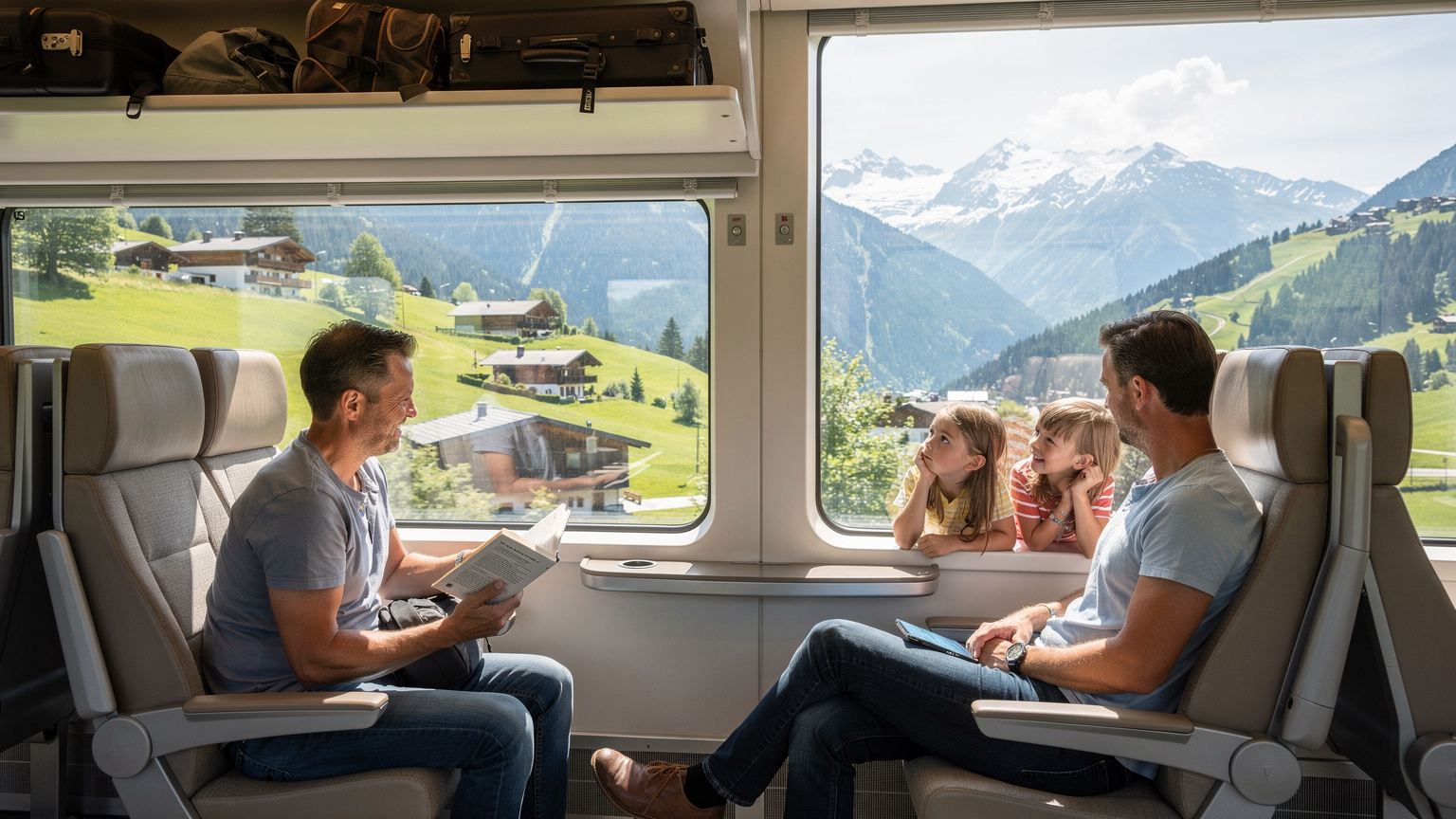
The Swiss Federal Railways (SBB) network connects virtually every town and city. Trams and buses are great for getting around urban areas. Families can really benefit from the Swiss Family Pass, which lets children under 16 travel free when accompanied by a parent who has a valid Swiss Travel Pass. Always validate your tickets if needed, or have your digital pass ready for inspection. Conductors check frequently.
Driving in Switzerland with Kids
While public transport is fantastic, some families prefer the flexibility of a rental car. Remember these key points:
- Vignette Requirement: If you rent a car, make sure it has the annual motorway vignette, a sticker on the windscreen that shows the road tax has been paid. Rental cars usually come with this.
- Child Car Seats: Children up to 12 years old or 150 cm tall (whichever comes first) must use an appropriate child restraint system. Rental car companies can provide these, but often for an extra fee. You might consider bringing your own if you have specific preferences or for very young children.
- Mountain Roads: Be ready for winding mountain roads. Drive carefully and be aware of weather conditions, especially in winter.
- Parking: Parking can be pricey and hard to find in city centers. Use 'Park & Ride' options where available.
Money Matters and Financial Safety
Switzerland is known for being expensive. While budgeting is super important, so is keeping your money and financial info safe. The local currency is the Swiss Franc (CHF).
Credit Cards, Cash, and ATMs
Most major credit cards (Visa, Mastercard, American Express) are widely accepted across Switzerland. Contactless payment is everywhere. It's always a good idea to carry a small amount of cash for little purchases, markets, or in case a particular vendor doesn't take cards. ATMs are easy to find in cities and towns. Always tell your bank your travel dates to prevent your cards from being flagged for suspicious activity.
| Payment Method | Acceptance in Switzerland | Tips for Families |
|---|---|---|
| Credit/Debit Cards | Widely accepted, contactless payments common. | Notify bank of travel, have a backup card, check for foreign transaction fees. |
| Swiss Franc (CHF) Cash | Useful for small purchases, rural areas, some markets. | Carry small denominations, avoid excessive cash to deter theft. |
| Mobile Payment (Apple Pay, Google Pay) | Increasingly common in urban areas. | Convenient and secure, ensure your phone is charged. |
Managing Your Budget: The Hotel Kid Menu Dilemma
Here's a real pain point for family travel: the $40 hotel kid's menu. It's a thing, and it adds up fast. While Switzerland is expensive, you can be smart about it. Look for local grocery stores (Migros, Coop) for snacks, picnic supplies, and more affordable meal options. Many restaurants offer 'plat du jour' (daily specials) which are often better value. For a more detailed look at managing costs, you might find our budget-friendly Switzerland tips helpful. Remember, managing your finances securely includes keeping an eye on your spending to avoid those nasty surprises when you get home.
Frequently Asked Questions
Is Switzerland safe for solo female travellers?
Yes, Switzerland is considered extremely safe for solo female travellers. The crime rate is very low, and public transport is reliable and well-lit. Standard precautions, such as being aware of your surroundings, are always advised.
What are the local transportation safety tips for families in Switzerland?
Switzerland's public transport is excellent. Always hold children's hands on platforms and ensure they stay seated during travel. When driving, adhere to speed limits, especially on winding mountain roads, and always use appropriate child car seats for children under 12 or 150 cm.
How can I prepare for health emergencies with kids in Switzerland?
Secure comprehensive travel insurance for everyone. Carry a basic first-aid kit with kid-specific items. Know the emergency number (144 for ambulance) and have your insurance details easily accessible. For minor issues, local pharmacies are a good first stop.
Are there specific scams targeting tourists in Switzerland?
While rare, petty crime like pickpocketing can occur in crowded tourist areas like train stations or popular attractions. Be vigilant, use secure bags, and politely decline unsolicited 'help' from strangers. ATM skimming is also a rare but possible risk, so check machines before use.
How reliable is phone connectivity for streaming and navigation with an eSIM in Switzerland?
Cellesim Switzerland eSIMs leverage local, reliable networks, offering excellent connectivity for streaming Disney+, using navigation apps, and staying in touch. Coverage is generally strong across urban and rural areas, including many theme parks and cruise routes. You'll find 29+ plans available, starting at just $1.05.