Why Telkomsel eSIM for Indonesia: A Technical Perspective
When you land in Indonesia, getting online fast and reliably isn't just nice, it's essential. Whether you're arranging an airport ride, navigating busy markets in Jakarta, or hunting for that quiet beach in Bali, a solid data connection is key. That's where Telkomsel, Indonesia's biggest mobile network, comes in with its eSIM options.
Data plans and prices: Indonesia eSIM
From a tech perspective, eSIM is a big step up. Instead of a physical SIM card, you get an embedded one, which means you can download a new carrier profile over the air. No more fiddling with tiny cards. In Indonesia, where tourists usually have to register SIMs with their passport at a special counter, an eSIM makes this whole process way smoother. Forget waiting in line at Ngurah Rai International Airport (DPS) or Soekarno-Hatta (CGK) you can set up your Indonesia eSIM before you even leave home.
Telkomsel's network is pretty robust, using a mix of 4G LTE and a growing 5G presence. In big cities like Jakarta and Surabaya, you'll find strong 4G coverage mainly on Band 3 (1800 MHz) and Band 8 (900 MHz). They're also rolling out 5G more and more on n40 (2300 MHz) and n78 (3500 MHz) in specific spots. This multi-band approach, often using carrier aggregation, means you can expect some really fast theoretical download speeds, often over 100 Mbps in ideal conditions. In the real world, speeds usually hover around 20-80 Mbps for downloads and 5-20 Mbps for uploads in populated areas, depending on how busy the network is and what phone you're using. Outside the main cities and tourist hotspots, 4G on Band 8 (900 MHz) covers more ground, even if the speeds are a bit slower.
Understanding Indonesia's Telecom Landscape
Indonesia's mobile market is largely controlled by three big players: Telkomsel, XL Axiata, and Indosat Ooredoo Hutchison (IOH). Telkomsel, which is part of Telkom Indonesia, has the widest coverage. This is a huge deal for travelers heading off the main tourist trails in Bali or Java. Its broad network, reaching even rural areas and smaller islands, often makes it the top choice for longer visits or exploring less developed spots.
The government has strict rules about SIM card registration to prevent fraud. All physical SIMs, even for tourists, must be registered with a valid ID like a passport. For a physical SIM, this usually means a trip to an official carrier store or a certified reseller. There, your passport details are scanned and linked to the SIM. This can eat up a lot of time, sometimes needing several tries if the system is slow or staff aren't used to international documents. eSIMs, especially when bought from an international provider or through Telkomsel's tourist-friendly channels, often let you skip some of these immediate bureaucratic hurdles, making your arrival much smoother.
It's also worth knowing that most Indonesian carriers, including Telkomsel, usually assign private IPv4 addresses behind Carrier-Grade NAT (CGNAT) to mobile users. This can sometimes cause issues for services that need direct incoming connections or specific VPN setups. While IPv6 is being rolled out, it's not everywhere yet. So, be ready for potential quirks if your apps really depend on public IPv4 addresses. For most travelers, though, this won't be a problem for everyday browsing, streaming, and messaging.

Telkomsel eSIM for Tourists: Unpacking the Options
Telkomsel offers a variety of data packages for both short-term tourists and those staying longer. These usually include data, and some might even throw in local calls and SMS. But for most international travelers, data is the main thing.
Here's what to think about when picking a Telkomsel eSIM package:
- Data Allowance: You'll find packages from a small 5GB for a week-long trip to bigger 30GB+ options perfect for a month or more.
- Validity Period: Options typically run from 7 days to 30 days, matching common tourist visa lengths.
- Network Type: All Telkomsel eSIM packages for tourists should work with 4G LTE, and you'll get 5G access in enabled areas if your phone supports it and the plan allows.
- Price Point: Expect prices to be similar to physical SIMs, often starting around IDR 100,000 (about $6.50 USD) for basic plans and going up with more data and longer validity.
A common package for tourists, often called 'Tourist Pro' or similar, combines 'National Data' (which you can use anywhere) with 'Local Data' (limited to specific areas like Bali or Jakarta). Always check the data breakdown carefully to make sure the 'National Data' part is enough for your trip. Local data won't work once you leave its designated area. This geo-fencing of data helps manage local network traffic, but it can be a minor annoyance if you don't plan for it.
Comparing Telkomsel eSIM Plans for Travelers
Let's check out some typical Telkomsel eSIM tourist packages. Keep in mind that actual plan names and details can change, so always double-check on the official Telkomsel website or with authorized resellers.
| Plan Name (Illustrative) | Data Allowance | Validity | Estimated Price (IDR) | Best For |
|---|---|---|---|---|
| Tourist Lite | 10 GB (8 GB National, 2 GB Local) | 7 Days | IDR 120,000 | Short trips to one major area (e.g., Bali only) |
| Tourist Connect | 20 GB (15 GB National, 5 GB Local) | 15 Days | IDR 200,000 | Medium trips, exploring 2-3 regions |
| Tourist Pro | 35 GB (30 GB National, 5 GB Local) | 30 Days | IDR 300,000 | Longer stays, extensive travel across Indonesia |
| Data Roam (International eSIM) | Varies (e.g., 5GB, 10GB) | 7-30 Days | Varies (from IDR 150,000) | Seamless global connectivity via Cellesim |
When choosing a plan, think about your travel plans. If you're mostly staying in one area, a plan with more 'Local Data' might be a better deal. But a 'National Data' heavy plan is safer if you're visiting multiple cities. For full global coverage that includes Indonesia, an international eSIM provider like Cellesim could offer an easier experience, especially if you're country-hopping (like traveling from Italy to Indonesia).
Activation Process for Telkomsel eSIM: A Step-by-Step Guide
Activating a Telkomsel eSIM, especially one bought through an international provider like Cellesim, is designed to be simple. This mostly avoids the physical registration needed for traditional SIMs, meaning faster setup.
Activating an International eSIM for Indonesia
If you got an eSIM from Cellesim or a similar global provider, here's how it generally works:
- Buy the eSIM: Pick the data package you want for Indonesia from Cellesim's website or app.
- Get Your QR Code/Activation Details: You'll usually get an email with a QR code or instructions for manual activation.
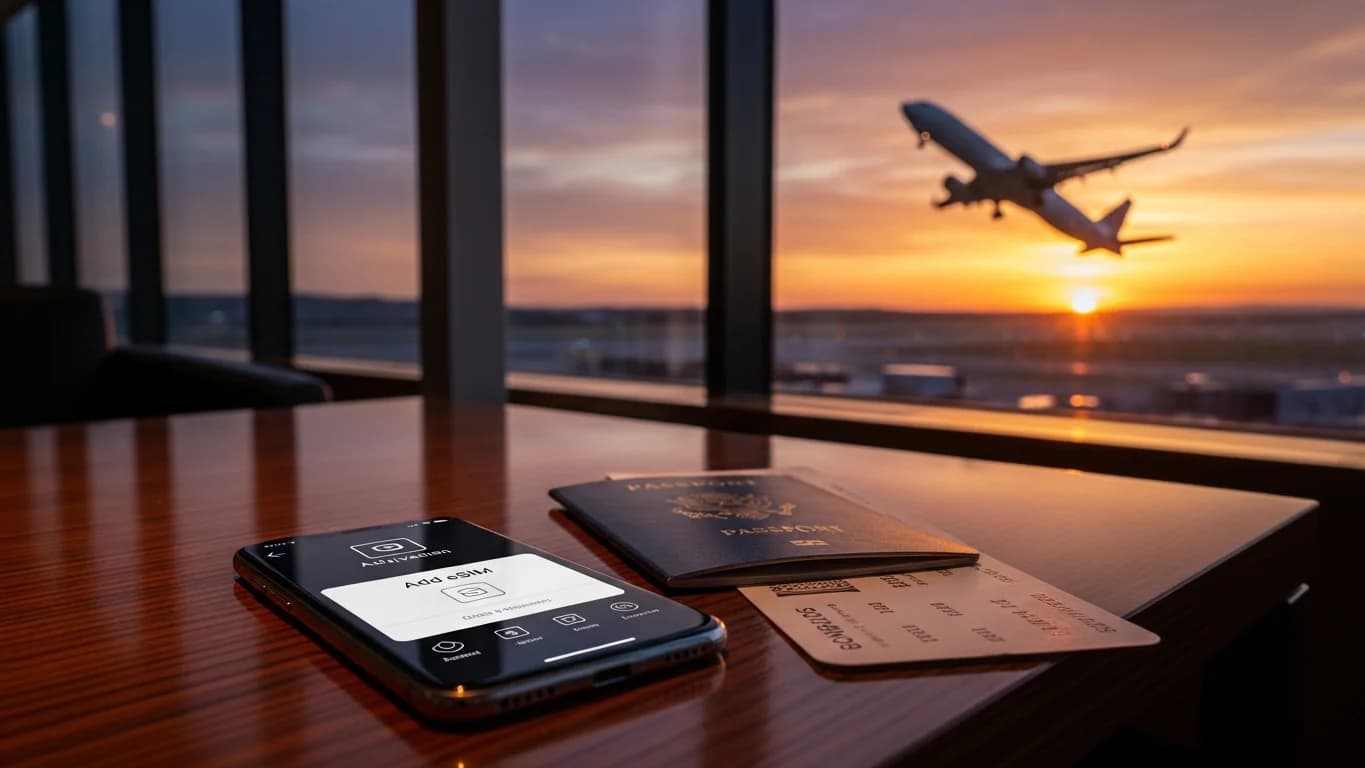
- Scan QR Code: On your eSIM-compatible phone (like an iPhone 15 or newer Android), go to your cellular settings and choose 'Add eSIM' or 'Add Cellular Plan.' Scan the QR code. For a detailed guide, especially for Apple users, check out our iPhone eSIM Activation: Your Technical Guide.
- Follow Prompts: Your phone will walk you through naming the new plan (e.g., 'Indonesia Data') and setting it as your main data line.
- Turn On Data Roaming: For international eSIMs, make sure data roaming is enabled for your new eSIM profile in your phone's settings. This is vital for connecting to Telkomsel's network.
- Check Connection: After a few minutes, you should see 'Telkomsel' or 'Cellesim' as your network provider, and your data should start working.
One thing to watch out for: if you're using an older Android phone, sometimes the APN (Access Point Name) settings might not set up automatically. It's rare with newer phones, but if you don't have data after activating, manually checking the APN settings for Telkomsel (usually 'internet' or 'telkomsel') in your phone's cellular settings can fix it.
Getting a Telkomsel Native eSIM in Indonesia
If you decide to get a Telkomsel-branded eSIM directly, the process is a bit different because of local rules:
- Go to a Telkomsel GraPARI Store: These are official Telkomsel customer service centers, often found in big malls or city centers in places like Jakarta, Surabaya, or Denpasar.
- Show Your Passport: You'll need your physical passport for registration. Staff will scan it and put your details into their system.
- Pick Your eSIM Package: Choose a data plan from the available options.
- Receive eSIM QR Code: The staff will give you a printed QR code or send it to your email/WhatsApp.
- Scan and Activate: Scan the QR code with your eSIM-compatible phone and follow the on-screen steps, just like with an international eSIM.
- Confirm Registration: You might get an SMS confirming your number has been successfully registered.
While this does mean an in-person visit, it ensures you comply with local registration laws and get access to all of Telkomsel's local services, including domestic calls and SMS, which can be handy for longer stays. Be ready for potential queues, especially at major airport GraPARI locations.
Coverage and Performance: Where Telkomsel Excels
Telkomsel's biggest strength is its wide network coverage. As the largest operator, it consistently offers better geographical reach than its rivals, especially outside Indonesia's main cities. This is vital for anyone traveling to places like Flores, Lombok, or the more remote parts of Sumatra and Kalimantan.
In busy areas, Telkomsel's 4G LTE network is solid. In Bali, for example, in Kuta, Seminyak, or Ubud, you can expect average download speeds of 30-70 Mbps and upload speeds of 10-25 Mbps. In Jakarta's central business district (Sudirman, Thamrin), speeds can often go higher, sometimes hitting 80-120 Mbps for downloads on a good Band 3 or Band 8 connection, especially during off-peak times. The 5G rollout is still in its early stages, focused on specific city zones and tourist hotspots. It offers theoretical peak speeds that can exceed 300 Mbps, but real-world figures will be lower due to radio conditions and network capacity.
Still, network performance isn't always the same everywhere. In remote areas, or during peak holidays when the network gets really busy (like during Eid al-Fitr or Christmas), speeds can drop. This happens with all mobile networks worldwide, but Telkomsel's broader infrastructure usually provides a more stable connection even under heavy load. If you need constant, high-bandwidth internet, it's always smart to use local Wi-Fi when you can, especially in hotels and cafes.
VoLTE and VoWiFi Support: A Key Consideration
Most modern smartphones come with Voice over LTE (VoLTE) and Voice over Wi-Fi (VoWiFi) as standard features. These are important for making high-quality calls over internet networks. Telkomsel generally supports VoLTE across its 4G network, meaning you can make and receive calls without your phone dropping to 3G, which keeps your data speeds up. However, VoWiFi support for international roaming eSIMs can be hit or miss. While your home carrier's VoWiFi might work, whether VoWiFi works directly on the Telkomsel eSIM profile often depends on your phone's specific software and how well the eSIM provider has integrated with the network.
If making seamless voice calls, especially over Wi-Fi, is super important for you (say, for business calls), it's a good idea to test this early in your trip. If VoWiFi doesn't work out, standard VoIP apps like WhatsApp or Signal will usually work fine, using your eSIM's data connection.
Telkomsel vs. Traditional SIMs: A Detailed Comparison
Choosing between an eSIM and a traditional physical SIM card means weighing convenience against your specific needs. Here's a comparison:
| Feature | Telkomsel eSIM (International Provider) | Telkomsel Native eSIM (GraPARI) | Telkomsel Physical SIM |
|---|---|---|---|
| Purchase & Activation | Online before arrival, instant QR scan, fully digital. | In-person at GraPARI, passport scan required, QR code given. | In-person at airport/store, passport scan, physical card swap. |
| Registration | Often handled by international provider, simplified for tourist. | Mandatory in-person passport registration. | Mandatory in-person passport registration. |
| Device Compatibility | eSIM-compatible devices only (iPhone XS+, Pixel 3+, newer flagships). | eSIM-compatible devices only. | Any unlocked phone with a SIM slot. |
| Data Packages | Tailored international roaming bundles, data-focused. | Full range of local data, voice, SMS packages. | Full range of local data, voice, SMS packages. |
| Number Portability | Typically no local Indonesian number. | Assigned local Indonesian number. | Assigned local Indonesian number. |
| Flexibility | Easily switch between home SIM and multiple eSIMs. Keep home number active for calls/SMS. | Requires keeping existing physical SIM in if dual SIM. | Requires physical swap, can lose home SIM. |
| Price (Illustrative) | Slightly higher for convenience, often data-only. | Local competitive rates. | Local competitive rates. |
For most tourists on shorter trips (up to 30 days), an international eSIM from a provider like Cellesim offers unmatched convenience. You land, you're connected, no lines, no language issues for registration. It's a prime example of how digital services make travel better, especially with tricky local telecom rules. If you're staying longer, say three months or more, a Telkomsel native eSIM or physical SIM might offer better long-term value. Local plans often have better prices for more data, especially if you need an Indonesian phone number for local services (like Gojek, Grab, or local banking).
eSIM Connectivity: Tips and Troubleshooting
Even with great tech, small issues can pop up. Here are some technical tips and common troubleshooting steps for your Telkomsel eSIM in Indonesia:
internet. On Android, go to Settings > Network & Internet > Mobile network > Advanced > Access Point Names. For iOS, it's Settings > Cellular > Cellular Data Network.Another important thing is knowing how to find your eSIM number (EID). This number is crucial if you ever need to contact your eSIM provider for support. While it's not a phone number, the EID is your eSIM's unique identifier, just like a physical SIM's ICCID. Knowing it will save you a lot of time if you ever need help with your eSIM profile.
Final Thoughts on Telkomsel eSIM for Indonesian Travel
From Jakarta's busy streets to Lombok's peaceful beaches, good mobile data isn't a luxury anymore; it's a basic tool for any traveler. Telkomsel's eSIM options, whether directly from them or through international providers like Cellesim, make connecting in Indonesia much simpler for visitors. The tech benefits of remote provisioning, combined with Telkomsel's wide and generally high-performing network (using bands B3, B8, and the growing 5G n40/n78), make it an excellent choice.
While physical SIMs still have their place, especially for really long stays where you need a local number for many local services, eSIMs offer easier activation, more flexibility, and less red tape. This makes them the preferred choice for most tourists. As tech editors, we love efficiency, and eSIMs deliver that in spades. They cut down on logistical headaches, letting you focus on Indonesia's rich culture and stunning nature, instead of struggling with local SIM card registration. So, for your next trip to the archipelago, think about going digital with a Telkomsel eSIM. It's a smart move for staying connected abroad.
Frequently Asked Questions
Is Telkomsel eSIM available for tourists in Indonesia?
Yes, Telkomsel offers eSIM options for tourists in Indonesia. You can buy these directly from Telkomsel GraPARI stores when you arrive, or more conveniently, get them from international eSIM providers like Cellesim before your trip, which usually makes registration simpler.
How do I activate a Telkomsel eSIM if I'm a tourist?
If you buy an international eSIM from a provider, you'll get a QR code via email. Just scan this QR code in your phone's cellular settings to activate it. If you're buying directly from Telkomsel, you'll visit a GraPARI store, register with your passport, and then scan a QR code given by the staff.
What data speeds can I expect with Telkomsel eSIM in Indonesia?
In big cities like Jakarta and popular tourist spots like Bali, Telkomsel's 4G LTE network usually gives you download speeds of 20-80 Mbps and upload speeds of 5-20 Mbps. In areas with 5G coverage, speeds can be faster, but actual performance changes depending on network congestion and location.
Does Telkomsel eSIM support VoLTE and VoWiFi?
Telkomsel's network generally supports VoLTE for calls over 4G. VoWiFi support for international roaming eSIMs can depend on your device and provider. While your home carrier's VoWiFi might work, you should check if VoWiFi works directly on the Telkomsel eSIM profile if it's really important for your communication.
Can I use my existing phone number with a Telkomsel eSIM?
When you use an international eSIM for data, your main physical SIM (and its number) usually stays active for calls and SMS, so you can use both. If you get a Telkomsel native eSIM, it will come with a new Indonesian phone number.
What are the common Telkomsel 4G bands used in Indonesia?
Telkomsel mainly uses 4G LTE bands Band 3 (1800 MHz) and Band 8 (900 MHz) for its widespread coverage. For 5G, they're expanding deployments on n40 (2300 MHz) and n78 (3500 MHz) in specific urban and tourist areas.
Are there any APN settings I need to worry about for Telkomsel eSIM?
Most modern smartphones will automatically set up the APN for Telkomsel. However, if you have data problems, you can manually check and set the APN to 'internet' or 'telkomsel' in your device's cellular settings.