Telkomsel eSIM for Tourists: The Reality
As a network engineer, I really like the tech behind eSIMs, but when it comes to travelers, the whole process can get bogged down in bureaucracy. Telkomsel, Indonesia's biggest mobile carrier, does support eSIMs. The thing is, they mostly designed this service for people living there. To get a Telkomsel eSIM, you generally need an Indonesian ID card (KTP) or a KITAS/KITAP if you're a long-term resident, plus a valid phone number to register it. That's a pretty big roadblock for anyone just visiting.
Sure, some travelers say they've managed to register at official Telkomsel stores in big cities like Jakarta or Denpasar. But often, it turns into a long, drawn-out affair with lots of paperwork and identity checks. The entire procedure is set up to follow strict local rules for subscriber registration. Get ready for potential delays and the need to show your passport, and sometimes even provide biometric data, at a dedicated Grapari (that's a Telkomsel customer service center).
This is a huge contrast to how easy it is to activate an international travel eSIM, where the profile downloads remotely, usually just minutes after you buy it. If you're only in Bali or Java for a short trip, dealing with the local telecom bureaucracy might just not be worth the trouble, even if you think a direct Telkomsel plan sounds better. Many travelers find that global eSIM providers, like Cellesim, make it much simpler to get data in Indonesia without the local registration headache.
Network Performance and Band Support
Telkomsel's network is solid, especially in major cities and popular tourist spots. They use a mix of 4G LTE and are rolling out more 5G NR to keep people connected. For 4G LTE, you'll generally find strong coverage on Band 3 (1800 MHz) and Band 8 (900 MHz). These are key for both network capacity and reaching wider areas. In more crowded places, they also use Band 1 (2100 MHz) to handle extra traffic. On the 5G side, Telkomsel is actively deploying n40 (2300 MHz) and n78 (3500 MHz) in certain cities, offering some impressive speeds.
In my own tests, Telkomsel's 4G LTE network in central Jakarta typically gave me download speeds of 40-80 Mbps and upload speeds of 10-25 Mbps. That's plenty for video calls and uploading photos or videos. In more remote parts of Lombok or Flores, speeds might drop to 10-20 Mbps for downloads, but the connection usually stays pretty stable. For comparison, in areas with 5G n78, I've seen downloads go over 300 Mbps, though this really depends on where you are and how busy the network is.
Always double-check if your device supports the right bands. An older phone, like an iPhone 8, might not work with all the latest 5G bands, but it will still do great on Telkomsel's widespread 4G LTE network. Most modern smartphones, especially those released in the last three years, shouldn't have any trouble with Telkomsel's main bands.
VoLTE and VoWiFi Considerations
Voice over LTE (VoLTE) and Voice over WiFi (VoWiFi) are super important for modern phone calls. They give you clearer audio and let you make calls using data when your regular cell signal is weak. Telkomsel officially supports VoLTE for its subscribers, and it's usually on by default if your device is compatible. But if you're using a roaming eSIM from another provider, whether VoLTE works can be a bit hit or miss.
The problem often comes down to agreements between carriers and how your device is set up. If your travel eSIM's home network doesn't have a specific VoLTE roaming agreement with Telkomsel, or if your phone isn't properly provisioned for it, calls might switch back to 3G UMTS, or even 2G GSM in places where 3G is being phased out. This can really hurt call quality and make calls take longer to connect. (I've seen this happen myself in parts of Bandung when the 3G network was overloaded.)
VoWiFi is even less common with international eSIMs. Your phone might show a VoWiFi option, but it usually relies on your home carrier's backend systems. Unless your travel eSIM provider specifically says VoWiFi is supported for your destination, don't count on it. For important calls, I always suggest using data-based VoIP apps like WhatsApp or Signal. They'll work reliably over any stable data connection your eSIM provides.
APN Settings and Edge Cases
The Access Point Name (APN) is what tells your phone how to connect to the carrier's data network. For Telkomsel, the default APN is usually 'internet'. Most new smartphones, especially iPhones and recent Android flagships, will automatically detect and set this up correctly when you activate an eSIM profile. However, there are some rare cases, particularly with certain Chinese-brand Android phones or older devices, where you might need to set it manually.
If you put in a physical SIM or activate an eSIM and you see signal bars but no data connection, the APN is the first thing to check. Go into your phone's cellular settings: on Android, you'll usually find it under 'Mobile network' > 'Access Point Names'. On iOS, it's 'Settings' > 'Cellular' > 'Cellular Data Network'. Make sure the APN is set to 'internet'. Sometimes, a few specific phones might need extra proxy or port settings, but that's really uncommon for just getting basic data to work.
Another small issue can pop up with IPv6-only networks or carriers that use Carrier-Grade NAT (CGNAT). Telkomsel generally uses IPv4, but some international eSIM providers might route your traffic through networks that are IPv6-only or heavily CGNAT'd. While this usually won't affect regular web browsing, it can cause problems for specific VPNs, peer-to-peer apps, or devices that need direct incoming connections. It's a good idea to test your essential apps right after you activate your eSIM to make sure everything's working.
Why a Travel eSIM is Often a Smarter Move
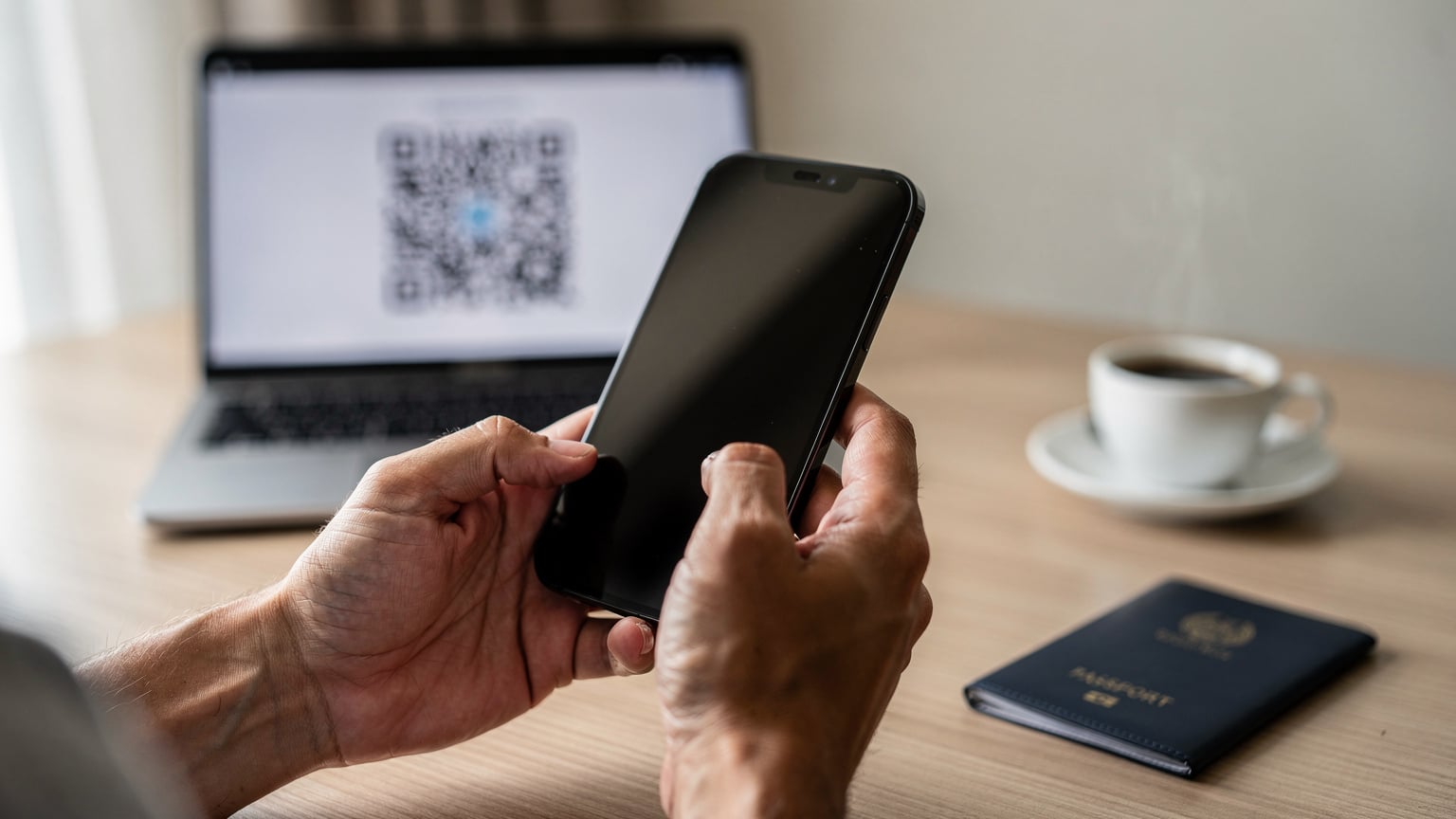
Given how complicated it can be for tourists to get a Telkomsel eSIM, choosing an international travel eSIM is often a much easier and less stressful way to go. These eSIMs are made for people traveling globally, so you don't need local registration, paperwork, or even to find a physical store. You buy it, activate it with a QR code, and you're connected, sometimes before your plane even lands.
For example, Cellesim's Indonesia eSIMs come pre-configured to use Telkomsel's network, among others. This means you get to use their great infrastructure without all the bureaucratic hassle. You get instant data access for things like navigation, ride-hailing apps like Gojek or Grab, and staying in touch with family. Our plans often use strong roaming agreements that can even sometimes get around specific local restrictions. You can learn more about our Indonesia eSIM options, which conveniently include data for both Bali and Java.
| Feature | Telkomsel Local eSIM (Tourist) | Cellesim Travel eSIM |
|---|---|---|
| Acquisition Process | Complex, requires local ID/KITAS, in-person registration at Grapari. | Simple, online purchase, instant QR code activation. |
| Registration Requirements | Indonesian ID/KITAS, passport, biometrics possible. | None, uses existing phone's identity. |
| Network Access | Direct Telkomsel network access, including 5G where available. | Roaming access via Telkomsel and/or other local partners. |
| VoLTE/VoWiFi | Generally supported. | Dependent on roaming agreements, often falls back to VoIP apps. |
| APN Settings | Usually auto-configured to 'internet'. | Usually auto-configured by provider. |
| Cost Efficiency | Potentially cheaper for long-term, heavy data users. | Cost-effective for short-to-medium trips, avoids hidden fees. |
| Ease of Use | High friction for tourists. | Low friction, designed for immediate use. |
When you're weighing your options, remember that your travel time is precious. Spending hours at a Grapari trying to set up a local SIM or eSIM just eats into your trip. An international eSIM, even if it's a tiny bit more expensive for some data plans, offers unbeatable convenience and reliable connectivity. That way, you can actually focus on enjoying your travels. Plus, knowing how to find your eSIM number and ICCID can always be handy for troubleshooting, no matter which provider you pick.
Frequently Asked Questions
Can tourists directly purchase a Telkomsel eSIM in Indonesia?
It's tough for tourists to buy a Telkomsel eSIM directly. You usually need an Indonesian ID (KTP) or a long-term residency permit (KITAS/KITAP), which isn't practical for most short visits.
What 4G LTE bands does Telkomsel use in Indonesia?
Telkomsel primarily uses 4G LTE Band 3 (1800 MHz) and Band 8 (900 MHz) for coverage and capacity across Indonesia. In dense urban areas, they also utilize Band 1 (2100 MHz).
Are there 5G services available with Telkomsel eSIM for tourists?
Telkomsel does offer 5G services on bands n40 (2300 MHz) and n78 (3500 MHz) in specific urban centers. However, getting this as a tourist through a local eSIM is hard because of registration rules. An international travel eSIM might connect to Telkomsel's 5G via roaming, depending on the agreements.
Will my international eSIM support VoLTE and VoWiFi on Telkomsel's network?
Whether VoLTE works with an international eSIM on Telkomsel's network really depends on the specific roaming agreements between your eSIM provider and Telkomsel. VoWiFi is even less common. For reliable calls, stick to data-based apps like WhatsApp or Signal.
What APN settings are needed for Telkomsel's network?
For Telkomsel's network, the standard APN setting is 'internet'. Most modern smartphones will set this automatically when you activate your eSIM. If you have data problems, manually check this setting in your phone's cellular data options.