While Telkomsel is Indonesia's largest network, offering direct local access, Cellesim provides a streamlined, often more flexible alternative for international travelers. Each has its merits, but for a family needing consistent data for everything from Google Maps to keeping two kids entertained with Disney+ during a long transfer, the details matter. We'll look at coverage, data allowances, pricing, and the often-overlooked practicalities of family travel.
Telkomsel vs. Cellesim: Coverage and Speed
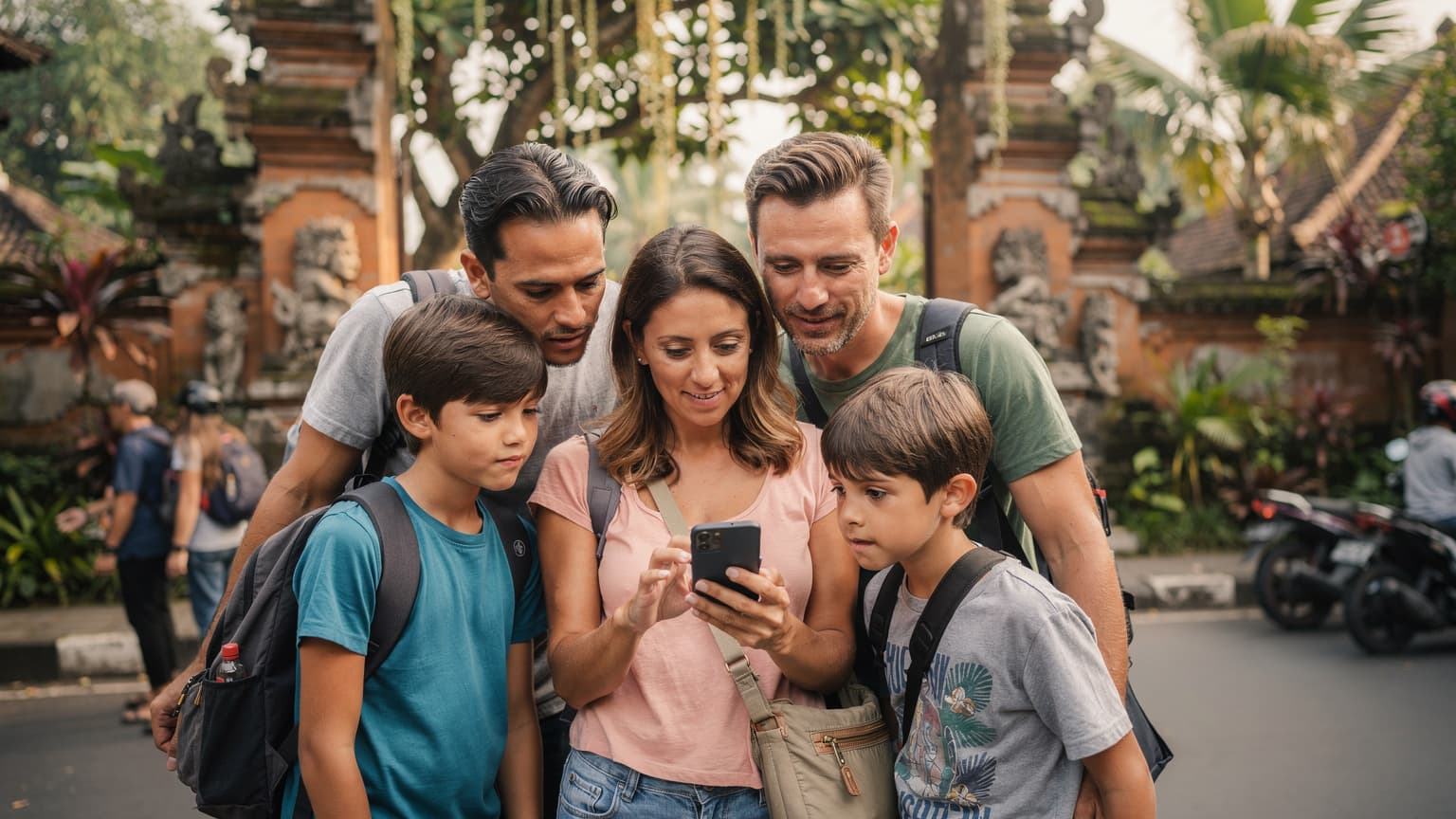
When you're travelling with kids, a dropped connection isn't just annoying, it can throw off your entire day. Imagine trying to find the nearest Watsons for emergency plasters in Nusa Dua without GPS, or having a meltdown because the YouTube Kids stream buffered for the fifth time during a two-hour car ride to a surf lesson. This is where network coverage and speed become paramount.
Telkomsel, as the national carrier, boasts the most extensive network across Indonesia. From the bustling streets of Jakarta to remote islands in Raja Ampat, their 4G LTE coverage is generally robust. This means fewer dead zones when you're exploring off the beaten path, which is a real comfort for any parent who’s ever lost signal trying to locate a specific villa in a sprawling complex. However, 'extensive' doesn't always mean 'flawless' everywhere, and crowded areas like theme parks or major tourist attractions can still see some slowdowns due to network congestion.
Cellesim, on the other hand, operates as a global eSIM provider, typically leveraging the best available local network. In Indonesia, Cellesim often partners with Telkomsel itself or other major local providers. This means you're still getting access to a strong network infrastructure, but with the added convenience of an international provider. It's a bit like buying a multi-airline ticket, you get to fly on the best available option for each leg of the journey.
| Feature | Telkomsel Tourist eSIM | Cellesim (Indonesia) |
|---|---|---|
| Primary Network | Telkomsel (direct) | Telkomsel or other strong local networks (via partner) |
| Coverage Reach | Most extensive across Indonesia, including remote areas | Excellent in populated areas and major tourist spots, generally strong in others via partner networks |
| Typical Speeds | Generally high 4G LTE, can vary in congested zones | Comparable 4G LTE speeds, dependent on local partner network and traffic |
| Reliability in Tourist Hubs | Very good, but can face congestion in peak times (e.g., Bali Kuta) | Very good, often benefits from network optimisation |
| Cruise Ship Connectivity | Limited to coastal proximity, then switches to expensive satellite roaming | Similar coastal limitations, better options for multi-country cruises via global coverage |
From my experience, relying on local partners usually means you're getting a good deal on connectivity. I've often seen eSIM speed tests abroad show very little difference between direct local SIMs and quality global eSIMs when both are using the same underlying infrastructure. However, if your itinerary includes truly off-grid adventures in places like the Banda Islands, Telkomsel's direct local presence might offer that tiny edge in a pinch.
Data Plans for the Whole Family
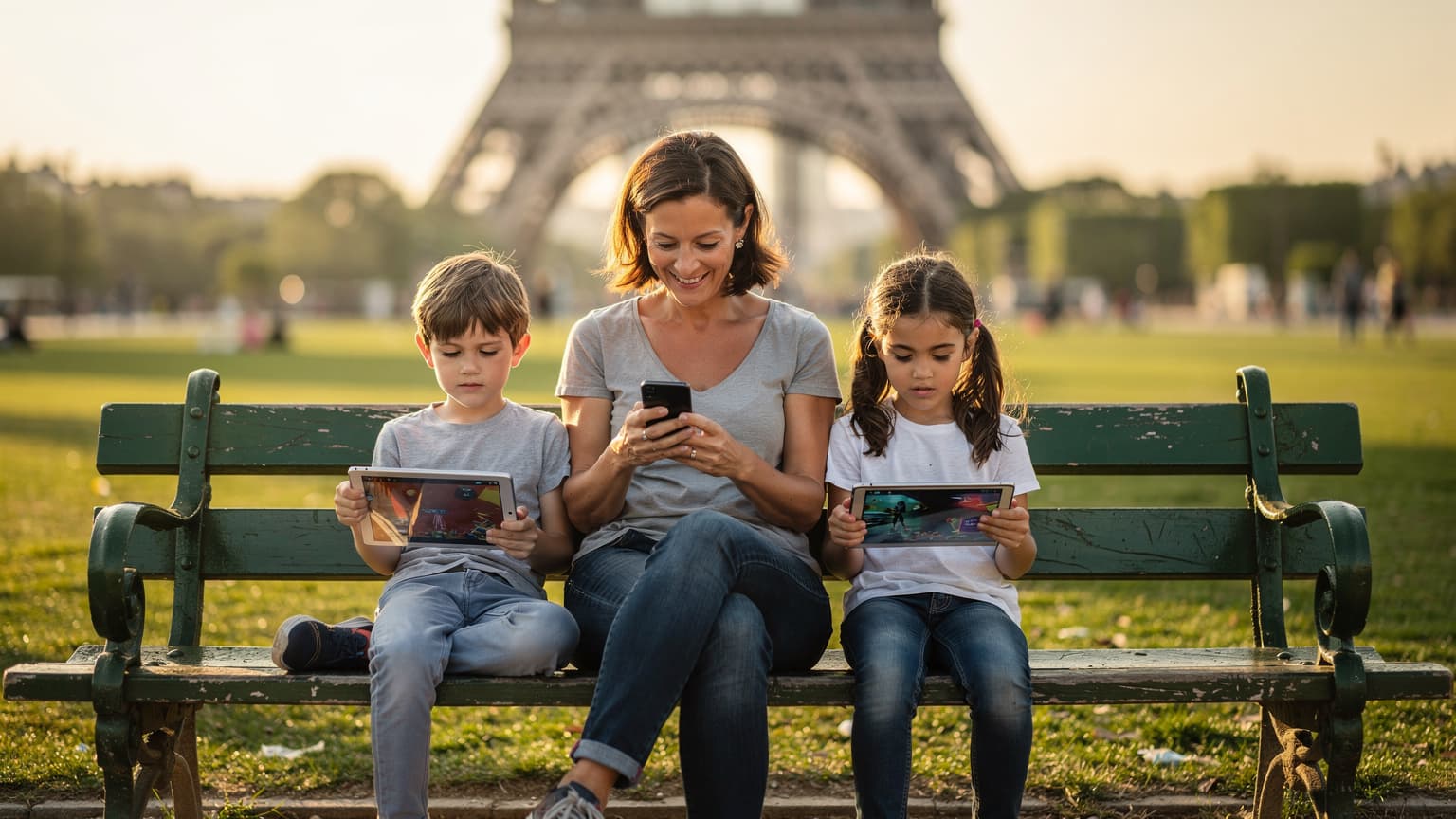
This is where the rubber meets the road for parents. It's not just about one phone, it's about making sure everyone's device has enough juice. My two, a 9-year-old and a 12-year-old, can easily chew through data if left unchecked, especially with their beloved Disney+ and Roblox. Planning ahead is key.
Telkomsel's Tourist eSIM plans typically come with a fixed amount of data for a set duration, usually 30 days. These are often quite generous, but they are single-user plans. If you have multiple devices, you'd need multiple eSIMs or rely heavily on tethering from one primary phone. Tethering can be a battery drain for the host device, which is less than ideal when you're out all day.
Cellesim, on the other hand, offers a wider variety of plans, including regional ones that cover Indonesia and nearby countries, which is brilliant if you're hopping over to Singapore or Malaysia. Crucially, Cellesim often provides more flexible data packages that you can top up easily from their app. This is a lifesaver when you realise the kids have somehow streamed an entire season of Bluey in two days and your original data plan is looking rather sad. No queuing at a local store, just a few taps.
| Feature | Telkomsel Tourist eSIM | Cellesim (Indonesia) |
|---|---|---|
| Plan Types | Fixed data bundles (e.g., 25GB, 50GB) for 30 days | Various data sizes (1GB to 20GB+), flexible durations (7, 15, 30 days), often regional options |
| Top-Up Availability | Requires visiting a Telkomsel outlet or using a local payment method for their app | Easy in-app top-ups with international credit cards |
| Family Sharing | No direct family plan, relies on personal hotspots | No direct family plan, but easier to manage multiple individual eSIMs from one account, or use one large plan for tethering |
| Streaming Bandwidth (example) | Sufficient for 2 kids streaming Disney+ (SD/HD) if data bundle is large enough (50GB+ for 2 weeks) | Sufficient for 2 kids streaming Disney+ (SD/HD) if data bundle is large enough (20GB+ for 1 week per child) and topped up as needed |
| Pre-loaded Apps | Relies on user's home network for pre-loading or local Wi-Fi. Apps like Google Maps, Netflix, Spotify, or educational games should be downloaded before travel. | Same as Telkomsel. Always pre-load apps like offline maps (Maps.me), language translators, and entertainment before you leave home to save data. |
For a family needing enough data for two kids streaming Disney+ in standard definition (which is perfectly fine for an iPad mini), you're looking at roughly 1-2GB per hour per device. Multiply that by a few hours each day during downtime, and suddenly a 25GB plan for a two-week trip for just one device seems quite small if you're relying on tethering for everyone. With Telkomsel eSIM for Tourists: Navigating Indonesia with Kids (2026), the large upfront data might seem appealing, but the lack of easy top-ups can be a problem.
Activation and Management On the Go
Getting connected should be the easiest part of your trip, not another hurdle. I’ve spent too many precious holiday minutes trying to get a local SIM card activated in a foreign language, only to find out it requires a passport registration that’s more complicated than I anticipated.
Telkomsel Tourist eSIMs can be purchased and activated before you arrive, which is a definite plus. You'll typically receive a QR code via email. However, some users report needing to register their IMEI number with Indonesian customs if their phone isn't an Indonesian variant, to avoid it being blocked after 90 days. While this generally doesn't affect short-term tourists, it adds a layer of concern. Also, managing the plan usually involves their local app, which might not be as intuitive for non-Indonesian speakers, or requires a local payment method for top-ups.
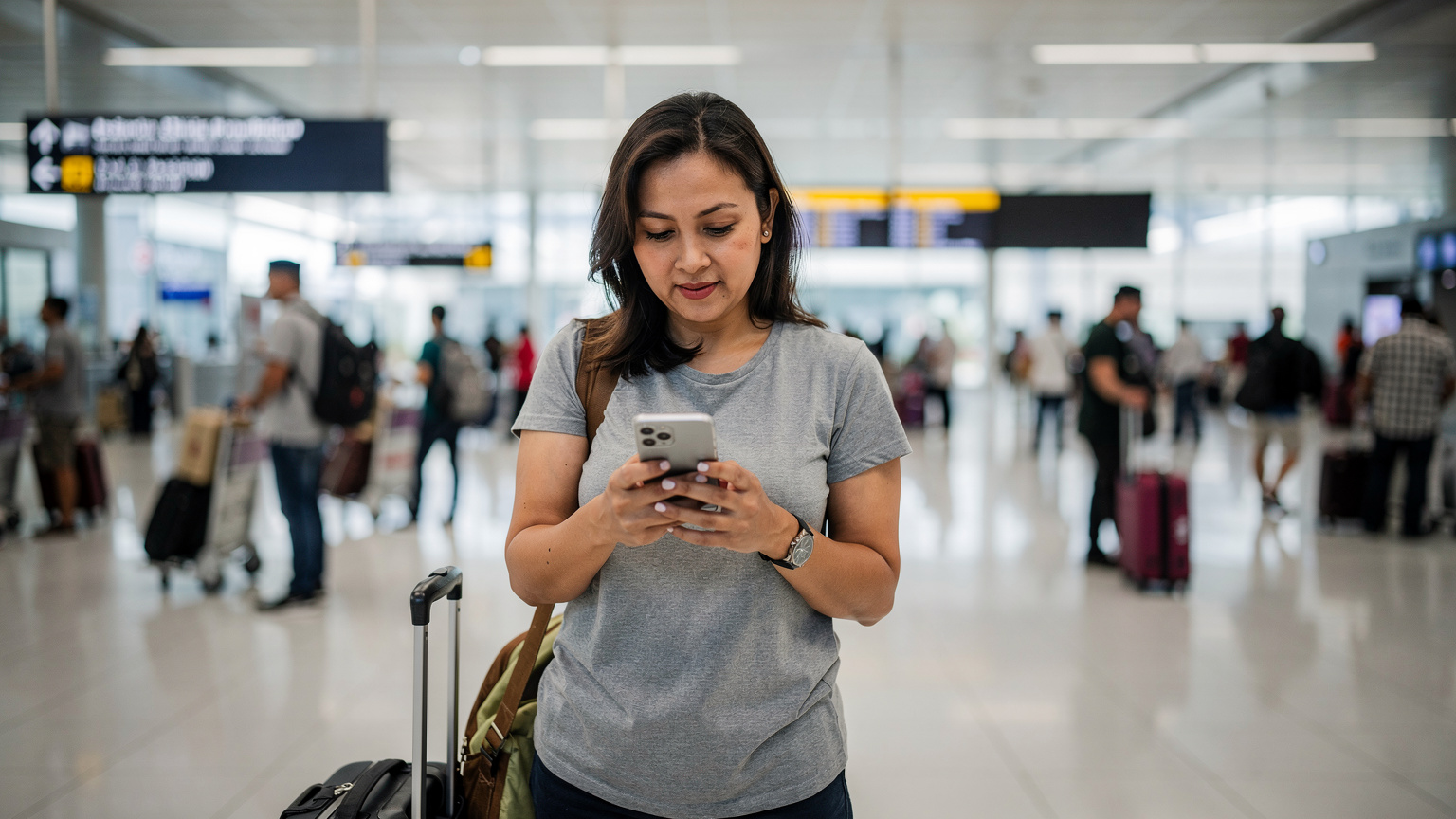
Cellesim, by contrast, is designed for international travellers. The entire process, from purchase to activation, happens within the Cellesim app or website. You buy your plan, scan a QR code, and you're good to go. No local registration hassles, no language barriers for topping up. This 'set it and forget it' approach is invaluable when you've just landed after a long flight with tired children, and the last thing you want is to troubleshoot connectivity. It's truly a seamless experience, allowing you to hit the ground running, which is always my goal when travelling with my family. This convenience is a strong point for Cellesim, especially when you need to activate an eSIM for Indonesia from France or any other country before you even board your flight. Activating an eSIM for Indonesia From France: A Step-by-Step Guide for 2026 provides more detail.
| Feature | Telkomsel Tourist eSIM | Cellesim (Indonesia) |
|---|---|---|
| Purchase Process | Online before arrival, or at official Telkomsel outlets | Fully online via Cellesim website or app |
| Activation Method | QR code via email, potential IMEI registration for longer stays | QR code via email/app, instant activation, no local registration needed |
| Management & Top-ups | Via Telkomsel app (may require local payment/language), or physical stores | Via Cellesim app (international payment methods accepted), 24/7 support |
| Customer Support | Local Telkomsel support, primarily in Indonesian, some English options | Multilingual 24/7 online support, geared for international travellers |
| Ease of Use for Families | Can be cumbersome with language barriers or physical store visits for multiple lines/top-ups | Designed for simplicity, ideal for managing multiple devices without local hassle |
I find the Cellesim app particularly useful for keeping tabs on data usage for my own phone, which in turn acts as the hotspot for the kids' devices. It saves me from those 'Dad, the internet's gone!' exclamations mid-Netflix episode.
Parental Controls and Device Management with eSIMs
This is a big one for me. My kids have iPads and a Nintendo Switch, and while I want them to enjoy their travel, I also need to manage screen time and ensure they're safe online. An eSIM doesn't directly offer parental controls, but how it integrates with your existing device management strategy is crucial.
When you're using a Telkomsel Tourist eSIM, it functions like any other local SIM. Parental controls would need to be managed directly on each device (e.g., Apple's Screen Time, Google Family Link) or through your home Wi-Fi settings if you're using a portable hotspot that has such features. The eSIM itself won't interfere with or enhance these settings.
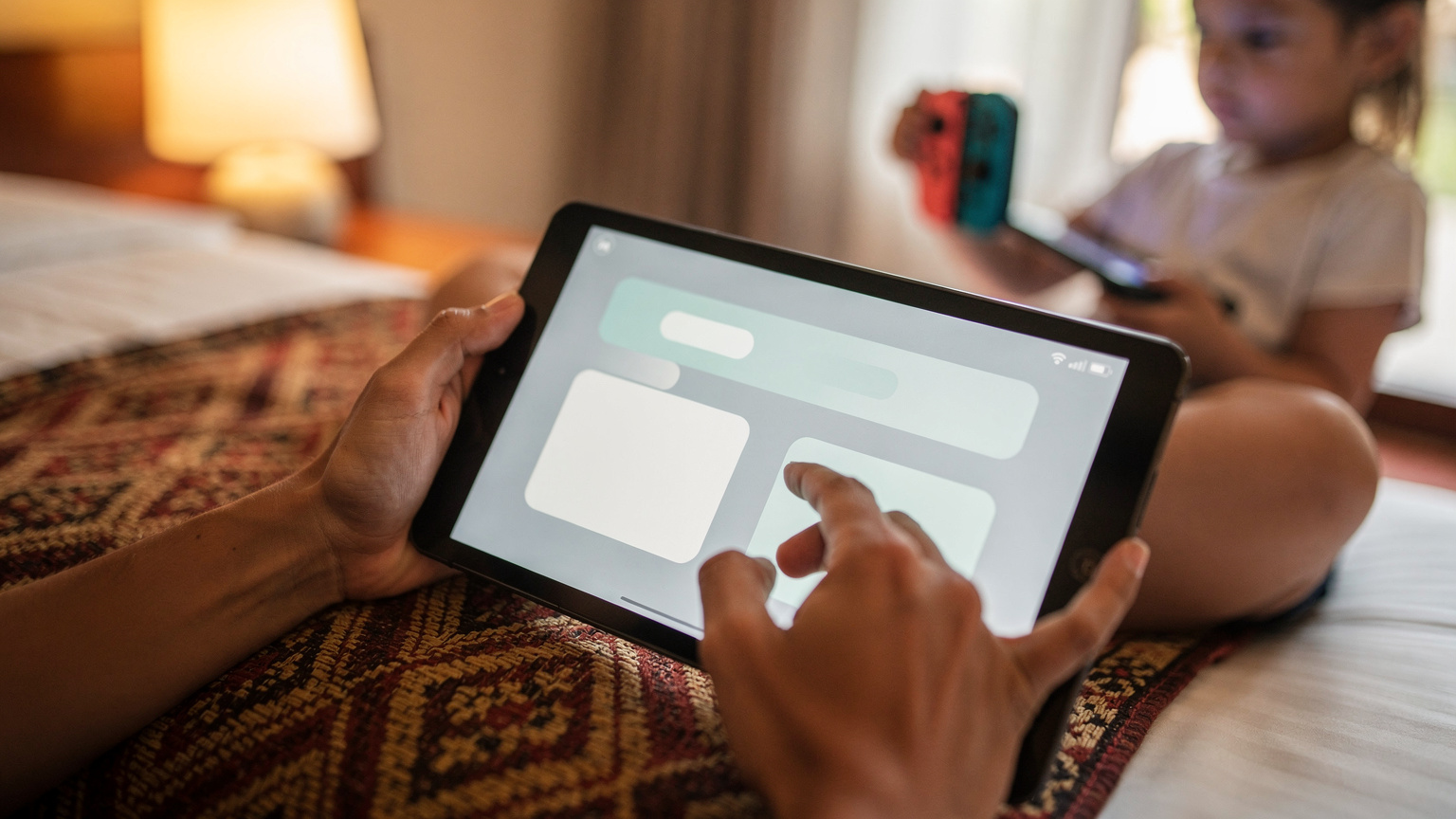
With Cellesim, the situation is identical regarding the direct functionality of the eSIM. However, the advantage comes in managing your primary connection. If your phone has the Cellesim eSIM and acts as the hotspot, you maintain central control over the internet access. You can easily pause internet access for the kids' devices from your phone's settings (if you're using a dedicated travel router) or simply turn off your hotspot. This kind of flexibility is essential for enforcing screen time rules, especially when you're moving between locations or trying to get the kids to engage with their surroundings (instead of their screens) during a temple visit.
Think about it: if each kid has their own Telkomsel eSIM, you'd have to manage data and screen time independently on each device. With a shared Cellesim hotspot, you can easily cut off access at dinner time or when it's time to explore a new city. It simplifies things, which is what every travelling parent needs. I've found that setting clear boundaries for device usage, enforced by the ability to 'turn off the internet' from my own phone, works wonders. Using apps like OurPact or Bark also helps, but they do require a constant internet connection to function properly, so a reliable eSIM is still the foundation.
Pricing and Value for Families
Travel is expensive, and data costs can quickly add up, especially when you're budgeting for four people. Value isn't just the lowest price, it's about what you get for your money, and how easily you can manage it to avoid unexpected charges.
Telkomsel Tourist eSIMs often appear to offer a high volume of data for a competitive price if you buy directly in Indonesia. For instance, you might see a 50GB plan for 300,000 IDR (around £15-£16) for 30 days. This sounds fantastic on paper. The potential downside, as mentioned, is the inflexibility of top-ups and the single-user nature of the plan. If you need 100GB for a family of four over two weeks, you'd either need to buy two 50GB eSIMs or one massive one and rely on tethering, which isn't always efficient.
Cellesim's pricing structure is often more granular, allowing you to buy exactly what you think you'll need, with the safety net of easy top-ups. While a Cellesim plan for Indonesia might initially look slightly more expensive per GB than a large Telkomsel tourist bundle, the ease of management, multilingual support, and immediate top-up capabilities often provide better overall value. For example, a 20GB Cellesim plan for 30 days might cost around £20-£25. If you manage two of these, one for yourself and one for your partner (who can then hotspot for the kids), it offers fantastic flexibility.
| Criterion | Telkomsel Tourist eSIM | Cellesim (Indonesia) |
|---|---|---|
| Initial Cost per GB (Large Bundles) | Often very competitive (e.g., 50GB for ~£15) | Slightly higher per GB, but more flexible smaller packages |
| Ease of Top-Up | Requires local shop visit or local payment on app | Instant, in-app top-ups with international credit cards |
| Hidden Costs/Friction | Potential IMEI registration, language barriers for support/top-ups | None, transparent pricing, no local registration needed |
| Family Value | Good if one person uses a lot of data and hotspots, less flexible for multiple independent users | Excellent for managing multiple devices, allows for flexible data allocation and easy top-ups for hungry devices |
| Overall Recommendation for Families | Good for single power-user hotspotting for others, but less adaptable | Recommended for ease of use, flexibility, and stress-free management for multiple family members |
When considering which eSIM for Indonesia to purchase, think about your specific family's data habits. My kids love their games, but also need to be able to look up facts about the temples we're visiting on Wikipedia. It's a balance. Having the ability to quickly add more data without interrupting our day is a huge plus, even if the initial per-GB cost is a little higher.
The Verdict: Which eSIM for Your Family Trip to Indonesia?
After weighing up the options, for a family travelling to Indonesia, my clear recommendation leans towards a global eSIM provider like Cellesim. While Telkomsel Tourist eSIM offers impressive coverage and often large data bundles at a competitive upfront price, the practicalities of family travel tilt the scales.
The ease of activation, especially before you even leave home, is a significant advantage. No worrying about local registration, currency, or language barriers when you've just landed with tired kids. The ability to manage your data and top up instantly from an app, using your home country's credit card, is simply invaluable. No scrambling to find a Telkomsel outlet in a busy market when the kids' iPads run out of streaming data.
Furthermore, while neither eSIM solution directly provides parental controls, Cellesim's model often makes it easier to manage data across multiple devices. You can purchase a generous plan for your own phone and use it as a reliable hotspot, giving you central control over internet access for the children's tablets and consoles. This means you can enforce screen time rules more effectively without having to individually manage multiple local eSIMs.
My Pick for FamiliesFor families heading to Indonesia, Cellesim offers the best combination of convenience, flexibility, and stress reduction. The slightly higher per-GB cost is a small price to pay for hassle-free connectivity, easy top-ups, and robust customer support, all designed for international travellers. It ensures those crucial apps, from Google Maps to family video calls, remain accessible without interruption.
Of course, if you are a very light data user, travelling solo, and comfortable with navigating local services, Telkomsel's direct offering might suffice. But for the family planner, the peace of mind that comes with a globally focused provider like Cellesim, which understands the needs of international visitors, is simply unmatched. It lets you focus on the actual adventure, not the logistics of your mobile data.
Frequently Asked Questions
What is the main difference between Telkomsel Tourist eSIM and Cellesim for families?
The main difference lies in ease of management and flexibility. Telkomsel offers direct local coverage with potentially larger initial bundles, but Cellesim provides easier activation, in-app top-ups with international payment, and multilingual support, which is often more convenient for families on the go.
Can I use parental controls with an eSIM in Indonesia?
eSIMs themselves do not offer parental controls. You will need to use your device's built-in features, such as Apple Screen Time or Google Family Link, or third-party apps like OurPact. However, using one primary eSIM (like from Cellesim) to hotspot for kids' devices allows for central control over their internet access.
How much data do I need for my kids' devices while travelling?
For two kids streaming standard definition content on Disney+ or similar, you should budget at least 1-2GB per hour per device. For a two-week trip with moderate usage, a combined family data pool of 50-100GB is a reasonable starting point, with the ability to top up easily being crucial.
Will an eSIM work on a cruise ship around Indonesia?
eSIMs, whether Telkomsel or Cellesim, will generally only work when your ship is within range of coastal cell towers. Once you're out at sea, you'll need to rely on the ship's expensive satellite Wi-Fi or have no connection until you reach the next port with cell coverage. Always download entertainment and maps offline before boarding.
Do I need to register my phone's IMEI number in Indonesia if I use an eSIM?
For short-term tourist stays (under 90 days), it's generally not required for an eSIM to register your IMEI with Indonesian customs. However, some local SIM cards (including Telkomsel's physical SIMs) may require this for longer durations to avoid your phone being blocked. Global eSIM providers like Cellesim typically bypass this local registration complexity.
Is it better to pre-load apps before my trip or download them using the eSIM?
Always pre-load essential apps like offline maps (Maps.me, Google Maps offline), entertainment (Netflix, Disney+ downloads), and language translators before you leave home. This saves valuable data on your travel eSIM and ensures you have access even if connectivity is temporarily spotty.
Can I use my Cellesim eSIM in other countries in Southeast Asia?
Yes, Cellesim often offers regional eSIM plans that cover multiple countries in Southeast Asia, which is a fantastic option if your family trip involves hopping between Indonesia, Singapore, Malaysia, or Thailand. This eliminates the need to buy a new eSIM for each country.