Okay, so you're thinking about grabbing a Turkcell eSIM for your trip to Turkey. Good idea to look into it first, because while they do offer them, there are some quirks that might push you towards other options. Especially if you're planning to stay longer than a few weeks or you just want to hit the ground running with instant data.
How Turkcell eSIM Works (for Tourists)
Yes, Turkcell, just like Vodafone TR and Türk Telekom, offers eSIMs. The real question for travelers isn't usually "do they have it?", but "how easy is it to get, and how long can I use it?" Having traveled in and out of Turkey for years, I've seen the local SIM and eSIM process improve, but it still has its unique challenges.
You can pick up a Turkcell eSIM at official stores, which you'll find at major airports like Istanbul Airport (IST) or Sabiha Gökçen (SAW), and in bigger city centers. Make sure to bring your passport, and depending on where you're from, possibly a valid visa. The staff generally have enough English skills to help you out. A basic tourist package, including data, calls, and SMS, will likely run you about ₺300-₺500 (roughly $10-$17 USD, depending on the current exchange rate). These packages typically last 28-30 days.
Here's the main gotcha: Turkey's 120-day rule for unregistered foreign phones. If you use any Turkish SIM or eSIM for more than 120 days on a phone that isn't registered with the government, that phone will get blocked. This is a big deal if you're planning a longer visit, maybe settling down for a few months in a neighborhood like Kadıköy or Cihangir (I spent three months there last year and paid about ₺15,000 for a furnished 1+1). To keep your phone working past that limit, you'll need to register your phone's IMEI with the Turkish government. That means paying a tax (currently around ₺6,000-₺7,000, or about $200-$230 USD) and making a trip to a tax office or PTT branch. It's a bit of a pain, but essential if you want to keep using your main phone number.
Registration and Activation: What to Expect
Getting a Turkcell eSIM activated at the airport sounds easy, but it's not always super quick. You'll hand over your passport, they'll scan it, fill out some paperwork, and then usually give you a QR code to scan for your eSIM profile. This whole process can take anywhere from 15 minutes to an hour, depending on how busy the store is and if you have questions. I've definitely seen long lines during peak tourist times, which is the last thing you want after a long flight.
My honest recommendation: if you're landing late or just completely wiped out, grab a global eSIM from a third-party provider before you even leave home. You can activate it the second you land, giving you data to call a taxi, check maps, or find your Airbnb without struggling to find airport Wi-Fi. Sometimes, even after you get the Turkcell eSIM at the counter, it can take a few minutes to actually connect to the network. Patience helps, but who has that when you're desperate to get to your hostel in Beyoğlu?
One more thing: some local apps might insist on a local phone number for verification. I once ran into trouble with Yemeksepeti, a food delivery app, because it really wanted a Turkish number. It's not always a deal-breaker, but it's something to remember if you plan on using a lot of local services.
Turkcell vs. Global eSIM Providers: The Difference
This is where you need to weigh your options. A Turkcell eSIM gives you a local number, which can be handy for some things. But global eSIM providers like Cellesim offer data-only plans that skip the whole registration hassle and the 120-day IMEI block. For most tourists on shorter trips (under 30 days) or even digital nomads staying up to three months, a data-only eSIM is often the smarter move.
Think about it: most of us use WhatsApp, Telegram, or Facetime for calls and messages anyway. A local number is often less important than having reliable, fast data. When I was in Bali last year, I tried to get a Telkomsel eSIM sorted, but it was such a headache that I just gave up and used a global provider. It was way less drama, and the speeds were perfectly fine for my daily video calls from co-working spots like ZIN Cafe (their Wi-Fi was good, but a backup is always essential). You can see a similar comparison with Telkomsel eSIM options for Bali.
Here's a quick breakdown:
| Feature | Turkcell eSIM (Tourist Package) | Global Data eSIM (e.g., Cellesim) |
|---|---|---|
| Local Phone Number | Yes | No (but use WhatsApp, etc.) |
| Activation Speed | Can be slow, requires in-person registration | Instant, activate before arrival |
| IMEI Registration Needed for Long Stays (120+ days) | Yes, for continued use on primary phone | No, as it's not a local number tied to your device |
| Cost (approx. for 30 days data) | ₺300-₺500 ($10-$17 USD) | Varies, typically $10-$30 USD |
| Flexibility Across Countries | Turkey only | Often regional or global plans available |
| Network Congestion | Excellent in urban areas, can struggle at large events | Often prioritizes stable connections, though subject to local network conditions |
Alternatives for Longer Stays
If you're like me and often stay in a country for 1-3 months, Turkey's 120-day phone registration rule is a real nuisance. My usual strategy involves two eSIMs: one global data eSIM for immediate internet access, and then a local physical SIM if I absolutely need a local number for something like banking or specific apps. Some Brazilian banks, for example, are incredibly strict and demand a local SIM for two-factor authentication. Turkey isn't quite that extreme, but it's close enough to be annoying.
For stays longer than 30 days but under 120, a global data eSIM is still your best bet. It lets you avoid the IMEI registration tax and all the associated fuss. I used a Cellesim plan during my last Istanbul trip when I was working out of Salt Galata's fantastic library (free, fast Wi-Fi, but you sometimes need a hotspot). It just worked, no problems, no forms. When you're up against a deadline, the last thing you need is your SIM card acting up.
Another option, if you really need a long-term local number and want to skip the IMEI tax, is to buy a cheap, basic Turkish phone. Pop a local SIM into that, and then hotspot from it to your primary device. It's not elegant, but it sidesteps the IMEI issue on your main phone. I've seen a few nomads doing this in co-working spaces near Karaköy, usually with a cheap Android they bought for about ₺2,000. Before you buy anything, though, make sure your data will actually be good. Check out Speedtest eSIM: Don't Get Ripped Off.
Test Your Connection and Stay Safe
Once you've got your eSIM set up, whether it's Turkcell or a global provider, always run a speed test. Seriously, don't just assume. I've been burned before, thinking I had excellent coverage only to find myself stuck with 3G in a crowded area. Turkey's mobile infrastructure is generally solid, especially in major cities like Istanbul, Ankara, and Izmir, but network congestion can be a real problem at big events or popular tourist spots (like around Sultanahmet Square). If you're hoping to live stream from a concert or a festival, you need to be extra careful. That's why I always have a backup data plan, even a small eSIM with a few GB, just in case my main connection drops. It's the same rule I follow when covering festivals like Coachella or Burning Man, where "No Signal" is every content creator's worst nightmare. For more general eSIM questions, our eSIM FAQ has you covered.
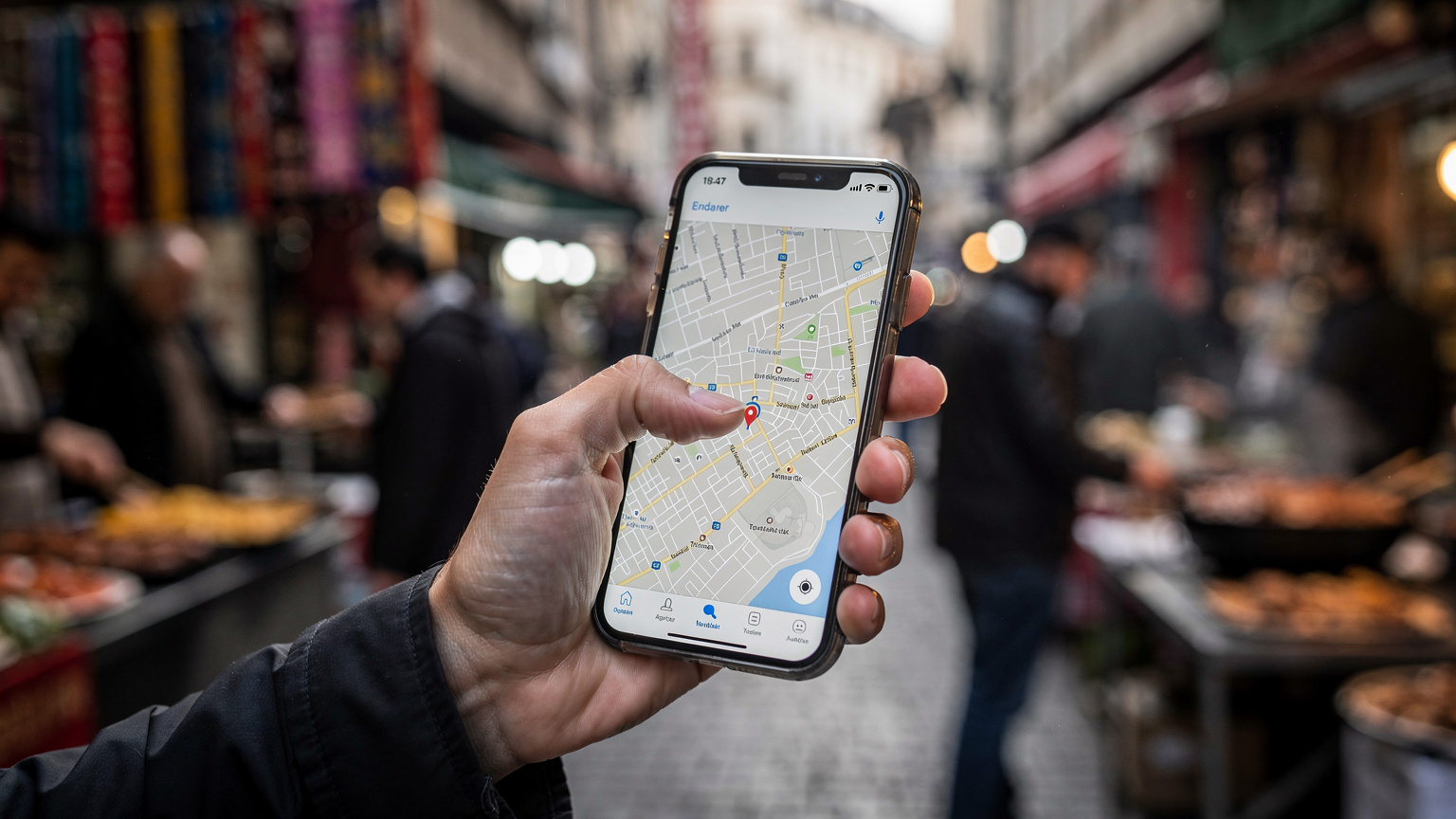
Also, don't forget about your GPS. Good data is absolutely vital for navigation. Getting lost in a new city because your maps aren't loading is zero fun. I've had my share of those moments, usually compounded by a dead phone battery and a dying data signal. Always make sure your eSIM plan supports the data speeds you need, especially if you're using location-heavy apps or streaming.
Frequently Asked Questions
Can tourists get a Turkcell eSIM?
Yes, tourists can purchase a Turkcell eSIM at official stores in airports or city centers. You will need your passport for registration, and the process typically takes some time for activation.
What is the 120-day rule for phones in Turkey?
Foreign phones using a Turkish SIM or eSIM will be blocked after 120 days of use unless their IMEI is registered with the Turkish government and a tax is paid. This rule impacts long-term travelers significantly.
Is a local Turkish phone number essential for tourists?
For most tourists, a local number isn't strictly essential as communication apps like WhatsApp work with data. However, some local services or apps might prefer or require a Turkish number for verification.
How does a global eSIM compare to a Turkcell eSIM for tourists?
Global data eSIMs offer instant activation and bypass the 120-day IMEI registration rule, providing pure data without needing a local number. They are often more convenient for short to medium-term stays than local carrier eSIMs.
Can I activate a Turkcell eSIM before arriving in Turkey?
No, Turkcell eSIMs for tourists generally require in-person registration at a Turkcell store in Turkey. Global eSIM providers, however, often allow activation before you travel.
What are the costs associated with a Turkcell tourist eSIM?
A basic Turkcell tourist eSIM package typically costs around ₺300-₺500 (approx. $10-$17 USD) for about 28-30 days of service, including data, calls, and SMS.