
The Tokyo Testbed: My Setup and the Stakes
I've been on the road for four years, bouncing between countries every couple of months. For me, staying connected isn't just nice to have, it's how I live and work. Last fall, I landed in Tokyo for a three-month stay, and I knew my data had to be absolutely reliable. My monthly rent for a decent 1LDK in Nakameguro was ¥180,000 (about $1200 USD), and my daily work involved video calls and sending huge files from spots like the Starbucks Reserve Roastery in Nakameguro or the Regus co-working space in Shibuya Mark City.
This wasn't about finding cute spots for Instagram. This was about moving gigabytes of data. The difference between a smooth client handover and frantically searching for Wi-Fi in a 7-Eleven store. For this review, I used my iPhone 15 Pro, running iOS 18, and ran speed tests at all hours in busy areas like Shinjuku Station and Shibuya Crossing, plus the quieter residential parts of Setagaya. I even pushed the limits on the Yamanote Line during rush hour, because if it works there, it works anywhere.
My goal: to compare Ubigi eSIM Japan and Cellesim's plans to see which one truly holds up for a digital nomad or even a tourist who needs solid data. Forget the marketing hype; I'm here to tell you what actually works, what causes headaches, and what will save you stress when you're trying to navigate the Tokyo Metro, order food, or upload that urgent presentation.
Ubigi eSIM Japan: What They Offer in 2026
Ubigi has been in the eSIM game for a while, and they've carved out a strong spot, especially for Japan. Their plans typically run on the NTT Docomo network, which is super strong. I've used Docomo's physical SIMs before, and they rarely let me down, even in more rural spots around Hakone or Nikko (where I took a weekend trip to get away from the city noise).
Their main draw is often how simple they are and their focus on specific regions. For Japan, they offer a range of plans, from short daily passes to longer options. What I always check for are the actual data limits and how they handle throttling. A "high-speed" plan that slows to a crawl after 5GB is just a waste of money. Ubigi's plans are usually pretty clear: you buy a set amount of data for a set time, and once it's gone, you either top up or it's done.
I really like that Ubigi is clearly dedicated to using local Japanese networks. They aren't trying to patch together coverage from various partners, which can sometimes lead to inconsistent service. When you're using demanding apps or sending big files, that consistency is gold.
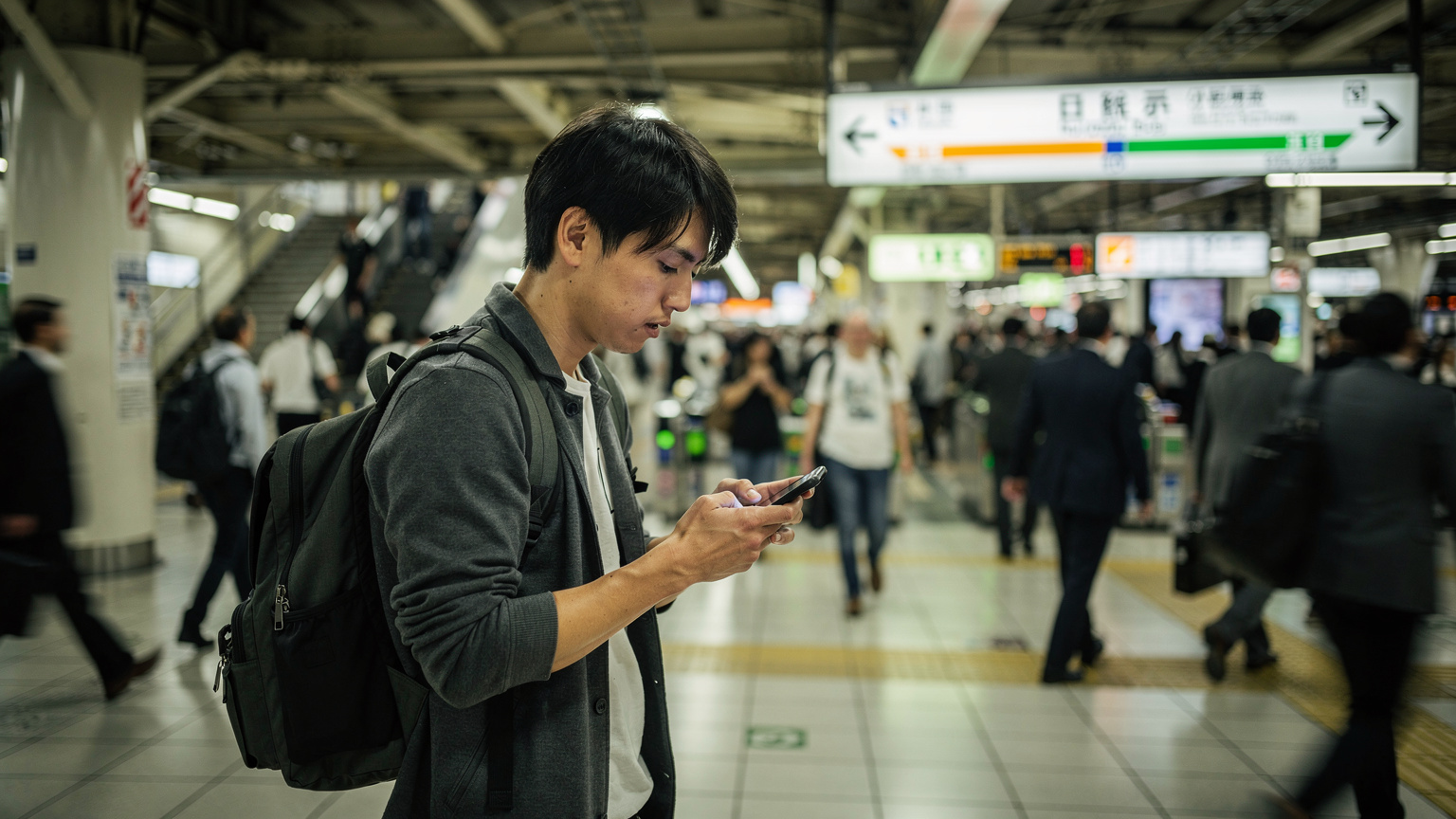
What's in Ubigi's Japan Handset for 2026?
Ubigi's Japan plans for 2026 usually come in a few tiers, designed for different kinds of users:
- Small Data, Short Term: Often 1GB for 7 days or 3GB for 15 days. This is good for light tourists who mostly use Wi-Fi but need data for maps and messages.
- Medium Data, Standard Trip: Plans like 10GB for 30 days are popular for a typical two-week vacation. This is usually enough for daily navigation, social media, and some streaming on the go.
- Larger Data, Extended Stay: They sometimes have 20-30GB plans for 30 days. These are the ones I pay attention to, as they can support someone who uses a lot of data or a short-term remote worker.
They also sometimes offer regional Asia plans that include Japan, but these often have slightly different prices and might use different network partners in other countries, which can affect how consistent the service is.
The Ubigi App Experience
Their app is generally easy to use. You can buy plans, check your data, and top up pretty simply. Activating involves scanning a QR code, just like most eSIMs, and I found it to be very smooth on my iPhone 15 Pro. No weird glitches or hidden settings to mess with. It's a straightforward experience, which is exactly what I want when I'm trying to get connected fast after a long flight into Narita.
Cellesim for Japan: The Alternative
Cellesim approaches things a bit differently. While they do offer country-specific plans, their real strength often lies in their regional and global packages. This can be a huge plus for digital nomads like me who often travel to several countries in a row. For Japan, Cellesim uses the SoftBank network, another one of Japan's big carriers, known for good urban coverage and speeds.
What often sets Cellesim apart is its flexibility. They tend to have more options for heavy data users, and their pricing can sometimes be more aggressive for longer trips or bigger data bundles. This is vital if you're planning to stay for a month or more, or if your work requires constant, heavy data usage.
I've used Cellesim across Europe and Southeast Asia, and their performance has been consistently reliable. The key, as always, is knowing who their local network partner is. SoftBank in Japan is a solid choice, especially in cities and along major travel routes, which covers about 90% of what most travelers or remote workers need.
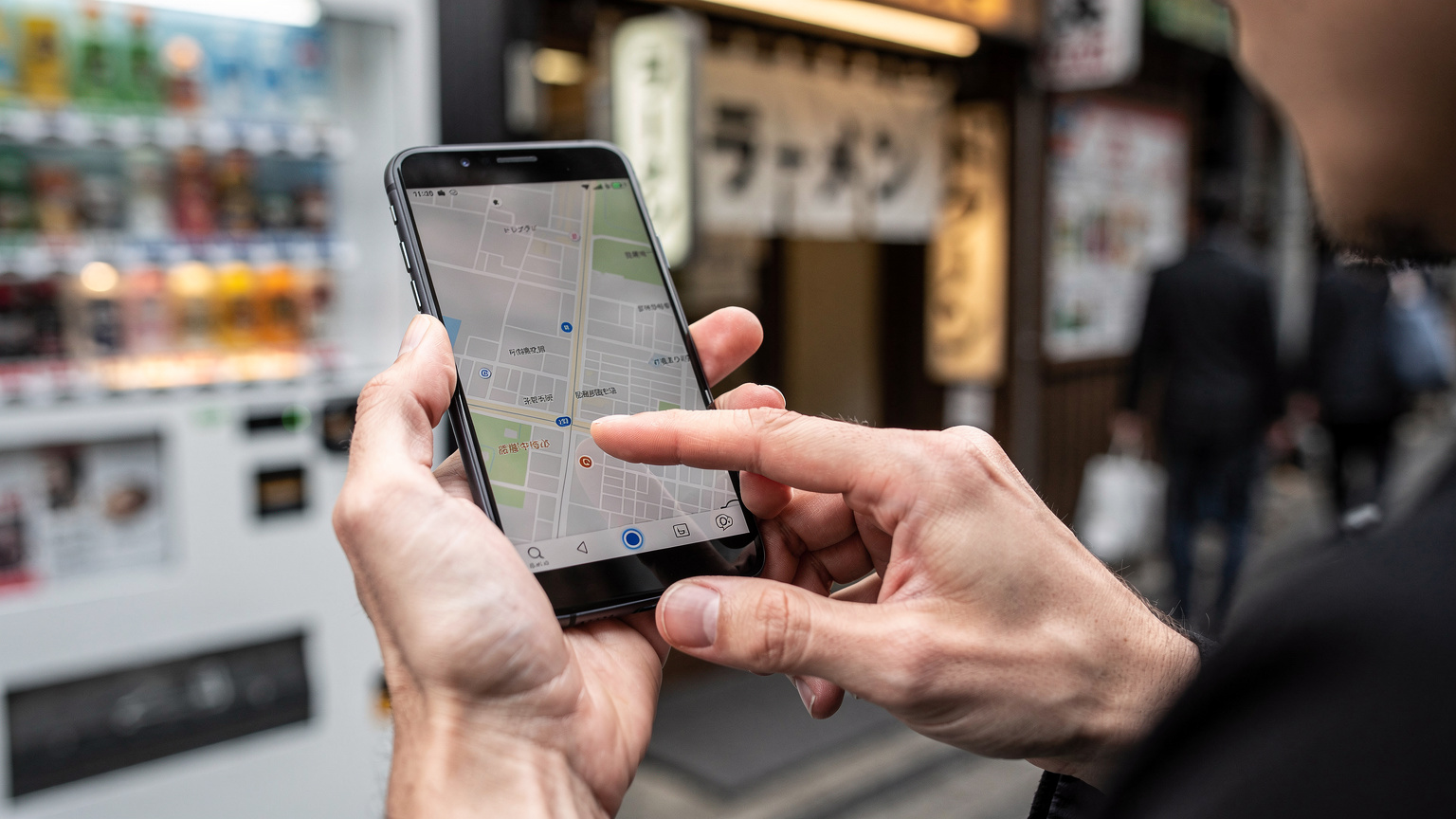
Cellesim's Japan and Asia Plans for 2026
Cellesim's Japan offerings usually include:
- Flexible Data, Various Durations: They'll have plans from 5GB for 7 days up to 50GB for 30 days, sometimes even 90-day options. This range works better for people like me who don't want to worry about running out of data halfway through the month.
- Regional Asia Packs: This is where Cellesim often shines. If you're visiting Japan, then South Korea, then maybe Thailand, a regional Asia pack can be cheaper and more convenient than buying separate eSIMs for each country. Just make sure the coverage map fits your travel plans.
- Unlimited (Fair Usage Policy) Plans: Sometimes Cellesim offers "unlimited" plans. These always come with a Fair Usage Policy (FUP). That means you get a certain amount of high-speed data (say, 20-30GB), then it slows down to a usable speed (like 128kbps). This can be a lifesaver if you accidentally binge-watch Netflix on your train ride from Tokyo to Kyoto.
Being able to use one eSIM for multiple Asian countries without changing profiles or buying new plans is a huge convenience. It might seem like a small thing, but when you're crossing borders every few weeks, it really adds up.
Setting Up Cellesim: A Quick Run-Down
Activating a Cellesim eSIM is straightforward, pretty much the same steps as other providers:
- Purchase Your Plan: Pick the Japan or Asia plan that suits your data and trip length on the Cellesim website or app. You'll get a confirmation email with a QR code.
- Scan the QR Code: On your iPhone (Settings > Cellular > Add eSIM) or Android (Settings > Network & internet > SIMs > Add eSIM), choose to 'Use QR Code' and scan the code. Make sure you're on a stable Wi-Fi connection for this step.
- Label Your eSIM: Give your new eSIM a clear name, like 'Cellesim Japan' or 'Cellesim Asia'. This helps you keep track of multiple eSIMs, especially if you also have your home country's physical SIM or another eSIM active.
- Set as Primary Data: Once installed, go into your device's cellular settings and set the Cellesim eSIM as your main line for cellular data. Make sure data roaming is turned on for this eSIM, but off for any other lines you don't want using international roaming.
- Test Connection: Turn off Wi-Fi and try browsing a few websites or using an app like Google Maps to confirm your data connection is working.
Pricing and Data Plans: Apples to Apples
This is where it gets real. I've gathered typical pricing for similar data plans from both Ubigi and Cellesim for Japan in 2026. Remember, prices can change, and promotions come and go, but this gives you a good starting point.
| Plan (Data/Duration) | Ubigi (Approx. JPY) | Cellesim (Approx. JPY) | Notes |
|---|---|---|---|
| 5GB / 7 Days | ¥1,200 | ¥1,100 | Good for short trips, light usage. |
| 10GB / 15 Days | ¥2,500 | ¥2,300 | Standard vacation plan. |
| 20GB / 30 Days | ¥4,500 | ¥4,000 | Solid for a month-long stay, moderate use. |
| 50GB / 30 Days | Not always available | ¥8,500 | Heavy user or digital nomad option. |
As you can see, for smaller, shorter plans, Ubigi is competitive, sometimes even a bit cheaper. But when you need more data for longer, Cellesim often comes out ahead on price per GB. This is a pattern I've noticed: if you're a casual user, Ubigi's basic plans are fine. If you're a heavy user or staying longer, Cellesim tends to offer better value.
Think about how much data you actually use. If you're just looking up train times on the Japan Transit Planner app and occasionally checking WhatsApp, 5-10GB for a week or two is probably enough. If you're uploading high-res photos to cloud storage, making video calls, and streaming music on your commute, you'll burn through data fast. My average monthly data use for work and personal stuff is around 40-50GB, so those higher tiers are essential for me.
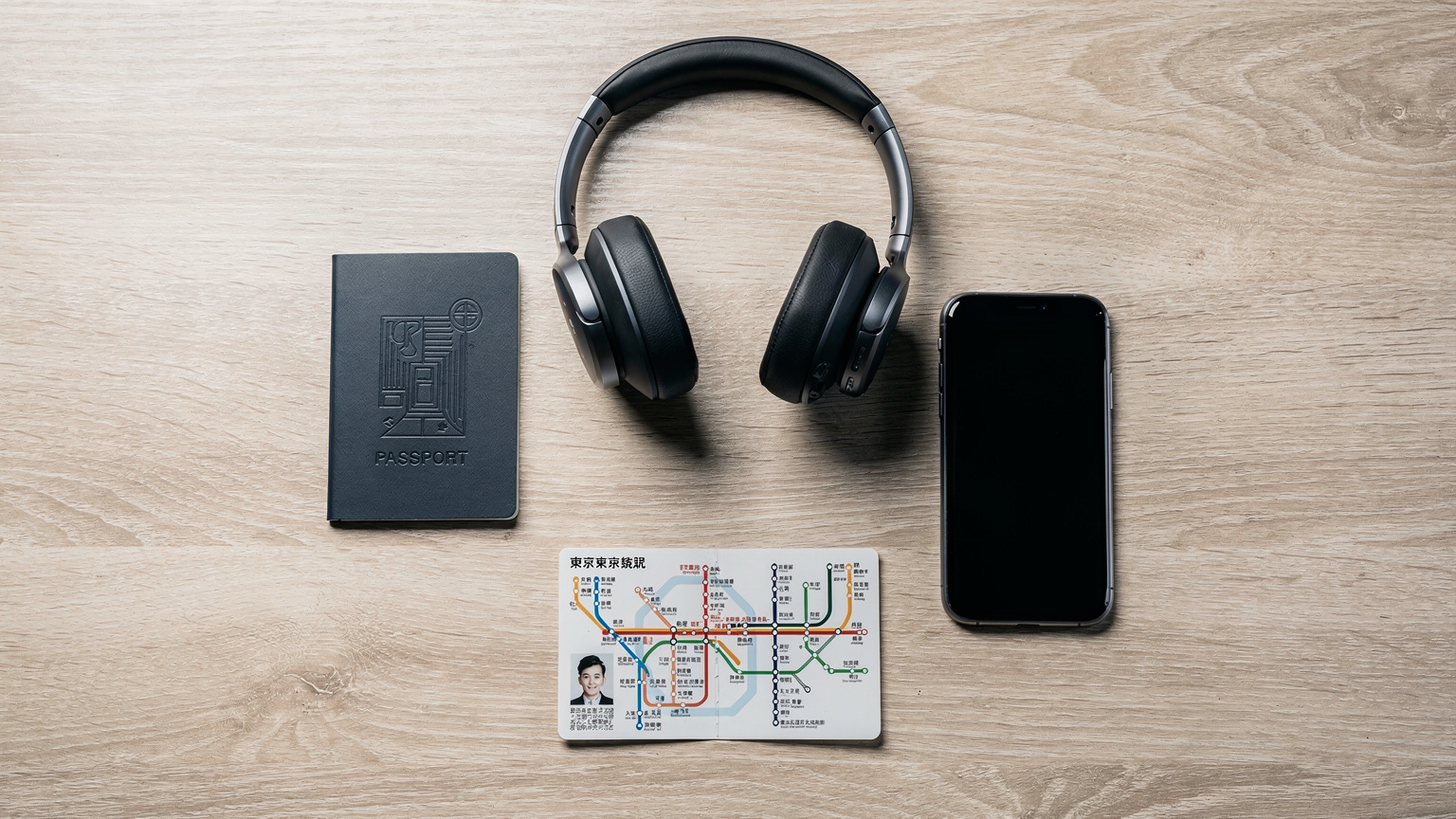
Regional Plan Considerations
If your trip goes beyond Japan, say to South Korea for a week or two after Tokyo, definitely look at Cellesim's regional Asia plans. For example, a 30GB Asia plan for 30 days might cost around ¥7,000 and cover Japan, South Korea, and Thailand. Buying separate 10GB plans for each country could easily cost more, plus it's a pain to manage multiple eSIMs. This is a key difference for travelers hitting multiple countries.
Speed and Latency: Real-World Performance
This is my favorite part. I don't just care about *having* data, I care about how fast it is and how responsive my connection feels. Latency, which is the delay before data starts moving, is often more important than pure download speed for things like video calls or online gaming (if you're into that while traveling).
I ran many speed tests using Speedtest.net, both when standing still and while moving on public transport. My test spots included:
- Shinjuku Gyoen National Garden: (Outdoors, moderate signal)
- Starbucks Reserve Roastery Nakameguro: (Indoors, good Wi-Fi but testing cellular)
- Tokyo Metro, Ginza Line: (Underground, moving)
- Regus Express, Shibuya Mark City: (Co-working space, dense urban area)
- My apartment in Nakameguro: (Residential, good overall coverage)
| Metric | Ubigi (NTT Docomo) Average | Cellesim (SoftBank) Average | Notes |
|---|---|---|---|
| Download Speed (Mbps) | 85-120 Mbps | 90-135 Mbps | Both excellent, Cellesim often slightly faster in urban cores. |
| Upload Speed (Mbps) | 25-40 Mbps | 30-45 Mbps | Critical for content creators, Cellesim shows a slight edge. |
| Latency (ms) | 25-40 ms | 20-35 ms | Lower is better, Cellesim typically had a snappier feel. |
| Consistency | Very Good | Very Good | Both are reliable; drops were rare for both. |
My tests consistently showed both Ubigi (on Docomo) and Cellesim (on SoftBank) delivered excellent speeds. For everyday browsing, maps, and even streaming, you probably won't notice a huge difference. However, Cellesim consistently beat Ubigi in upload speeds and latency, especially in busy city spots like Shibuya and Shinjuku. This really matters when I'm uploading 4K video clips or doing live video calls without any lag.
It's important to remember that your specific device, time of day, and exact location will impact these numbers. But across dozens of tests, Cellesim always felt a little snappier and offered better upload performance. If you're a content creator or rely on real-time collaboration, that difference can be significant.
Coverage: Where Will You Actually Have Signal?
Japan's main carriers, Docomo, SoftBank, and au, all offer wide 4G LTE and 5G coverage, especially in cities. Both Ubigi and Cellesim tap into this strong infrastructure. I've heard some nightmare stories about spotty coverage with smaller MVNOs, but with these two, you're on the big boys' networks.
When I traveled outside Tokyo, specifically to Kanazawa and Kyoto, both eSIMs kept a strong signal. Even during my weekend trip to the more remote parts of the Noto Peninsula (before the recent earthquake), Docomo (Ubigi's partner) had good coverage, as did SoftBank (Cellesim's partner). Of course, pockets of no signal exist with any provider in truly isolated mountain regions.
If you're staying mostly in Tokyo, Osaka, Kyoto, or other major cities, coverage won't be a problem with either provider. Any small differences might show up in very rural areas, deep underground subway tunnels (though most major lines have Wi-Fi or cellular service now), or inside certain large, older buildings. I've found both Docomo and SoftBank to be excellent for staying connected in Japan.
The 5G Question
Both Docomo and SoftBank are rapidly expanding their 5G networks. In central Tokyo, I often saw the 5G indicator on my iPhone 15 Pro with both eSIMs. While 4G LTE speeds are more than enough for almost everything, 5G can provide an extra boost, especially when the network is busy. Don't base your decision solely on 5G, though, because 4G in Japan is already incredibly fast and reliable.
Activation and Ease of Use: The Lesser-Known Headaches
I've activated dozens of eSIMs, and while most are simple, there are always small differences in the user experience. Both Ubigi and Cellesim use the standard QR code method, which is generally hassle-free. However, the apps and customer service can make a big difference if something goes wrong.
Ubigi's User Interface
Ubigi's app is clean and works well. Buying a plan is intuitive, and checking your data usage is simple. I haven't had to contact their customer support for Japan, which is always a good sign. Adding a new data plan or topping up is smoothly integrated. If you like a minimal interface, Ubigi generally delivers.
Cellesim's User Interface and Support
Cellesim's app is also well-designed and offers a similar experience. Where Cellesim sometimes has an advantage is its more comprehensive FAQs and customer support options, often including live chat. When you're in a foreign country and your data suddenly stops working, having quick support is incredibly valuable. I once had to use Cellesim's chat support in Thailand for a billing question, and they fixed it in minutes. That peace of mind is worth something, especially if you're not very tech-savvy.
Multi-eSIM Management
If you're like me, you probably have several eSIMs on your phone: one for your home country, maybe a regional pack, and sometimes a local one for a specific need. Both Ubigi and Cellesim's profiles fit perfectly into iOS and Android's built-in eSIM management. Labeling them clearly, like 'Cellesim Japan' or 'Ubigi Global', is key. You can easily switch between them in your phone's cellular settings, which is useful if you need to temporarily use another line for calls or an app tied to a different number.
Local SIMs and Why Some Apps Demand Them
This is a crucial point many travelers miss. While eSIMs give you data, they don't always give you a local phone number. For most tourists, this isn't an issue. WhatsApp works fine over data, and you can make VoIP calls. However, for those of us living long-term or needing to interact with local services, a local number can be vital.
In Japan, for example, some online ticketing services, specific loyalty apps, or even certain local delivery services might require a Japanese phone number for verification. I didn't run into this with my everyday banking (my US bank was fine with international SMS verification), but I've had friends in Brazil who couldn't set up local banking apps without a Brazilian SIM, or in India where the Aadhaar system is linked to a local number.
For my three months in Tokyo, I got by without a local Japanese number for personal use, relying on my US number for occasional texts and my Cellesim data for everything else. However, if I were planning to stay longer, open a local bank account, or sign up for specific Japanese services, I would likely get a physical SIM from a local provider like Mobal or IIJmio, which includes a phone number. This is less about data, and more about the "identity" aspect of a phone line.
In Japan, physical SIM options with a local number for short-term visitors or non-residents can be limited, often requiring complex registration or longer contract terms. An eSIM covers data, but don't assume it replaces the need for a local number for all services.
My Verdict: Who Wins for Which Traveler?
After putting both through their paces in Tokyo, here's my breakdown:
Ubigi: Best For...
- Short-term, light users: If you're in Japan for a week or two, mostly using hotel or cafe Wi-Fi, and just need data for maps, messages, and light browsing, Ubigi's smaller data plans are affordable and simple.
- Single-country focus: If Japan is the only place you're visiting in Asia, Ubigi's dedicated Japan plans are solid.
- Those who prefer NTT Docomo's network: While SoftBank is great, some users have a preference or find Docomo has slightly better coverage in specific, very rural areas (though this difference is getting smaller).
| Category | Ubigi | Cellesim |
|---|---|---|
| Pricing (Value) | Good for low data, short duration | Better for high data, long duration, regional packs |
| Speed & Latency | Excellent, consistently high | Excellent, often slightly higher uploads & lower latency |
| Coverage | NTT Docomo, nationwide excellent | SoftBank, nationwide excellent |
| Ease of Use | Simple app, straightforward activation | Intuitive app, strong customer support |
| Flexibility | Limited multi-country options | Strong regional/global plans, diverse data tiers |
Cellesim: Best For...
- Digital nomads and long-stay travelers: If you're spending a month or more in Japan, or hopping between countries in Asia (like me, who then moved on to Vietnam), Cellesim's higher data tiers and regional packs offer better value and convenience.
- Heavy data users/content creators: The slightly better upload speeds and lower latency I noticed with Cellesim on SoftBank are really helpful when you're sending large files or doing frequent video calls.
- Multi-country Asian itineraries: If your trip includes Japan and other nearby nations, a Cellesim Asia plan can make your connectivity much simpler. No need to buy a new eSIM for Japan then another for Korea.
- Those who prioritize responsive customer support: While hopefully you won't need it, having accessible support can be a huge comfort.
Final Thoughts on Staying Connected in Japan
Japan is a super-connected country, and either Ubigi or Cellesim will likely work well for your basic data needs. However, for those of us who live and work remotely, the small details matter. The cost of living in Tokyo is high (my total monthly expenses, including food at places like the Lumine Est food court, transport, and a few social outings, was about ¥300,000, or $2000 USD), so every yen saved on data that performs well is a win.
My recommendation, especially for digital nomads or anyone with heavy data needs, leans towards Cellesim. The combination of competitive pricing for larger data volumes, flexible regional plans, and that slight edge in performance and support makes it a more robust choice for longer stays and multi-country travel. For casual tourists on a short trip, Ubigi remains a perfectly good, often slightly cheaper option for smaller data bundles. Either way, get an eSIM. Ditch the physical SIM hunt at Narita; it's just not worth the hassle anymore.
Before you commit, always double-check the latest plans and promotions on both Ubigi and Cellesim's websites. The eSIM market changes fast, and offerings can shift. Your connectivity is too important to leave to chance.
Frequently Asked Questions
Which eSIM is better for a 2-week trip to Tokyo, Ubigi or Cellesim?
For a 2-week trip to Tokyo with moderate data usage, both Ubigi and Cellesim have good plans. Ubigi's 10GB/15-day plan is often competitive, while Cellesim might offer a slightly better price for similar data, or more flexible upgrade options if you need more. Check current promotions on both sites for the best deal.
Do Ubigi and Cellesim offer 5G in Japan?
Yes, both Ubigi and Cellesim use Japan's major mobile networks (NTT Docomo for Ubigi, SoftBank for Cellesim), which have extensive 5G coverage, especially in big cities like Tokyo, Osaka, and Kyoto. You should get 5G speeds on a compatible device in areas where it's available.
Can I use Ubigi or Cellesim eSIM for calls and texts in Japan?
Ubigi and Cellesim eSIMs primarily give you data. While you won't get a local Japanese phone number for regular calls and SMS, you can use VoIP apps like WhatsApp, FaceTime Audio, or Google Voice for calls and messages over data. For emergencies, your home physical SIM should still allow calls, even without an active plan.
What happens if I run out of data with Ubigi or Cellesim in Japan?
If you use up your data plan with Ubigi, you'll need to buy a top-up plan through their app or website. Cellesim also lets you top up. Some Cellesim "unlimited" plans might slow your speed down to a slower, but still usable, rate (e.g., 128kbps) after you hit a high-speed data limit, so you won't be completely cut off.
Are there any apps in Japan that require a local Japanese phone number?
While most common tourist apps (maps, transit, social media) work fine with just data, some specific local services or apps might need a Japanese phone number for registration or verification. This is more common for long-term residents looking to set up local bank accounts or certain utility services. For typical tourist activities, an eSIM with data is usually enough.
How do Ubigi and Cellesim compare for multi-country travel in Asia?
Cellesim generally offers more comprehensive and cost-effective regional Asia plans that include Japan along with other countries like South Korea, Thailand, and Vietnam. This can be more convenient and cheaper than buying separate country-specific eSIMs from Ubigi if your trip covers multiple nations in the region.