

Sales Tax is Added at the Register
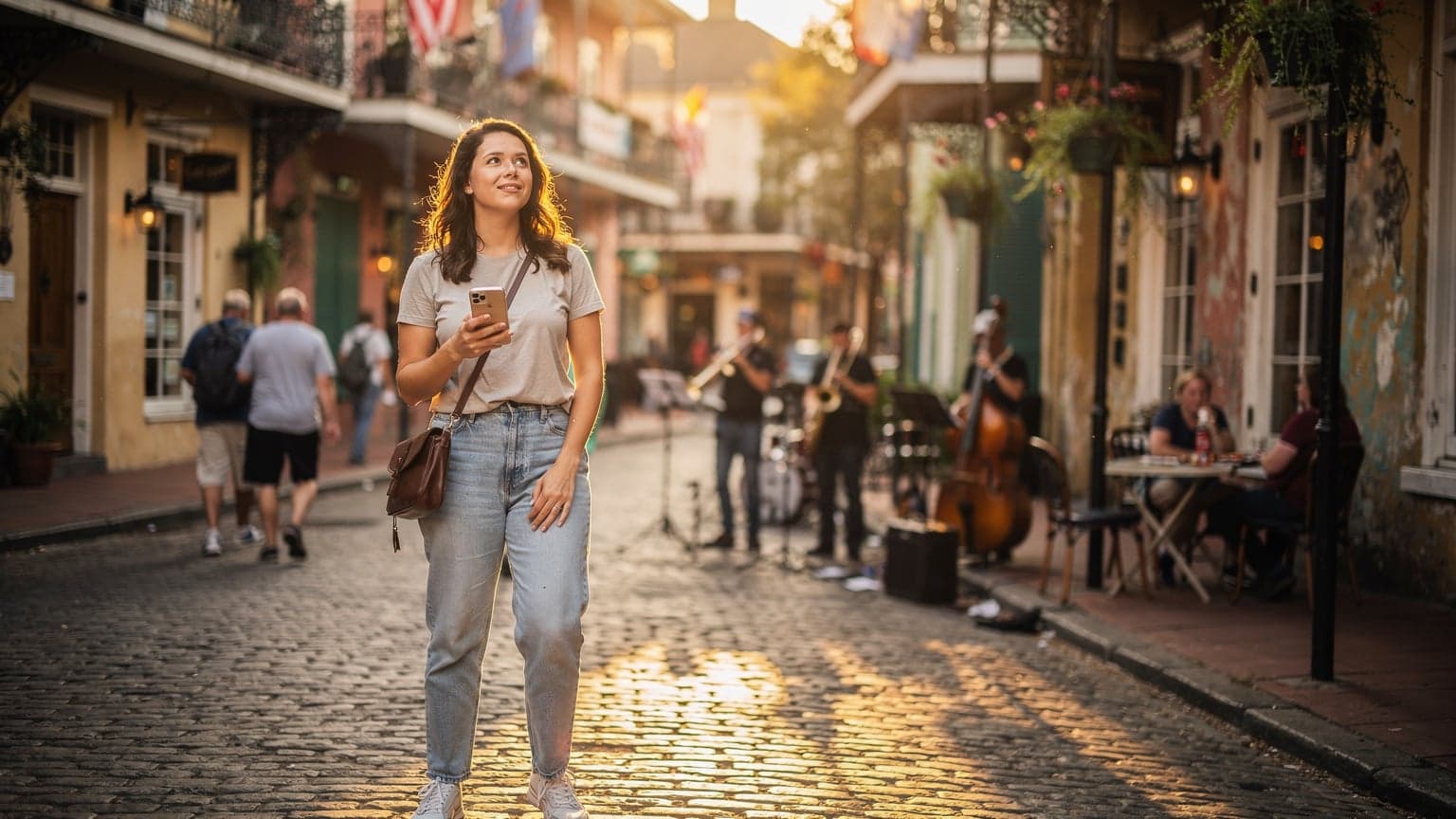
One of the first things that catches many travelers off guard, myself included on my very first trip to New York City's SoHo district, is how prices are displayed. That beautiful pair of jeans you picked up for $50? Expect the price at the register to be slightly higher. Unlike many places where the displayed price is what you pay, sales tax in the United States is almost always added on top at checkout.
This isn't a national standard, mind you. States and even individual counties have their own sales tax rates, which can range from 0% in places like Delaware, Oregon, Montana, New Hampshire, and Alaska, to over 10% in some parts of Louisiana. It means that a lunch bill in Portland, Oregon, will be exactly as priced on the menu, while the same meal in Chicago's Loop will have an extra slice of tax added. Always factor this into your budget, whether you're buying groceries at a Safeway in California or a souvenir from a boutique on Newbury Street in Boston.
Tipping Culture is Non-Negotiable
Ah, tipping. This is one aspect of American culture that can cause quite a bit of confusion and even frustration for visitors. In many other countries, a service charge is included, or tipping is a small gesture for exceptional service. In the United States, however, it's an expected part of the compensation for many service industry workers.
Waitstaff, bartenders, taxi drivers, hairdressers, and hotel housekeepers often earn a lower base wage with the expectation that tips will make up the difference. For restaurants, a standard tip is typically 15-20% of the bill, and for other services, a few dollars or a percentage is customary. My rule of thumb, after years on the road, is to always budget for at least 18% at a sit-down restaurant. It's not just about generosity, it's how people make their living. Missing a tip, especially in a place like a bustling diner in Midtown Manhattan, is a genuine faux pas.
The Sheer Scale of Distances Will Surprise You
The United States is vast, truly immense. Looking at it on a map can be deceiving. What appears to be a short hop between cities can often be a several-hour drive, or even a full day's journey. For instance, driving from Los Angeles, California, to Las Vegas, Nevada, is about a four-hour trek across the desert, not a quick jaunt. And flying from New York City to San Francisco, a cross-country flight, takes roughly six hours, not counting airport time.
This means planning your itinerary carefully is crucial. Don't try to cram too much into one trip unless you're prepared for significant travel time. My first time attempting to 'see the West Coast' in a week, thinking I could easily hit Seattle, Portland, and San Francisco, was a lesson in geographical humility. I spent more time in rental cars and airport lounges than actually exploring. Pick a region, like the Pacific Northwest, the Northeast corridor, or the Southwest, and explore it deeply instead of trying to conquer the whole map.
You'll Need an eSIM for Seamless Connectivity
Staying connected in the United States is non-negotiable, especially if you're navigating unfamiliar cities, calling an Uber, or checking restaurant reviews. Relying solely on Wi-Fi is a recipe for frustration, especially when you're trying to find your way through the maze of streets in Boston's North End or confirm a reservation in Miami Beach. This is where an eSIM becomes your best friend.
I've had my share of SIM card woes over the years, from trying to find an open phone store in a new city after a red-eye flight, to realizing my phone was locked to my home carrier. With an eSIM, those days are thankfully behind us. You can activate it before you even leave home, or while you're waiting for your luggage at O'Hare. Cellesim offers a United States eSIM starting at just $1.05, with over 33 plans available. Crucially, it supports SMS for those essential OTPs and verification codes, which can be a lifesaver when you're trying to log into a banking app or confirm a hotel booking. It's a far cry from the days of swapping physical SIMs, trying to find a paperclip, and hoping you don't lose your home SIM in the process (yes, I've done that, somewhere in a taxi from LAX to Santa Monica).
| Feature | Cellesim United States eSIM | Traditional Roaming |
|---|---|---|
| Activation | Digital, before arrival | Often manual, after arrival |
| Cost (Starting) | $1.05 | Typically higher per MB |
| SMS Support | Yes, for OTP/verification | Varies, often expensive |
| Physical SIM Required | No | Yes |
Setting Up Your eSIM: A Quick Guide
Setting up a Cellesim eSIM for your United States trip is straightforward, ensuring you're connected the moment you land, whether that's at Hartsfield-Jackson Atlanta or Seattle-Tacoma International.
- Purchase Your Plan: Visit the Cellesim website and choose a United States eSIM plan that fits your data needs. You'll receive a QR code or manual activation details via email.
- Scan the QR Code: On your iPhone, go to Settings > Cellular > Add eSIM. For Android devices, navigate to Settings > Network & Internet > SIMs > Add more. Scan the QR code. If you're on a device like an iPhone that supports it, this process is usually seamless.
- Configure Settings: Follow the on-screen prompts. You might need to label your eSIM for easy identification (e.g., 'USA Travel'). Ensure data roaming is enabled for your Cellesim eSIM line, and set it as your primary line for cellular data while in the United States.
- Test Your Connection: Once activated, try browsing a website or sending a message. If you encounter any issues, double-check your APN settings, which can usually be found in the Cellesim activation email or on their support pages. Sometimes, a quick restart of your device is all it takes.
For more detailed instructions specific to your device, you can always refer to Cellesim's comprehensive FAQ section or check out guides like Finding Your eSIM Number: An Engineer's Guide for iPhone and Android 2026.
Free Water is a Standard at Restaurants
This might seem like a small detail, but it's a welcome one, especially during those hot summer days in places like Phoenix, Arizona. When you sit down at almost any restaurant, from a casual diner to a upscale eatery, you'll be offered a glass of tap water, usually with ice, free of charge. This is a common courtesy that isn't always found in other parts of the world, where bottled water is the norm and often comes with a hefty price tag.
It's perfectly acceptable to ask for refills, too. In places like Las Vegas, with its dry heat, staying hydrated is key, and this simple practice makes it much easier. So, don't feel shy about asking for 'just water' if you're not in the mood for a soda or another beverage. It's expected.
Driving is Often the Only Way to Get Around
While major cities like New York, Chicago, and San Francisco boast excellent public transit systems (think the MTA, CTA, and Muni, respectively), venturing outside these urban cores often requires a car. The idea of walking between towns or relying on intercity buses like Greyhound for extensive travel can be impractical and time-consuming.
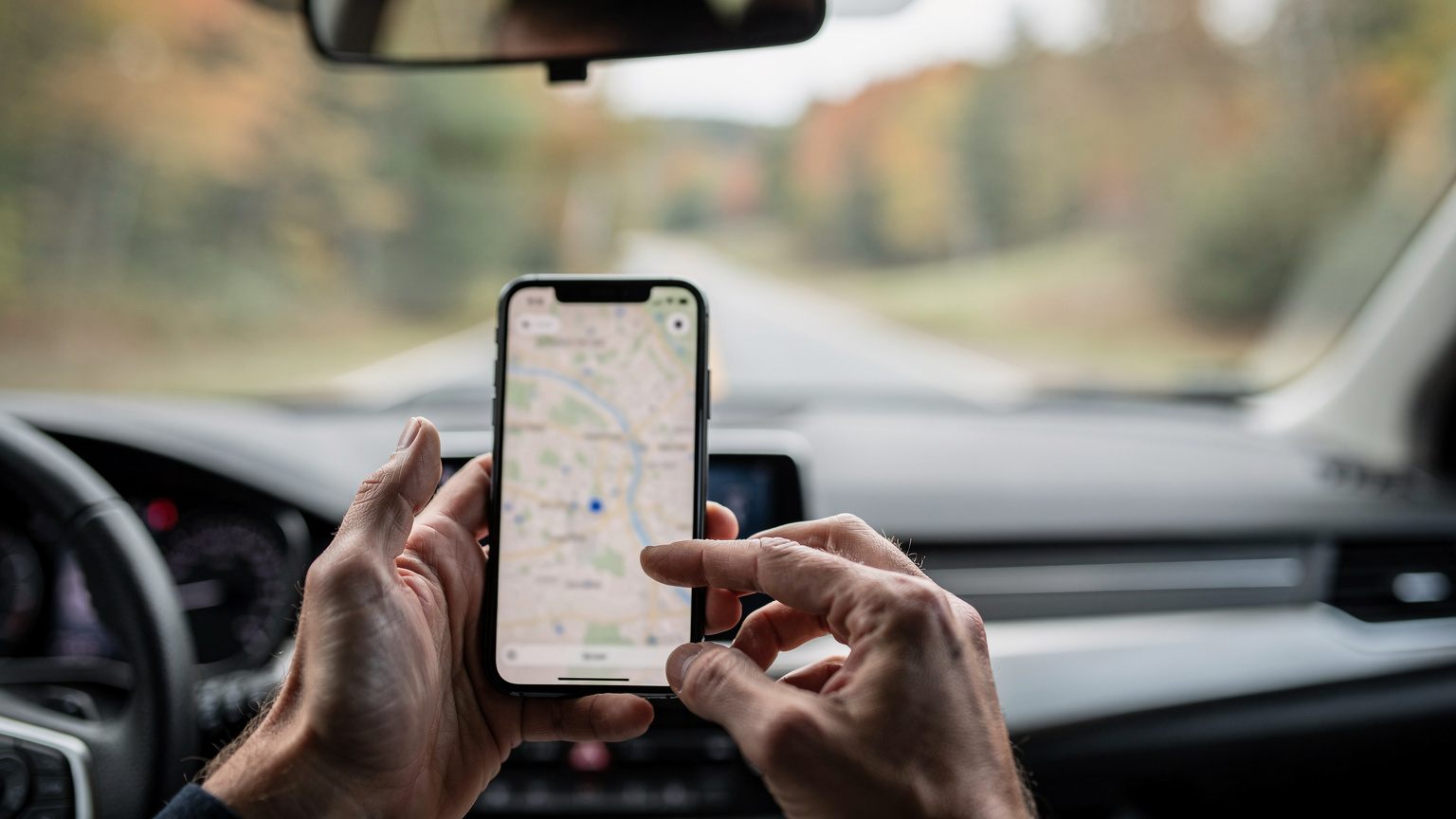
If your itinerary involves exploring national parks, visiting smaller towns, or even just getting around the sprawling suburbs of a city like Houston, renting a car is almost a necessity. Remember that speed limits are posted in miles per hour, and gas is sold by the gallon. Familiarize yourself with basic road rules, especially right-on-red laws (turning right at a red light after stopping, where permitted), which can differ from what you're used to.
Fast Food Culture Runs Deep
You can't talk about the United States without mentioning its pervasive fast-food culture. It's more than just McDonald's and Burger King; it's an institution. From regional favorites like In-N-Out Burger on the West Coast or Chick-fil-A across the South, to local taco stands and pizza joints, quick and often inexpensive meals are readily available everywhere. These aren't just for hurried travelers; they're a part of daily life for many Americans.
While I always encourage exploring local culinary scenes, sometimes a quick stop at a drive-thru can be a convenient and budget-friendly option, especially when you're covering long distances. Plus, it's an experience in itself, offering a glimpse into a very American way of eating. Just remember to grab extra napkins!
Alcohol Laws Vary Wildly by State and County
Forget everything you think you know about alcohol purchases and consumption, because in the United States, it's a patchwork of regulations. The legal drinking age is 21 nationwide, and IDs are checked rigorously, even if you look well over 21. Beyond that, state and local laws dictate everything from when and where you can buy alcohol to whether you can even buy it at all.
Some states allow grocery stores to sell hard liquor, while others restrict it to dedicated liquor stores (often with limited Sunday hours). For example, in Pennsylvania, you can only buy wine and spirits from state-run Fine Wine & Good Spirits stores, whereas in California, you can pick up a bottle of wine at almost any corner shop. There are even 'dry counties' in some states, particularly in the South, where alcohol sales are prohibited entirely. Always check local laws, especially if you plan to stock up for a picnic in a park or enjoy a quiet drink in your hotel room.
National Parks Are a Treasure
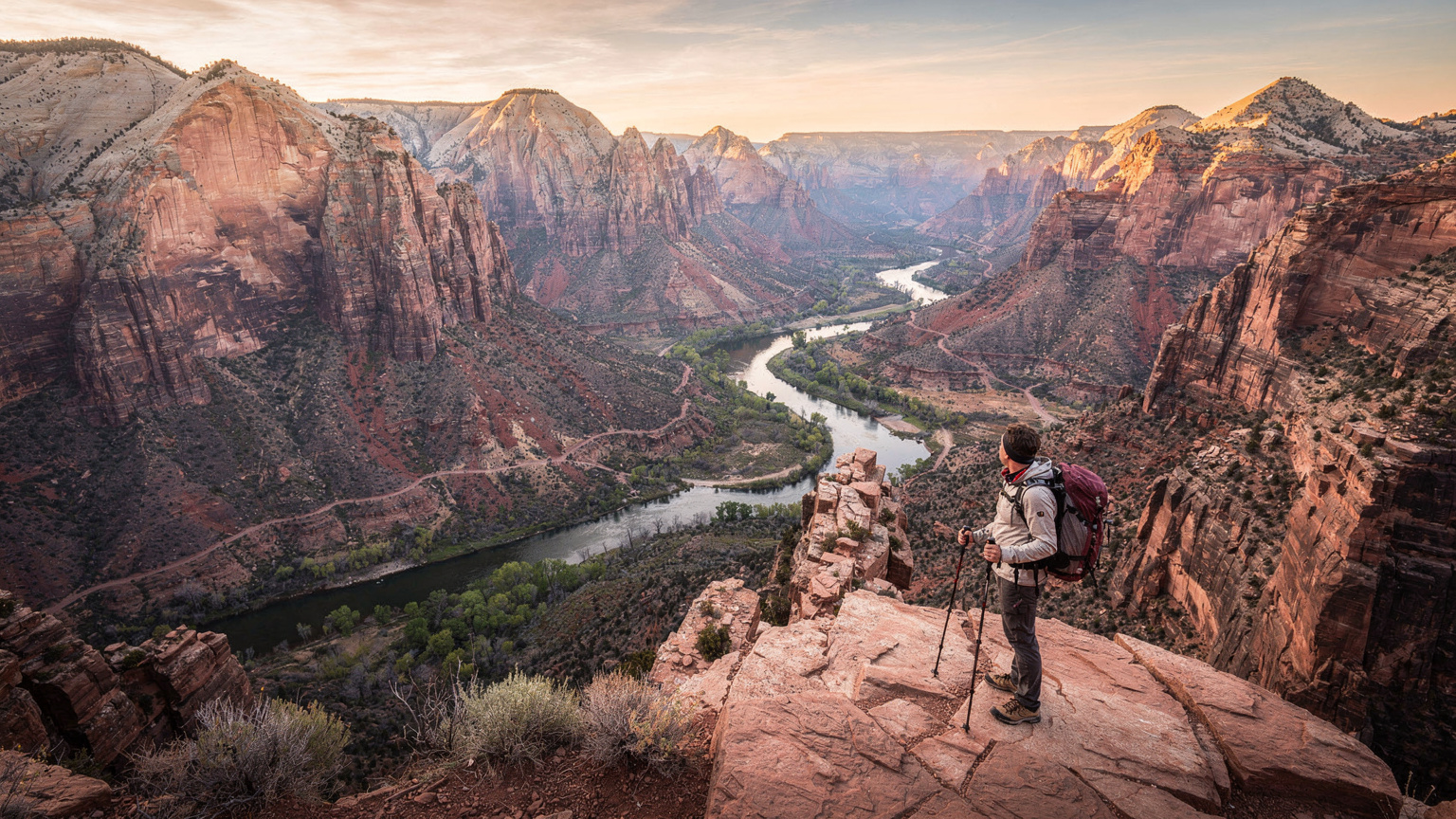
The United States boasts an incredible system of National Parks, from the iconic Grand Canyon in Arizona to the majestic Redwood National Park in Northern California. These protected areas offer breathtaking natural beauty and unparalleled opportunities for hiking, wildlife viewing, and stargazing. Many require an entrance fee, or you can purchase an 'America the Beautiful' annual pass, which is a great value if you plan to visit multiple parks. These passes are typically valid for one year from the month of purchase and cover entrance fees for the pass holder and passengers in a single private vehicle.
Some popular parks, like Yosemite Valley during peak season (roughly May to October), might require reservations for entry, so always check the National Park Service website well in advance. These parks are not just natural wonders; they are places of deep cultural and historical significance, often preserving Indigenous lands and stories. Respect the rules, stay on marked trails, and leave no trace.
The Postal Service is Surprisingly Robust
In an increasingly digital world, the United States Postal Service (USPS) might seem like an anachronism, but it remains a remarkably efficient and far-reaching institution. Even in remote areas, you'll find a post office. I've sent postcards from tiny towns in Montana and had them arrive reliably across the globe. For travelers, this means you can often mail souvenirs or extra luggage home to avoid airline baggage fees.
Post offices typically operate on weekday schedules, often closing by 5 PM and having reduced hours on Saturdays. Checking the USPS website for specific branch hours, particularly in smaller towns, is a good idea. Shipping rates can be surprisingly reasonable for standard mail. It's a charmingly old-school way to connect, and a good backup for when you need to send something physical.
Healthcare Can Be Complicated and Expensive
This is a serious point for any traveler. The United States healthcare system is complex and notoriously expensive, especially for those without insurance. Even a minor emergency, like a sprained ankle needing an X-ray, can result in a bill running into hundreds or thousands of dollars. There's no universal healthcare system like in many European countries.
Before you travel, ensure you have comprehensive travel insurance that covers medical emergencies and repatriation. Read the fine print carefully. If you do need medical attention, urgent care clinics are often a more affordable option than emergency rooms for non-life-threatening issues. Always keep copies of your insurance documents and emergency contact information readily accessible. It's one of those things you hope you never need, but are profoundly grateful for if you do.
Speak American English, But Accents Abound
While English is the dominant language, don't expect a monolithic accent. From the clipped tones of New Englanders in Boston's Beacon Hill to the slow drawl of Texans in Austin, the regional variations are fascinating and sometimes challenging to understand. The same word might even have different meanings or connotations depending on where you are (a 'soda' in New York is a 'pop' in the Midwest and a 'coke' in the South, regardless of brand).
Don't be surprised if you encounter Spanish speakers, particularly in states bordering Mexico or in major cities with large Hispanic populations, like Los Angeles or Miami's Little Havana. It's always a good idea to have Google Translate downloaded on your phone, though most Americans will appreciate any attempt to communicate, regardless of accent.
Credit Cards Are King
Cash is becoming less and less common, especially in urban areas. Most businesses, from small coffee shops in Seattle's Capitol Hill to large department stores on Michigan Avenue in Chicago, prefer or even exclusively accept credit or debit cards. Contactless payment (tap-to-pay) is also widespread. It's rare to find a place that is 'cash-only' these days, though it still exists in some very small, local establishments.
Always notify your bank and credit card companies of your travel plans to avoid your cards being flagged for suspicious activity. Also, be aware of foreign transaction fees, which some banks charge. Carrying a small amount of cash for tips or very small purchases is wise, but don't rely on it as your primary form of payment. I once found myself in a pickle at a local farmers' market in rural Vermont, only to discover the charming artisan's stall was cash-only and my wallet was empty.
The Power Grid is Different
A seemingly minor detail that can cause major headaches: the electrical outlets and voltage are different from much of the world. The United States uses Type A and Type B outlets (two flat parallel pins, or two flat parallel pins with a round grounding pin) and operates on a 120-volt, 60-hertz system. If you're coming from a country with 220-240 volts and different plug types, you'll need both a plug adapter and, for certain devices, a voltage converter.
Most modern phone chargers, laptop chargers, and camera battery chargers are dual-voltage (check the fine print on the power brick, it will say 'Input: 100-240V'). However, items like hair dryers or curling irons often are not, and plugging them into a 120V outlet with just an adapter can damage your appliance or even cause a fire. Always pack the right equipment.
Public Transportation Exists, But It's Not Everywhere
While I've mentioned that major cities have robust transit, it's worth reiterating that outside of these hubs, public transportation can be scarce or non-existent. New York City's subway runs 24/7 (mostly), and the CTA in Chicago is excellent, but once you leave the confines of those urban centers, you're often on your own. Smaller cities might have limited bus routes, and intercity train travel via Amtrak, while scenic, is not as comprehensive or high-speed as rail networks in many other countries.
Services like Uber and Lyft are widely available in most cities and even many towns, offering a convenient alternative to taxis. However, in very rural areas, even ride-sharing might be limited. Planning your movements, especially if you're not renting a car, is paramount. My advice: download local transit apps for the cities you're visiting well in advance, whether it's the specific MTA app for New York, the TransLoc app for smaller university towns, or a general ride-sharing app.
Frequently Asked Questions
Do I need a visa to visit the United States?
Many travelers from eligible countries can enter the United States under the Visa Waiver Program (VWP) for tourism or business stays of up to 90 days. You'll need an approved Electronic System for Travel Authorization (ESTA) application. If you're not eligible for the VWP, you will need to apply for a visa through a U.S. embassy or consulate in your home country.
What is the best way to get around major cities in the United States?
In major cities like New York City, Chicago, San Francisco, and Washington D.C., public transportation, including subways, buses, and light rail, is often the most efficient way to get around. Ride-sharing apps like Uber and Lyft are also widely available. For smaller cities or travel between cities, renting a car is usually the best option.
What kind of electrical outlets are used in the United States?
The United States uses Type A and Type B electrical outlets, which have two flat parallel pins or two flat parallel pins with a round grounding pin. The standard voltage is 120V at 60Hz. Travelers from countries with different voltage or plug types will need both a plug adapter and potentially a voltage converter for their electronic devices.
Is Wi-Fi widely available in the United States?
Wi-Fi is widely available in the United States, particularly in urban areas. You'll find it in most hotels, cafes, restaurants, and public libraries, often for free. However, for consistent connectivity on the go, especially for navigation and communication, having a reliable cellular data plan via an eSIM is highly recommended.
What should I know about tipping in the United States?
Tipping is an integral part of the service industry in the United States. For sit-down restaurants, a tip of 15-20% of the bill is standard for good service. For other services like taxi drivers, bartenders, or hotel staff, a few dollars or a percentage is customary. Budget for this as part of your overall travel expenses.
Are there any specific cultural customs I should be aware of?
Americans tend to be friendly and informal. Punctuality is appreciated, especially for appointments. Personal space is generally respected, and direct eye contact is common. Remember that laws and customs can vary significantly between states, especially regarding alcohol and cannabis, so it's always good to check local regulations.
See also: eSIM for Washington D.C.
See also: eSIM for Michigan