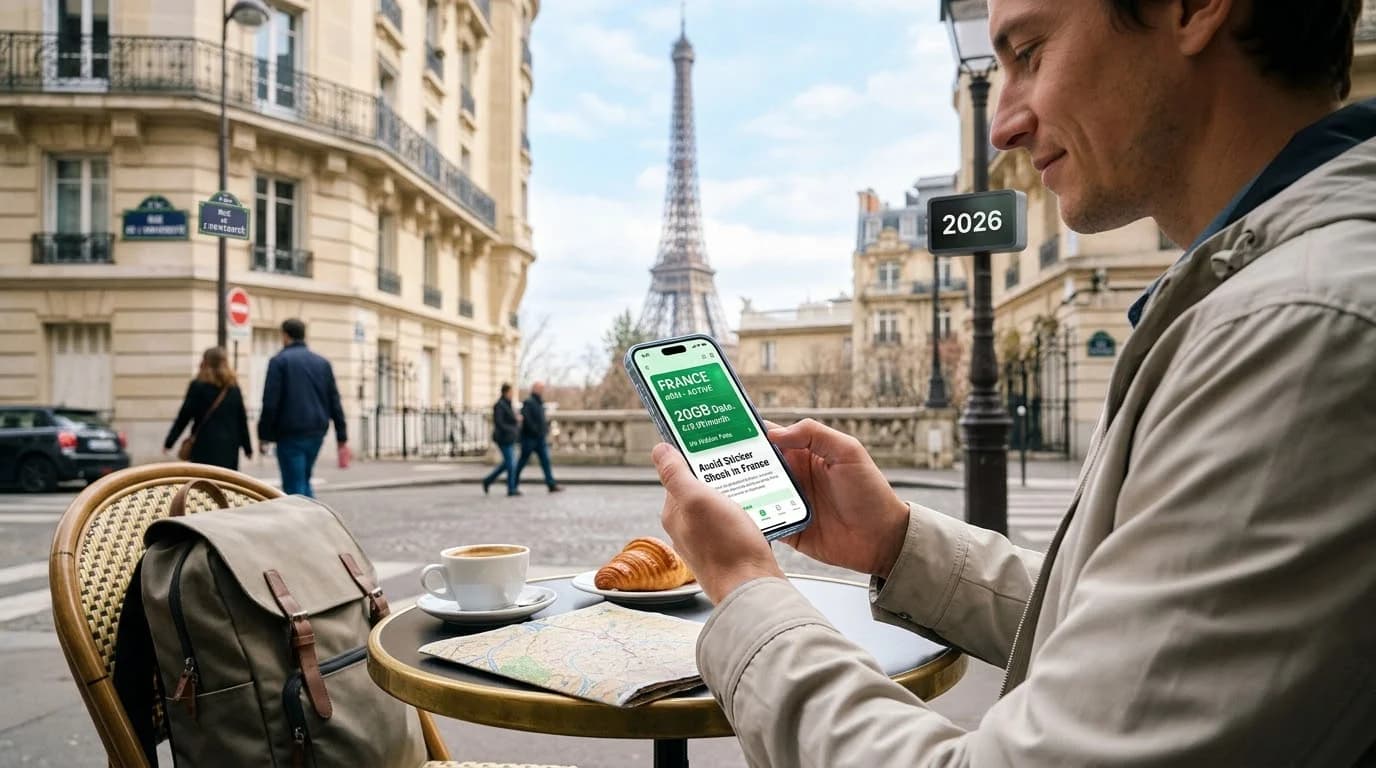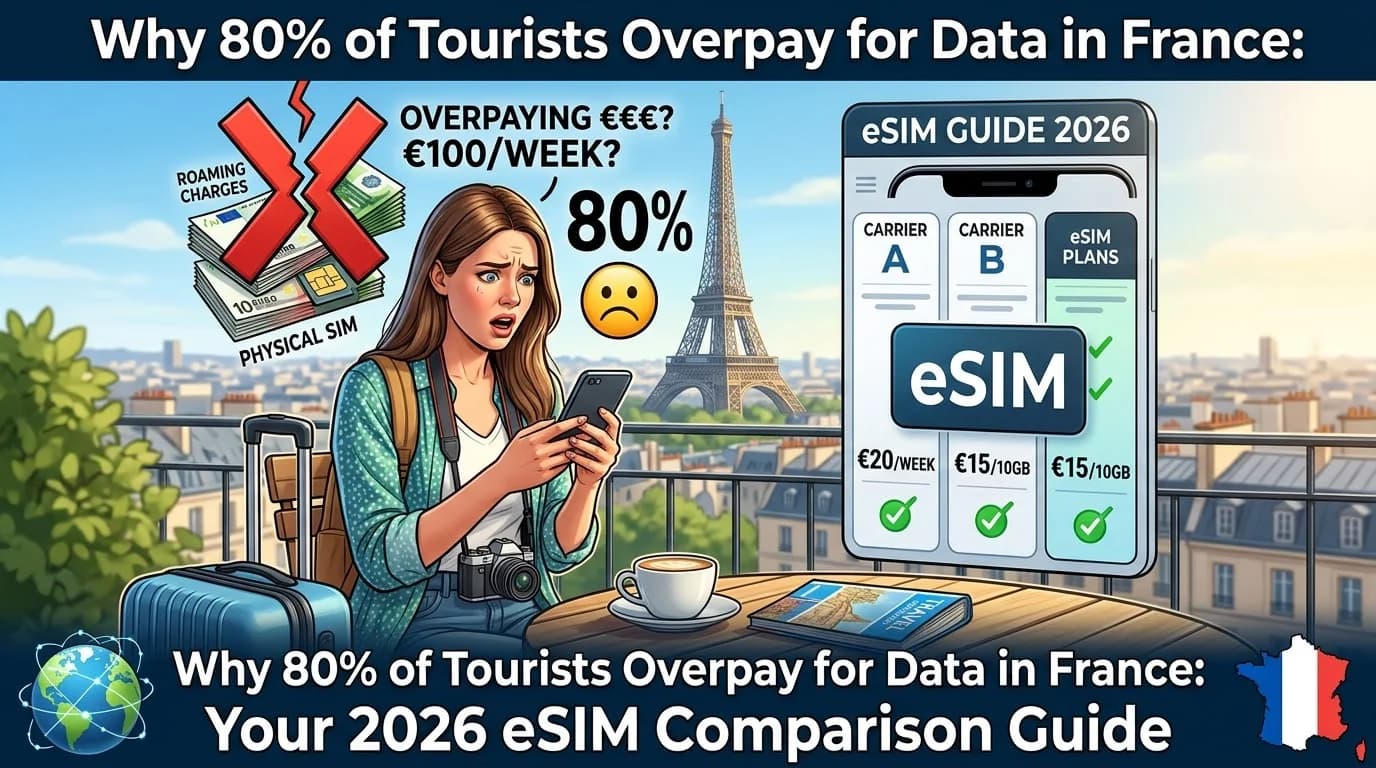
You know the feeling. The plane's wheels touch down, you switch your phone off airplane mode, and… nothing. You're in a new country, disconnected, hunting for spotty airport Wi-Fi just to let someone know you've landed safely or to book a rideshare. It's a moment of vulnerability every traveler has faced. For years, the solutions were clumsy: hunting for a local SIM card vendor or returning home to a shocking roaming bill. But that's changing, fast. Finding the best eSIM for international travel in 2026 is no longer just a convenience; it's an essential part of modern, smart travel. This isn't just about scrolling social media; it's about having the confidence that you're connected the second you need to be.
- The Evolution of International Connectivity: Why eSIMs Rule 2026
- What Defines the "Best" International eSIM for Your 2026 Journeys?
- Cellesim's Global Reach: Connecting You Across 200+ Countries in 2026
- Beyond Basic Data: Features for the Modern International Traveler
- Cost Comparison: eSIM vs. Roaming vs. Local SIM for 2026 International Trips
- Activating Your Cellesim International eSIM: A Simple 2026 Setup
- Maximizing Your International eSIM Experience: Pro Tips for 2026 Travel
- Frequently Asked Questions
Connect Globally with Cellesim eSIM
Experience seamless international connectivity in 200+ countries. Join 50,000+ happy customers worldwide.
View Global eSIM PlansThe Evolution of International Connectivity: Why eSIMs Rule 2026
The year 2026 marks a pivotal moment in global connectivity. Traditional physical SIM cards, once the standard for international travelers, are increasingly being phased out. eSIM technology, embedded directly into compatible devices, offers unparalleled flexibility and convenience. This shift is driven by a desire for instant connectivity, reduced waste, and a more streamlined travel experience. Major smartphone manufacturers are fully embracing eSIMs, with many new models being eSIM-only, making it the dominant technology for future international travel.
For travelers embarking on multi-country trips or frequent international journeys, eSIMs eliminate the hassle of swapping physical SIM cards, searching for local vendors, or managing multiple tiny pieces of plastic. They provide the freedom to switch between data plans and providers digitally, often within minutes, directly from your phone's settings. This level of control and ease of access makes eSIMs the superior choice for staying connected across borders in 2026.
What Defines the "Best" International eSIM for Your 2026 Journeys?
Defining the "best" international eSIM for 2026 involves considering several key factors beyond just price. Your specific travel style, duration, and data needs will influence the ideal choice. Here is what savvy travelers prioritize:
- Extensive Country Coverage: For international travel, a provider offering service in 100+ or even 200+ countries is crucial. This ensures continuity across various destinations without needing a new eSIM for each.
- Flexible Data Packages: Look for options ranging from small, short-term plans for quick trips to larger, long-term packages for extended stays. The ability to top up easily is also vital.
- Reliable Network Access: The best eSIMs partner with top-tier local networks to guarantee strong 4G/5G speeds and consistent coverage, even in more remote areas.
- Transparent Pricing: Clear, upfront costs with no hidden fees are essential. Understand the validity period and data allowance without complex terms.
- Easy Activation & Management: A straightforward activation process, often involving a QR code scan, and an intuitive app or web interface for managing your plan are key convenience factors.
- 24/7 Customer Support: When you're thousands of miles from home, responsive support can be invaluable for troubleshooting any connectivity issues.
- Device Compatibility: Ensure your smartphone or tablet supports eSIM technology. Most modern flagship devices from Apple, Samsung, Google, and others are compatible. You can check your device's compatibility with the Cellesim eSIM checker.
Cellesim's Global Reach: Connecting You Across 200+ Countries in 2026
Cellesim stands out as a premier choice for international travelers in 2026, offering extensive coverage that spans over 200 countries and regions worldwide. This broad network ensures that whether you are on a business trip to Asia, a backpacking adventure through South America, or a cultural tour of Europe, you remain connected without interruption. Our commitment to global reach means less planning for you and more focus on your journey.
Our global eSIM plans, such as the Global eSIM Plan 127 Countries, are designed for the ultimate flexibility. Instead of purchasing multiple regional or country-specific eSIMs, a single global plan can cover a significant portion of your international itinerary. This simplifies data management and helps avoid unexpected roaming charges, a common concern for travelers. By partnering with leading local network providers, Cellesim delivers reliable 4G/5G speeds, enabling seamless navigation, communication, and content sharing from virtually anywhere.
"Staying connected abroad used to be a headache. With Cellesim, I land, turn off airplane mode, and I'm instantly online. It's genuinely changed how I approach international travel."
Beyond Basic Data: Features for the Modern International Traveler
The "best" eSIM for international travel in 2026 offers more than just internet access. It integrates features that enhance your entire travel experience. Modern travelers require tools that support their dynamic lifestyles abroad:
- Data Top-Ups: Running low on data in the middle of a trip can be stressful. Cellesim allows for quick and easy top-ups directly through your account, so you can replenish your data instantly without interruption.
- Multi-Country Plans: As discussed, global and regional plans are ideal for travelers visiting multiple destinations. These eliminate the need to constantly switch plans or providers.
- Flexible Validity Periods: Whether you need data for a few days or several weeks, Cellesim offers various validity options to match your trip duration precisely, ensuring you only pay for what you need.
- 24/7 Customer Support: Access to support [email protected] anytime, anywhere, is crucial. Our dedicated team is available to assist with activation, troubleshooting, or general inquiries, regardless of time zones.
- Hotspot/Tethering Capability: Many Cellesim plans support tethering, allowing you to share your data connection with other devices like laptops or tablets. This is invaluable for remote work or keeping travel companions connected.
Cost Comparison: eSIM vs. Roaming vs. Local SIM for 2026 International Trips
When planning international travel in 2026, understanding the cost implications of your connectivity choice is paramount. Here’s a comparison of eSIMs, traditional roaming, and local physical SIM cards:
| Option | Setup | Cost (Per GB) | Convenience | Network |
|---|---|---|---|---|
| Cellesim eSIM | Instant (Digital) | Low (e.g., $1-5/GB) | High (Digital, Multi-country) | Full 4G/5G |
| Carrier Roaming | Automatic | High (e.g., $10-20/MB or $10-15/day) | Medium (Automatic, but costly) | Varies (often throttled) |
| Local SIM Card | In-store purchase | Medium (e.g., $5-15/GB) | Low (Physical purchase, swap) | Full 4G/5G |
As the table illustrates, Cellesim eSIMs offer a compelling balance of cost-effectiveness and convenience for international travel. While local SIMs can sometimes be cheaper for very long stays in a single country, the ease of activation and management of an eSIM, especially for multi-country trips, often outweighs the minimal price difference. Roaming, on the other hand, remains the most expensive option, often leading to bill shock upon return. For a more detailed comparison, explore our guide on Airport SIM vs. eSIM.
Activating Your Cellesim International eSIM: A Simple 2026 Setup
One of the significant advantages of choosing an eSIM for international travel in 2026 is the simplicity of activation. With Cellesim, you can get connected in just a few minutes, usually before you even depart. Here’s a general step-by-step guide:
- Purchase Your eSIM Plan: Visit cellesim.com and select the international or multi-country plan that best suits your travel needs.
- Receive QR Code: After purchase, you will receive an email containing a QR code and detailed installation instructions.
- Scan & Activate: On your eSIM-compatible device, go to your cellular settings, choose to "Add Cellular Plan" or "Add eSIM," and scan the QR code. Follow the on-screen prompts.
- Configure Settings: Ensure your new eSIM plan is activated and set as the primary line for data when traveling internationally. You might need to enable data roaming (this is different from your home provider's roaming and typically won't incur extra charges with an eSIM data plan).
- Connect: Once you land at your destination, your Cellesim eSIM will automatically connect to the local network, providing immediate access to data.
For a visual and interactive walkthrough, you can refer to our Interactive Setup Guide or the comprehensive Complete eSIM Setup Guide. Most installations take less than 2 minutes.
Maximizing Your International eSIM Experience: Pro Tips for 2026 Travel
To get the most out of your international Cellesim eSIM in 2026, consider these expert tips:
- Download Offline Maps: Before you leave, download maps of your destination using apps like Google Maps or Maps.me. This saves data and ensures navigation even if you temporarily lose signal.
- Manage Data Usage: Monitor your data consumption through your phone's settings or the Cellesim portal. Disable background app refresh for non-essential apps and stream content over Wi-Fi when available. Our Smart Data Calculator can help estimate your needs.
- Keep Your Primary SIM Active: If you need to receive calls or texts on your home number, keep your physical SIM card active but disable its data roaming to avoid charges. You can typically use both your physical SIM and eSIM simultaneously.
- Activate Before Departure: Install your eSIM while still at home or in an area with stable Wi-Fi. This ensures you're ready to connect the moment you arrive internationally, avoiding airport Wi-Fi hunts.
- Check Network Coverage: While Cellesim offers broad coverage, it's always wise to briefly check the specific network partners in your precise international destinations via the Cellesim website to understand expected speeds and availability.
Ready for Seamless Global Connectivity in 2026?
Join 50,000+ happy travelers in 200+ countries. Set up in 2 minutes.
Start Your Connected JourneyTrusted by travelers worldwide. 24/7 Support: [email protected]
Frequently Asked Questions
What is an eSIM and how does it benefit international travelers in 2026?
An eSIM is a digital SIM card embedded in your device, eliminating the need for a physical SIM. For international travelers in 2026, it offers instant activation, the ability to switch between global plans digitally, and eliminates the hassle of physical SIM card swaps, ensuring continuous connectivity across multiple countries.
Is my phone compatible with an international eSIM?
Most modern smartphones, tablets, and smartwatches released in the last few years are eSIM compatible. Devices like iPhone XR/XS and newer, Samsung Galaxy S20 and newer, and Google Pixel 3 and newer typically support eSIM. You can quickly check your device compatibility using the Cellesim eSIM checker.
Can I use my Cellesim eSIM in multiple countries?
Yes, Cellesim offers specific international and regional eSIM plans designed for multi-country travel. For example, our Global eSIM Plan covers 127 countries, allowing you to use a single eSIM for seamless data access across a wide range of destinations without needing to purchase separate plans.
How do Cellesim eSIM plans compare to international roaming charges in 2026?
Cellesim eSIM plans are significantly more cost-effective than traditional international roaming. While roaming can incur charges of $10-20 per day or even per megabyte, Cellesim offers transparent, low-cost data packages, helping you avoid bill shock. Our Roaming Savings Calculator can show you potential savings.
When should I activate my Cellesim international eSIM?
You can purchase and install your Cellesim eSIM plan at any time, even before you leave your home country. We recommend activating it while you still have a stable internet connection. The plan's validity period usually begins once it connects to a supported network at your destination, ensuring you get full value.
What if I need customer support while traveling internationally?
Cellesim provides 24/7 customer support via email at [email protected]. Our team is always available to assist you with any questions or issues, ensuring you have reliable assistance regardless of your international location or time zone.