

 مقصد eSIM
eSIM مونتهنگرو
مونتهنگرو: بستههای eSIM مسافرتی را برای استفاده از نقشه، پیامرسان و اینترنت همراه مقایسه کنید.
مونتهنگرو: شبکههای تلفن همراه
۲ اپراتور پشتیبانی میشوند
- T-Mobile5G
- m:tel CG5G
بالاترین نسل شبکه برای هر اپراتور نمایش داده شده است؛ برخی از طرحها ممکن است بر اساس شرایط محلی از باند جایگزین استفاده کنند.
VPN رایگان همراه با eSIM شما
Every active Cellesim eSIM comes with a free VPN. browse securely on public Wi-Fi and reach your favourite apps from anywhere. No extra cost, no separate signup.
مونتهنگرو: یک eSIM برای سفر خود انتخاب کنید
حجم اینترنت و مدت اعتبار متناسب با سفرتان را انتخاب کنید. پیش از خرید، سازگاری گوشی و پوششدهی بسته را چک کنید. مونتهنگرو: شروع قیمت بستهها از $3.59. 4.9/5 · بر اساس 16 نظر بستههای موجود را در ادامه مقایسه کنید، از جمله شرایط فعالسازی، اشتراکگذاری اینترنت و امکان تمدید.
- مقایسه قیمت نهایی و حجم اینترنت
- بررسی شبکهها و پوششدهی
- در صورت نیاز، تماس با پشتیبانی
سوالات متداول
خیر! این تله شماره 1 رومینگ است. اگرچه مونتهنگرو در اروپا است و از یورو استفاده میکند، اما عضو اتحادیه اروپا (EU) نیست. طرح «Roam Like at Home» (RLAH) شما اعمال نمیشود. اکثر اپراتورهای EU و UK (مانند Vodafone, O2, EE, T-Mobile DE) هزینههای رومینگ بینالمللی بسیار بالایی (مثلاً 2-6 پوند در روز) از شما دریافت خواهند کرد. یک Cellesim eSIM تنها راه برای دریافت یک قیمت ثابت و ارزان برای داده است.
این طرح خاص فقط در مونتهنگرو معتبر است. این مهمترین سوال برای مسافران «تور بالکان» است. اگر از دوبروونیک (کرواسی) رانندگی کنید یا از مرز به کوتور عبور کنید، سیم کارت EU شما از کار میافتد. به همین ترتیب، اگر به موستار (بوسنی) یا اشکودر (آلبانی) رانندگی کنید، این طرح متوقف میشود. برای این منظور، ما به شدت eSIM منطقهای اروپا خود را توصیه میکنیم که تمام این کشورها را پوشش میدهد.
بله، کاملاً. مونتهنگرو یک شبکه 4G عالی دارد. eSIM ما به شبکههای محلی برتر (مانند Telekom ME یا One) متصل میشود تا اطمینان حاصل شود که شما برای Google Maps هنگام رانندگی در جادههای پرپیچ و خم خلیج کوتور، در ساحل بودوا، یا پیادهروی در پارک ملی دورمیتور (در شهر اصلی ژابلیاک) سیگنال قوی دارید.
بله، 100%. خرید یک «سیم کارت توریستی» فیزیکی در فرودگاه تیوات یا پودگوریتسا مستلزم یافتن کیوسک (اغلب شلوغ)، انتظار در صف، و گذراندن یک فرآیند اجباری ثبت نام پاسپورت است. eSIM ما 100% دیجیتال است، به ثبت نام شناسنامه نیاز ندارد، و میتواند قبل از پرواز شما نصب شود، بنابراین به محض فرود آمدن متصل خواهید بود.
برای ارائه بهترین سرعت و پوشش به شما، eSIM ما به شبکههای برتر Tier-1 مونتهنگرو، معمولاً Crnogorski Telekom (T-Mobile) یا One (که قبلاً Telenor بود) متصل میشود. این تضمین میکند که شما سریعترین سرعتهای موجود 4G/LTE را برای استفاده از Google Maps یا برقراری تماسهای واتساپ دریافت میکنید.
بله. پوشش به طور کلی در سراسر دریاچه اسکادار قوی است و به شما امکان میدهد ویدیوهای پلیکانها و صومعههای شناور را فوراً به اشتراک بگذارید.
کاملاً. داده قابل اعتماد برای ناوبری ایمن در جادههای ساحلی پر پیچ و خم و باریک بین بودوا و بار حیاتی است.
بله. بودوا و تیوات مراکز کارگران از راه دور هستند و eSIM ما سرعتهای پایدار 4G LTE را فراهم میکند که برای تماسهای Zoom از کافههای کنار دریا مناسب است.
بله. در حالی که در سواحل عمومی روبروی جزیره تفریحی نمادین Sveti Stefan استراحت میکنید، سیگنال عالی خواهید داشت.
شماره مدل دقیق و نسخهٔ منطقهای گوشی خود را در اطلاعات سازندهٔ آن بررسی کنید و مطمئن شوید که گوشی شما روی شبکهٔ اپراتور خاصی قفل نیست. وجود گزینهٔ «افزودن eSIM» یا شمارهٔ EID در تنظیمات گوشی نشانهٔ خوبی است، اما گاهی محدودیتهای منطقهای هم وجود دارد. اگر مطمئن نیستید، قبل از خرید با پشتیبانی تماس بگیرید.
درباره eSIM مونتهنگرو
eSIM مونتهنگرو: اتصال برای خلیج کوتور، دورمیتور و بودوا
جواهر آدریاتیک را کشف کنید. مونتهنگرو ممکن است کوچک باشد، اما با «کوههای سیاه» دراماتیک، شهرهای دیواری قرون وسطایی و مارینای سوپریاخت پورتو مونتهنگرو، بسیار جذاب است. چه در حال پیادهروی در قله بوبوتوف کوک باشید، چه در حال قایقرانی در دره رودخانه تارا (عمیقترین در اروپا) باشید، یا از زندگی شبانه در بودوا لذت ببرید، متصل ماندن ضروری است. با طرحهای eSIM Cellesim مونتهنگرو، که از فقط $3.59 شروع میشوند، میتوانید در جادههای ساحلی پرپیچوخم حرکت کنید و مناظر خیرهکننده خلیج کوتور را فوراً به اشتراک بگذارید.
🌍 مقاصد دیگر eSIM بالکان: eSIM صربستان · eSIM آلبانی · eSIM بالکان
از هزینههای رومینگ در بالکان اجتناب کنید
مونتهنگرو بخشی از منطقه رومینگ اتحادیه اروپا نیست، به این معنی که مسافران اغلب با هزینههای گزاف رومینگ مواجه میشوند. وقت خود را برای یافتن سیمکارت در پودگوریتسا تلف نکنید. به یک eSIM اعتباری Cellesim تغییر دهید و از اتصال یکپارچه لذت ببرید. ما یک طرح با ارزش باورنکردنی ارائه میدهیم: <• 1 GB، 7 روز: $3.59 • 3 GB، 30 روز: $8.40 • 5 GB، 30 روز: $12.60 • 10 GB، 30 روز: $23.10
زیبایی وحشی را تجربه کنید
از کوهستان تا دریا، بدون زحمت متصل بمانید.
ایدهآل برای:
- خدمه و مهمانان قایقهای تفریحی: متصل ماندن در تیوات و پورتو مونتهنگرو.
- کوهنوردان: کاوش در بیوگرادسکا گورا.
- مسافران جادهای: رانندگی در بزرگراه آدریاتیک خیرهکننده.
نظرات eSIM مونتهنگرو از مسافران واقعی
بر اساس 16 نظر
Très recommandé
Christophe D.·۲۲ اردیبهشت ۱۴۰۵·frParfait pour mon séjour. Connexion très stable et aucun problème de réseau. Installation simple et rapide. Je recommande vivement Cellesim
Fast 5G data
Mason Y.·۲۱ اردیبهشت ۱۴۰۵·enExactly what I needed for my trip. The connection was much better than hotel wifi. Fair pricing for a generous amount of data.
Easy setup
Mason Q.·۱۷ اردیبهشت ۱۴۰۵·enGreat service for global travelers. Excellent coverage throughout my stay. Fair pricing for a generous amount of data. An absolute lifesaver for travel.
Flawless connection
Olivia Z.·۱۳ اردیبهشت ۱۴۰۵·enUsed this for data on my recent vacation. Data network was completely flawless everywhere. Installation instructions were very clear.
Internet rápido
Manuel F.·۳ اردیبهشت ۱۴۰۵·esMis vacaciones fueron estupendas. Sin problemas de señal. El código QR se activó al instante. Lo recomiendo a todos. Good.
Sehr empfehlenswert
Sabine A.·۱۷ فروردین ۱۴۰۵·deToller Service für Reisende. Die 5G-Geschwindigkeit war extrem schnell. Einrichtung per QR-Code dauerte nur zwei Minuten.
Great coverage
Michael V.·۲۷ اسفند ۱۴۰۴·enMy trip was amazing. Never lost signal. Setting up Cellesim took two minutes. 5 stars.
Perfect for travel
John X.·۲۷ اسفند ۱۴۰۴·enVery happy with the connectivity. Data network was completely flawless everywhere. No need to look for physical SIM cards anymore. Solid 5 stars from me.
Schnelles Internet
Birgit E.·۲۵ اسفند ۱۴۰۴·deSehr zufrieden mit der Verbindung. Die 5G-Geschwindigkeit war extrem schnell. Keine physische SIM-Karte mehr nötig. 5 Sterne wert.
Fast 5G data
Emma J.·۲۴ اسفند ۱۴۰۴·enGreat service for global travelers. The bandwidth was perfect for maps and streaming. No need to look for physical SIM cards anymore.
fast 5g data
Sophia J.·۲۱ اسفند ۱۴۰۴·enVery happy with the connectivity. Never lost signal, even inside buildings. Fair pricing for a generous amount of data
Günstig und gut
Susanne E.·۲۱ اسفند ۱۴۰۴·deHervorragende Erfahrung mit dieser eSIM. Die 5G-Geschwindigkeit war extrem schnell. Die Aktivierung war super unkompliziert. Kann Cellesim nur wärmstens empfehlen
راهنمای eSIM مونتهنگرو: آنچه مسافران پیش از سفر میپرسند
پوشش، مراحل نصب، سرعت واقعی اتصال و جزئیات کوچکی که اگر نادیده بگیرید سفر را خراب میکنند. ویژه مونتهنگرو.
 Przewodniki docelowe
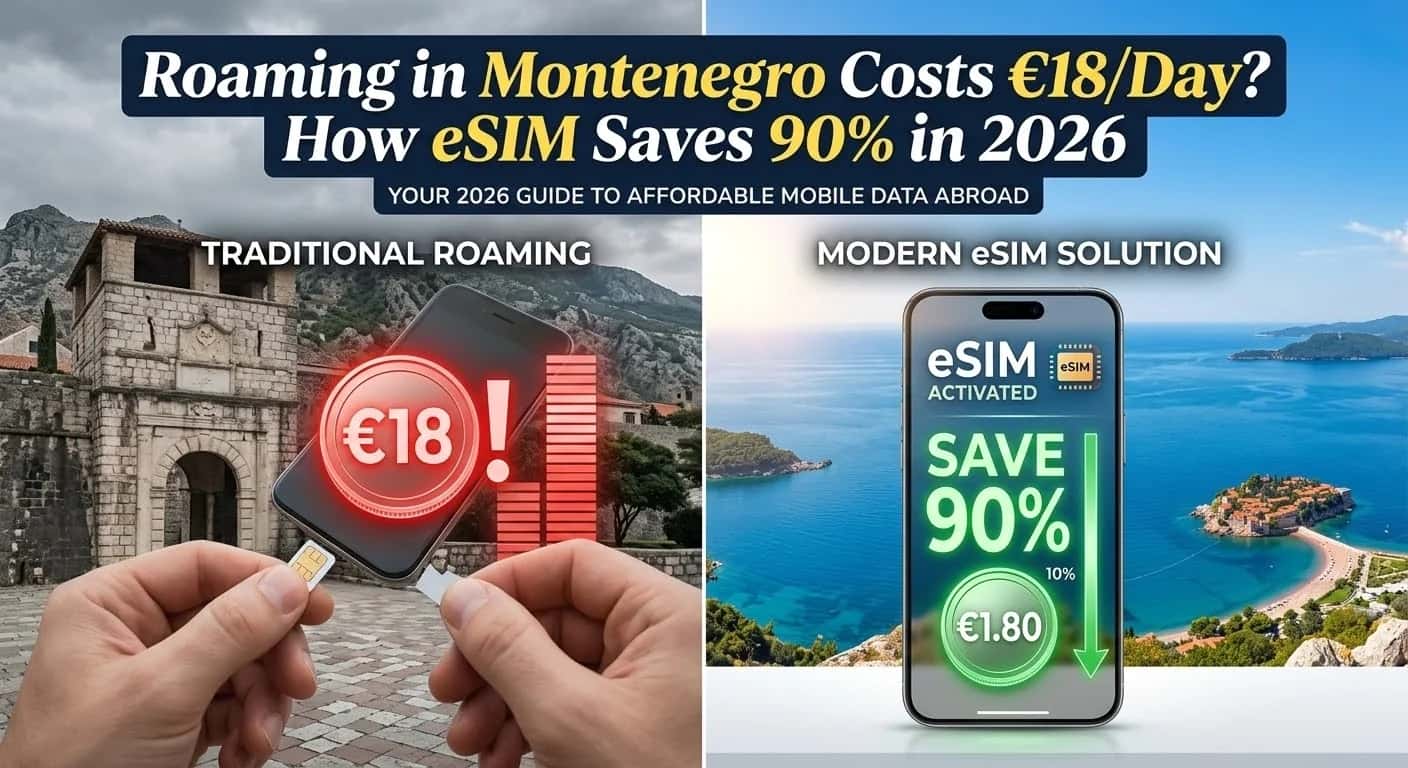
هزینه رومینگ در مونتهنگرو ۱۸ یورو در روز است؟ چگونه eSIM در سال ۲۰۲۶ تا ۹۰٪ صرفهجویی میکند
صورتحسابهای رومینگ مونتهنگرو برای بسیاری به ۱۸۰ یورو در هفته میرسد. کشف کنید که چگونه Cellesim eSIM از ۵ یورو شروع میشود و تا ۹۰٪ در دادههای شما در سال ۲۰۲۶ صرفهجویی میکند. فوراً متصل شوید.
خواندن راهنما Poradnik eSIM
ESIM در مقابل سیم کارت محلی در آلبانی: راهنمای نهایی گردشگران 2026
در سال 2026 به آلبانی سفر میکنید؟ کشف کنید که eSIM یا سیم کارت محلی برای اتصال بیوقفه بهترین گزینه است. هزینهها، پوشش و راهاندازی را مقایسه کنید. فوراً متصل شوید!
خواندن راهنما Porady podróżnicze
راهنمای کوچنشین دیجیتال تیرانا 2026: بهترین eSIMها برای کار از راه دور بیوقفه
تیرانا را به عنوان یک کوچنشین دیجیتال در سال 2026 کشف کنید. بیاموزید که چگونه eSIMهای Cellesim اتصال بیوقفه و مقرونبهصرفه را برای کار از راه دور فراهم میکنند. همین حالا eSIM آلبانی خود را دریافت کنید!
خواندن راهنما Przewodniki docelowe
راهنمای نهایی eSIM شما برای سفر به کوزوو در سال 2026
در سال 2026 با eSIM به راحتی در کوزوو کاوش کنید. داده فوری دریافت کنید، از هزینههای رومینگ جلوگیری کنید و از پریشتینا تا پریزرن متصل بمانید. همین امروز eSIM Cellesim خود را بخرید!
خواندن راهنما
کشورهای نزدیک
پوشش شبکه را برای همهٔ مقصدهای سفرتان بررسی کنید.


