Understanding the Current Safety Landscape in Cote d'Ivoire
As of 2026, Cote d'Ivoire offers a mixed bag when it comes to safety for travelers. It's generally fine, but you need to be aware. The big cities, especially Abidjan, have really come along, and the political drama after the elections is mostly in the past. Still, watch out for petty crime, and occasionally more serious stuff, particularly if you're not used to being street-smart. I spent three weeks there on less than €40 a day, and my biggest takeaway was: stay alert. This isn't the place to show off your expensive gadgets or wander around after dark, especially in neighborhoods like Abobo or Yopougon. Seriously, unless you're with a trusted local, just avoid them.
Abidjan: A Tale of Two Cities
Abidjan, the country's economic heart, is a huge, sprawling city. Areas like Plateau, Cocody, and Marcory are generally considered safer and more upscale. Here, you'll find most of the international hotels, restaurants, and business centers. They're usually well-lit and have visible police. But even in these areas, opportunistic thieves are out there. They'll snatch phones from open car windows or bags from café tables. I once watched a guy on a moto-taxi grab a phone right out of someone's hand at a traffic light near St. Paul's Cathedral in Plateau. So, keep your guard up.
On the flip side, districts like Abobo and Yopougon are lively and culturally rich but have higher crime rates. They're packed with people and can feel pretty overwhelming for first-timers. If you absolutely need to visit these areas, make sure you're with a local who knows the ropes and understands the unwritten rules. Otherwise, stick to the well-known tourist spots and don't go exploring unfamiliar places alone.
Regional Differences: North vs. South
Outside of Abidjan, safety can vary. The southern coastal regions, like Grand-Bassam and Assinie, are popular with tourists and are generally safe. Yamoussoukro, the political capital, is also relatively calm. However, some areas along the northern borders, especially near Mali and Burkina Faso, have seen more militant activity. While tourists aren't typically targets, any travel to these areas needs extreme caution, if you go at all. Always check the latest local news and official travel advisories before planning trips outside the main cities. This isn't the place to be an adventurer without solid information.
Entry Requirements and Visa Logistics
Getting into Cote d'Ivoire isn't brain surgery, but you need to be precise. Don't just show up expecting to wing it. A little prep work here will save you a ton of hassle, and possibly money.
Visa Types and Application Process
Most foreign nationals need a visa to enter Cote d'Ivoire. Good news: they've made it easier with an e-Visa system. This is definitely the simplest way. You apply online through the Snedai platform, upload your documents, pay the fee, and usually get an approval letter within 48-72 hours. When you land at Félix-Houphouët-Boigny International Airport (ABJ) in Abidjan, you'll show this letter, your passport, and other required documents, and they'll issue your visa. The e-Visa typically costs around 73 EUR, but always double-check the current fee on the official Snedai website before you apply. Skip any third-party sites claiming faster processing, they're usually just trying to charge you more.
Required Documents for Entry
- Passport: Must be valid for at least six months past your planned departure, and have at least two blank pages for stamps.
- e-Visa Approval Letter: A printed copy of the authorization you got online.
- Return or Onward Ticket: Proof that you intend to leave the country.
- Proof of Accommodation: A hotel booking confirmation or an invitation letter if you're staying with friends or family.
- International Vaccination Certificate: This must specifically show proof of yellow fever vaccination, which is mandatory. Keep this right with your passport.
Forget any of these, and you could face major delays at immigration, or even worse, be turned away. I once saw a guy held up for hours because his yellow fever card was so faded you could barely read it. Keep yours in good shape, seriously.
Health Precautions and Medical Readiness
Medical facilities in Cote d'Ivoire are limited, especially outside Abidjan. So, preventing illness is always better than trying to cure it, particularly with tropical diseases. Good travel insurance that includes medical evacuation is a must-have. I always recommend a policy covering at least €100,000 for medical emergencies, because if you need an emergency flight out, it won't be cheap.
Mandatory Vaccinations and Prophylaxis
- Yellow Fever: Mandatory, as I said. Get this shot well before your trip.
- Malaria Prophylaxis: Cote d'Ivoire is a high-risk malaria zone. Talk to your doctor about anti-malarial medication. Don't skip this, even for a short visit.
- Other Recommended Vaccinations: Typhoid, Hepatitis A and B, Tetanus, Diphtheria, Measles, Mumps, Rubella (MMR), and Rabies.
Always pack insect repellent with DEET, sleep under a mosquito net if your hotel doesn't have good window screens, and wear long sleeves and pants at dawn and dusk. Trust me, dengue fever is not a souvenir you want.
Accessing Medical Care and Emergency Contacts
In Abidjan, some private clinics offer better care than public hospitals, though they still might not be up to Western standards. The Polyclinique Internationale Sainte-Anne-Marie (PISAM) in Cocody is often the go-to for expats. For minor issues, local pharmacies are everywhere and can offer basic medicines, but always check expiration dates and packaging.
| Medical Emergency Service | Contact Number | Notes |
|---|---|---|
| SAMU (Ambulance) | 185 | Limited availability outside Abidjan |
| Fire Department | 180 | Responds to medical emergencies if SAMU is unavailable |
| PISAM Clinic | +225 27 22 48 3000 | Private, high-standard medical care in Abidjan |
| Pharmacie du Plateau | +225 27 20 22 2505 | Major pharmacy in Abidjan, open late |
Navigating Local Transport and Reducing Risk
Getting around Cote d'Ivoire can be an adventure, but it's also where you're most likely to run into scams and petty theft. Public transport is cheap, but sometimes that comes with its own set of problems.
Taxis and Ride-Sharing in Abidjan
Abidjan's orange taxis are everywhere. Always agree on the fare before you get in, or insist the driver uses the meter (though many will just say it's "broken"). A ride across town should rarely cost more than 3,000-5,000 XOF, depending on traffic and distance. For late-night travel, it's smarter to book a taxi through your hotel or use a ride-hailing app like Yango. Yango is generally reliable and gives you a set price, which cuts out the haggling. I used it constantly and figured it saved me at least 1,500 XOF a day compared to negotiating with street taxis for my usual 3-4 daily rides.
Moto-taxis are fast and cheap, but much riskier due to accidents. I usually avoid them, especially if I have luggage.
Intercity Buses and Bush Taxis
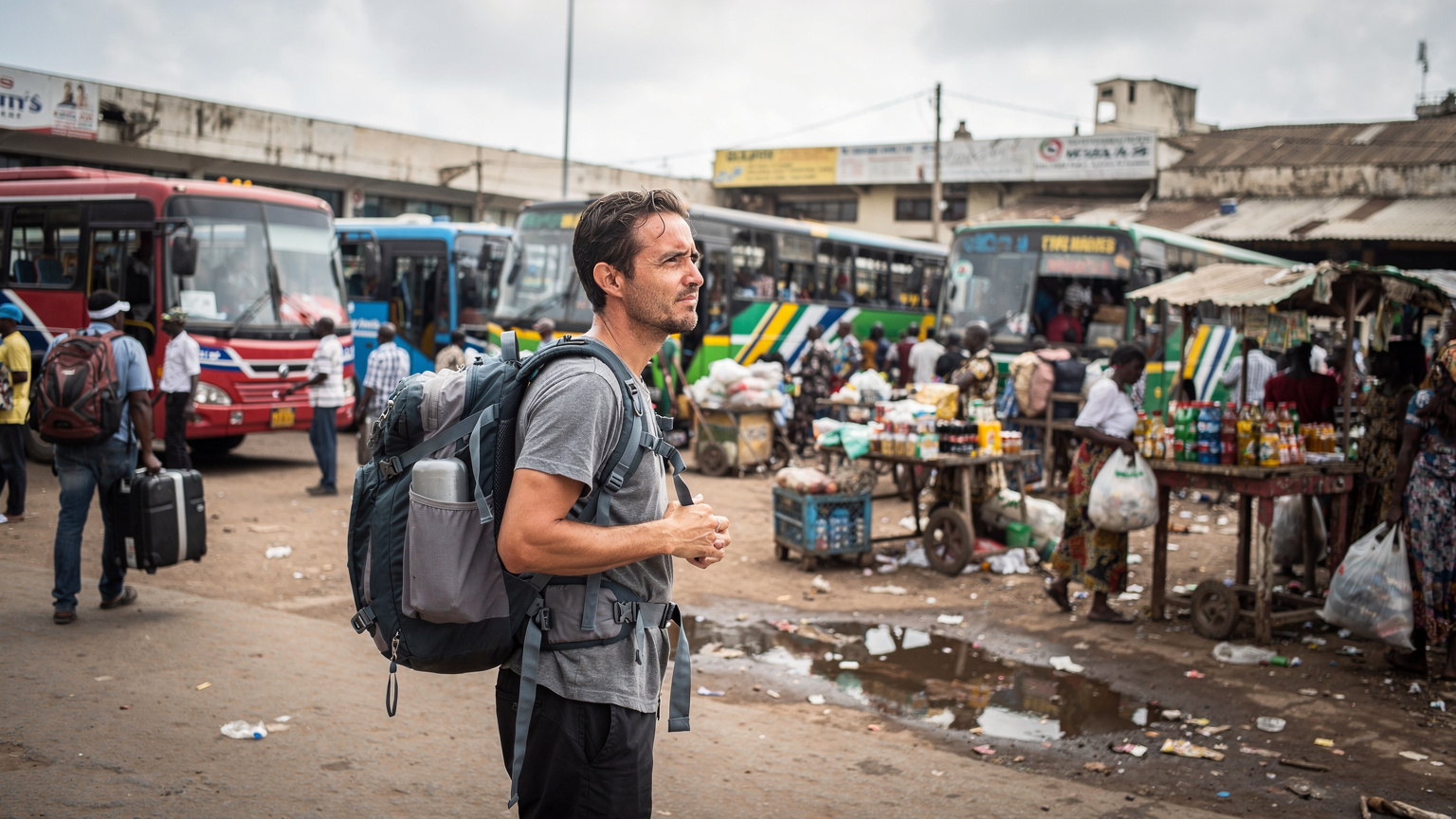
For longer distances between cities, several reputable bus companies operate, like UTB (Union des Transports de Bouaké) and STIF. Their main terminals are usually chaotic, but they offer fairly comfortable and safe trips between major cities like Abidjan, Yamoussoukro, and Bouaké. Always buy your ticket directly from the company counter at the gare routière (bus station) and keep your belongings close. Never accept food or drinks from strangers on a bus, as there have been reports of travelers being drugged and robbed.
Bush taxis (shared taxis) are cheaper but less comfortable and often dangerously overloaded. They're common for shorter trips or to smaller towns. If you have to use them, try to get a front seat and be ready for frequent stops and a bumpy ride. If you can, check the vehicle's condition before you commit.
Common Scams and How to Spot Them
Cote d'Ivoire, like many popular travel spots, has its share of people looking to take advantage. Knowing about common scams will save you money and headaches. These aren't unique to Cote d'Ivoire, but they are common.
The 'Lost Tourist' Helper
Someone will approach you, often speaking good English or French, claiming to be a student or a tour guide. They'll offer to help you find your way, take you to a "special" market, or introduce you to "local culture." This usually leads to an overpriced shop, a high-pressure sale, or a demand for a huge "tip" for their help. Be polite but firm, say no thank you, and keep walking. Your best bet for directions is to ask shopkeepers in established stores or security guards.
Fake Police or Officials
This is a classic. People in plain clothes, or sometimes even uniforms that look official but lack proper ID, might stop you and demand to see your passport or ask for a "fine" for some made-up offense. Always insist on seeing official identification and, if possible, move to a well-lit, public area. Never hand over your passport or money. Politely offer to go to the nearest police station with them. Real police usually work at official checkpoints or in marked cars. I once had a guy try to "fine" me for taking a picture of a street scene, claiming it was a government building. I just walked away, knowing it was fake.
ATM Skimming and Card Fraud
When using ATMs, always pick machines in well-lit, secure spots, ideally inside bank branches during business hours. Check the card reader for anything odd and always cover your PIN. There have been reports of ATM skimming devices, so staying alert is key. It's always smart to use a travel credit card with strong fraud protection and a low daily withdrawal limit.
Keeping Connected on a Budget: eSIMs vs. Local SIMs
Staying connected in Cote d'Ivoire isn't just nice to have, it's essential for safety and getting around. You'll need reliable data, especially if you're like me and depend on maps and local transit apps. This is where you really need to crunch the numbers.
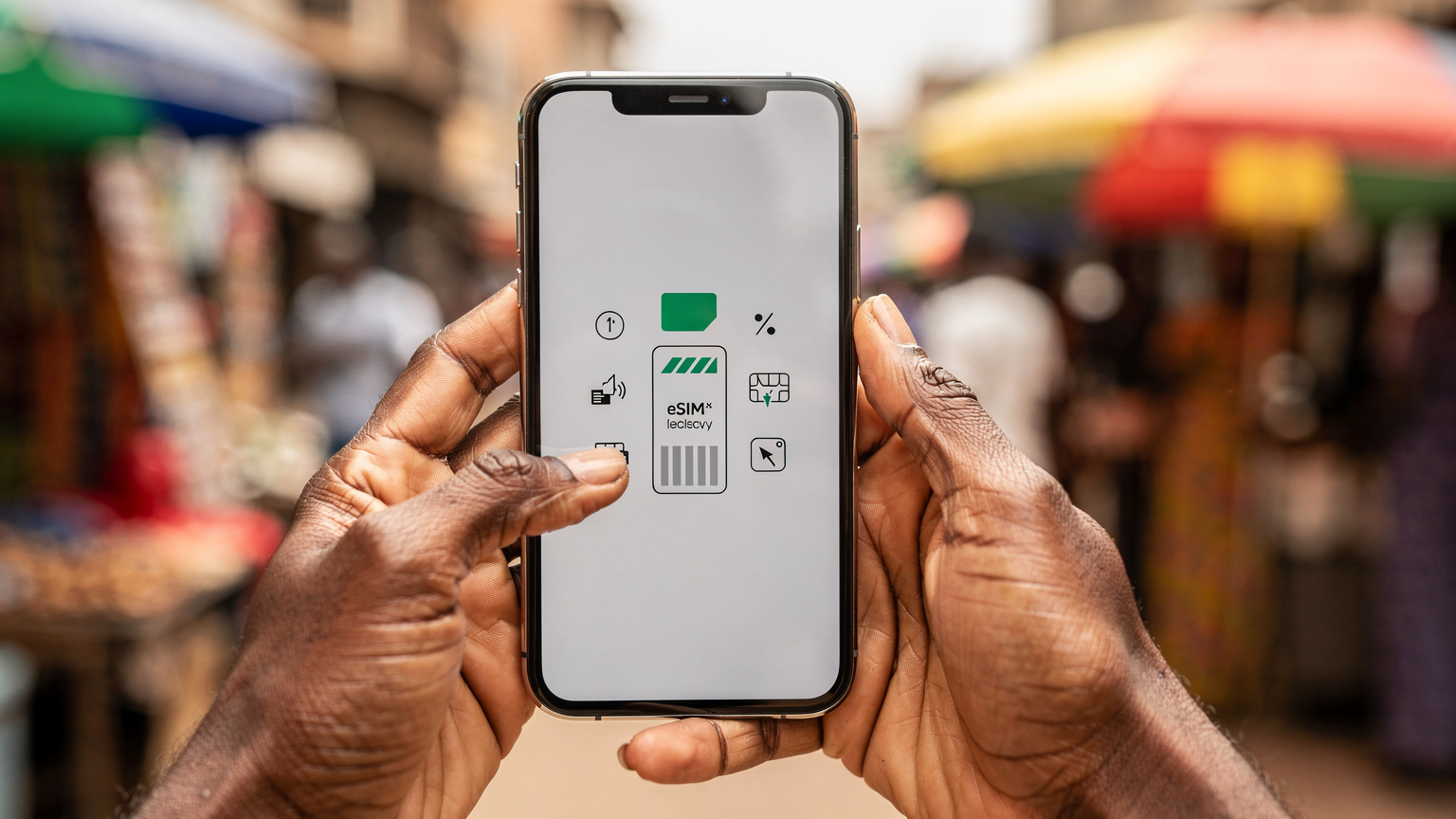
The eSIM Advantage: Cost vs. Convenience
For an 8-day trip to Cote d'Ivoire, I typically use about 1.5 GB of data per day for maps, messaging, and the occasional video call home. That's 1.5 GB/day x 8 days = 12 GB total. A Cellesim Cote d'Ivoire eSIM starts at $15.86 with over 11 plans, offering different data amounts and durations. This means for roughly $20-30, I can get a plan that covers my 12 GB needs for the whole trip. The biggest perk? I can buy and activate it before I even leave home, so I land with immediate internet access. No hunting for SIM card vendors, no language barriers, no handing my passport to strangers.
For any serious traveler, especially if you have an iPhone eSIM or a modern Android, an eSIM is a no-brainer. I can keep my home SIM active for important calls (like bank alerts) and use the eSIM for data, essentially running two networks at once. This also works perfectly for eSIM for PCs & Laptops if you need to set up a hotspot.
| Feature | Cellesim Cote d'Ivoire eSIM | Local Physical SIM (e.g., Orange CI) |
|---|---|---|
| Activation Time | Instant, before arrival | Requires purchase, registration, and activation in-country (15-30 mins) |
| Price Benchmark (for ~12GB/8 days) | Starts at $15.86 | Roughly 5,000-8,000 XOF ($8-13 USD) for comparable data, plus cost of SIM card (500-1,000 XOF) |
| Convenience | Seamless, no physical swap, keep home SIM active | Requires finding vendor, potential language barrier, SIM swap |
| Privacy | No local registration with passport required | Mandatory passport registration for all SIMs |
| Flexibility | Multiple plans, easy top-up online | Reload cards available, but less flexible for short-term visitors |
The Local SIM Alternative: MTN or Moov Africa
If you're looking for the absolute cheapest data, a local physical SIM from providers like Orange CI, MTN Cote d'Ivoire, or Moov Africa (formerly Moov) is an option. You'll find kiosks at the airport and all over major cities. The SIM card itself might cost 500-1,000 XOF ($0.80-$1.60 USD). Data bundles are pretty cheap. For example, 10GB might be around 5,000 XOF ($8 USD). However, you absolutely have to register the SIM with your passport, which can be a slow and sometimes frustrating process. Plus, you'll temporarily lose your home number if your phone only has one SIM slot.
The price difference is often pretty small, especially for shorter trips, when you consider the time and hassle saved by an eSIM. For my 8-day trip, saving $5-7 wasn't worth the airport queue or the registration bureaucracy. Time is money, especially when you're traveling.
Key Local Laws and Cultural Nuances
Respecting local laws and customs is super important for a smooth trip. "I didn't know" usually isn't an excuse, and in Cote d'Ivoire, it can land you in an uncomfortable spot or even legal trouble.
Photography and Public Decorum
Always ask permission before taking photos of people, especially kids. Some folks might feel uncomfortable or even superstitious about being photographed. Don't snap pictures of government buildings, military bases, or police checkpoints, as this can be misunderstood and lead to questions. When in doubt, just don't photograph it.
Dress modestly, especially outside of beach resorts. In cities, conservative clothing is smart for both men and women to avoid unwanted attention. Public displays of affection are generally frowned upon. A simple, polite greeting in French, like "Bonjour" (good day) or "Bonsoir" (good evening), goes a long way.
Drug Laws and Alcohol Consumption
Cote d'Ivoire has strict laws against drug possession, trafficking, and use. The penalties are severe and include long prison sentences. Don't get involved with anyone offering drugs, and be careful about accepting packages or luggage from strangers. Drinking alcohol is legal and fairly common, but being publicly intoxicated isn't tolerated and can lead to trouble with local authorities. Drink responsibly, ideally in established places.
What to Do in an Emergency
Even with careful planning, emergencies can happen. Knowing who to call and what to do can make all the difference.
Emergency Contact Numbers
Here are the essential emergency numbers for Cote d'Ivoire:
- Police: 110 or 111
- Fire Department: 180
- Ambulance (SAMU): 185
These numbers are free to call from any local phone. If you have an eSIM, make sure you have enough credit or an active plan that allows calls. It's also smart to have your country's embassy or consulate contact information saved in your phone and written down somewhere accessible.
Reporting a Crime
If you're a victim of crime, report it to the local police right away. While language barriers can be an issue, many police stations in major cities will have officers who speak some French. Get a police report, as this will be crucial for any insurance claims. Don't expect super-fast responses or detailed investigations for petty crimes; the system can be slow and under-resourced. Just focus on getting the official paperwork you need.
Contacting Your Embassy or Consulate
Your embassy or consulate is there to help you in serious emergencies, like if you're arrested, seriously injured, or lose your passport. However, they can't get involved in local legal matters or pay for your expenses. They can provide lists of local lawyers, help you replace a lost passport, and contact family members back home. Always carry their contact details with you.
Border Crossing Tactics and Regional Stability
Crossing land borders in West Africa can be an experience. Cote d'Ivoire shares borders with Liberia, Guinea, Mali, Burkina Faso, and Ghana. Each crossing has its own quirks.
Official vs. Unofficial Crossings
Always use official border crossings. Trying to cross at unofficial points is illegal, dangerous, and often leads to encounters with corrupt officials or worse. The main land crossing into Ghana, for instance, is at Elubo/Noé, which is busy but generally straightforward. Similarly, the main crossing into Burkina Faso is at Ouangolodougou.
Be ready for thorough checks, especially on the Ivorian side. Immigration and customs officials might ask for more documents than just your visa, like proof of onward travel or enough money. Keep all your documents organized and easy to grab. Avoid getting into arguments, even if you feel you're being unfairly targeted. Politeness and patience are your best tools.
Regional Security Concerns
The northern borders with Mali and Burkina Faso have higher security risks due to ongoing militant activity in those countries. I strongly advise against traveling to these specific border regions. While the Ivorian government has increased its security presence, the situation can change quickly. If your itinerary involves these areas, rethink it or get updated, specific intelligence from your embassy before you go. This is not the time to be a lone wolf. In 2024, I took the overnight bus from Ouagadougou to Abidjan, passing through the northern Ivorian border. While the bus company, STC Voyages, was reputable, the journey felt long and the checkpoints were frequent. If I did it again, I'd fly.
Money Matters and Financial Safety
The local currency is the West African CFA franc (XOF), which is pegged to the Euro. While big hotels and some larger businesses in Abidjan might take credit cards, cash is king, especially outside the capital. Always carry a mix of cash and cards.
Currency Exchange and ATMs
Exchange Euros or US Dollars at official banks or licensed currency exchange offices. Don't exchange money with street vendors; you'll likely get ripped off or end up with fake bills. ATMs are available in major cities, but they can sometimes be unreliable or run out of cash. It's best to withdraw money during banking hours so you can go inside if there are any problems. Tell your bank before you travel that you'll be using your card in Cote d'Ivoire to avoid holds.
Budgeting for Daily Expenses
As a budget backpacker, I aim for €40 a day. In Cote d'Ivoire, this is doable but requires discipline:
- Accommodation: Hostels or guesthouses outside central Abidjan can be found for 8,000-15,000 XOF (€12-23) per night. My usual spot was a local guesthouse in Treichville for 10,000 XOF.
- Food: Local street food and small restaurants (maquis) are incredibly cheap. A full meal can cost 1,000-3,000 XOF (€1.50-4.50). Eating at European-style restaurants will easily cost double or triple that.
- Transport: As I mentioned, Yango rides are usually 1,500-3,000 XOF. Local buses are even cheaper, often just 200-500 XOF.
- Activities: Entrance fees to museums or national parks are usually modest, 1,000-5,000 XOF.
For an 8-day trip, my data budget was around $20, adding another 12,000 XOF to the total. So, for 8 days, spending €280 on accommodation, food, and local transport is a realistic goal if you're careful, plus the data costs. This is roughly 183,000 XOF. You'll need extra cash for souvenirs, specific tours, or unexpected expenses. Keep a small amount of cash separate and easily accessible for daily use, and keep the bulk of your money stashed safely elsewhere.
Frequently Asked Questions
Is Cote d'Ivoire safe for solo female travelers in 2026?
Cote d'Ivoire can be safe for solo female travelers, but you need to be extra aware and follow local customs. Stick to busy areas, avoid walking alone at night, and dress modestly. Using reputable ride-hailing apps like Yango is a smart choice for transport, and always let someone know your plans.
What are the common health risks for travelers in Cote d'Ivoire?
The main health risks include malaria, yellow fever (a mandatory vaccine), typhoid, and hepatitis. Travelers should take anti-malarial medication, use insect repellent, drink bottled water, and make sure all their vaccinations are current. Talk to a travel doctor well before your trip.
Can I use my credit card widely in Cote d'Ivoire?
Credit card acceptance is limited, mostly to larger hotels, fancy restaurants, and major supermarkets in Abidjan. Outside the capital, cash is king. Always carry enough local currency (XOF) for daily expenses, street vendors, and smaller shops.
What's the best way to get around Abidjan and between cities?
In Abidjan, orange taxis are common, but ride-hailing apps like Yango offer set prices and better safety. For trips between cities, reputable bus companies like UTB and STIF provide comfortable and generally safe journeys. Avoid overcrowded bush taxis for long distances.
How can I stay connected on a budget in Cote d'Ivoire?
For affordable connectivity, a Cellesim Cote d'Ivoire eSIM starts at $15.86 for various plans, giving you immediate data when you arrive. Alternatively, a local physical SIM from Orange CI or MTN Cote d'Ivoire is cheaper (around 5,000-8,000 XOF for 10GB) but requires you to register in person with your passport and swap out your SIM.
Are there specific cultural norms I should be aware of in Cote d'Ivoire?
Yes, dressing modestly is appreciated, especially for women, and public displays of affection are generally frowned upon. Always ask permission before taking photos of people. Greet people with 'Bonjour' or 'Bonsoir' and be ready to politely negotiate in markets. Respect for elders is also highly valued.